
Peas are an essential food and forage crop, popular throughout Russia. Advances in pea breeding have produced numerous varieties of the legume, differing in taste, appearance, and ripening mechanism.
Tall
Tall varieties require specialized supports (trellises, stakes, teepees, nets) and have higher growing conditions – pea stems can reach up to 3 meters in height. However, the difficulty of their cultivation is more than offset by the abundant, high-quality harvest.
| Name | Plant height (cm) | Ripening period (days) | Yield (kg/m2) |
|---|---|---|---|
| Giant | 150 | 60 | 1.5 |
| Zhegalova 112 | 150-200 | 90-120 | 0.144 |
| Blue pod | 150 | 70 | 1.5 |
| Telephone | 200-300 | 120 | Not specified |
| Mustachioed Nyan | 80 | 60-65 | Not specified |
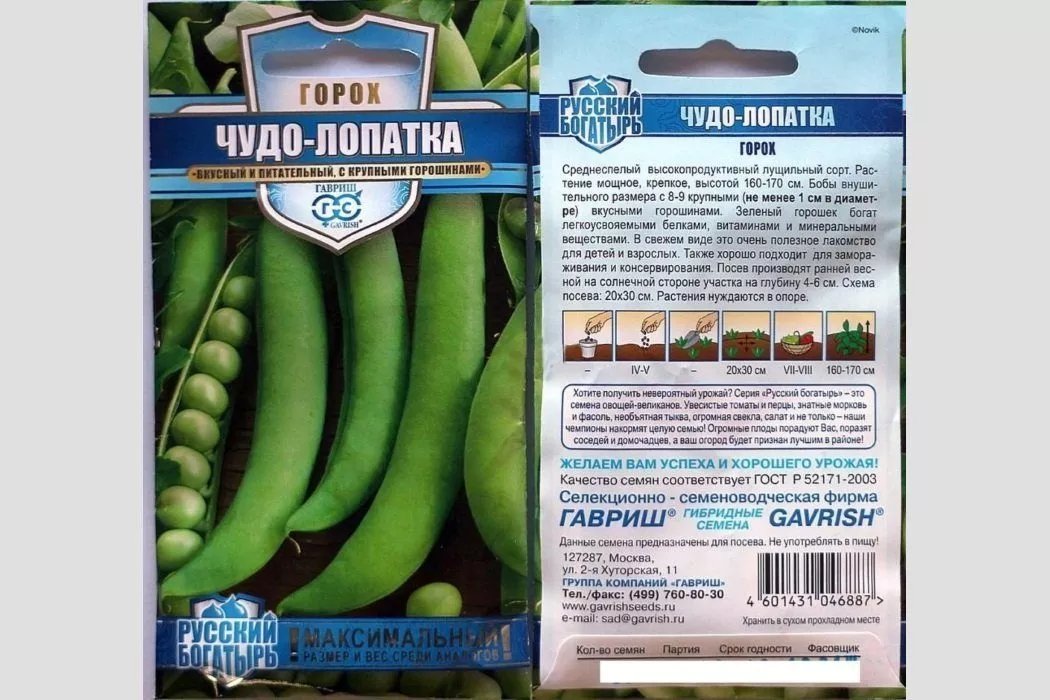
| Miracle shovel | 160-170 | 45 | 2-3 |
| Sugar Snap | 200 | 70 | Not specified |
Giant
Despite its name, this pea variety isn't the tallest, rarely exceeding 1.5 meters. However, this giant is quite early maturing, and the peas can be harvested within two months. The variety's yield is remarkable, reaching up to 1.5 kilograms per square meter.
The beans are slightly curved, wide, and long, with a pointed tip. Their walls are fleshy and thick, without a parchment layer. Up to 10 large peas can be found inside.
The giant is characterized by its fruits ripening evenly. The peas are notable for their excellent taste and versatility: they are suitable for both fresh consumption and canning.
Zhegalova 112
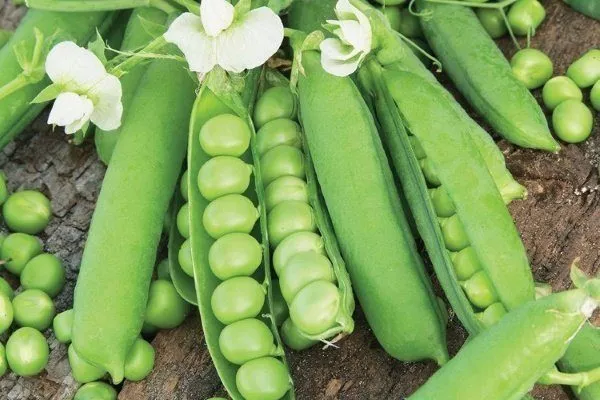
The variety reaches maturity after 3-4 months. Zhegalova 112 is a climbing plant reaching 1.5-2 meters in height. The average yield is 14.4 centners of immature beans per hectare.
At the technical maturity stage, the beans are sword-shaped, light green, and can reach 15 cm in length and 2.5 cm in width. One bean contains 5 to 8 large, rounded-angular peas.
Large blades and excellent taste are what make Zhegalova 112 so beloved and popular.
Blue pod
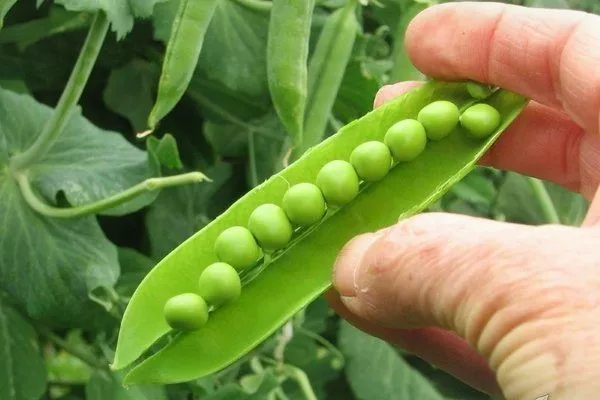
The stem height is up to 150 cm. This mid-season variety takes about 70 days from sowing to the first harvest. The bean yield will delight any gardener, reaching up to 1.5 kg per square meter.
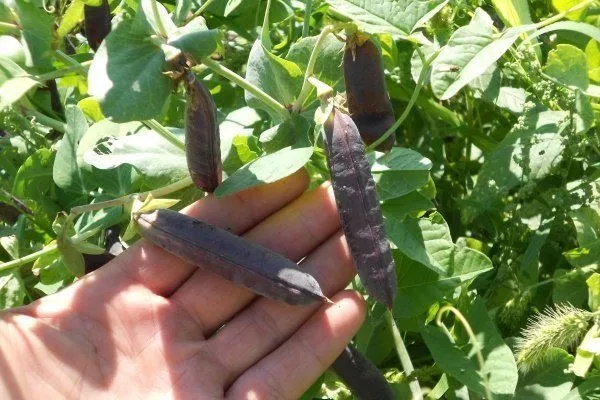
The variety's signature purple beans with a waxy coating are its signature feature. This structure prevents excess moisture from evaporating, keeping the beans fresh for a long time. The pods reach 8-9 cm in length and contain 7 to 9 beans.
The blue pod's color is not only its distinctive feature but also an added convenience during harvesting: the beans stand out against the green background. The variety's flavor is as outstanding as its appearance.
Telephone
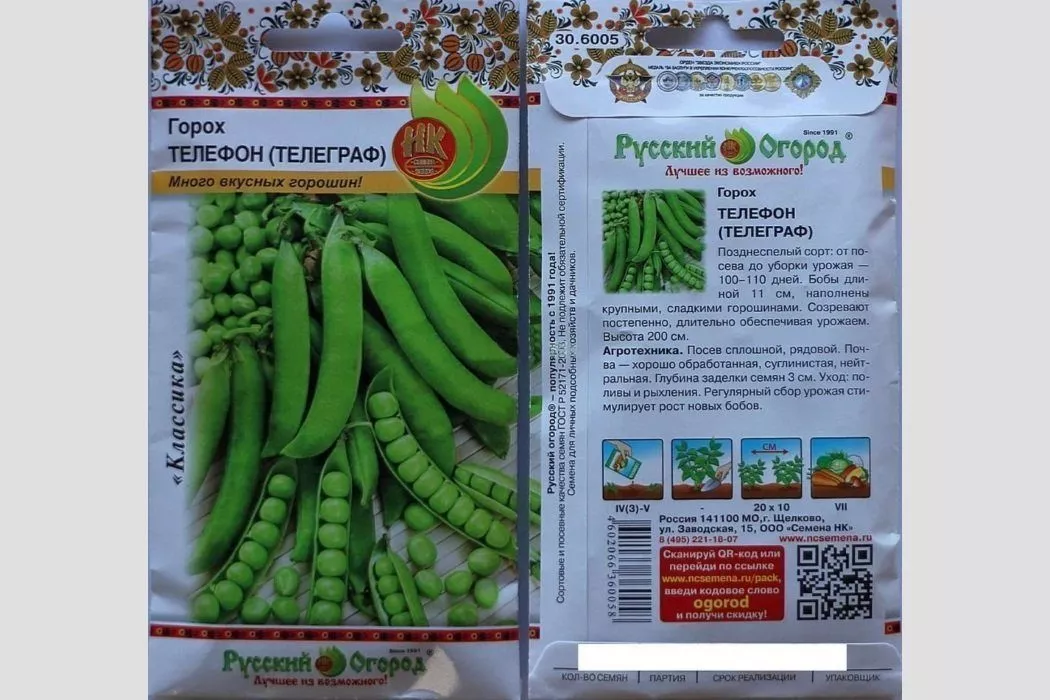
Depending on growing conditions, the stem can reach 2 or even 3 meters in height. "Telephone" is a high-yielding, late-ripening variety—up to 4 months pass from sowing to harvest. Moreover, ripening is protracted: the beans located at the bottom of the plant ripen first, followed a short time later by those at the top.
The length of the bean is about 11 cm. The peas are large and round.
Timely harvesting of ripe peas and sufficient moisture increases the chance of new pods forming.
Mustachioed Nyan
Belongs to a group of leafless varieties, in which some of the foliage has been modified into additional "whiskers." The "Whiskered Nyan" isn't a giant among high-quality varieties, rarely exceeding 80 centimeters in height. It ripens moderately, within 60-65 days.
The beans reach up to 10 centimeters in length and contain about 8 wrinkled medullary seeds. The pods of young beans lack the tough parchment layer.
A significant advantage of the whiskered nanny is that it can be grown without supports. The vigorous development of the whiskers allows the grass to adhere strongly, significantly increasing the plant's resistance to lodging. The seeds ripen uniformly. Furthermore, not only the peas but the entire pod, including the fleshy, sweet pods, are edible.
Miracle shovel
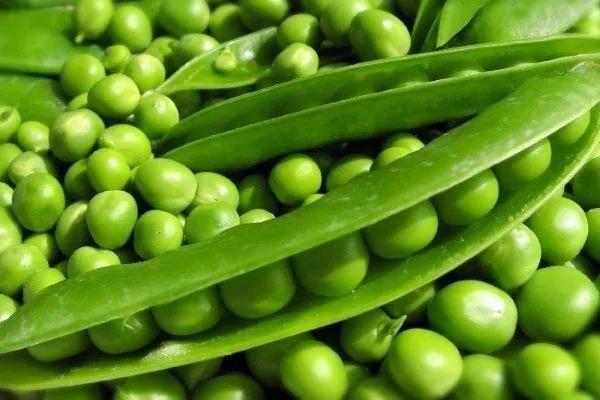
The plant is vigorous and robust, reaching 160-170 cm in height. It takes up to 1.5 months for the peas to ripen and be ready for consumption. The yield is impressive, reaching 2-3 kilograms per square meter.
The miracle beans are impressive in size – they grow up to 9 centimeters and contain up to 10 large, tasty peas.
It requires minimal support and is quite unpretentious in care and cultivation.
Sugar Snap
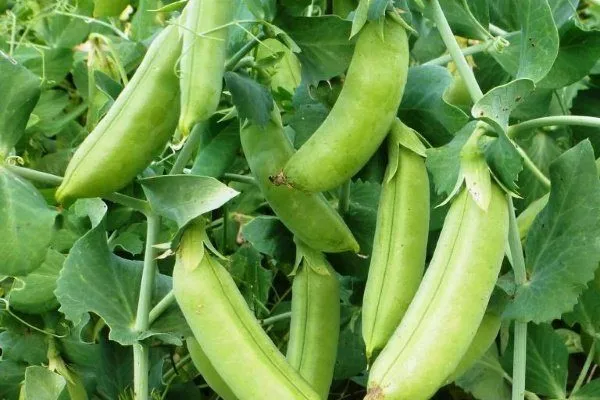
Favorable conditions allow the plant's stems to grow up to 2 meters in height. Sugar Snap is a mid-season variety, and the first fruits can be enjoyed within 70 days.
The beans are convex, short, and lack a parchment layer. The medium-sized, rounded peas retain their flavor for a long time.
Not only the fruits, but also the unripe pods are edible.
Short stature
Dwarf pea varieties don't require specialized support to produce fruit; simple staking is sufficient. Despite their compact size (up to 70 centimeters tall), miniature pea varieties are almost as productive as their taller counterparts.
| Name | Plant height (cm) | Ripening period (days) | Yield (kg/m2) |
|---|---|---|---|
| Grandma's surprise | 55-65 | 45-60 | 0.5 |
| Vatan | 60 | 70-75 | 0.55 |
| Chinese | 70 | 60 | 0.3 |
| Slider | 50-70 | 52.5 | 0.2-0.4 |
| Early Gribovsky | 40 | 50-60 | 2.2 |
| The Miracle of Kelvedon | 50 | 55-65 | 1.5 |
| Shustrik | 65 | 50 | 0.3 |
Grandma's surprise
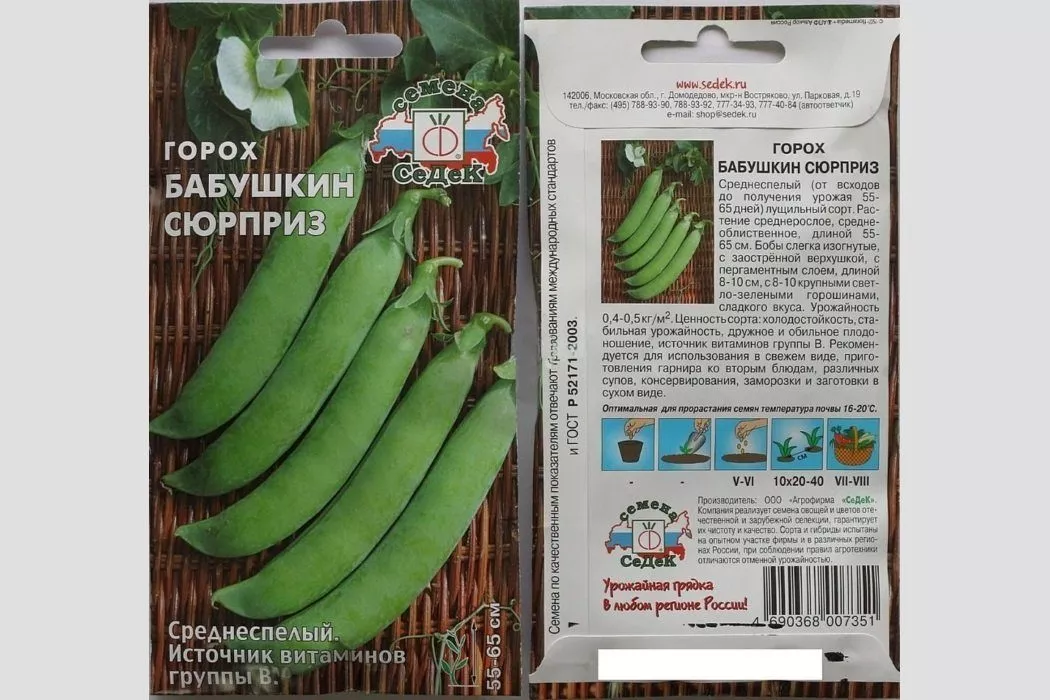
A mid-season shelling pea variety. The time from germination to the first harvest is approximately 1.5-2 months. The plant reaches 55-65 centimeters in height, with medium foliage. Yields up to 0.5 kilograms per square meter.
The beans are slightly curved, pointed at the tip, covered with a parchment layer, and contain about 8-10 peas. The fruits are large, light green, and sweet.
Grandma's Surprise is valuable due to its cold resistance and stable yield.
Vatan
This mid-season variety has an average growing season of 70-75 days. Vatan is distinguished by its leaves, a modified tendril-like shape. The stem and internodes are relatively short, averaging about 60 centimeters in height. Potential yield is 5.5 tons per hectare.
The beans are medium-sized, with a slightly curved, pointed tip. The stalk contains 4 to 7 round, yellow seeds.
Vatan is characterized by high resistance to seed shedding, plant lodging and diseases.
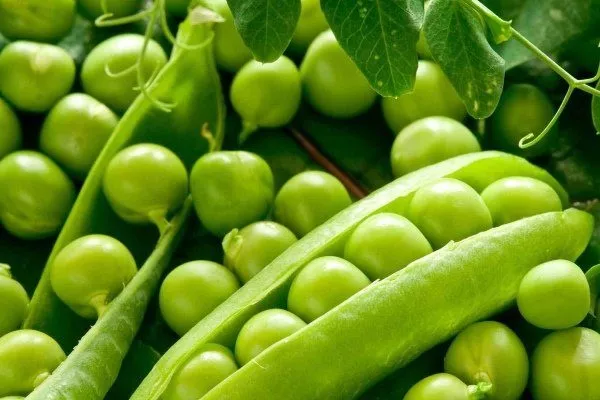
Chinese
A mid-season sugar snap pea with a growing season of approximately two months. The plant grows into bushes up to 70 centimeters tall. The variety isn't particularly productive, yielding up to 0.3 kilograms per square meter.
The beans are attractive and long, up to 15 centimeters long. The seeds in the pod are few and small (up to 0.5 centimeters in diameter).
Chinese peas are versatile and do not require specific growing conditions.
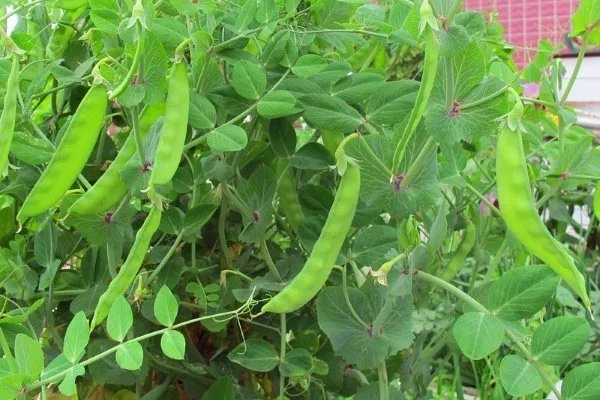
Slider
This variety is a leafless pea, growing up to 50-70 centimeters in length. The growing season lasts approximately 7.5 weeks. Its yield is modest, ranging from 200 to 400 grams per square meter.
The beans are slightly curved, narrow, medium-length, and green. They contain up to 10 large, sweet peas.
The creeper requires no support at all and does not lodge. It is easy to care for and boasts a long fruiting period.
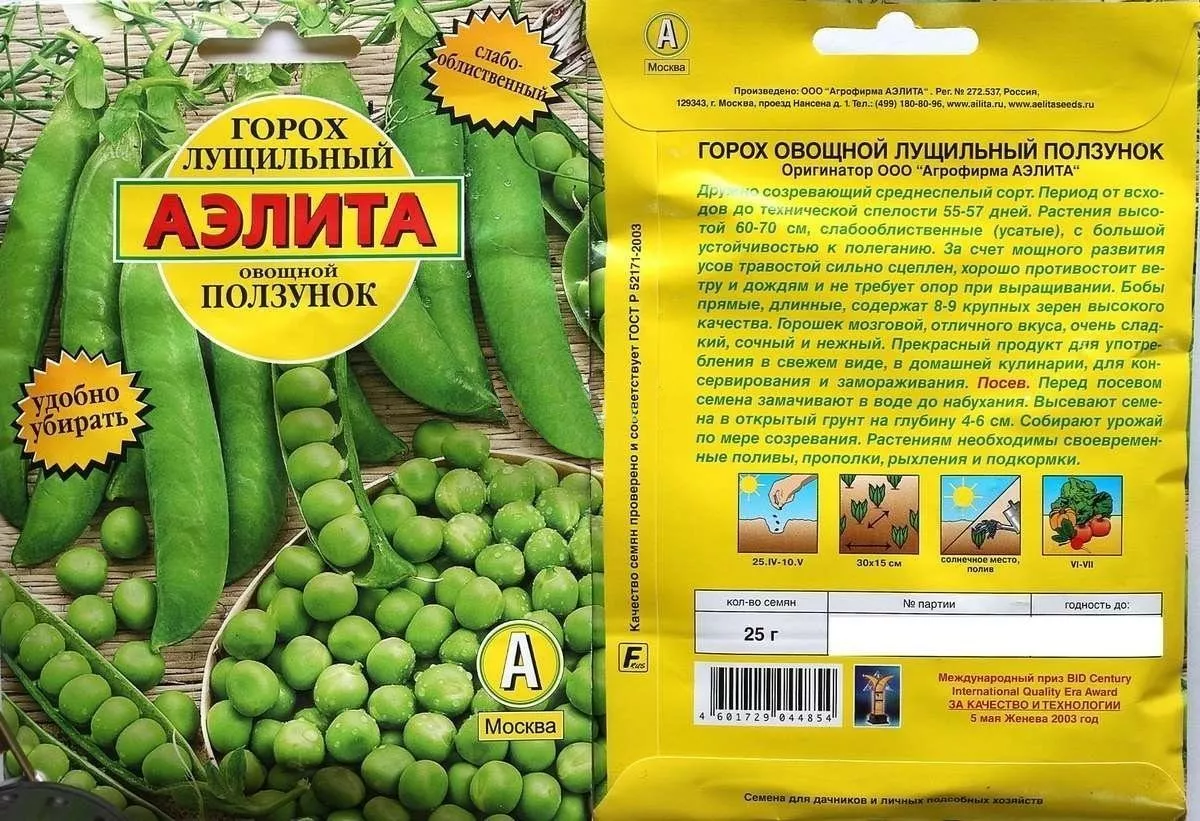
Early Gribovsky
The plant's stem is simple, unfasciated, and grows up to 40 centimeters in length. It bears two pairs of light green or yellowish-green, oblong-ovate leaves. This early-ripening variety requires 50 to 60 days for fruiting. The yield of mature beans reaches up to 220 centners per hectare.
A large, dark green bean, up to 10 centimeters long, contains about 8 large peas.
Early Gribovsky is famous for the high quality of its fruits and their outstanding taste.
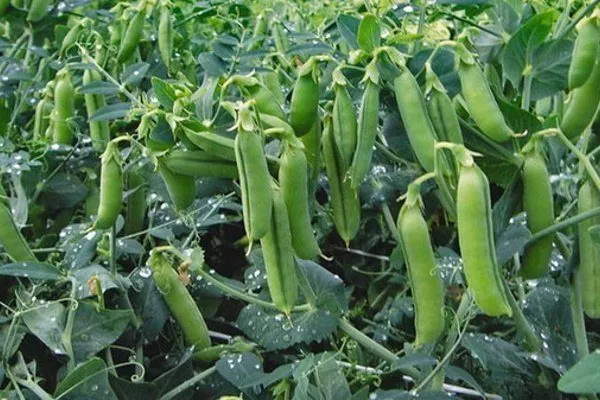
The Miracle of Kelvedon
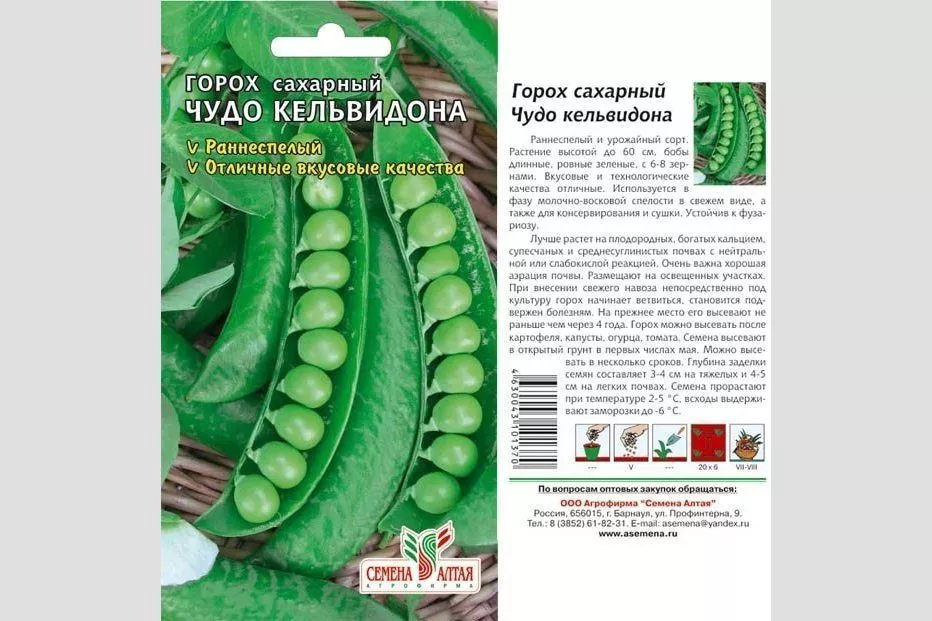
This early-ripening (55-65 days) variety is one of the smallest among the dwarf varieties, rarely exceeding half a meter in height. However, its diminutive size does not hinder its yield, which reaches up to 1.5 kg/sq. m.
The beans are long, arranged in pairs on a peduncle. They contain about 7 light green peas with a high sugar content.
The Kelvedon miracle pea is resistant to adverse growing conditions and frost, and the peas can be used in a variety of ways: fresh, frozen, and canned.
Shustrik
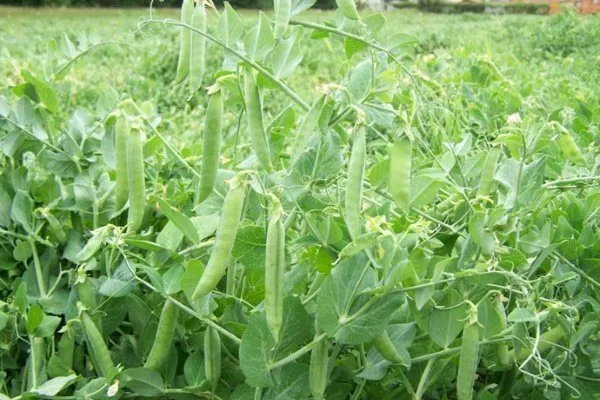
Another leafless pea, the plant reaches no more than 65 centimeters in length. Shustrik is an early-ripening variety; in warm climates, the first fruits can appear in as little as 50 days. Shustrik yields average, around 3 tons per hectare.
The bob is straight, with a rounded top. The peas are small, smooth, and almost perfectly spherical.
Although the Shustrik is slightly inferior to low-growing species in terms of resistance to shedding and drought, its resistance to lodging is significantly higher.
Sugar
Sugar snap pea varieties are renowned and beloved for their edibility and waste-free nature—not just the peas, but the entire sweet snap pod can be eaten, as the pods have virtually no parchment layer. Contrary to their name, the grains of these varieties are relatively low in sugar.
| Name | Plant height (cm) | Ripening period (days) | Yield (kg/m2) |
|---|---|---|---|
| Children's sugar | Not specified | 45-60 | 2.5 |
| Honey pod | Not specified | 55-65 | 0.8-1.3 |
| Sugar girlfriend | Not specified | 65-70 | 1.3 |
| Sugar Oregon | 70 | 60 | Not specified |
| Sugar Prince | 150 | 75 | 1.5 |
Children's sugar
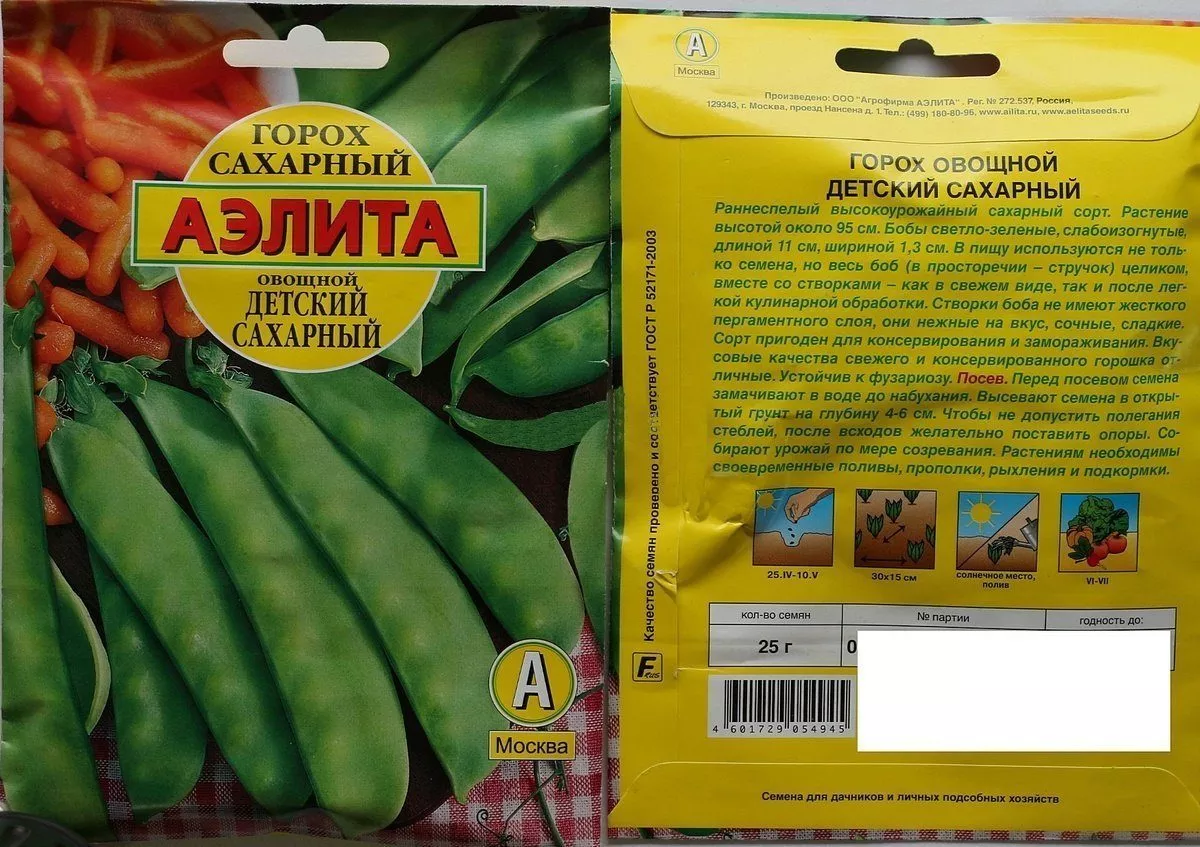
The plant has a medium-length stem. The ripening period is 1.5 to 2 months. The lower beans are attached at a height of about 30-35 centimeters. This baby sugar variety boasts a good yield of beans at technical maturity – up to 2.5 kilograms per square meter.
The beans are slightly curved, long, medium-width, with a pointed tip. When ripe, they are light green and lack a parchment layer. The wrinkled peas are medium-sized. This variety is often considered a delicacy.
Honey pod
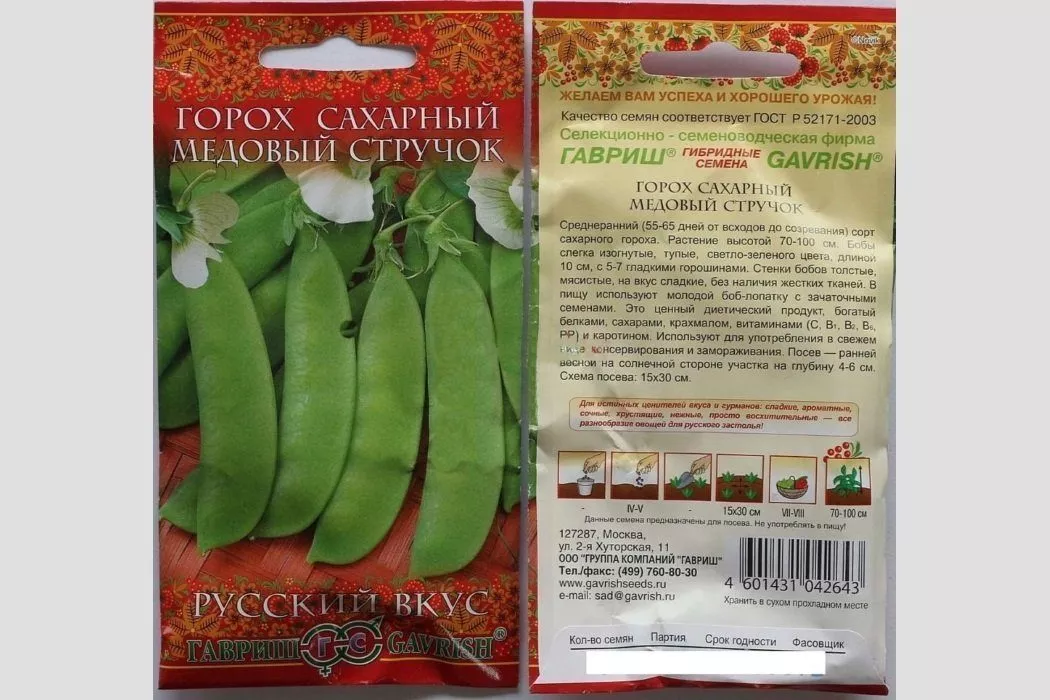
The plant's stem is usually short, but can sometimes reach medium length. The lower pods are attached at a height of 40-45 centimeters. This is a mid-early variety, requiring 55 to 65 days from germination to ripening. Honey pod yields are reliable, but not impressive: 80 to 130 centners per hectare.
The beans are medium-length and medium-width, slightly curved, and have a pointed tip. When ripe, they are green, without any parchment layer. They also have small, wrinkled seeds.
The taste qualities of the honey pod are remarkable starting from technical ripeness.
Sugar girlfriend
The plant has a short, occasionally medium-sized, stem. The lower pods reach 70 cm in height. This variety is also mid-season, with 65-70 days from germination to harvest. Sugar Girlfriend yields up to 1.3 kilograms per square meter, or up to 0.5 kilograms of green peas.
The degree of curvature of the beans varies from slight to significant. The pods are invariably long, medium-wide, and pointed at the tip. When ripe, they are green or light green, and the parchment layer is completely absent.
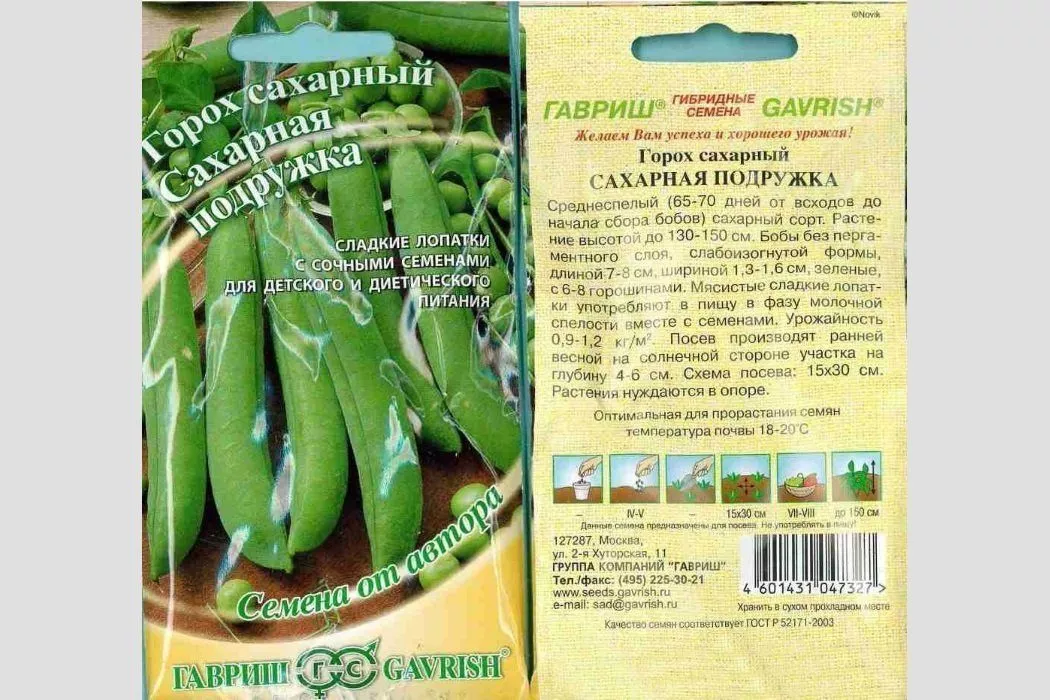
Sugar Oregon
The plant typically reaches 70 centimeters in height. The stem itself is angular, prone to lodging, and can grow up to 2.5 meters in length. Sugar Oregon has a unique shape: paripinnate leaves terminate in tendrils that can support themselves. This variety matures relatively quickly—in about 60 days.
The pod shape is slightly curved and blunt, with beans reaching approximately 10 centimeters in length. The fruits are light green and small to medium in size.
Sugar oregon's resistance to common diseases sets it apart from other varieties. Furthermore, it's ideal not only for eating fresh whole, but also for canning and freezing.
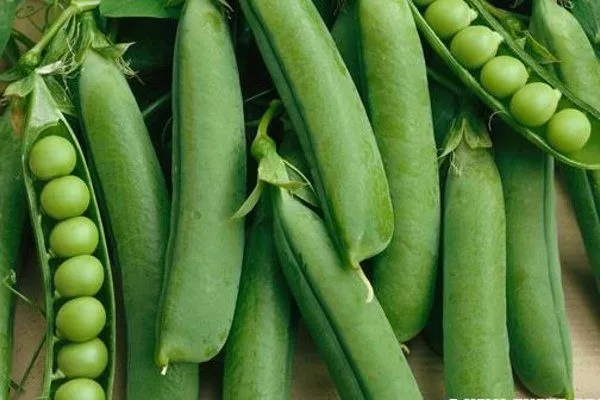
Sugar Prince
This is a striking example of a high-yielding sugar bean variety, with plants reaching a height of up to 1.5 meters. The growing season lasts approximately 2.5 months. Sugar Prince has a moderate yield, yielding up to 1.5 kilograms of beans per square meter.
The pods are green, flat, up to 12 cm long, and lack not only the parchment layer but also the fibers. They contain about 8 round, green, very sweet and tasty peas.
Sugar Prince is characterized by high and synchronous ripening of fruits and excellent pea flavor. It is used for fresh consumption, cooking, canning, and freezing.
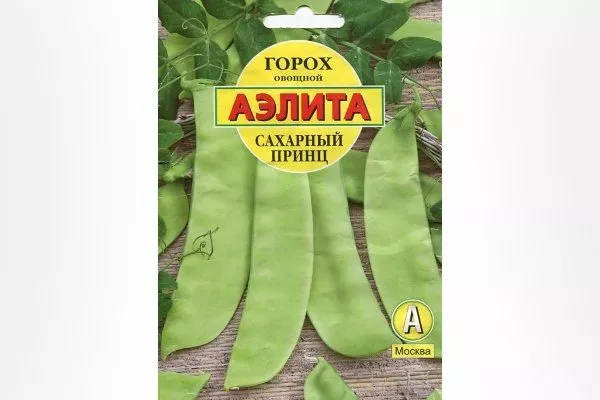
Brain
The name derives directly from the shape of the peas: as they ripen, the fruits become covered in "convolutions," resulting in them resembling the corresponding organ. Brain-shaped varieties are renowned for their minimal starch content and superior flavor; these peas are the sweetest.
| Name | Plant height (cm) | Ripening period (days) | Yield (kg/m2) |
|---|---|---|---|
| Harp | 50 | 43-57 | 0.6-0.7 |
| Monogram | 60-70 | 60 | Not specified |
| Voronezh green | 100 | 45 | Not specified |
| Gloriosa | 80 | 55 | 0.5 |
| Dakota | 70 | 45-60 | 1.5 |
| Dinga | 100 | 55-70 | 0.5-1.1 |
| Conceited | 37 | 60 | Not specified |
| Premium | 80 | 60 | Not specified |
| Troparion | 40 | 50 | 0.2 |
Harp
Pea bushes average half a meter in height. Harp peas have a relatively early growing season, with 43 to 57 days required from the moment the shoots emerge above ground to technical maturity. This variety boasts consistently good yields – approximately 600-700 grams of peas can be harvested from one square meter.
Each pod contains 2 beans, and the 7-9 cm long axil contains up to 9 seeds.
Harp is notable for its resistance to pea diseases such as ascochyta and fusarium.
Monogram
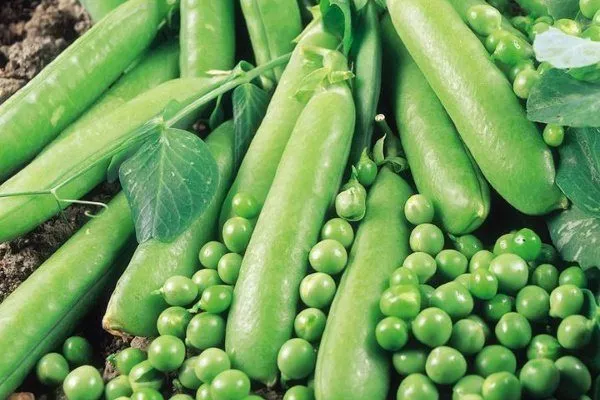
Plants of this variety grow relatively small – the bushes average about 60-70 cm in height. The growing season is also average – it takes about two months to begin harvesting.
The beans are straight, pointed at the tip, and a distinctive green color. The pod size corresponds to the size of the plant—medium in width and length. When ripe, the peas are uniform in size, green, and have outstanding flavor.
The variety is loved and popular due to its excellent technological qualities.
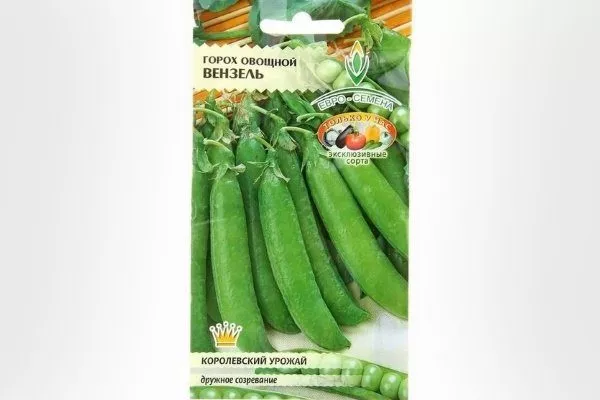
Voronezh green
It grows quite large, at least 1 meter in height. It also ripens impressively quickly: the first tasty fruits can be harvested within 1.5 months of emergence.
The seeds of the Voronezh green variety are uneven and covered in ridges. The peas are quite large, reaching up to 1 centimeter in diameter. They have a distinctive, vibrant green color.
The variety is resistant to fusarium and downy mildew. The leaves of Voronezh Green are especially popular among gardeners – they are sparse, making hand-picking easier, and, with adequate watering, they don't burn in the sun.
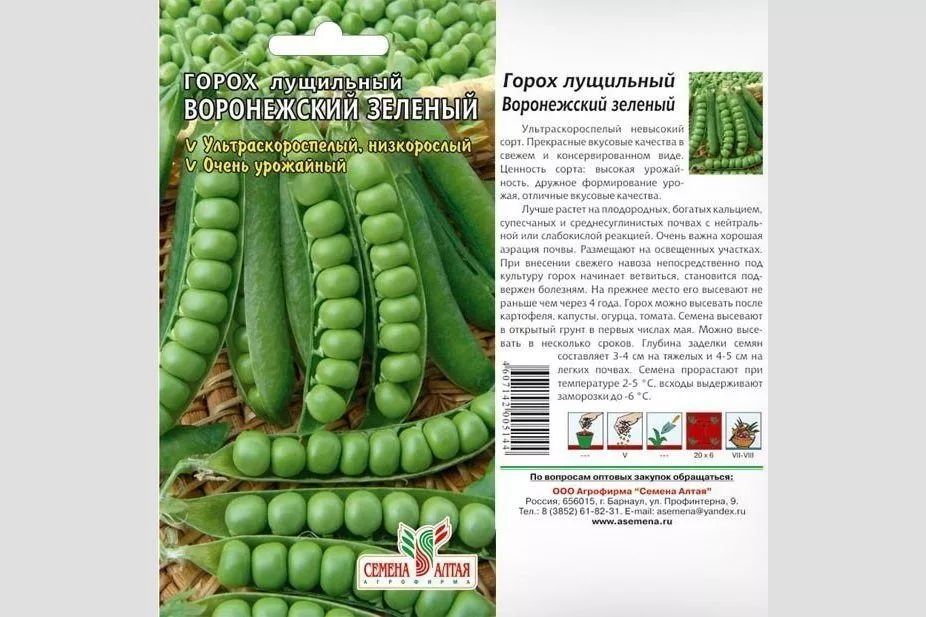
Gloriosa
The plant grows up to 80 cm, with a growing season of approximately 55 days (mid-early variety). Gloriosa has a good and stable yield potential – up to 500 grams of delicious green peas can be harvested from one square meter. A delicious variety.
For successful cultivation of this pea variety, high-quality soil is essential, but adding fresh manure to the soil under the plant is not recommended, as it will cause the peas to become diseased. Preparing the soil in advance or applying liquid fertilizer is necessary.
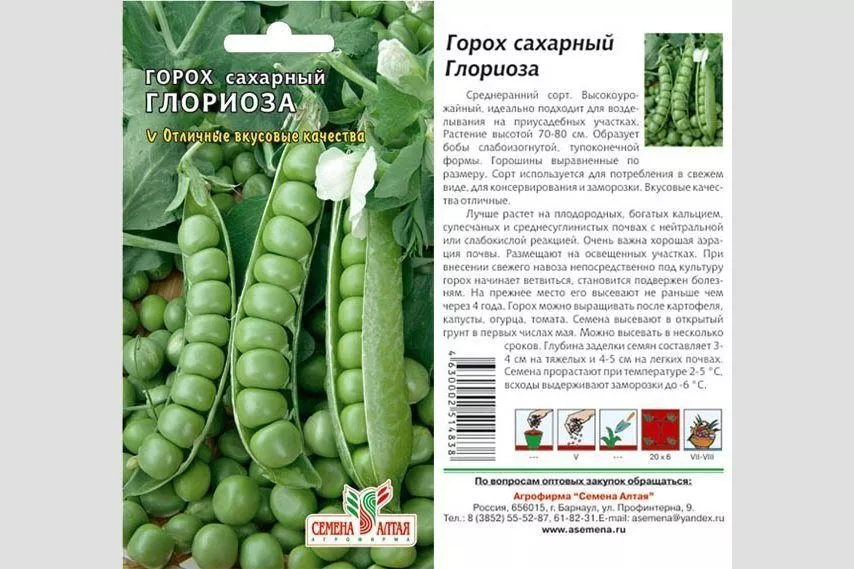
Dakota
Dakota peas have a short stem, averaging 70 centimeters. It takes about 1.5-2 months for the first fruits to appear, but full maturation can take over 70 days. The variety's yield is quite impressive – up to 1.5 kilograms of peas per square meter.
The beans grow up to 10 cm in length and contain up to 12 sweet peas. The kernels inside the beans are a rich, dark green.
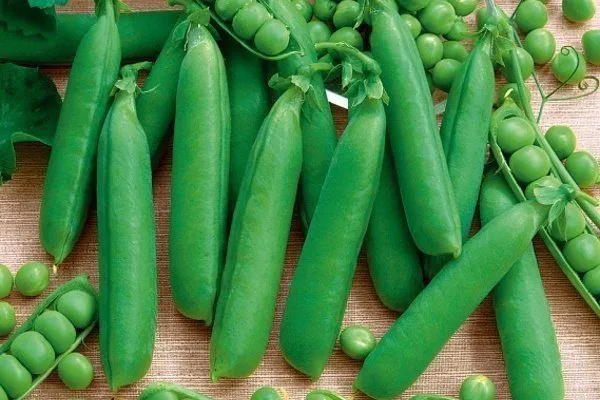
Dinga
These plants have simple stems up to 1 meter long. Dinga peas are a mid-season variety, with the time from full germination to technical maturity ranging from 55 to 70 days. Green peas have a high yield, yielding 500 to 1,100 grams per square meter.
Although Dinga is susceptible to powdery mildew and yellow mosaic virus, it is resistant to fusarium.

Conceited
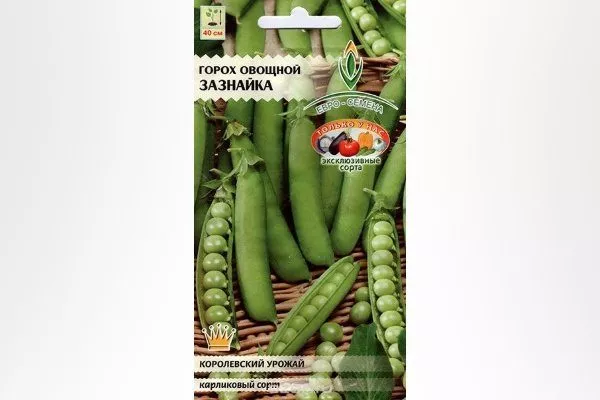
The plant has a relatively short stem and rarely exceeds 37 centimeters in height. It is considered an early-ripening variety, with the fruit taking an average of two months to ripen.
The pods are straight, small (about 6-7 centimeters long), and contain up to 9 peas. The seeds themselves are also medium-sized, dark green, and have a delicate, sweet flavor.
The variety is valuable due to the even ripening of fruits and its undemanding nature in terms of support: Zaznayka is extremely resistant to lodging.
Premium
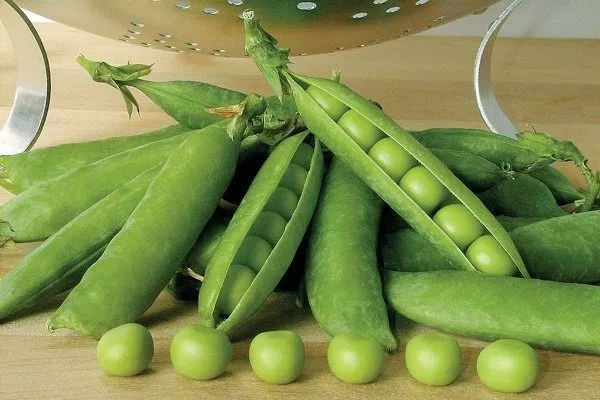
Premium is the king of brain varieties. The plant grows to a medium height—around 80 centimeters. And the fruit ripens relatively quickly—up to two months.
The pods are medium-bubbly, with a rounded tip, and are about 8 centimeters long. They are covered with a parchment layer.
Premium is prized for its inimitable taste: its fruits are ideal for both fresh consumption and canning. Furthermore, the beans ripen evenly, making harvesting much easier.
Troparion
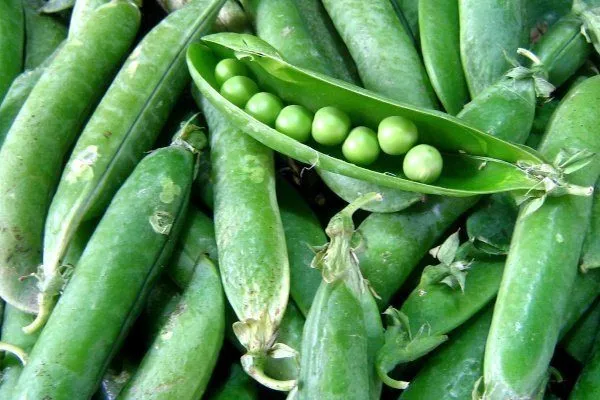
This variety is another representative of the miniature marrow pea. It averages 40 cm in height. Tropar is an early-ripening variety, and the first harvest can be expected after only 50 days. The yield leaves much to be desired, at around 200 grams of fruit per square meter.
The variety is characterized by exceptional flavor, especially in the third week of ripening. Furthermore, Tropar is a favorite among gardeners due to its low maintenance: it doesn't tend to lodge and doesn't require support.
Early
Early pea varieties differ in the time it takes for the peas to fully ripen and become edible. They are divided into two categories:
- Very early. It takes 50-55 days from germination to maturity. They deserve special attention as they are extremely popular among gardeners.
- Early maturing. The fruits will take 56 to 60 days to ripen.
| Name | Plant height (cm) | Ripening period (days) | Yield (kg/m2) |
|---|---|---|---|
| Aria | Not specified | 52 | 0.7 |
| Barthes | Not specified | 41-45 | 0.39-0.65 |
| Virtush | Not specified | 47-55 | 0.35-0.62 |
| Handsome | Not specified | 50-55 | 0.35-0.85 |
Aria
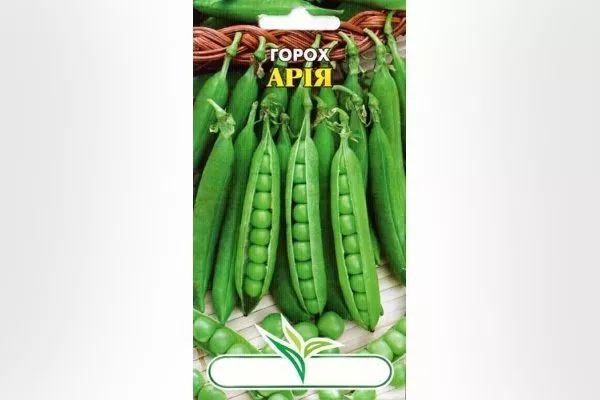
Belongs to the category of ultra-early varieties, reaching technical maturity in 52 days.
It has straight, medium-length beans with 6-9 peas per pod.
A very cold-resistant crop, very demanding of moisture, but if the conditions are met, it produces a high yield (over 7 tons per 1 hectare).
Barthes
Bartesa is a record-breaking early pea variety. After just 41-45 days, you can harvest and enjoy your peas. Yields are variable, ranging from 39-65 centners per hectare.
The pods can be double or triple, with up to 10 peas.
The variety is notable for its resistance to diseases, ease of harvesting and excellent taste.
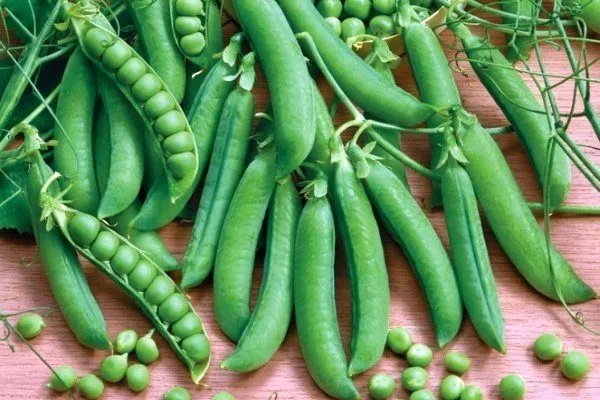
Virtush
An early-ripening variety with a growing season of 47-55 days, Virtush is not known for its consistent yield: 1 square meter can yield between 350 and 620 grams of peas.
It is notable for its resistance to fusarium and suitability for mechanical harvesting. Peas can be replanted in the same location only after four years, during which time potatoes, cabbage, cucumbers, or tomatoes can be grown in the same area.
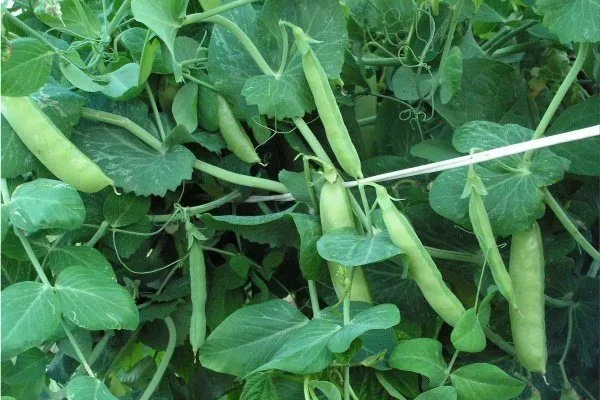
Handsome
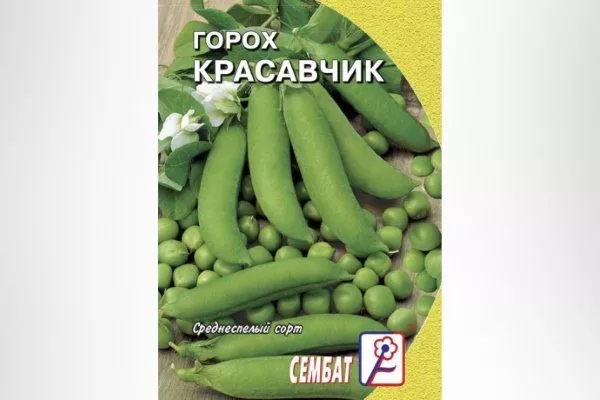
The average growing season for this "Krasavchik" variety is approximately 50-55 days. It has the most variable yield of all early pea varieties: yields range from 3.5 to 8.5 tons per hectare.
The beans are slightly curved and can be long or very long. Each pod contains 5 to 7 medium-sized peas.
An advantage of this variety is its suitability for mechanical harvesting. The taste of this handsome young man can range from good to excellent, depending on growing conditions.
For canning
Unripe green peas are used for canning. White-flowered, shelling varieties are used as raw material for preserves. Varieties with smooth, rounded kernels are best suited for canning, as they are characterized by a relatively low sugar content at the technical stage of maturity and a rapid conversion of soluble carbohydrates to starch.
| Name | Plant height (cm) | Ripening period (days) | Yield (kg/m2) |
|---|---|---|---|
| Faith | Not specified | 48-63 | 0.8-0.9 |
| First early | Not specified | 52 | Not specified |
| Primrose | Not specified | 42-48 | Not specified |
| Firework | Not specified | 45-55 | Not specified |
Faith
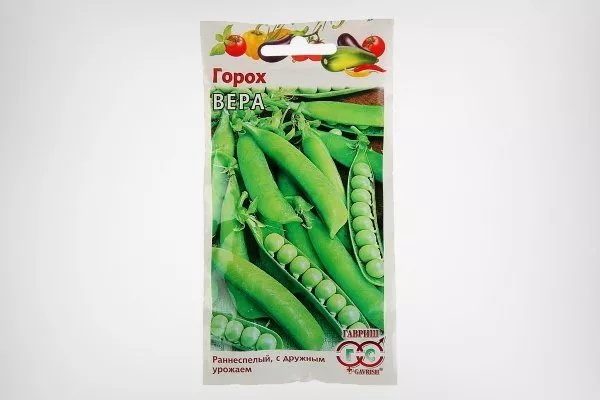
A super-early crop with a growing season of 48-63 days. Yields are approximately 80-90 centners per hectare.
Vera has slightly curved or straight beans, 6-9 cm long, containing 6-8 seeds.
The variety's value lies in its stable yield, uniform ripening, and lodging resistance. Mechanical harvesting is possible.
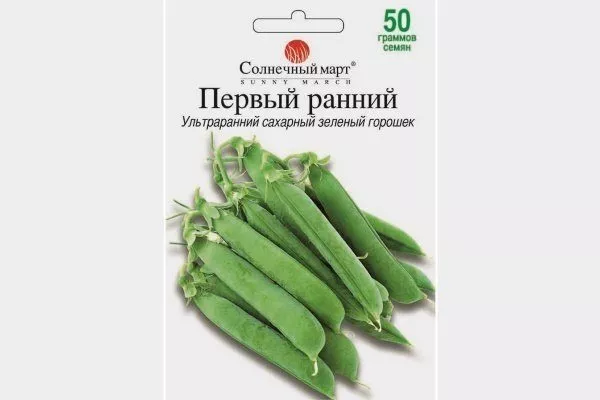
First early
A high-yielding shelling variety with a short growing season of 52 days.
The beans are of medium length and contain 7-8 fairly large peas.
The culture is valued due to its high resistance to cold and spring frosts.
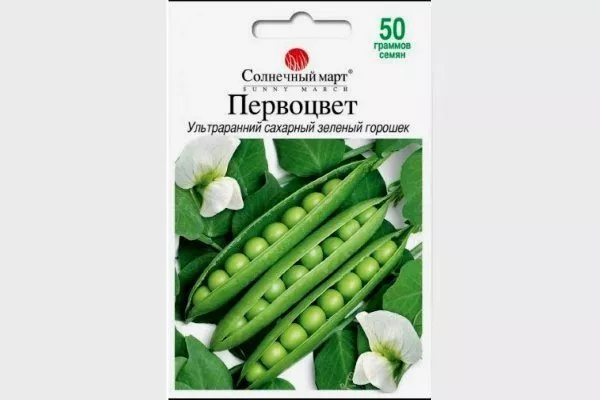
Primrose
It is a leader in terms of ripening speed: the fruits can be harvested and preserved 42-48 days after germination.
The pod is straight or slightly curved. 6-8 seeds develop inside.
Resistant to ascochyta leaf spot and fusarium wilt. Susceptibility to codling moth is negligible. Valued for its consistent yield, suitability for freezing, and lodging resistance.
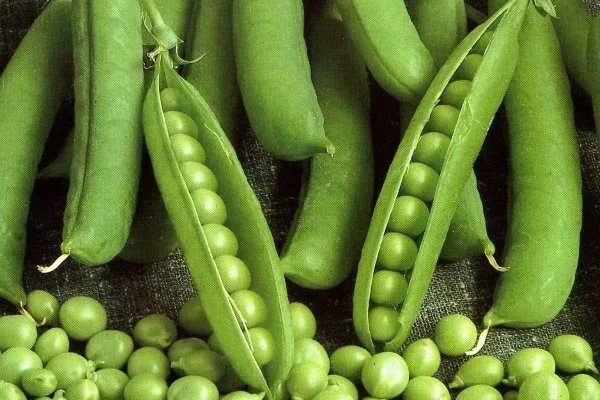
Firework
The variety is characterized by an extremely fast ripening period, the vegetation period is 45-55 days.
The pod is long (8-9 cm), with 7-8 peas.
It is distinguished by its high commercial value and excellent taste characteristics.
For open ground
Peas are a crop that doesn't require much heat to grow, so they're most often grown outdoors. Almost all varieties are suitable for this method, but the most effective are low-maintenance, high-yielding varieties that are resistant to lodging and shedding. These qualities are especially important for commercial cultivation.
Leafless varieties are best suited for open ground. These plants have developed tendrils that cling tightly to each other, eliminating the need for support or tying.
| Name | Plant height (cm) | Ripening period (days) | Yield (kg/m2) |
|---|---|---|---|
| Alpha | Not specified | 45-55 | 0.6-0.7 |
| Ambrosia | Not specified | 45-55 | Not specified |
| Oscar | Not specified | 65-70 | 0.7 |
| Troika | Not specified | 78-95 | 0.5 |
| Pharaoh | Not specified | 64-85 | 0.2-0.3 |
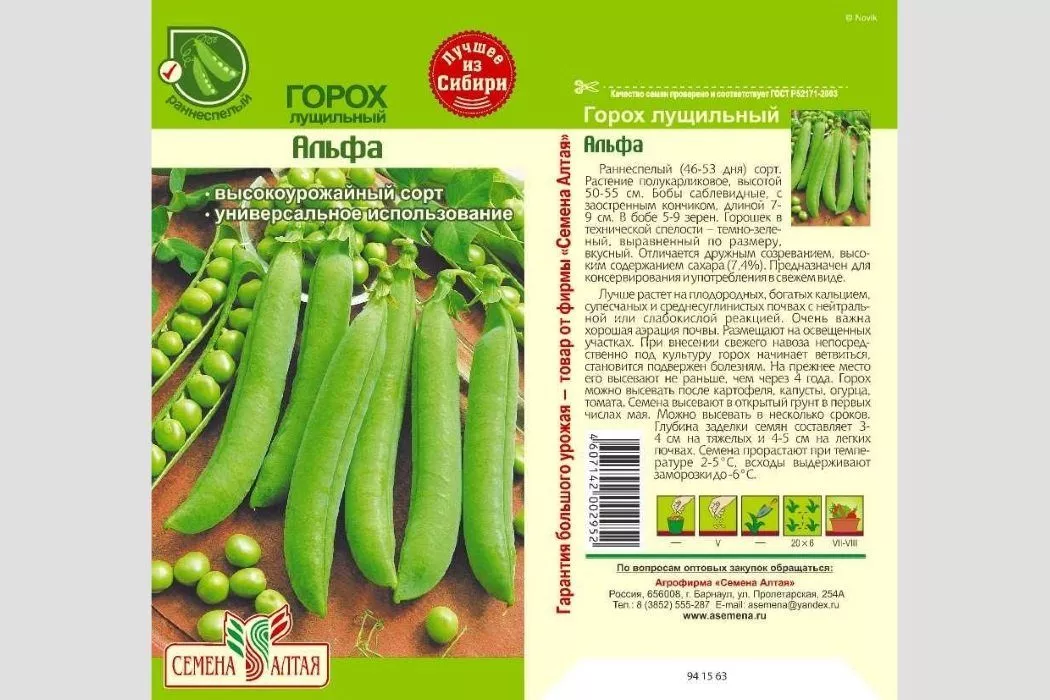
Alpha
The crop is notable for its high commercial value, stable yield, and special taste qualities (due to its high sugar content).
The ripening period, from the moment the seedlings emerge above the soil surface to technical maturity, can take 45 to 55 days. Each 8-cm-long pod produces 5 to 9 peas, with two beans forming in each axil. Yields range from 6 to 7 tons per hectare.
Increased resistance to ascochyta blight, fusarium and similar diseases is noted.
Ambrosia
A distinctive feature of this variety is its high yield: regular application of mineral fertilizers will prolong the fruiting period. Ripening takes 45-55 days. Two pods develop simultaneously in each axil. The pods reach 10 cm in length at technical maturity. Each pod produces 6-8 peas.
It has average resistance to diseases: tolerance to fusarium is noted.
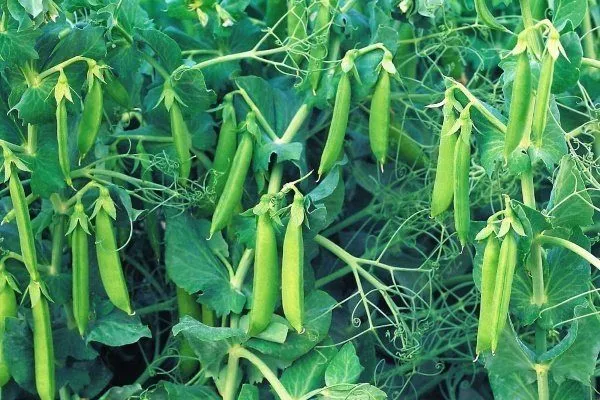
Oscar
The pod is notable for its dark green color. It's quite large, containing 10-12 seeds. It's an early-ripening variety with a high yield (about 70 centners per hectare) and a growing season of 65-70 days.
It has average resistance to diseases and is tolerant to Fusarium wilt.
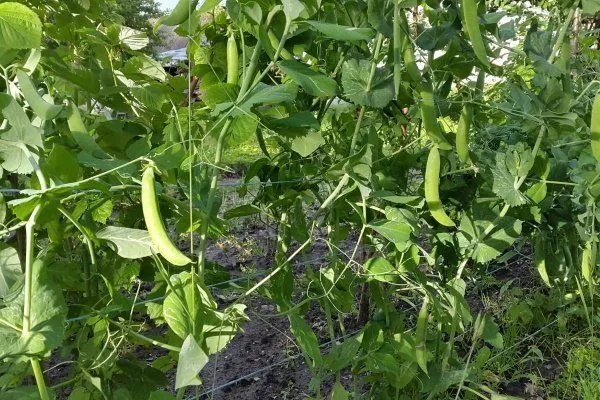
Troika
A late-ripening variety with a growing season of 78-95 days. Yields 500 grams of fruit per square meter.
In one bean, 6-7 small peas develop.
The key feature of this variety is that despite its small seeds, they are very sweet, making them prized by chefs and farmers. The variety's commercial and flavor value are very high.
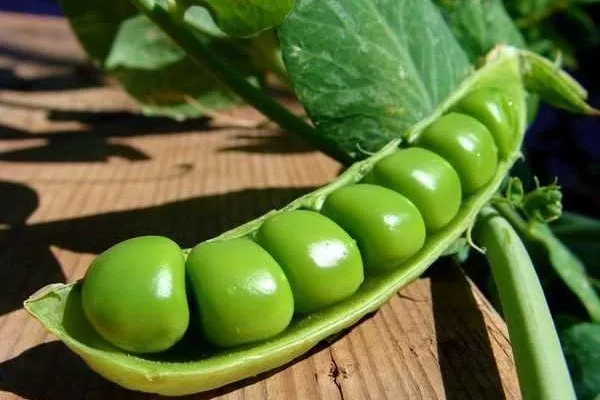
Pharaoh
A drought-resistant, mid-season crop with a growing season of 64-85 days. Each pod produces an average of 4-7 medium-sized seeds. It has a high yield of approximately 20-30 centners per hectare.
The plants have high immunity – the variety is notable for its tolerance to root rot and ascochyta blight.
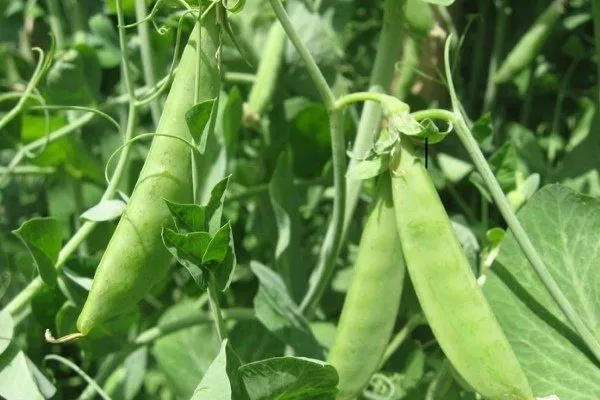
Grain feed
Peas are essential not only for the human diet but also for pet food. Both small- and large-grain varieties are used for animal feed. Grain-fed varieties of legumes are also grown for drying: in this form, the product can be stored for up to 10 years.
- ✓ The minimum distance between plants should be at least 10 cm to ensure sufficient ventilation.
- ✓ Supports should be installed before sowing seeds to avoid damage to the root system.
Angela
The plant grows up to 1 meter in height, with a fruiting season of 75 to 85 days. Angela's yield is variable, with yields ranging from 25 centners to 60 centners per hectare.
Both an advantage and a disadvantage of this variety is its heat-loving nature. Angela is sensitive to low temperatures, but it also boasts enviable drought tolerance and is virtually unaffected by lodging.
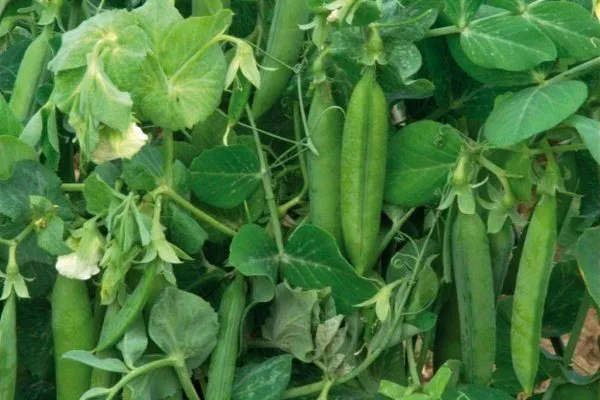
Astronaut
Plants grow to a medium height, ranging from 40 to 80 centimeters. The fruit ripening period ranges from 2 to 2.5 months. Astronaut is also not a stable variety, yielding between 20 and 50 quintals of peas per hectare.
The variety is moderately resistant to ash, stem rot, rust, and drought. A particular advantage is its suitability for mechanical harvesting.
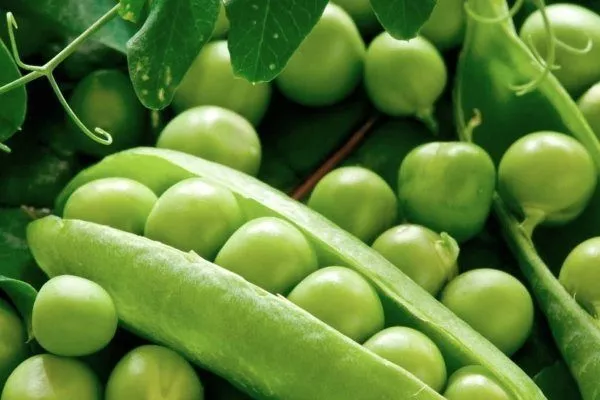
Velveteen
Velvet grows to a height of 90 to 100 cm. However, this variety ripens quite late, and it can take more than three months to harvest the first fruits. Velvet yields are consistent and predictable, with a yield of approximately 50 quintals of peas per hectare.
A distinctive positive feature of this variety is its versatility and undemanding growing conditions: it can be grown in virtually any climate. It also exhibits moderate resistance to ascochyta blight and rust.
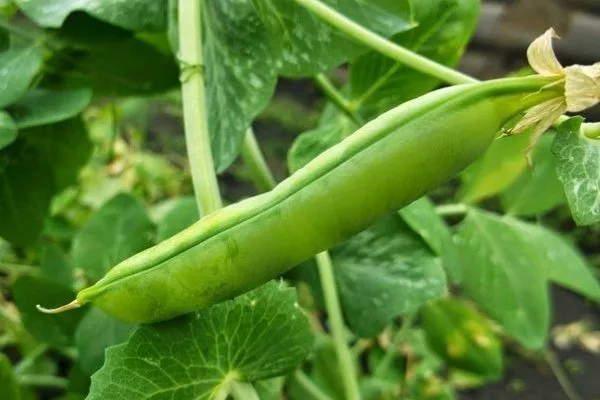
Gothic
The plant grows to a medium height—around 90 centimeters. The growing season is quite long, requiring 75 to 85 days for harvest. Gothic boasts a stable and high yield—approximately 550 grams of peas can be harvested from one square meter.
The variety is valuable for its outstanding drought-resistant properties.
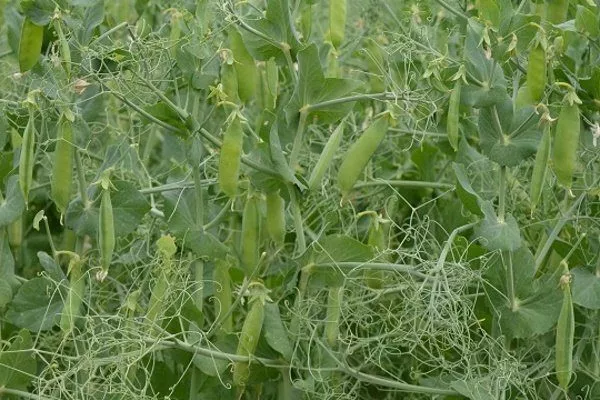
Modus
This is a mid-season variety with a growing season of approximately 2.5 months. The plant grows up to 1 meter in height. Yields are variable and average, at approximately 250 grams of peas per square meter.
Modus is prized for its drought resistance and the high nutritional value of its fruits—just 100 grams of dried peas contain approximately 300 kilocalories. Furthermore, the variety is suitable for mechanical harvesting.
Rocket
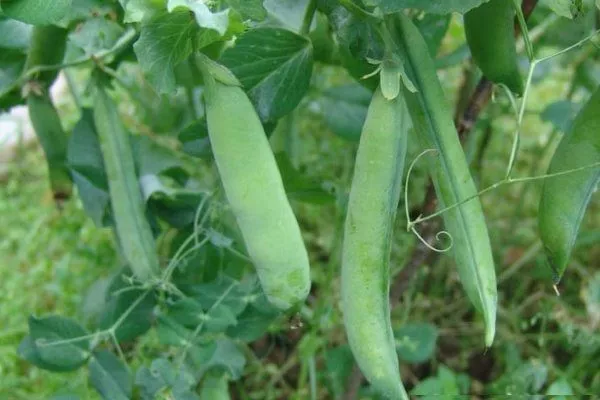
Rocket can reach a height of 40 to 90 centimeters, and in some cases, under exceptionally favorable conditions, up to 95 centimeters. The variety produces a stable and moderate yield of 4.6 tons of fruit per hectare.
Rocket is a variety ideal for very early sowing, as it boasts exceptional frost resistance. It also offers good resistance to pea diseases such as gray mold and ascochyta leaf spot.
Salamanca
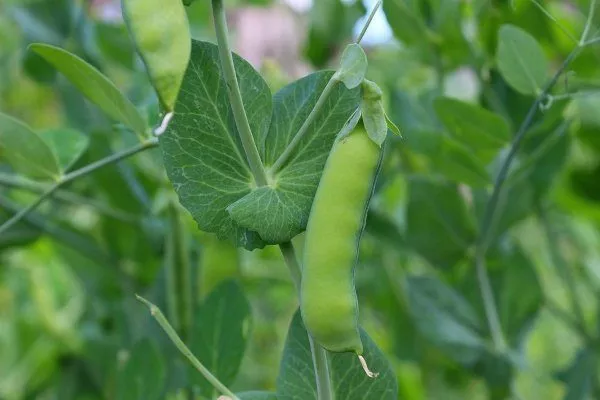
The plant's stems can vary in length, often reaching 40 centimeters or 1 meter. Harvesting requires some time: the growing season ranges from 63 to 87 days. Salamanca is the highest-yielding grain-forage pea variety: up to 8 tons of healthy peas can be harvested from one hectare.
Salamanca has moderate resistance to rust, ascochyta blight, and drought. Another advantage is the uniform ripening of the fruit. The variety is suitable for mechanical harvesting.
Stabilized
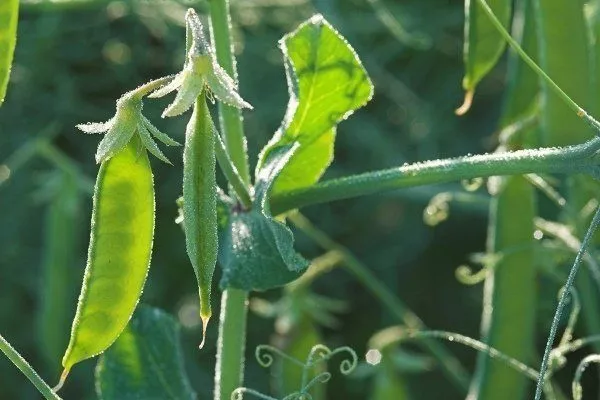
Stabil is a giant among grain-forage pea varieties. The plant reaches at least 1 meter in height. Its growing season corresponds to its size—it can take over 95 days for the fruit to ripen. However, the yield remains quite moderate—3.5 to 5.5 tons of fruit per hectare.
Stabil has increased resistance to diseases such as ash, stem rot, anthroclase, and root rot. The variety is suitable for growing in a wide range of environmental conditions. With sufficient moisture, it is possible to produce high-quality peas suitable for both livestock and humans.

By region of the country
Peas are a crop that thrives throughout Russia. However, when choosing seeds for planting, it's important to consider not only the variety's characteristics but also its adaptability to the region's climate.
For Siberia
Despite the not-so-hospitable and mild climate of the northern zone, pea crops in Siberia are capable of growing and bearing fruit well.
Peas such as Altai emerald, especially widespread in the eastern and western regions. This dwarf variety boasts an enviable yield—at least 9 tons of peas can be harvested from one hectare of land. These Siberian peas are renowned for their impressive taste and versatility: they are suitable for eating fresh from the garden, as well as for canning and preparing side dishes.
In addition to the undisputed leader in prevalence, some other, less popular, varieties also thrive in Siberia:
- Annushka;
- Varangian;
- Darunok;
- Demos;
- Zavodoukovsky;
- Kemchug;
- Narymsky 11;
- Rus;
- Svetozar;
- Yakhont.
For the middle zone
Peas have been grown in central Russia for hundreds of years. The region's climate is practically ideal for peas (at least for heat-loving varieties). If you plan to plant peas in central Russia and the Moscow region, it's best to choose the following varieties:
- Children's joy;
- Gloriosa;
- Conceited.
However, other, less well-known and popular varieties of peas will also thrive, such as:
- Afonka;
- Farmhand;
- Burgomaster;
- Jackpot;
- Calypso;
- Lincoln;
- Nemchimovsky 100;
- Spartacus;
- Triumph;
- Round dance;
- Anniversary boy.
For the south
Peas are a key component of this region's agriculture. They are grown by both large farms and small gardeners and hobbyists.
Peas have gained particular popularity. GregorThe variety is known and loved due to its advantages:
- a large number of tendrils that prevent the plant from falling over;
- possibility of mechanized harvesting;
- drought resistance;
- high yield (at least 4 tons of fruit per 1 hectare);
- relatively high protein content.
However, over 40 other varieties, perfectly adapted to the local climate, are grown in the region. The most famous and popular of these are:
- Bosphorus;
- Zenkovsky;
- Cleopatra;
- Magnate;
- Mazepa;
- Profit;
- Torch;
- Fargus;
- Kharkiv standard.
For the southwest
This region primarily cultivates shelling varieties, which are ideal for canning and cereal production. Particular attention is paid to high-yielding pea varieties.
A striking example is the variety Minsk grainIt is characterized by highly uniform grains and a high yield of shelled peas—over 80%. The variety has enviable lodging resistance and is fully adapted to mechanized harvesting. Yields can reach over 50 centners of peas per hectare.
Other varieties are also successfully grown in this part of the country, although on a smaller scale. These include:
- Stork;
- Ales;
- Belarusian non-crumbling;
- Cartoon;
- Natalievsky;
- Starter;
- Facet;
- Chervensky.
Peas are a crop with numerous varieties. Among them, you can choose the right one for any growing conditions and intended use: some are excellent fresh, while others are better suited for canning or animal feed. Therefore, it's important to carefully study all their differences and characteristics.