
The Kelvedon Miracle pea is a popular variety, attracting the attention of both experienced gardeners and novice hobbyists. This crop is renowned for its excellent taste, high yield, and excellent disease resistance. With proper care, it will boost your immune system and yield abundant harvests of juicy peas.
Description of the variety
This is a sugar variety. The fruits have good commercial and flavor qualities. This crop is successfully grown throughout Russia.
Features of the appearance of the plant, beans and seeds
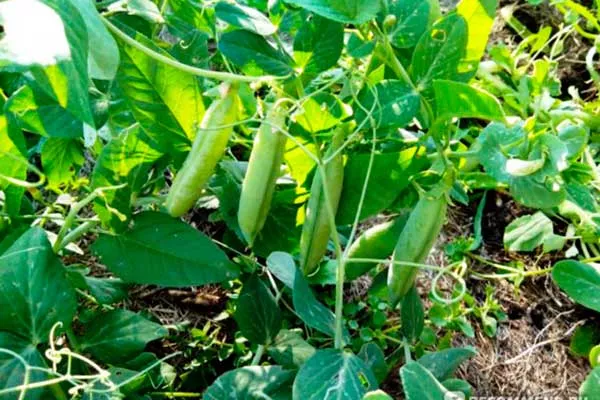
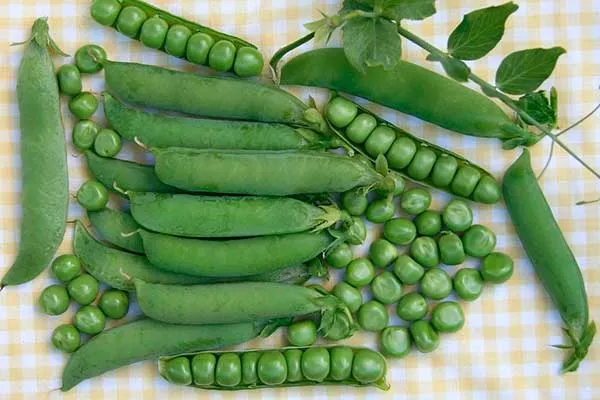
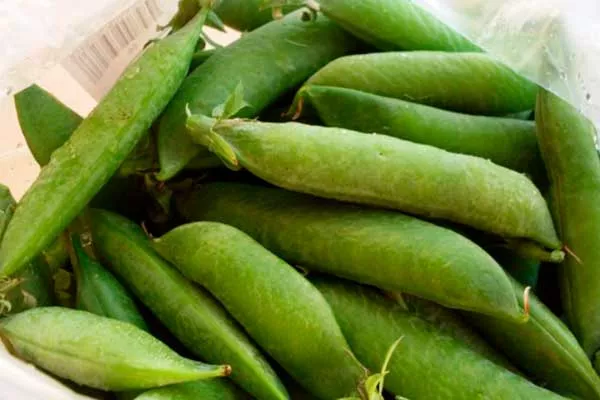
The bushes are compact, with stems ranging from 50 to 60 cm in length. The beans are elongated and smooth in shape, reaching about 8 cm in length and containing 6 to 8 dark green seeds.
Purpose and taste
Peas are suitable for a variety of purposes: they can be eaten fresh, canned, and dried. This variety is prized for its excellent flavor—sweet and pleasant, it will surprise even the most discerning gourmets.
Key Features
Kelvedon Miracle is resistant to fusarium, reducing the need for chemical treatments. It takes 45-53 days from emergence to technical maturity, and ripening occurs uniformly.
Landing rules
Cultivation requires careful site and seed preparation to ensure a high yield. Below are the basic steps for properly planting peas:
- The plant grows best in well-lit areas. It prefers sunny locations but can also tolerate light shade.
- Avoid growing peas after other legumes (beans, lentils), as this increases the risk of disease. Good predecessors include potatoes, cabbage, cucumbers, and tomatoes.
- Plant seeds in light, loamy or sandy loam soils with a neutral pH (pH 6-7). Avoid waterlogged and acidic soils.
- Prepare the area in the fall by digging the soil and adding organic fertilizer (humus or compost) at a rate of 3-5 kg per square meter. In the spring, loosen the soil and add ash and superphosphate to enrich it with phosphorus and potassium, which promotes root development and accelerates growth.
- Select healthy, large seeds, discarding damaged or empty ones. Soak them in room-temperature water for 10-12 hours to swell, which will improve germination. Treat them with a fungicide or potassium permanganate solution to protect against fungal diseases.
- ✓ The soil pH level should be strictly within 6-7; for accurate measurement, use a pH meter.
- ✓ The soil should be well drained, avoid areas with stagnant water, even after heavy rains.
Step-by-step algorithm:
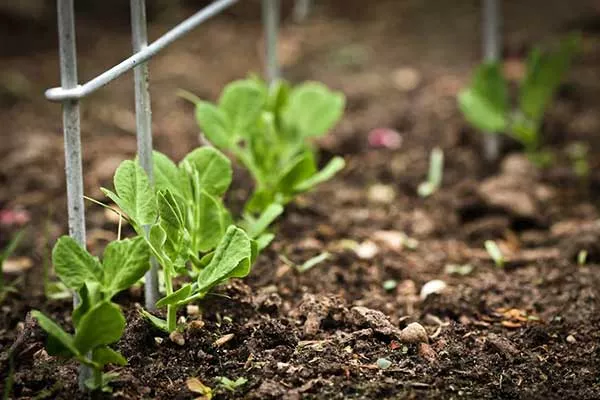
- Plant peas when the soil warms up to +5…+8°C. Depending on the region, this may be late April or early May.
- In the prepared area, make furrows 3-5 cm deep with a spacing of 20-25 cm between rows. The distance between seeds in a row is 6-8 cm.
- Place the seeds in rows, cover with a layer of soil and compact lightly for better contact with the soil.
- Water lightly with warm water, avoiding over-watering.
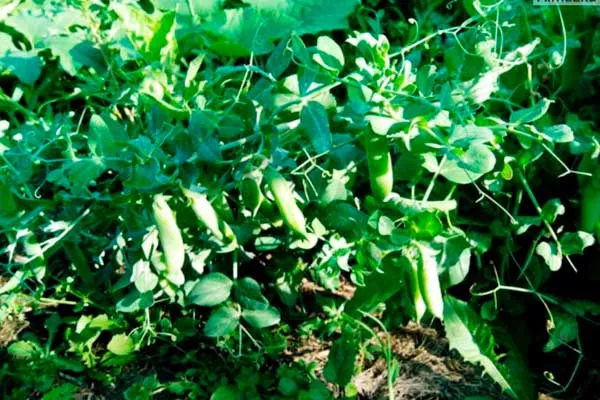
Following these guidelines will help you grow healthy plants that will produce a bountiful harvest of delicious and nutritious pods.
Subtleties of agricultural technology
Provide the crop with comprehensive care. Follow standard agricultural practices:
- Thinning. Once seedlings emerge, thin out dense plantings, leaving the strongest plants.
- Watering. Water the peas as needed, especially during budding and pod formation.
- Top dressing. The crop responds well to potassium fertilizers, but mainly receives nitrogen from the atmosphere thanks to nodule bacteria, so nitrogen supplementation is not required.
- Pinching out stepsons. Removing weak and unnecessary shoots (stepchildren) promotes better development of the main stems and improves conditions for fruit formation.
The culture has a strong immunity, but sometimes it can be exposed to various difficulties:
| Disease/Pest | Symptoms | Methods of control |
| Fusarium | Plants become lethargic, leaves turn yellow and wither. | Removal of affected plants, treatment with fungicides: Previkur, Topsin, Strobi according to the instructions. |
| Ascochytosis | Grayish-brown spots on tops and stems, bitter fruits. | Treatment with fungicides: copper sulfate, Oxychom, Borovidon, removal of affected parts of plants. |
| Powdery mildew | White coating on green leaves, yellowing and falling off. | Spray with fungicides: Topaz, Skor, Fundazol. Maintain crop rotation and ensure regular ventilation. |
| Gray mold | Wet spots on stems, fungal infections. | Remove damaged plants and use fungicides: Ordan, Hom. Ensure good ventilation. |
| Aphid | Curled leaves, sticky coating, stunted growth. | Use insecticides: Aktara, Confidor, Fitoverm. Folk remedies, such as garlic infusion, are also effective. |
| Spider mite | The appearance of small dots on the tops, cobwebs. | Insecticide treatment: Akarin, Kleschevit. Regular spraying of plants with water. |
| Furrowed scoop | Damaged greenery, scale insects on plants. | Spraying with insecticides: Decis, Inta-Vir, Karate. Collecting and destroying caterpillars manually. |
| Slime bug | White coverings on stems, dying off. | The insecticide Fitoverm will help. |
Positive and negative qualities
Before planting, carefully study the advantages and disadvantages of the variety to avoid future difficulties. Advantages of the Kelvedon Miracle:
Some gardeners note the following disadvantages: sensitivity to excessive moisture, possible damage by insect pests, limited shelf life after harvesting, the need for weed control during the growing season, and limited frost resistance.
Reviews
The Kelvedon Miracle pea is an excellent choice for those looking to grow a tasty and nutritious vegetable in their garden. Its favorable commercial qualities and strong immune system make it ideal for growing in a variety of climates. Proper care and adherence to agricultural practices will help ensure a consistent harvest.