
Karina peas are a versatile, early-ripening variety that can be grown for both fresh consumption and processing. This Dutch pea boasts not only excellent flavor but also high yield potential.
Who bred the Karina variety?
The Karina pea variety was developed by Dutch breeders. Manufacturer: Nunhems. This variety was approved for commercial use in 2006.
Description of the variety
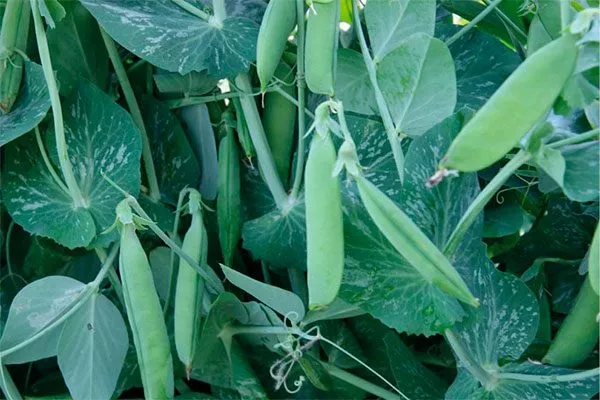
The Karina pea climbs well, reaching a height of 60-70 cm. The lower pods attach to the shoots at a height of about 40 cm. The leaves are dark green, covered with a waxy coating. The flowers are small and white.
- ✓ The presence of a waxy coating on the leaves, which is a distinctive feature of the variety.
- ✓ Plant height is 60-70 cm with lower beans attached at a height of about 40 cm.
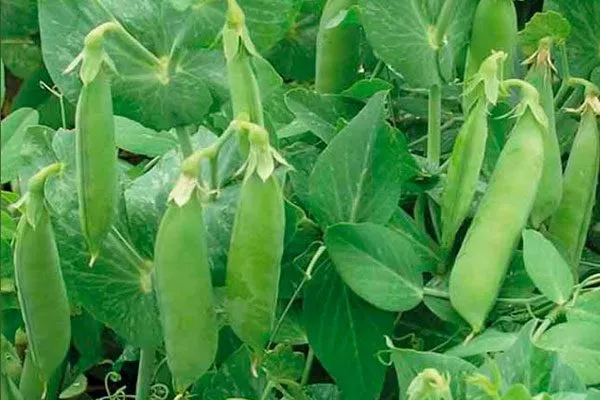
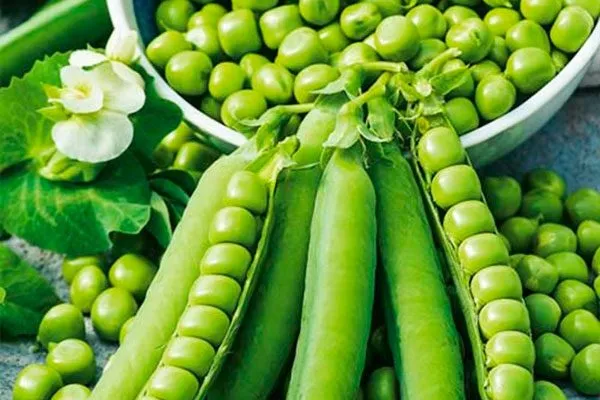
Karina peas have straight pods with parchment-like membranes on the inside. The pods average 8 cm in length and contain approximately 8 medium-sized peas. When ripe, the peas turn a rich green.
Taste and application
Karina peas are high in sugar. The peas have a pleasant, tender, and slightly sweet flavor. These versatile peas can be eaten fresh, added to first and second courses, canned, and frozen.
Ripening time and yield
Karina peas are shelling varieties with early maturation. From seedling emergence to technical maturity, the crop takes approximately 45-48 days. Karina peas are high-yielding, with yields reaching 88 centners per hectare. The yield of green peas from pods is 48%.
Pros and cons
The ultra-early Karina variety is deservedly popular with gardeners. This pea has many advantages, which are useful to familiarize yourself with in advance. It's also a good idea to find out if this variety has any drawbacks that might hinder its success.
Agricultural technology of peas Karina
Growing Karina peas doesn't require much effort or specialized knowledge. Basic gardening techniques and skills are sufficient. The key is to complete all tasks in a timely manner and with due consideration for current conditions.
Landing features
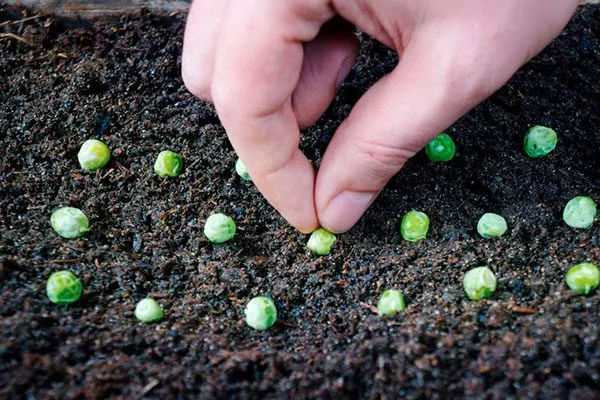
It's recommended to soak pea seeds in water before planting. Once the peas have swollen, they can be sown in the ground. In central Russia, sowing occurs in late April or early May, while the soil still retains moisture after the snow melts. In the south, planting occurs earlier—in early April or even earlier.
- ✓ Soil pH should be between 6.0-7.5 for optimal nutrient absorption.
- ✓ The soil must have good drainage to prevent root rot.
The soil for sowing is prepared in the fall. It is dug over, and organic and mineral fertilizers are added. The soil should be fertile, loose, and permeable. Seeds are sown in pre-prepared furrows or pits. The sowing depth is 2-3 cm. The intervals between adjacent plants are 20-30 cm. The distance between rows is 30 cm.
After sprouting, the peas, once swollen, are pressed firmly into the soil to ensure firm contact. To ensure a supply of peas for the entire summer, it is recommended to sow them every 10 days until the end of June. This approach will ensure a virtually constant pea harvest throughout the season.
Care Features
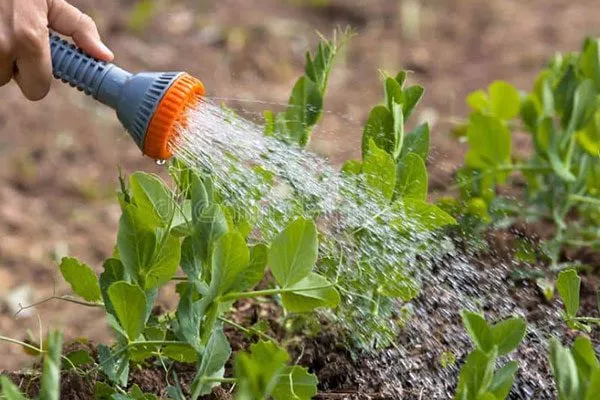
As soon as the seedlings emerge, the spaces between the rows are regularly loosened. The plants are watered as needed and fertilized with complex fertilizers a couple of times. Karina peas require increased water during flowering and pod formation.
For proper growth and development, the plant requires support. Securing the stems to a trellis helps prevent lodging during wind, rain, and other adverse conditions.
Harvesting
Beans are harvested periodically, as they ripen uniformly, but not all at the same time. Furthermore, regular harvesting promotes the formation and growth of new pods. Pods should be picked carefully, taking care not to damage the stems or pods.
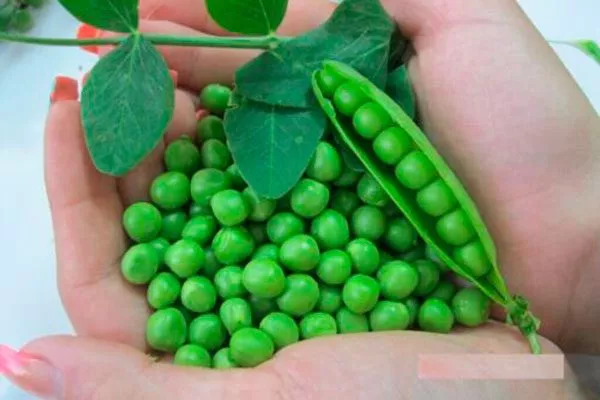
To harvest seeds, the peas must be fully ripened. Once the beans are ripe, the plants are uprooted, tied into bundles, and placed under a canopy or in a dry room to dry. The dried beans are plucked from the dry stems, hulled, and the seeds are poured into linen bags.
Karina peas are an excellent variety suitable for growing on any scale. They produce delicious beans and a high yield, making them ideal for gardeners, vegetable growers, and preservers.