
Gloriosa peas are one of the most popular varieties, earning an excellent reputation for their excellent flavor and high productivity. They produce rich green beans, are easy to grow, and yield good harvest results.
When was it received?
The "Poisk" variety was developed in the Moscow region. An application for approval was submitted in 2011, and after successfully passing variety trials, it was included in the State Register in 2014.
Features of the appearance of the plant, beans and seeds
The bushes are small, reaching 60-70 cm in height. The leaves are standard, ranging from large to medium-sized, light green or greenish-gray in color and covered with a light waxy coating.
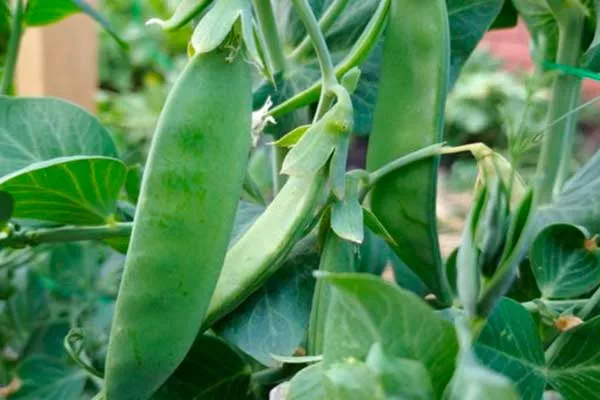
Other distinctive characteristics:
- The stipules vary in size from small to impressive, with a waxy coating and barely noticeable spots on the surface.
- During flowering, the plants are covered with large, white, unscented flowers.
- The beans are located at a height of 30-40 cm from the soil surface and have a weak, medium or pronounced curvature with a pointed top.
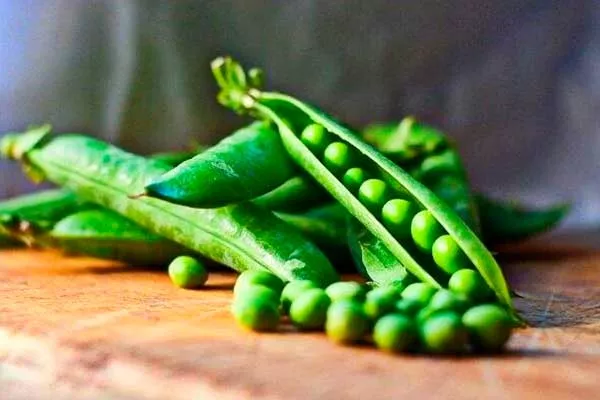
The peas are covered with a parchment layer, reach 7-8 cm in length, and are light green or green in color. They contain up to 9 seeds.
Purpose and taste
The grains are not very large. When fully ripe, they acquire a light green hue. The flavor is pleasant: the fruits are very sweet and tender, with a characteristic aroma of fresh peas. The best flavor is revealed in grains at the milky stage of ripeness.
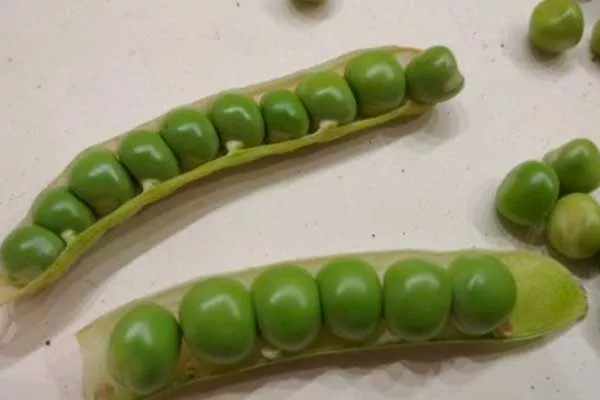
Gardeners generally eat most of their harvest fresh, as its flavor is truly unique. Peas are excellent for adding to vegetable and meat salads and used as a garnish for various dishes. Leftovers are frozen or canned—either method is acceptable.
Ripening time
Gloriosa is a mid-season variety, reaching maturity in 65-70 days. Technical maturity is reached as early as 56-57 days. The fruits ripen simultaneously, making harvesting easier.
Productivity
This variety has high productivity rates—45-52 centners per hectare on an industrial scale. Gardeners can harvest 1.5-2 kg of grain from a single bed.
Growing regions and climate
The Gloriosa variety is mainly cultivated in central Russia, but it can produce good yields in other regions.
- ✓ The soil pH level should be strictly within 6.0-7.0 for optimal nutrient absorption.
- ✓ The soil must be well drained to avoid water stagnation and root rot.
For successful growth of the crop, fertilized, drained soil with a neutral pH level is required.
The crop is a cold-resistant and drought-resistant plant, so it grows and develops well even with temperature fluctuations.
How to plant Gloriosa peas?
A small bed measuring 1x2 m is sufficient for a good harvest. The variety is planted in pre-prepared soil. To improve germination, it is recommended to soak the seeds before sprouting.
Planting dates
Seedlings can withstand light frosts down to -6°C. Therefore, sow peas in warm soil when temperatures stabilize in April-May. Summer overseeding should be carried out until July 10th to extend the ripening period.
Seed preparation
For sowing, choose whole peas. Pre-soak the seeds before germination.
- Soak seeds in room temperature water for 12-24 hours to speed up germination.
- Check the seeds for germination by placing them in a damp cloth for 3-5 days; non-viable seeds will not germinate.
- Treat sprouted seeds with a solution of boric acid (1 g per 5 l of water) to protect against fungal diseases.
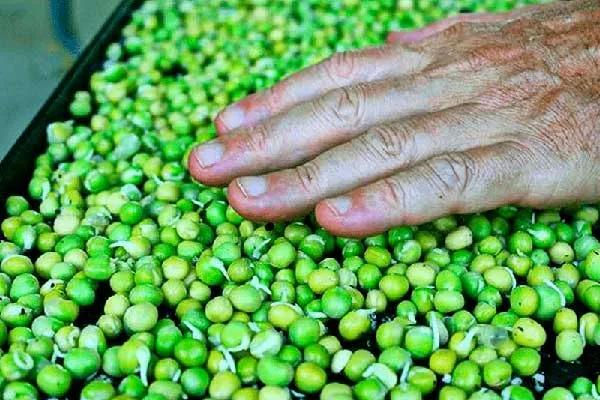
Step-by-step instructions:
- Place a cotton cloth on a plate and place the seeds in it. Add water to dampen the cloth.
- Before planting in the ground, treat the sprouted seeds in a warm solution of boric acid (dissolve 1 g in 5 liters of water).
- Leave for 5-10 minutes. Instead of boric acid, you can use growth stimulants, such as Epin or Zircon.
Using antimicrobials helps reduce the risk of fungal diseases. When sowing sprouted seeds, be careful not to damage the young seedlings.
Where is it better to plant peas: in the shade or in the sun?
This heat-loving crop thrives in sunny garden areas. In the shade, the plant receives insufficient ultraviolet light, which negatively impacts its health and reduces yield. Don't expect a good harvest on a balcony or under trees.
After what crops can peas be planted?
Avoid planting peas near crops such as onions, cabbage, and tomatoes, especially other legumes, as a lack of micronutrients in the soil can negatively impact both plants. Avoid planting in areas where beans were grown last season.
The plant doesn't require any special conditions and thrives in most soils, with the exception of areas with high acidity. To reduce acidity, add organic fertilizers (chalk, ash) during spring tillage or prepare the soil in the fall.
Preparing the bed and soil
The plant prefers light soil and well-lit areas. Gusty winds can break and bend the stems, so the bed should be located in a sheltered area.
Experienced gardeners recommend sowing peas in various parts of the plot, including around the trunks of young fruit trees. The small crowns allow sunlight to pass through and protect against overheating in hot weather. You can also easily tie up the plants using the trunk as support.
Begin preparing the garden bed in the fall: add potassium and phosphorus fertilizers to the soil. In the spring, loosen and dig the area, then add nitrogen-containing mineral fertilizers.
Landing rules
Plant Gloriosa in rows 25 cm apart, planting the seeds 3-4 cm deep. The distance between seeds should be 7-10 cm. The optimal sowing pattern is 10-15 x 25-30 cm. If the site is located on sandy soil, plant the seeds 8 cm deep, and on black soil, 6 cm deep.
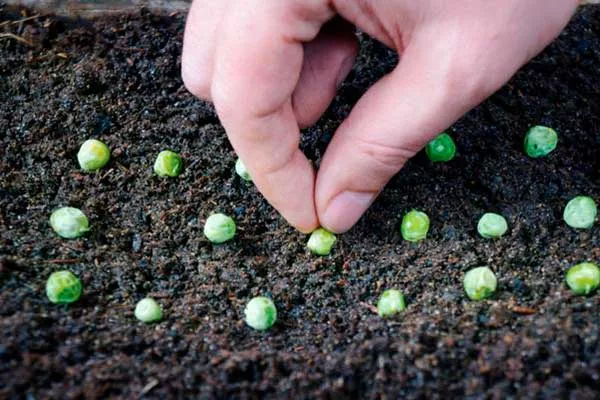
Leave 50 cm between beds. Adding ash and compost before planting will help boost productivity. Install plant supports before seedlings emerge to allow the shoots to grow upward.
Care
Caring for your crop is key to achieving a bountiful harvest and maintaining healthy plants. Standard agricultural practices are essential.
Protecting seedlings from birds
To protect your bushes from bird attacks, use netting or spunbond to cover your crops. This not only helps prevent damage to the seedlings but also protects them from other potential threats, such as insects and sudden temperature changes.
Watering
Provide plants with regular watering, but do not overwater the soil to prevent root rot.
If the pods dry out, this will negatively affect the beneficial properties of the Gloriosa variety harvest.
Top dressing
Fertilize during the pod ripening period. Use liquid nitrogen-containing fertilizers applied to the plant stems. Fertilize in the morning before 10 a.m. or in the evening during dry weather.
Topping
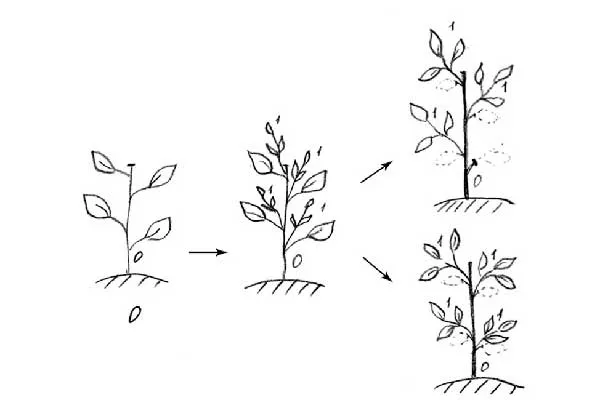
To increase pea yield, pinch the tops of the plants at a height of 20-25 cm, leaving 4-5 true leaves. Repeat this process on the side shoots, leaving 3-4 leaves. The more branches that form, the more flowers and, eventually, pods will be produced.
Garter and construction of support
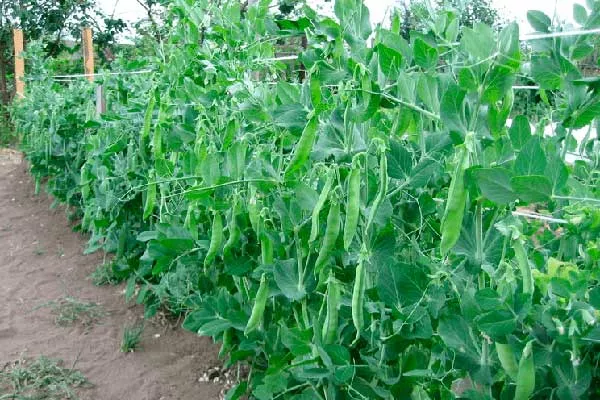
When the bushes reach a height of 20-25 cm, they begin to seek support for further growth. To help the plants grow, stretch cords in 2-3 rows over the beds at 20 cm intervals or install stakes next to each bush.
Harvesting
Begin harvesting the pods two weeks after flowering ends, which begins approximately 25-29 days after sowing. The harvest period can last from 30 to 45 days, as peas bloom gradually and last for 1.5 months. During this period, the harvest can be prepared.
Reproduction of Gloriosa
After flowering, a single mother plant produces one or more tubers, while the old plant dies, having given all its nutrients to the development of the new plant. In this respect, the variety resembles a common potato. When propagated by seed, commercial-quality plants can be obtained in 2-3 years.
Diseases and pests of peas in open ground
Growing crops is often fraught with problems related to plant diseases and insect attacks. It's important to begin treatment promptly to protect the plants from dying.
Pea pests
Plants can be attacked by various insects, including the pea moth, leaf roller, cabbage moth, and cutworm. They feed on plant leaves and fruits, lay eggs on them, and their larvae continue to destroy the bushes.
To repel pests, use aromatic infusions:
- Chop 20 g of garlic, let it steep in 10 liters of water for 24 hours, then strain and process the leaves.
- Soften 3 kg of tomato tops, dissolve in 10 liters of water and leave for 2 days, filter and spray the bushes.
In case of severe infestation, use effective insecticides – Fastak or Iskra.
Pea diseases
The crop is at risk of infection by certain diseases, which can be avoided by following agricultural practices, crop rotation, and disinfecting planting material and soil.
Powdery mildew attacks the plant from the bottom up. As a result, the pods crack, and the leaves turn black and die. To treat the disease, use fungicides such as Quadris, Topsin, or Topaz.
Mosaic is a viral disease that cannot be cured. Affected bushes should be destroyed and eradicated.
Gardeners' Tips
Cover crops with fishing netting or spunbond to protect them from birds. Follow the advice of experienced gardeners:
- Fertilize the plants directly on the bushes during pod formation by spraying the foliage. Only nitrogen-based fertilizers are suitable for this purpose.
- To get a good harvest, stick to a pattern when planting bushes so that each one can develop comfortably.
- To extend the harvest period, germinate and sow the crop in several stages, observing intervals of 7-10 days.
- During cultivation, regularly weed the pea beds, water them, and fertilize them (dosage: 50 g per 10 liters of water). Apply liquid fertilizer when watering: first, spray the beds with water, then apply the nutrients.
When the peas begin to sprout runners and twine, install stakes in the area. Otherwise, the plant will seek support, which could damage neighboring crops.
Positive and negative qualities
Before planting a crop, it's important to understand its advantages and disadvantages to avoid potential difficulties. Gloriosa has many advantages:
Some gardeners note the high watering requirements among its disadvantages. Another downside is that in arid regions, mulching is required to retain soil moisture.
Reviews
Gloriosa peas are an excellent choice for those seeking a tasty and nutritious harvest. Disease resistance, high germination rates, and low maintenance make them ideal for both experienced and novice gardeners. Following agronomic recommendations and proper care will help you grow healthy plants and reap abundant harvests.