
The Berkut pea is a shelling variety, with seeds that have a long shelf life and germination rate—they can be planted even six years after harvest. It is a tall, disease-resistant plant, suitable for cultivation in the Central Black Earth Region, the North Caucasus, and other southern and central regions.
Who developed the variety and when?
Three breeders worked on developing this variety: A. G. Besedin, A. M. Drozd, and N. A. Samarin. The exact varieties used for the crossbreeding are unknown, but the year of approval is considered to be 2002 (some sources cite 2009).
Pros and cons
The variety is popular among gardeners, as it has many positive characteristics, among which the following advantages stand out:
There is one drawback: it requires support due to the long stems.
Characteristics of the appearance of the plant, beans and seeds
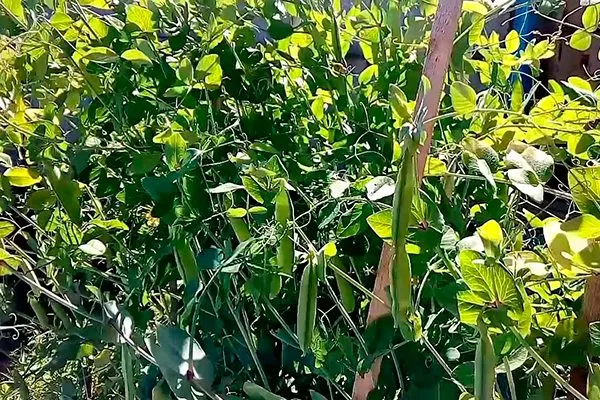
Being a tall pea, the bush grows to a height of 80 cm or more under very favorable conditions. The green mass is characterized by rapid growth, so it should be tied to a support when the stems begin to form.
- ✓ High drought resistance due to the waxy coating on the leaves.
- ✓ Ability to store seeds for a long time without loss of germination.
The variety has the following external characteristics:
- leaves - normal green, but there is a waxy coating on the surface;
- stipules – medium in size, spotted;
- flowers – white and medium;
- foliage – moderate;
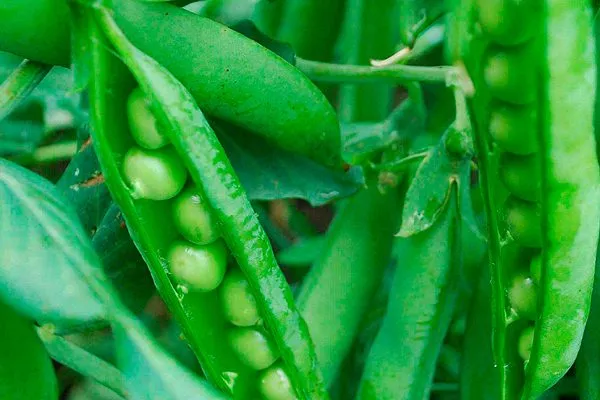
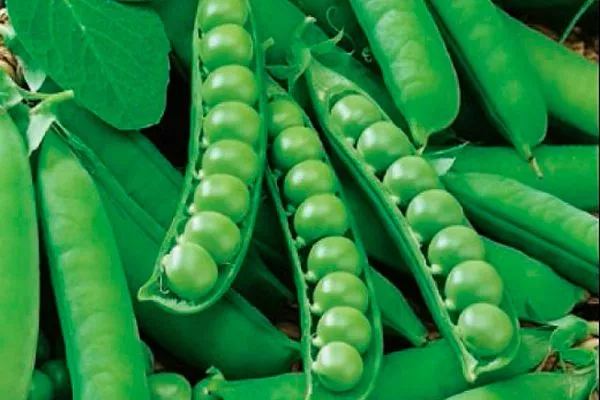
- bean shape – curved;
- the peculiarity of the pods is length varies from 8 to 10 cm, the top is pointed;
- bean color – dark green;
- pea shade – yellowish-green;
- number of seeds in a pod – from 8 to 10 pcs.
Taste and purpose
It has a distinctive flavor and a wide range of uses. Its delicate green peas have a distinctive taste and aroma, making it an indispensable ingredient in a variety of dishes.
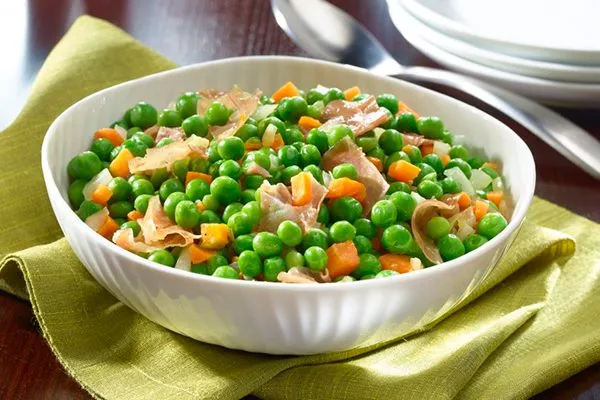
Golden peas are often used in cooking to make soups, side dishes, salads, and other dishes. Their rich flavor adds a special charm to dishes and makes them more appetizing.
Possessing valuable nutritional properties, this pea is widely used in medicine and cosmetology. This type of pea is rich in vitamins and minerals that are beneficial for human health. It improves digestion, strengthens the immune system, and promotes healthy skin and hair.
One of the main ways to use peas is as a main ingredient in making pea puree. To make it, boil the peas until tender, then puree them in a blender with oil, salt, and spices. The resulting puree can be served with meat and fish dishes, and also used as a filling for pies and buns.
Ripening and yield
Berkut peas ripen quite quickly, allowing for the first harvest within 60-70 days of sowing. This makes them an ideal choice for those who want fresh vegetables as quickly as possible.
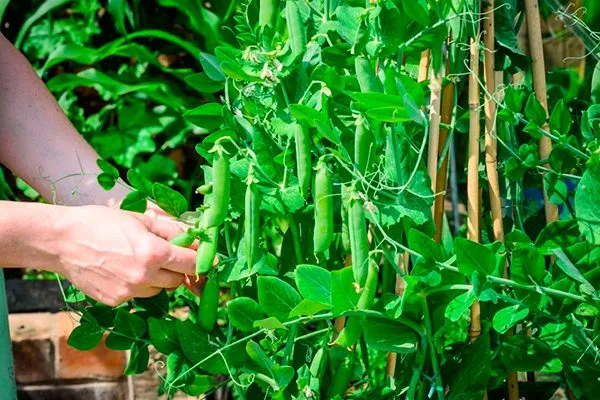
The yield of the Berkut pea is impressive – with proper care and suitable growing conditions, you can get up to 3-4 kg of peas per bush, and with commercial cultivation, 65-100 c/ha. Thanks to these high yields, they can be used not only fresh but also frozen or canned for winter storage.
Landing features
To successfully grow the Golden Eagle on your property, you need to consider the planting features:
- Soil. One of the main requirements is fertility. The plant prefers loose, fertile soils rich in organic matter. Before planting, enrich the bed with compost, rotted manure, or humus.
- Plot. The plant prefers a bright, warm location, protected from drafts and cold winds. Planting in shady areas is not recommended.
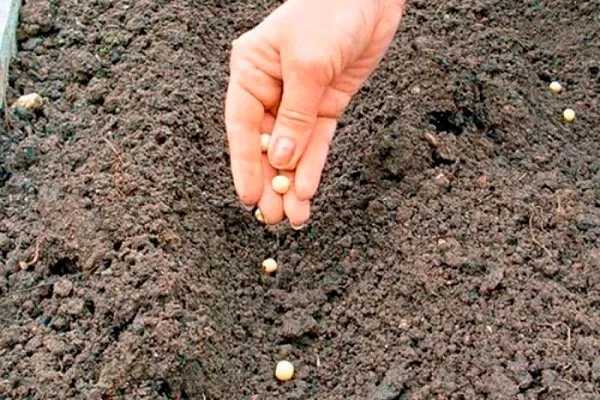
- Planting diagram. Plants should be spaced approximately 10-15 cm apart to ensure they have ample room to grow and develop. Planting depth depends on the size of the seeds, but typically ranges from 3-5 cm.
- ✓ The soil pH level should be within 6.0-7.5 for optimal growth of Berkut peas.
- ✓ The soil must have good drainage to avoid water stagnation.
Subtleties of agricultural technology
Peas thrive in moist soil, so it's important to ensure it's always moist. The key to watering is frequency. It's best to water peas in the morning or evening to avoid sunburn. It's important to keep in mind that peas require more moisture during flowering and pod formation. It's best to water peas frequently, but in small amounts.
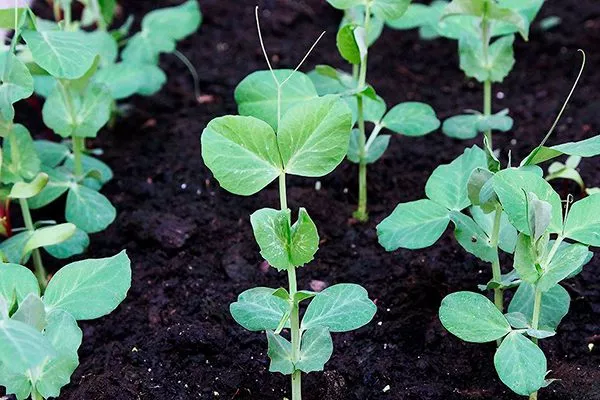
Fertilizing this variety deserves special attention. Key aspects:
- To ensure good growth and development, the plant needs regular fertilization. It is recommended to fertilize every 2-3 weeks, starting from the moment the first beans appear.
- You can use mineral or organic fertilizers. Mineral fertilizers can be added to the soil before planting peas, while organic fertilizers can be added to the soil during plant growth.
Resistance to diseases and pests
One of the main problems gardeners face is diseases and pests, which can destroy the crop at the root. Berkut peas have a unique ability to withstand these problems thanks to their resistance to diseases and pests.
This variety has strong disease resistance but is not immune to insect attacks. The biggest threat is leaf rollers. Prevention and control:
- To prevent this pest from attacking, it's important to remove weeds and loosen the soil promptly. White mustard, which repels the pest, can be planted nearby.
- If leaf rollers do attack your pea bed, you can get rid of them using folk remedies: an infusion of tomato tops, ground red pepper, and garlic. Chemical treatments are also possible, but only before flowering begins.
To maintain a healthy harvest, Berkut peas should be regularly treated with special preparations. To prevent disease, it is recommended to spray the plants with a copper solution or other antimicrobial agents.
Reviews
By growing Berkut peas in your garden, you can be sure of a high-quality and abundant harvest. This pea variety is ideal for both experienced and novice gardeners thanks to its low maintenance and high yield.