
One of the distinctive features of the Aphylla pea is its ability to grow quickly and adapt to a variety of climatic conditions. This pea variety is highly resistant to diseases and pests, making it an ideal choice for both commercial and home cultivation. However, it also has a unique feature: the absence of leaves, replaced by runners.
Who developed the variety and when?
The Afilla pea is one of the most popular in the world. This variety was developed back in 1972 in the USSR by L.I. Brezhneva and N.N. Kolpakov. Over time, breeders have attempted to modify the pea, and an improved version now exists.
The new pea variety, Afilla, was developed by scientists from the Institute of Plant Genetics and Breeding. This variety was developed in the early 2000s and has since gained popularity among gardeners and farmers.
Description of the plant and fruits
It boasts high resistance to diseases and pests, making it an ideal choice for both small home gardens and commercial farms. This pea variety is characterized by good winter hardiness. It's easy to recognize:
- stems – erect, reaching a height of up to 60 cm;
- leaves - consist of whiskers and a small number of large plates;
- flowers – yellow;
- fruits – are about 5-7 cm long, about 1-2 cm wide and weigh about 5-7 g;
- internal filling – from 4 to 9 peas;
- seed color – dark green;
- pods – about 15-20 cm, with a smooth surface.
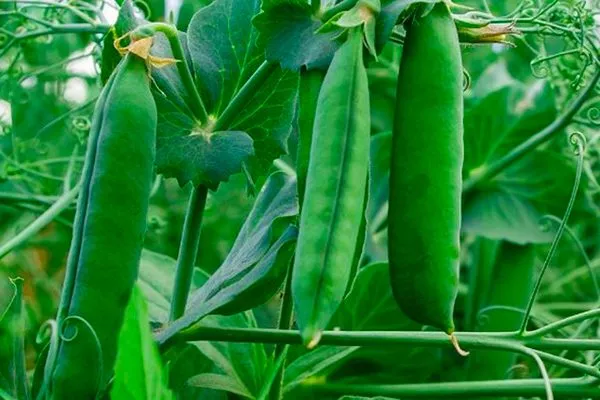
Taste characteristics and purpose.
The development of the Afilla pea was a true breakthrough in pea breeding. This variety not only boasts excellent flavor but is also an ideal choice for health-conscious individuals. It contains many beneficial vitamins and minerals essential for maintaining a healthy lifestyle.
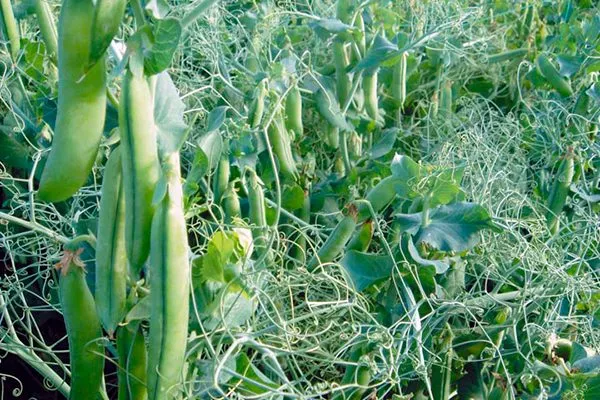
It's often used in cooking to make soups, purees, salads, and side dishes. Its delicate flavor and aroma pair well with other vegetables, meat, and fish. Using Aphylla peas in cooking adds a unique flavor and aroma to dishes, making them more filling and nutritious.
Ripening and yield
After emergence, peas begin to grow vigorously and form pods. Ripening occurs approximately 2-3 months after sowing. The yield is quite good. On average, a single plant can yield up to 2-3 kg of peas, and with proper care, the Aphylla pea can yield up to 5-6 kg per plant.
Planting and propagation of plants
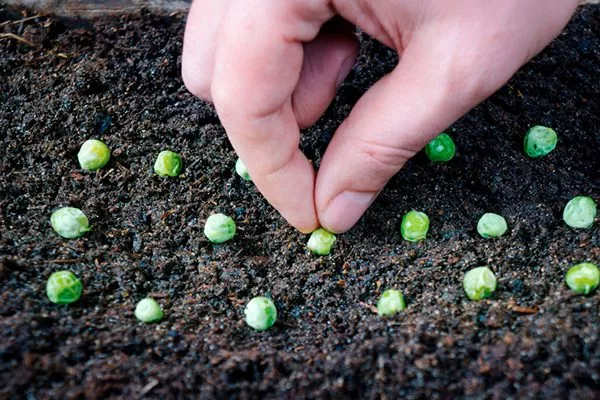
Planting Aphylla peas begins with choosing a suitable location. The plant prefers sunny spots with fertile soil. Before planting, it is recommended to prepare the soil by adding compost or humus. Other varietal characteristics:
- Aphylla pea seeds can be planted in both autumn and spring.
- To do this, you need to choose a depth of about 5-7 cm and place the seeds at a distance of about 10-15 cm from each other.
- After planting, it is recommended to water the soil generously.
- Pea seeds should be soaked in water before planting to speed up germination.
- ✓ Check the seeds for germination by soaking them in water for 24 hours before planting. Good seeds will swell, while bad ones will remain unchanged.
- ✓ Make sure the seeds do not show signs of disease or pest damage.
There are several methods of reproduction:
- Seed propagation. To do this, you need to collect the plant's ripe seeds and plant them in the soil. With proper care, new plants will appear after a while.
- Cuttings. To do this, take a cutting from the plant and plant it in the soil. A good time for this is spring or early summer. Under favorable conditions, the cutting will quickly take root and begin growing.
- By dividing the bush. To do this, carefully examine the plant's root system and divide it into several parts. Each part should then be planted in a separate location. This propagation method allows you to obtain several new plants at once.
It's important to remember that successful propagation requires proper care. This includes regular watering, fertilization, and protection from pests and diseases. Only under these conditions will the plant thrive and reproduce.
Caring for crops in open ground
The care procedures are simple. Follow these guidelines:
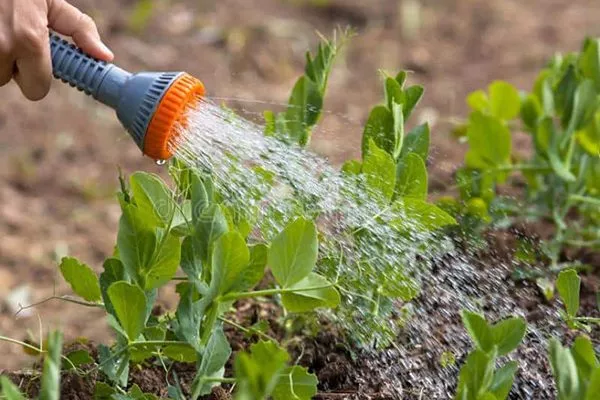
- Watering. Plants require adequate moisture, especially during flowering and pod formation. Water regularly, morning or evening, to prevent the soil from drying out.
- Weeding, loosening, hilling. Removing weeds, loosening the root zone, and hilling the roots allows plants to receive more nutrients and light, which improves yield. Weeding should be done regularly to prevent weed overgrowth.
- Top dressing. It is recommended to use mineral fertilizers rich in nitrogen, phosphorus, and potassium. Fertilizing should be done several times per season, starting from the moment the first shoots appear.
- Topping. To form a strong bush and increase the yield of Aphylla peas, pinching is necessary. This stimulates the growth of lateral shoots and the formation of new pods. Pinching should be done after the first flowers appear.
- Supports. To maintain the upright position of Aphylla pea stems, it is recommended to use supports. This prevents the plants from tilting and being damaged by strong winds. The supports should be installed in advance to avoid damaging the plant roots.
Diseases and pests of peas
The variety is distinguished by strong immunity, but if agricultural practices are violated, the following occurs:
- Powdery mildew. This fungal disease manifests as a whitish coating on the plant's leaves and stems. Powdery mildew impairs photosynthesis and, consequently, reduces yield. It is treated with fungicides.
- White fly. This insect feeds on plant sap, weakening the plant and reducing yields. Controlling white flies requires a comprehensive approach, including insecticide treatments and mechanical methods.
- Aspergillosis caused by the fungus Aspergillus flavus. This fungus can affect both seeds and plants, resulting in reduced yields and poor product quality. To combat aspergillosis, it is necessary to treat the seeds before planting and regularly spray the plants with fungicide-containing products.
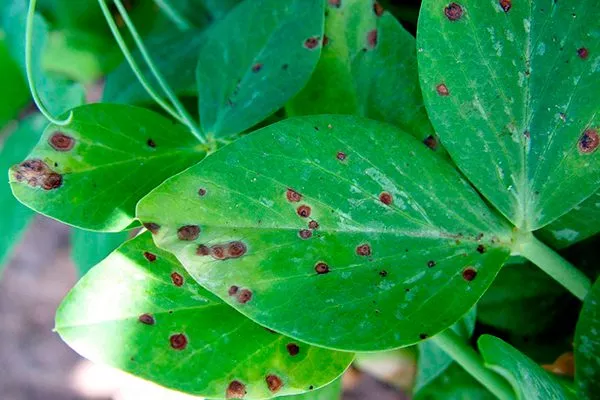
Aphylla peas are susceptible to anthracnose, bacterial blight, and other diseases. To prevent plant damage, it is recommended to follow proper agricultural practices, conduct regular inspections, and treat the peas with specialized products.
Peas are sometimes attacked by various pests, such as pea flea beetles, whiteflies, leaf rollers, and pea moths. These insects feed on plant sap, causing the peas to wilt and die. To control these pests, chemical insecticides or biological control methods, such as attracting predators, are recommended.
Pea harvesting
Before harvesting, it's important to inspect the plants and determine the ripeness of the peas. Ripe pods should be green, plump, and firm.
- ✓ The pods should be green but not too hard when pressed.
- ✓ The peas inside the pod should be well formed but not yet starting to dry out.
Other rules:
- When harvesting, care must be taken not to damage the plants or lose valuable fruits.
- Peas are harvested when they are still young and have a juicy taste, and have not yet had time to dry out and become hard.
- Use sharp scissors or a knife. Avoid picking peas by hand, as this can damage the plant and reduce the yield. When harvesting, carefully cut the peas from the plant without damaging the stems.
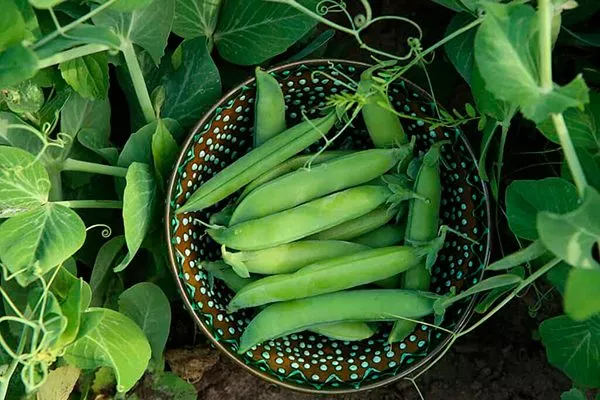
- Baskets or other containers are used. The fruits are picked from the plants along with the flower and pod to preserve their freshness and nutritional value.
- After harvesting, peas should be thoroughly washed and processed before use.
Pros and cons
The variety is considered easy-to-grow and delicious, which is Afilla's main advantage. Other advantages include:
The only drawback gardeners note is that germination is not at the highest level, so it is recommended to plant 20-305 more seeds than planned.
Afilla peas: reviews from those who planted them
The Afilla pea stands out from other peas due to its high yield and excellent fruit flavor. This is a legume that was bred
It's a relatively new crop, but it's already gained popularity among gardeners. By following the care recommendations, you can reap a bountiful harvest and enjoy the flavor of natural peas.