
Cowpeas (also known as vigna) are immature beans that can be eaten fresh or cooked. The plant is considered an excellent source of protein and carbohydrates. Adding cowpeas to your diet provides the body with micronutrients. The crop can be grown in a greenhouse or outdoors.
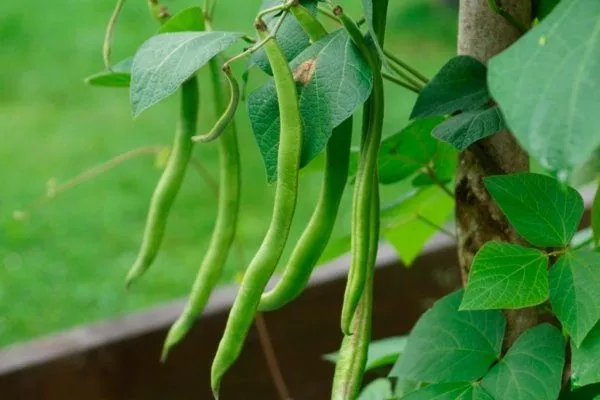
Features of growing asparagus beans in open ground
There are over 50 varieties of cowpea. Almost all of them can be grown in Russia. The bush grows well in loamy and light soils. Avoid close proximity to groundwater and heavy substrates. A single bush can be harvested approximately five times per season.
The main feature of cowpeas is that the pods are harvested before they are fully ripe. Growing the plant eliminates the need for chemicals to increase yield and shelf life. Unlike green beans, asparagus beans are eaten without peeling. Overripe beans are not added to dishes, as they remain firm and dry even after cooking.
How to choose the right variety
The variety of plant varieties makes it possible grow beans in open ground and in a greenhouse. In cold climates, it's best to choose a greenhouse, otherwise the plant will die.
The most popular cowpea varieties are hybrids and Chinese varieties. Japanese varieties require more care. American beans are also in high demand. Breeders have spent a long time developing these varieties, resulting in exceptionally juicy fruits.
As for varieties, gardeners prefer bush and climbing varieties with fruits of different colors.
The most popular cowpea varieties for growing in open ground:
- Bona. Early ripening, straight-shaped fruits. This variety was developed by domestic breeders. The first harvest can be obtained 1.5-2.5 months after ovary formation, depending on the regional climate. The bushes are small, reaching 0.4 m in height. The pods are juicy, 0.16 m in height. This asparagus bean variety has a strong immunity.
- Blue Lake. The bush is tall, reaching 0.5 m or more in length. Support is required for care. The first fruits can be harvested 1.5-2 months after the ovaries appear. The brightly colored pods are 0.16 m long. This variety is especially prized for its culinary uses.
- Sweet courage. An early-ripening plant, the fruits ripen in 1.5-2 months. The plant is small, about 0.4 m long. The beans are cylindrical, with tender, bright yellow flesh. Each pod is 0.14 m long.
- Neringa. The plant produces a large harvest, and the fruits are used in cooking for a variety of dishes. The main advantage of this variety is its excellent adaptation to any soil and climate. The pods are ready to harvest after two months. They are green.
- Mascott. This short, compact green bean variety produces its first harvest within 1.5 to 2 months. It's popular not only with gardeners but also with city dwellers. It can be grown on windowsills and balconies. The pods are firm and about 0.15 m long.
- Gold Mine. This variety produces sweet, juicy fruits. It grows as a compact bush with strong, upright stems. A single harvest yields approximately 0.8 kg of pods.
- Vigna Fakir. This variety is mid-season. The pods are green and 0.3 m long. The flesh is tender, and the outer skin is rough. The plant is tall and requires support. It is not recommended for cultivation in temperate climates.
- Purple Queen. The colorful pods are visible from anywhere in the garden. The bush produces excellent yields and reaches a height of 0.6 m. After heat treatment, the pods acquire a natural color. The first harvest occurs two months after the beans begin to form.
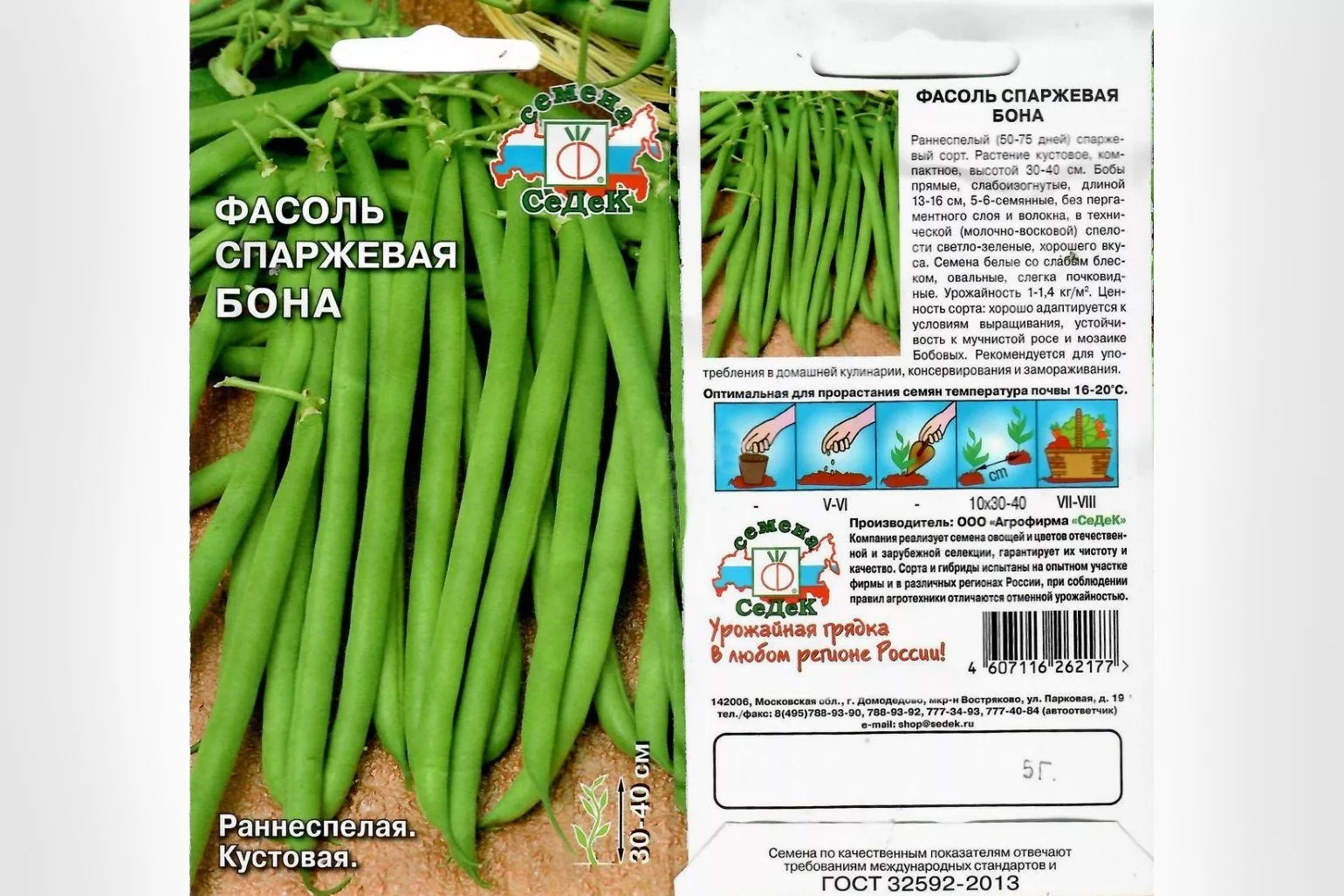
variety "Bona"
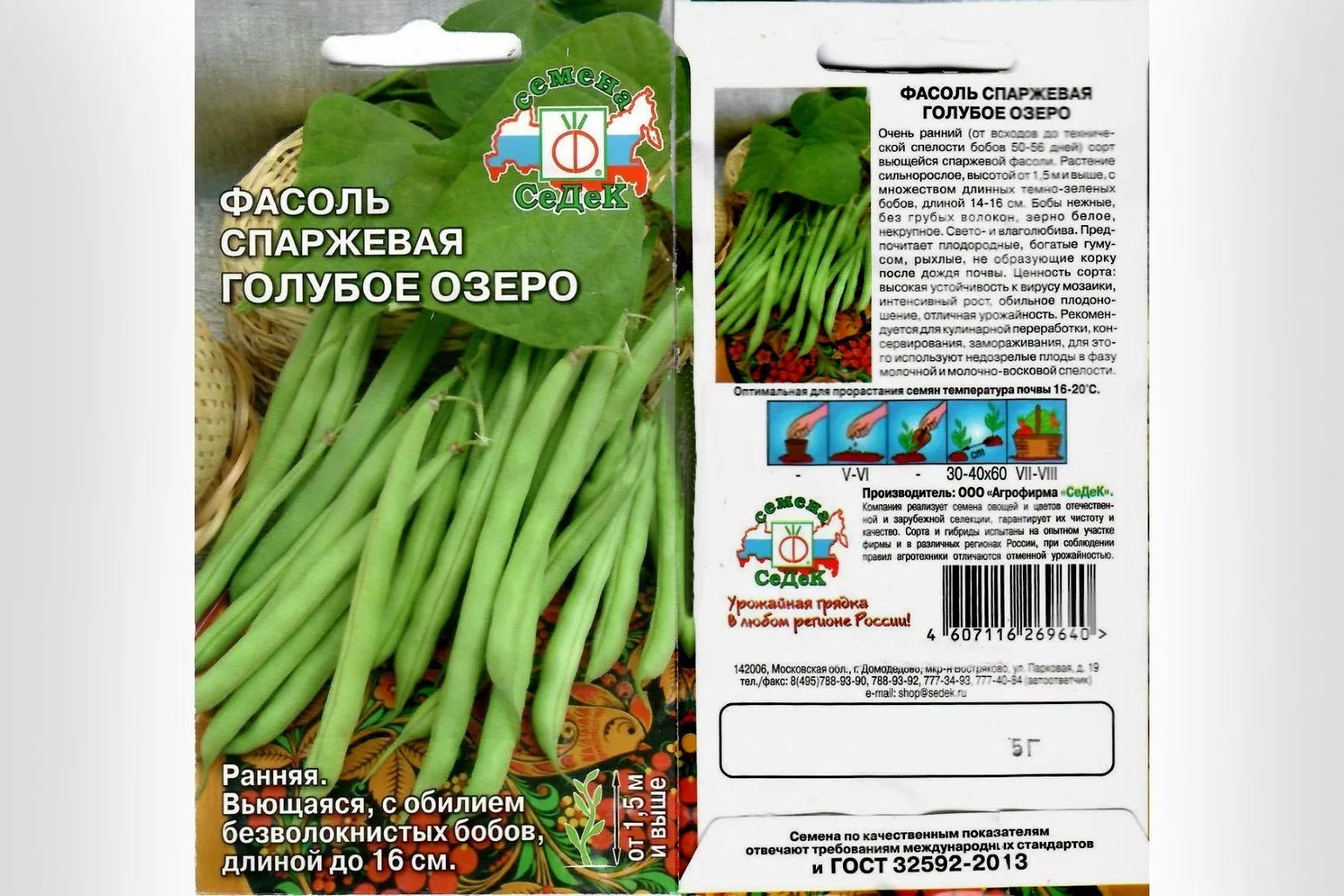
Blue Lake variety
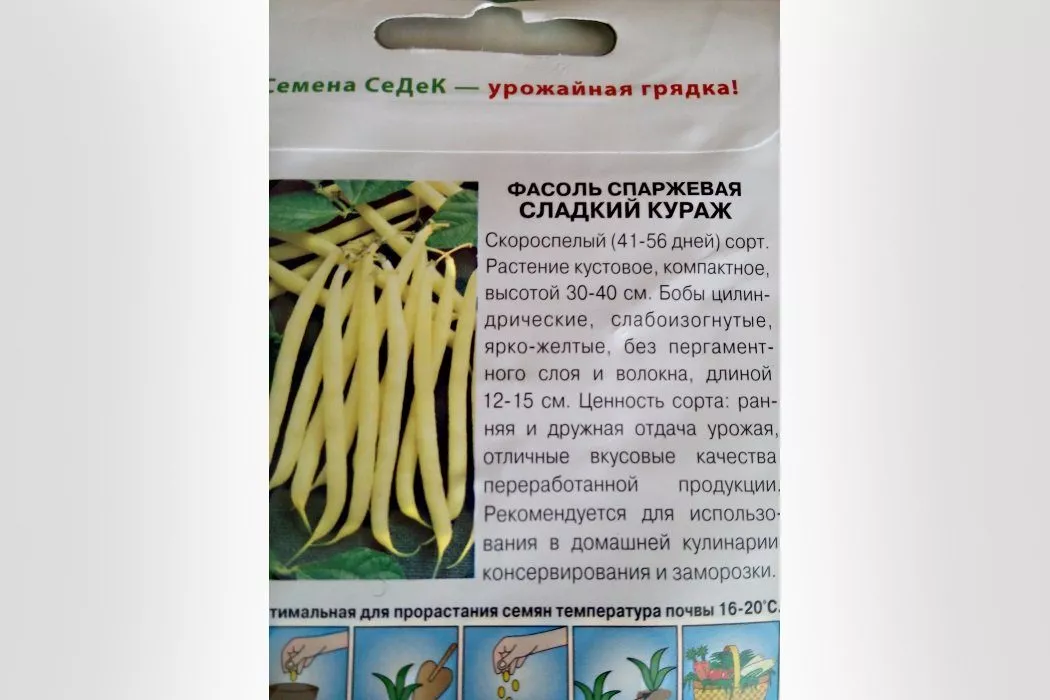
Sweet Courage variety
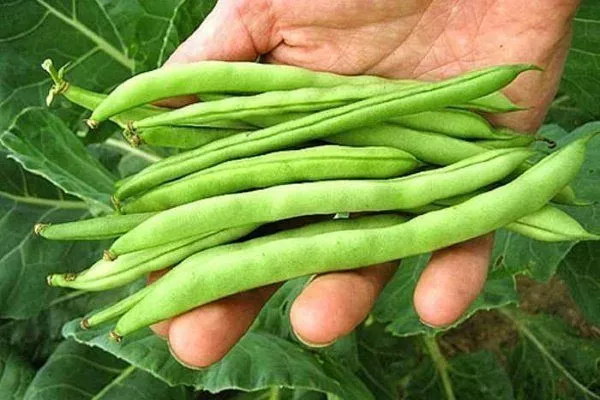
variety "Neringa"
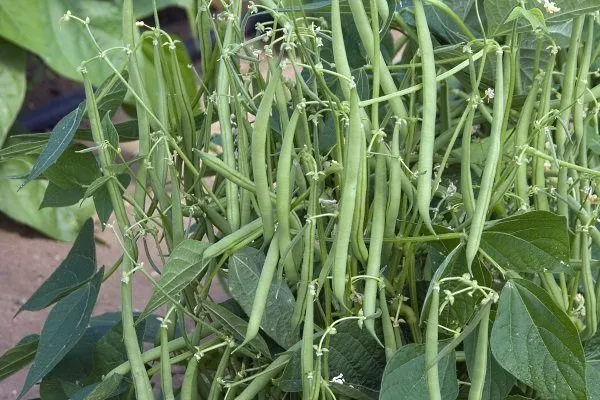
Mascott variety
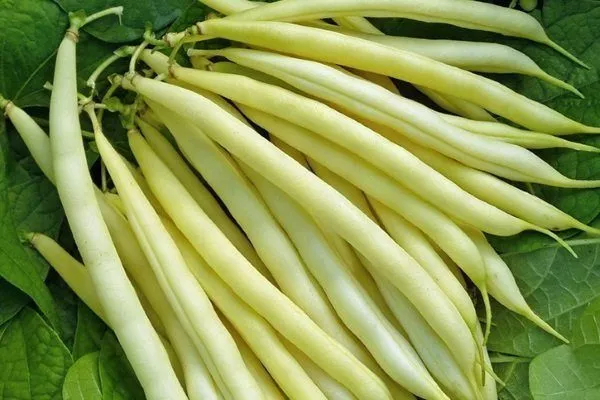
variety "Gold Mine"
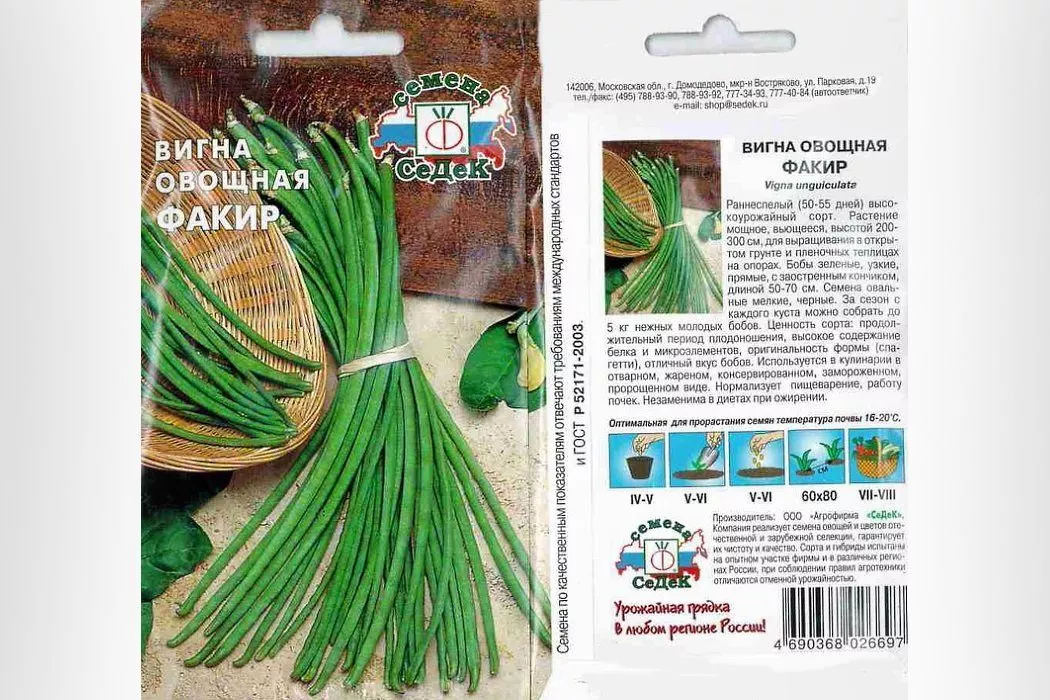
Fakir variety
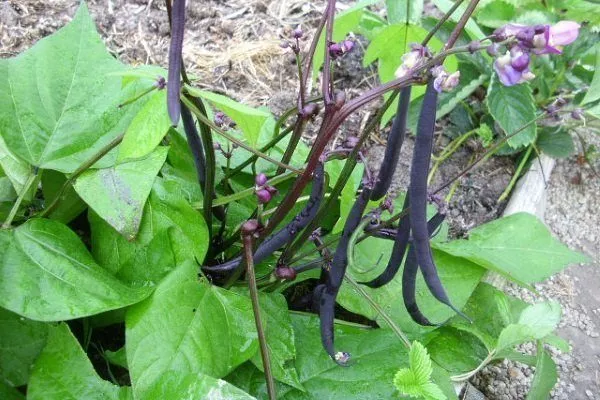
variety "Purple Queen"
No less popular varieties of cowpea among summer residents are: Makaretti, Countess, Red Asparagus, Yardlong and Fortex.
Choosing a landing site
Almost all cowpea varieties are very particular about their growing site. The correct choice determines the yield the plant will produce.
Lighting
This legume grows in sunny areas; areas with excessive shade should be avoided. It's also important to pay attention to wind, or rather, the lack thereof. The bean won't burn in direct sunlight—its leaves will naturally create the shade they need.
Soil
The bush grows well in fertile, well-drained soil. The groundwater table shouldn't be too deep, but the area shouldn't be waterlogged either. Acidic and clayey soils are considered poor choices.
- ✓ Optimum soil pH for cowpea: 6.0-6.5.
- ✓ The depth of groundwater should not exceed 1.5 m.
Avoid soil rich in nitrogen, as the plant produces it itself. Excess nitrogen will negatively impact cowpea growth. If the location is in the northern region, it's best to plant the plant in sandy soil. This soil warms up faster, which will benefit the beans.
Predecessors
Green beans thrive after many crops. However, they perform best after nightshades and cruciferous vegetables (cabbage, eggplant, tomatoes, etc.).
Preparing the garden bed
Soil preparation for planting legumes begins in the fall. The soil is cleared of grass and dug over. To make the soil nutritious, the following is added (per square meter):
- 4 kg of humus;
- 1 tbsp. saltpeter;
- 1 tbsp. potassium chloride;
- 2 tbsp. dolomite flour;
- 1 tbsp. l. superphosphate.
In the spring, the soil is dug over again and loosened with a rake. If the soil is sticky, add 5 kg of river sand per square meter.
Before planting, the soil is disinfected with a weak solution of potassium permanganate.
Pre-treatment of seeds
Treating planting material is a necessary procedure that helps prevent diseases and improve seed germination. Treatment can be accomplished in several ways:
- Planting in moist soil. For this option, simply ensure the seed is intact and pest-free. Water the soil thoroughly and plant the seeds.
- Pre-processing. This method will help the seedlings germinate faster. Soak the seeds in hot water for about 15 minutes. Then disinfect the seeds in a weak solution of potassium permanganate.
- Pre-germination. Inspect the seeds for damage or any deformations. Remove any debris. Place all the beans on damp cheesecloth or cloth. Take another layer of cloth and cover the future seeds with it. The top layer should also be damp. It's important not to overwater, otherwise the beans will rot. After 24 hours, you can open the cloth and see that the seeds have sprouted. This means the seeds are ready for planting.
| Processing method | Time to germination | Effectiveness against diseases |
|---|---|---|
| Planting in moist soil | 7-10 days | Low |
| Pre-treatment | 5-7 days | Average |
| Pre-germination | 3-5 days | High |
Every year, cowpeas are planted in a different area to prevent a disease called anthracnose.
Planting beans
All varieties are planted in a similar manner, so you should follow a specific planting algorithm.
Planting dates
To ensure a regular harvest, several varieties need to be planted at the same time, but with different growing seasons. Three types of beans are planted in a single bed: early, mid-season, and late.
The fruits of early ripening crops can be picked as early as 2 months after the beans have formed, while late varieties only bear fruit after 3.5 months.
Planting should only take place when the air temperature reaches 16 degrees Celsius and there are no more night frosts. In almost all regions, this period occurs in late April or early May. Planting later will result in a smaller harvest.
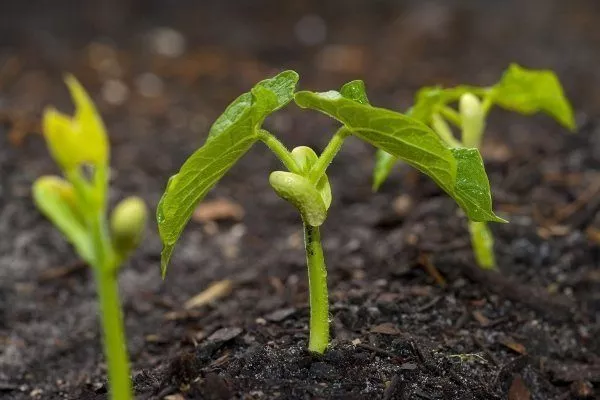
Cowpea develops and takes root quickly at an air temperature of +22 degrees Celsius.
If planting directly into open ground without pre-germination, the seeds should not be planted more than 4 cm deep. Planting too deeply will slow the growth of the seedlings.
Step-by-step planting diagram
Algorithm for planting cowpeas using the sprouted seedling method:
- Carefully inspect the planting material. Do not plant beans with spots, dark spots, or rot.
- Plant the sprouted seedlings in containers with potting mix. Place a couple of beans in each pot at a depth of 3 cm. Make sure the sprouts are facing upward.
- Carefully sprinkle the soil over the sprouts.
- Water the seedlings with a spray bottle to prevent the seeds from rotting, but also to prevent the soil from drying out.
- After 2 leaves appear, transplant the seedlings into open soil.
- A week before planting, fertilize the soil. Horse manure and compost are excellent soil enrichers.
- Leave space between plants based on the variety of bean. For example, a plant between a bush or tall bean may be small.
- Plant seedlings in rows, leaving 0.4-0.5 m between them.
- If you are planting beans directly into the soil, plant them 4 cm deep.
Caring for green beans
Cowpea is not the most demanding crop, but to get an excellent harvest, it will need to be properly and regularly cared for.
Watering
Green beans require regular watering; if you're only in the garden once a week, you won't be able to grow a good harvest. After planting, water the plant once every two days. Once the seedlings begin to emerge, reduce watering to an as-needed amount. The best time to water is evening or morning.
Water directly at the root system; avoid pouring water on the leaves. Gardeners use a light solution: fill a barrel 2/3 full with weeds, add water, and let sit for 7 days. Then, for watering, dilute 1 liter of the solution in 1 bucket of water.
Watering is very important for cowpeas. If moisture is insufficient, the stems will change shape, stop growing, and the beans will shrink. Once the bean plants have developed four leaves, do not water them until they flower. Once they have flowered, water them once every two days.
Weeding and loosening
Beans should not be planted near other plants, especially weeds. After watering, weed and loosen the soil. Weeding should begin once the seedling reaches 7 cm in height, and loosening the soil should begin once the sprout reaches 10 cm in height.
Mulching the soil
To make care easier, soil around the root circle mulchIt's better to use straw. It will reduce moisture evaporation, and weeds won't be able to grow through the mulch layer.
Support
Only climbing varieties of asparagus beans require support. These plants can reach a height of up to 1.5 meters. Wire or rope is attached to the top of the support to support the branches. As soon as the plant sprouts a climbing stem, it is trained onto the support; the stem will curl up on its own overnight. Avoid using wire mesh for this purpose, as it is very difficult to remove dead branches in the fall.
Pinching the shoot
Once the beans reach 0.1 m in height, they are hilled. This is important because it improves the plant's nutrition and strengthens its root system. Topping is done when the plant reaches 2 m in height or more. This prevents the plant from growing any further and directs all its energy toward fruit formation.
Top dressing
Cow manure has proven itself to be an excellent fertilizer. There are two ways to apply it:
- Combine with watering (1 part manure to 10 parts water).
- Spread the fertilizer on the mulch to rot.
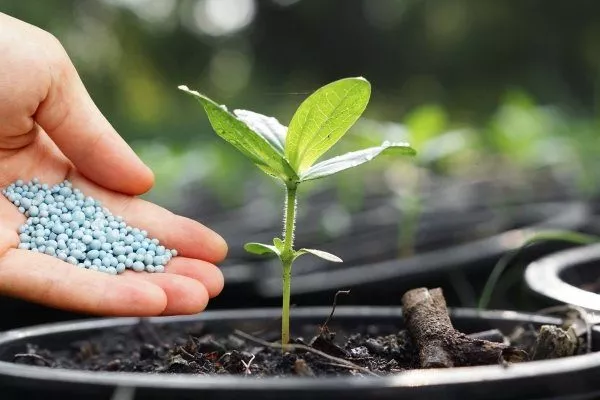
Chemical fertilizers are applied as soon as the sprouts produce their first leaves. Superphosphate is used (40 g per square meter). During bud formation, potassium salt is added to the soil (10 g per square meter). Nitrogen should not be applied during the flowering stage or later, as it stimulates and accelerates the growth of green mass, which can lead to a crop failure.
Diseases and pests of beans
| Pests/diseases | Symptoms of damage | What to do? |
| Anthracnose | Brown spots appear on the cotyledons, with red pads in the center. The stem develops dark brown stripes. The root system rots. Yellow spots appear on the leaves, which then fall off. | Spraying the plant with Bordeaux mixture (1%). |
| Downy mildew | Yellow spots appear on stems and leaves. A gray-purple coating forms on the underside of the leaves. Affected plant parts rot or fall off. | Spraying the plant with Bordeaux mixture (1%). |
| Bacteriosis | The seedlings are dying. Spots and damage appear on the leaves. | Destruction of infected plants, treatment of beans with biological preparations. |
| Sprout fly | The grains are damaged during germination. | Treatment of plants with insecticides: "Fufanol", "Tanrek". |
| Slugs and snails | They eat all the green mass of the plant. | Manual removal of pests. |
Harvesting and storage
The harvest must be timely, otherwise it will become overripe and hard. Regular harvesting will encourage new buds to form. The crop is not picked en masse; the pods are inspected and the ripest ones are selected.
To harvest seeds, leave the pods on the plant and allow them to dry. Green beans have a short shelf life (2-3 days), so if you want to preserve them for the winter, freeze the harvest. It's best to chop the beans, place them in a freezer bag, and store them in the freezer. Store the beans set aside for sowing in the refrigerator.
Asparagus beans (cowpeas) are one of the best legumes. Caring for them is effortless. They require no complicated steps, but you can enjoy a bountiful and rewarding harvest.