
When choosing an asparagus variety, consider not only its flavor and the absence of a hard membrane, but also the green beans' adaptation to specific climate conditions. The product should produce fruit well and not spoil during long-term storage. Asparagus varieties are striking in their diversity, and every gourmet will find the perfect option.
Early varieties
Early-ripening varieties of green beans are those that can be harvested 40-60 days after the first shoots emerge. With regular harvesting of ripe pods, new pods ripen quickly. The key is to harvest on time.
| Name | Ripening period | Plant height | Pod length | Productivity |
|---|---|---|---|---|
| Blue Lake | 55 days | 3 m | 16 cm | 30 pods per bush |
| Fedoseyevna | 50 days | 80 cm | 20 cm | 2 kg/m² |
| Shadow on the fence | 50 days | 1-1.5 m | 22 cm | 3.8 kg/m² |
| Gait | 50 days | Not specified | 8-10 cm | 3 kg/m² |
Blue Lake
The bush grows up to 3 m in height. Mature, bluish-green pods are 16 cm long. Asparagus ripens 55 days after the first shoots emerge, containing small, white seeds. A single bush can yield up to 30 pods at the milky stage of ripeness.
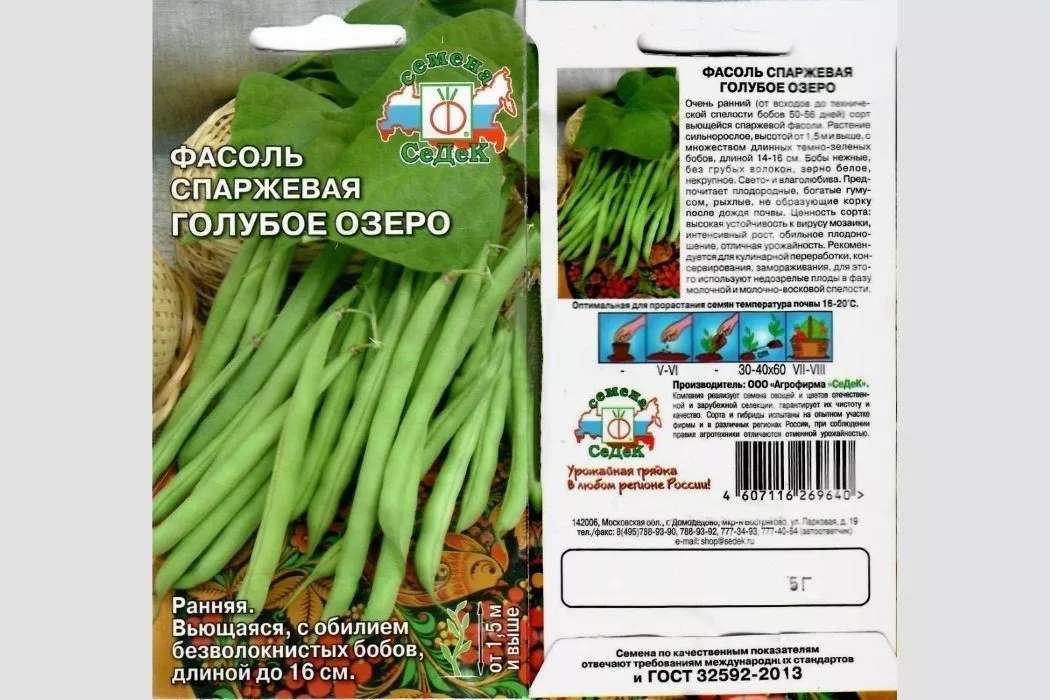
There are no coarse fibers, so ripe asparagus is considered a dietary product. Blue tree beans are also beneficial for health. When choosing a variety, keep in mind that the plant requires regular feeding; without watering and insufficient light, it will bear fruit poorly.
Fedoseyevna
This early-ripening asparagus bean variety was developed by Primorsky breeders and is adapted to all weather conditions. It can be frozen without affecting its flavor or nutritional properties. The plant grows 80 cm tall with light green, blade-shaped leaves up to 20 cm long.
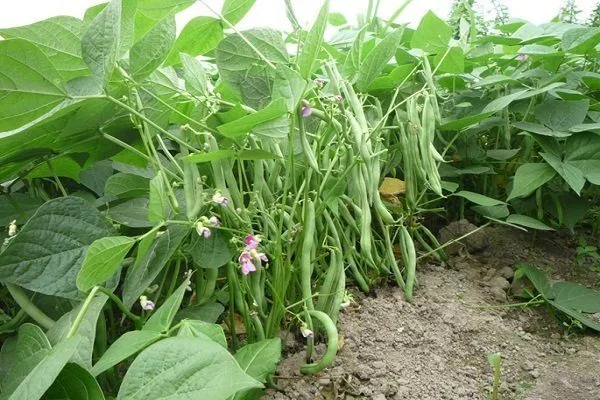
The harvest can be completed 50 days after sowing. The yield is 2 kg per square meter (20-30 pods per plant). To avoid wasting the harvest, Fedoseyevna requires regular watering, sufficient light, and warmth.
Shadow on the fence
This early-ripening asparagus variety was only added to the State Register in 2018, although it was bred in 2016. It is a green vine growing 1-1.5 meters tall. The pods are round, light green, 22 cm long and 10 cm wide. The medium-sized white seeds weigh up to 7 g each, and have no rough partitions between them. The yield is 3.8 kg per square meter.
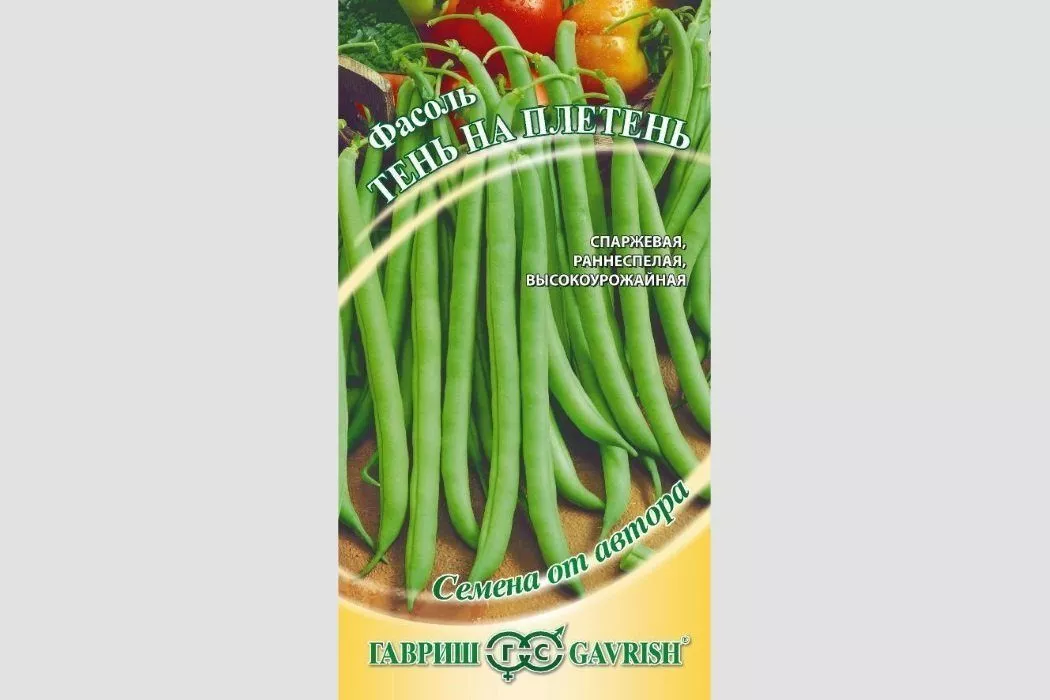
Shade on a wattle fence is easy to care for and tolerates sudden temperature changes when grown outdoors. It also thrives in a greenhouse. This asparagus variety has a strong immune system, although pests should still be avoided.
Gait
This early-ripening, sugar bean variety, without hardened pods, matures on the 50th day of the growing season and produces a bountiful harvest. The beans are green, fleshy, firm, and deliciously flavored, making them ideal for culinary use. Up to 3 kg of ripe beans can be harvested per square meter per season. The pods are 8-10 cm long and contain up to 10 seeds.
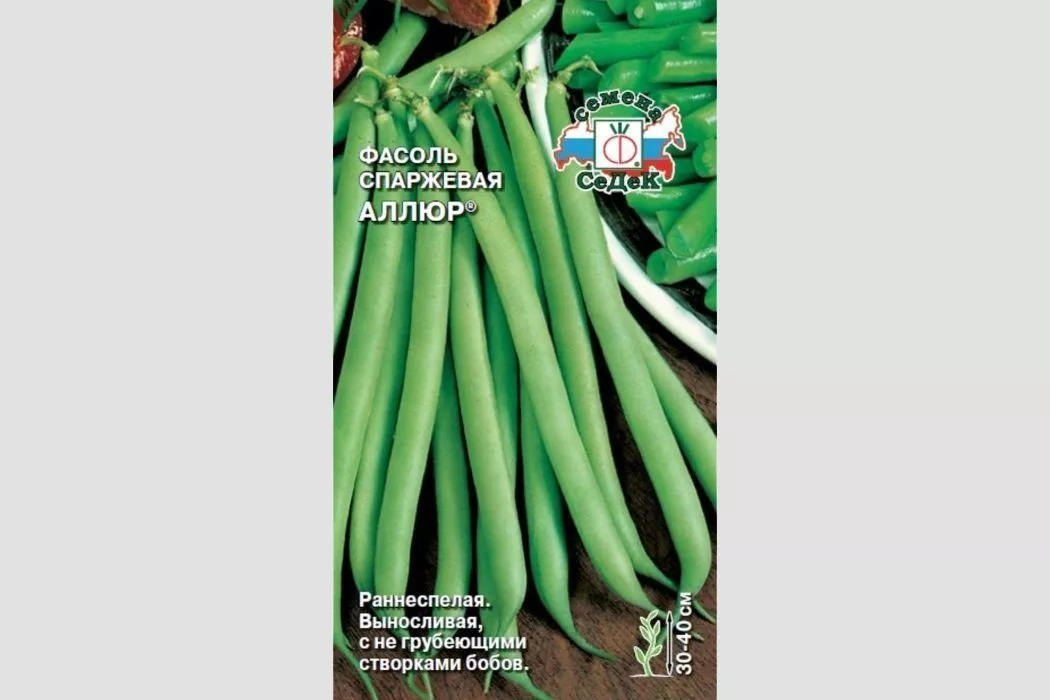
Allure asparagus is versatile. It quickly adapts to any climate and has a strong immune system. Its tough pods and lack of flavor when raw reduce its popularity.
Mid-season varieties
This category includes asparagus varieties that bear fruit 65-80 days after planting. The fruits ripen much later, but the yield is higher. The beans have no hard membrane, the flesh is tender, and the pods are juicy. Asparagus is healthy and has dietary properties.
| Name | Ripening period | Plant height | Pod length | Productivity |
|---|---|---|---|---|
| Earring | 60 days | 1.5 m | 22 cm | 3.5 kg/m² |
| Sissy | 65-70 days | 3.5 m | 21 cm | 1.5 kg/m² |
| Anniversary | 56-65 days | Not specified | 21 cm | 2-2.8 kg/m² |
| The Purple Queen | 62-67 days | Not specified | 15 cm | 3 kg/m² |
Earring
This variety straddles the line between early and mid-season. Harvesting begins on the 60th day of the growing season. The plant bears fruit several times per season. The asparagus bean bush is vining and can grow up to 1.5 m. Because the flowers are purple, the seeds are black. The pods are up to 22 cm long and 2-3 cm wide. Yields are up to 3.5 kg per square meter.
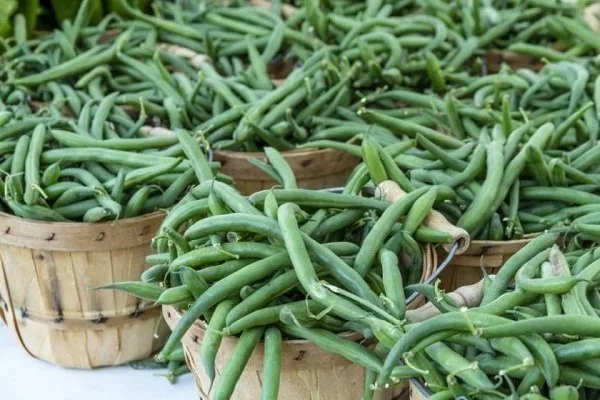
Beans are suitable for canning and marinating, and they retain their shape and nutritional properties even when frozen for extended periods. They are known for their culinary versatility and are used in dietetics.
Sissy
This is a climbing bean with shoots up to 3.5 m tall, producing white berries and yellow pods. The seeds are tasty, medium-sized, and weigh 5.2 g. The pods are up to 21 cm long and 3 cm wide. The yield is 1.5 kg per square meter.
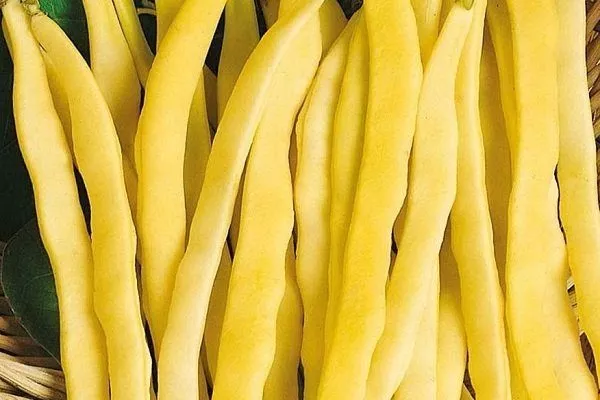
The bush ripens 65-70 days after sowing. To increase yield, vertical support for seedlings and young shoots is necessary. This variety is ideal for freezing, canning, and other processing. The beans contain proteins and vitamins.
Anniversary
This asparagus bean variety is the result of extensive work by Siberian breeders. It's resistant to low temperatures, retains its beneficial properties when frozen, produces fruit well, and requires little care. To increase yield, vertical supports are installed and the plant itself is tied.
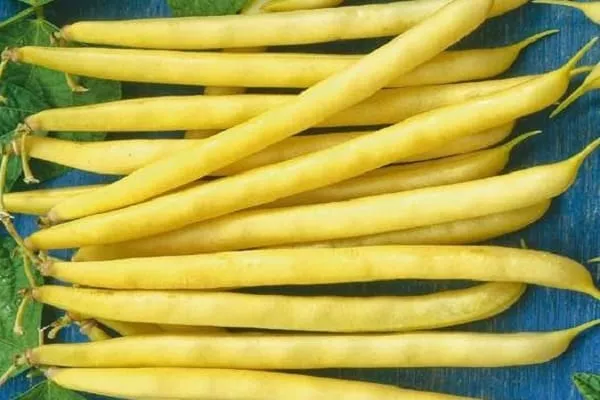
The pods are yellow with purple streaks, up to 21 cm long and 3 cm wide. The seeds are light brown, weighing up to 7 g each. The harvest is 56-65 days after sowing, yielding 2-2.8 kg per square meter.
The Purple Queen
This is the brainchild of Aelita breeders. Its name derives from the deep purple color of its blades, which look regal against the bright green leaves. It has a superb flavor: no bitterness or coarse fibers, and the pods are soft and filling after cooking. This product is suitable for freezing and canning, and can be used in dietary dishes.
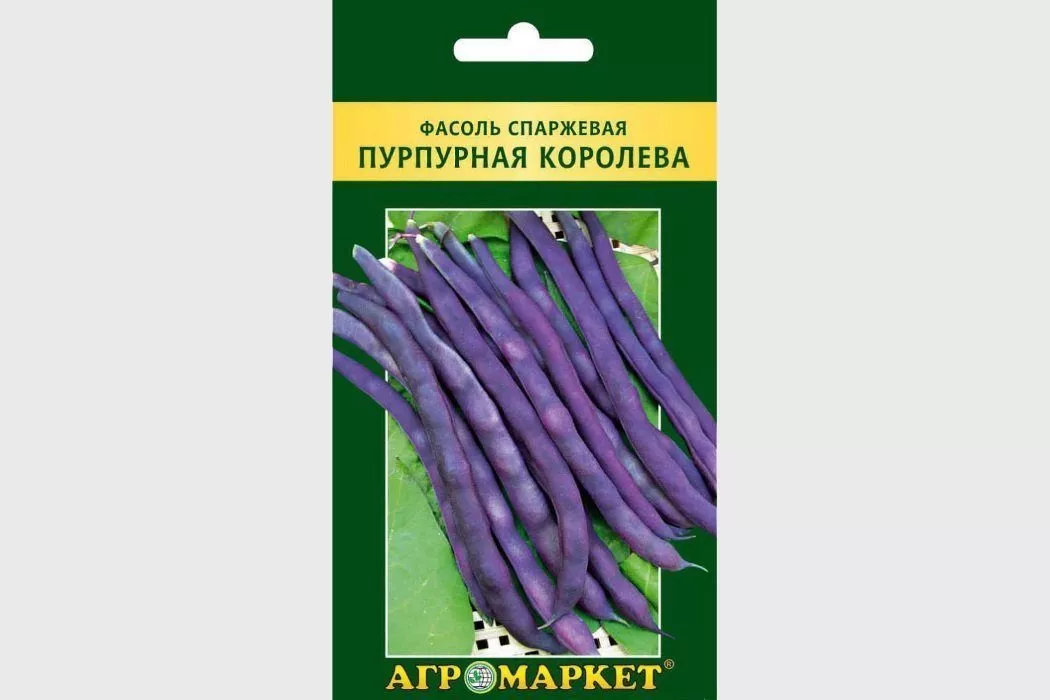
Purple Queen reaches technical maturity 62-67 days after the first shoots emerge, yielding 3 kg per square meter. The small, brown seeds do not disintegrate during processing. The pods are fleshy, juicy, and sweet, reaching up to 15 cm in length. The yield is 3 kg per square meter.
Late varieties
Green beans reach technical maturity 80-85 days after the first shoots emerge. Late-ripening varieties are more suitable for growing in southern regions, where warm weather persists most of the year.
| Name | Ripening period | Plant height | Pod length | Productivity |
|---|---|---|---|---|
| Beronia | 85-95 days | Not specified | 22 cm | 2 kg/m² |
| Xera | Not specified | Not specified | 12-15 cm | 2-2.5 kg/m² |
| Hope | 80-85 days | Not specified | 9-13 cm | 2.2 kg/m² |
Beronia
This asparagus bean variety originates from Holland and is grown from dry seeds in a greenhouse or in the open field. The germination rate is 100%. The seeds are high-quality and viable. The harvest is ready 85-95 days after germination.
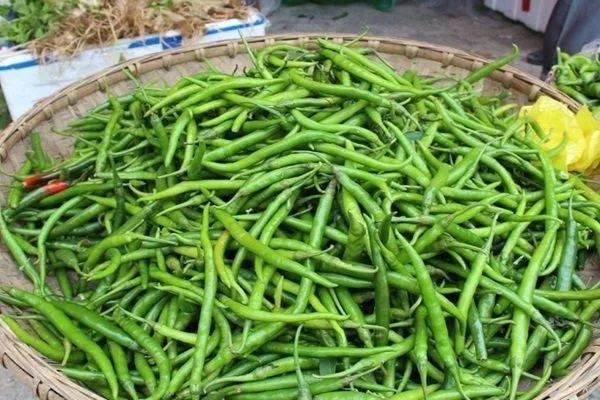
Beronia is a tall bush with white flowers, which later produce medium-sized, oval fruits without rigid partitions. The pods reach 22 cm in length and no more than 2.5 cm in width. The yield is average, up to 2 kg per square meter. This variety is distinguished by its culinary versatility.
Xera
The distinctive feature of this variety is its curved, curly vines, 12-15 cm long, with small white seeds. Originally from Holland, this variety is well adapted to Russia's climate. The fruits ripen simultaneously, yielding up to 2-2.5 kg per square meter. The harvest is made at the milky stage of ripeness; otherwise, the fruits become hard.
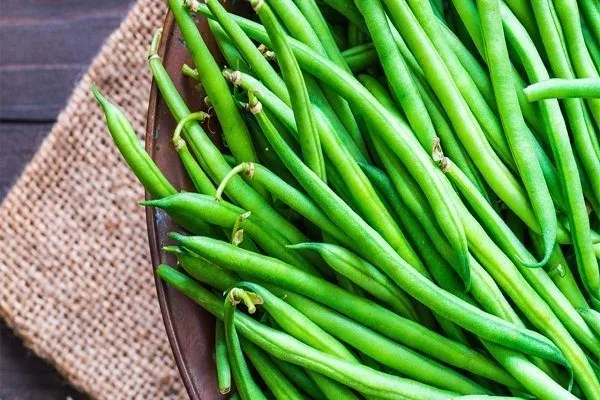
The Xera asparagus bean variety is grown in southern regions and is resistant to the mosaic virus and anthracnose. It is noted for its culinary versatility – it can be used fresh or preserved.
Hope
This variety was developed in the southern regions of Russia; the fruits ripen 80-85 days after germination. Green beans grow as low, ornamental bushes. The pods are 9-13 cm long, and the fruits weigh up to 0.3 g each. The seasonal yield is 2.2 kg per square meter. They are suitable for a variety of culinary uses.
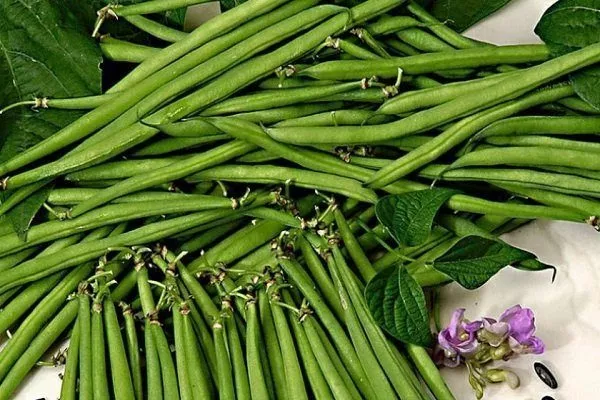
The plant does not tolerate severe frosts and sudden temperature fluctuations well. Many vegetable growers are dissatisfied with the Nadezhda variety due to its late fruiting and the yield's dependence on the climate of a particular region.
Varieties of green beans for freezing
When developing these varieties, breeders were tasked with preserving the product's beneficial properties during prolonged freezing (up to one year). These pods retain their shape after defrosting, making them an important component of a healthy and nutritious diet.
- ✓ Resistance to loss of shape after defrosting.
- ✓ Preservation of taste and nutritional properties during long-term storage in the freezer.
The Snow Queen
This is the best option for freezing for the winter, as the beans retain their nutritional properties even at low temperatures. Even when stored for a long time, Snow Queen beans retain their shape and have excellent flavor.
This bush with bright green leaves climbs rapidly, reaching 1.5 m in height. It requires support. Otherwise, pests will reduce the Snow Queen's yield.
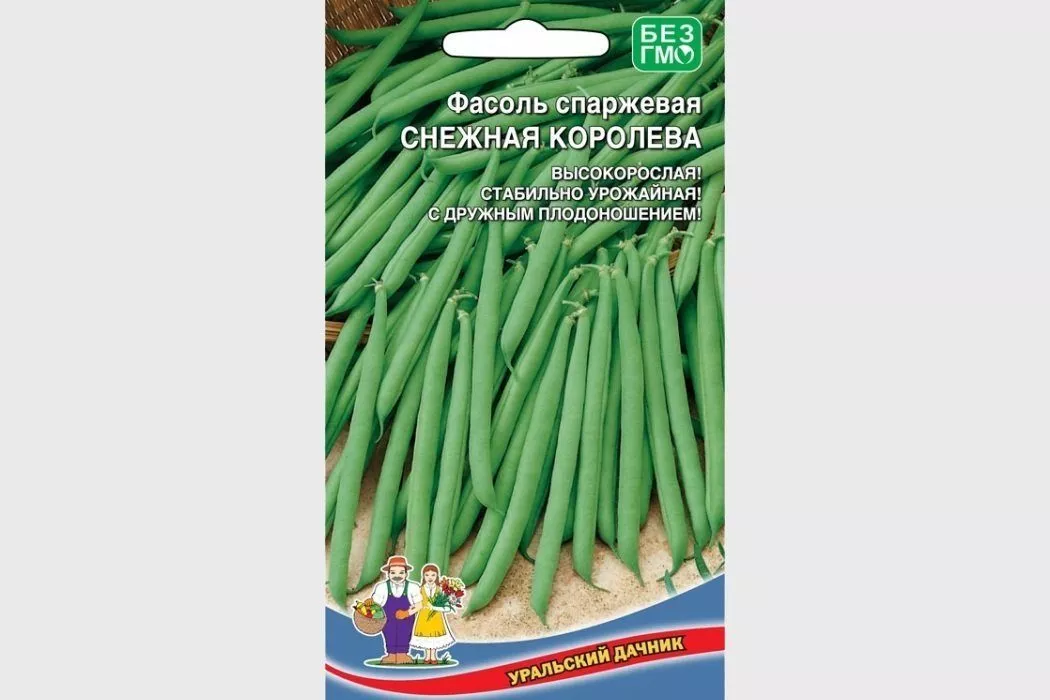
The white flowers produce small fruits measuring 15 x 15 cm. The seeds are large, weighing up to 1.5 g each, and lack rigid membranes. Yields vary from 1 to 2.5 kg, depending on climate conditions and care.
Amber
This bushy plant, up to 40 cm tall, is a mid-season variety of asparagus bean, characterized by rapid growth and strong immunity. The pods are bright yellow and reach 10-12 cm in length. The yield is modest – up to 1.3 kg per square meter. The fruits are small and white.
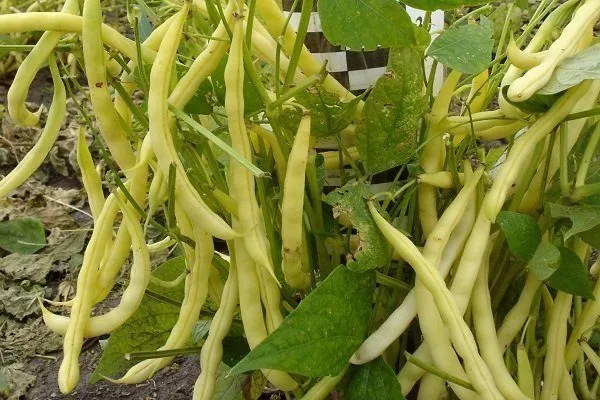
Amber beans retain their nutritional properties and integrity even when frozen for long periods, and have a good shelf life. The yield is small, and the beans are versatile.
Mauritanian
The succulent beans are used in delicacies. This climbing annual plant requires vertical supports and requires training to form bushes. In the south, the Mavritanka is grown in open ground, while in other regions, it is primarily grown in greenhouses.
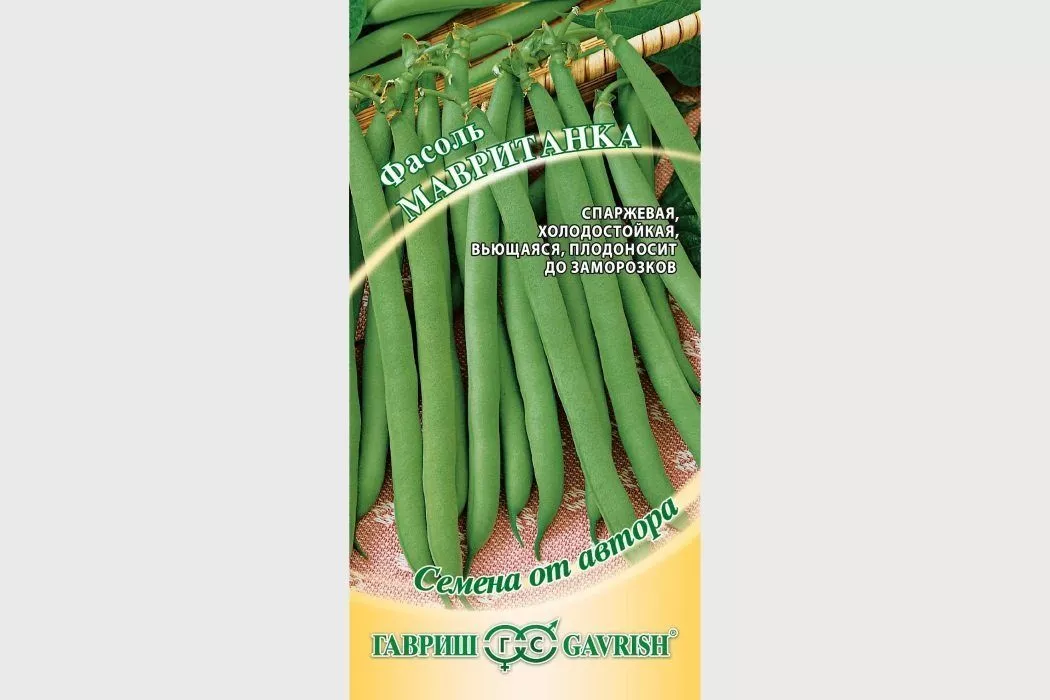
Up to 25-30 pods, each 12 cm long, form on a bush. Ripe pods are deep green, and the beans are medium-sized and white. The beans have an unforgettable flavor, but the yield per season is average—up to 2 kg per square meter. Furthermore, the long shoots need to be tied to a support, and the plant itself is very demanding in terms of care.
The best varieties of stringless green beans
Some bean varieties lack a parchment layer early in the growing season, but it appears later, ruining the flavor and texture of the pods. Not all gardeners are happy with this. However, there are varieties of asparagus beans that lack these dense partitions throughout the growing season.
Golden Saxa
This is a high-yielding, early-ripening variety with sugar beans, developed by Aelita breeders. The bushes are low-growing, characterized by their short stature and early maturity. Each bears numerous yellow pods 9-10 cm long. The beans are medium-sized, dense, yet juicy.
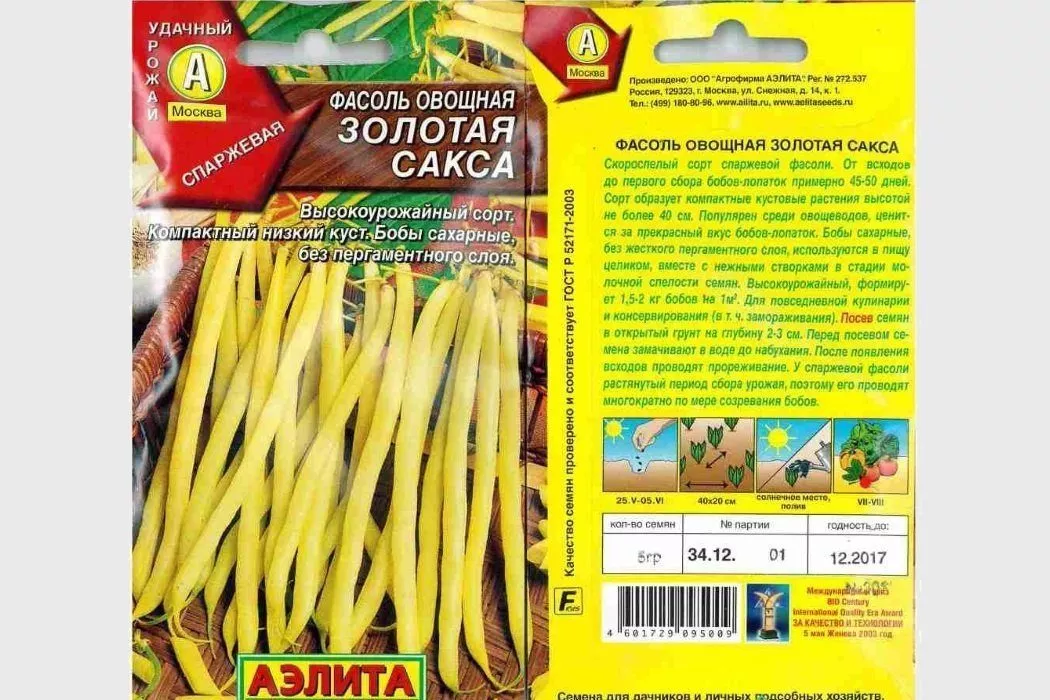
Golden saxa is used in cooking for vegetable salads, canning, and freezing fresh. The yield is up to 2 kg per square meter. It's important to harvest the pods at the right time, otherwise they become tough and unsuitable for cooking.
Second
This asparagus bean variety boasts high yields and excellent flavor. It can be planted anywhere in Russia—it quickly adapts to prevailing weather conditions and has a long shelf life in the refrigerator.
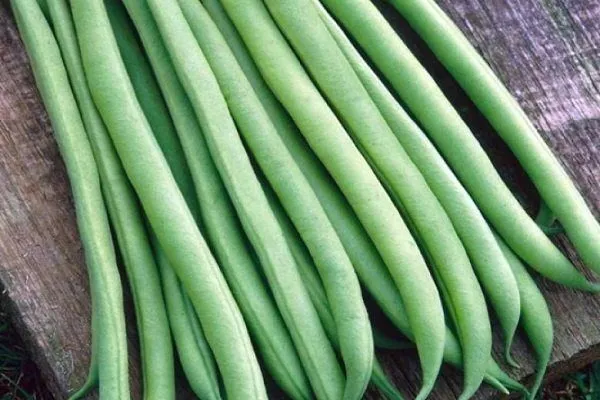
These are small bushes covered with 9-12 cm pods, initially green and then yellow. This asparagus variety has a lush green crown, large fruits, and yields up to 2.5 kg per square meter.
Sweet sash
The variety's name reflects its flavor. The parchment layer is absent, and the fruits are tender, sweet, and juicy. It's an early-ripening variety, with harvesting possible 45-50 days after the first shoots emerge. The plant also boasts attractive fruiting qualities, strong immunity, and the versatility of its beans.
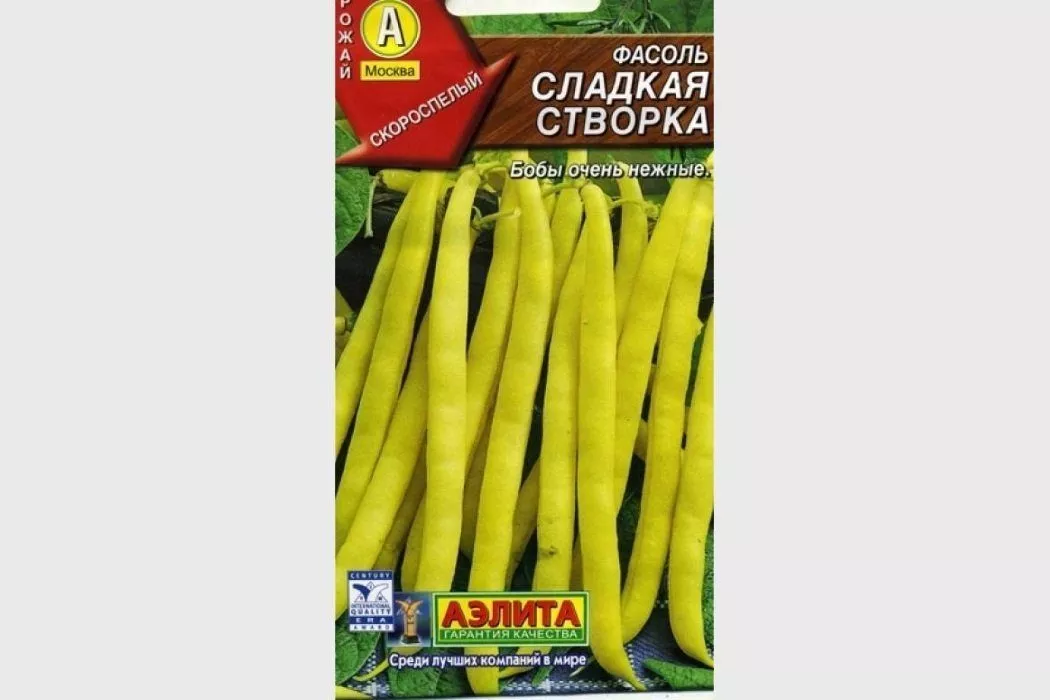
The plant itself is short—50 cm tall—with a fluffy crown. The pods are 17 cm long and gray-green or yellow in color. The Sladkaya Strovka variety is versatile and produces a high yield of up to 2.1 kg per square meter. Freezing the beans is not recommended, as they quickly lose their shape and nutritional properties.
High-yielding varieties of asparagus beans
A bountiful harvest is considered to be one where more than 2-3 kg of ripe beans can be harvested from a single square meter of area. However, some varieties yield up to 4.5 kg from a similarly sized plot. Green beans are tasty, healthy, have a long shelf life, and are versatile in cooking.
Gerda
This is a 3-meter-long climbing plant. The lower fruits appear at 45-50 cm from the ground. Growing beans requires vertical support. Alternatively, you can plant the vine near a fence. The pods are green at first, but they are best harvested when yellow. It's important not to miss this stage, otherwise the asparagus hardens.
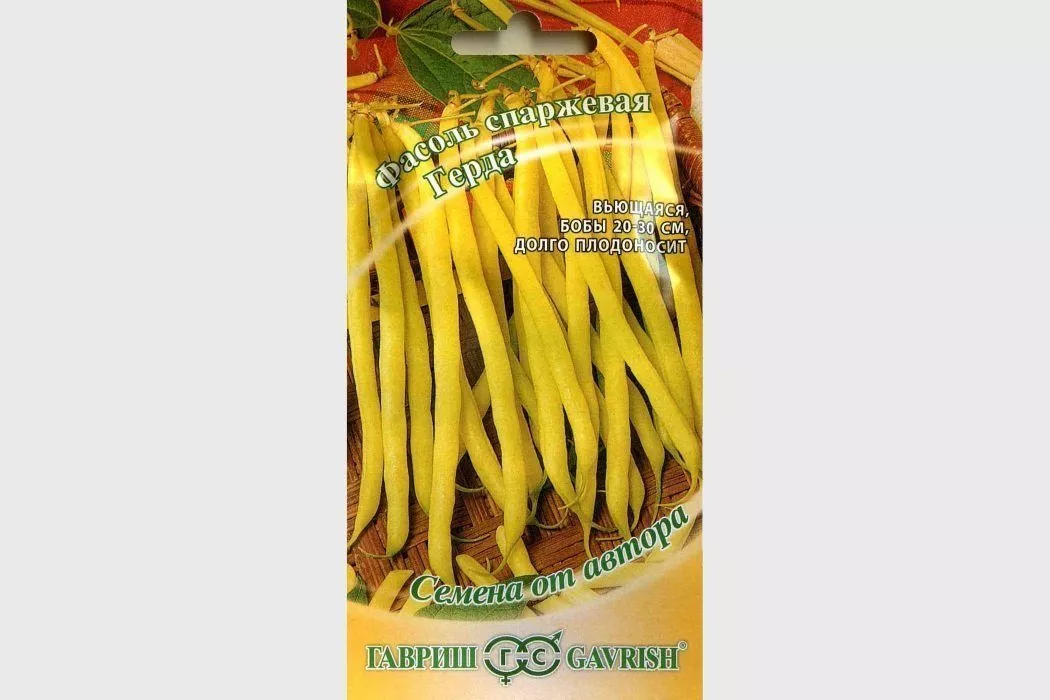
This asparagus bean variety was added to the State Register back in 2005 and is distinguished by its high yield – up to 4 kg per square meter. The pods weigh 12 g and contain 10-12 grains.
Flat
This ornamental shrub has an exotic appearance, attracting attention in greenhouses and vegetable gardens. It's an early-ripening variety, ready to harvest 48-55 days after the first shoots emerge. The pods are initially light purple. Once they reach a richer hue, it's time to begin harvesting.
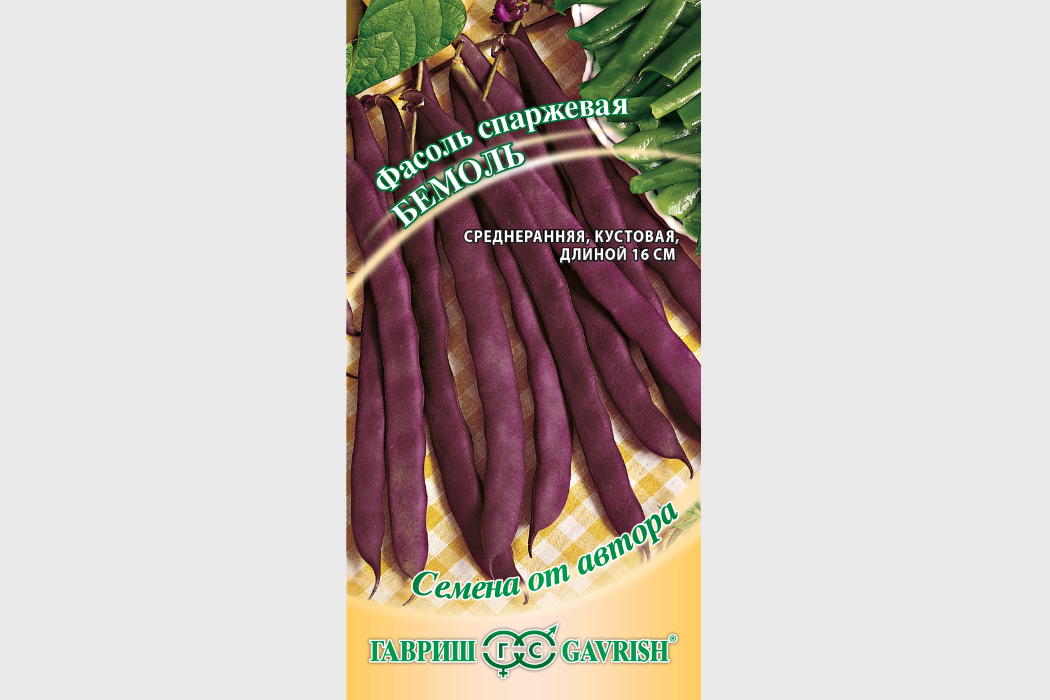
The bushes are low, up to 45 cm. The pods grow up to 16 cm long and up to 3 cm wide. Each pod weighs up to 8 g and has impeccable flavor. Up to 4.5 kg of ripe fruit can be harvested per square meter per season.
Turk
This climbing plant is a mid-season variety and is characterized by high yields. Its large seeds are nutritious and beneficial, and have a pleasant taste. They are used in delicacies, preserves, and marinades, and appeal to vegetable growers due to their versatility and lack of bitterness.
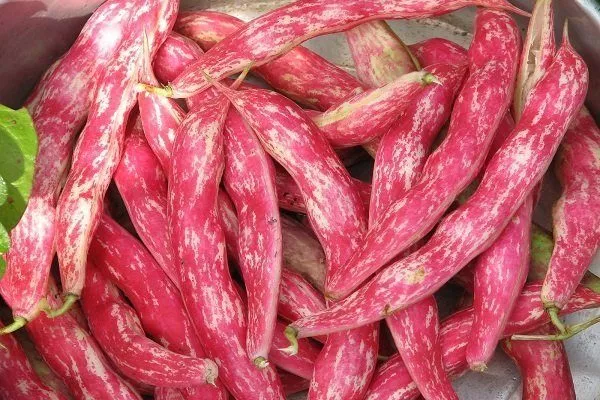
The bush resembles an ornamental plant. The combination of green leaves and pink, 20-cm-long pods is eye-catching. Up to 4.5 kg of ripe fruit can be harvested per square meter per season. The long stems need to be tied, grown on vertical supports, and watered with care. With proper care, the plant is resistant to anthracnose and bacterial blight.
Varieties of bush beans
Bush asparagus varieties are easier to manage because they require less maintenance, don't require vertical supports, and produce good fruit. These low-growing plants produce fruit in a variety of colors and thrive in a single garden.
Treasure
This is an early-ripening variety with excellent flavor. The beans have no distinctive aftertaste or bitterness. They can be eaten fresh or frozen for winter. The bush is low (40 cm) and produces fruit well.
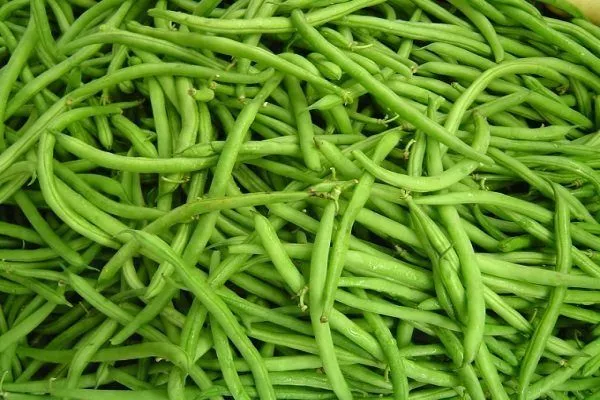
The pods are located 10 cm from the ground; the fruits are juicy, delicate, and without bitterness. Ripe pods are deep green, and the seeds are greenish, firm, and fleshy. Up to 2.5 kg can be harvested per square meter per season. The main harvest occurs in the upper part of the bush.
Zlata
This early-ripening asparagus variety grows as a 35 cm tall bush. It's ideal for canning and freezing, but is also used in vegetable salads.
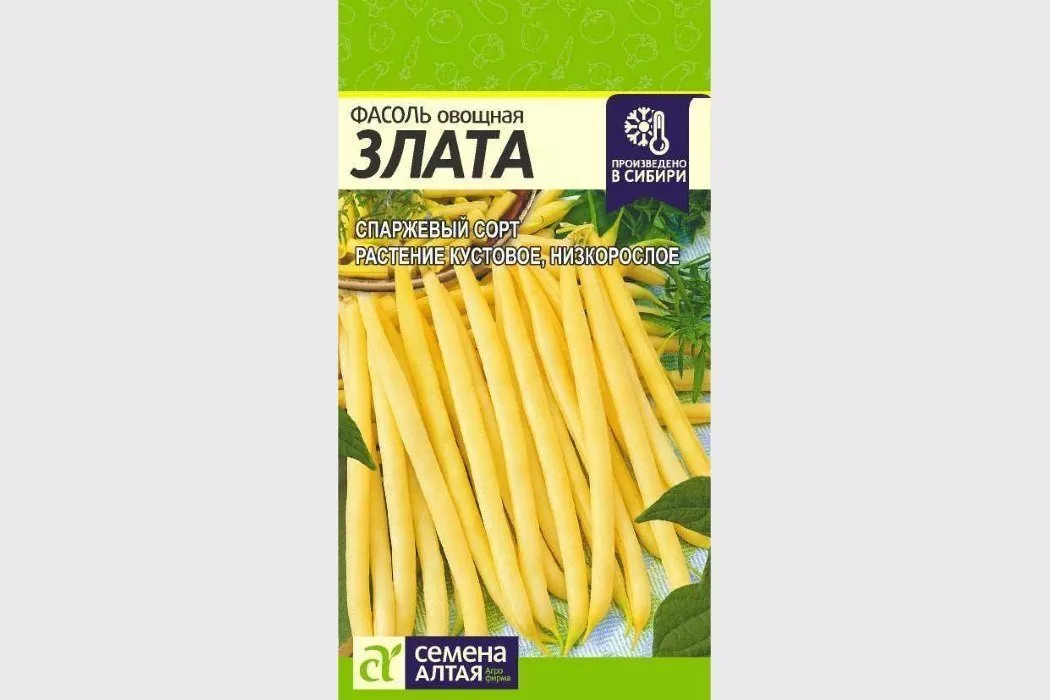
Technical maturity occurs after 45 days of vegetation. The pods are yellow, 12-14 cm long, and contain seven medium-sized white seeds. The pods are free of hard partitions, and the fruits are juicy, without bitterness. Up to 2 kg of pods can be harvested from one square meter of land.
Sapphire
This early-ripening asparagus variety was developed by Primorsky breeders. This ornamental plant is disease-resistant, quickly adapts to any climate, and requires little care. Sapphire ripens on the 50th day of growth, producing a high yield (up to 3.5 kg per square meter).
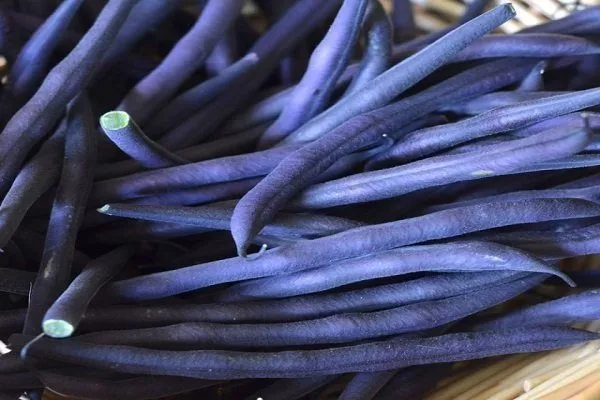
The plant boasts vibrant purple 14-cm-long pods that turn black when fully ripe. The fruit and skin have a pleasant flavor, making Sapphire beans suitable for a variety of culinary applications. They can be frozen, eaten fresh, or pickled.
Climbing varieties
Gardeners actively utilize the decorative qualities of climbing asparagus, lining fences, arbors, and other enclosures. While these arrangements are aesthetically pleasing, they require daily care—pruning, shaping, vertical supports, and regular fertilizing. The fruits are delicious and have a long shelf life.
Golden Nectar
The distinctive feature of this mid-season bean variety are its rich yellow pods, which hang in clusters from the leaves and attract everyone's attention. Externally, it is an ornamental plant that quickly adapts to any weather conditions, but requires regular pruning and shaping.
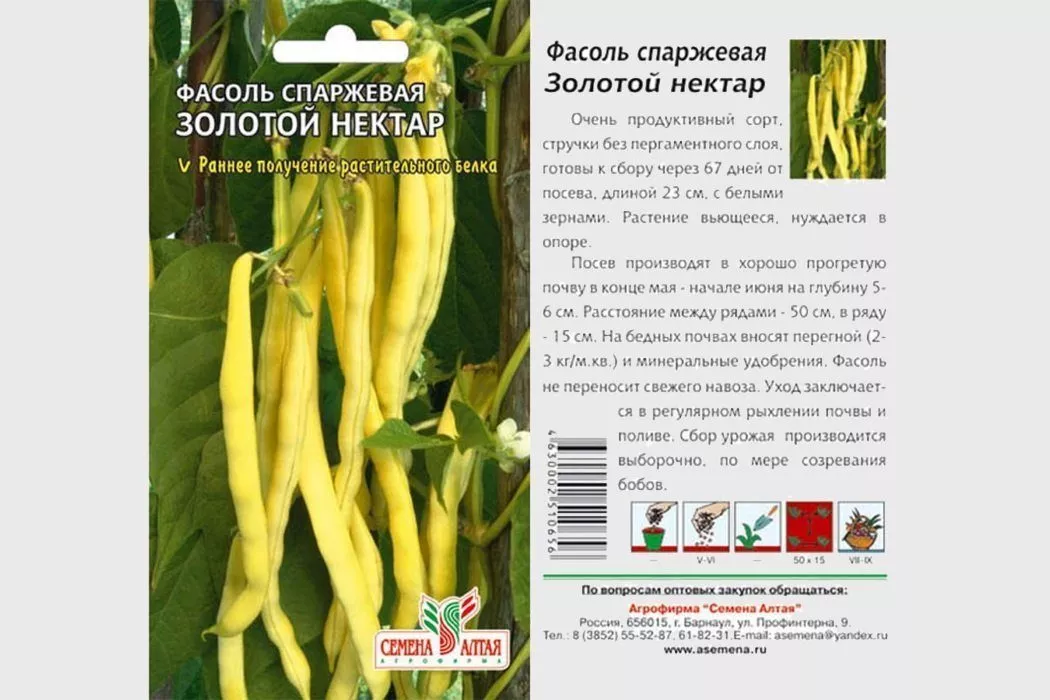
The harvest is ready 70 days after germination. Fruiting yields up to 2.8 kg per square meter. The pods are 25 cm long and 2 cm wide. The medium-sized seeds have excellent flavor and a long shelf life. They can be pickled, frozen, or cooked fresh.
Rumba
Another mid-season variety with deep purple pods. These beans grow quickly, have an excellent flavor, and are used in delicacies. If desired, the seeds can be frozen without affecting their nutritional value.
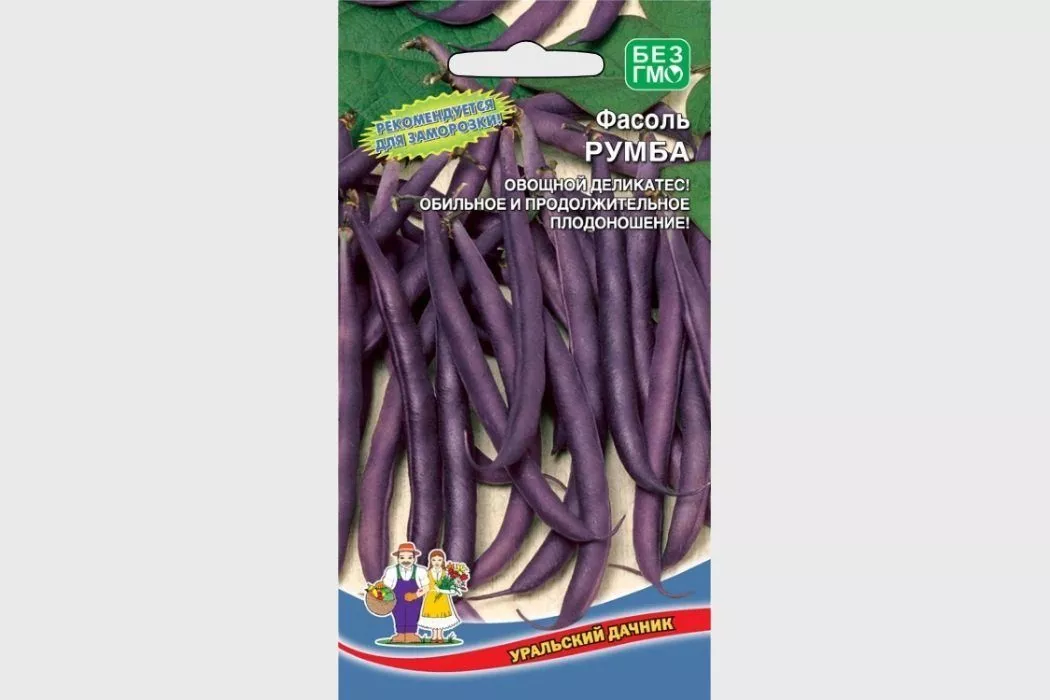
The harvest can be completed 65-72 days after sowing. Up to 3 kg of ripe, purple fruit can be harvested from 1 square meter of plot. Characteristic features of this variety include drought tolerance and the absence of rigid partitions.
Bluehilda
This climbing plant can climb even a 2-meter fence, but it needs to be tied to the support properly. The stems are strong, and the pods are delicate and rounded, up to 25 cm long. This bean variety is attractive for its decorative qualities and high yield – up to 2.5 kg per square meter.
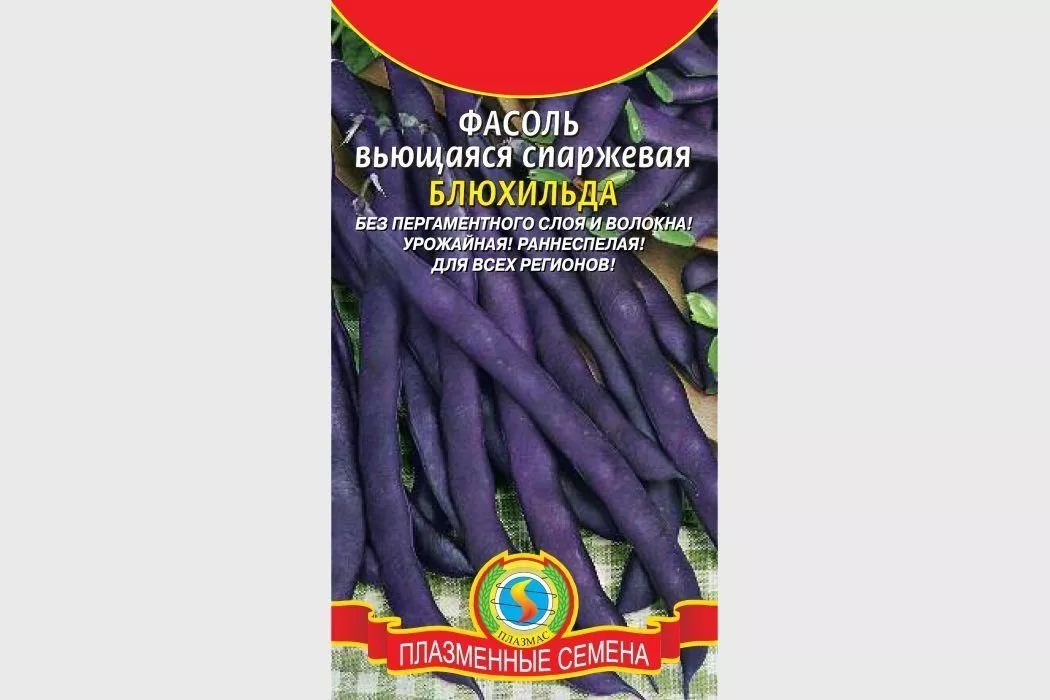
The harvest can be completed 60 days after sowing the seeds, but it's important not to miss this time. Otherwise, the fruits become tough, acquire a distinctive flavor, and lose their nutritional value.
Siberian varieties of asparagus beans
For the harsh Siberian climate, early-ripening asparagus varieties are recommended. Summers are warm but short, so the optimal growing season is 40 to 60 days. Siberian breeders offer several varieties of beans with good yields.
Gold of Siberia
This mid-season variety has bright green leaves and white flowers. The bush is completely covered with light yellow beans with a lilac tint, 10-12 cm long. The beans are medium-sized, white, juicy, and firm, without parchment-like membranes.
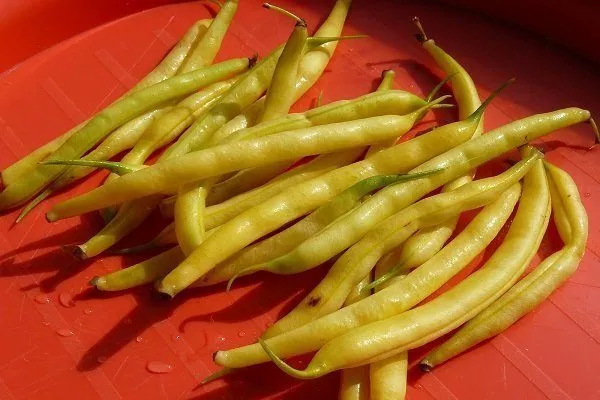
Siberian Gold is best suited for greenhouse cultivation. Outdoor beans should be covered during sudden temperature drops. Weather conditions do not affect yield. Fruiting rates reach up to 1.6 kg per square meter.
Emerald
This mid-season variety is ideal for harsh climates. Emerald beans grow as compact, decorative bushes with light green pods 10-12 cm long. The fruits are medium-sized, juicy, and delicious.
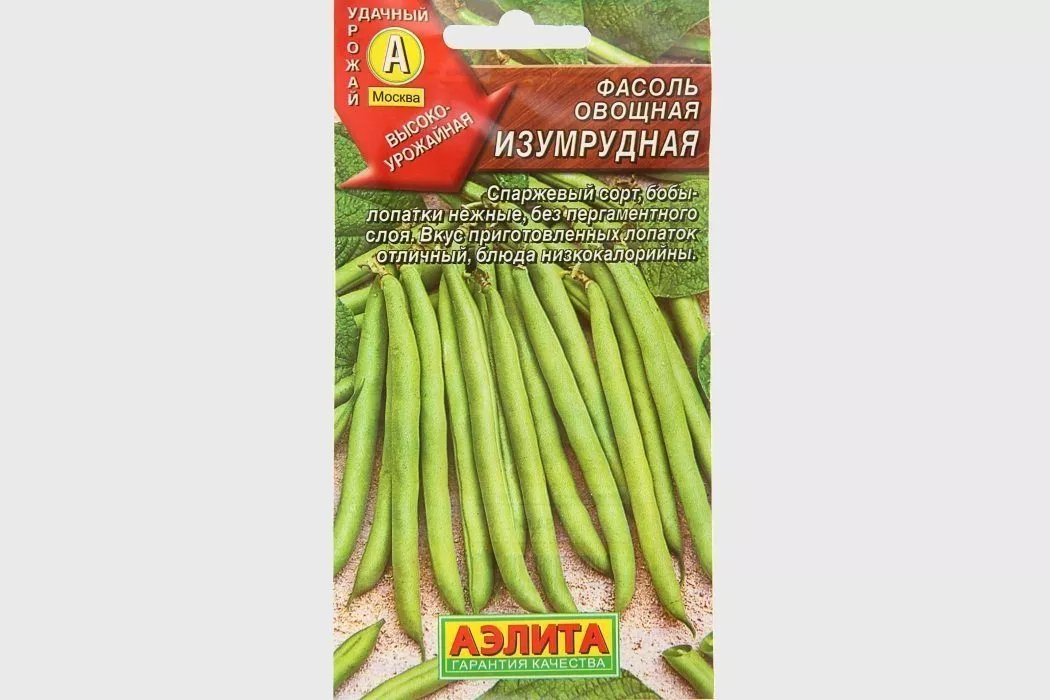
Beans mature 55-60 days after sowing. One square meter can yield up to 2.6 kg of beans, which are ideal for freezing and fresh cooking.
Darina
This early-ripening asparagus bean variety produces large, brown seeds weighing up to 10 grams each, without a parchment layer. Darina grows as a low bush, produces fruit until the first frost, and adapts well to any climate. The harvest is collected from the upper tiers of the plant, and yields up to 1.5 kg per square meter when grown in greenhouses.
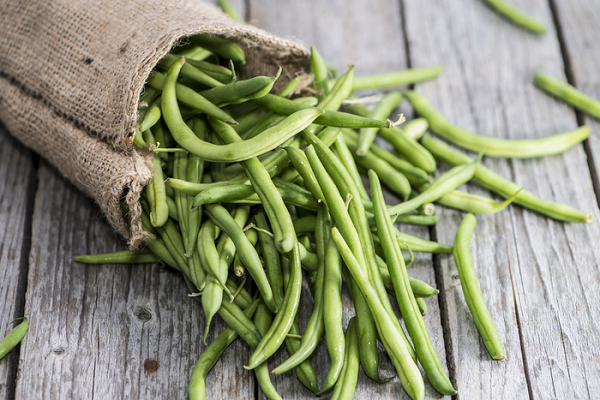
Early-ripening beans have excellent flavor. They are suitable for freezing, canning, pickling, and fresh eating. The beans can be stored in the freezer for up to 1 year.
Green beans for growing in the Central zone
The central part of the country is characterized by a wide range of weather conditions, so both early and late varieties of asparagus can be grown equally well. Summers last longer, but the problem of ripening late-ripening beans remains. It is recommended to consider the varieties described below.
| Variety | Yield (kg/m²) | Disease resistance |
|---|---|---|
| Sugar Triumph | 2 | High |
| Viola | 1.5 | Average |
| Golden Princess | 2 | High |
Sugar Triumph
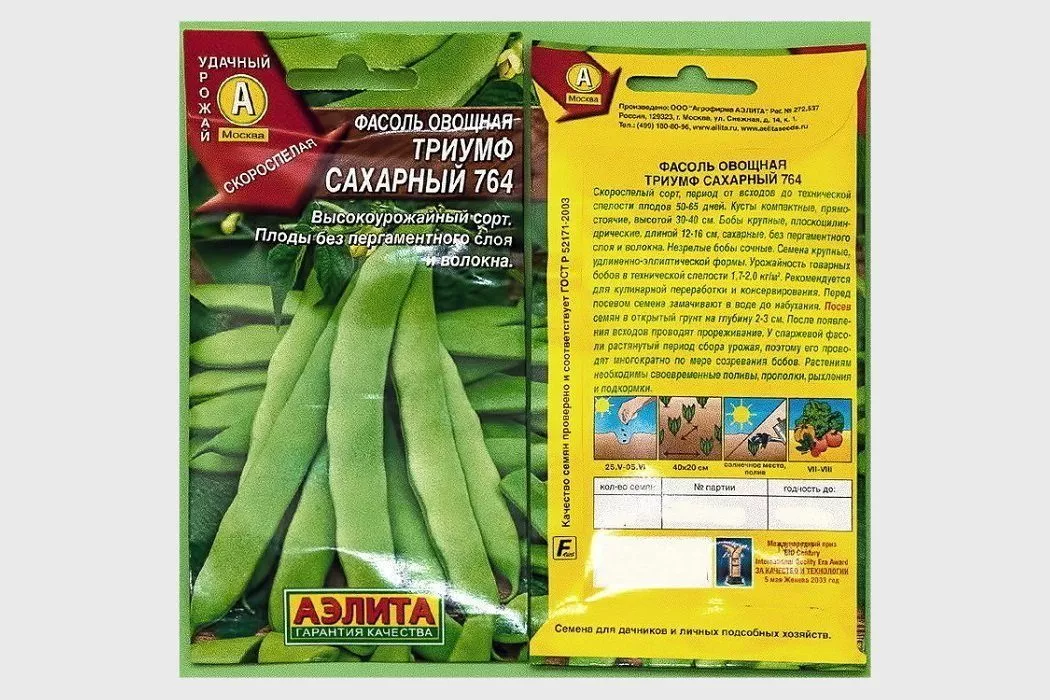
This is a classic mid-season variety with green beans and yellow seeds. The asparagus is large, has excellent flavor, and lacks hard partitions. The pods remain intact and do not split when canned. Yields are up to 2 kg per square meter. To ensure good fruiting, regular and proper feeding is essential.
Viola
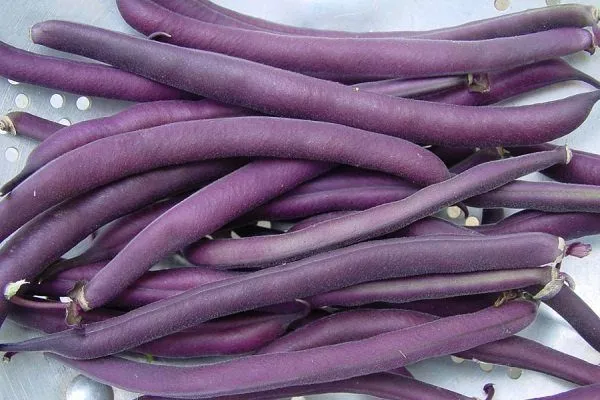
A mid-season bean variety with a low yield—up to 1.5 kg. The beans are dense, long, and richly purple (the same color as the seeds). They are often used for preserving vegetable salads and retain their original shape after freezing.
Golden Princess
The distinctive feature of this mid-season variety is its long, rich yellow beans with a sweet flavor. The plant itself is compact, with medium-sized seeds and a fleshy texture. Golden Princess produces abundant fruit, yielding up to 2 kg per square meter.
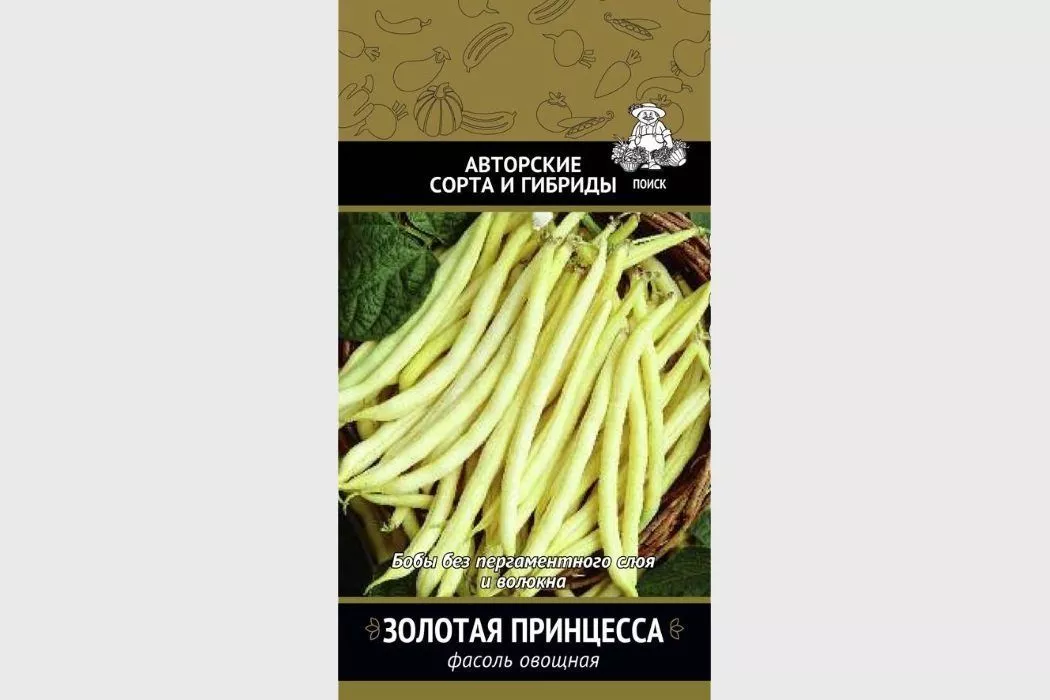
Golden Princess tolerates frost well, and weather conditions don't reduce yield. This asparagus variety is more of an acquired taste, as its fruit has a distinctive flavor that may not be to everyone's liking.
Asparagus bean varieties for the Moscow region
The frost-free period in the Moscow region lasts at least three months. Choosing the right asparagus variety is crucial to ensure a bountiful harvest and avoid wasting late-ripening plants.
Emerald earrings
This early-ripening variety grows as a compact bush with 15-25 pods, each 18 cm long. The beans are green, and the seeds are light brown. Cooking does not change the color of the asparagus, and the fruit retains its integrity. Yields are up to 2.5 kg per square meter, depending on regular watering and fertilizing.

Black Opal
A low-growing, early-ripening bush. The leaves are green and blade-shaped. The flowers are small and purple. The ripe beans are deep green, and the seeds are black. The fruits are tasty, juicy, and without a parchment layer. They grow at a height of 30 cm from the ground and are protected from harmful insects.
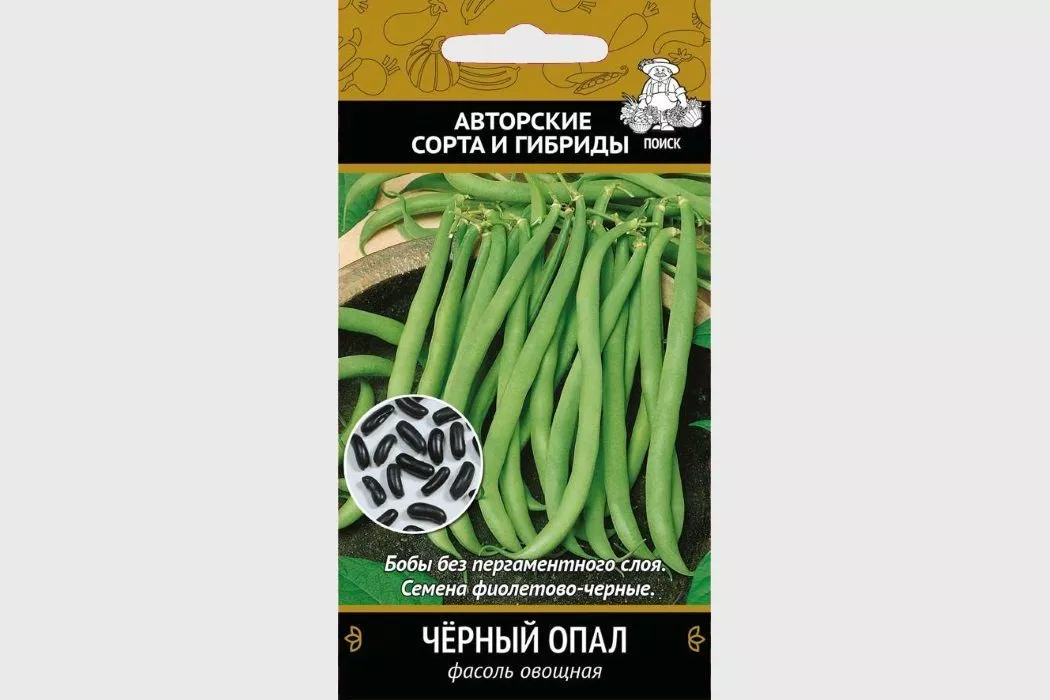
Up to 2 kg of fruit can be harvested from 1 square meter of land. To increase yield, Black Opal bushes are tied to vertical supports and regularly shaped and pruned. With proper care, fruit yields can increase to 2.6 kg.
Crane
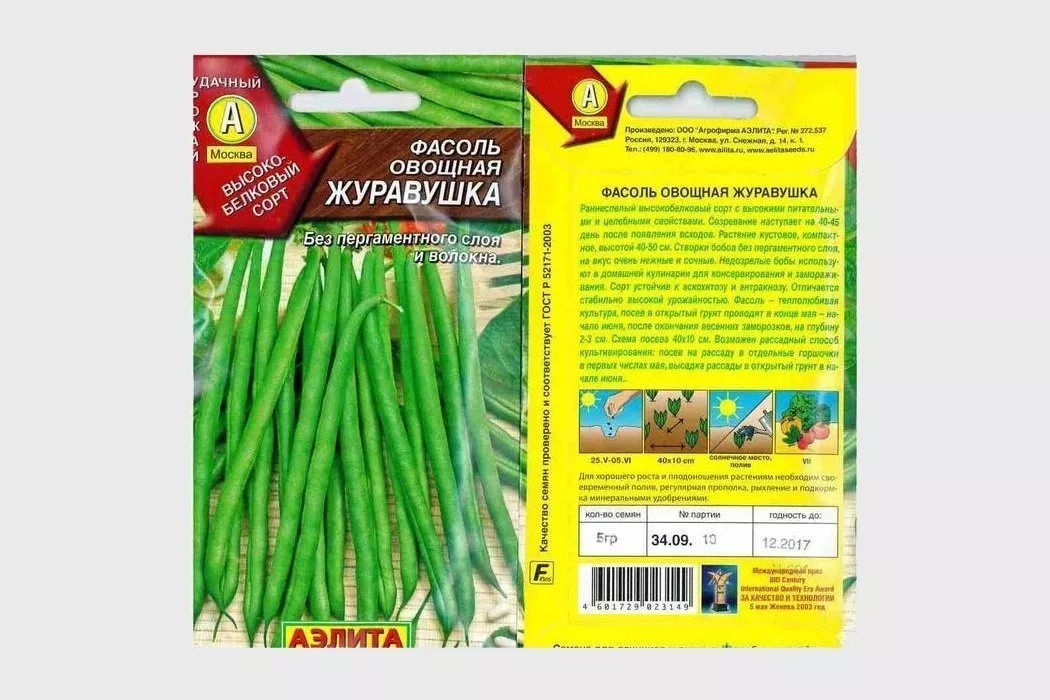
Another early-ripening bush with a stable yield. The green, medium-sized beans are especially popular in cooking. Up to 1.7 kg of fresh beans can be harvested from one square meter of area. The Zhuravushka variety tolerates frost well, but is best grown in greenhouse conditions. The plant has a strong immune system and is resistant to bacterial wilt and fungal infections.
The best varieties of the Vigna genus
Asian asparagus beans are known as Vigna in the Russian market. They are also known by the name Chinese long beans. Imported seeds are sold at markets or in specialty stores. These varieties are no less popular and boast excellent nutritional properties.
Macaretti
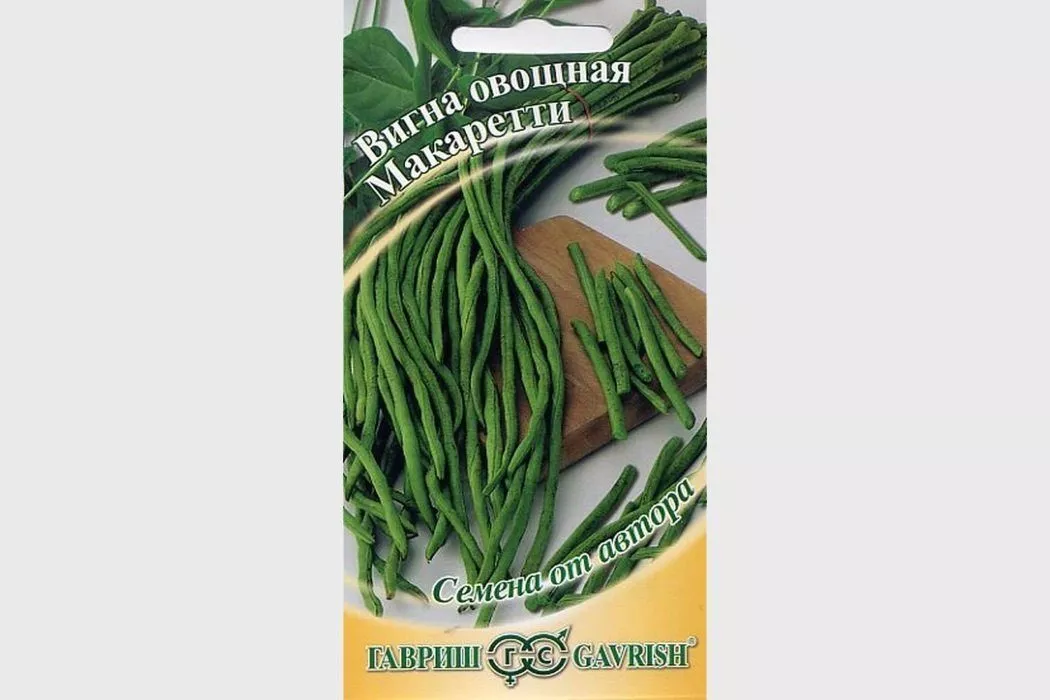
This is a mid-season variety with a harvest occurring 62-67 days into the growing season. The pods reach 35 cm in length and weigh up to 25 g each. A single bush can yield up to 1.5 kg per season. The Makaretti variety is well suited for any processing and is in demand in the food industry.
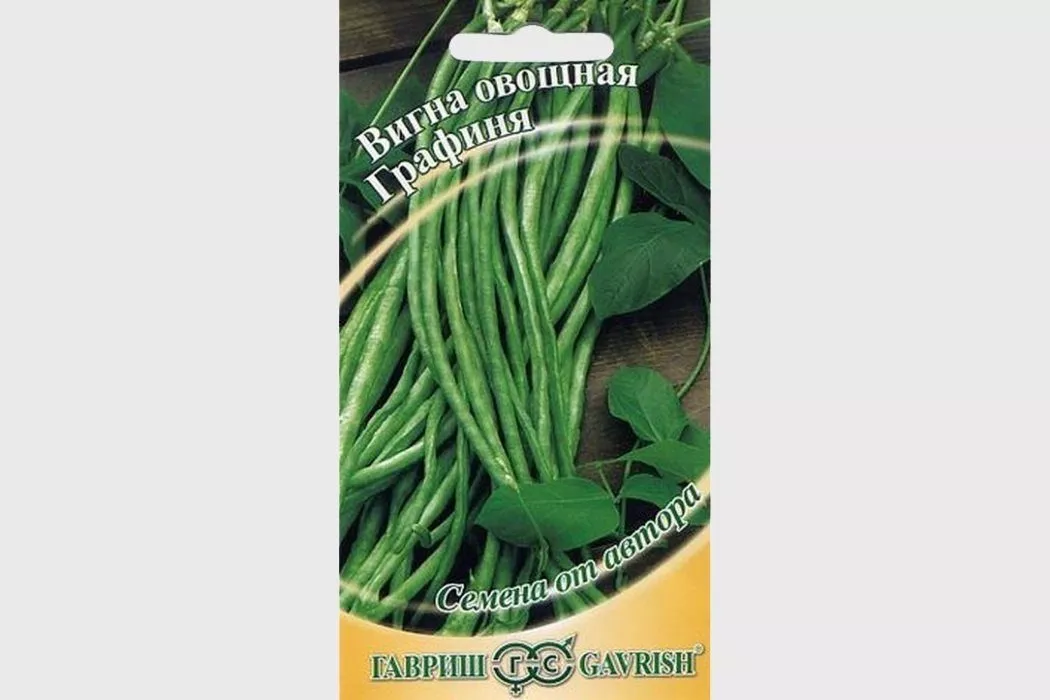
Countess
An early-ripening variety with pods up to 80 cm long. A single plant can yield up to 2 kg of beans, representing a high yield. The pods are thin, deep green, and firm. The beans have a pleasant, juicy flavor and do not fall apart when cooked or frozen. To increase yield, the plants are tied to vertical supports.
Watchtower
This bean variety is attractive for its early maturity, low maintenance, and strong immunity. The beans grow up to 86 cm long and weigh 55 g. The seeds are small but very nutritious, and lack a parchment layer. A single plant can yield up to 2.2 kg of beans per season.

Lillian
This variety was developed by Russian breeders, but is in no way inferior to its Asian counterparts in appearance and taste. Green beans reach up to 50 cm in length and weigh 50 g. The yield per plant is up to 3 kg.
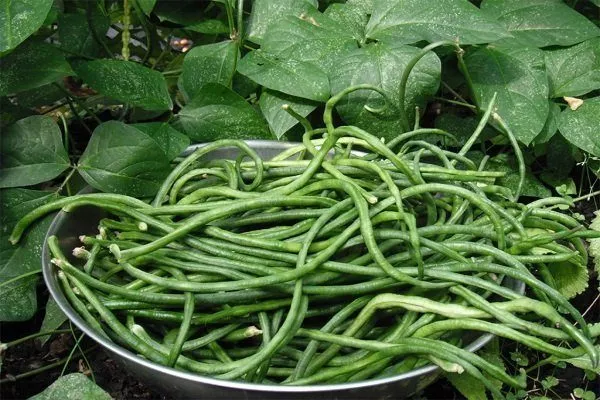
Siberian size
A distinctive feature of this early-ripening variety is its good yield at low temperatures (up to 2 kg per square meter). The asparagus grows to 50 cm in length, and the beans have excellent flavor. Unlike Vigna, Siberian Size quickly adapts to any climate and has a strong immune system.
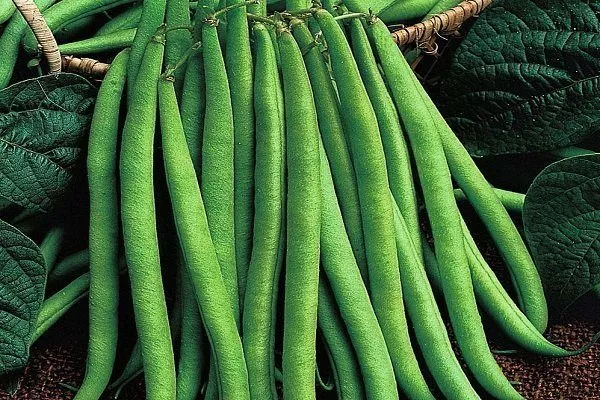
Read about how to grow and care for green beans in open ground. next article.
When choosing a variety of asparagus beans for growing, consider not only taste preferences, but also the climatic conditions of a particular region (seasonality), care requirements, and yield indicators.