
Matilda is a popular variety of asparagus bean. It has deservedly earned the love of gardeners thanks to its unique flavor and low maintenance requirements. It's an ideal choice for both novice gardeners and experienced agronomists. It's important to carefully study the crop's characteristics and provide it with proper care to ensure bountiful harvests.
Peculiarities of origin
Domestic breeders from the Gavrish company worked on developing this variety. It appeared relatively recently and was added to the Russian State Register in 2006. It is approved for use in all regions of the country.
Description of appearance
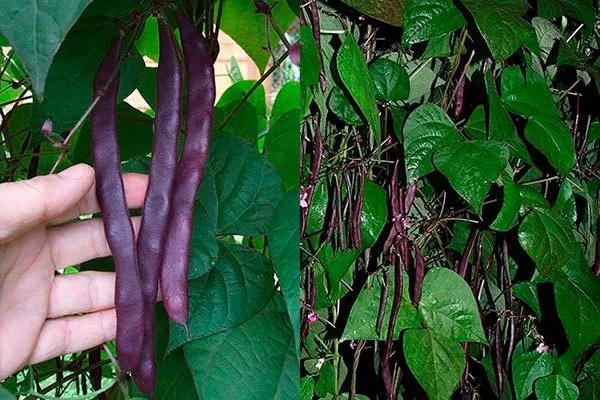
Matilda is a climbing variety that reaches a height of 3 m. Distinguishing characteristics:
- The bushes are covered with small leaves, colored dark green.
- The beans are attached at a height of about 40 cm, with approximately 32 beans formed on each plant.
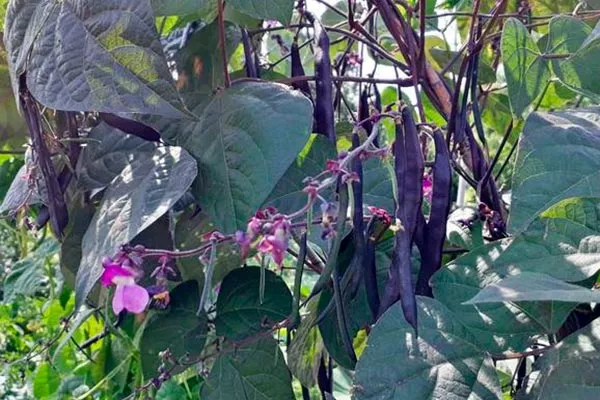
- The flowers are small and purple.
- The average length of the beans is 18 cm, width – 1.5 cm.
- The cross-section is elliptical or ovoid, and the apex can be pointed or blunt.
- The grains are light purple in color.
- ✓ High drought resistance, but requires regular watering during flowering and bean formation.
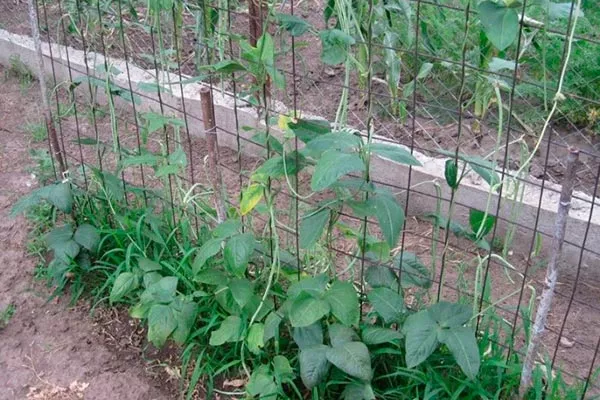
- ✓ Specific need for support due to the climbing nature of growth, reaching 3 m in height.

Taste characteristics
Green beans are renowned for their excellent flavor. These tender and nutritious beans are perfect for vegetable side dishes. They can be frozen and retain their nutritional value even after cooking, making them ideal for canning and pickling.

Properties and benefits of Matilda beans
Matilda is one of the most nutritious plant-based sources of protein, making it especially beneficial for vegetarians and vegans who need adequate protein. It contains a rich composition of:
- Contains a lot of fiber, which helps normalize bowel function, reduce cholesterol levels and maintain weight.
- Contains important vitamins and minerals (vitamin K, folate, iron, magnesium and zinc) needed for healthy bones, the immune system and the heart.
- Antioxidants help protect cells from free radicals and prevent the development of inflammatory processes and chronic diseases.
Regular consumption of the vegetable helps reduce the risk of cardiovascular disease, support bone health and prevent osteoporosis, improve digestion and relieve constipation, increase energy levels and improve overall well-being.
Cooking Tips: How to Cook and Use Beans
Matilda is popular for its versatility and beneficial properties. Here are some tips for preparation and use:
- Preliminary preparation. Pre-wash the pods, remove the ends from both ends, and, if they're too long, cut into manageable pieces. They don't require long cooking times, so it's important not to overcook them to preserve their texture and vibrant color.
- Cooking in steam or water. Steam the pods; they'll be ready in 5-7 minutes. This method preserves the maximum amount of vitamins and flavor. You can also boil them in water: add them to boiling salted water for 4-5 minutes, then plunge them into ice water to preserve their vibrant green color and crispness.
- Roasting. Heat a frying pan with a little oil (olive, butter, or a combination). Add the pre-cooked beans and fry over medium heat for about 3-5 minutes, until lightly golden. Sprinkle with garlic, nuts, or spices, if desired.
- Use in salads. Add boiled or blanched green beans to salads. They pair well with cherry tomatoes, avocado, feta or goat cheese, olive oil, and lemon juice.
- Side dishes. Matilda is a great side dish for meat and fish dishes. Drizzle with a little melted butter, lemon juice, and freshly ground pepper for a richer flavor.
- Baking. Cook in the oven with other vegetables (zucchini, eggplant, carrots). To do this, pre-boil the beans, then bake them in a sauce (such as cream or tomato).
Blanched pods can be preserved with vinegar, salt, spices, and herbs. Matilda beans add freshness and vibrancy to any dish thanks to their flavor and texture.
Ripening time and yield
It's a mid-season crop, taking 65 days from germination to fruiting. The beans grow high above the ground, making them easy to harvest. The pod harvesting period is spread out over a long period.

How and when to plant?
To successfully grow Matilda beans, it's important to choose the right time and planting method. Here are some recommendations:
- Plant the crop outdoors when the soil temperature reaches 15-18°C. This usually occurs in late May or early June, depending on the region and climate. Make sure the threat of frost has passed.
- Choose a well-drained location with fertile, loose soil. Amend the soil with compost or humus before planting to increase its nutritional value.
- Soak seeds in water for a few hours before planting to speed up germination.
- Make furrows 3-5 cm deep with a 30-40 cm spacing between rows. Space the seeds 10-15 cm apart. Cover with soil and water gently.
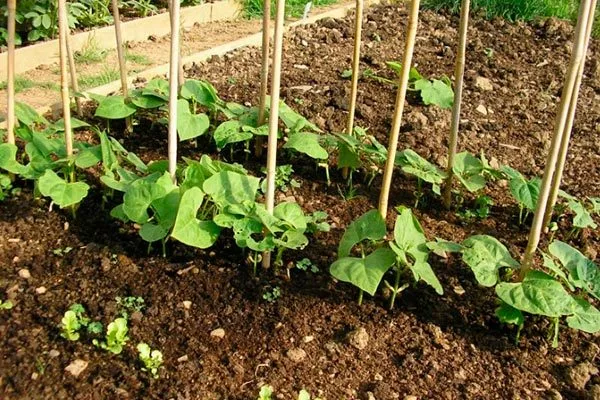
Install trellises or supports for climbing plants to provide support as they grow.
Agricultural technology for cultivation and care
Caring for asparagus beans involves several key aspects that will help ensure healthy growth and abundant fruiting. Follow standard agricultural practices:
- Watering. Water the bushes regularly, especially during dry periods. Do this 1-2 times a week, depending on weather conditions. Pour water at the roots, avoiding drips on the leaves to prevent disease. Use warm, settled water.
- Top dressing. Two to three weeks after germination, apply complex mineral fertilizers (such as superphosphate and potassium-rich compounds). Before flowering and fruit formation, add organic matter, such as manure or herbal infusion, to increase yield.
- Weeding and loosening. Regularly remove weeds that may compete with plants for nutrients and moisture. Loosen the soil around the plants to improve oxygen and moisture access to the roots.
- Protection from pests and diseases. Regularly inspect plants for insects and diseases. If any are detected, apply organic or chemical pesticides according to package directions. Practice crop rotation to prevent pathogen buildup in the soil.
Harvest beans as they ripen to prolong the fruiting period. The pods should be plump and brightly colored, but not overripe.
Positive and negative qualities
To avoid any potential problems in the future, carefully study the advantages and disadvantages of the variety. Matilda beans have many advantages:
The crop has no significant drawbacks, but it's worth noting that its fruit ripening time is average. Furthermore, the plants require careful selection of fertilizers.
Reviews
Matilda beans are a tasty and nutritious crop. Thanks to their low maintenance and high yield, this variety is a favorite among many gardeners across the country. The plant has a strong immune system and numerous beneficial qualities, making it easy to grow. With proper and timely care, you can reap bountiful harvests.