
Beans are grown by gardeners who understand their value and nutritional value. While growing the crop doesn't take much time, it does require care to ensure a good harvest. The "Red Riding Hood" variety is particularly popular, boasting large pods and a rich, unique flavor that adds charm to a variety of dishes.
Description of the variety
It's no coincidence that this variety earned its famous name. The beans have a unique coloring. The crop is prized for its high resistance to various diseases and stem lodging. Red Riding Hood has many unique characteristics, making it so prized by agronomists.
Distinctive features
The plant grows as a spreading plant with medium branching. The compact bushes do not exceed 50 cm in height and can reach up to 40 cm in diameter. The plants are characterized by pinnate, trifoliate leaves with a yellow-green hue. The flowers are white, and the inflorescences are gathered in racemes.
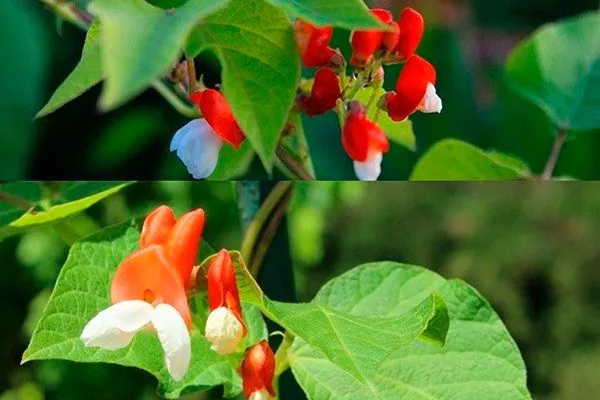
This variety is a grain-producing variety with a medium ripening period and stable yield. The pods are 10-12 cm long, containing 8 to 12 grains per pod.
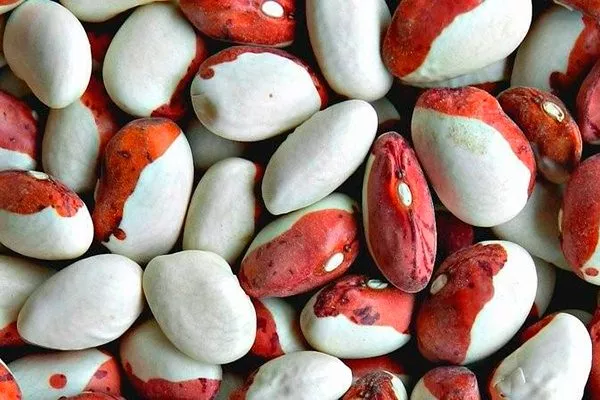
- ✓ The red spot on the grains in the eye area is a unique characteristic of the Red Riding Hood variety.
- ✓ The average grain size (9-11 mm) and their shape (flat-cylindrical, slightly curved) are also characteristic of this variety.
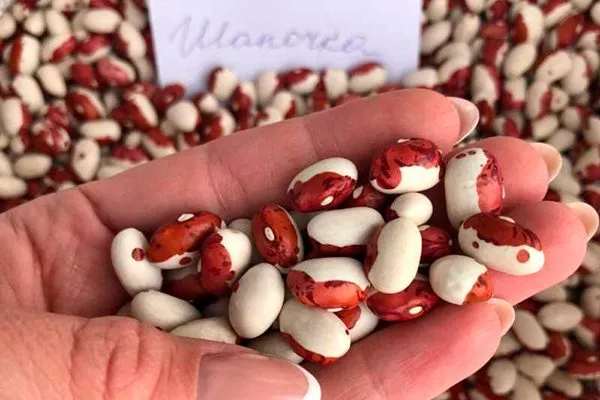
The medium-sized (9-11 mm) grains are flat-cylindrical and slightly curved. They are white with a red spot located near the eye.
Characteristics of the variety
Red Riding Hood is a reliable and productive bean variety with excellent bean flavor. The plants are highly resistant to various diseases, making them a reliable choice for gardeners.
Purpose and taste
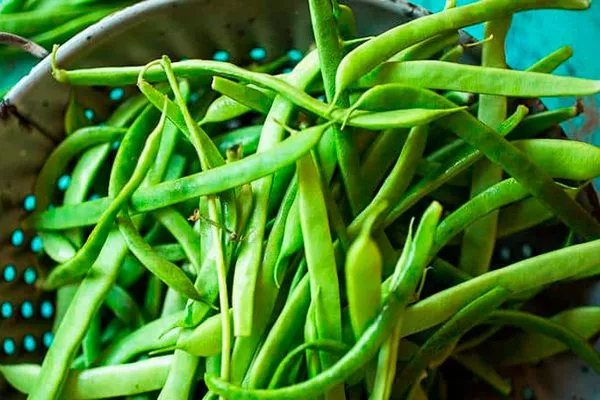
Red Cap beans have a wonderful flavor, making them an excellent choice for canning. The seeds of this variety are used in a variety of dishes. The beans retain their shape well even when exposed to heat for extended periods, giving them additional advantages during cooking.
Ripening time
Red Riding Hood fruits reach technical maturity 55-65 days after germination and are fully ripe in 100 days.
Productivity
The variety is characterized by high yield, reaching 3 tons per 1 hectare, while the fruits ripen evenly, which facilitates efficient harvesting.
Advantages and disadvantages of the variety
Before planting a bean, it's important to familiarize yourself with its advantages and disadvantages to avoid potential problems. The main advantages of this bean variety include:
How to grow beans from seedlings
Growing beans from seedlings is not difficult. Proper container and soil preparation are key to ensuring the plant takes root and produces high yields.
Container and soil
Choose individual trays or cells with good drainage holes to prevent waterlogging. Containers at least 10-15 cm deep are preferred to provide adequate root space.
- ✓ Optimal soil acidity for beans: pH 6.0-7.0. Testing the acidity is essential before planting.
- ✓ The thickness of the drainage layer should be at least 2-3 cm to prevent water stagnation.
For planting beans, choose fertile, well-drained soil with a neutral pH. Loam is an excellent option. You can also prepare your own soil mix, including turf, humus, and wood ash.
Place a drainage layer of expanded clay or fine gravel at the bottom of the container to prevent waterlogging and promote healthy root development. The Red Riding Hood variety is an attractive choice because its shelling fruits can be eaten as green pods.
Seed preparation
Before planting, carefully select the seeds. It's easy to identify and eliminate all poor-quality seeds by looking for signs such as softness, dark spots, and other visible damage. Soak the seeds intended for planting in water for 6-10 hours before sowing.
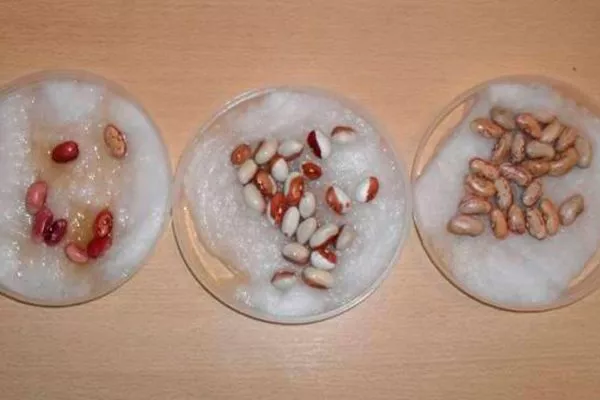
To ensure you're using high-quality planting material, treat it with a warm solution of boric acid or potassium permanganate before planting. Use the remainder to water the soil. For added security, treat the seeds with insecticides and fungicides.
Sowing, growing and transplanting
Growing beans from seedlings offers a unique opportunity to control initial growth and create optimal conditions for healthy plant development. Follow these instructions:
- Place the seeds in individual cells of seedling trays and cover with a layer of soil.
- Provide warm conditions and adequate light for the seedlings. The ideal temperature for germination is around 18-25°C.
- Water the seedlings moderately, avoiding overwatering to prevent root rot.
- Feed the plants with a high-phosphorus fertilizer when the first true leaves appear.
- Transplant beans into open ground when the risk of frost is minimal and the soil has warmed up to +12°C.
- Choose a well-drained area and prepare the soil by adding compost or humus.
- After replanting, water the plants thoroughly and then maintain a moderate watering regime.
You can successfully grow bean seedlings, providing them with optimal conditions for healthy growth and development in open ground if you follow the recommendations.
How and when to plant in open ground?
Beans prefer warm weather, so it's best to plant them outdoors in May, after the air temperature has stabilized above 16°C and the soil has warmed to 12°C. Planting doesn't require any special skills or knowledge.
Requirements for planting site and soil
Choose sunny, wind-protected planting sites. Before planting, add a small amount of nitrogen fertilizer, preferably using soil previously used for bean cultivation.
Sowing
Prepare holes 3-5 cm deep in advance, leaving approximately 30 cm between rows. Maintain a distance of at least 10 cm between each seed.
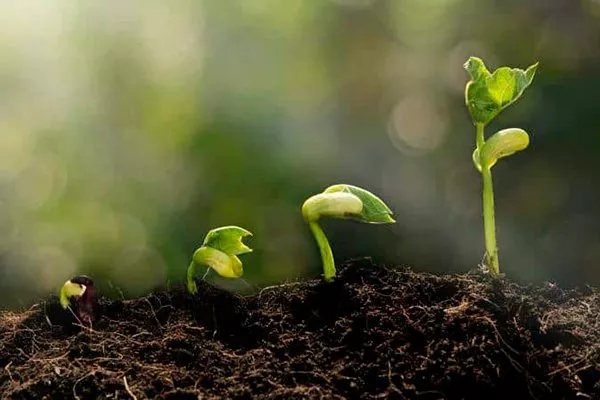
Beans can be planted in rows, placing the seeds in beds, or in a staggered pattern. Planting in beds is preferred, as it allows for easier harvesting. Place the seeds in moist soil and then water with sun-warmed water.
Agricultural technology for cultivation and care
Caring for beans, including the Red Riding Hood variety, involves a number of standard procedures common to most shelling varieties. Watering and fertilizing are essential.
Watering
For watering, use settled water. After planting, water the crop every 7-10 days.
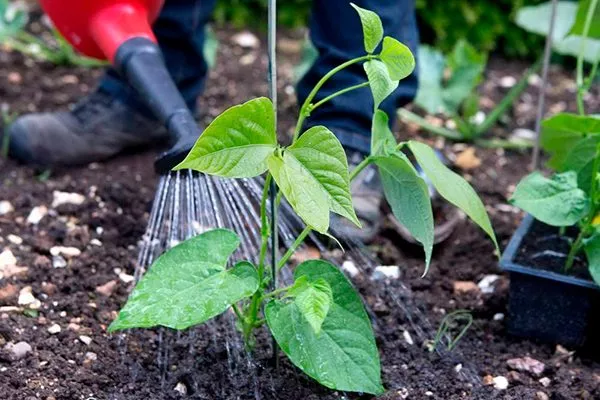
Follow the recommendations:
- After sowing seedlings or seeds, maintain moderate soil moisture. Avoid overwatering to prevent seed and root rot.
- When the first shoots appear, increase watering, maintaining moisture and preventing the soil from drying out. Beans prefer even moisture.
- Ensure good drainage in the soil and containers to avoid standing water, which can lead to root rot.
- Moisten the soil deeply, especially during periods of drought. This will help the plant avoid stress and maintain vigorous growth.
- Try to avoid watering the top of the plant, especially in the evening, to prevent the development of fungal diseases.
- Adjust your watering schedule based on soil moisture levels. Water when the top layer of soil begins to dry out.
- Increase the amount of watering during the flowering and pod formation period to maintain active fruiting.
This will create optimal watering conditions for Red Riding Hood beans, ensuring healthy growth and a bountiful harvest.
Top dressing
Apply the first fertilizer at the first leaf stage. Use a fertilizer high in phosphorus. This promotes root development and strengthens the plant during the initial growth period.
When buds appear, use a potassium salt solution. Potassium improves flowering and fruit formation, promoting the development of healthy pods. During bean formation, sprinkle ash under the bean bushes. This provides the beans with essential micronutrients and supports fruiting.
Use a general-purpose liquid vegetable fertilizer every 2-3 weeks. This will support active plant growth by providing sufficient nutrients. At the beginning of pod formation, apply a fertilizer with a balanced phosphorus and potassium to ensure fruiting and improve the quality and flavor of the beans.
Features of cultivation and possible difficulties
For early plantings or potential recurring frosts, it is recommended to cover bean seedlings with plastic or other windproof material. In cold climates, it is preferable to use seedlings for planting beans.
Diseases and pests
Red Cap beans are susceptible to certain diseases and pests. It's important to identify problems early. Let's take a closer look:
- Viral mosaic. It manifests itself as dead areas on the leaves. Pre-sowing treatment and the use of healthy seed will help protect against the disease.
- Bacteriosis. Symptoms include brown spots on leaves and stem damage. Remove affected plants, then apply pesticides.
- Anthracnose. The disease causes dark spots to appear on leaves and stems. Treat the plants with fungicides and remove the affected parts.
- Gray mold. When infected, leaves and beans become covered with a grayish coating. Use antimicrobials and keep the air dry.
- Spider mite. The pest causes the leaves to turn light-colored, then yellow and dry out. To control the pest, use insecticides, maintain humidity, and ensure good ventilation.
- Bean weevil. The pest resides inside the grain, causing damage. Carefully inspecting the seeds before planting will protect against the insect.
Careful monitoring and timely preventative and treatment measures will help protect Red Riding Hood beans from diseases and pests, ensuring healthy growth and a high yield.
Harvesting and use of the crop
Young beans can be harvested as early as 15 days after flowering. Harvest the ripened crop when the pods are dry. Cut the pods with scissors in the morning, when they are at their juiciest. The beans begin to shell when the pods are ripe and begin to split open easily. Separate the beans from the stalks. Dry the shelled beans in the sun or in the oven.
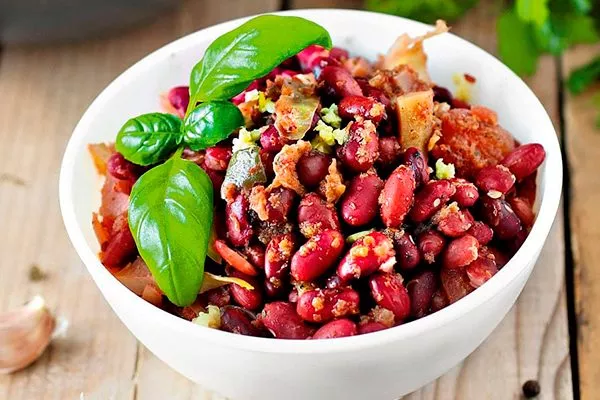
Beans are widely used in cooking and the canning industry. Their nutrient-rich grains are used in a variety of dishes, such as soups, salads, and side dishes. They are suitable for canning and freezing. Raw beans can be added to salads.
Reviews from gardeners
Red Riding Hood beans are not only a delicious addition to your garden but also a source of true culinary delight. Growing them offers a unique opportunity to create a flourishing green space in your garden, filled with flavor and nutrition. Proper care is essential to ensure a bountiful harvest.