
Beans aren't considered a fussy plant. However, they do have their own requirements. They're very sensitive to heat and moisture. While heat can be difficult to regulate in open ground, ensuring adequate and proper watering (if you're truly committed to a high-quality harvest) isn't difficult. There are very few nuances to watering this vegetable.
Irrigation requirements
There are several rules for this type of agricultural technology:
- To ensure faster access of water to the plant roots and to retain moisture in the soil, it is recommended to loosen the beds and apply a layer of mulch after watering.
- At the stage of bean germination, it is necessary to moisten the soil using irrigation.
- When the first shoots appear, water the roots.
- Once the plants have established themselves, water between the rows. This will reduce the risk of fungal diseases.
- The best time to perform this procedure is early in the morning. By the time the evening cools, the soil will have had time to dry out. Bacteria and parasitic fungi become active in damp, cold soil.
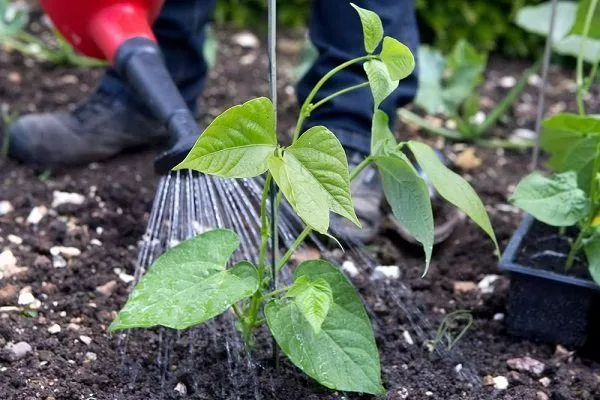
Different varieties of the crop have their own preferences for moisture:
- Bush beans. With a low main stem and small foliage, it doesn't require much water. If natural rainfall is sufficient, it doesn't need watering at all.
- Climbing beans. It grows very tall and produces abundant foliage. To develop properly, it requires more moisture than its shorter relative.
There are no special requirements for water. Tap water for watering plants should be collected in advance to allow it to warm up and remove chlorine impurities. Use the liquid every other day.
- ✓ The water temperature should be at least 18°C to avoid stress on plants.
- ✓ Water hardness should not exceed 8 dH to prevent the accumulation of salts in the soil.
Rainwater is the best option. It is collected in large containers and used during dry periods.
Some gardeners prefer filtered water. It doesn't need to be left to stand, just warmed in the sun. However, this method is quite expensive.
How to water beans as they grow?
Beans, like many legumes, require high-quality watering. The plant's water requirements vary at different stages of growth:
- Beans are planted with irrigation, meaning the soil should be moistened immediately after planting the seeds. Until germination, the crop is watered once a week at a rate of 11 liters per square meter.
The frequency of watering is then adjusted based on weather conditions. Frequent rainfall and high humidity indicate minimal additional moisture. At this time, soil conditions are a guide. Watering is only necessary when the soil has dried out to a depth of approximately 7 cm. - After the fifth leaf appears, it's recommended to stop watering. Then, wait until flower buds appear and begin watering the beans again.
- During the flowering period, watering should be approximately doubled compared to planting. The required amount of moisture during this period will allow the plant to form good fruit. Watering frequency is twice a week.
- During the period of ovary formation, the plant needs to be watered more frequently. To achieve this, maintain the same watering levels as during flowering, but water every 2-3 days. This approach is designed for dry weather.
- An adult plant in the pod growth phase in moderately warm weather requires water at a rate of 20 liters per 1 square meter, reduced to once a week.
- Watering should be stopped completely 2 weeks before harvesting.
Features of irrigation in open and closed ground
For open areas bean plantings The main rule is to maintain slightly moist soil. Avoid allowing water to stagnate between rows.
Greenhouse plants are more delicate crops. In plastic greenhouses, humidity levels in the evenings are quite high due to accumulated condensation. In polycarbonate greenhouses, the soil dries out during the day from morning watering.
For beans grown indoors, there are the following subtleties:
- In hot weather, water as the soil dries out (if the soil dries out between morning waterings, water daily). In damp, rainy weather, reduce the frequency of waterings, depending on the soil conditions.
- The recommended watering rate for greenhouse beans before pod formation is up to 10 liters per square meter. From July to mid-August, increase the watering rate to 15 liters per square meter.
- Prefer morning treatments. In the evening, water evaporates, creating condensation. Warmth and humidity are ideal conditions for the development of fungal infections.
- Avoid pouring water directly onto bean leaves. This can cause sunburn. The greenhouse cover will act as a magnifying glass, focusing the sun's rays. Water at the roots.
- ✓ Ventilating the greenhouse after watering reduces the risk of fungal diseases.
- ✓ Using drip irrigation in greenhouses minimizes condensation and evenly moistens the soil.
Consequences of improper watering of beans
Incorrect watering includes too little or too much water, applying liquid directly to the foliage, etc. All of these factors negatively impact the growth and appearance of beans.
If the plant receives insufficient moisture (especially in dry summers), all its energy is devoted to maintaining viability. This is reflected in the number of ovaries. The pods grow deformed. The flavor of the seeds is very poor.
Excessive soil water can lead to plant infections from various fungal and bacterial diseases. Plants often rot at the roots. Flowers drop from surviving seedlings, leading to reduced fruit set.
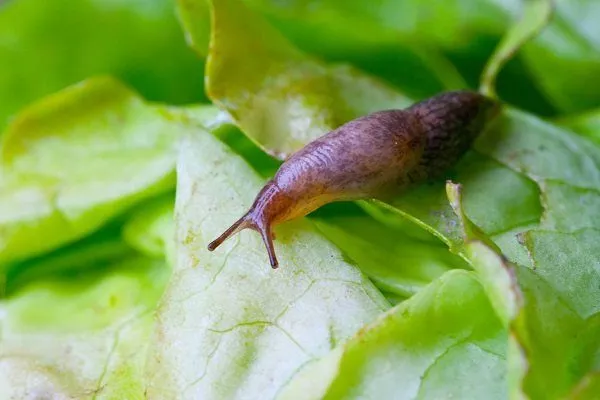
Watering method is no less important. If you water the leaves, burn marks may form where the water drops fall. If a large portion of the foliage is affected, the entire plant will wither. There simply won't be enough green mass to carry out photosynthesis.
To obtain a high-quality and abundant harvest of various types of beans, timely and proper watering of the plants is essential throughout their growth and development. Proper watering involves not only watering the plants properly but also the correct watering techniques.