
The Zhuravushka bean holds a special place in the agricultural world, enriching plots with unique qualities and a superb flavor. This high-yielding variety attracts the attention of agronomists with its ease of cultivation and magnificent fruit. With proper care, it will produce a robust crop that will delight with a bountiful harvest.
Breeding history
Breeder Galina Petrovna Zhuravkova developed this popular bean variety, which is where it got its name. In 2001, Zhuravushka was added to the Russian State Register.
Description of the variety
Zhuravushka beans belong to the asparagus family and are a plant with a number of distinct advantages. Their beans, which have excellent flavor, are easy to store and transport well.
The plant produces high and consistent yields, and its strong immune system provides reliable protection against bacterial blight. The variety has low growing conditions, making it an ideal choice even for those unable to provide constant care beyond regular watering.
Characteristics of the appearance of the plant and fruits
The plant is characterized by a compact size, reaching a height of 40-50 cm. The foliage is medium-dense and green in color. The slender stems on the compact, bushy plant have a smooth surface.
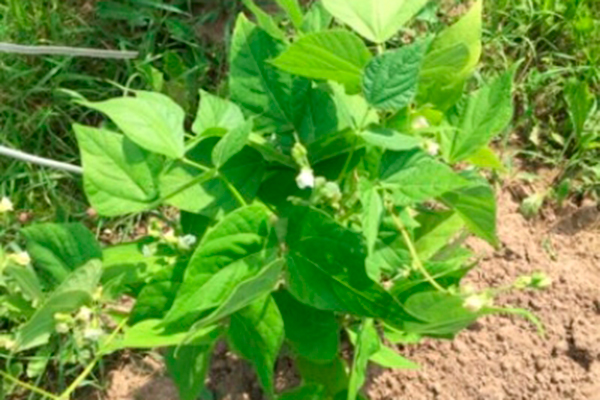
The gently curved beans with a pointed tip are anchored at a height of 19-21 cm. The flowers are medium-sized and white. The fruits typically reach a length of 12 to 14 cm and a width of 0.9 to 1.1 cm. Zhuravushka beans are a uniform green color. They are distinguished by their distinct juiciness and softness.
Purpose and taste
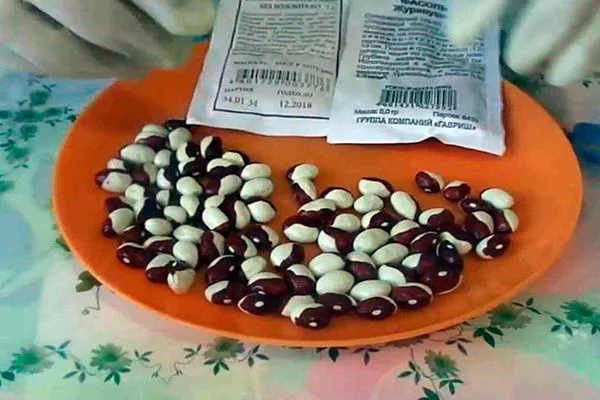
The fruits have a delicate flavor and are pleasant to eat. The seeds are elliptical in shape and snow-white in color. A thousand seeds weigh between 290 and 320 g. This variety of bean is versatile, suitable for a variety of applications.
The fruits are used in canning, freezing, pickling, and in preparing a variety of vegetable dishes. The plant itself is also useful for landscaping, balconies, and terraces.
Ripening time
The Zhuravushka green bean variety is characterized by its rapid maturation, allowing for harvesting within 48-50 days of germination. The bean ripening process generally extends from July to August, providing the opportunity to harvest fresh and tasty beans in early summer.
Productivity
The Zhuravushka bean variety boasts impressive yields, considered quite high. The average yield per square meter of soil ranges from 0.9 to 1.3 kg of fruit. This makes the variety an attractive choice for those seeking a bountiful harvest in a limited space.
Advantages and disadvantages
The domestic bean variety Zhuravushka has many positive characteristics. It offers numerous advantages:
How and when to plant?
Planting Zhuravushka beans depends on climate conditions and region. Generally speaking, the process is as follows:
- Boarding time. In warm regions where there is no risk of frost, beans are usually sown in mid-spring, when the soil has warmed to 10-15°C. In colder regions where frost is possible, it is better to wait until the last spring frosts and the soil has warmed.
- Preparing the soil. Choose a sunny, well-drained location. Beans prefer light, fertile soil. Before planting, prepare the soil well, remove weeds, and add compost or organic fertilizer.
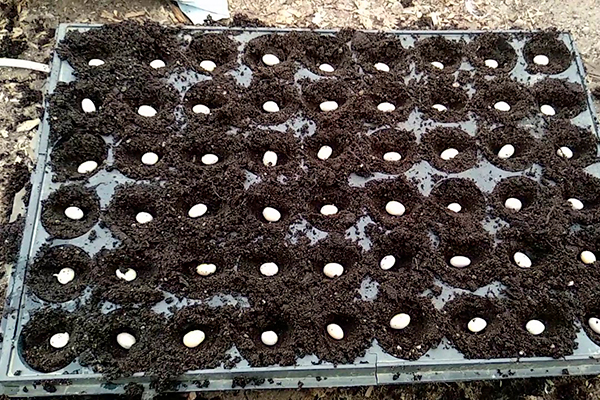
- Planting depth. Plant bean seeds about 3-5 cm deep.
- Distance between plants. Maintain a spacing of approximately 40-60 cm between rows and 10-15 cm between plants in a row.
- Care. Water regularly, especially during flowering and bean formation. Fertilize after sprouts appear and repeat after 3-4 weeks.
- Plant support. If plants become tall, provide them with support in the form of stakes.
- ✓ The soil pH level should be strictly within 6.0-7.0 for optimal nutrient absorption.
- ✓ Drainage is required to prevent water stagnation and root rot.
Specific recommendations may vary slightly depending on location and climate conditions.
Agricultural technology for cultivation and care
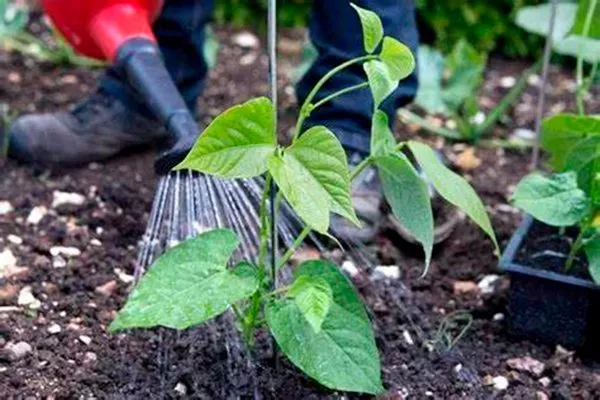
Regular but moderate watering is key to plant care, recommended once or twice a week. Avoid overwatering, as this can negatively impact the plant's health. When watering, use warm, soft water, avoiding cold water.
Other recommendations for caring for Zhuravushka beans:
- After planting, bean sprouts usually appear within 5-7 days. About 4 weeks later, fertilize the soil with wood ash. Mineral components and organic fertilizers, such as superphosphate, are effective for plant nutrition.
- After moistening the soil around the bean plants, loosen the soil. This process can be done using specialized tools or by hand. Exercise caution and care when performing all steps. Loosening improves soil aeration.
Regularly replanting Zhuravushka beans to a new location each year helps protect the crop from various diseases. This process prevents anthracnose in transplanted plants, ensuring successful and healthy growth.
Resistance to diseases and pests
Beans exhibit high resistance to diseases and pests when properly managed. However, if improperly managed or exposed to unfavorable conditions, the crop may face a number of problems:
- Powdery mildew. Symptoms appear as whitish or gray spots on foliage and stems. Immediate treatment with fungicides and copper-containing products is required. If the condition has progressed, remove and destroy the bushes outside the area.
- Root rot. Symptoms: Initial rot of the main root tip, followed by damage to the root collar and root system. The coating on plants may be pink or whitish. Apply fungicides and take preventative measures.
- Mosaic. It is accompanied by mosaic-like spots on plants, leading to failure of development and bean production. There is no cure, so dig up and destroy affected plants.
- ✓ The appearance of whitish spots on the leaves may indicate the onset of powdery mildew.
- ✓ Root tip rot is the first sign of root rot.
Fungicides, biological products, or chemicals can be used against most diseases. For pests (whiteflies, aphids, and seedling flies), use insecticides, folk remedies, and biological products.
Reviews
The Zhuravushka bean offers excellent opportunities for successful and productive farming. By following basic agricultural principles, such as regular and moderate watering, fertilizing, and disease and pest control, you can ensure healthy growth and abundant fruiting.