
Serengeti beans are known for their high yield and excellent flavor, making them popular among gardeners. When growing this variety, it's important to follow certain guidelines. Even a novice gardener who hasn't yet decided on their preferences should consider this variety.
Breeding history
The bean variety, developed by Dutch breeder Van Kampen Frank, was approved for use in 2010.
Description of the variety
Before growing beans in your garden, it's a good idea to familiarize yourself with the key characteristics and features of the chosen variety. Serengeti beans have deservedly received many positive reviews from gardeners due to their excellent characteristics.
Characteristics of the appearance of the plant and fruits
The plant is bushy, medium to tall in growth, and the pods reach a height of 17 cm. The leaves are characterized by a slightly wrinkled or wrinkled surface and are colored green.
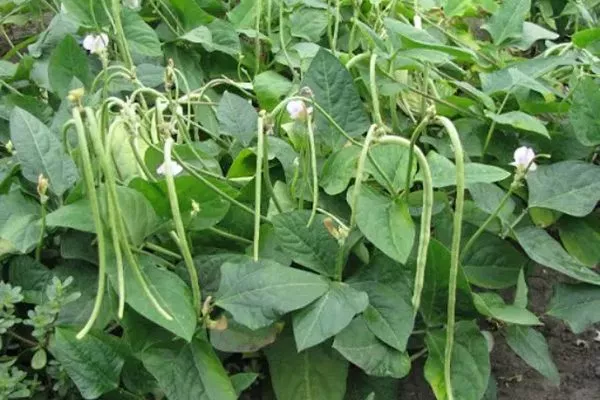
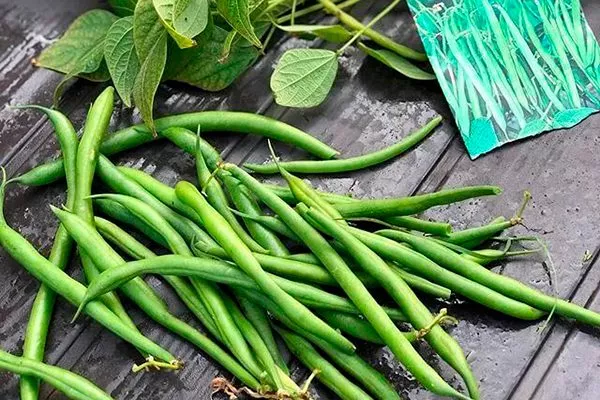
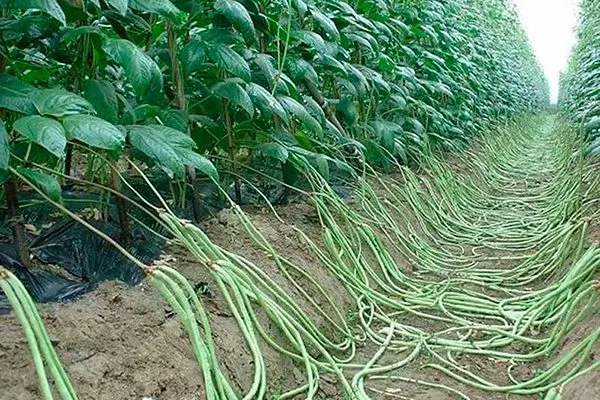
During flowering, the bush is covered with small white buds. The pods are oblong and narrow, slightly curved, with a rounded cross-section and a pointed tip. They are fiberless and parchment-free, and have a green tint.
Purpose and taste
Beans are characterized by excellent flavor characteristics. They are used as an ingredient for canning, preparing side dishes, pickling, and freezing.
Ripening time
The harvest ripens in an average of 55-60 days. Fruiting is not prolonged, and the beans develop uniformly.
Productivity
This variety has high yields, approximately 2 kg per 1 sq. m.
Growing regions
This species can be successfully grown in any region of Russia, with the exception of the Far North.
Advantages and disadvantages of the variety
Before planting Serengeti beans in your garden, make sure the variety fully meets your expectations. While the crop does have some drawbacks, its positive qualities significantly outweigh its negatives.
Remember that successful cultivation depends on suitable growing conditions and proper care of the plant.
Planting Serengeti beans in open ground
To achieve a bountiful harvest and prevent dangerous diseases, it's important to properly plant crops in open ground. This can be accomplished by either growing the crop from seedlings or by planting them directly in the soil.
- ✓ The soil temperature for planting should not be below +12°C at a depth of 5 cm.
- ✓ The distance between plants should be at least 25 cm to ensure sufficient space for growth.
Combination with other plants
Regularly planting green beans in the same area is not recommended. To ensure an excellent harvest, strictly adhere to crop rotation rules, returning to the same location only after 3-4 years.
Effective predecessors for beans include various root vegetables, vegetables from the nightshade family, and cruciferous plants. However, it's important to avoid planting beans after other legumes.
How to prepare soil and seeds
To prepare the area for asparagus beans, begin work in the fall. Dig the soil and add the following ingredients:
- 4 kg of humus;
- 40 g dolomite flour;
- 20 g of saltpeter;
- 20 g Superphosphate.
Before planting, carefully select the seeds, removing any defects or damage. Keep only the largest specimens. Soak the seeds in warm water at 35–40°C for 10–12 hours. This process activates the seeds and improves conditions for successful germination.
Selecting a seat
Choosing the right site for planting asparagus beans is crucial to ensuring optimal conditions for growth and development. Serengeti beans thrive in bright sunlight, so choose a site with good access to sunlight. A location that receives at least 6-8 hours of sunlight per day is ideal.
Green beans are sensitive to cold. Choose a site with minimal risk of frost. Frozen sprouts can damage the plant. The site should be protected from strong winds. Windy conditions can damage the tender bean shoots.
How to plant?
For optimal plant spacing, follow a 25 x 40 cm pattern when planting asparagus beans. Place the seeds 1-1.5 cm deep into the soil. Helpful tips:
- To ensure proper plant spacing, install stakes along the edges of the rows and stretch a rope between them. This will provide support for the bushes, allowing their tendrils to cling to the rope.
- Beans can be planted directly into potato pits. The plants will use the potato vines as support and enrich the soil with nitrogen as they grow.
- The seeds can be planted either dry or swollen. If swollen, soak them in a potassium permanganate solution for 5 hours before planting, then wrap them in a damp cloth for 24 hours.
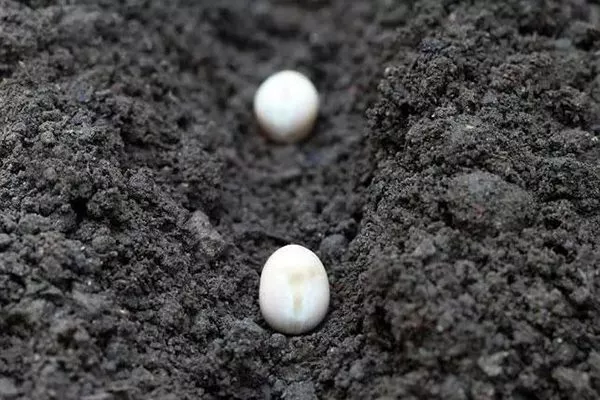
It is better to plant beans in May, when the soil warms up to +15°C.
Growing seedlings
In temperate climates, Serengeti beans are grown from seedlings, and pre-treatment of the seeds is an essential step. The seeds are first soaked in a potassium permanganate solution for 20 minutes, then thoroughly rinsed.
To germinate, place the seeds on a damp cloth and wrap them, then place them in a plastic container with an airtight lid. Place the container in a warm room. At a temperature of 25°C, the seeds germinate within 5 days.
When to sow for seedlings?
To correctly determine the timing of planting beans, take into account the expected period of the last frost, and plant the seeds no earlier than a week before the possible cold snap
The optimal time for planting beans is determined individually for each specific climate region. Timing recommendations:
- In warm southern regions with long, warm, and sunny summers, you can get several bean harvests per season. Plant beans outdoors in April.
- Starting from May 15-20, plant in colder regions such as the Urals, Siberia, and the Far East.
Determining the optimal planting time is best done based on soil temperature. Seed germination begins at 10°C. Sowing beans in cold soil can significantly reduce seed germination, leading to seed rotting during the swelling and sprouting stages.
In warm soil, this risk is minimized, so it's recommended to plant beans when the soil temperature at a depth of 5 cm reaches 12-14°C. Time the planting so that seedlings emerge after the threat of frost has passed, which usually occurs 7-8 days after sowing.
Soil
Beans thrive in light soil with added lime, but they do not tolerate acidic, heavy, wet, or compacted soils. Maintain a pH of 6.5-7 for beans. Ideal soil types include sandy loams and light loams with a deep water table.
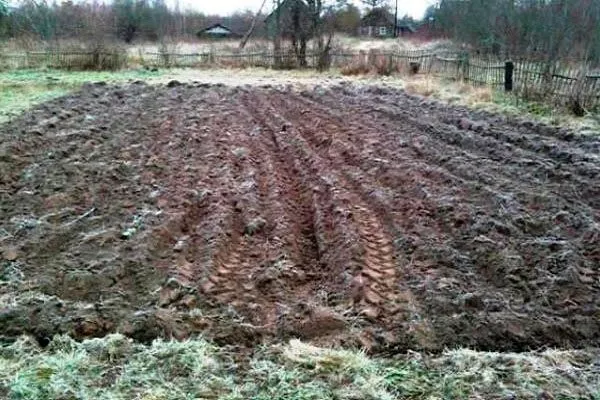
To successfully grow beans, your garden requires fertile, warm, and well-fertilized soil with a moderate nitrogen content. Bean root nodule bacteria are capable of extracting nitrogen from the air, enriching the soil.
Excessive mineral nitrogen fertilizers can lead to excessive foliage growth at the expense of fruit development. Therefore, when enriching the soil, it's important to consider the composition and application rates of fertilizers, paying particular attention to the application of phosphorus and potassium.
Capacities
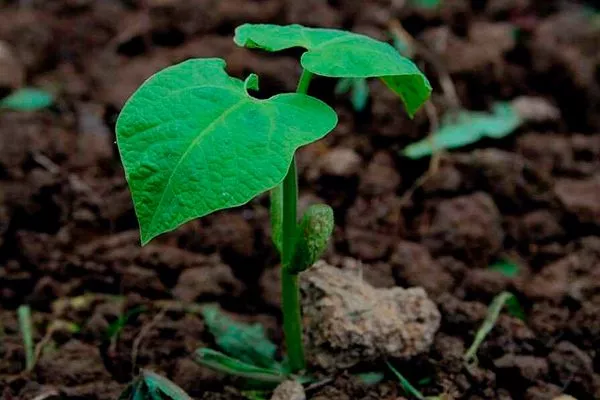
The root system of bean seedlings is delicate. To minimize stress during transplantation, use peat pots with a minimum capacity of 500 ml. Fill these pots with potting mix to 2/3 of their height.
Place one sprouted seed in each container, then cover it with soil to a depth of 2-3 cm. Water after planting. To prevent the sides of the peat pots from drying out, place them in plastic bags. This method creates more favorable conditions for the seedlings' root system.
Caring for seedlings
The optimal temperature for bean seed germination is 25°C. Seedlings will appear within a week of sowing, after which the temperature should be reduced to 20°C. Maintain regular watering, ensuring the soil remains consistently moderately moist.
Transplanting seedlings
After June 10th, it is recommended to transplant the seedlings into open ground when the soil has warmed sufficiently and the temperature at a depth of 10 cm does not drop below 15°C. A week before planting, dig a 1 square meter area of soil to the depth of a spade, adding the following ingredients:
- humus – 3 kg;
- Superphosphate – 25 g;
- potassium nitrate – 20 g.
On the day of planting, loosen the soil with a rake and add 15 g of urea per square meter. Space the planting holes in a 45 x 30 cm pattern. Plant the seedlings in peat cups, after soaking them in water for a few minutes to soften the sides.
Caring for green beans
For healthy growth, the plant requires regular watering and periodic loosening of the soil. During hot periods, maintain optimal soil moisture every 2-3 days. This is especially important during flowering and cane formation.
Watering
Excess or insufficient soil moisture can both inhibit growth and reduce yield. Beans require the most water during the fruiting period.
Although Serengeti thrives relatively well in warm temperatures compared to other grains and legumes, it does not tolerate high temperatures or drought. High temperatures can cause buds, flowers, and even young fruit to drop.
The same thing happens if there's a lack of moisture during flowering and bean formation. Therefore, regular watering during hot and dry weather is essential.
- At the beginning of flowering, apply phosphorus-potassium fertilizer.
- After two weeks, repeat the feeding to maintain active fruiting.
- Use wood ash as an alternative to mineral fertilizers for 4-5 plants.
Fertilizer and feeding
When flowering begins, fertilize the bushes with phosphorus and potassium, adding magnesium to stimulate the formation of more scapes. With timely application of fertilizer, the plant can develop larger scapes.
Some farmers prefer to use wood ash instead of mineral fertilizers. For 4-5 plants, apply 200 g of this substance before watering.
Pest and disease control
During rainy summers and dense plantings, beans are often susceptible to fungal diseases (powdery mildew, root rot, and bacterial blight). If beans are grown in the garden, the use of chemicals is limited. Treat beans with Bordeaux mixture before planting before flowering.
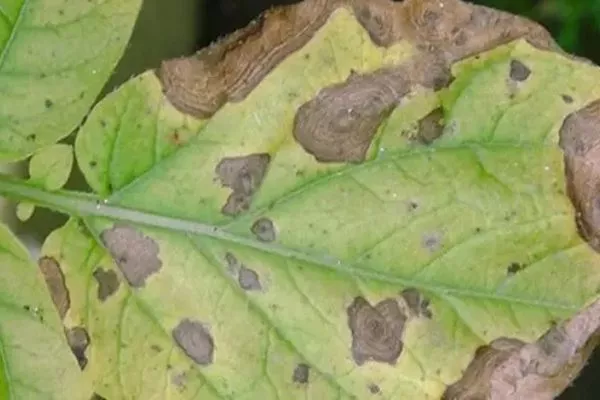
The use of folk remedies is no less effective, for example, treatment with milk whey in a ratio of 1 liter per 10 liters of water.
Bean plants can be susceptible to pests such as whiteflies, sprout flies, and bean weevils. To prevent their proliferation, treat the crops with Trichodermin, Gaupsin, and Verticillin before flowering.
Harvesting Serengeti beans
It's recommended to harvest beans from the bottom pods when the beans are forming inside. The optimal time to harvest the beans is in the morning, when they are at their juiciest.
Feedback from those who planted
Green beans are rarely seen in garden plots, unfairly neglected. This crop is characterized by its low maintenance and high yield. Green beans have a delicate flavor and are distinguished by their non-stringy structure. The Serengeti variety is very popular among agronomists.