
In the vegetable growing world, the stringless Saxa bean stands out as a particularly valuable variety, promising not only a bountiful harvest but also minimal effort during cultivation. Choosing the right planting location and providing the plant with proper care are essential to ensure a good harvest.
Breeding history
The bean variety was developed in Voronezh during World War II under the guidance of breeder A.V. Krylov. The initial goal was to create a plant that could easily adapt to various conditions and grow successfully in all regions of the USSR.
This was successful, and a unique, fiberless bean variety was eventually developed. After the war, this variety was further improved by the renowned breeder N. Mikhelman. Initially, the fruits had a bright yellow hue, but later acquired a delicate green color.
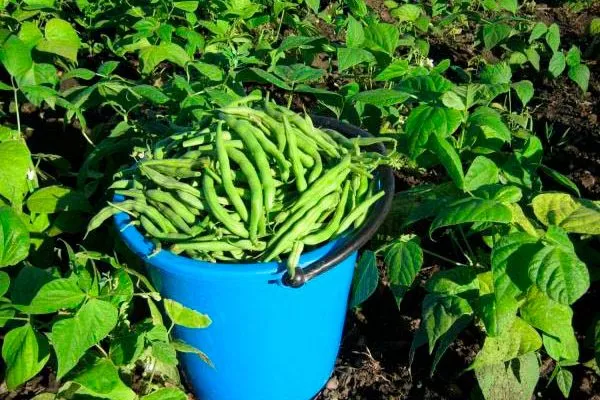
Description of the variety
This asparagus variety is ideal for freezing. The beans are fiber-free, producing tender, tasty, and juicy beans rich in micronutrients and protein. The bean root is fawn-colored and penetrates to a depth of 100-110 cm. It is characterized by extensive branching in the upper soil layers.
Characteristics of the appearance of the plant and fruits
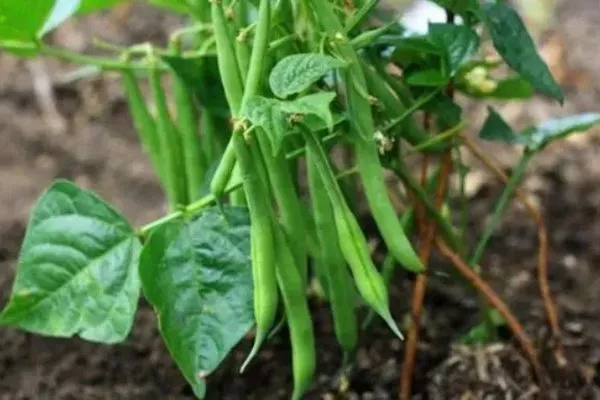
The plants are characterized by low bushes, typically no more than 40 cm tall. The foliage is green and broadly ovate, and the flowers are a light pink hue. The saxa bean fruits are medium-sized, stringless, and range in length from 9 to 12 cm.
Purpose and taste
Beans are distinguished by their lack of fiber and even the parchment layer, making them juicy and tender with an excellent flavor. Beans are rich in amino acids, proteins, and micronutrients.
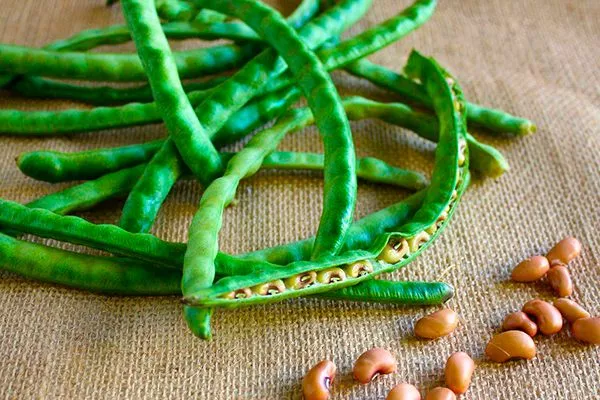
They can be eaten fried, boiled, pickled, canned, or frozen. This bean variety is recommended for dietary use.
Ripening time
This variety has an early ripening period—from the emergence of the first shoots to harvest, it takes only 45-50 days. The beans are usually picked from the bushes in July-August. This variety is characterized by a staggered harvest period, allowing for multiple harvests.
Yield level
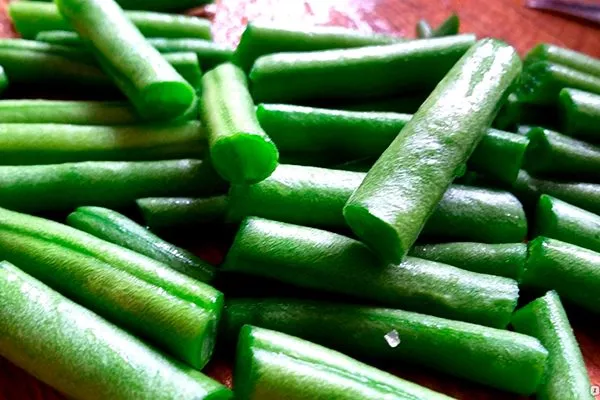
The specification of Saxa bean without fiber includes high yield, which ranges from 1.14 to 1.58 kg per 1 sq. m.
Growing regions
This variety exhibits excellent adaptation to the continental climate, which allows it to grow successfully and produce good yields in most regions of our country.
Advantages and disadvantages of the variety
Sax beans are widely popular among farmers.
Another negative quality of the variety is the risk of bean deformation due to sudden temperature fluctuations.
Landing features
When planting beans, several factors should be considered to ensure successful cultivation. Selecting the right location, preparing the soil, and using the right technology are key factors that play a key role in the health of the crop and its yield.
Optimal conditions for planting
| Factor | Parameters |
|---|---|
| Soil temperature | Not below +12°C |
| Planting depth | 5-8 cm |
| Planting diagram | 20×40 cm |
| soil pH | 6.5-7.5 |
| Illumination | Full daylight hours |
How and when to sow?
Plant stringless Sax beans directly into their permanent location, skipping the seedling stage. Sow seeds from late May to early June.
Requirements for planting site and soil
The Saxa bean variety is best grown in an open, sunny location with soil, preferably sandy loam or loamy, with a neutral to slightly alkaline pH. Prepare the site for planting in the fall.
Dig the soil thoroughly and add phosphorus and potassium fertilizers. Repeat these steps in the spring, enriching the soil further with humus or manure.
Preparing the soil and beans
Before preparing the soil for planting Saxa beans, collect and burn all plant debris, as this crop is highly susceptible to viral and bacterial infections. The soil should be sufficiently moist and well-drained.
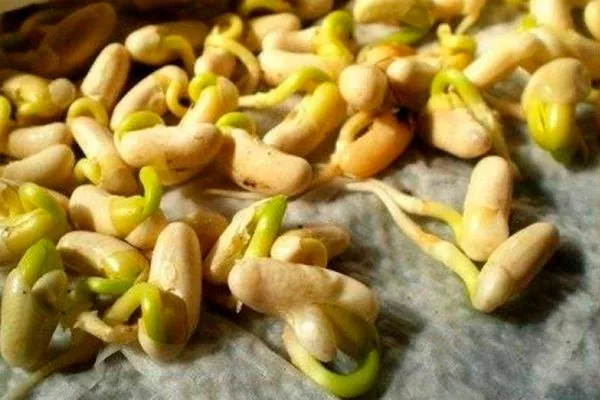
Some agronomists prefer to pre-germinate the seeds, although this is not necessary. For this procedure, it is recommended to soak the seeds in warm, pale pink water with potassium permanganate for 24 hours. The germination process facilitates cultivation by disinfecting the seeds.
The landing process
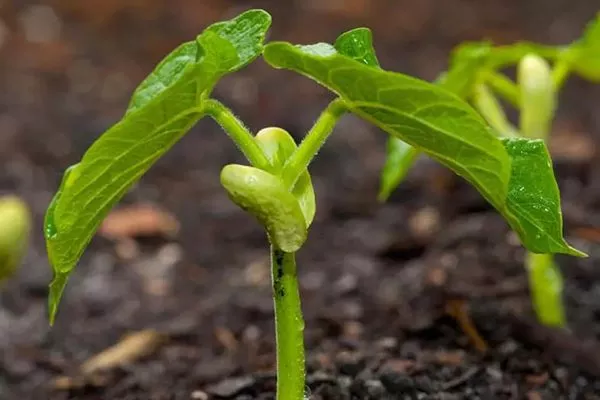
To plant seeds, create furrows 5 to 8 cm deep. Maintain a distance of 20 cm between plants, and 40 cm between rows.
Caring for Saxa beans
To achieve a bountiful harvest, it's essential to strictly follow plant care recommendations. These include timely fertilization and watering.
Care schedule
- Days 1-5: Seedling Monitoring
- Day 10-12: First loosening
- Day 18-20: NPK Application (10:20:15)
- Day 30-35: Hilling
- Day 45-50: First Bean Harvest
Top dressing
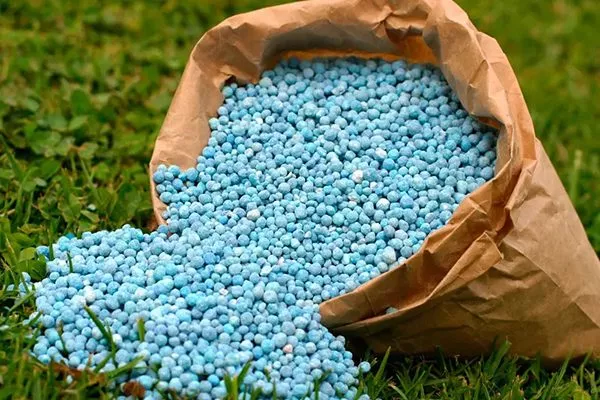
Apply the first fertilizer to the crop before the shoots emerge. Apply the second fertilizer at the flowering stage. Use ready-made mineral fertilizers containing sulfur, phosphorus, and potassium.
Fertilizer application rates
| Period | Compound | Dosage |
|---|---|---|
| Before germination | Ammophos | 20 g/m² |
| Bloom | Potassium magnesium sulfate | 15 g/m² |
| Formation of beans | Potassium sulfate | 10 g/m² |
Watering
Once the sprouts emerge, water regularly, avoiding overwatering. Loosen the soil immediately after watering. Stop watering when each shoot reaches four leaves. Resume watering when buds appear.
To prevent fungal infections, loosen the soil regularly. Regular weeding is also essential, as eliminating weeds neutralizes dangerous pests.
Diseases and pests
Saxa bean without fiber exhibits moderate resistance to bacterial and viral diseases, as well as anthracnose. Plants are susceptible to bacterial wilt and mosaic.
Mosaic is a viral disease that manifests as a grayish-brown coating. The affected areas eventually begin to rot, resulting in slower plant growth. Bacterial blight manifests itself as white, slimy spots on the plant.
For prevention, follow these measures:
- Change the growing location of the crop periodically.
- Before planting, treat the seeds with a solution of manganese.
- Use fresh, quality seeds when planting.
- After harvesting, regularly clear the area of vegetation and thoroughly till the soil.
Pests to watch out for include grain aphids, whiteflies, and sprout flies. During the active growth period, these insects feed on nutrients and minerals from the stems, which can lead to the death of bean plants. In winter, the pests lay eggs, and the larvae burrow into the fruit.
Reviews from those who planted
Growing and caring for Saxa stringless beans is an interesting process that even a novice grower can handle. This variety produces outstanding yields while boasting excellent flavor. These tender and juicy stringless beans are an excellent choice for a variety of culinary applications.