
Growing Kidney beans requires little attention from the gardener. This widely popular variety not only delivers high yields but also produces delicious and nutritious beans suitable for a variety of culinary experiments.
Description of the variety
There are several varieties of Kidney beans, each with its own unique color, flavor, and texture. Kidney beans are widely used in soups, stews, chili, salads, and other dishes.
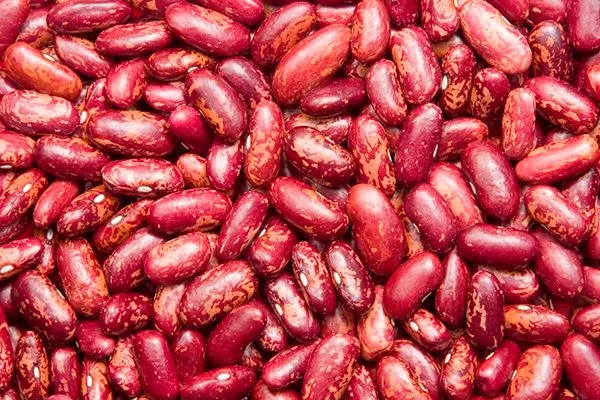
Thanks to its rich texture and distinctive flavor, kidney beans are often included in a variety of culinary recipes. Red varieties, such as Red Kidney Bean, are among the most popular. White varieties, such as White Kidney Bean, also exist.
Kidney beans are an important source of protein and fiber, and their flavor and texture make them an integral ingredient in many culinary traditions around the world.
Characteristics of the appearance of the plant and fruits
Kidney beans are a variety of legume distinguished by their large, bean-shaped fruits. The fruits have a unique, large, bean-like structure. They are convex on one side and slightly elongated on the other, somewhat resembling a kidney.
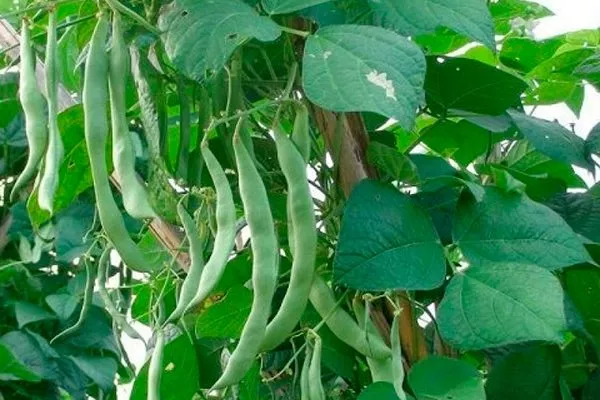
Kidney beans are a rich purple color. The beans typically reach 2 to 4 cm in length and can range from 1 to 2 cm in width. The beans are flat and wide, and their seeds are large. Each pod contains up to five seeds.
This is a bushy plant with erect stems. Its height ranges from 30 to 50 cm, and its roots penetrate the soil to a depth of up to 1 m. The leaves of the bean are green or purple. These trifoliate leaflets are arranged in alternating sections along the stem.
Purpose and taste
Kidney beans have a flavor similar to other varieties, with a slight sweetness. When thoroughly cooked, the hardness disappears, giving the beans a more tender texture. This bean variety can be eaten either roasted or boiled.
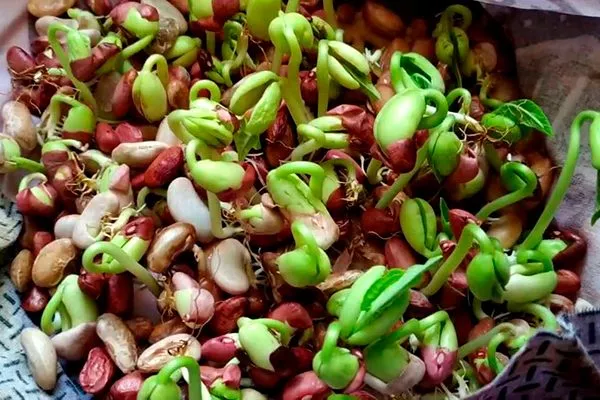
Beans are often added to soups, stews, and various vegetable mixes. They are also frozen for later use during the colder months, making them readily available even in winter.
Chemical composition
Kidney beans have a rich chemical composition, including a variety of nutrients that are essential for a healthy diet. Here are the main components:
- Squirrels. Beans are an excellent source of plant-based protein, which is essential for tissue growth and regeneration, as well as maintaining muscle health.
- Carbohydrates. Beans contain complex carbohydrates, which provide the body with energy. They help regulate blood glucose levels, making them useful for maintaining stable energy levels.
- Fiber. Beans are rich in both soluble and insoluble fiber, which play a key role in maintaining digestive health by helping prevent constipation and improving overall bowel function.
- Vitamins. Vitamin B9 (folic acid) is important for maintaining normal cellular function and DNA synthesis. Vitamin K is essential for normal blood clotting and bone health.
- Minerals. Iron facilitates oxygen transport in the body. Magnesium is essential for bone and muscle health and plays a role in regulating heart rhythm. Phosphorus is essential for bone and tooth formation and is involved in energy metabolism.
- Phytochemical compounds. Beans contain antioxidants and phytochemicals, such as flavonoids, which may help fight inflammation and protect cells from free radical damage.
- Low fat. Beans are a low-calorie and low-fat food, making them a good choice for those watching their weight and overall health.
Consuming Kidney beans in your diet can be beneficial in maintaining nutritional balance and providing the body with the valuable elements it needs to stay healthy and functioning well.
Beneficial properties
Kidney beans have enormous positive effects on the human body. Let's take a look at their beneficial properties:
- Treatment of diabetes. Beans effectively regulate blood glucose levels, surpassing many other starchy foods. Scientists have found that combining the protein in beans with rice can lower blood sugar levels.
The different types of fiber contained in beans ensure gradual breakdown and absorption, avoiding sudden surges in glucose. - Heart protection. Beans help lower bad cholesterol and increase good cholesterol thanks to their soluble fiber. The potassium in beans regulates blood pressure, which is important for maintaining heart health.
- Weight loss. Scientific studies confirm that the fiber in beans has a positive effect on body weight. Kidneys, rich in protein, are a filling food, and alpha-amylase inhibitors promote weight loss.
- Strengthening the skeletal system. Kidney beans contain calcium, magnesium, and vitamin B9, which strengthen bones, preventing osteoporosis and bone softening. This is especially important for those with gout.
- Energy for physical activity. The carbohydrates in beans provide stable energy for physical activity. The protein in beans provides the body with all the necessary amino acids, promoting muscle growth and maintaining a balance between muscle contraction and relaxation.
Harm and side effects
Overall, kidney beans are a healthy and nutritious food, but as with any food, some side effects are possible, especially if handled and consumed improperly. Here are some potential side effects:
- Antinutrients. Beans contain antinutrients such as phytic acid and lectins, which can interfere with the absorption of certain minerals and protein. Soaking and cooking beans before eating can help reduce these levels.
- Gas formation. Beans can cause increased gas and bloating in some people due to their soluble fiber content. This can be especially true if beans are consumed in large quantities or if they are not soaked sufficiently.
- Phytohemagglutinin content. Beans contain phytohemagglutinin, which can cause unpleasant symptoms such as vomiting and diarrhea if the beans are not cooked thoroughly.
- Allergic reactions. Some people may experience an allergic reaction to beans. This may manifest as itching, skin rashes, or abdominal pain. If you experience any allergic symptoms, consult a doctor.
- Interaction with certain medications. Beans may interfere with the absorption of some medications, especially those containing minerals. People taking medications are advised to discuss their diet with their doctor.
Ripening time
For fresh consumption, the pods containing mature beans are harvested earlier than the designated harvesting time. If the goal is to obtain dry beans, it is recommended to wait 80 days after sowing before harvesting. With proper care, a bountiful harvest can be obtained, sufficient to meet needs throughout the year.
Productivity
This legume is known for its high yield. A bountiful harvest can be achieved with proper planting and care. Experienced gardeners claim that up to 1.6 kg of yield can be obtained from one square meter.
How and when to plant?
Sowing takes place in late May – early June. For optimal growth, it is recommended to select well-lit sites with loose, nutritious soil and neutral pH. It is important to provide protection from northerly winds and avoid strong drafts. Avoid planting in areas with a shallow water table.
- ✓ Soil pH should be between 6.0-7.0 for optimal growth.
- ✓ The soil should be well drained to avoid water stagnation.
Place the seeds in a 40x20 cm pattern. The first shoots can be expected approximately two weeks after sowing. During this period, water the beds regularly, but avoid excessive moisture, which can lead to waterlogging.
Growing and care
Caring for Kidney beans is fairly simple and doesn't require any special skills or experience. Ensure optimal conditions:
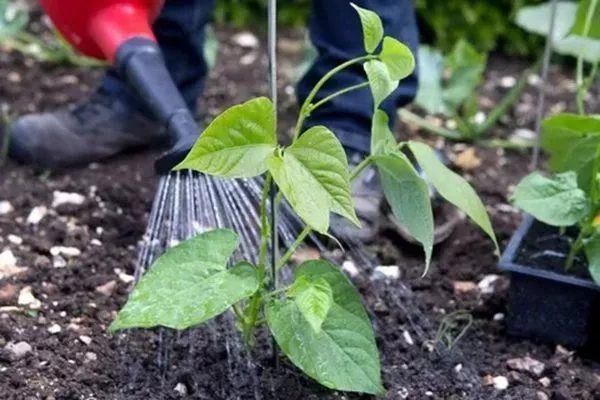
- Watering. Regular watering of plants is essential during their growth. Avoid both over-drying and over-watering of the soil, which can negatively impact plant health. Water the plant with settled, warm water.
Water either early in the morning or late in the evening to avoid bright sunlight. After watering, gently loosen the soil around each bush to prevent a hard crust from forming. - Fertilizers. Kidney beans require both mineral and organic fertilizers. Alternate their application. Before each application, water and lightly loosen the beds.
- Weeding. Regular weeding of garden beds is essential to remove weeds. This can be done manually or with garden tools. Remove weeds by the roots to prevent them from growing back.
All removed weeds and plant debris must be immediately removed from the beds and burned outside the area.
Resistance to diseases and pests
Kidney beans are highly resistant to disease, but if cultivation practices are not followed, plants may be susceptible to fungal infections such as anthracnose, powdery mildew, root rot, or white rot.
| Disease | Sustainability | Control measures |
|---|---|---|
| Anthracnose | Average | Fungicides |
| Powdery mildew | High | Prevention |
| White rot | Low | Removal of affected parts |
If an infestation occurs, first remove all damaged leaves and branches, then treat the plants with specialized fungicides. Potential pests include aphids, seed flies, grain beetles, weevils, codling moths, and whiteflies.
If pests are found on your plantings, remove them by hand. Remove damaged branches and leaves from the bushes, then treat the plants with insecticides. Use fungicides and insecticides for prevention.
Soaking, cooking and storage
Cooking Kidney beans involves several steps, such as soaking, cooking, and, of course, proper storage.
Soak:
- Before soaking, rinse the beans thoroughly under running water to remove any impurities and dust.
- Place the beans in enough water to cover them completely. Soak for 8-12 hours (usually overnight). This process helps soften the beans and reduce cooking time.
Preparation:
- After soaking is complete, rinse the beans under cold water.
- Place the beans in a saucepan and add water in a 3:1 ratio.
- Bring the water to a boil, then reduce the heat and simmer the beans until tender. Cooking time may vary depending on the type of beans and the length of soaking.
- Add salt towards the end of cooking, as adding it too early may slow down the cooking process.
Storage:
- After cooking, cool the beans before storing to prevent bacterial growth. You can plunge them into cold water or spread them out to speed up the cooling process.
- Place the cooled beans in a lidded container and store in the refrigerator. They will keep for about 3-5 days.
- Beans freeze well. Divide them into portions, pack them in heavy-duty freezer bags, and place them in the freezer. They can stay fresh for several months.
By following these steps, you can prepare delicious dishes and keep your beans fresh longer. Defrost the beans before using and add them to various recipes. They can also be reheated and added to soups or stews.
In a world of diverse foods boasting unique flavors and nutritional properties, Kidney beans stand out as a true hero among legumes. Their unusual shape, vibrant color, and meaty texture make them a culinary favorite, but that's not all they have to offer. They also require attention and proper care.