
Borlotto beans are an excellent choice for both experienced and novice gardeners. Their amazing flavor, good yield, and drought tolerance make them indispensable in cooking and gardening. By following all the proper growing practices, you'll grow robust, disease-resistant plants that yield bountiful harvests.
History of origin
Italy is the birthplace of a bean variety known throughout Europe, known there as Borlotti. It is very popular in Ukraine, where it is often used to prepare the traditional dish borscht.
Appearance and color characteristics
The plant has both climbing and bush forms. Distinguishing features:
- Mature specimens typically reach a height of 80 to 100 cm.
- The leaves are light green with slight wrinkles. The flowers are medium-sized and white.
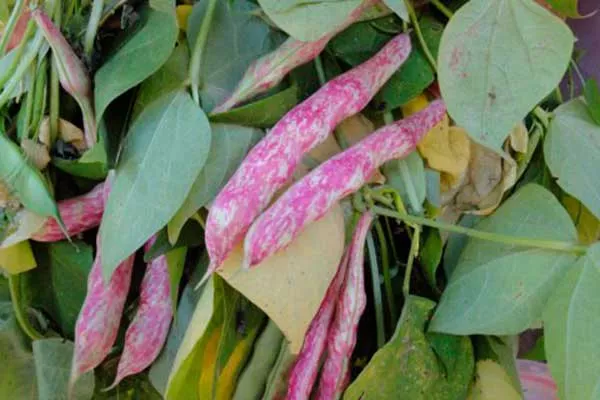
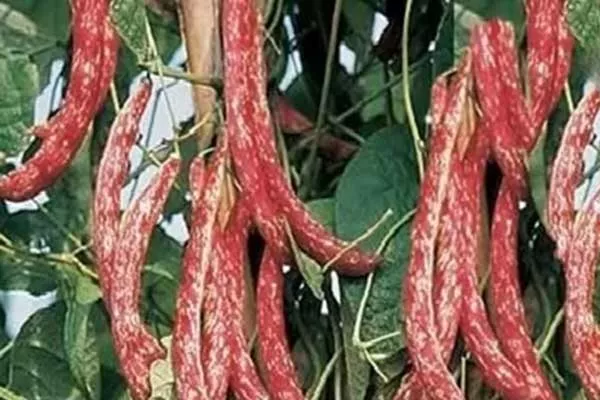
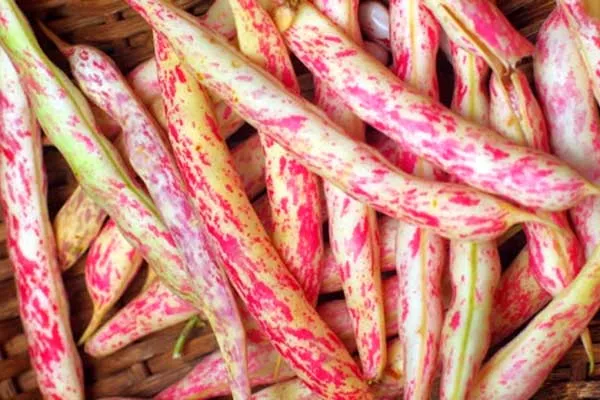
- The pods reach 16-17 cm in length and 1.5-1.8 cm in width. They are straight or slightly curved, with a flat cross-section. They lack a fibrous structure and a parchment layer.
- The color of the fruit is green with frequent red or crimson stripes.
Taste and texture qualities
Borlotto beans are renowned for their rich flavor and soft texture. Their tender flesh is not overly tough, making them ideal for a variety of dishes.
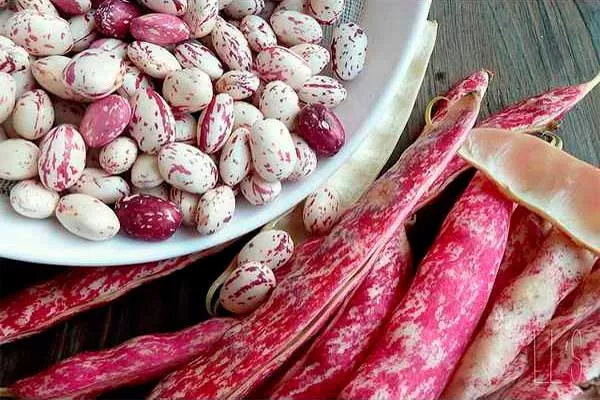
White beans with variegated spots have a unique flavor, successfully combining juiciness with a subtle savory note. They hold their shape well after cooking and don't overcook. They have a rich aroma that adds a special touch to any dish.
Characteristics of Borlotto beans
This variety has many positive qualities, including ease of cultivation, making it a favorite of both novice and experienced gardeners in our country. It's important to research all the characteristics of the crop before planting.
Grain size and shape
The seeds are round and medium-sized, ensuring their density and resistance to various growing conditions. The diameter is 1-1.5 cm, facilitating harvesting and subsequent processing.
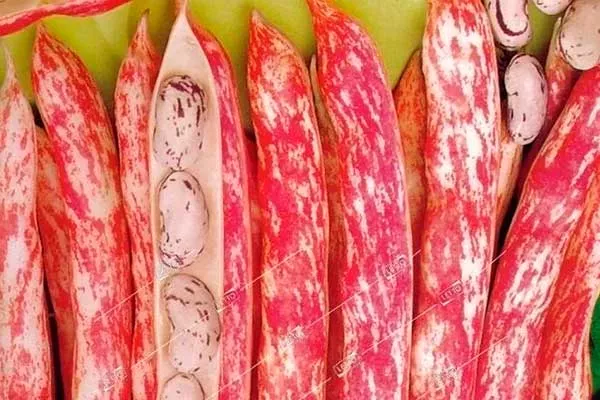
Borlotto coffee comes in a wide range of colors, from light beige to deep red, and its glossy surface lends it an attractive appearance. The shape and size of the beans directly influence their flavor and culinary properties.
Features of application
Even unripe beans, which typically have a slight nutty flavor, are used in cooking. Ripe beans are used to create a variety of dishes: they're added to borscht and stews, and paired with meat and vegetable dishes. They're ideal for freezing, drying, and canning.
Yield of the variety
The crop is characterized by high productivity. On average, 1-1.2 kg of beans can be harvested per square meter.
Ripening time
This is a mid-season variety—from planting the seedlings in open ground to harvesting, it takes 70-75 days. You can harvest your first crop in just 2-2.5 months.
Ripening time may vary depending on growing conditions and the climate in your region. In colder climates or with shorter summers, the ripening period may be longer.
To determine when your plants are ready to harvest, follow these guidelines:
- Take a few pods in your hand and feel them. Mature pods will be firm and fleshy.
- Open one fruit and check if there are ripe and large beans inside.
- Given the variety of culinary options, harvest the beans at different stages of ripeness. Some prefer young beans, when the greens are still juicy and tender, while others wait until the beans are fully ripe and bright red.
- ✓ The pods should be firm to the touch, with no soft areas.
- ✓ The color of the pods changes from green to the striped color typical of the variety.
Avoid overripening and quality loss of beans. The optimal time for harvesting is morning or evening, when they are at their freshest.
Resistance to diseases and pests
Borlotto is resistant to most diseases and pests. However, it can be susceptible to attacks by spider mites, which feed on plant sap and leave a fine, whitish-gray web. As a result, the plants begin to wilt and dry out. If treatment is not started promptly, they may die.
To control spider mites, use insecticides, applying several treatments at 7-8 day intervals to completely eliminate the insects. Cut off and burn all damaged plant parts.
Use insecticides as a preventative measure. Alternatively, equally effective folk remedies include solutions of wood ash, whey, hydrogen peroxide, or weed infusions.
How and when to plant?
Begin sowing seeds after all danger of frost has passed. The soil must warm to 15°C, otherwise the seedlings will not germinate. Late May to early June is the optimal time for planting outdoors. Before sowing, soak the seeds in water for a few hours to soften them slightly.
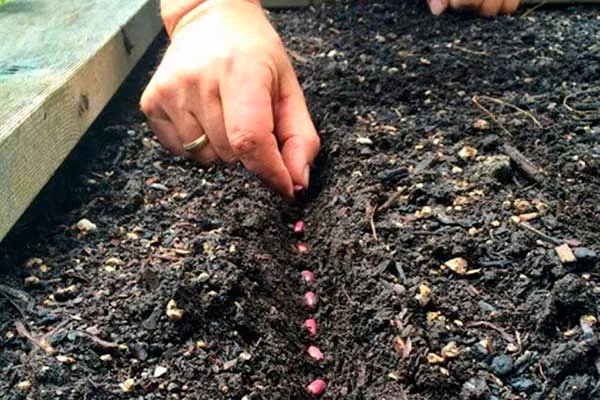
Follow these recommendations:
- Place the seeds into the soil to a depth of 3-4 cm. The distance between bushes should be approximately 20 cm, and between rows – 40-50 cm.
- Cover the bed with plastic wrap to retain moisture and warmth. When the sprouts appear, thin them out, leaving the strongest ones.
- This variety thrives in loose soil with some sand. However, clay soil is unsuitable for cultivation, as it does not allow moisture to reach the plant's roots well.
- Good predecessors are crops from the nightshade family: tomatoes, potatoes, eggplants and peppers.
- ✓ Soil pH should be between 6.0-7.0 for optimal growth of Borlotto beans.
- ✓ The soil must be well-drained to avoid water stagnation and root rot.
Agricultural technology
Caring for the crop involves several key aspects that will help ensure a good harvest. Follow these simple agricultural practices:
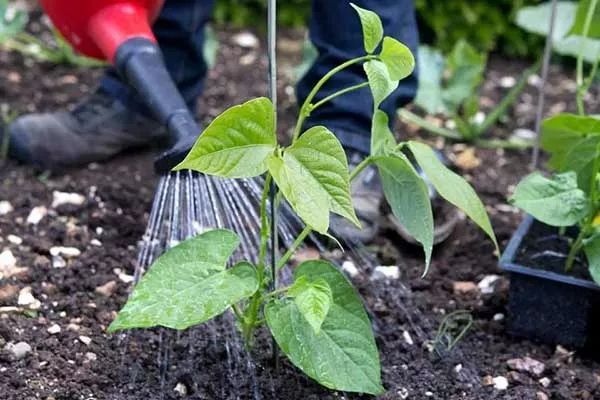
- Watering. Provide the bushes with regular watering, especially during flowering and pod formation. Use warm, settled water, avoiding drips on the leaves. Water in the morning or evening.

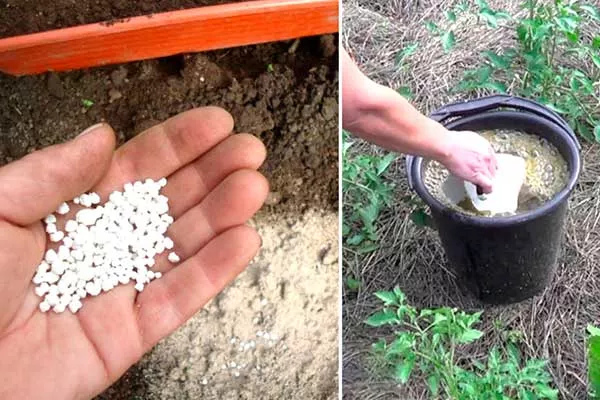
- Fertilizers. During the growing season, apply 2-3 additional fertilizers. Two to three weeks after germination, apply a complex mineral fertilizer. Later, add organic matter, such as mullein or chicken manure infusion.
- Thinning. Once the seedlings emerge, thin the plants, leaving the strongest and healthiest specimens in the bed. This will help prevent overcrowding and improve access to light and nutrients for each plant.
- Garter. Install trellises or other supports to keep the shoots upright. This will improve air circulation and reduce the risk of disease.
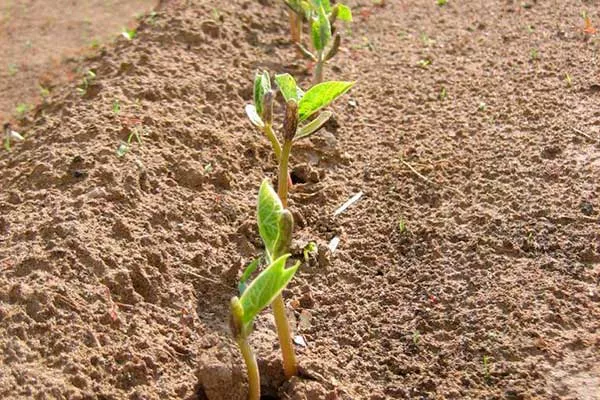
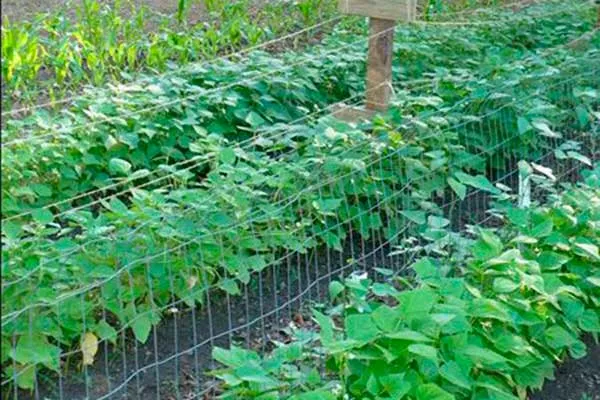
Mulching the soil will help retain moisture and suppress weed growth. Use straw, hay, or compost as mulch.
Positive and negative qualities
Before growing bushes in your garden, carefully study the advantages and disadvantages of the variety. This will help you avoid various problems in the future.
Borlotto has no significant deficiencies.
Reviews
Borlotto beans combine excellent flavor with good productivity. This legume has gained popularity among gardeners and chefs. It's a versatile variety suitable for a wide variety of culinary creations. It's important to understand the plant's characteristics and provide proper care to ensure bountiful harvests.