
Bluehilda beans are a popular legume crop, attracting the attention of gardeners and cooks across the country. They boast high productivity, excellent flavor, and attractive appearance. They are an ideal choice for a variety of climates. Understanding the crop's agronomic characteristics is essential to ensure bountiful harvests.
Characteristics of Bluehilda beans
This is a climbing variety bred in Germany. The plant requires support and can quickly climb it, reaching heights of up to 3 meters. This variety is prized not only for its nutritious fruits but also for its highly decorative qualities, making it an excellent choice for vertical gardening.
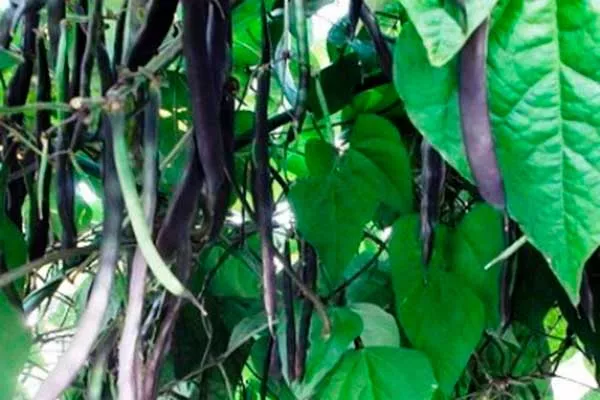
Features of beans
Renowned for its good resistance to diseases and pests, this crop is an excellent choice for organic farming. This allows for a significant reduction in the use of chemical crop protection products.
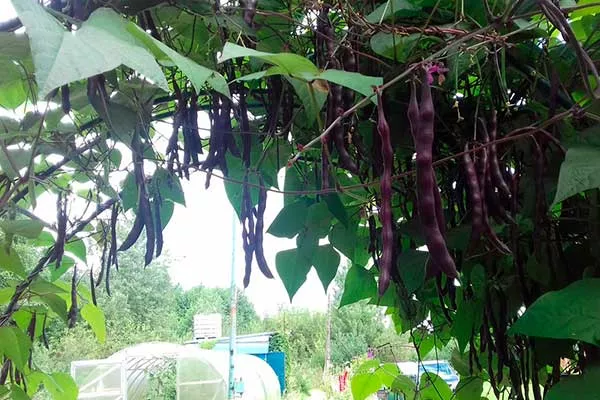
Grain size and shape
These beans stand out from other varieties due to their large size and unique shape. They have an oblong shape with a pointed end. They reach 1-1.5 cm in length and about 0.5 cm in width. This makes them look attractive on a plate, adding aesthetic appeal to dishes.
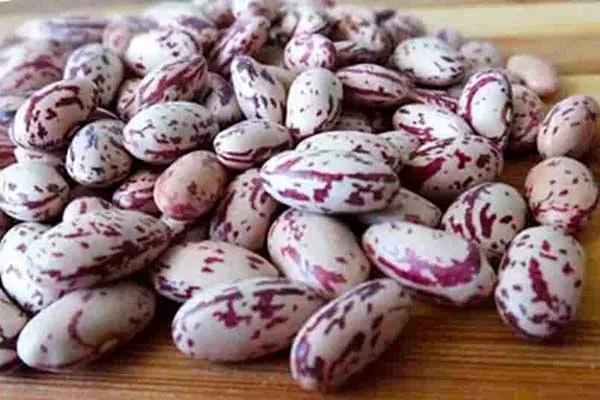
The large beans retain their texture even after prolonged cooking, remaining firm and not overcooked. This makes them an excellent choice for soups, side dishes, and salads. The beans' convenient shape makes them easy to plant and harvest, and the waxy surface layer aids in processing.
Color of flowers, grains and pods
Bluehilda attracts attention with its vibrant appearance. Flower colors range from white to pink, red, or purple, most often with a soft pink hue, giving the plant a particularly decorative appeal.
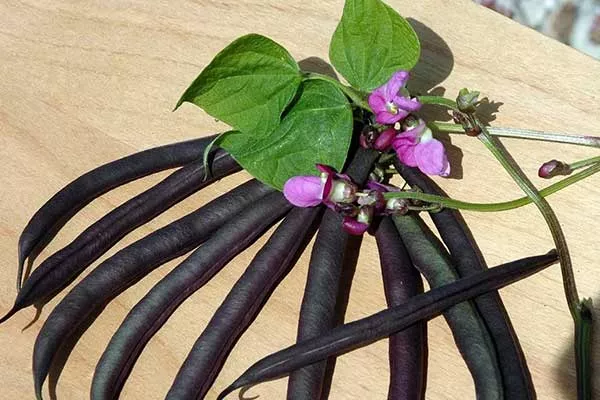
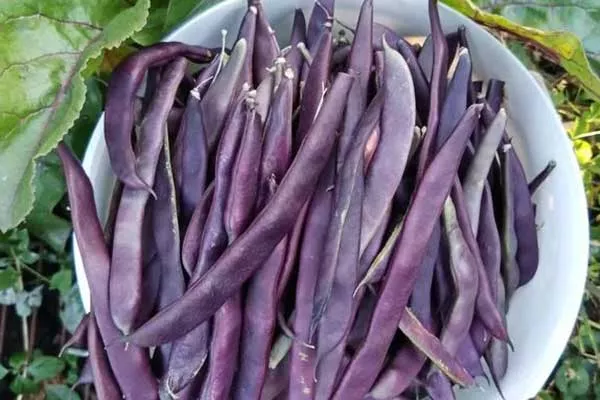
The rich green pods, about 15 cm long and smooth and shiny, stand out beautifully against the foliage. The combination of vibrant flowers and striking pods makes this plant not only useful but also decorative, adding vibrant accents to landscape design.
Purpose and taste
The asparagus variety has excellent flavor and a soft texture. The pods are eaten slightly unripe, when their flavor is at its most pronounced. Harvest young pods early to avoid overripening, which can lead to toughness.
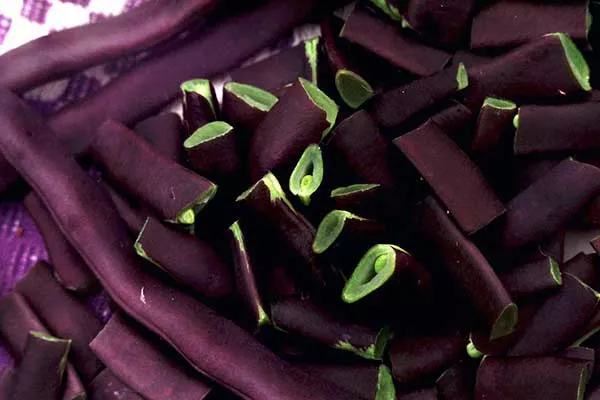
Signs of overripeness include a greenish tint to the pods and clearly visible seeds. In this case, eat them as you would ripe grains.
Productivity
One of the crop's key features is its high yield. With proper agricultural practices and optimal conditions, this variety can produce impressive yields.
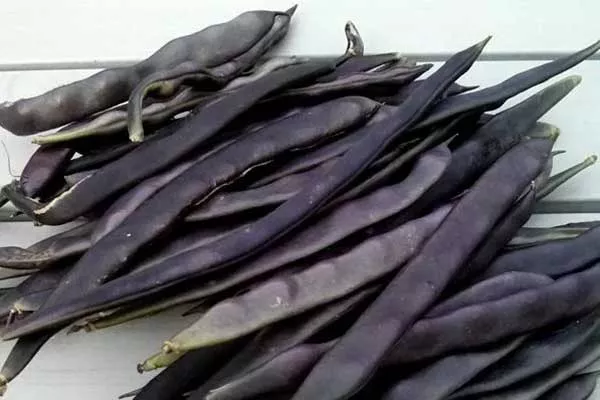
With regular harvesting every two days, you can get up to 1 kg of fresh, juicy and nutritious pods.
Growing regions
The crop is successfully cultivated in various regions due to its good adaptation to various climatic conditions. The variety thrives in central Russia, the south, and further north, provided it is grown in greenhouses or hothouses.
In southern regions, plant beans in open ground without cover, where they grow quickly and produce high yields. In cooler climates, pre-plant seedlings or use temporary covers to protect from frost.
Harvest ripening time
The Bluehilda variety is characterized by a fast ripening period. On average, it takes about 55-60 days from germination to harvest, making this variety an excellent choice for those who want fresh, juicy fruit quickly.
Agricultural technology for planting and caring for Bluehilda beans
This is a productive crop that grows well both in garden beds and greenhouses. To obtain a high yield, it's important to follow certain guidelines and ensure proper care at all stages of growth.
Requirements for planting site and soil
Choose sunny, well-ventilated areas. The location should be protected from strong winds, which can damage the plants. Optimal growing conditions include south- or southwest-facing ridges that receive sufficient sunlight throughout the day.
- ✓ The optimal soil pH should be in the range of 6.0-7.0. Deviations from this range can significantly reduce yield.
- ✓ The soil should contain a high level of organic matter (at least 3-4%) to ensure good structure and water holding capacity.
Beans are sensitive to cold soils, so wait until the temperature reaches 15°C. The soil should be light, loose, and well-drained. Slightly acidic or neutral soil is best. Beans do not grow well in heavy, clayey, or waterlogged soils where waterlogging is possible.
Soil preparation
Start the process in the fall: dig over the area and add organic fertilizers, such as humus or compost (approximately 5-7 kg per square meter). This will improve the soil structure and enrich it with nutrients.
In the spring, before planting, dig the bed again, adding additional mineral fertilizer. Apply nitrogen fertilizers sparingly, as beans are able to fix nitrogen from the air through a symbiotic relationship with root nodule bacteria. If the soil is too acidic, apply lime in the fall.
Planting seeds
Prepare the planting material in advance. To do this, soak the beans in warm water for 12 hours or harden them by placing them alternately in hot and cold water. This process helps improve germination and plant resilience to potential adverse conditions.
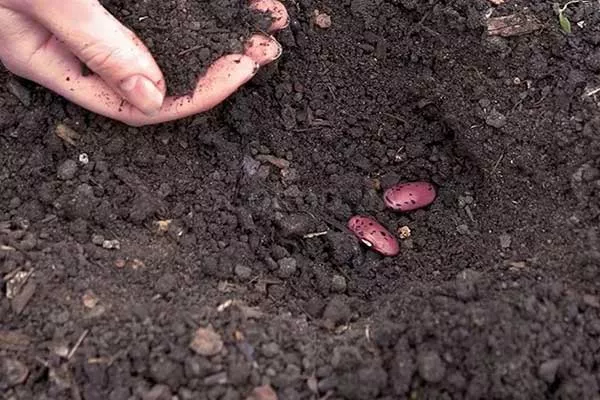
Plant the seeds at a depth of 3-5 cm, keeping a distance of about 30 cm between holes and 50 cm between rows. If the soil is too dry, moisten the furrows first. After sowing, lightly cover the area with plastic film until the seedlings emerge to retain warmth and moisture in the soil.
Plant care
Crop care involves a number of agronomic practices that influence crop yields. Follow standard procedures:
- Water the plants moderately, avoiding overwatering, which can cause root rot. Provide ample moisture during flowering and pod formation.
- Loosening the soil helps provide air access to the roots and prevents the formation of a crust on the surface of the soil.
- Weed regularly, especially during the early stages of growth, to prevent weeds from interfering with the development of the beans.
- Fertilize the bushes 2-3 times per season. At the beginning of growth, use complex mineral fertilizers with increased phosphorus and potassium content, and during flowering, use formulations with microelements such as boron and magnesium to stimulate pod formation.
- The first feeding should be carried out 2 weeks after the emergence of seedlings, using a complex mineral fertilizer with a low nitrogen content.
- The second feeding should be carried out at the beginning of flowering, using fertilizers with a high content of phosphorus and potassium.
- The third feeding should be carried out during the period of pod formation, using microelements such as boron and magnesium.
Install support for climbing plants. A trellis or netting is ideal, allowing the shoots to climb. This will not only improve ventilation but also make harvesting easier.
Pest and disease control
Bluehilda can be susceptible to various problems, especially if not properly cared for. Monitor the bushes closely and regularly inspect the leaves and stems. At the first sign of trouble, begin treatment immediately.
Biological treatments are one effective method of control. Alternatively, use specialized chemicals, but strictly follow the manufacturer's instructions and observe safety precautions.
Positive and negative qualities
This German-bred bean is distinguished not only by its high ornamental value but also by its many other positive qualities. The variety's key advantages include:
Some vegetable growers cite the need for reliable support and vulnerability to certain types of pests as disadvantages.
Reviews
Bluehilda beans are a versatile and delicious crop that makes a great addition to any garden. Their high productivity, resistance to common diseases, and ease of care make them an ideal choice for both beginners and experienced gardeners. The key is proper and timely care.