
The early-ripening Blanche bean plant attracts attention with its compact bushes. It produces delicious and nutritious beans. It's important to follow all the steps correctly, from choosing the right planting site, preparing the soil, and sowing the seeds correctly, to the essential care steps that will help you reap a bountiful harvest.
Description of the variety
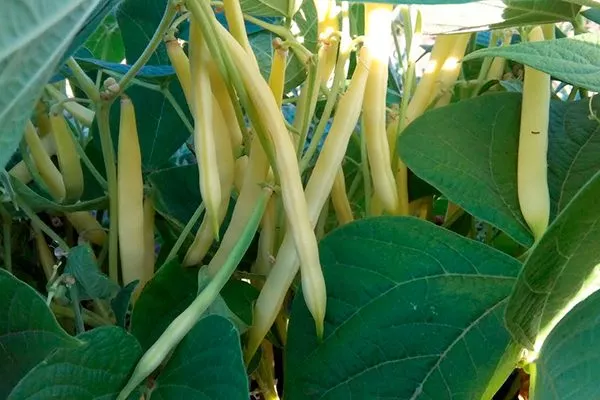
Blanche is a variety characterized by early ripening. Plants of this species have a compact habit and reach a height of up to 70 cm. Their roots are characterized by a branched structure. The leaves are impressive in size and have a light green hue.
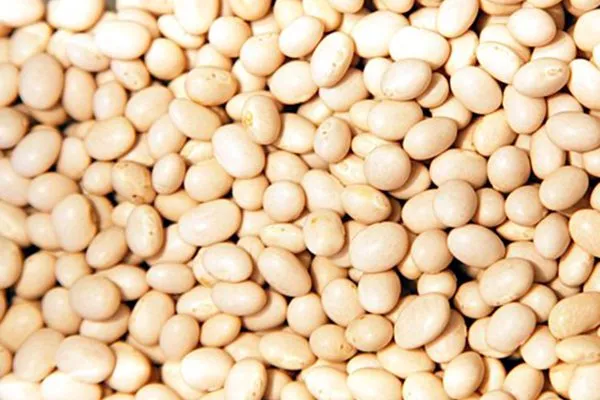
- ✓ Blanche bean seeds have a unique oily sheen that distinguishes them from other varieties.
- ✓ When damaged, the plant's leaves emit a faint aroma, which is a rare trait among legumes.
Characteristics of the appearance of the plant and fruits
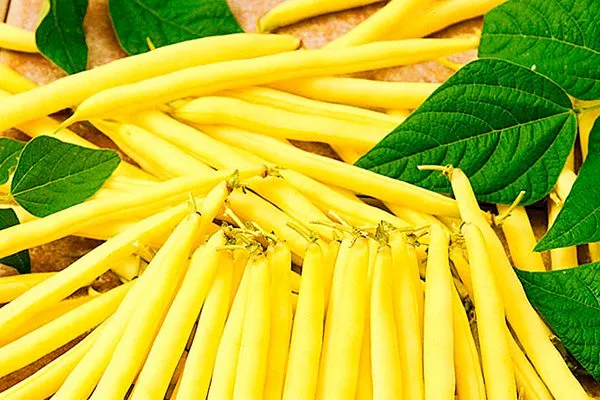
These low, compact bushes take up minimal space in the garden. They produce long, smooth-surfaced pods that are shiny, bright yellow, and have thick, pointed tips. The fruits have a delicate texture and a wonderful buttery flavor. They are low in calories, rich in vitamins, and quick to prepare.
Purpose and taste
Blanche beans are an ideal ingredient for healthy and nutritious dishes, offering an excellent alternative to meat. They are especially prized by vegetarians. They are often chosen for canning for the winter. Blanche beans have a buttery, delicate flavor, making them ideal for a variety of culinary experiments.
Ripening time and yield
These beans have an early maturing period, with only 55-60 days from planting to harvest. This variety boasts high yields, reaching nearly 3 kg per square meter of planting area. This quick and abundant harvest makes them an attractive choice for those who value quick results.
Composition and caloric content
More than 20% of the legume's composition is high-quality plant protein, comparable in nutritional properties to beef, but without the animal fat that interferes with digestion. Protein is essential for the formation of immune and muscle cells and contains enzymes and virtually all essential amino acids.
White beans surpass vegetables and greens in their content of indigestible dietary fiber. Eating dishes containing white beans helps eliminate toxins and waste, cleanse the intestines, and lower blood cholesterol.
This product is rich in B vitamins and folate, and contains minerals such as potassium, magnesium, zinc, and copper, which have a positive effect on the cardiovascular system. The energy value of Blanche beans is 328 kcal.
Benefits of white beans
Blanche beans are a valuable source of various vitamins, including vitamin B1, which plays a key role in the functioning of enzymes involved in carbohydrate and energy metabolism. These enzymes provide the body with energy and essential plastic substances.
Beans contain vitamin B5, which is involved in protein, fat, and carbohydrate metabolism. It plays a role in cholesterol metabolism, hormone synthesis, and hemoglobin production, and also promotes the absorption of amino acids and sugars in the intestines. A deficiency of pantothenic acid can lead to skin and mucous membrane damage.
Vitamin B6, found in Blanche beans, helps support the immune response and regulates inhibition and excitation processes in the central nervous system. It promotes red blood cell formation and maintains normal homocysteine levels in the blood.
Contraindications and complications
Although white beans are a valuable and nutritious food, their consumption may cause contraindications and complications for some people. Here are some of them:
- Phytoagglutinins. White beans contain phytoagglutinins, which can cause gastrointestinal irritation. These substances can be neutralized with proper cooking.
- Digestive problems. Eating large amounts of beans can cause digestive issues such as bloating, gas, or abdominal discomfort. Introducing beans gradually into your diet can help reduce these negative effects.
- Allergic reactions. An allergic reaction to white beans may occur. If you have a legume allergy, exercise caution and monitor for possible symptoms such as itching, skin rashes, difficulty breathing, and swelling.
- Contraindications for certain diseases. People with gout or kidney stones are advised to limit their consumption of beans due to their content of certain substances that may aggravate these conditions.
Before making major changes to your diet or if you have any medical concerns, it is recommended to consult with a doctor or nutritionist to avoid potential problems and ensure optimal health.
How and when to plant?
Planting Blanche beans is easy. Even a novice agronomist with no gardening experience can handle the process.
Requirements for planting site and soil
For successful bean growth, the chosen planting site should be well-lit, although even partial shade is acceptable. Ideally, the site should be protected from drafts and winds.
- ✓ The soil pH level should be strictly within 6.0-7.0 for optimal nutrient absorption.
- ✓ The soil must have high air permeability, achieved by adding sand or perlite in a ratio of 1:5 to the total volume of soil.
The soil should be neutral, permeable, and loose. Before planting, enrich the soil with a small amount of compost to improve its fertility.
Planting dates
Add beans to the soil in the spring, when the temperature rises to +12-15°C and the threat of recurrent frosts has passed.
Seed preparation
Store-bought seeds are usually ready for planting, and unlike home-collected seeds, they don't require additional disinfection. However, hardening and soaking procedures will still be beneficial.
Steps for preparing seeds for sowing:
- Calibration. Inspect the beans, discarding any that are small, wrinkled, damaged, or different in color from the rest. Place the selected seeds in a 5% salt solution.
Sift out any beans that float to the surface, as they are not suitable for planting. Rinse the remaining salt and proceed to the next step. - Disinfection. Soak the seeds in a 1-2% potassium permanganate solution for 20 minutes. Then rinse them under running water and let them dry.
- Soak. Place the seeds in a damp cheesecloth and soak for 12-15 hours. Monitor the soaking time to prevent the beans from turning sour. Use melted or rainwater, preventing the cheesecloth from drying out.
If your region experiences temperature fluctuations after planting seedlings in the ground, harden them off. Soak the seeds in the refrigerator for 5-6 hours. Optimal temperature: 4 to 5°C.
Rules for soil preparation
Preparing the soil before planting bean seeds plays a crucial role in the successful cultivation of this crop. Here are the basic rules for preparing the soil for planting bean seeds:
- Remove weeds, rocks and other debris from the soil.
- Loosen the soil to a depth of about 15-20 cm to improve ventilation and ensure easy root growth.
- Add compost or decomposed manure to enrich the soil with organic matter.
- Add mineral fertilizers according to the recommendations for beans (usually with a high phosphorus content).
- Check your soil pH and adjust if necessary to achieve the optimal level, which is typically between 6.0 and 7.0 for beans.
- Level the soil surface evenly to ensure uniform planting.
By following these rules, you will create optimal conditions for the successful growth and development of beans.
Sowing white beans
The planting pattern calls for spacing the beans along the bed at 40x10 cm intervals. Dig holes, place 3-4 beans in each, and cover with a layer of soil. Then lightly compact the soil, water with soft, lukewarm water, and top with humus.
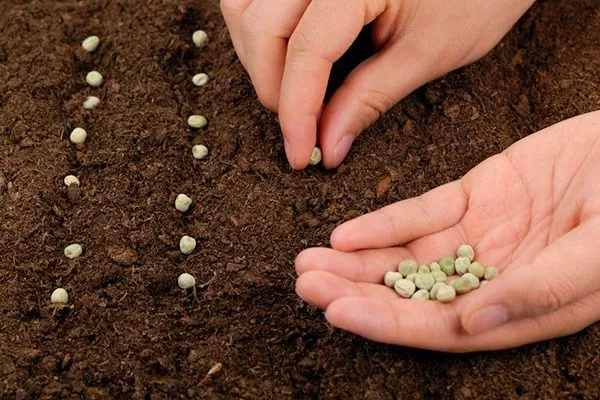
Once the seedlings emerge, select the strongest sprout and remove the rest. Growing from seedlings is also possible. When using the seedling method, the first pods are expected earlier—2-3 weeks—than when planting without seedlings.
Sow seeds for seedlings in March, early spring, pre-soaking them in growth stimulants for optimal germination. Plant 3-4 seeds in peat pots, then cover with soil and plastic wrap. Place them in a bright location. When the first shoots appear, remove the plastic wrap.
Care and cultivation
Caring for the crop is straightforward. Adherence to proper agricultural practices will ensure a good harvest.
Watering
Before buds begin to form, it's recommended to water only when necessary, no more than once every 7 days. Adjust watering frequency based on soil type and current weather conditions, aiming to maintain moderate soil moisture.
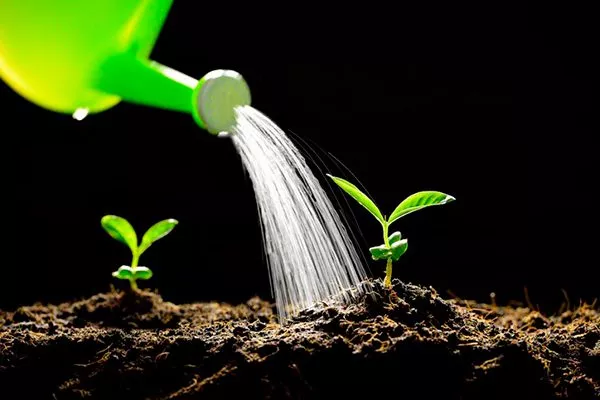
Once the seedlings have 4-5 true leaves, stop watering. After the plants bloom, resume watering, gradually increasing the amount. Then, double the amount of water used.
Top dressing
After the first true leaves have formed, Blanche beans require fertilization with superphosphate, applied at a rate of 30 to 40 g per square meter. During bud formation, apply potassium salt to the soil, using 10 to 15 g per square meter.
To support the bean ripening process, fertilize the soil with wood ash. Nitrogen-containing fertilizers are not recommended for this crop. This is because beans are capable of capturing nitrogen from the air, and too much in the soil can lead to excessive green growth.
Garter
Provide support with a stake approximately 150 cm high during planting. Attach a horizontal rope or wire to it to guide the climbing stems of the bushes.
The plant can be grown in nests, where thinning is not necessary after the seedlings emerge, allowing the plants to form lush bushes. Install a wooden stake next to each bush, around which the creeping shoots will twine.
Place three or four 2-meter-tall supports around the bush, tying their tops together to create a structure reminiscent of an Indian tepee. The supports should not be made of metal or plastic, as the climbing stems cannot climb them.
Diseases and pests
Careless bean care can lead to certain diseases that need to be addressed immediately. These include:
- Gray rot. Light brown spots appear on the leaves, gradually turning yellow and curling. The beans may shrivel. Fungicides are used for treatment.
- Anthracnose. It is accompanied by dark spots on the leaves. Plants become covered with ulcers, which eventually lead to complete rot. It is effectively treated by spraying with Bordeaux mixture.
- Root rot. The leaves begin to wilt, the stems take on a reddish tint, and eventually rot. This disease is difficult to treat, and plants often have to be completely removed.
- Powdery mildew. A whitish coating appears on the leaves and stems. Treatment involves the use of colloidal salt.
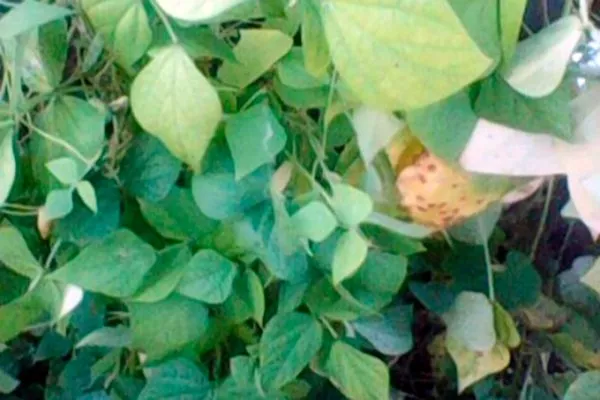
Beans can be attacked by various pests:
- Grain. These tiny beetles gnaw at beans and pose a threat to the entire crop. Aktara provides effective treatment.
- Whitefly. This pest feeds on plant sap and is often found on the undersides of leaves. It is controlled using the pesticide Karbofos.
- Sprout fly. Damages grains during germination. Fufanon solution is effective in eliminating this damage.
Regular inspection of plantings and immediate action when pests or diseases are detected contribute to successful bean care.
Harvesting and storage
If you prefer to eat young beans, start harvesting the fruit about half a month after the flowers have appeared and the fruit has reached its maximum size; this is when they will be especially tasty.
Use scissors to cut the pods, and do this every two days in the morning to ensure the pods are saturated with the cool night air and moisture. Young beans are often used in vegetable stews, salads, soups, and also stewed as a side dish for fish and meat dishes.
Growing Blanche beans is straightforward, even for those with no prior experience. With the right technology and modern care, you can create ideal conditions for this early bean variety to thrive.