
Crosby is a mid-season peach variety. It has long been known and loved by Russian gardeners. The variety is prized for its increased winter hardiness, undemanding growing conditions, early fruiting, and marketable harvest. It is popular not only in our country but throughout the world.
When was the variety developed?
Many gardeners mistakenly believe that the Crosby peach originated in Canada. This fruit variety is, in fact, a product of American breeding. It was developed in the first half of the last century.
The appearance of the tree
Crosby is a medium-vigorous cultivar. Its trees are characterized by the following traits:
- height - 2.5-3 m;
- spreading crown;
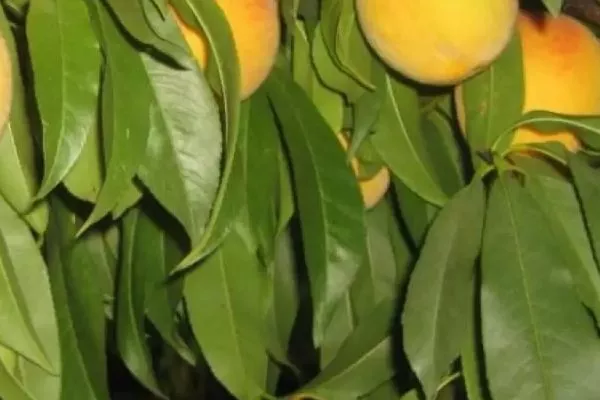
- foliage: large, dark green;
- flowers: large, pink in color, bell-shaped, fragrant.
Fruits and their taste characteristics
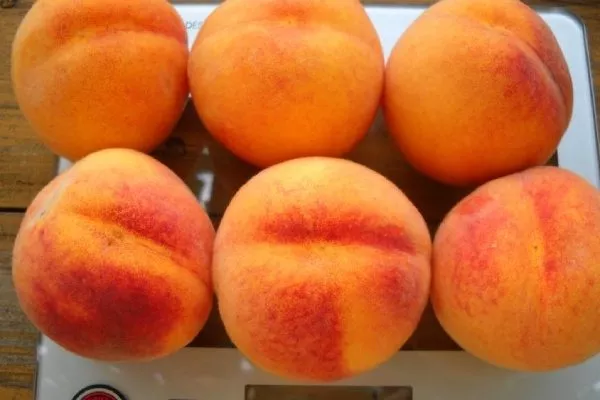
The fruits of the Crosby variety have excellent commercial qualities:
- large size;
- weight - from 180 g to 300 g;
- round-oval shape;
- bright yellow color of slightly pubescent skin, on which there is a red blush;
- yellow flesh, distinguished by its density and hardness;
- a small bone that easily comes off of it.
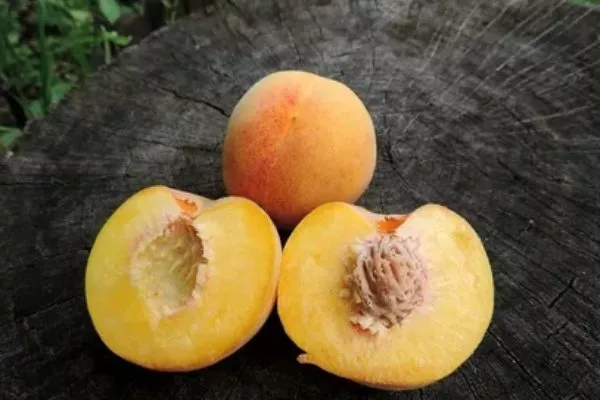
The fruit pulp is very sweet with a pleasant apricot aftertaste, rich in juice, and has a stunning linden honey aroma. The variety's tasting score is 4.9.
Crosby peaches are not only beautiful and delicious, but also healthy. They are distinguished by their high content of valuable nutrients:
- vitamins (A, C, E, B1, B2, B6);
- minerals (calcium, iron, phosphorus).
By eating them fresh, you can achieve healing effects:
- strengthening the immune system;
- normalization of digestion;
- lowering blood cholesterol levels;
- rejuvenation due to the abundance of antioxidants in the pulp.
The fruit crop has a versatile purpose. Housewives use it in the following ways:
- added fresh to desserts;
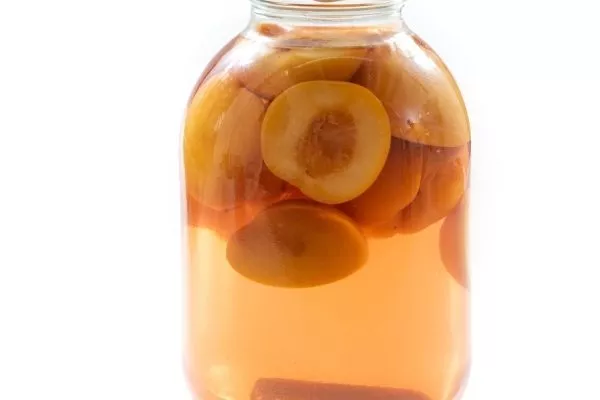
- they cook compote, jam, and preserves;
- used as a filling for pies;
- canned;
- freeze.
Ripening period and yield
Crosby trees begin bearing fruit in their third year. After that, they produce fruit annually. The ripening period is considered average. The first fruits ripen by August 10th. The bulk harvest occurs in the second half of the month.
The variety is suitable for commercial cultivation due to the following crop qualities:
- shelf life (fruits do not lose their marketable appearance for 5-9 days);
- transportability.
Self-fertility and the need for pollinators
Crosby is a self-fertile variety of fruit crop. It does not require nearby pollinators.
Advantages and disadvantages of the variety
The advantages of the variety are as follows:
The only drawback is the firm flesh of the fruit. Those who prefer soft peaches won't appreciate it.
Planting a seedling
Plant your peach tree in spring or fall. In spring, perform the procedure after the snow has melted and the soil has warmed. Do it before the buds swell. Wait until the average daily temperature reaches 7°C. The best times for planting are:
- second half of March;
- April;
- first third of May (in the northern regions).
In autumn, plant the Crosby peach at a temperature of +10°C during the day (not below +5°C at night), 3 weeks before the onset of cold weather.
When choosing seedlings in a nursery, give preference to specimens with the following characteristics:
- with a developed main root and 2-3 lateral roots;
- age - 1-2 years;
- height - no more than 2 m;
- no signs of disease;
- vaccinated.
Peach grows and bears fruit well in garden areas that meet the following requirements:
- sunny;
- protected from the winds;
- with deep groundwater (from 4 m);
- with chernozem or loam;
- with a low soil pH.
Prepare the planting hole in advance. It should be 1 m in diameter and 0.6-0.8 m deep. Fertilize it 3-4 weeks before planting:
- compost or humus (10-12 kg);
- phosphorus and potassium compounds mixed with the top fertile soil layer (100 g of each per 10 kg of soil).
When performing group planting, follow the pattern:
- distance between seedlings - 4 m;
- distance between rows - 5 m.
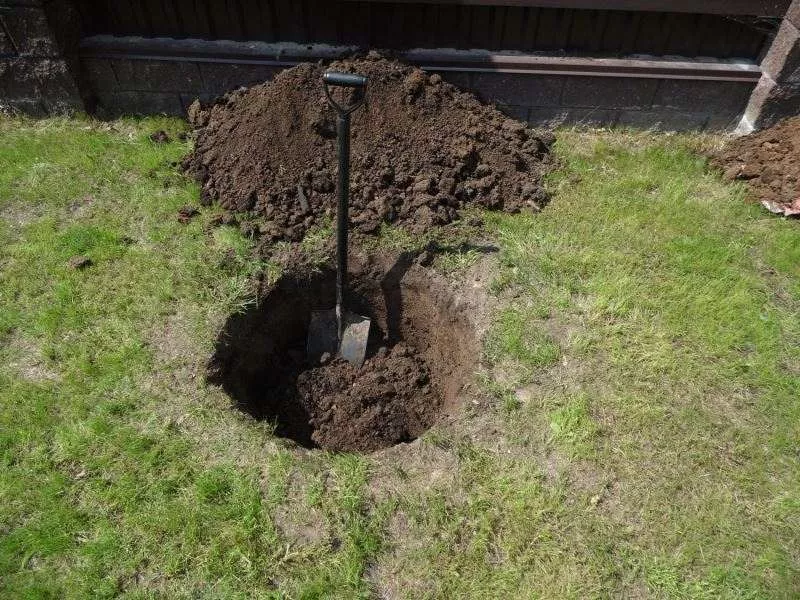
Planting Crosby peach step by step:
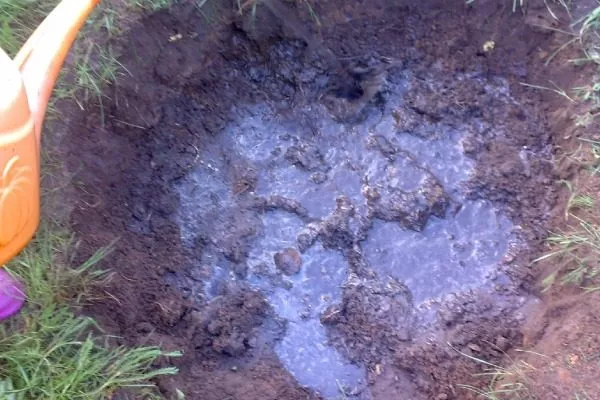
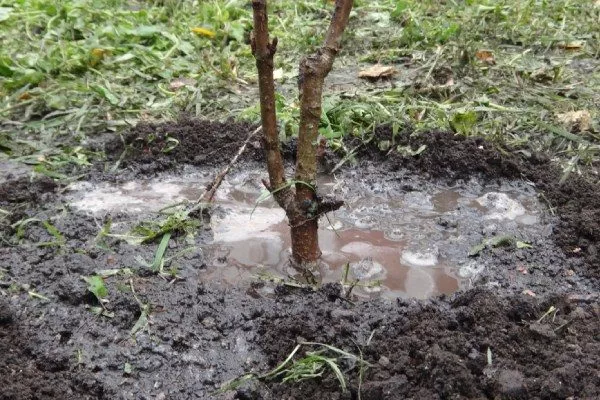
- Water the hole generously.

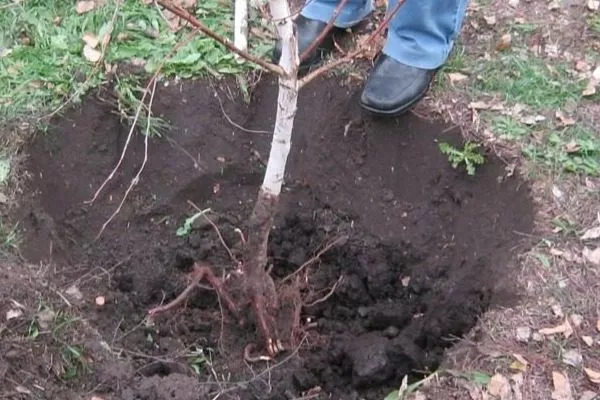
- Place the tree in it. Spread out the roots.
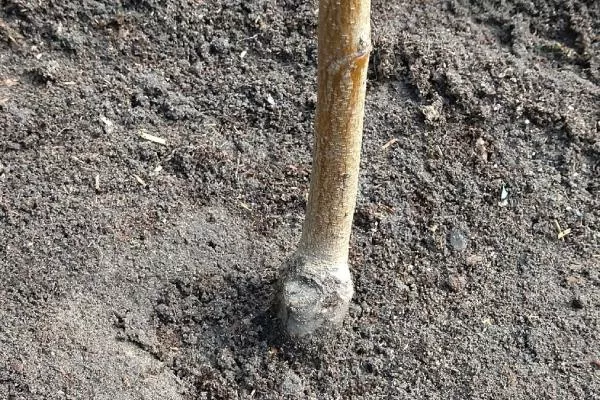
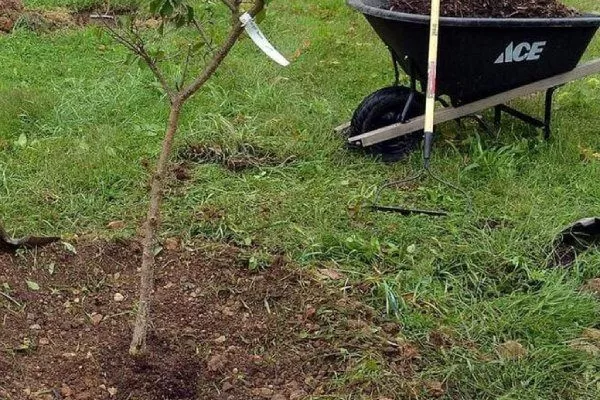
- Cover them with soil, leaving the root collar 3-5 cm above the ground surface. Compact the soil.
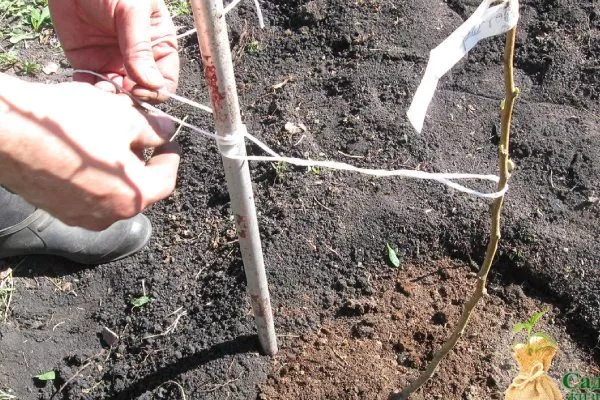
- Install a wooden stake next to the tree. Tie the peach tree to the stake with twine.
- Shape the tree trunk circle. Water it generously.
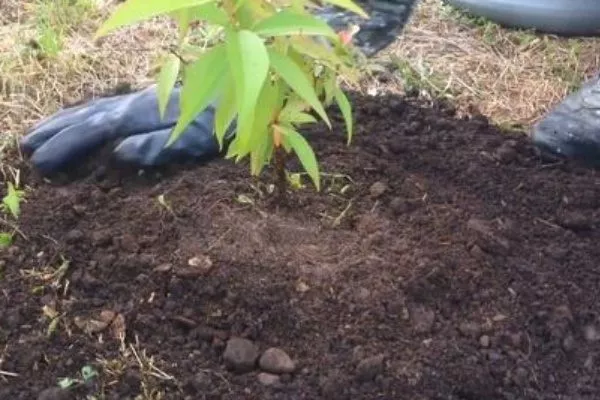
- Loosen the soil under the seedling.
- Mulch it with peat.
Peach tree care
When planting Crosby, provide care consisting of the following activities:
- WateringWater seedlings once a week. Apply 40-50 liters of water per tree. Water mature trees less frequently—once every 10-15 days.
- LooseningLoosen the soil under the peach tree after watering or rain.
- Protection from diseases and pests. Inspect the trees periodically. If you notice signs of infection or pests, spray them with a fungicide or insecticide.
- MulchingSprinkle a layer of mulch around the tree trunk to retain moisture in the soil.
- FertilizationWhen planting peach trees in fertile soil, no fertilizer is required for one year. Spray mature trees with liquid potassium fertilizers on the foliage before harvesting to sweeten the fruit. Repeat this procedure 2-3 times.
Features of pruning
A couple of weeks after planting the peach tree, prune it:
- measure 35 cm from the grafting zone to the lateral shoot and cut off all the branches under the ring above the resulting segment;
- leave 4-5 of the strongest shoots, directed in different directions and 10-20 cm apart from each other;
- cut the remaining branches 3-4 buds from the ground.
Winter hardiness
This variety is frost-hardy, withstanding temperatures down to -37°C. Peach trees require no shelter. Mulch the trunk area of young plants for the winter.
Reviews
The Crosby peach has unique characteristics that make it attractive for cultivation. This variety produces abundant and delicious yields, boasting excellent marketability, shelf life, and transportability. Reviews of this variety are overwhelmingly positive.