
The Konfetny gooseberry is a source of delicious and healthy berries. Its excellent fruit quality, unique flavor, and disease resistance make it a valuable asset for any gardener. With proper care and attention, you can enjoy a bountiful harvest year after year.
Who brought it out and when?
Developed by Russian specialists from the South Ural Research Institute of Fruit and Vegetable Growing, this relatively new variety is primarily grown in private farms and has received overwhelmingly positive reviews from gardeners.
Description of the bush and berries
The Candy Gooseberry is noteworthy for its compact size, reaching up to 1.5 m in height. It also has other distinctive features:
- Bushes – with a root system located shallowly, at a depth of approximately 30 cm.
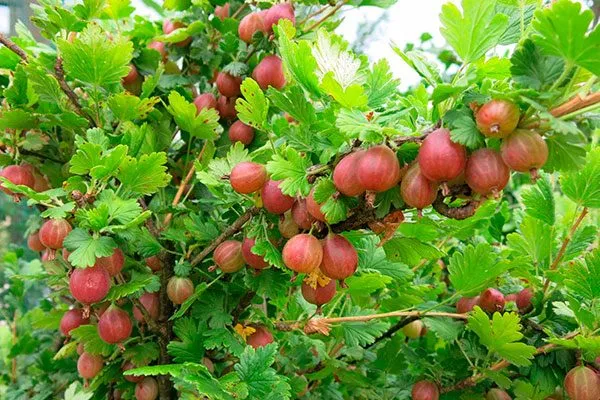
- Branches and shoots – They grow vertically, forming a compact and neat green bush. Small brown thorns are located on the lower shoots.

- Leaves - five-lobed, shiny, medium-sized.
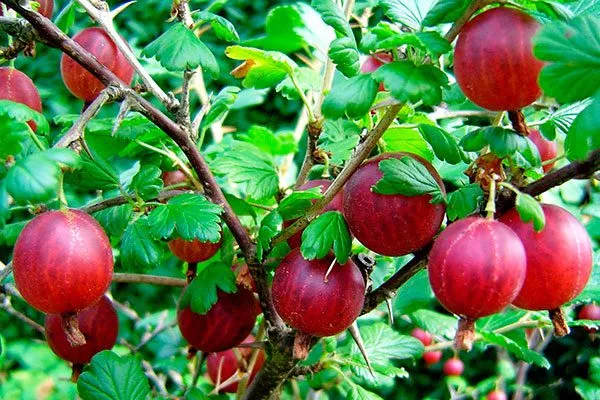
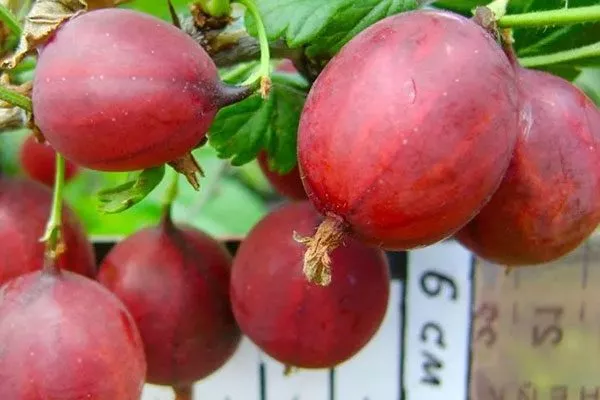
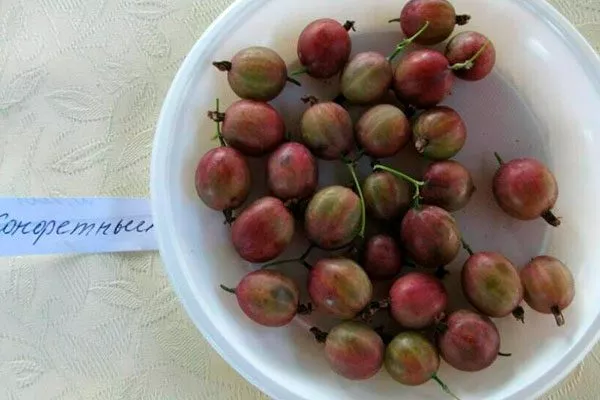
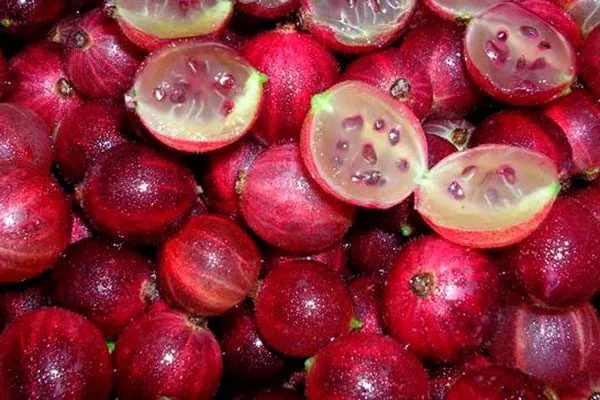
- Berries - attractive, pink-honey colored with light veins.
Taste qualities
The berries are characterized by a sweet dessert flavor with a slight tartness. They contain 8.6% sugar and 55.2 mg/% vitamin C. Gooseberries received the highest tasting score – 5 points.
Characteristics of the variety
The Konfetny variety is an easy-to-grow, frost-resistant delicacy that, when cared for properly, produces an excellent harvest. It is considered a mid-season variety, although some gardeners consider it a late-ripening crop.
Temperature resistance
It can withstand temperatures down to -29°C and easily tolerates short-term frosts below -30°C. Successful overwintering of the crop depends largely on the quality of its preparation for winter.
Moisture and drought resistance
It is resistant to drought and other adverse weather conditions. However, due to the shallow location of the main part of the root system, prolonged drought can negatively affect the quality of the harvest, especially during the flowering period.
Location and soil requirements
For planting, it's best to choose a well-lit site protected from cold winds. The ideal soil is slightly acidic loam or soil with a neutral pH. Heavily fertilized or highly fertile soil is unsuitable for this variety, as it has a very short root system, no more than 30 cm long.
Necessary climatic conditions
The Konfetny variety performs best in temperate climates. Its yield may be reduced by the following climatic conditions: very cold winters, prolonged drought, prolonged cold rains, and sudden temperature fluctuations.
Ripening period and yield
The first harvest appears as early as the second year after planting, demonstrating high yields. A single bush can yield between 2.4 and 6.5 kg of delicious berries. The first fruits ripen as early as mid-June. Their ripeness can be determined by touch: they become soft.
Application of fruits
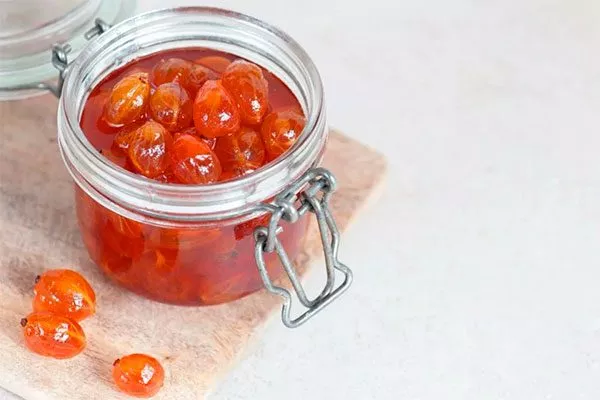
The fruits are not only eaten fresh. They also make delicious homemade preserves: jams, jellies, marmalades, and compotes. The berries freeze well and can be stored in the refrigerator for up to two months, maintaining their appearance and flavor after defrosting.
Pollinator varieties
A distinctive feature of this crop is its self-fertility. There is no need to plant pollinator varieties in the same plot.
Advantages and disadvantages
It's important to consider the positive and negative qualities of this plant before planting it in your garden. Candy has numerous benefits:
Rules for planting gooseberries
The crop performs best when properly positioned in the garden. Consider several key factors:
- Loamy soil is ideal. It provides good drainage and allows the roots to receive the necessary moisture and nutrients.
- The shrub requires sufficient sunlight to produce good fruit. In shade, the berries may be smaller.
- Groundwater should be at a depth of about 75-90 cm. High humidity levels can lead to root rot.
Choose seedlings carefully, choosing ones that are disease-free and have healthy roots. Before planting, prepare the soil by removing weeds and enriching it with nutrients.
Step-by-step instructions:
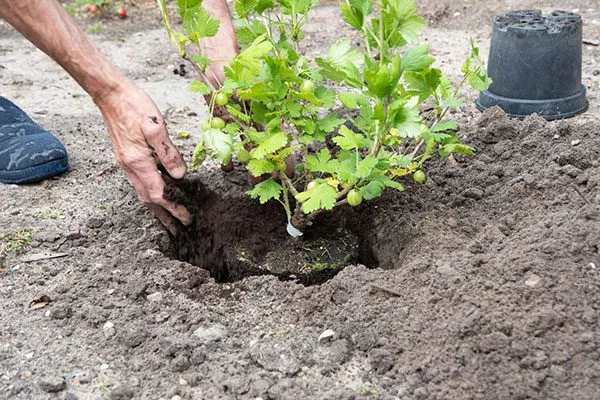
- Dig a hole measuring 50x50 cm.
- Mix 50 g of superphosphate, 40 g of potassium sulfate and 100 g of ash with the extracted soil.
- Place the seedling in the hole so that the root collar remains 2 cm below the soil surface.
- Cover the roots with soil, compacting the soil around the seedling to avoid the formation of air pockets.
- Water the seedling generously.
- Mulch the bush with a 3-4 cm layer of peat to avoid crust formation on the soil.
Care
Caring for this variety requires traditional agricultural practices. Follow these steps:
- Watering. Gooseberries require regular watering due to their shallow root system, which is unable to independently obtain moisture from deeper soils. They respond gratefully to rainwater or warm, settled water.
During flowering, water the seedling weekly, then reduce the frequency, except during periods of drought. A generous watering in the fall helps the plants survive the winter. - Top dressing. In spring, apply common nitrogen fertilizers such as ammonium nitrate or urea. For subsequent feeding, use complex mixtures containing potassium, phosphorus, and micronutrients in addition to nitrogen. Among the most popular options are nitrophoska and ammophoska.
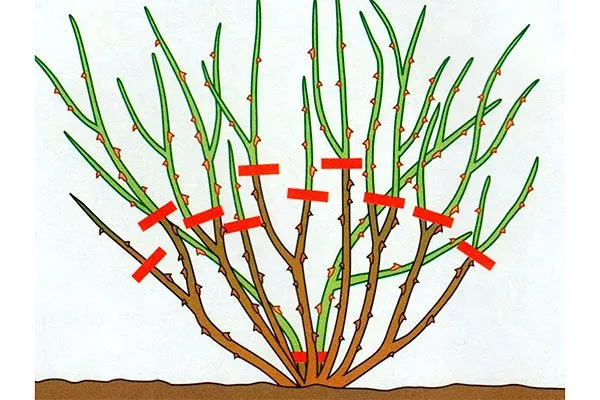
- Trimming. Perform sanitary pruning in early spring, removing frozen, diseased, dry, and deformed shoots. Remove branches older than 7 years to reduce bushiness and encourage new growth.
Diseases and pests
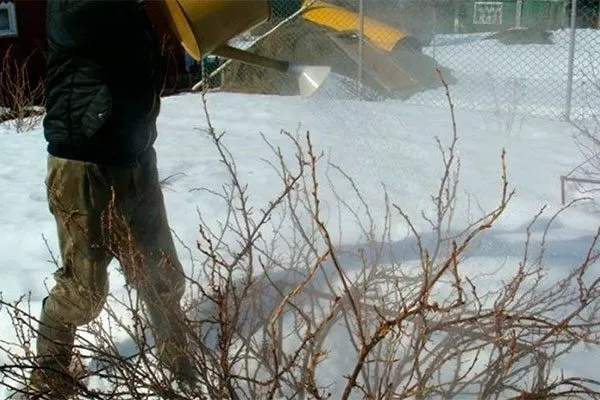
In early spring, pour boiling water over the plants. This is an effective way to protect them from sawflies and moths. This folk remedy helps kill pests while preserving the plant. Perform this procedure before the buds open. Each plant requires approximately 3-4 liters of water.
Helpful tips:
- If necessary, use specialized insecticides or biological products such as Aktara, Akarin, or Entobacterin. When using chemical insecticides, follow the instructions on the packaging and apply the treatment no later than one month before harvest, and for biological products, apply it two weeks before harvest.
- If fungal diseases occur before bud break, apply Bordeaux mixture or copper sulfate. Apply in the spring, during budding, and in the fall, after leaf fall.
To prepare the solution, use a 1% concentration, applying 1.5 liters per bush. The maximum number of treatments per season is three. - If folk methods and biological preparations do not bring results, use chemical fungicides: Vectra, Kumulus or Nitrafen No. 125.
Destroy insects promptly and begin combating diseases to protect the crop from destruction.
Wintering
Properly preparing your plant for winter is crucial to its survival during the cold months. Follow these recommendations:
- In autumn, water the bushes generously to increase their winter hardiness.
- Apply fertilizer, for example, using Autumn fertilizer.
- To prevent diseases and pests, water the plants with a weak solution of potassium permanganate.
- Before the onset of winter, trim old branches and mulch the tree trunk circle with humus or peat.
To protect plants from frost, use covering material. If the winter is snowy and the ground is covered, cover the seedlings with a snow cushion for additional protection.
Reproduction
You can increase the number of seedlings by cuttings, dividing the bush, and layering. Growing from seed is less common. Popular propagation methods include:
- Cuttings. Carry out this procedure in early spring. To do this, carefully cut young shoots with 5-7 buds and soak them in a rooting stimulant, such as Kornevin, for 24 hours. Then, plant the cuttings in a 1:1 mixture of peat and sand, watering them periodically to keep the soil moist.
By October, the cuttings should have taken root, after which they can be transplanted into special beds for further growth.
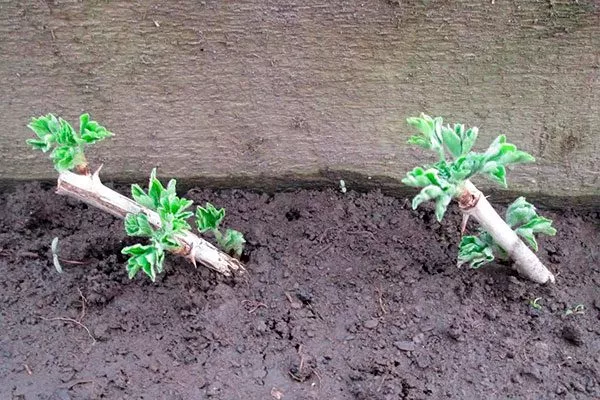
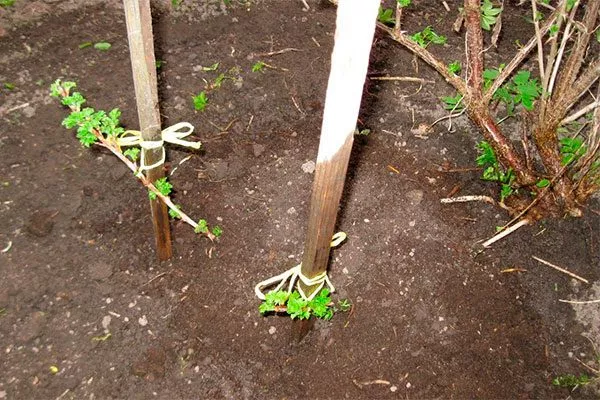
- Layers. Perform this procedure in the spring. Bend the lower branches down to the ground and cover them with soil, leaving a small area with 5-6 buds above the surface. Water the area where they touch the ground thoroughly. By fall, the cuttings should have rooted, and you can carefully separate them for transplanting into separate beds or containers.
Growing features depending on the region
The crop is adapted to the East Siberian region, but it is successfully grown throughout Russia. There are no significant differences by region. In warmer climates, harvesting can begin as early as June, while in northern regions, this process may not begin until late July.
There are minor differences in preparing the plant for winter. In colder regions, gooseberries require more careful shelter, but the basic methods and approaches remain the same.
Reviews
The Konfetny gooseberry boasts a distinctive flavor and disease resistance. This variety has gained popularity among berry growers. It tolerates drought and frost, producing good yields and high-quality fruit. These qualities can only be achieved through regular implementation of important agricultural practices.