
Slugs and snails can be a serious problem for any gardener. These pests reproduce quickly and can destroy virtually an entire crop. Therefore, it's helpful for every gardener to know not only simple but also truly effective methods for controlling snails and slugs.
Traps
This is one of the most effective methods of pest control. You can make the trap yourself. This option is suitable for small areas.
To make a trap, follow these steps:
- Take large plastic cups (glass containers will also work) and press them into the soil. Make sure the rims are 2-2.5 cm above ground level.
- Add food bait, such as beer, a mixture of honey and yeast, or sweet sugar syrup.
- The aroma of the bait will attract slugs and snails, which will begin to crawl inside the container.
- Check the traps in the morning and evening, change them if necessary and add new bait.
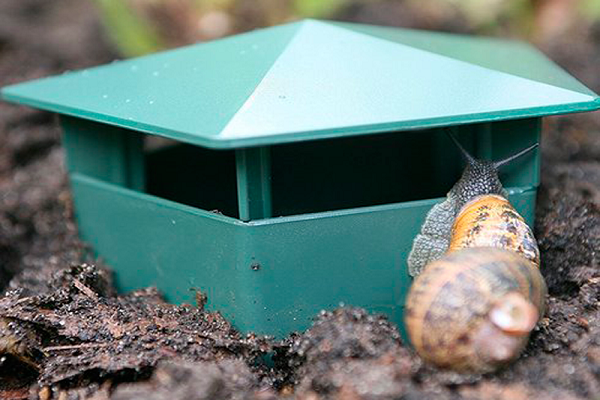
For the next trap, you'll need items that pests use as shelter and prefer to hide in during hot weather. Cabbage leaves, old boards, and orange peels (pre-soaked in water) are all excellent options. You can also use upside-down flower pots, which the pests can crawl under.
Regularly inspecting these areas and manually collecting snails and slugs hiding there from sunlight will be sufficient. To make the trap more attractive, sprinkle some dry pet food on it.
In the evening, place old boards, cabbage leaves, or flower pots in the garden and add bait. Check the traps every morning and destroy the pests. Once their numbers have decreased, check them every 7-10 days.
Adjusting watering
One of the factors that encourages slugs and snails to appear in the garden is excessive watering. Moisture that accumulates not only in the soil but also on plants attracts slugs.
It's best to water early in the morning so the soil can dry out sufficiently by evening. Regularly remove old mulch from the area, periodically applying a new layer. This will help reduce the frequency of watering while maintaining optimal soil moisture.
Wet mulch is a favorite habitat for slugs and snails, as it creates ideal conditions for them.
Chemicals
Natural methods don't always work, especially during rainy summers. In these cases, chemicals are often used.
By using the following preparations, you can get rid of slugs and snails:
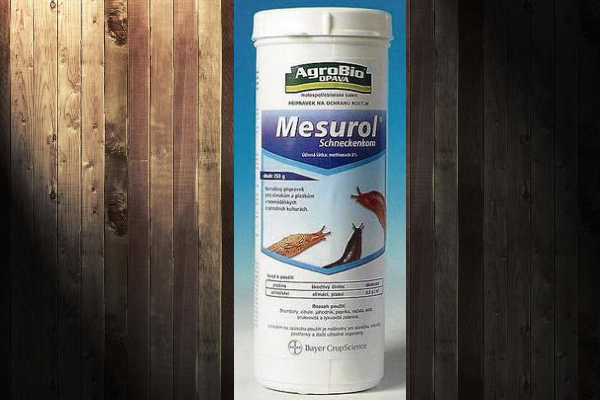
- Mesurol. These granules are scattered liberally in the snails' habitats. They are suitable for use even at low temperatures. They have an almost immediate effect, removing the snails' mucus.
The drug is applied 2-3 times, depending on the complexity of the situation, and until the pests are destroyed.

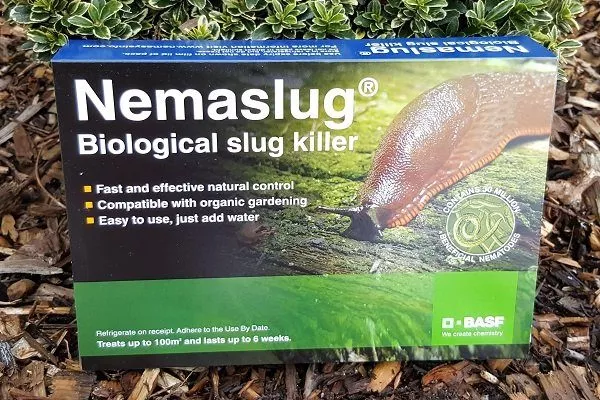
- Nemaslug. The product contains nematodes that penetrate the snails' bodies, causing their slow death. After approximately five days, the pests stop feeding and die within 10-14 days.
The product is used for spraying or watering plants. One to three applications per season are sufficient. - Anti-slip gel. The product is odorless and should be applied directly around the plants, creating a coating that provides reliable protection against slug attacks.
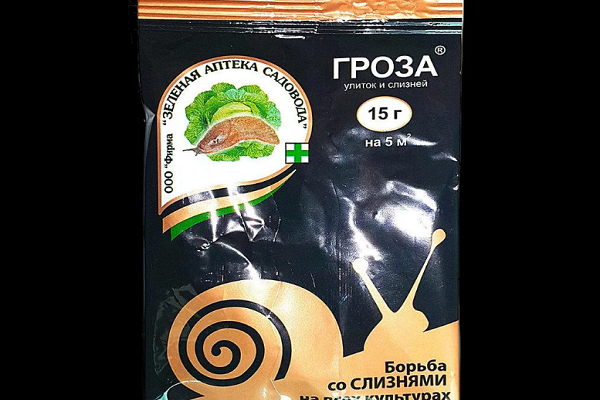
When growing indoors, the area around the greenhouse is treated, as pests can enter through underground tunnels.
Natural methods
To combat "slippery guests," you can use the following methods and remedies, which are easy to prepare yourself:
- Chicken eggshells. Dry and crush them first. Sprinkle the soil around the plants with egg crumbs. The pests have very soft and delicate bodies, so even the slightest damage causes severe pain.
In the same way, use river sand, crushed shells, coffee grounds, pine needles, nut shells, etc. - Red pepper, mustard, coffee (powder). Take 2 teaspoons of any solution and pour boiling water (200 ml) over it. Let the solution sit until it cools. Spray the prepared solution on plants early in the morning, in the evening, or on cloudy days.
- Ammonia. Dilute with water in a ratio of 1:6. Use a spray bottle to treat all plants affected by pests with the resulting solution.
The product has a weak concentration, so it does not burn the leaves, but the pungent smell repels mollusks. - Salt. Take coarse salt and sprinkle it along garden paths and compost heaps. It's deadly to pests, as it literally corrodes the bodies of snails and slugs.
Use salt with caution and not too often, as there is a risk of severe salinization of the soil. - Ash. Ash provides reliable protection for plantings. Scatter the ash over the beds, forming closed circles around them. Pests won't be able to get past this barrier, as the ash burns their bodies.
- Soda. Sprinkle slug and snail infestations with baking soda. Spray your plants with a solution of 100 g of baking soda and 25 g of soap per 10 liters.
- Vinegar. Treat the plantings with a vinegar solution: 50 ml of 9% vinegar per 10 liters of water.
- Coffee. Take used coffee grounds and mix them into the soil. Make cold coffee and apply the resulting solution to your plants.
- Infusion of wormwood. Grind the wormwood and add water at a ratio of 1:5 (500 g of plant per 5 liters of liquid). Stir the mixture every other day. After 4 weeks, the solution is ready. Filter and use to spray your plants.
Planting plants
By planting strongly scented plants in your garden, you can forget about slugs and snails. These pests are intolerant of certain crops, so they'll never appear in areas where they grow.
These plants include:
- Rosemary officinalis. This herb is an excellent deterrent to a variety of garden pests. The plant's leaves emit a bright, clean aroma that slugs detest. It can be grown outdoors or in pots; in summer, it can be brought out into the garden and placed near garden beds where snails have been spotted.
- Parsley. It has a bright and rich aroma, as the leaves and other parts of the plant contain essential oils. Parsley effectively repels mollusks, so it is recommended to plant it near crops susceptible to pest attacks.
- Thyme. The crop is classified as an aromatic oil plant. Thyme is almost never attacked by pests, providing protection to neighboring plantings.
- Sage. This essential oil plant contains unique aromatic biologically active substances. Thanks to its distinct, pungent aroma, sage repels slugs from garden beds.
- Basil. It has a pleasant aroma for humans, but slugs hate the smell. The plant contains essential oils in its above-ground parts.
- Lavender. The aroma of this plant is unpleasant and a strong irritant to slugs. Simply plant lavender in your garden and neighboring crops will be protected from pest attacks.
- Yarrow. Due to its essential oil content, the plant emits an aroma that is unpleasant to snails and slugs. Therefore, yarrow is often grown as a repellent.
Blocking
Install barriers around plants that are frequently attacked by slugs and snails. For example, dig a trench and install a plastic gutter around the bed, filling it with water.
Pests won't be able to get past this barrier. But make sure there's always water in the trench.
Manual collection
This is the most effective and simple way to get rid of slugs and snails. Collection is done by hand. It's best to do this in the evening, after sunset, or on cloudy days, or after rain in damp areas. This is when the pests emerge from their hiding places. It's a tedious task, but it yields noticeable results.
Be sure to check the underside and back of the leaves. Place all pests in a bucket filled with soapy water. You can collect them by hand, wearing gloves, or use tweezers.
Mulching
A layer of mulch can provide an excellent protective barrier against attacks from garden pests. Pine and spruce needles are recommended for this purpose. They have a powerful scent that repels pests. They are also very prickly, so they will prevent the mollusks from moving freely around the garden bed.
Living enemies
In nature, slugs and snails have natural enemies. They can be reliable pest control tools. But to do so, you'll first have to attract them to your property.
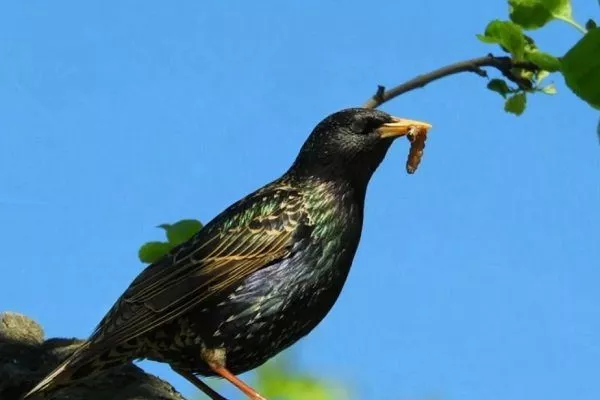
The following will help get rid of slugs and snails:
- Starlings. Place several birdhouses around the area. Initially, make sure the feeders are stocked with bird food to attract them. Gradually, the starlings will begin to forage for food on their own.
- Lizards. They actively feed on slugs and snails. To attract them to your garden, place decorative rocks, which will not only serve as decoration but also provide shelter for the lizards.
- Frogs. The property should have at least a small pond. It's a habitat for frogs and a beautiful addition to the property.
- Ground beetles. These are dangerous, fast, and predatory insects. Ground beetles require specific habitat conditions. They prefer to settle in moist depressions, where they dig comfortable burrows for themselves.
Not only adult insects, but also their larvae are very bloodthirsty. They feed on smaller slugs, fly larvae, caterpillars, and wireworms. The larvae live in damp mulch, where they also hunt.
Weeding
Slugs and snails prefer cool, damp places, where conditions are ideal. Regular weeding is essential, removing weeds and grass where pests can gather.
This procedure allows you to quickly and effectively reduce the number of hiding places for mollusks. A well-lit and warmed bed is less likely to attract pests, so their presence in clean areas is minimized.
To avoid having to resort to methods of dealing with slugs and snails, simply follow simple preventative measures. For example, keep the area clean, prevent overgrowth and waterlogged areas, maintain proper watering, and regularly loosen the beds.