
Without pollination, it's impossible to harvest. Some plants self-pollinate or cross-pollinate, but others require artificial intervention or don't need pollination at all. To ensure continued fruiting, it's important to carefully study the varieties and crops that self-pollinate.
How are fruits formed and flowers pollinated?
Pollination occurs only under certain conditions. Pollen, which forms in the plant's stamens—the male reproductive organs—must be transferred to the stigmatic surface of the pistil, considered the female. Here, fertilization of the ovule occurs, leading to seed development.
- ✓ Air temperature should be within 15-25°C for most fruit crops.
- ✓ Air humidity should not exceed 70% to prevent pollen from sticking together.
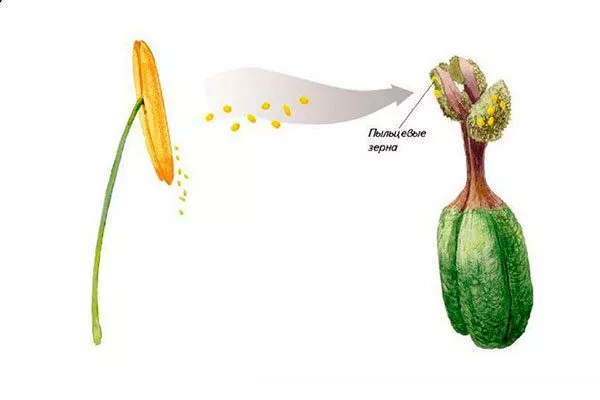
There are fruits that form without fertilization—these are called parthenocarpic. This phenomenon is characteristic of many selectively bred crops and often determines a stable characteristic of a variety. Characteristics:
- Parthenocarpic phenomenon occurs in certain varieties of grapes, as well as apple, pear and other garden trees and shrubs.
- Parthenocarpic fruits are typically characterized by abundant yields, improved flavor, and improved texture. They also offer advantages during processing.
- An interesting special case of parthenocarpy is that fruit development requires only the irritation of a flower's stigma by pollen from another plant species. For example, apple pollen can induce the formation of seedless fruits in a pear tree.
What is self-fertility?
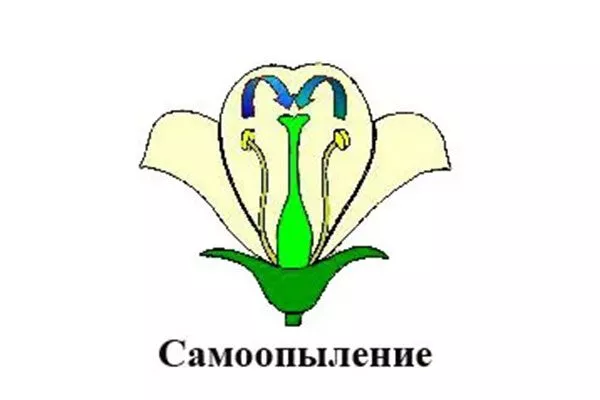
Self-fertile plant varieties are capable of successful pollination using only pollen from their own flowers, eliminating the need for external pollinators such as nearby similar plant species or insects.
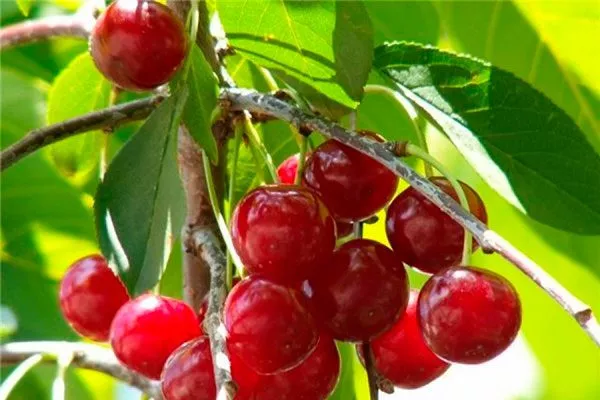
These plants have a unique floral structure where the stigma and anther are located fairly close to each other, facilitating self-pollination. This ensures abundant flowering and harvest even during inclement weather.
However, self-fertile varieties have a drawback: the yield is usually small compared to varieties pollinated by other plants or insects. Therefore, agronomists recommend planting pollinators nearby to increase fruit production.
The concept of partial self-pollination
Partial self-pollination refers to varieties that fall halfway between fully self-fertile and self-sterile. These plants have a reduced ability to fertilize: while self-fertile varieties fertilize in 45-50% of cases, partially self-fertile varieties only fertilize in 20-27%.
What is self-infertility?
Self-sterile varieties are fruit and berry crops that are unable to self-fertilize and produce fruit without external intervention. Pollination of these plants requires special attention and care, as it does not occur automatically.
This occurs through the attraction of bees or the transfer of pollen from neighboring pollinating plants. Typically, only 4-7% of the flowers of these plants can be fertilized by their own pollen, and without suitable neighboring donors, productivity is greatly reduced.
Self-fertility and self-sterility of fruit and berry bushes and trees
When choosing plants for your garden, it's important to consider their compatibility to ensure effective pollination. Before purchasing a seedling, it's important to determine which pollination method is most suitable.
As for the type of fruit crops, most varieties of apple and pear trees are self-sterile and require other varieties to bear fruit, while quince is usually self-fertile.
Sweet cherry varieties require pollinators, while some cherry varieties can self-pollinate. Most plums are self-sterile, although some self-fertile varieties exist. Apricots and peaches are usually capable of self-pollination.
Pollination methods – types
Natural pollination can occur in different ways:
- Self-pollination – transfer of pollen within the same plant.

- Cross-pollination – the arrival of pollen from other plants, which can be accomplished through:
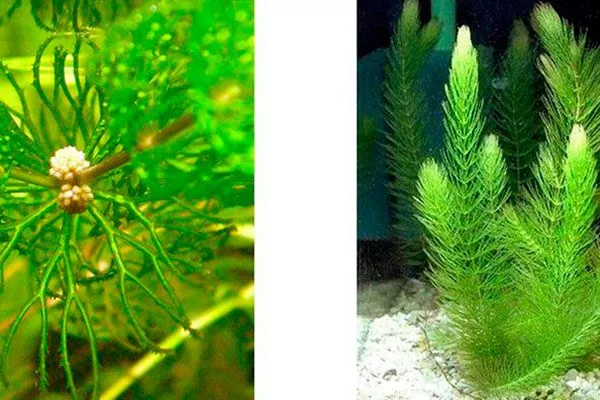
- hydrophilia, when pollen is carried by water;
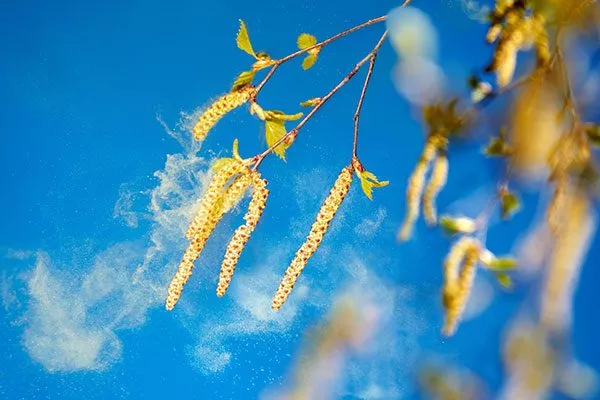
- anemophilia, in which pollen is carried by the wind;
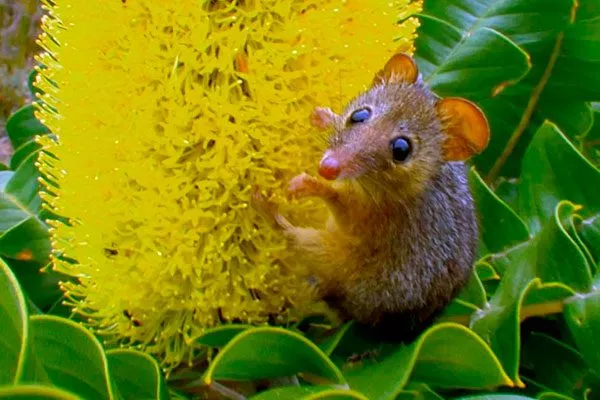
- zoophilia, when animals are involved in pollination;
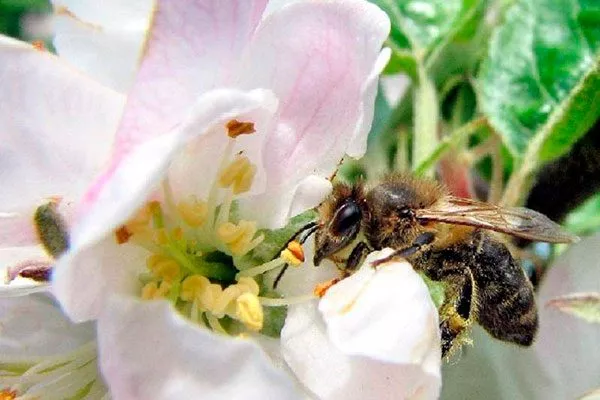
- entomophily, in which fertilization occurs thanks to insects;
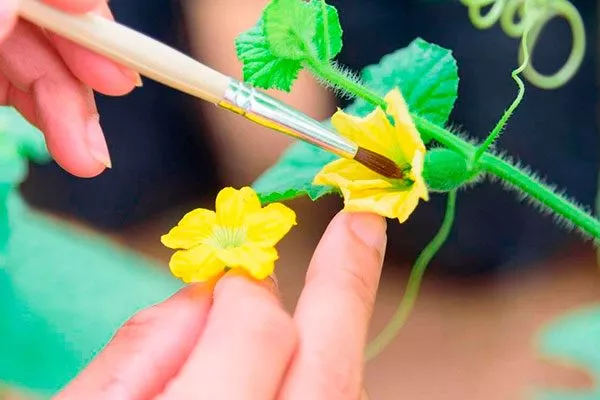
- artificial pollination, carried out by people.
- hydrophilia, when pollen is carried by water;
Artificial cross-pollination – what is it?
Cross-pollination involves the transfer of pollen from one plant to another, which is accomplished through the action of pollinators.
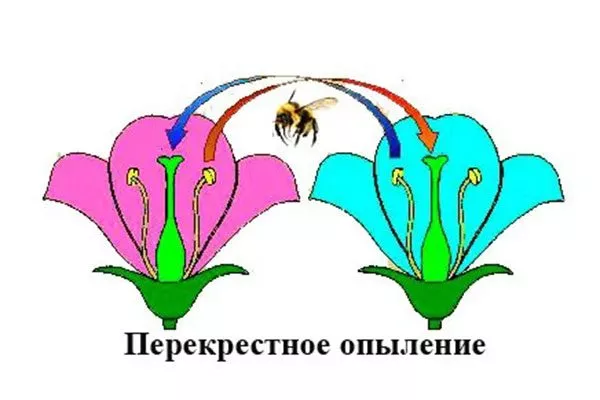
Advantages of hand pollination
Hand pollination is the process of transferring pollen from the anther to the stigma by humans, bypassing natural pollinators. This facilitates the successful reproductive process in plants, leading to the formation of pollen tubes and, subsequently, fertilization and seed formation, without which fruit cannot be produced.
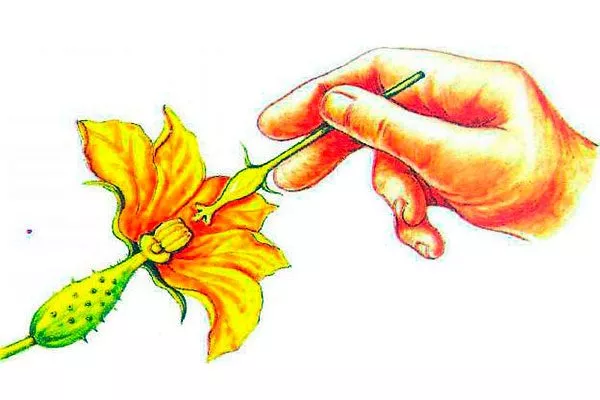
Why is it necessary to use hand pollination:
- Bees are among the most effective pollinators for most crops, but in recent years their numbers have declined due to pesticides and intensive agricultural production. This sometimes leads to situations where well-growing plants fail to bear fruit due to insufficient pollination.
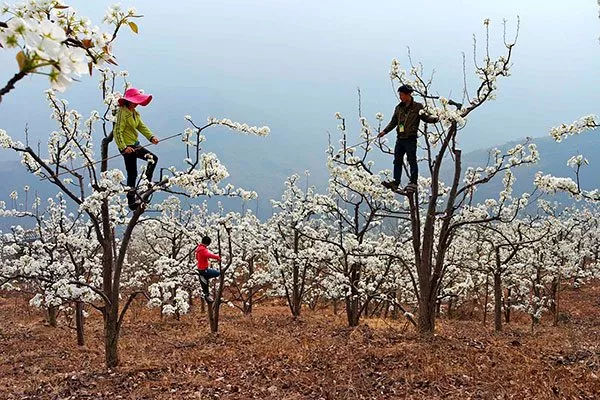
Hand pollination offers a solution to this problem, allowing for increased yields in the face of declining natural pollinators. - In some areas of China, particularly in apple and pear orchards, there is a dire need for hand pollination due to insect shortages caused by intensive pesticide use and loss of wildlife. Under these conditions, orchardists are left with no choice but to pollinate by hand to ensure a healthy harvest.
Other regions, including our own, are also seeing a decline in pollinator numbers, which also raises the issue of the importance of manual pollination for maintaining crop productivity.
Reasons to pollinate plants by hand
Manual pollination of plants is carried out for several main reasons:
- Increasing pollination efficiency. In conditions where natural pollinators such as bees are absent, hand pollination becomes necessary.
- Creation of new varieties. Cross-pollination between different species allows for the development of new plant varieties with desired characteristics, such as flowering, disease resistance, and improved genetics. This process is called hybridization and is a key tool in plant breeding.
- Preventing self-pollination. Hand pollination helps avoid self-pollination, which is important for maintaining the purity of varieties and can reduce the cost of purchasing seeds.
Methods of self-pollination
To carry out pollination independently, a gardener can use four main methods:
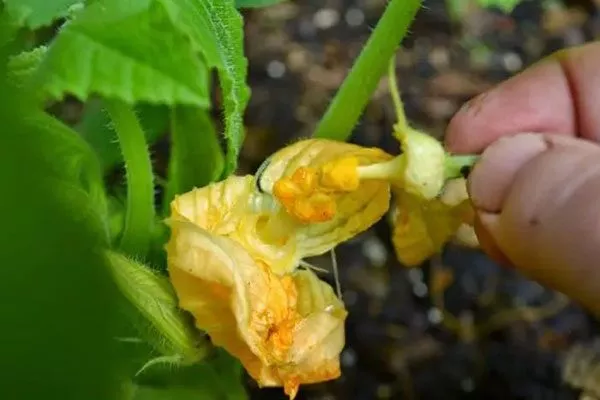
- Manual transfer of pollen. A simple method that requires no tools. The petals are separated from the male flower, then the anther is touched to the pistil of the female flower.
- Shaking the plant. Suitable for self-pollinating plants. Gentle shaking allows pollen to be transferred to the female reproductive organs.
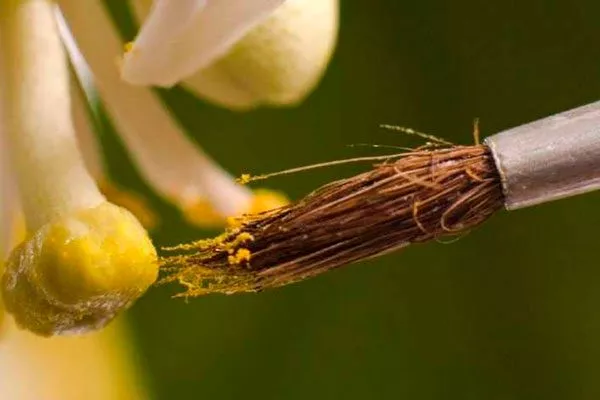
- Using brushes or toothbrushes. This method, despite its simplicity, is very reliable. Pollen is collected from the male anthers and carefully transferred to the pistil of the female flower.
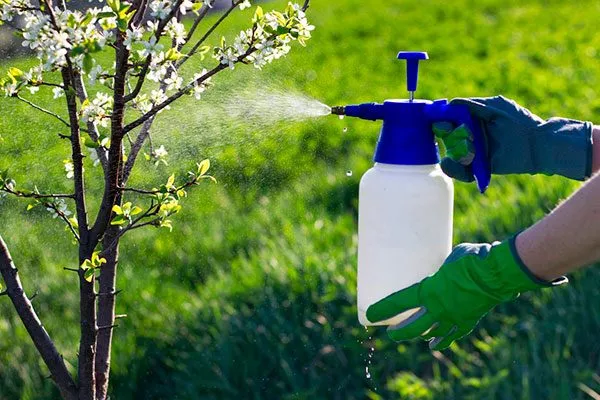
- Use of special stimulating drugs. These products contain components that nourish plants and stimulate fruit development even without pollination.
Pollinators for the most popular varieties of fruit trees
For successful pollination of fruit trees such as apples and cherries, the selection of suitable pollinators is critical.
Apple trees
| Name | Ripening period | Disease resistance | Frost resistance |
|---|---|---|---|
| Antonovka | Late | High | High |
| Saffron pepin | Average | Average | Average |
| Bellefleur the Chinese | Early | Low | Low |
| Scarlet anise | Average | High | High |
| Cinnamon Striped | Late | High | High |
| Folder | Early | Average | Average |
The following pollinator combinations are known for apple trees:
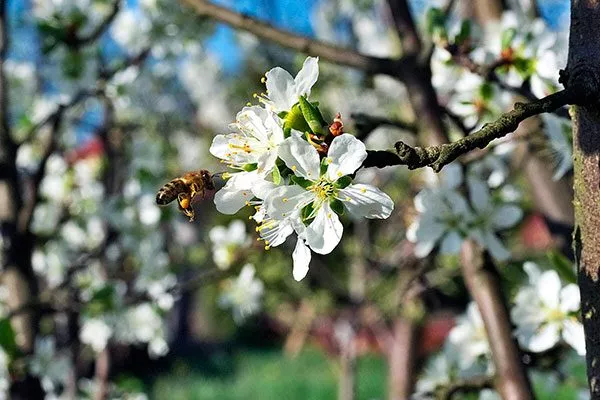
- The Antonovka apple tree is well pollinated by the following varieties: Saffron Pepin, Chinese Bellefleur, Scarlet Anise, Striped Cinnamon, and Papirovka.
- Mackintosh is effectively pollinated by Antonovka and Welsey.
Cherries
| Name | Ripening period | Disease resistance | Frost resistance |
|---|---|---|---|
| Ethics | Early | High | Average |
| Donetsk resident | Average | Average | High |
| Yaroslavna | Late | High | High |
| Donetsk beauty | Average | Average | Average |
| Valery Chkalov | Early | Low | Low |
| Sister | Late | High | High |
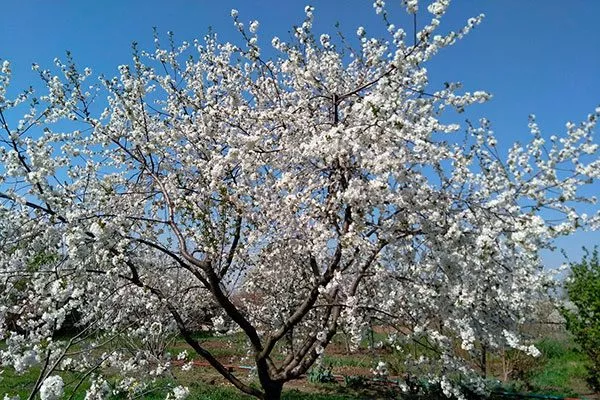
For the most popular cherry varieties, the following donors are relevant:
- Donchanka and Yaroslavna are suitable for Ethics.
- For the Donetsk beauty we need Valery Chkalov and Sister.
- For Yaroslavna you will need Ethika, Annushka, Drogana.
- For Valery Chkalov – Melitopol early and Priusadebnaya.
Pears
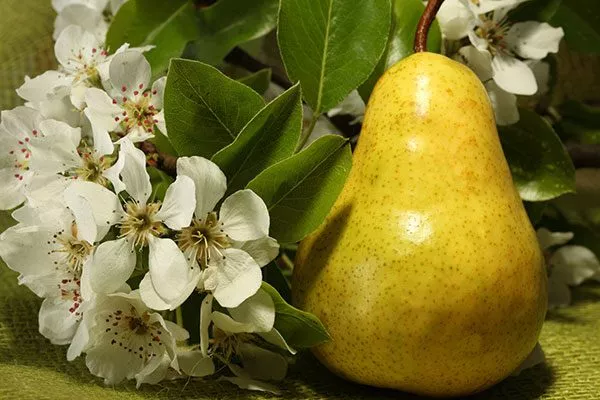
Most varieties are self-fertile, but some varieties require the following pollinators:
- for the Cure, plant the Winter Dean next to it;
- for Klapp's Favorite - Bere Bosk;
- for Bere Bosca - Williams;
- for Autumn Bergamot – Seedless.
Apricots
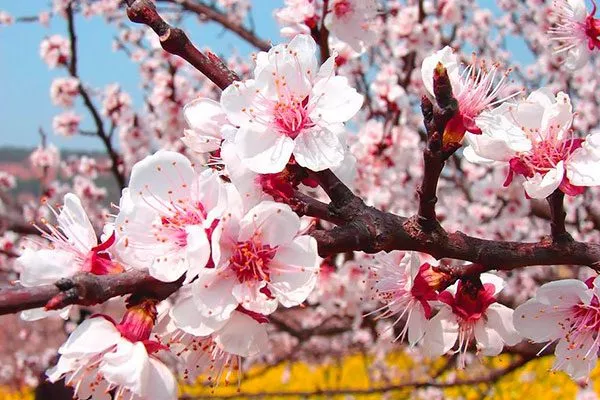
To ensure successful pollination of apricot trees, pollen must be collected simultaneously from several varieties that bloom at the same time. However, self-sterile apricots are rare—they mostly self-pollinate.
Plums
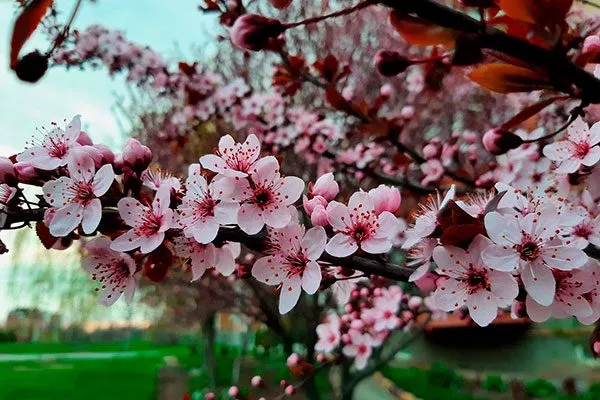
Of the plums, the two most popular self-pollinating varieties are:
- Anna Shpet – she needs Hungarian, Victoria or Renclode.
- Homemade Hungarian - Mirabelle Nancy or Kirke are planted nearby.
Which insects are considered the best pollinators?
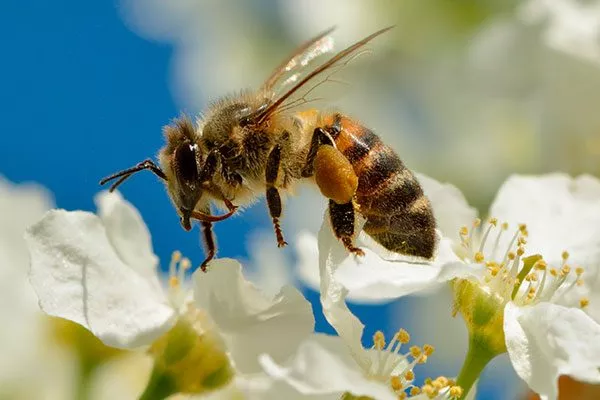
Most flowering plants (approximately 90%) depend on insect pollinators for their survival. Bees are particularly prominent in this important ecological function, performing a significant amount of this work. Honey and other bee products are essentially secondary results of their activities.
| Pollinator | Efficiency (%) | Preferred crops |
|---|---|---|
| Bees | 90-95 | Apple trees, pear trees, cherries |
| Bumblebees | 85-90 | Tomatoes, peppers, eggplants |
| Butterflies | 70-75 | Honeysuckle, buddleia |
The main and most important task of these hard-working insects is pollination of plants, which is crucial for crop yields:
- Bee pollination is a cost-effective and incredibly efficient way to increase crop yields, surpassing all other possible agricultural methods.
- Bees not only improve crop yields by producing products needed by humans but also by maintaining biodiversity, which is crucial. This applies to both bees living in apiaries and numerous species of wild bees, including solitary and social bees.
Other useful donors:
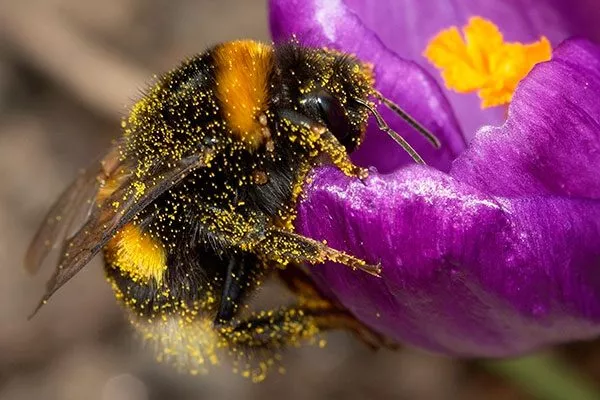
- Bumblebees are part of the true bee family, and wasps, although not part of this family, also make a significant contribution to plant pollination.
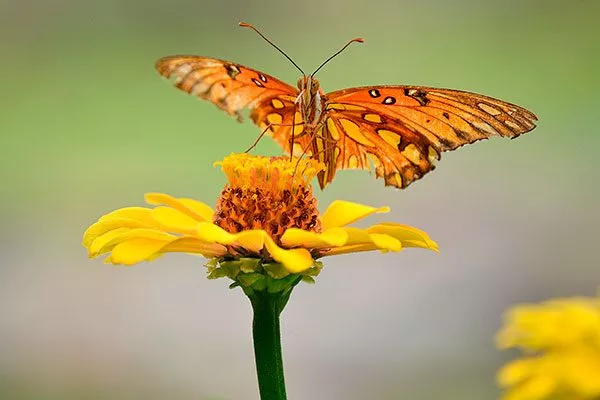
- Butterflies also play a significant role in pollination. For example, they effectively pollinate plants with deep nectaries located in the narrow tubular portion of flowers or spurs, such as honeysuckles and buddleias. Diurnal butterflies prefer brightly colored flowers, while nocturnal moths prefer those that emit a strong fragrance and bloom in the evening or at night. Interestingly, only 2% of butterflies are pests—the rest play an important role in pollination, and their offspring do not cause significant damage to plants.
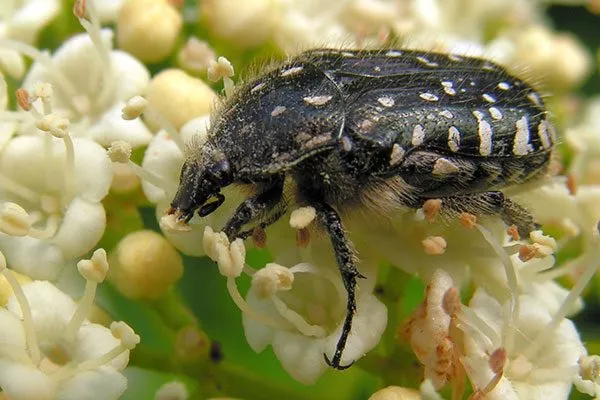
- Beetles are also effective pollinators, preferring large flowers, such as those of rose hips or lilies, or small flowers clustered in inflorescences, such as those of dogwood and elderberry. They rely more on the scent of flowers than on their color, which is usually inconspicuous on plants that attract beetles.
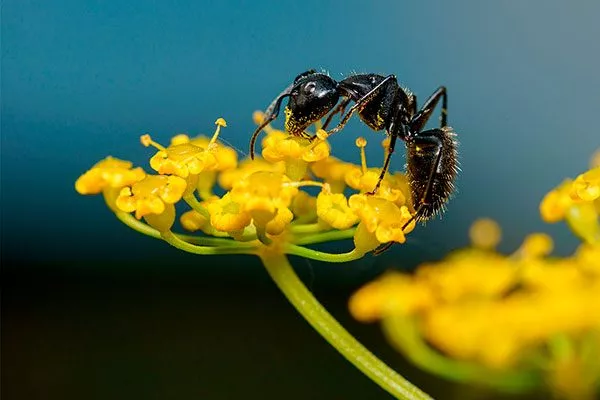
- Pollination is also carried out by ants, which crawl for sweet nectar on the flowers of umbelliferous and cucurbitaceous plants, where they also don't need to climb. However, they are often found on the trunks of trees and shrubs.
Requirements for successful pollination
Variety A can serve as a pollinator for variety B if the following criteria are met:
- Synchronous flowering with the main variety.
- Intensive production of high-quality pollen.
- Regular annual flowering.
- Absence of mutual cross-sterility between varieties.
- Correspondence of key development phases, such as flowering, ripening, and others.
- Similar viability of varieties.
For successful pollination, it is also critical to attract as many pollinating insects as possible by doing the following:
- Eliminate all external unpleasant odors that can repel insects, including aggressive insecticides, herbicides, and synthetic fertilizers.
- Plant fragrant flowers or plants attractive to insects, such as echinacea, petunia, lavender, and calendula, between garden beds.
- Use edible baits, such as flavored sugar water, and spray the plants with this solution.
- Place the hives closer to the greenhouse structures.
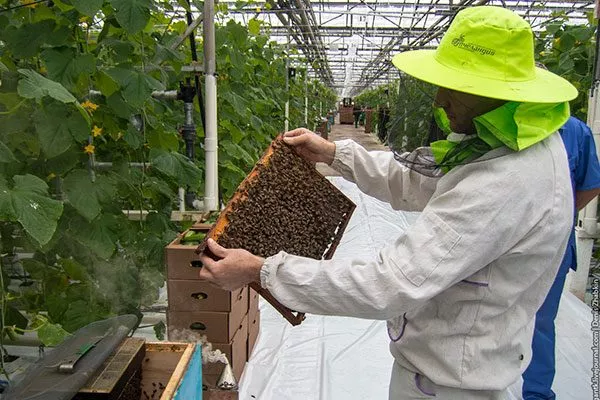
If, despite the measures taken, ovaries do not form, it is recommended to resort to artificial pollination.
How to create conditions for pollination in a greenhouse?
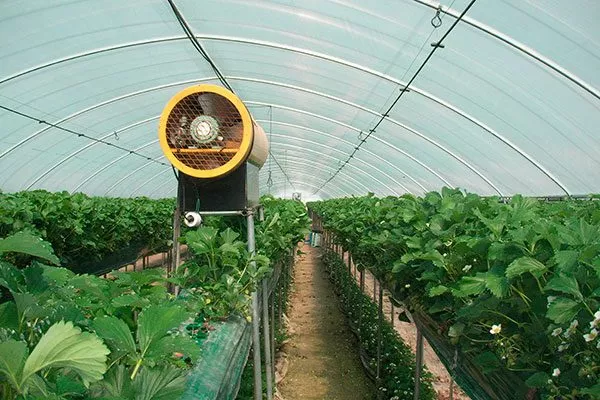
Greenhouses provide all the necessary conditions for natural pollinators to carry out the pollination process on their own. During the active flowering season, it is recommended to frequently open doors and windows to improve ventilation and ensure free air circulation. A fan can also be used to direct airflow toward the flowering plants.
Popular self-fertile varieties of fruit trees and shrubs
For your convenience, we provide a list of self-pollinating and partially self-pollinating varieties of fruit trees and shrubs that have earned a positive reputation in the conditions of central Russia:
- Apple trees, Recommended for growing: Molis Delicious, Melba, Welsi, In Memory of Tikhomirov, Bryanskoe, Zvezdochka, Antonovka Novaya, Astrakhanskoe Krasnoe, Velvet, Krasnaya Grozd.
- Cherries with good characteristics: Ballada, Brunette, Lyubskaya, Shakirovskaya, Memory of Yenikeeva, Assol, Shokoladnitsa, Apukhtinskaya, Dessertnaya Volzhskaya, Lotovaya, Tambovchanka, Griot Ukrainian.
- Cherries, known for their quality: Priusadebnaya Zheltaya, Slavyanochka, Bereket, Goryanka, Narodnaya Syubarova, Tyutchevka, Danna, Dolores, Pridonskaya.
- Pears, Popular with gardeners: Lada, Severianka Krasnoshchekaya, Bryanskaya Krasavitsa, Chizhovskaya, Pamyati Yakovleva, Rossoshanskaya Krasnaya, Shchedraya, Belorusskaya Pozdnyaya, Utrenyaya Svezhest.
- Currant with high potential: Green Haze, Alexandrina, Beauty of Altai, Bagheera, Fedorovskaya, Biryulevskaya, Brown Far Eastern, Sakalai, Veloy, Glebovskaya, Dubrovskaya, Izborskaya, Katerina, Poetry, Satrai, Dobraya.
- Plums, with excellent taste qualities: Pamyati Timiryazeva, Iskra, Vengerka Moskovskaya, Kabardinskaya Rannyaya, Krasny Shar, Anna Shpet, Zheltaya Samoplodnaya, Utro, Rannyaya Sinyaya, Skorospelka Krasnaya.
- Gooseberries, distinguished by their resistance and productivity: Selected Leba, Aaymiseppa, Prune, Belarusian Sugar, Plum, Isabella, Masheka, Canning, Dark Green Melnikova, Kuibyshevsky Black-fruited, Malachite.
- Apricots, proven in gardening: Krasnoshchyok, Vynoslivy, Ananasny, Snegirok, Medovy, Melitopolsky Ranniy, Lel, Rossiyanin, Severny Triumph, Tsarsky, Sardonyx, Dessertny, Surprise, Voronezhsky Ranniy.
- Cherry plums, Good for planting: Kubanskaya Kometa, Vetraz, Violet Cleopatra, Pramen, Naydena, Kometa Pozdnyaya.
In private gardens, where space is limited for planting a large number of fruit trees and shrubs, it's not possible to organize large-scale plantings with alternating varieties. However, you can optimize the distribution of plants by grouping them according to ripening time (it's not recommended to plant late-ripening and early-ripening varieties next to each other). If you have several early-ripening varieties, plant them next to each other.