
Fruit trees require fertilization at every stage of their life cycle. Whether they are young seedlings, fully developed plants, or mature specimens, the right fertilizers are essential for their health and development. Plants require specific fertilizer formulations at different times of the year.
Why is fertilizing necessary and when should it be started after planting a seedling?
Fertilizers play an important role, providing trees with the necessary nutrients for healthy growth, development, and fruiting. It's important to begin fertilizing seedlings immediately after planting to provide them with the resources they need to adapt to their new environment and stimulate their growth.
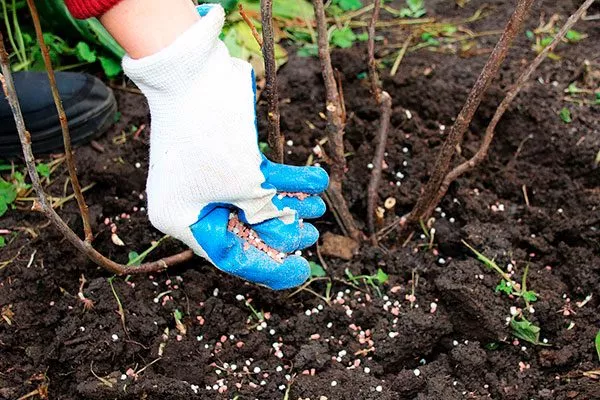
- ✓ The optimal soil pH for seedlings should be in the range of 6.0-7.0 for most fruit trees.
- ✓ The distance from the trunk to the place where fertilizer is applied should be at least 30 cm for young seedlings to avoid root burns.
After planting seedlings, especially young ones, their root systems may not be sufficiently developed to effectively absorb nutrients from the soil. Therefore, fertilizing during this period will help them through the adaptation period and stimulate growth.
Fertilizing should begin with the application of fertilizers specifically designed for new plants. These include organic, complex mineral fertilizers, or special planting mixes. These will increase resistance to stress and disease and the likelihood of good fruiting in the future.
Spring fertilizing
Spring fertilization plays an important role in preparing plants for active growth and fruiting in the new season. It is carried out at the beginning of the growing season, when the soil warms up and budding has not yet begun.
Nitrogen application rates for fruit trees in spring
The recommended application rate of urea or ammonium nitrate is 15 g per square meter of the tree's trunk circle. Although the fertilizer can be applied directly under the tree, the effect may be minimal or even nonexistent.
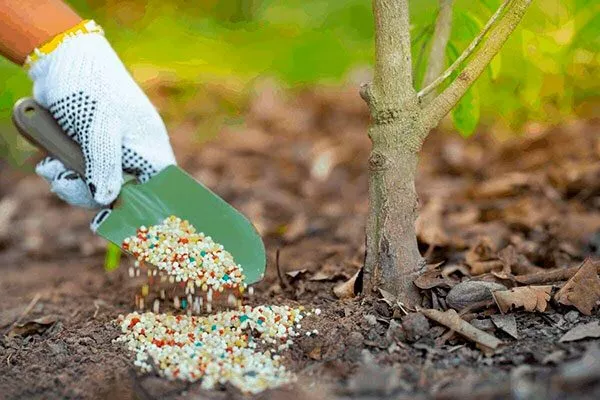
Granules remaining on the surface may not always reach plant roots. This may be due to a lack of spring rain or, conversely, heavy downpours that could simply wash the fertilizer granules into other areas of the soil.
Simple mineral fertilizers
As the first weeks of spring approach, when buds begin to open on the branches, the main priority is to ensure the growth of green mass. This stage is critical for the development of all crops.
Without sufficient foliage, plants will not be able to form buds and bear fruit. Nitrogen plays a key role, so apply fertilizers containing this element during this period.
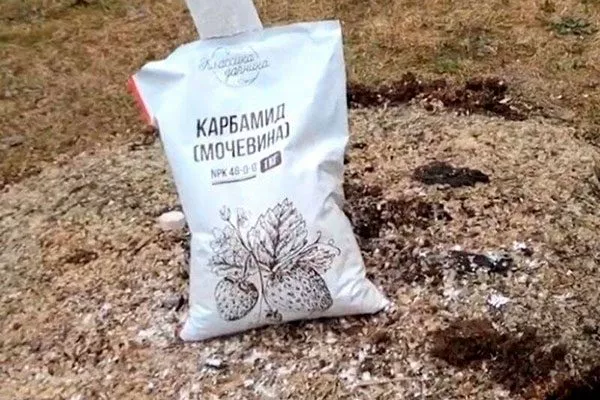
Urea, also known as carbamide
There are various methods for applying granular, highly concentrated nitrogen fertilizer. Here's a step-by-step guide:
- Spread dry ingredients evenly over moistened soil and knead gently.
- Water the surface of the soil.
- For 1 square meter of the trunk circle of one plant, use 30 to 50 g of granules.
Wood ash plus urea
This method is also suitable for berry bushes. To prepare the fertilizer, use ash powder from burnt wood or clean plant debris. It's important that the powder does not contain any impurities, such as plastic, fabric, colored paper, etc.
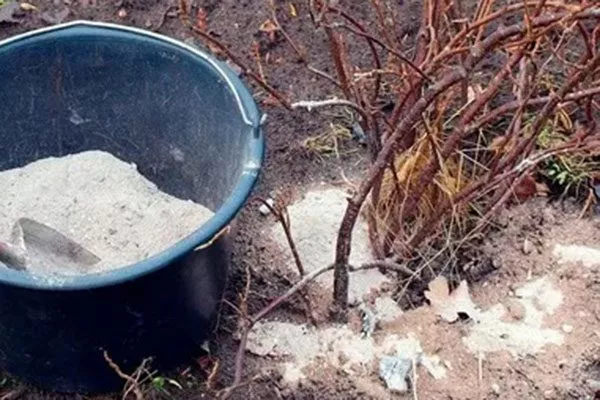
Mix 100 g of powder with 60 g of urea, then pour the mixture into a bucket of 10 liters of water and mix thoroughly. Water the plants at the roots with the resulting solution.
Bone meal
Bone meal is rich in phosphorus and calcium, making it an excellent source of nutrients. Phosphorus promotes root development and flowering, while calcium strengthens cell walls and improves overall health. To fertilize the soil with bone meal, use approximately 50-100 g per square meter.
- ✓ Bone meal should be light brown in color, without a rotten smell, which indicates its freshness and quality.
- ✓ It is preferable to use flour obtained from cattle bones due to its higher phosphorus content.
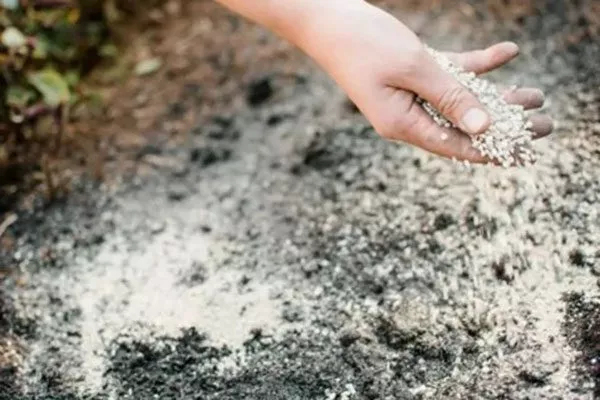
The fertilizer can be applied to the soil both in the spring before planting and in the fall after harvesting. It can be used as a dry powder or as a liquid solution, first dissolved in water. Spread it evenly over the surface of the tree trunk and gently mix it into the top layer.
Organic fertilizers
Using only natural ingredients is considered a safer and more environmentally friendly approach. They contain a wide range of macro- and micronutrients necessary for healthy plant growth.
How to dilute chicken manure?
It's important not to overdo the fertilizer concentration. To do this, use a container whose volume depends on the amount of fertilizer required. Fill about a quarter of it with manure, leaving the rest for water.
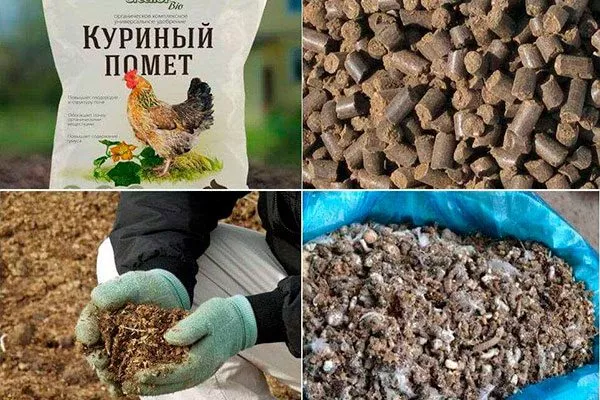
Leave the resulting solution for 4-5 days to ferment. Afterward, dilute the finished concentrate with water at a ratio of 1 to 20. Apply around the tree trunk, using approximately 2 liters per square meter of area.
Manure
Once in the soil, this material gradually decomposes, providing plants with the necessary nutrition throughout the season. To prepare, dilute the manure in a ratio of 1 to 5. Then mix thoroughly and let it sit for two weeks. Open the container every three days and stir the contents.
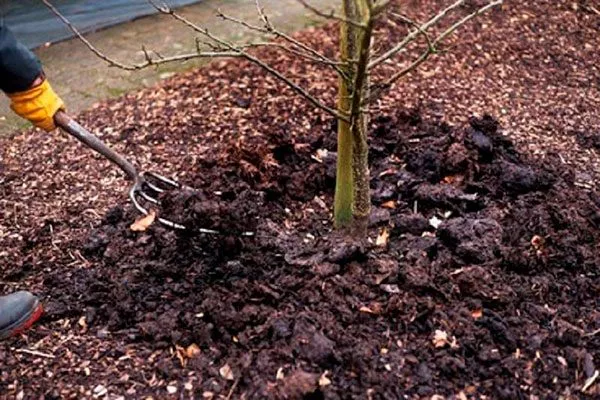
When the first bubbles begin to appear, fermentation has begun. From this point, wait about a week until the solution is fully prepared. Dilute it twice before use. You can add superphosphate (100 g) and wood ash (500 g) per 10 liters of solution.
Humus
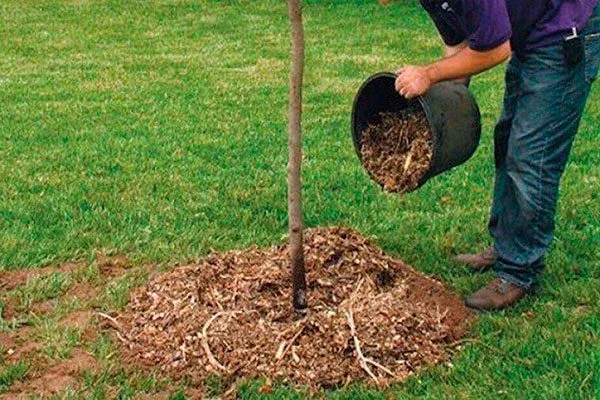
This organic fertilizer is a key ingredient and can be used for various types of fruit crops. Let's take a closer look:
- Apple trees. Apply up to 30 kg of compost. If the trees are over 9 years old, increase this amount by at least 1.5 times.
- Pears. Mix the compost into the soil in the spring. Typically, one tree requires about 20 kg of this fertilizer.
- Cherry/Sweet cherry. Apply compost during the first 4-5 years. Distribute the fertilizer evenly around the trunks at a distance of approximately 50 cm.
Complex mineral fertilizers
Two to three weeks after applying organic fertilizer, the leaves begin to unfurl, flowering, and fruit formation begins. At this stage, crops require potassium and phosphorus.
Nitroammophoska
For optimal growth, use a mineral complex containing essential nutrients in an easily digestible form. Sprinkle the granules around the moistened trunk and work them into the soil.
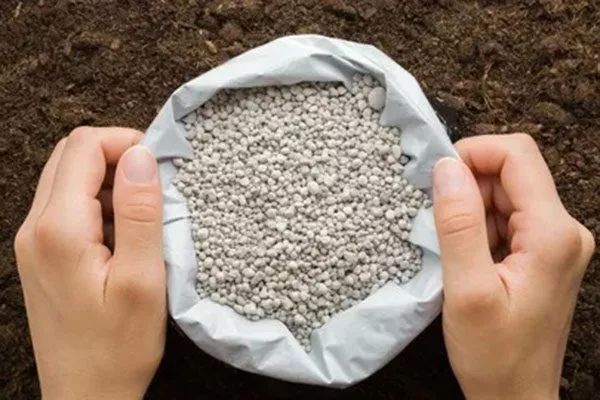
Superphosphates
Granular phosphorus fertilizers are available in two forms: double superphosphate and regular superphosphate. Both contain the same composition, differing only in phosphorus concentration. They are suitable for fertilizing fruit and berry crops.
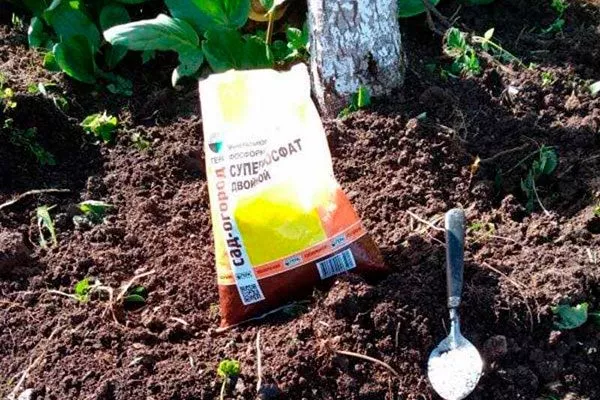
Add fertilizer granules to the moistened area around the trunk. For double superphosphate, use 15 to 30 g per plant, and for single superphosphate, use 30 to 50 g.
Potassium sulfate
The ideal potassium fertilizer is a fertilizer containing approximately 50% readily available potassium in the form of a light powder that dissolves well in water. Apply it dry, working it into the root zone at a rate of 20-25 g per square meter.

Agronomists do not recommend applying potassium and phosphorus fertilizers simultaneously; it is preferable to do so several days apart. Do not use potassium in its pure form. Mix it with dolomite, slaked fertilizer, or nitrogen-containing substances to increase its effectiveness.
Sodium humate
This complex of organic and mineral substances contains all the essential elements for plants. It is available in powder form and can be used to prepare a working solution for spraying the crown.
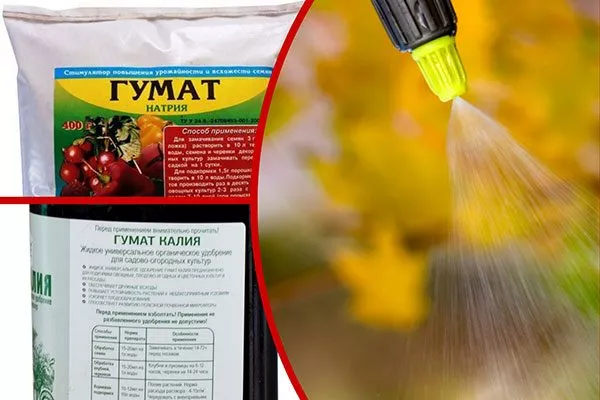
To prepare a solution, dissolve 5 g of powder in 10 liters of water at 25-27°C. Apply this solution generously to the branches and leaves of plants. Spray in calm weather for best results.
Potassium humate Universal Souffler
This concentrated organomineral complex increases crop yields, prolongs the fruiting period, and accelerates fruit ripening. The fertilizer is available as a liquid concentrate.
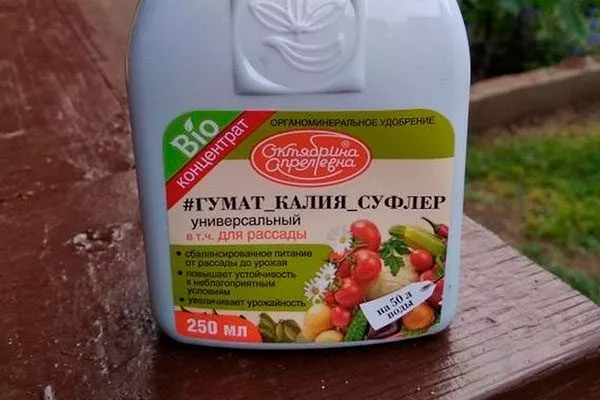
Prepare the solution according to the package instructions; the dosage may vary depending on the crop type. Spray the crowns of shrubs and trees generously to ensure the complex is effective.
Boric acid
This fertilizer is especially effective during the ovary formation stage, as it promotes fruit formation and prevents fruit drop. To prepare the solution, use boric acid powder or tablets.
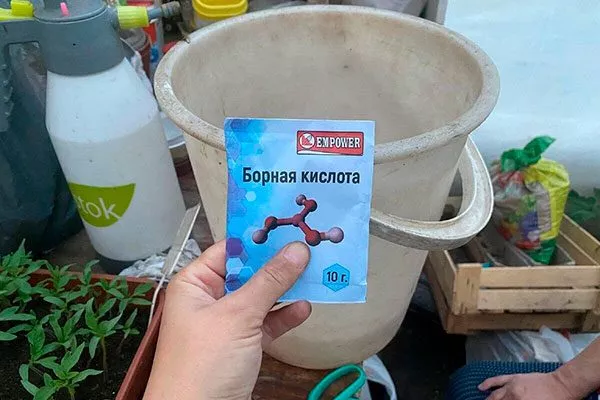
For every 10 liters of water, use 2-2.5 g of powder. Since the powder dissolves poorly, first dissolve it in a small amount of warm water in a separate container, then add it to the main container. Spray the crowns of your plants generously with the resulting solution.
An effective method for applying spring fertilizers
According to gardeners, the most effective method is to place fertilizer in holes along the perimeter of the tree's trunk. The recommended depth for fertilizer holes is no more than 20 cm. An average tree typically requires about a dozen such holes.
The process of applying fertilizers is simple:
- Dig a hole.
- Add the required amount of fertilizer.
Add humus if desired. - Fill the holes.
This method has a positive effect on the aeration of the soil in the tree trunk circle, promoting the renewal of the root system.
Summer feeding
Caring for fruit trees and shrubs includes regular fertilization, which is necessary throughout their entire life cycle, not just at planting or replanting. During the summer, it's especially important to enrich the soil and root system with nutrients.
June and July
If you applied fertilizer in the spring, you can avoid root fertilizers in June and July, but foliar feeding is required. These are effective and allow you to quickly adjust your plant's nutrition if needed.
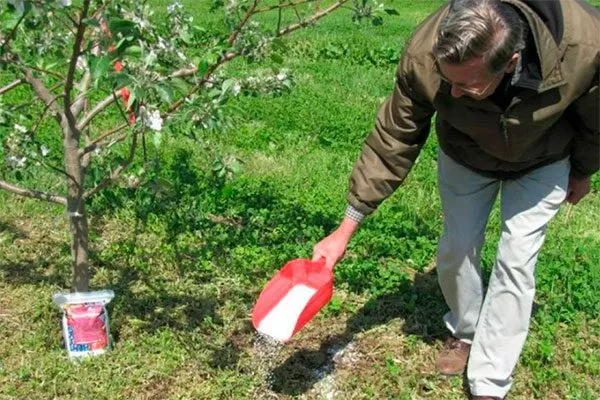
If you notice any problems with your plant, such as a deficiency of certain elements, then foliar feeding will help address this issue.
Helpful tips:
- For foliar application, use urea or other simple fertilizers, after dissolving them in water.
- Solutions should be weak to avoid burns.
- Use organic remedies, such as herbal tinctures. They should be of a weak concentration.
A less labor-intensive option is to use ready-made complex fertilizers. Gardeners recommend using bio-products based on the Bacillus subtilis bacteria and enriched with microelements, such as Gumfriend and Khelprost. They have fungicidal properties, protecting against fungal infections.
August
In August, daylight hours decrease, leading to earlier darkness, and nighttime temperatures drop to 11-14°C. These changes signal the onset of winter, and during this period, nitrogen fertilizer application should be reduced.
Nitrogen promotes vigorous growth of shoots, which in harsh weather may not have time to sufficiently strengthen and prepare for winter. Frozen shoots can cause various problems for plants.
Autumn fertilizing
Autumn fertilizers should be rich in phosphorus and potassium, which strengthen wood and increase plant resistance to stress. A combination of superphosphate and potassium sulfate is optimal.
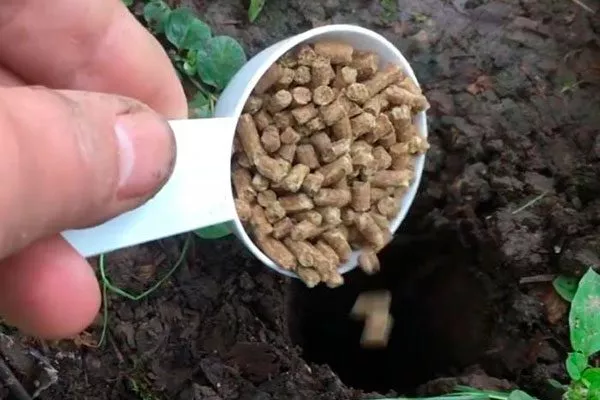
Fertilizer application procedure:
- Dig holes 25-30 cm deep along the perimeter of the tree trunk circle.
- Apply a mixture of superphosphate and potassium sulfate in equal proportions (50:50). Adjust the dosage depending on the age and size of the tree.
- After filling the hole with soil, water it well.
As an alternative to the above-mentioned fertilizers, use complex autumn fertilizers. They may contain a small amount of nitrogen, but the percentage should not exceed 10%. These fertilizers contain a complex of microelements, which promotes more complete plant nutrition in the fall.
Fertilizing schedule depending on the type of tree/bush
If you've prepared the planting hole well, the young tree will receive sufficient nutrients for 2-3 years. The frequency of subsequent fertilization depends on the soil fertility and watering schedule. Typically, gardens that are regularly watered are fertilized twice (in spring and fall) or three times per season.
Pome crops
Pome crops (apples, pears, quince, etc.) are extremely sensitive to calcium and magnesium deficiencies, which should be taken into account when developing a fertilizing plan. In April, apply 30-50 g of urea (carbamide) per square meter (approximately 150-250 g per tree). When using organic fertilizers, reduce the dose by half.
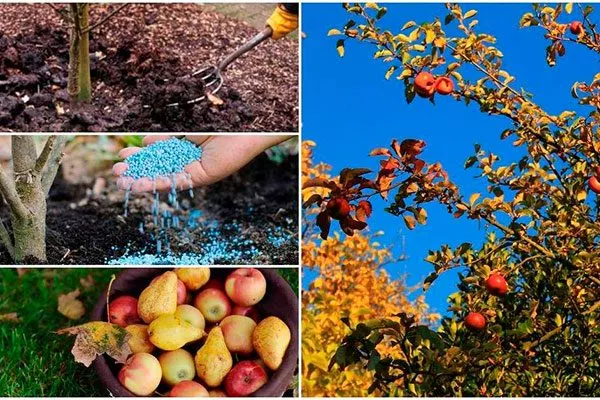
At the beginning of flowering and after fruit set, apply 20-30 g of complex fertilizer and 150 g of ash. Apply 30 g of potassium sulfate annually in mid-September and 30 g of double superphosphate every three years. The rates are based on 1 square meter.
Stone fruits
Stone fruits (cherries, plums, apricots, etc.) require high calcium levels and are intolerant to chlorine. In April, feed them the same way as pome fruits.
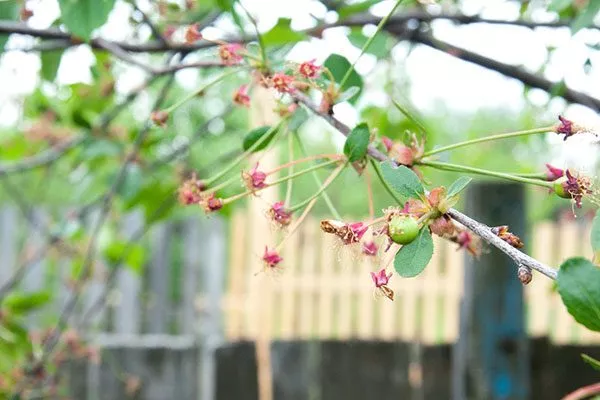
After flowering, at the end of May, apply diammophoska according to the instructions, 100 g of ash per 1 square meter of the tree trunk circle. In September, apply fertilizer according to the technology for pome crops. Additionally, deacidify the soil every 5-6 years in the fall.
Features of fertilizing individual trees in the garden in spring
Fertilizing individual trees in the garden in spring has its own specifics, depending on the plant type, age, soil condition, and overall health. Consider several key aspects:
- Apple trees. Fertilize twice. The first time, use nitrogen fertilizer. For the second time, use a mixture containing superphosphate, potassium sulfate, urea, or organic components (bird droppings or slurry). Let the mixture sit for at least 7 days, then water the apple trees.
- Cherry. Fertilize in three stages: apply nitrogen fertilizer to the roots, add organic matter during flowering, and apply slurry or compost after flowering. No additional fertilizing is required during the first three years after planting.
- Pear. Fertilize twice: before flowering with urea, and after flowering with organic fertilizer. A third feeding can be done in the summer, especially if the soil is poor.
- Apricot. Trees especially need nitrogen fertilizers. Before bud break and before flowering, apply a urea and ammonium nitrate solution.
- Plum. Fertilize with ammonium nitrate, adding it to the soil, then apply a solution of urea and potassium sulfate.
- Shrubs. Feed berry bushes with nitrogen – apply it to the soil, then dig it in. Gooseberries appreciate being sprayed with superphosphate and potassium sulfate.
Each type of tree and shrub has its own nutrient requirements, so it is important to select fertilizers that take into account their individual characteristics and needs.
Rules for effective fertilization of fruit trees
One of the key components of successful spring fertilization of fruit trees is moderation. This is especially important given the soil type on the site.
On fertile soil, fertilizers may be unnecessary in the first years after planting, while on low-yield soils, fertilizers are necessary for the proper formation and development of plants.
Fertilization solves several problems:
- Ensuring high-quality and abundant fruiting.
- Strengthening the immune system and protecting against diseases and pests.
- Replenishment of the deficiency of useful elements in the soil.
- Normalization of soil acidity.
Consider the following factors when feeding:
- If the harvest last year was unsuccessful, fertilizing may not be necessary this year.
- If pruning has been carried out, it is not recommended to apply fertilizers, as this may slow down the fruiting process.
- Use spring nitrogen fertilizers with caution, as the soil may still have sufficient nitrogen after winter. The optimal time to apply nitrogen is in late summer or early fall.
- If fertilizer was already applied when the trees were planted, avoid pruning. This will help the trees begin bearing fruit earlier.
- To achieve large fruits, regulate the yield by removing some of the ovaries.
Fertilizing fruit trees plays a vital role in healthy growth, development, and abundant fruit production. Properly selected fertilizers enrich the soil with essential nutrients, improve its structure, and stimulate biological activity, promoting resistance to stress and disease.