
The Columbia Giant blackberry is one of the most resilient and productive varieties. Its abundant yields and disease resistance make it an attractive choice for gardeners. This variety possesses a number of characteristics that contribute to its successful cultivation. Care plays a crucial role in ensuring high yields and strong immunity.
Description of the variety
The Columbia Giant blackberry is a selectively bred variety developed at Oregon State University in the United States. It is distinguished by its high yield and excellent berry flavor.
Bushes
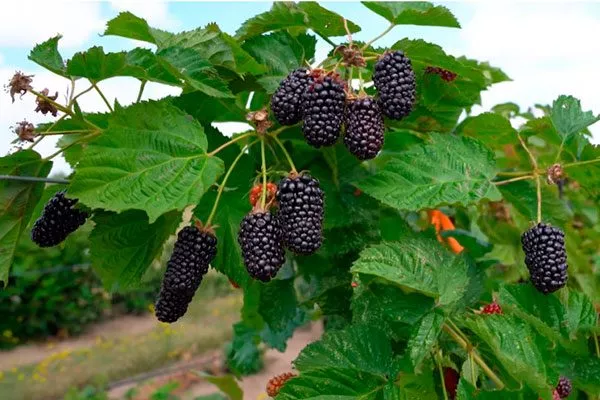
The shoots are vigorous, upright, and robust, reaching 1.5 to 2.5 meters in height. Their main characteristic is the absence of thorns. The branches are covered with large, green leaves.
Berries
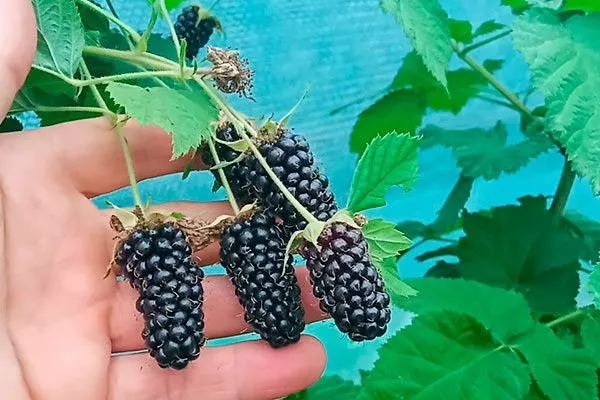
They have a conical shape, reaching over 5 cm in length. They are a deep black color. The average weight of a single berry is 12-15 g, but some specimens can reach up to 23 g. The flesh is firm and dense.
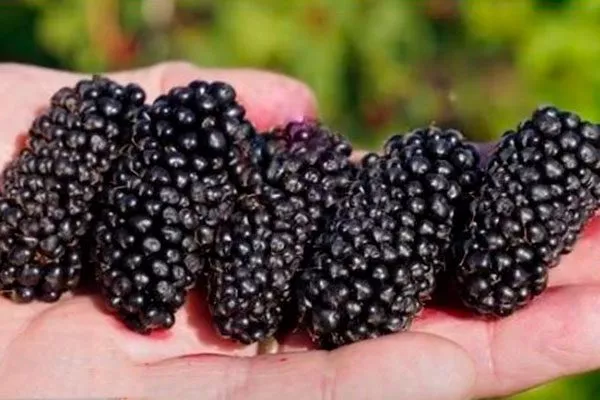
The berries of this variety have excellent flavor. They have a sweet taste with a distinct raspberry aftertaste and a slight tartness.
Productivity
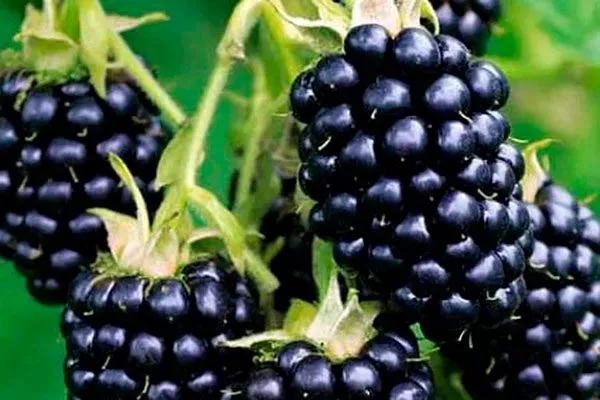
It is characterized by a medium ripening period. The first berries begin to appear as early as June, and the last ones are picked from the bushes in September, allowing for fresh fruit to be consumed throughout the summer.
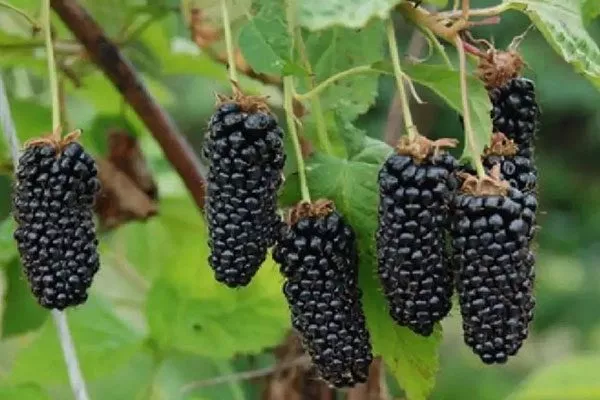
It is distinguished by its good yield. Each bush yields 5 to 8 kg of fruit, and up to 35 kg of berries can be harvested from 1 square meter.
Brief description
The variety was specifically developed for commercial cultivation and sale of large berries. The focus was on creating undemanding plants resistant to adverse climate conditions, diseases, and pests. The crop is virtually disease-free and poses no problems for gardeners.
Pros and cons
Before planting seedlings in your garden, make sure the variety fully meets your expectations. The Columbia Giant blackberry has the following advantages:
Among the shortcomings noted by gardeners are a noticeable sourness in the taste even in fully ripe berries and low winter hardiness.
Landing
Seedlings are planted in open ground in the spring, in April-May, or in early autumn, 45 days before the onset of frost. Autumn planting is only suitable for cultivation in southern regions.
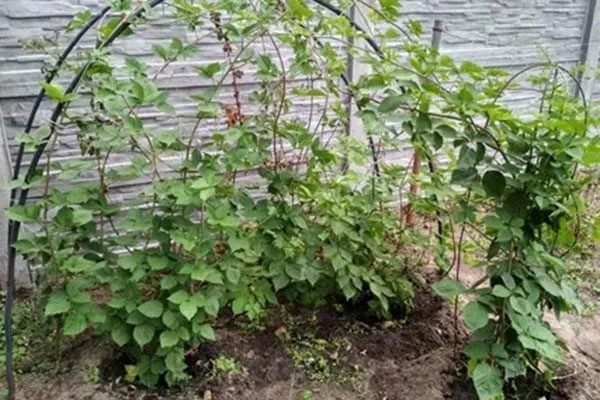
The soil should be fertile, moisture-retentive, and loose, with a moderate acidity. Blackberries thrive in clay soil, fertile sandy soil, and black soil. Before planting, add the following ingredients to each square meter of the bed:
- 6-8 kg of rotted manure or compost to enrich the soil with organic matter;
- 5-6 kg of sand or gravel, in case of heavy soil, to improve its structure and drainage;
- 80 g Superphosphate to provide plants with phosphorus, necessary for the development of the root system and the formation of fruits;
- 40 g of potassium sulfate to maintain plant health and improve fruit quality.
Step-by-step algorithm:
- Dig a planting hole about 50 cm deep and wide.
- Place the seedling in the center of the hole so that the root collar is at soil level.
- Carefully straighten the roots and fill the hole with soil, compacting it.
After planting, water the seedling generously and then mulch the soil around the plant.
Growing and care
Caring for the Columbia Giant blackberry is crucial to ensuring maximum yield. Follow these important care steps:
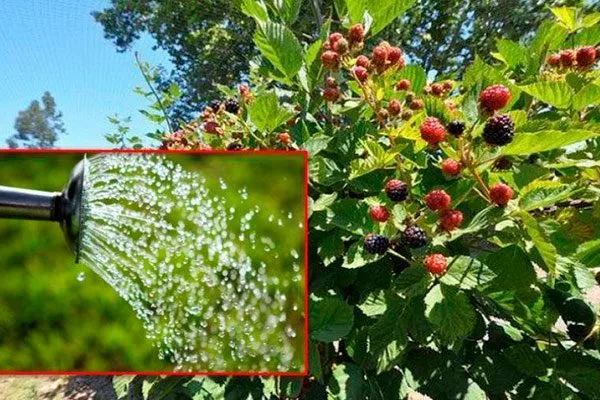
- Watering. Regular and abundant watering is essential, especially during the berry formation period. If rainfall is minimal, water the bushes twice a week, using at least 20 liters of water per square meter, and avoid getting the foliage and fruit wet.
- Trimming. Remove fruiting shoots in the fall, leaving only up to 8 strong stems. In the spring, trim the tops of one-year-old branches by 20 cm to stimulate new growth.
- Top dressing. Regular fertilizing is essential for producing large berries. Fertilize at least three times a season, starting in the bush's third year. Use nitrogen fertilizers in the spring, and during flowering and fruit set, apply complex mineral fertilizers with microelements.
- At the beginning of the growing season, apply nitrogen fertilizers (for example, urea) at a rate of 20 g per bush to stimulate shoot growth.
- During the flowering period, use a complex mineral fertilizer with microelements (for example, NPK 10-10-10) to maintain plant health and improve fruit quality.
- After harvesting, apply potassium and phosphorus fertilizers to strengthen the root system and prepare the plants for winter.
After harvesting, add superphosphate and potassium sulfate to the soil to strengthen the root system and prepare for the winter period.
Preparing for winter
The Columbia Giant blackberry is not particularly frost-resistant, so in temperate climates, reliable shelter is required. This process involves two steps: mulching the soil beneath the plants with sawdust or straw and covering the seedlings with agrotextile or film.
After treating plants with fungicides, mulch the area around the tree trunks. The layer of straw or sawdust should be at least 30 cm thick.
In October, after light frosts, bend the stems to the ground and cover them with a protective material, such as burlap or lutrasil, and top them with spruce branches. You can install arches and cover them with thick plastic to prevent it from touching the stems.
Diseases and pests
The crop is rarely susceptible to diseases and pests. Two preventative treatments per year are sufficient to maintain plant health. In the spring, after bud break and after harvest, use systemic fungicides such as Skor, Topaz, and Bordeaux mixture.
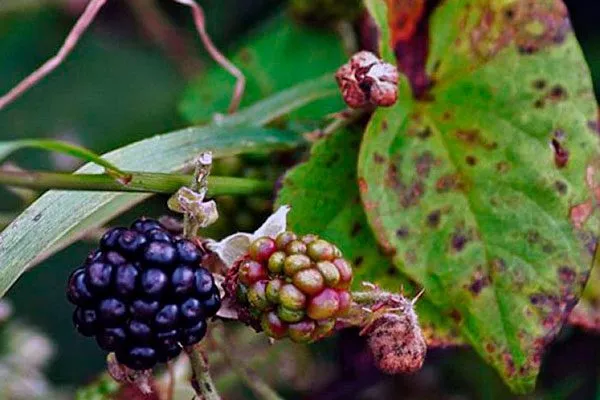
Use insecticides such as Fitoverm, Actellik, and Iskra. These measures will help ensure healthy plant growth and protect them from potential diseases and pest attacks.
Reproduction
Columbia Giant blackberry can be propagated in two ways. Choose the method that best suits your needs for increasing the number of seedlings:
- Root suckers. Root suckers, strong and healthy shoots, are ready for transplanting in midsummer when they reach a height of 30-40 cm. Carefully dig them up along with a portion of the root and cut them from the mother plant. After planting, water the seedlings regularly and protect them from direct sunlight.
- By apical layering. In early summer, bend the shoot down to the ground and partially bury it, leaving the tip above the surface. The rooted portion of the shoot should be 10-20 cm deep. Water the rooted shoot regularly throughout the summer.
Reviews
The Columbia Giant blackberry is an excellent choice due to its low maintenance, high yield, and high-quality berries. Favorable growing conditions and easy care make this variety attractive to a wide range of gardeners, ensuring consistent and regular fruiting.