
When it comes to growing apple trees in cold regions, gardeners often encounter conflicting information. Let's figure out what really affects a tree's ability to withstand frost, and what's true and what's myth.
What is winter hardiness?
Winter hardiness is the ability of plants to withstand adverse conditions during the winter months, including low temperatures, sudden temperature changes, wind, snowfall, and freezing rain, while maintaining viability and minimizing damage.
This term is often used to describe fruit trees, shrubs, and other agricultural crops. High winter hardiness means the plant is able to recover from cold damage and produce a good harvest the following summer.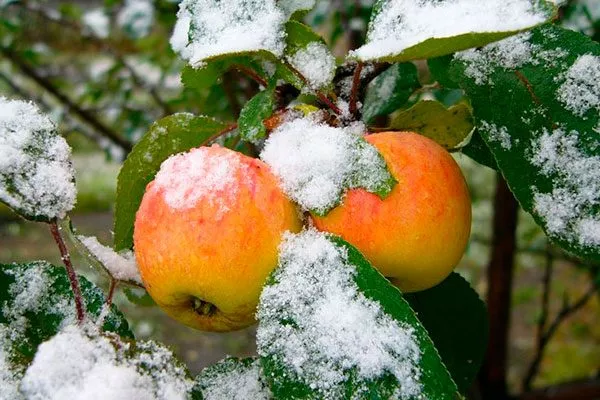
Factors determining winter hardiness of plants:
- Genetics and origin of the variety: some varieties are initially adapted to harsh winters.
- Plant age: Mature trees are usually more resilient than young seedlings.
- Plant health and overall condition: Healthy and properly maintained trees are better able to withstand cold weather.
- Soil quality, water and nutrition supply: good growing and maintenance conditions increase sustainability.
- The climatic characteristics of the region: the presence of snow cover, the level of humidity, the duration of the cold period affect the adaptation of plants.
Thus, winter hardiness is important for any gardener or farmer striving to obtain high-quality harvests despite difficult natural conditions.
Myth #1: All varieties are equally winter-hardy
Reality: The differences between varieties are colossal. While Antonovka can withstand -40°C, the popular Golden Delicious freezes at -25°C. Breeders are specifically developing frost-resistant hybrids for different climate zones.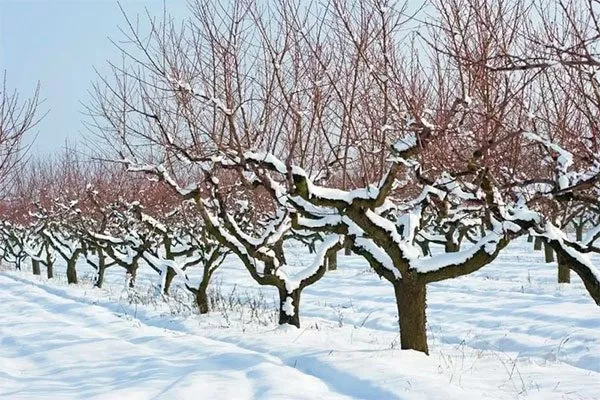
Myth #2: Young trees are more vulnerable
In fact, one-year-old seedlings are indeed sensitive, but properly winterized 3-5-year-old trees often demonstrate better winter hardiness than older apple trees.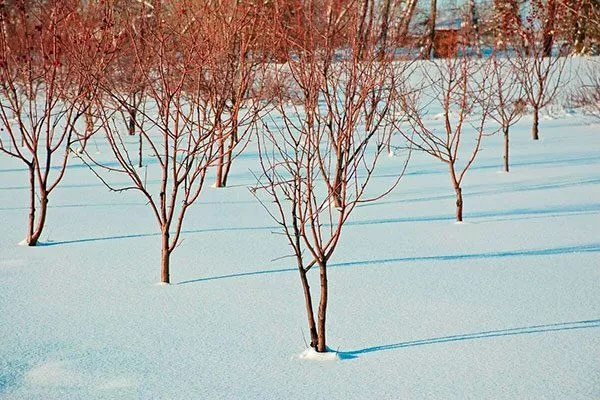
Why does this happen? - characteristics of young trees:
- Weak root system. One-year-old seedlings have underdeveloped root systems, which are unable to fully absorb moisture and nutrients from deep soil layers. At low temperatures, such root systems are easily damaged, causing problems with the nutrition of the entire plant.
- Tender bark. The bark of young trees is thin and tender, it reacts more quickly to environmental changes and is more susceptible to sunburn, wind and frost cracks.
- Growth activity. Actively growing shoots of young trees have low concentrations of protective substances such as antioxidants and tannins, making them less resilient to extreme conditions.
It is this activity that contributes to increased winter hardiness in the future. If a young tree has been properly prepared before winter (for example, by whitewashing the trunks and mulching), it is able to accumulate more nutrients and develop protective mechanisms.
Why do three- to five-year-old trees tolerate frost better?
- Denser wood. Over three to four years of active growth, the bark becomes thicker and stronger, forming a natural protective barrier against hypothermia.
- Optimal root development. In trees older than three years, the root system is already sufficiently branched; the shoots are able to extract water and minerals deeper from the soil, providing better nutrition during the winter.
- Increased concentration of nutrients. Middle-aged trees accumulate essential nutrients such as potassium and phosphorus, which allows them to better tolerate low temperatures.
Therefore, experienced gardeners recommend paying special attention to preparing young trees for winter, while adult plants can cope on their own.
Myth #3: Thick snow guarantees protection
Truth: Snow does help, but only under certain conditions. Wet, heavy snow cover can break branches. The ideal condition is a 50-70 cm layer of loose snow combined with pre-winter moisture-recharging irrigation.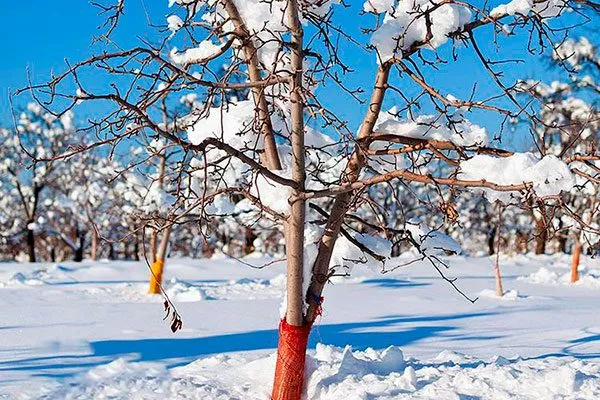
However, snow does help protect trees from severe frosts thanks to its unique properties:
- Thermal insulation characteristics: Snow has low thermal conductivity because it consists of numerous air bubbles between the snowflakes. These air layers prevent rapid heat exchange between the soil and the cold air, retaining heat in the ground.
- Root protection: A thick layer of snow prevents the ground from freezing deeply, protecting the root system of trees from damage by low temperatures.
- Preventing sudden temperature changes: Snow cover smooths out temperature fluctuations, preventing stress on plants caused by sudden changes in weather conditions.
Myth #4: The further north the region, the higher the winter hardiness of the variety
Yes, it's true that in northern regions it's preferable to plant more winter-hardy varieties. But it's also important to remember that not every apple tree can withstand the extreme northern conditions. Many common apple trees grown in the central part of the country simply won't survive the severe Siberian frosts.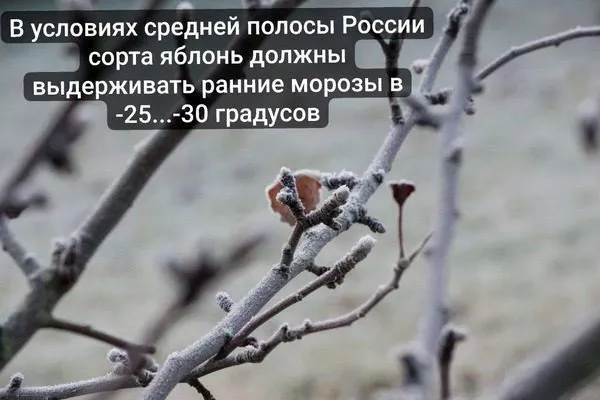
Selecting the right apple tree variety is crucial for successful fruit growing in different climates. Let's take a closer look at this aspect:
- Geographical features of the region. The northern regions are characterized by a significantly harsher climate than the central belt or the southern regions of the country. They experience severe frosts, a short growing season, and a higher risk of winter damage to trees.
- Risk factors for apple trees in northern conditions:
- Air temperature. Some areas may experience prolonged periods of extremely low temperatures (-30°C and below). Such weather conditions require special varieties capable of withstanding significant stress.
- Duration of daylight hours. Due to the short summer, many varieties grown in the mid-season simply do not have time to ripen fully, which leads to a decrease in yield and fruit quality.
- Humidity level. The northern part of Russia is characterized by high humidity, which also affects the health of trees, increasing the risk of fungal diseases.
- Recommendations for choosing varieties. To minimize risks and ensure successful apple tree cultivation in challenging climates, experts recommend choosing specially adapted varieties. Here are some selection criteria:
- High winter hardiness of bark and wood. Only varieties with good ability to withstand severe frosts will be able to successfully overwinter.
- Fast ripening of fruits. Choose early and mid-early varieties that can produce a full harvest even in a short season.
- Resistance to diseases and pests. Since humidity and short summers increase the risk of infection, choose varieties with a high level of disease resistance.
Examples of recommended varieties for the northern part of Russia include Antonovka obyknovennaya, Grushevka Moskovskaya, Uralskie Zimnie, and others, which have a high degree of adaptation to harsh natural conditions.
Myth #5: If an apple tree survives one winter, it will survive the next.
Many people believe that once a tree survives its first winter, it automatically becomes resistant to all subsequent frosts. This misconception can lead to unpleasant consequences. Even the most resilient variety requires proper winter preparation each season.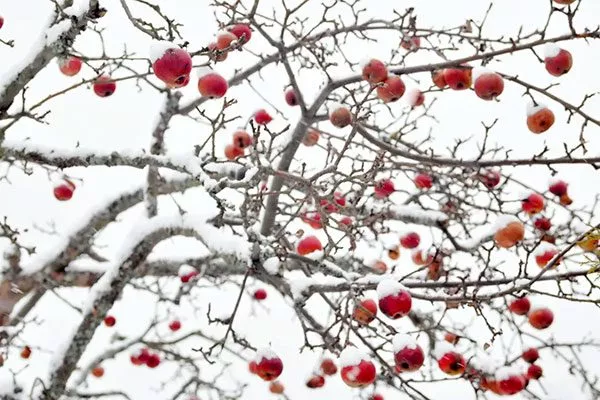
Every new season brings its own unique challenges, and a successful first winter doesn't guarantee future success. It's important to understand that winter hardiness depends on many factors, including the tree's health, its care, the current season's weather conditions, and the tree's age.
What you need to know about repeated wintering:
- Age of the tree. As an apple tree ages, it loses its ability to quickly recover from tissue damage. For example, a young, healthy apple tree can easily withstand minor frost damage, but an older tree with damaged bark can suffer serious damage even in relatively mild frosts.
- Quality of care. Proper preparation for each new season significantly increases the chances of a successful wintering.
- Climate conditions. Every winter varies in intensity and duration. One year may be relatively mild, while the next brings prolonged frosts and strong winds. That's why regular prevention and adaptation are important, regardless of how well the previous winter went.
- Environmental factors. In addition to low temperatures, there are additional threats, such as sunburn in early spring, rodent and insect attacks, drought in autumn, and spring moisture deficits. All these aspects must be taken into account when preparing apple trees for next year.
How to prepare an apple tree for each new winter:
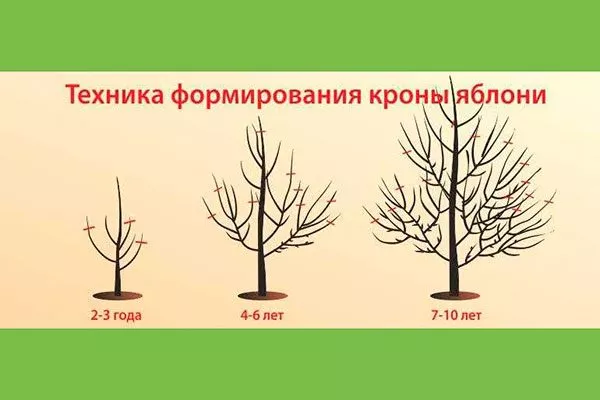
- Pruning and crown shaping. Remove diseased, dry and weak branches, shape the crown so that it is as compact as possible and evenly illuminated by the sun.

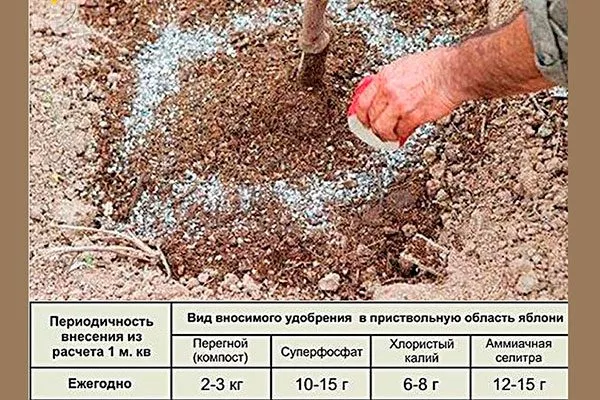
- Fertilization and feeding. In autumn, it is useful to add organic matter (humus, compost) and mineral fertilizers containing potassium and phosphorus, which strengthen the tree’s immunity.
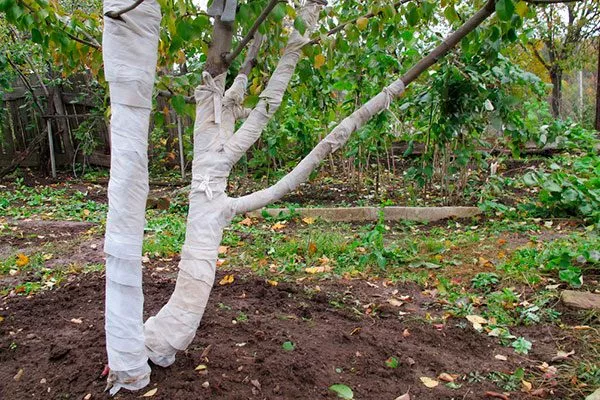
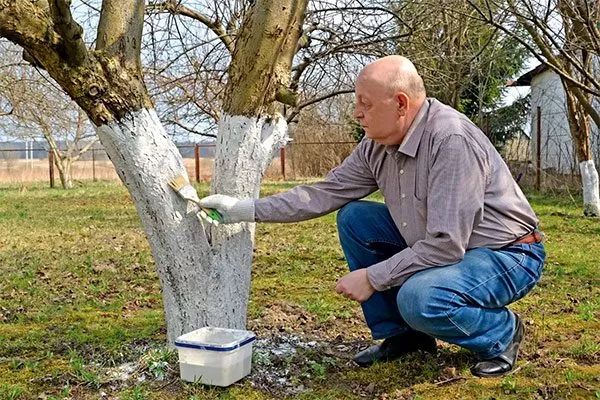
- Protection from rodents and sun. Paint the trunk with a special paint or whitewash it with lime, use agricultural materials to wrap the lower part of the trunk.
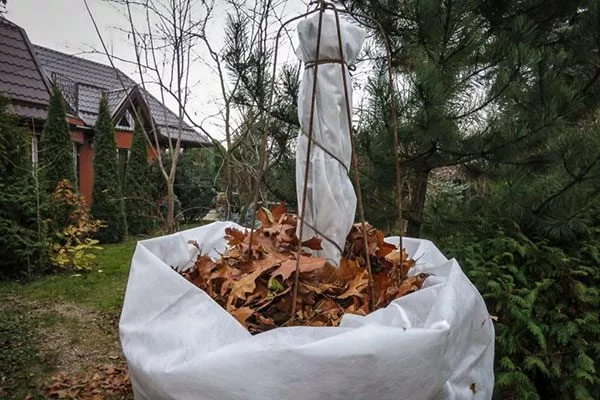
- Shelter for the winter. For young seedlings, it is recommended to cover the root circle with straw, spruce branches, or other materials that provide additional protection from the cold.
What really improves winter hardiness?
To successfully grow apple trees in our climate, it's necessary to pay attention to several important care aspects that will significantly increase your trees' chances of surviving the winter. Let's take a closer look at each step to increase apple tree winter hardiness:
- Selecting the right variety. The first step to successful wintering is the correct selection of apple tree varieties.
- Soil care. Soil plays a key role in providing trees with the necessary resources and warmth. Here are some soil care tips:
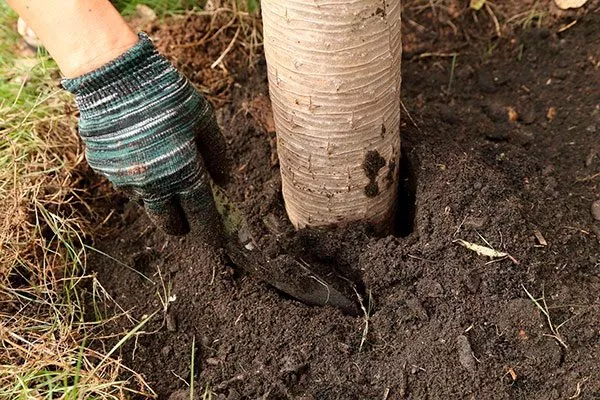
- Loosening: Periodic loosening of the soil around trees helps maintain oxygen supply to the roots and prevent the formation of a dense soil crust.
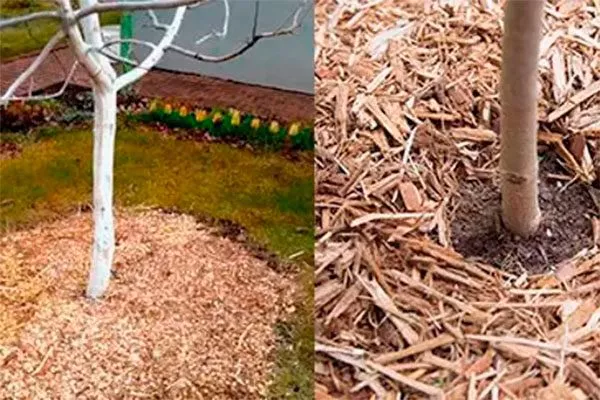
- Mulching: Cover the soil around your apple trees with a 5-7 cm layer of organic mulch. This will help retain moisture and keep the roots warmer during the cold season.
- Loosening: Periodic loosening of the soil around trees helps maintain oxygen supply to the roots and prevent the formation of a dense soil crust.
- Autumn feeding. Autumn is the optimal time to apply fertilizers to strengthen the wood and improve its ability to withstand stress factors such as low temperatures. It's important to avoid nitrogen fertilizers in late autumn, as they stimulate foliage growth, making the plant vulnerable to cold.
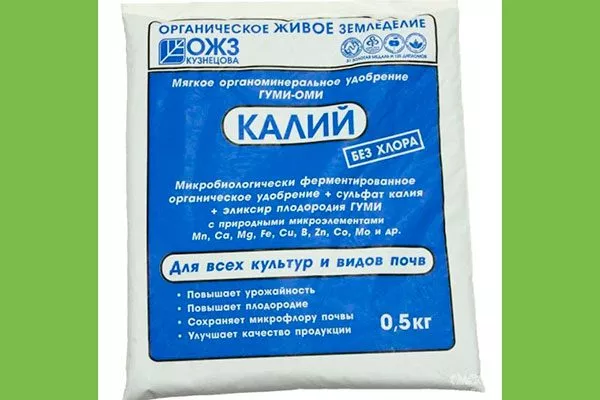
The most effective types of fertilizers are:- Potash fertilizers: Potassium strengthens cell walls and increases the ability of cells to withstand freezing.
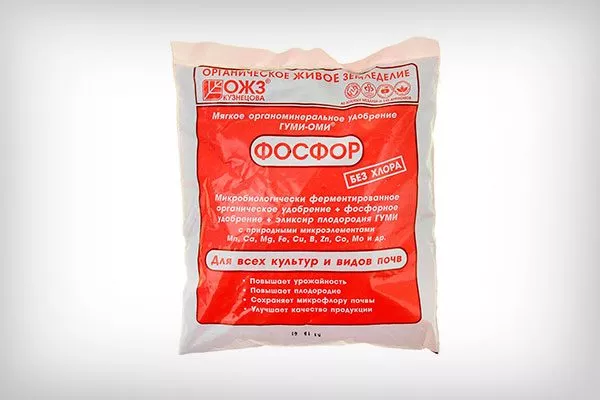
- Phosphorus fertilizers: Phosphorus promotes the development of a strong root system, improving the nutrition and stability of trees.
- Potash fertilizers: Potassium strengthens cell walls and increases the ability of cells to withstand freezing.
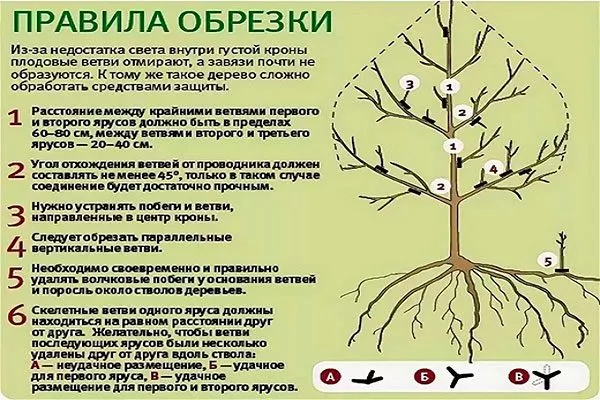
- Crown shaping and pruning. Pruning apple trees is necessary not only to improve the quality of the harvest but also to increase their resistance to winter frosts. Removing dry, damaged, or poorly developed branches allows the tree to devote its resources to maintaining healthy parts.
Proper crown formation also ensures better ventilation and disease protection. It is recommended to perform autumn sanitary pruning immediately after harvesting, removing weak shoots and diseased branches. - Additional protection for young trees. Young apple trees, especially in their first two to three years, require special care. Their bark is thin and easily damaged by low temperatures, sunburn, and rodent attacks. To protect young apple trees, you can take the following steps:
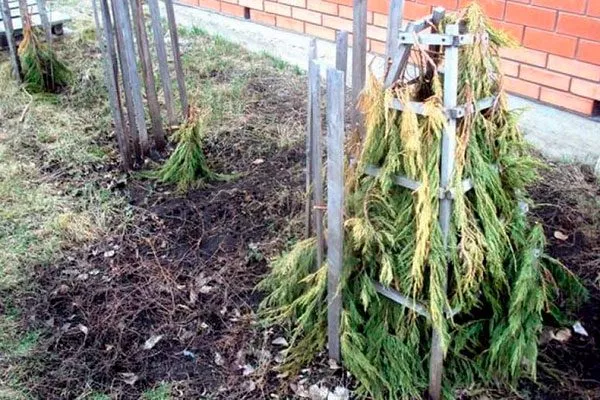
- Tree trunks are covered with burlap, spruce branches, or special protective materials such as spunbond or agrotextile.
- The trunks are whitewashed with a special whitewash. It reflects the sun's rays, preventing the bark from overheating during the day and cooling at night.
- Tree trunks are covered with burlap, spruce branches, or special protective materials such as spunbond or agrotextile.
So, apple tree winter hardiness isn't a myth, but a real factor that depends on many factors. The right variety and proper care will ensure a stable apple harvest, even in Russian winters. Remember that true winter hardiness is a complex characteristic that includes not only resistance to low temperatures but also the tree's ability to recover from winter damage.