
Veteran is the name of a winter apple variety popular among Russian gardeners. It is characterized by early maturity, good yield, and moderate resistance to scab and other garden diseases. It is grown for its beautiful, tasty, and vitamin-rich fruit, which can be stored in the cellar until spring.
History of variety selection
This apple variety was developed by Soviet scientists over 60 years ago. It was created by free-pollinating seedlings of the "American" King apple with local varieties. The breeding work, which began in 1961, involved staff from the All-Russian Research Institute of Fruit Crop Breeding:
- N. G. Krasova;
- E. N. Sedov;
- M. V. Mikheeva.
In 1989, after successfully passing variety testing, their brainchild was registered and approved for cultivation in the country.
Description of the tree
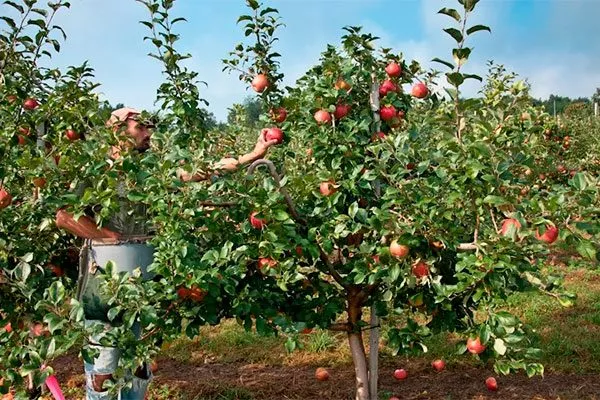
The Veteran apple tree has a medium growth rate. Its height rarely exceeds 3 meters. The appearance of this fruit tree includes the following characteristics:
- crown: neat spherical shape, quite dense, requiring timely pruning;

- branches: numerous, covered with brown bark, extending from the trunk at a right angle;
- young shoots: not thick, dark brown in color, covered with light, barely noticeable fluff;
- foliage: dark green, with a greyish coating on the surface, medium in size, wide, ovoid with a short pointed tip and jagged edges, dull, wrinkled, slightly curled;
- flowers: small in size, simple in structure, with light pink petals.
What do the fruits look like?
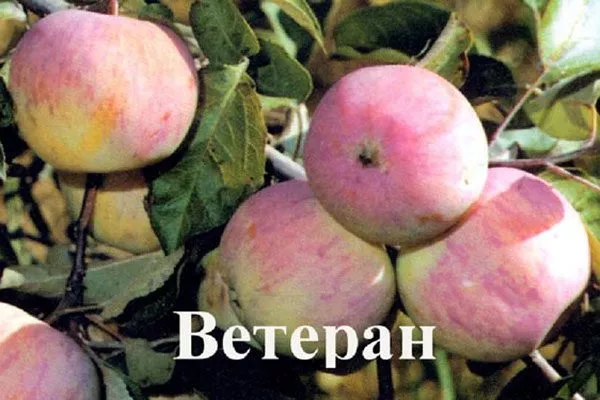
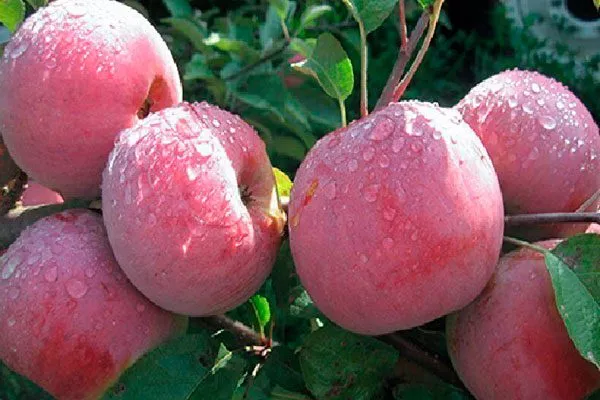
Veteran apples are distinguished by their marketable appearance. They are uniform, dense, and have a smooth, glossy surface. They have the following characteristics:
- medium sizes;
- weight - 128-130 g (with enhanced agricultural technology and cultivation in particularly favorable conditions, the weight indicator can reach 200 g);
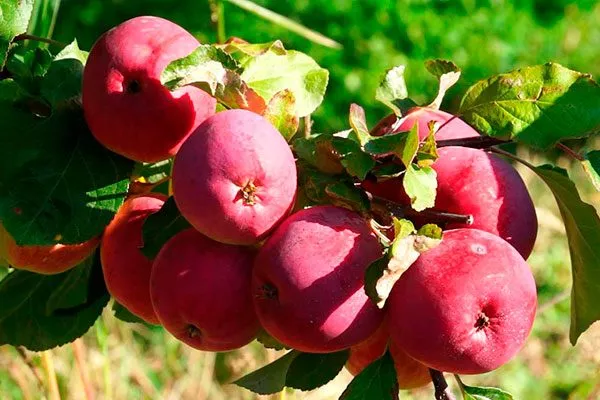
- regular shape, barrel-shaped, broadly ribbed, slightly flattened on the sides and elongated towards the top, with a deep, pointed conical funnel;
- skin: strong, smooth, shiny, covered with a thin layer of whitish waxy coating, with rare grayish subcutaneous dots;
- beautiful yellow-golden or greenish-yellow color, covered with a delicate pink blush with orange blotches and strokes;
- pulp: creamy or pale yellow, medium-dense, tender, fine-grained, prickly, juicy, aromatic.
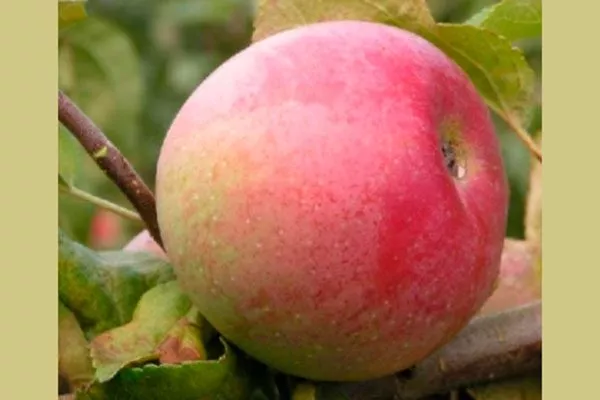
The harvest has good tasting qualities, with ratings ranging from 4.1 to 4.5 points. The flavor is pleasant, sweet and sour, and harmonious. The pulp of these fruits contains at least 9.5% natural sugars and 0.64% titratable acids. It is rich in vitamin C (17.5-22 mg/100 g) and pectin (10.9%).
Veteran apples are not only beautiful and delicious, but they also withstand long-distance transportation without losing their marketable appearance.
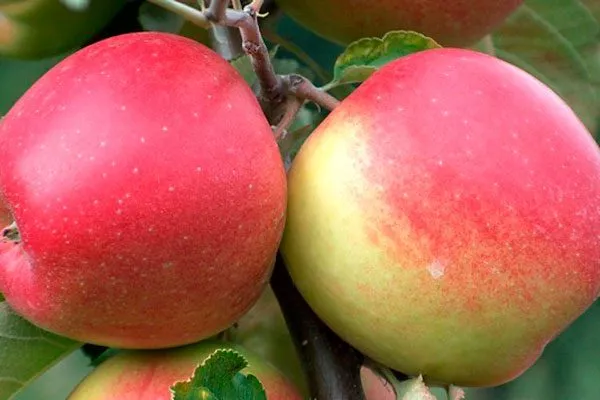
They are characterized by excellent shelf life. In cool conditions, they retain their freshness and juiciness until mid-March, making them suitable for commercial cultivation.
Characteristics of the variety
Check out the technical specifications of the variety if you are interested in it and would like to grow it in your garden.
Pollinators and yield
The Veteran apple tree pleases domestic gardeners and farmers growing fruit for sale with its high yields:
- a tree up to 8 years old produces an average of 40 kg of fruit;
- from 8 to 13 years old - 40-60 kg;
- from 13 years old - 80 kg.
The crop reaches peak productivity at 13-15 years of age. With commercial cultivation, at least 22,000 kg of fruit can be harvested from 1 hectare of apple orchard.
Veteran is self-fertile. It produces fruit without cross-pollination with other varieties. However, to increase yield and improve fruit quality, and to ensure consistent fruiting, gardeners plant trees (pollen donors) of the following species nearby:
- Antonovka;
- Golden Delicious;
- Ambrosia;
- Jonathan;
- Arlet;
- Gloucester;
- Idared.
Ripening and fruiting
An apple tree of this variety begins to bear fruit starting in its fourth or fifth year. The fruits ripen uniformly, reaching harvestable maturity in the last weeks of September or early October.
Regionality and frost resistance
The Veteran fruit variety is approved for cultivation in the following regions of the Russian Federation:
- Central;
- Volga-Vyatka;
- Central Black Earth;
- Middle Volga.
It is successfully grown in six regions of Belarus. It thrives best in the climatic conditions of the Central Black Earth Region, particularly in the Oryol Region.
This apple variety is characterized by average frost resistance. It can withstand temperatures down to -20-25°C, provided it is properly prepared for winter. It does not tolerate severe frosts, making it unsuitable for cultivation in the northern regions of the country.
This fruit tree dislikes heat and drought, making it difficult to grow in southern regions. High temperatures cause its foliage to fall prematurely. The tree requires more abundant and frequent watering.
Scope of application
The Veteran variety's harvest is versatile. In addition to fresh consumption, the fruits are widely used in home cooking. Homemakers use them to make drinks and various treats:
- compote;
- juice;
- jelly;
- puree (for baby food);
- jam;
- jam;
- jam;
- marshmallow;
- marmalade;
- marshmallow;
- candied fruit;
- filling for pies and other confectionery products.
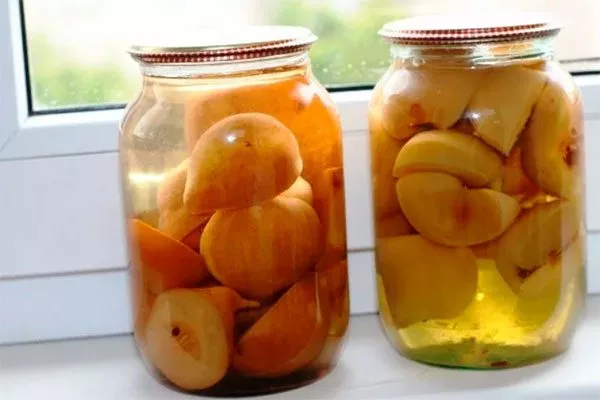
Apples are also canned, dried, baked in the oven with honey and nuts, and coated in caramel. They are also used to make homemade wine, cider, liqueur, cordial, and bitter.
The pulp and skin of apples contain many substances that are valuable for the health of the consumer:
- vitamins (C, E, A, group B, K, etc.);
- minerals (potassium, phosphorus, calcium, copper, iron, manganese, magnesium, iodine, etc.);
- fiber;
- antioxidants (polyphenols, flavonoids, in particular quercetin);
- organic acids;
- natural sugars;
- tannins.
This juicy, uncooked fruit is a low-calorie treat (47 kcal/100 g) that gives us a boost of energy and a positive mood. Including it in your daily diet will provide numerous health benefits:
- let's strengthen the heart and blood vessels;
- let's reduce the level of bad cholesterol;
- normalize blood pressure (the product is indicated for hypertension);
- let's boost immunity;
- we will get a tonic effect (apples are useful for those who suffer from a loss of strength or are recovering from a long illness);
- we will stimulate the gastrointestinal tract and solve the problem of constipation;
- we will remove toxins and other harmful substances from the body;
- Let's get rid of excess weight (the fruit should be included in the diet of those who are on a diet and want to lose weight, it is very satiating and contains few calories);
- let's prevent the occurrence of many dangerous diseases: oncology, diabetes, neurodegenerative pathologies;
- We will protect the brain from inflammation and stimulate mental work;
- reduce stress levels;
- Let's clean your teeth from plaque and freshen your breath.
Landing
If you're considering growing the Veteran variety in your garden, don't hesitate to familiarize yourself with all the intricacies of planting. If done correctly, the seedling will quickly take root, thrive, and delight you with abundant fruiting.
Recommended timeframes
Start planting winter apple trees within the timeframes recommended by experienced gardeners:
- in spring (do the work before the buds begin to open);
- in the fall, after the leaves have fallen (plant 4-5 weeks before the first frost).
The second option is considered preferable. With autumn pruning, the plant directs its energy toward root formation rather than vegetative growth.
Choosing a suitable location
Select a suitable location in your garden for planting a Soviet apple tree variety that meets the following requirements:
- well-lit by the sun;
- not exposed to winds, protected from drafts;
- located away from tall trees or buildings that create dense shade;
- not swampy, without close groundwater levels (due to excessive soil moisture, fruit crops are affected by root rot and die);
- located at an elevated position (when grown in lowlands, apple trees suffer from dampness and cold);
- with loamy or sandy loam soil, loose, fertile, with acidity at the level of 5.5-6.6 pH.
Prepare the site in advance: in the fall if you're planning a spring planting, or one month beforehand after the leaves have fallen. You'll need to dig the soil, clear it of weeds and their roots, and enrich it with organic matter. Add chalk or ash if the soil is acidic. If the soil is heavy, add sand.
A few weeks before moving the apple tree to the garden, dig a hole 0.8-1 m in diameter and 0.8 m deep. Line the bottom with expanded clay or gravel. If digging multiple holes, space them 4 m apart.
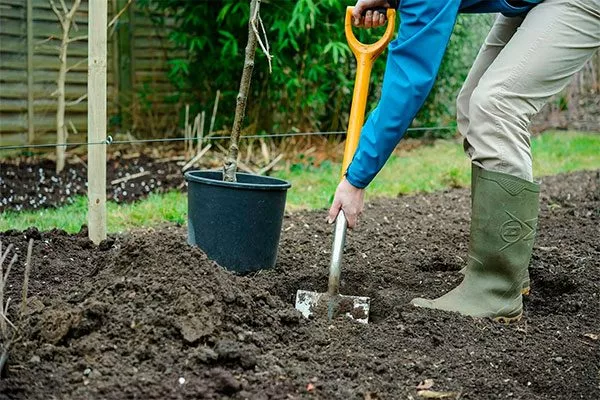
Partially fill the planting hole over the drainage with a nutritious soil mixture made up of the following components:
- humus, compost, rotted manure;
- the top fertile layer of soil (can be replaced with black soil);
- wood ash;
- Superphosphate.
Form a mound from the soil mixture, then water the planting hole generously.
What crops can and cannot be planted next to each other?
The Veteran apple tree will thrive and bear fruit when paired with the right "neighbors." Gardeners consider these crops to be:
- pear;
- quince;
- plum;
- an apple tree of a different variety;
- raspberries;
- ash-leaved maple.
Avoid planting in close proximity to these garden inhabitants:
- cherries;
- cherries;
- peach;
- hazelnut.
Avoid planting apple trees alongside rowan and poplar. Don't plant potatoes nearby. This vegetable impairs the flavor of the fruit and reduces the tree's yield.
Selection and preparation of planting material
When purchasing a Veteran seedling from a nursery, pay attention to its age. It's generally accepted that one- or two-year-old trees have the best survival rate. Identifying a young plant by its appearance is fairly easy:
- an annual plant has no branches;
- A 2-year-old apple tree has several branches growing at an angle that ranges from 45 to 90 degrees.
Carefully inspect the trunk and roots of the seedling you've chosen for purchase. They should be free of growths, spots, cracks, other defects, signs of rot, disease, or pests. They should bend without breaking. The buds should be vibrant and tightly attached. The root shoots should be light in color. The bark should be smooth.
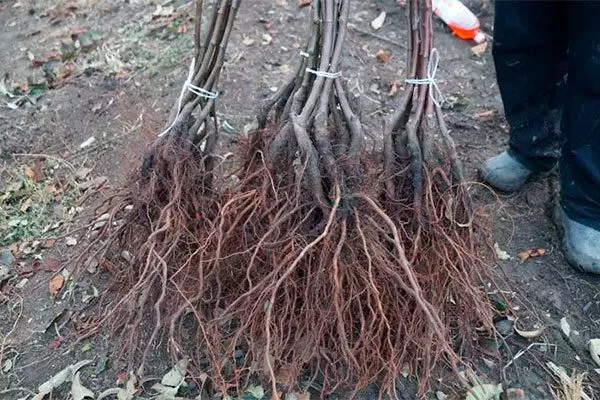
If you've chosen a seedling with a closed root system (in a container), it's enough to water it generously a few hours before planting. If you're choosing an open root system, follow these steps:
- carefully straighten the roots;
- trim off their damaged segments and broken parts;
- immerse the lower part of the plant in water to which Epin or Kornevin has been added for 5-8 hours;
- Use a mixture of water and clay to treat it.
Before planting, determine the location of the root collar. It should be left above ground level, not buried.
Landing algorithm
When planting a Veteran apple orchard on your property, follow the tree placement scheme recommended by experienced gardeners:
- the distance between plants in a row is 3.5-4 m;
- row spacing: 5-5.5 m.
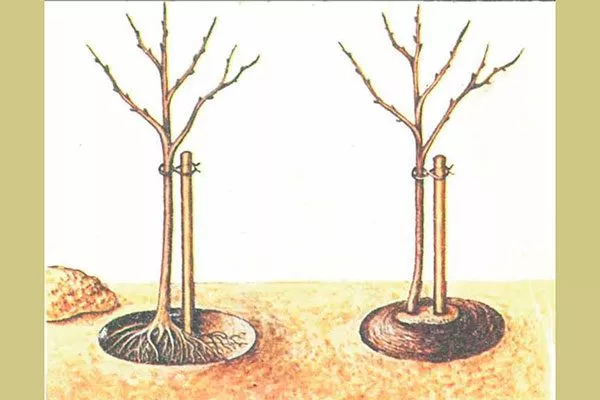
Carry out planting work by following the step-by-step instructions and general rules for carrying out the procedure:
- Pour 5 liters of water into the prepared hole. If the day is hot, increase the amount of water to 10 liters to facilitate rooting of the seedling.
- Place the tree on a mound of nutritious soil mixture. It should be positioned strictly perpendicular to the ground surface. This will ensure proper root development and stimulate the growth of the above-ground part of the tree.
- Spread out the roots of the seedling.
- To prevent the apple tree from swinging in the wind, drive in a support.
- Fill the planting area with the original soil. It's acceptable to mix it with store-bought soil in a 3:1 ratio to improve the structure. Don't bury the root collar; it should be 3 cm above the soil surface.
- Form a ridge from the remaining soil around the edge of the tree trunk, 50-70 cm away from the trunk. This will prevent water from spreading when watering the apple tree.
- Tie the seedling to the support. Use a soft material to avoid damaging the bark.
- Water the tree generously.
For the next 7-14 days after planting, water the apple tree at the base. Do this twice daily (morning and evening). Use 5-10 liters of water per plant, settled and warmed in a barrel in the sun.
Aftercare of the apple tree
Follow standard cultivation practices to maintain the Veteran apple tree's health and maximize its yield. Pay special attention to watering, fertilizing, pruning, and preparing the tree for winter.
Top dressing
This Soviet-era apple tree will produce an excellent harvest of high-quality fruit when grown in nutrient-rich soil. To maintain the soil fertility, fertilize regularly.
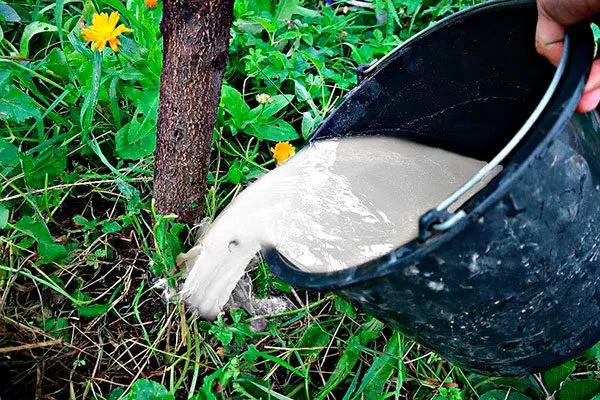
Follow the pattern:
- In spring, at the beginning of the growing season. Feed the Veteran tree with a nitrogen compound: ammonium nitrate, urea, mullein infusion or bird droppings.
- During flowering, formation of ovaries and ripening of fruits. Apply nutrient compounds rich in phosphorus (for example, nitrophoska) once every 21 days.
- In the fall, after the harvest.Add organic and mineral fertilizers with a high content of phosphorus and potassium, such as superphosphate and potassium sulfate, to increase the tree's frost resistance and ensure its successful wintering.
Don't neglect foliar spraying, which promotes faster crop ripening and improved quality. Use solutions enriched with microelements such as copper, manganese, and boron.
Weeding, loosening
Provide your winter apple tree with high-quality rootstock care. This includes the following:
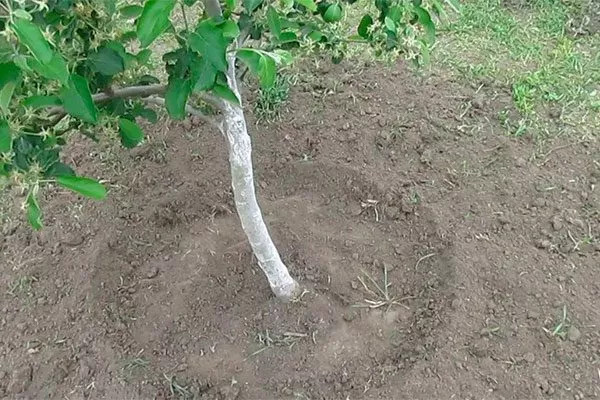
- Loosening the soilThe day after watering or heavy rain, work the root zone 5-10 cm deep. This technique improves soil aeration and permeability, preventing the formation of a hard, air-impermeable crust on the surface.
- Removing weedsCombine weeding with loosening to save time and effort.
- MulchingCover the tree trunk area with a 5 cm thick layer of organic matter: humus, compost, grass clippings, or sawdust. This will help retain moisture in the soil longer, enrich it with additional nutrients, prevent weed growth, and reduce the need for tilling.
Watering
Moisten the soil under the Veteran apple tree from spring to late fall. Start watering it starting during the budding phase. Water it once every two weeks (the average for a mature tree). Water more frequently during hot weather.
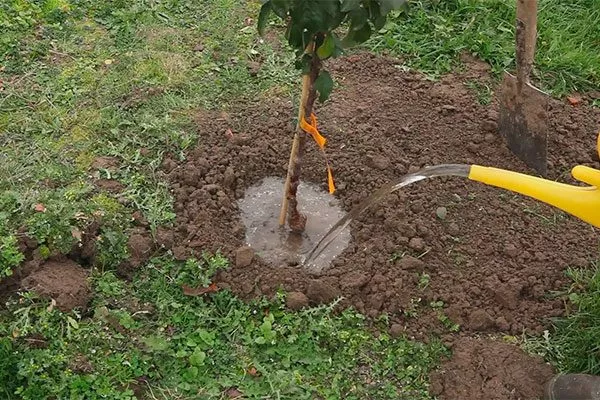
When irrigating an apple tree planting, follow generally accepted rules and advice received from experienced gardeners:
- do not use cold liquid to avoid stressing the crop;
- give preference to river or rainwater, warmed in the sun in tanks;
- If you are using tap water for watering, let it settle before use (it should also be slightly warm);
- perform water procedures in the morning or evening hours;
- consumption rates depend on the age of the apple tree:
- 10-15 l - for a young tree up to 3 years old;
- 20-30 l - for an adult;
- 30-40 l - per trunk older than 6 years during the fruiting period.
- Moisten the soil to a depth of 60 cm when watering the plant when it reaches productive age.
Pruning and shaping
Actively shape the crown of the Veteran apple tree in the first few years after planting. Your goal is to create a strong skeleton and give the top of the tree a neat shape.
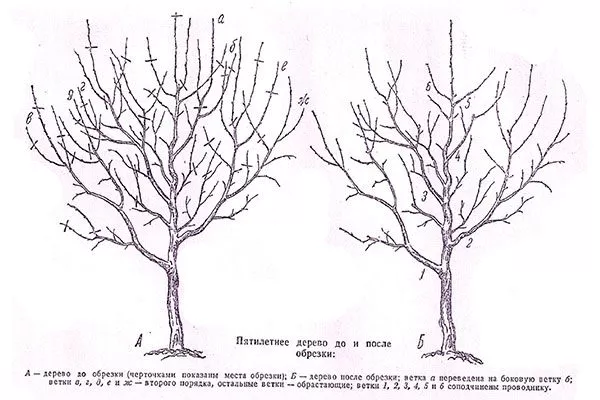
In spring, carry out pruning to shape the crown, as well as remove shoots that do not produce fruit but drain the plant's vital energy.
We are talking about unproductive branches:
- old;
- having the wrong direction of growth and thickening the crop;
- with signs of infection and pest damage;
- weak, frozen, dry, broken.
Don't be lazy about thinning out the ovaries. This technique allows you to regulate the load on the branches, resulting in larger, tastier fruits.
In the fall, carry out sanitation procedures. Before winter, remove damaged and weakened parts of the tree.
Preparing for winter
Due to its moderate frost resistance, apple trees require adequate insulation before the onset of cold weather. Frosts below -25°C are fatal. Prepare your fruit tree for winter by taking the following measures:
- cleaning the trunk from moss and lichen;
- treatment with garden pitch;
- prevention of pests and diseases with copper-based preparations;
- moisture-charging irrigation;
- mulching the tree trunk circle;
- whitewashing wood with slaked lime with the addition of copper sulfate or Bordeaux mixture;
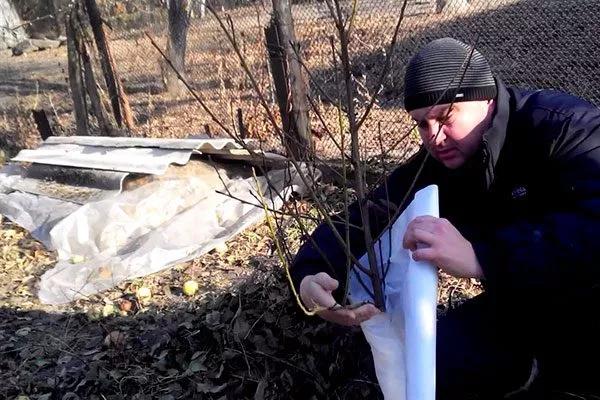
- insulation of the trunk and lower branches with burlap, spunbond;
- use of spruce branches and special nets to protect against rodents.
Diseases and pests
When cultivating the Veteran fruit variety in conditions of high humidity, its foliage and fruits may be affected by fungal infections:
- rust;
- powdery mildew;
- spotting;
- scab (the variety has average resistance to this disease).
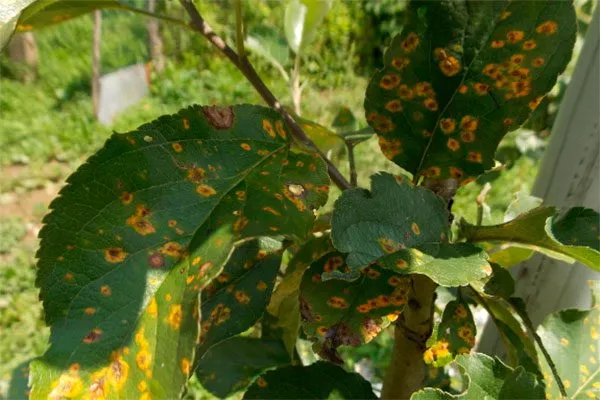
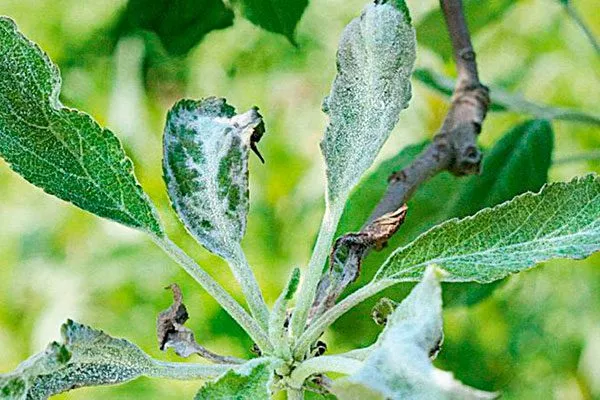
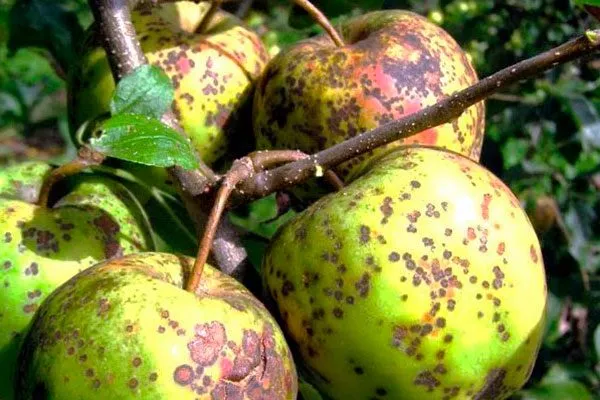
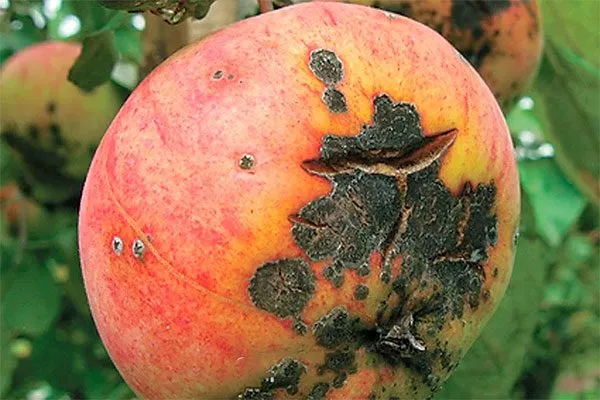
To prevent this problem, inspect the garden, immediately prune infected branches, remove plant debris, and treat the tree in the spring (before bud swelling) with copper sulfate, Horus, and Skor. Treat apple trees infected with fungus with Oxychom, Bordeaux mixture, and colloidal sulfur.
To protect Veteran plantings from insects, spray the crown with insecticides before bud swelling, during the "green cone" stage, and after flowering. Do not use pesticides 20-30 days before harvest. If necessary, use biological products and folk remedies.
Pros and cons
The winter variety "Veteran" has been popular with Russian gardeners for many years. It has earned their trust thanks to its many positive qualities:
Despite its many advantages, the apple tree bred by Soviet scientists also has its disadvantages:
Reviews
Veteran is a Soviet-era winter apple variety popular among Russian gardeners. It is well suited to the climate of the central regions of the country and Belarus. It is noted for its high yield and early maturity. Small trees produce beautiful and tasty fruit suitable for long-distance transport and long-term storage.