
The Vesenneye apple tree is a variety that has gained popularity due to its excellent taste and high winter hardiness. Its fruits are distinguished by their rich flavor and long shelf life. Resistance to diseases and temperature fluctuations makes this variety an ideal choice for producing consistent and abundant harvests.
Description of the tree and fruits
The variety was developed by L. A. Kotov at the Sverdlovsk Horticultural Selection Station in the early 2000s and soon became popular throughout Russia.
Distinguishing characteristics:
- tree - 3.5-4 m in height;
- crown – neat, round, 2.5-3.5 m in diameter;
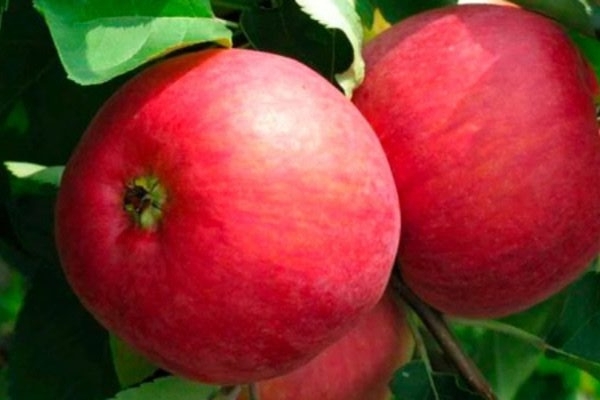
- fruits – bright red, sometimes with a yellowish or orange tint, especially in the lower part of the fruit, closer to the center;
- the shape of apples – rounded;
- weight of fruits – varies from 90 to 95 g;
- pulp – light cream color, delicate;
- peel – dense;
- taste - bright, with a slight sourness in the aftertaste.
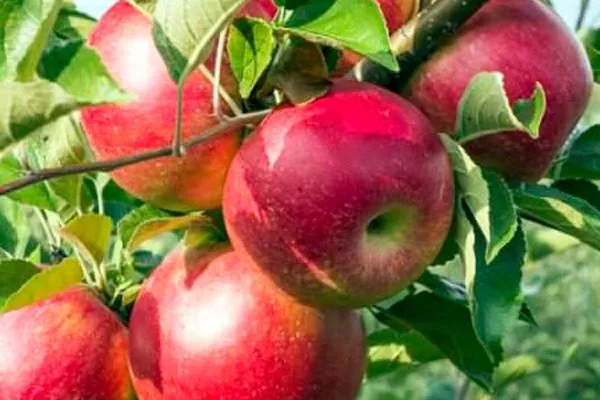
Thanks to its compact crown, the tree requires no pruning. The apples have a neat shape and attractive color, highlighting their decorative and commercial qualities. They hold firmly to the branches and do not fall off.
Main characteristics
Vesennoe is a late-ripening variety, ripening closer to winter. The fruit reaches harvest maturity in September, and the apples are ready for consumption until the end of May. Fruiting occurs annually.
Features of the culture:
- Productivity depends on the tree's age. It's difficult to pinpoint the average, but approximately 10-14 years after planting, an apple tree begins to produce around 60 kg of ripe, juicy apples. By age 17, this figure increases significantly, reaching 80-90 kg. The quality and quantity of the harvest are influenced by tree care.
- The Vesenneye apple tree is characterized by high winter hardiness, allowing it to successfully withstand cold temperatures and sudden temperature fluctuations. However, young plants require shelter until they are strong enough to survive the winter on their own.
Like most apple trees, seedlings require protection from diseases and pests during their first few years of life. However, the tree has good resistance to these problems, so additional treatment is not necessary. The Vesenneye variety has high resistance to scab.
Useful properties and uses
Apples have a rich vitamin and mineral composition, including vitamins A, E, B, K and H, vitamin PP, as well as iron, zinc, sodium, magnesium, sulfur, phosphorus, chlorine, calcium, potassium, manganese and iodine.
The fruits also include:
- fiber;
- natural acids;
- tannins.
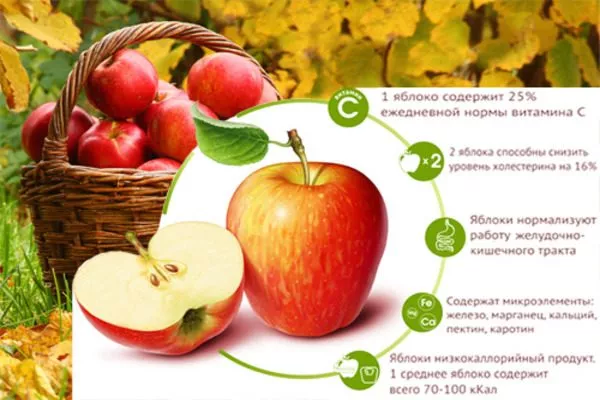
This composition gives apples a number of beneficial properties:
- strengthen the heart;
- maintain vascular elasticity;
- stimulate appetite;
- regulate the functioning of the intestines and stomach;
- improve vision;
- have a rejuvenating effect on brain cells and the entire body;
- promote the elimination of toxins and waste;
- increase immunity.
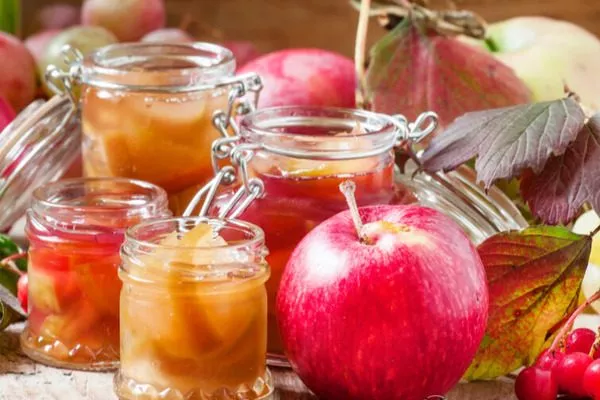
This variety is ideal for fresh eating, making preserves, compotes, marmalades, jams, and purees. The apples store well and can be used throughout the winter and spring.
Planting an apple tree
Experienced gardeners recommend loamy, deep soils with sufficient nutrients. Acidic soils are not suitable for this apple variety.
Follow the rules:
- When choosing a planting site, choose sunny areas, avoiding partial shade. However, keep in mind that excessive exposure to direct sunlight can reduce the marketability and flavor of the fruit.
- The plant prefers slightly elevated areas. If planting in a low-lying area, ensure there is no close groundwater level and, if necessary, add soil mounds.
- The planting hole should be 55 to 80 cm deep, depending on the size of the root system, and about 1 to 1.2 m wide. For plants with closed rhizomes, the hole should be 3 to 4 times wider than the container. Place a 10 to 15 cm thick drainage layer at the bottom of the hole, using pebbles or crushed stone.
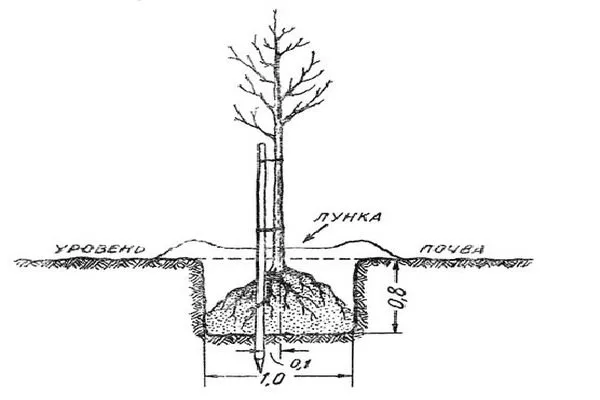
After planting, fertilize the apple tree regularly with nitrogen fertilizer 2-3 times a week. Water the soil 2-3 times a month, or 1-2 times a week in hot climates.
Agricultural technology
Apple tree care should begin immediately after the snow melts in the garden. At this point, it's important to implement all standard agricultural practices to ensure the tree's healthy growth and development.
Pruning a standard apple tree
The pruning process differs for mature fruit-bearing trees and young saplings. The first step for all trees is sanitary pruning. In winter, apple trees can be damaged by frost, wind, and pests. In the spring, carefully inspect the branches and remove any that are damaged, frozen, or broken.
Only prune when temperatures are above freezing. This procedure is not recommended in freezing weather, as cold wood becomes brittle and breaks easily, which can cause further damage to the tree.
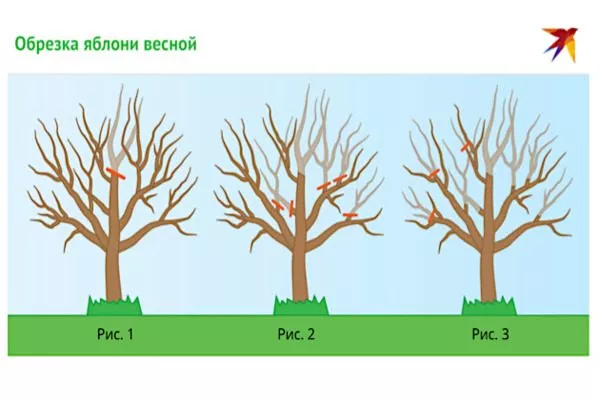
The spring pruning scheme is as follows:
- Trim damaged and broken branches – this is a sanitary step.
- Thin out the crown: remove branches growing inward, as well as overly dense areas.
- If necessary, shorten the top of the main trunk.
- Trim off the shoots that have grown over the last year.
Depending on the age of the apple tree, pruning is carried out according to different schemes:
- 2-5 years – shortening shoots by 1/4 of their length to stimulate growth;
- 6-10 years – pruning by 1/3 to increase yield;
- after 12 years – cutting back shoots by 1/2 their length to rejuvenate the tree.
Start pruning from the top if the apple tree is over 7 years old. Proper pruning improves crown ventilation, protects against fungus and mold, increases yield, and facilitates fruit picking.
After 12-15 years, an apple tree requires rejuvenating pruning or even replacement, as its yield declines with age. This pruning involves removing one-third of all branches and shoots, which helps stimulate growth.
Fertilizer
Spring apple tree care includes mandatory fertilizing, but before you begin, clear the area of weeds and gently loosen the soil. Do this carefully to avoid damaging the tree's roots. Once the soil becomes light and permeable, dig small trenches to apply nutrients.
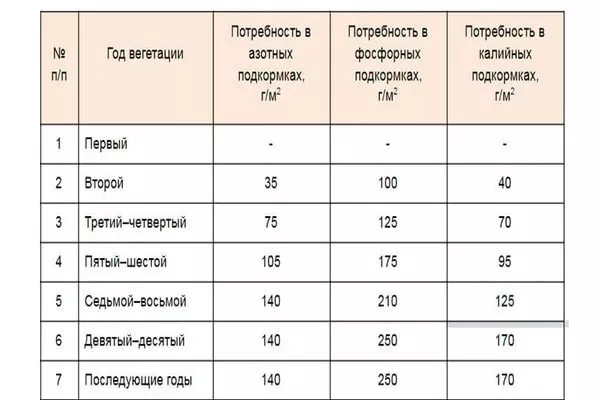
Apply the first fertilizer as soon as the snow melts to help the apple trees gain green mass. For this, use nitrogen-rich fertilizers:
- calcium or ammonium nitrate;
- bird droppings;
- well-decomposed manure.
When buds begin to form on the tree, switch to potassium and mineral fertilizers with the addition of nitrogen:
- wood ash;
- urea;
- mullein;
- potassium sulfate.
After flowering, stop applying nitrogen fertilizers, as they stimulate leaf and shoot growth. After flowering, focus on fruit formation. In late spring, you can use herbal infusions and also add phosphorus and potassium.
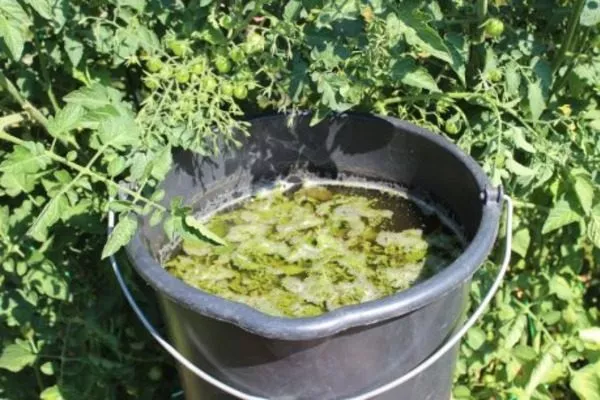
For depleted soil and mature trees, use nitroammophoska, urea, and compost. The following fertilizer composition is effective:
- Superphosphate – 1 kg;
- potassium sulfate – 300 g;
- mullein – 10 kg;
- water – 300 ml.
Mix all ingredients thoroughly and let sit for a week. Apply 40 liters of the resulting fertilizer per tree. This fertilizer will stimulate growth and give strength. After feeding, be sure to thoroughly water the plant.
Watering
After the snow melts, the soil usually retains sufficient moisture, so apple trees don't need additional irrigation in early spring. However, if the spring is dry, irrigation becomes essential, especially for young trees under 5-6 years old.
Without regular watering, the tree may produce few ovaries and fruits. Water every 5-6 days, adjusting the frequency to weather conditions.
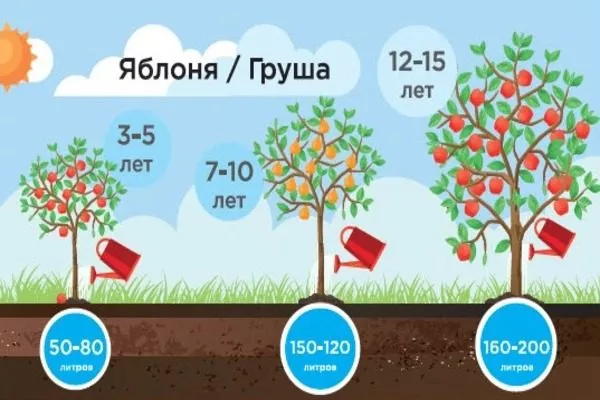
The volume of liquid depends on the age of the plant:
- young trees up to 2 years old – 10 l per 1 sq. m;
- from 2 to 5 years old – 10 l per 1 sq. m;
- mature trees – less often, but with soil moistening to a depth of 80 cm.
Ensure water drainage from the roots to prevent root collar rot.
Pest and disease control
Trapping belts are particularly effective against weevils, but it's important that they fit tightly around the tree trunk, preventing access for the insects. Pest control involves preventative spraying. This should be done in three stages:
- before the buds appear;
- during bud formation;
- after flowering.
For spring treatment of apple trees against pests and diseases, use the following preparations:
- Inta-Vir;
- Fury;
- Strobi et al.
Pros and cons
The Vesenneye apple tree is suitable for growing in various climate zones of Russia. It has a number of other advantages. It also has some disadvantages.
Reviews
The Vesenneye apple tree is a choice for those who appreciate not only delicious but also frost-resistant varieties. The fruit remains fresh and tasty until spring, and the tree itself is easy to grow and adapts easily to a variety of conditions. Proper care and attention to the variety's characteristics will help ensure a stable harvest and long-term fruiting.