
Vasyugan is a compact, frost-hardy columnar apple tree, ideal for small gardens and homesteads. Its fruits are characterized by excellent flavor and aroma, and the trees begin bearing fruit in the second year after planting. The tree is resistant to most diseases and pests and easily tolerates low temperatures.
Subtleties of origin and regionality
The hybrid was developed in 1987 at the All-Russian Institute of Selection and Technology of Horticulture and Nursery. One of the variety's creators was Doctor of Biological Sciences and Professor V. V. Kichina.
In 2005, Vasyugan was patented and began testing in various climate zones across Russia, demonstrating good results. Work to develop new varieties based on it continues.
Description and characteristics of the variety
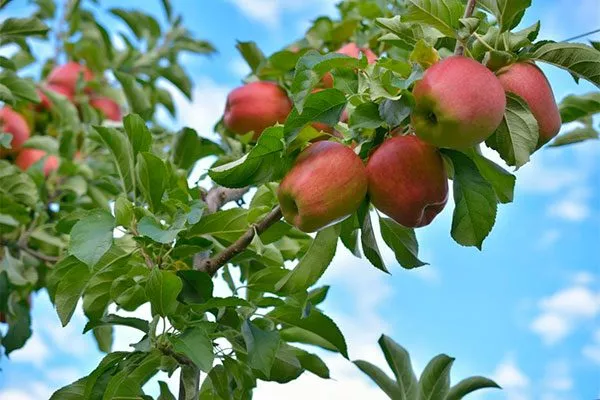
Vasyugan stands out for its high yield—the fruit densely covers the plant, creating the impression that the branches are laden with apples. This profusion of fruits makes the variety particularly attractive to gardeners. More and more home gardeners are considering planting this variety.
The appearance of the tree and its lifespan
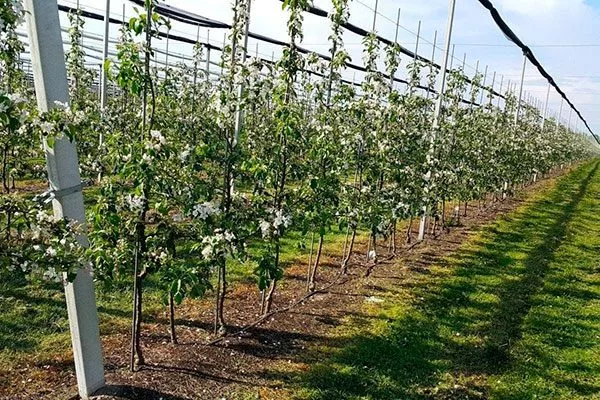
A mature plant, with vigorous growth, reaches 2.5-3 m in height. The Vasyugan apple tree has a number of distinctive external characteristics:
- crown – cylindrical, columnar, up to 50 cm in width;
- annual growth – up to 20 cm;
- trunk – powerful, densely foliated;
- branches – short, with a large number of rings;
- leaves - large, elongated, with pointed tips, bright green in color.
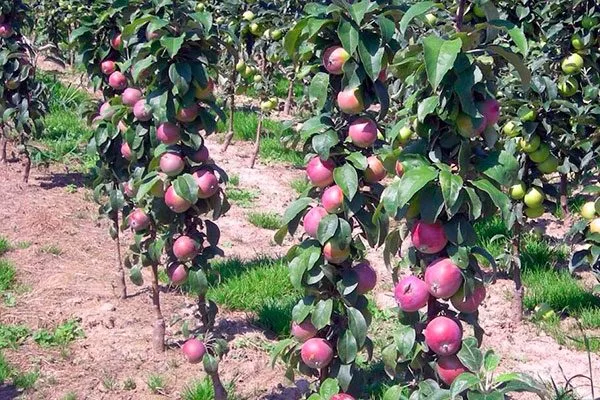
This fruitful, early-bearing, and compact tree requires little maintenance. In a garden plot, the tree can grow and bear fruit successfully for 15-20 years, after which it gradually begins to die off.
Features of fruits and their taste, benefits
Fruits are rich in ascorbic and titratable acids, sugars, and dry matter, making them not only tasty but also healthy. Distinguishing features:
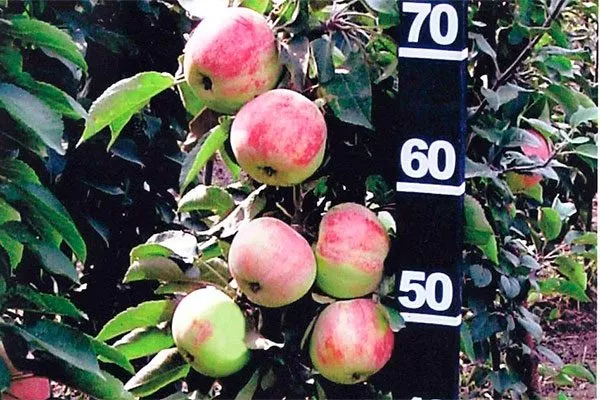
- weight - reaches 200 g;
- form - elongated, rounded-conical;
- peel – hard, thin and dense;
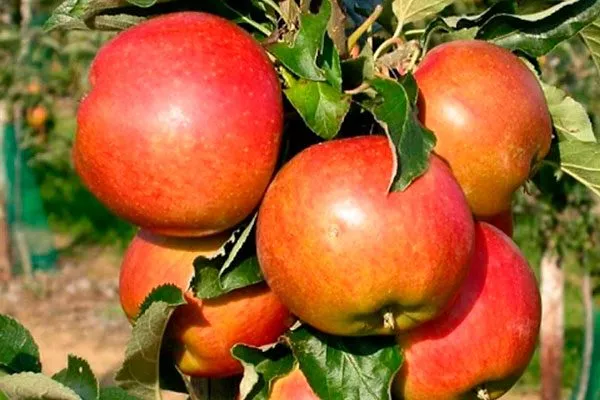
- color – yellow-green with a red or pink blush;
- pulp – white with a creamy tint, juicy, fine-grained, dense.
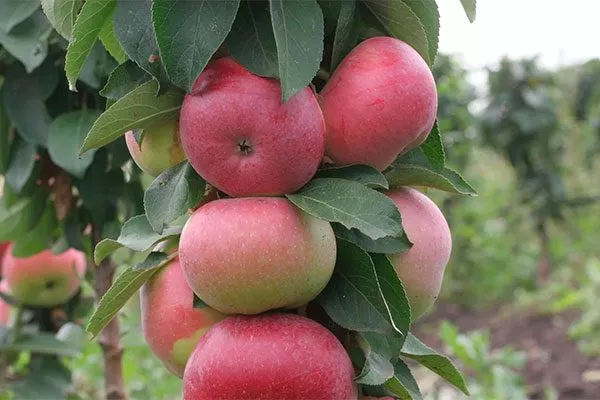
The fruits have excellent taste, especially appreciated by those who follow a healthy diet. The pulp has a pleasant dessert flavor with a distinct sweet and sour undertone. The apples receive a tasting score of 4.
Resistance to frost and drought
Vasyugan is a frost-resistant crop, capable of withstanding temperatures down to -42°C. High winter hardiness is the main advantage of this variety, bred specifically for the harsh climate of the Far East.
Furthermore, the apple tree has good drought tolerance: it easily tolerates short periods of water deprivation and maintains stable fruit production even in low-humidity conditions. This makes the variety particularly valuable for regions with unstable rainfall.
Ripening, fruiting and storage
The columnar apple tree is valued not only for its compact size and cold resistance, but also for its early ripening fruit. Key characteristics:
- Beginning of fruiting. Some seedlings already arrive from nurseries with fruit, but it's recommended to remove flowers and fruits during the first few years to allow the tree to establish roots and become strong. Peak fruiting occurs in the third or fourth year after planting.
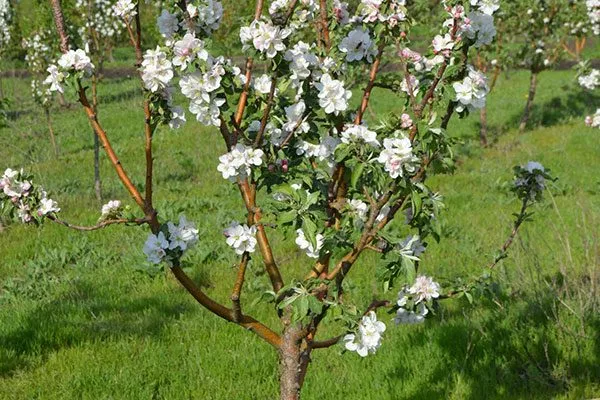
- Flowering time. Depending on the regional climate, budding can occur in early, mid, or late May. During this period, the apple tree is covered in large, fragrant, soft pink flowers—they adorn the plant for 8-14 days, depending on weather conditions.
- Fruiting and growth. Although Vasyugan isn't a fast-growing variety (annual growth averages 5-14 cm), its compact size allows the tree to quickly reach maturity. Yields increase gradually, with full, abundant harvests beginning around the sixth to ninth year of the tree's life.
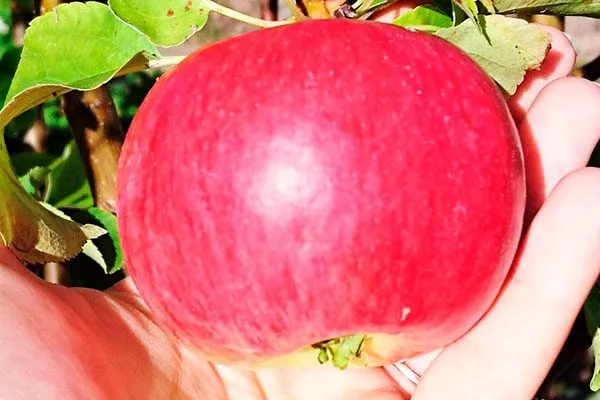
Apples begin to ripen in late August, but the process is uneven—ripeness is determined by the fruit's color: a slight bluish bloom indicates readiness for picking. The fruit holds well on the branches and does not fall off, but its shelf life is limited—under ideal conditions, it will last no more than 45-60 days.
Application area, transportation
Vasyugan is a versatile variety, suitable for both fresh consumption and various processing. Thanks to its harmonious sweet and sour flavor and juicy, aromatic flesh, these apples are perfect for adding to salads, desserts, or simply as a healthy snack.
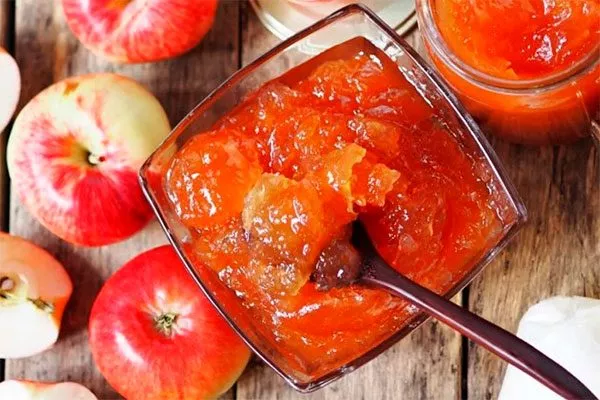
This variety is especially valuable as a raw material for home processing. The fruits make delicious and flavorful dishes:
- jams;
- jam;
- jam;
- marmalade;
- compotes;
- juices;
- jelly.
Dried apples are used to make fruit chips. This variety is rich in pectin, fiber, vitamins, and organic acids, making it particularly beneficial for boosting immunity and maintaining health.
Productivity and Pollinators
It's self-fertile, meaning it doesn't require a pollinator to produce fruit. However, gardeners often plant it next to other varieties to boost productivity. Spraying the trees with sweet syrup is recommended to attract bees and other pollinators.
Vasyugan demonstrates excellent productivity. As early as 7-9 years after planting, a single tree yields 10-12 kg of juicy, aromatic apples. The crop is capable of bearing fruit in harsher climates where other varieties simply cannot survive.
Subspecies and rootstocks
Currently, this variety has no registered subspecies, and their appearance is unlikely in the near future. However, using dwarf rootstocks such as MM-26 or M-106, the trees become even more compact and their productivity increases.
Keep in mind that the frost resistance of such trees is significantly reduced and they are primarily suited to milder climates. In southern regions, Vasyugan apples ripen significantly earlier than in northern regions, which is often mistaken for an early-ripening variety. In reality, this is simply the variety's response to climate.
Growing
Proper apple tree planting is the key to healthy growth and a bountiful harvest. It's important to follow certain guidelines to ensure the plant takes root and thrives.
How are seedlings selected?
When choosing planting material, follow these guidelines. Basic requirements:
- Give preference to strong and healthy one-year-old trees with a good trunk;
- Plants with a closed root system take root best - there is no need to remove the packaging when planting.
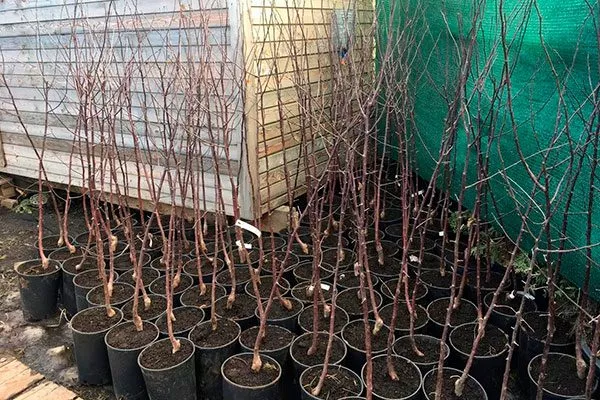
Carefully inspect seedlings for signs of disease and pests. If you have any doubts, do not purchase the trees.
When to plant an apple tree?
When purchasing planting material with a closed root system, you don't have to worry about planting time—plants can be planted in open soil at any time during the growing season.
If the root system is exposed, it's best to carry out the procedure in spring or fall, when the risk of frost damage is minimal. The optimal time is late March to early April or late September to early October.
The best place for an apple tree
The area where the crop is grown must be protected from strong winds and drafts, as their gusts can uproot young plants, not just damage them.
Proximity to groundwater and soil type are of secondary importance. Despite this, planting the Vasyugan variety near open water bodies or shallow wells is not recommended. However, the tree's roots are unlikely to penetrate deeper than 2 meters. The variety thrives in chernozem, loam, sandy loam, and even rocky soils.
Preparing the site and seedlings, planting
Start preparing the planting holes well in advance, for example, a few weeks before planting or in the fall. Follow these simple steps:
- Dig holes with vertical walls 60-70 cm deep and 70-80 cm in diameter.
- Place a mixture of fertilizer and soil on the bottom, then stones or broken bricks for drainage.
- Pour in 15-25 liters of water.
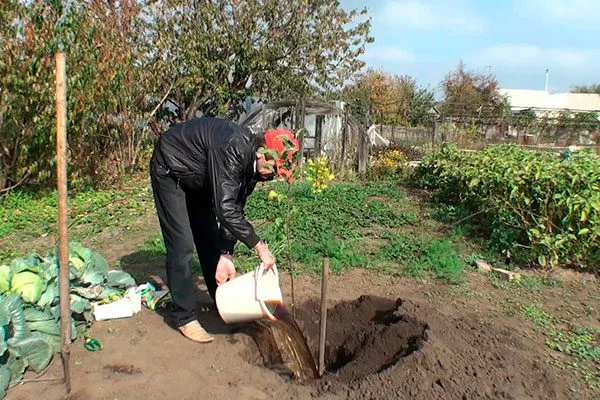
Before planting, prepare the seedling: carefully spread out the roots, removing any damaged or overly long sections. If the plant is bare-root, soak the roots in water for several hours to help them establish better in the soil.
Step-by-step instructions:
- Place the seedling in the hole.
- Fill with soil and compact gently.
- Water generously with warm water.
- Secure the tree with a stake if necessary.
- Mulch the soil around the trunk.
General care
Caring for the Vasyugan apple tree involves simple agricultural practices. These procedures don't take much time, but they directly impact the crop's yield.
Irrigation works
The tree has a shallow root system, which requires more frequent watering than other varieties. Drip irrigation is the best option. However, it's important not to overwater the soil, as excess water can lead to root rot.
If drip irrigation isn't possible, water the tree every 3-4 days during hot and dry weather. During other periods, once a week is sufficient.
Soil fertilization
The productivity of an apple orchard directly depends on proper fertilization, so don't forget to add nitrogen in the spring—it stimulates vegetative growth. Sources of nitrogen include:
- humus;
- bird droppings;
- mineral substances.
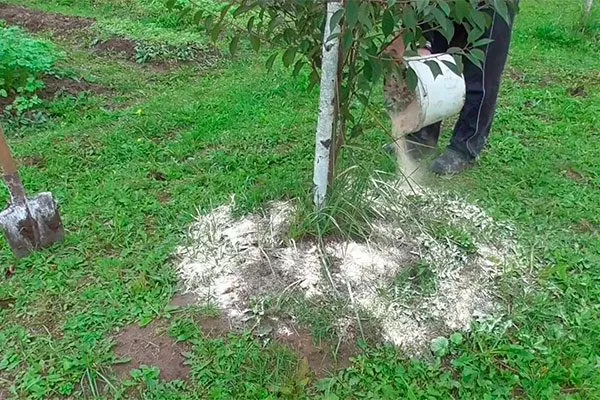
If you use fresh manure, apply fertilizer in the fall. Apply potassium solutions before and after flowering. To prepare the garden for winter, apply superphosphate. Ready-made fertilizers for all types of trees and plants are available in specialty stores.
Pruning branches
Pruning columnar apple trees requires care and attention. It's important to avoid branching, but excessive pruning is also unacceptable. Pay particular attention to preserving the terminal bud, and remove strong side shoots, leaving 2-3 buds—these will later produce fruit.
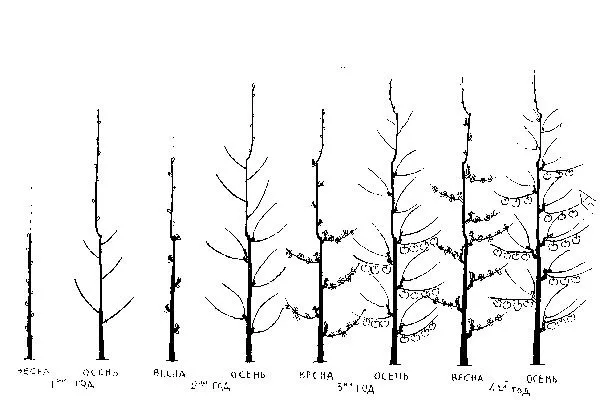
After the third year, remove such shoots to allow new growth. Repeat this process every year to maintain the columnar shape.
Inspect trees regularly in spring and fall, removing dead or damaged branches. Treat cuts with garden varnish or water-based paint to prevent infection. Rejuvenation of columns is not required due to their limited lifespan.
Care after watering
After watering, mulch the area around the tree trunk with straw, then remove it for the winter. Due to the tree's weak root system, there's no need to loosen the soil. Instead, plant grasses in the soil. Carefully mow them as they grow.
You can plant herbs such as lemon balm or dill. They will not only protect the soil but also help fight pests.
Protection from frost and rodents
Vasyugan is quite frost-resistant, so covering it won't require much effort. However, to protect it from the cold, cover the root zone with dry grass and wrap the trunks with roofing felt, tar paper, or agrofibre.
This is necessary if temperatures drop below -35-37°C. Apple trees tolerate cold temperatures above this level without any problems. In particularly harsh conditions, consider using a tent-like shelter—it's convenient due to the tree's compact size.
Harvesting and storing fruits
Ripe domestically bred apples have a bright red color that appears by late summer. Depending on climate conditions, harvest the fruit in August or September. For transportation and storage, sort and pack them in boxes or crates.
Diseases and pests of the Vasyugan apple tree
Despite its strong immune system, the plant can be susceptible to certain infections and parasitic attacks. These include:
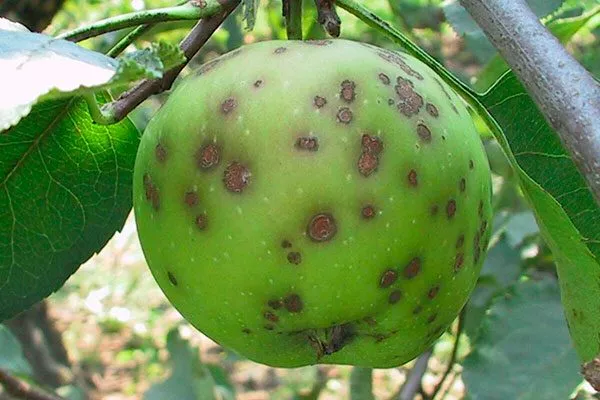
- Scab. A fungal disease that affects leaves and fruits, appearing as olive-colored, velvety spots.

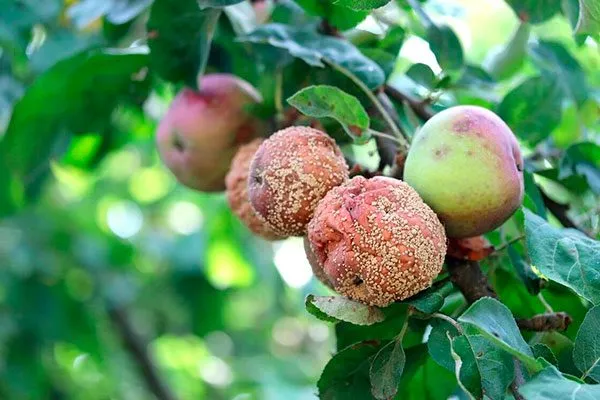
- Moniliosis. Fungal necrosis of branches leading to fruit rot.
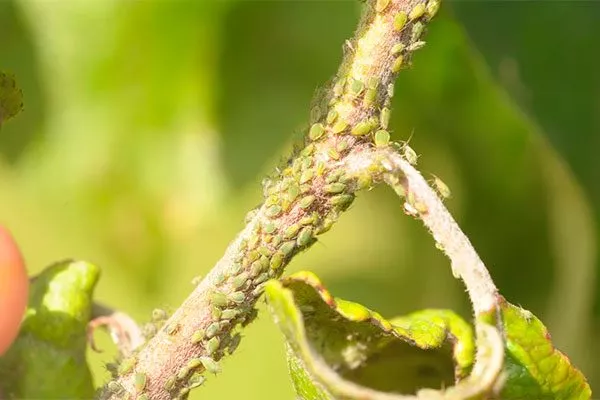
- Aphid. Small insects that feed on plant sap can carry viruses and cause leaf curl.
- Codling moth. Caterpillars that burrow inside apples and inhabit them during storage.
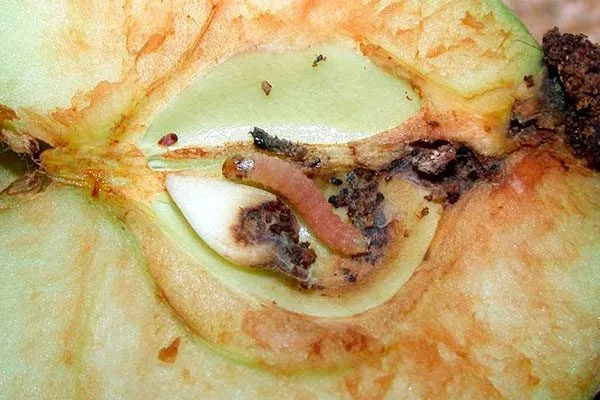
To prevent diseases and control pests, take the following measures:
- During the growing season, spray with fungicides: Topsin, Skor, Fitosporin;
- If pests appear, treat with insecticides: Karbofos or Bi-58;
- remove fallen fruit in a timely manner, trim and destroy affected branches;
- Whitewash tree trunks in the fall to protect against rodents.
Following these guidelines will help prevent the spread of diseases and pests, ensuring healthy trees and a good harvest.
Reproduction
Often, grafting a varietal scion onto a rootstock is done. This method preserves all the characteristics of the variety and produces plants that will bear fruit faster and be more resilient to environmental conditions.
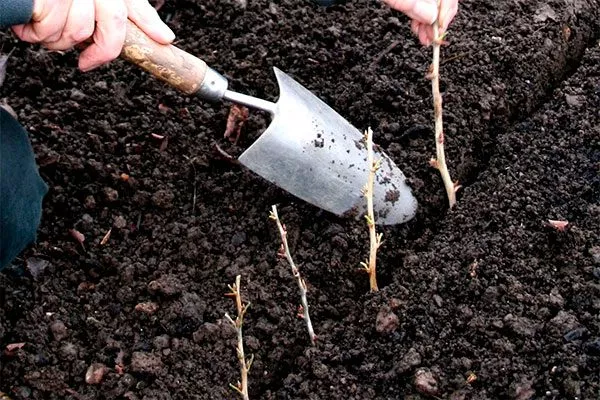
Follow these recommendations:
- Use healthy, vigorous Vasyugan cuttings and a suitable rootstock, such as a dwarf or semi-dwarf variety. This will improve the plant's compactness and frost resistance.
- From two- or three-year-old shoots, cut cuttings about 30 cm long and leave 2-3 buds on them.
- One of the most common methods is cleft grafting: make an incision in the rootstock and insert a prepared scion into it. An equally convenient method is oculation, where a single-bud scion is grafted into the rootstock's bark.
- Perform the procedure at a height of approximately 10-15 cm from the ground. Carefully isolate the grafting site from the outside environment using garden pitch or electrical tape.
- Wrap the area in plastic or film for several weeks to ensure moisture and warmth. Once the graft takes hold, new growth will appear on the graft, indicating the process was successful.
Pros and cons
The miniature apple tree Vasyugan has a number of significant advantages:
The crop has no disadvantages, but some gardeners consider the relatively short shelf life of apples (1-3 months) to be a disadvantage.
Reviews
The Vasyugan apple tree combines aesthetic appeal with good productivity, making it an excellent choice for lovers of juicy fruits. Despite its compact size, the trees produce a stable harvest, which can be used in a variety of dishes: baked goods, compotes, desserts, and more. Timely care and pest control will ensure a strong immune system.