
The Ustoichivoe apple tree is the ideal solution for those who dream of a bountiful harvest of delicious and juicy fruit in their garden. This variety, characterized by high productivity, excellent flavor, and many other wonderful qualities, will be a true gem for gardening enthusiasts.Here you can see a selection of the best apple tree varieties).
Description of the variety
Ustoichivoe is a well-known apple variety that was created by Russian breeders G. A. Lobanov, Z. I. Ivanova, V. K. Zayets and S. I. Isaev as a result of crossing Antonovka Obyknovennaya and Rozmarin Bely.
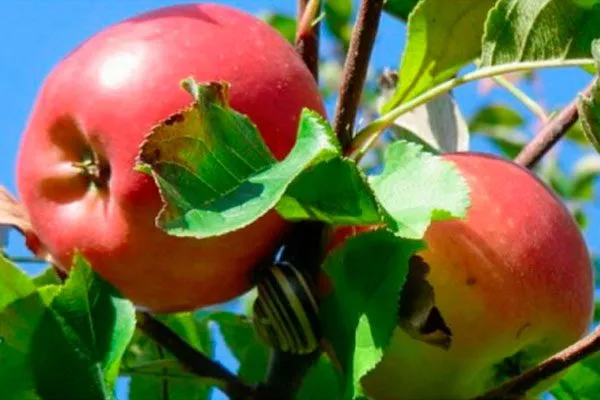
The tree is 400-500 cm tall and has a powerful crown, which forms a cool shelter on sunny days.
Other varietal characteristics:
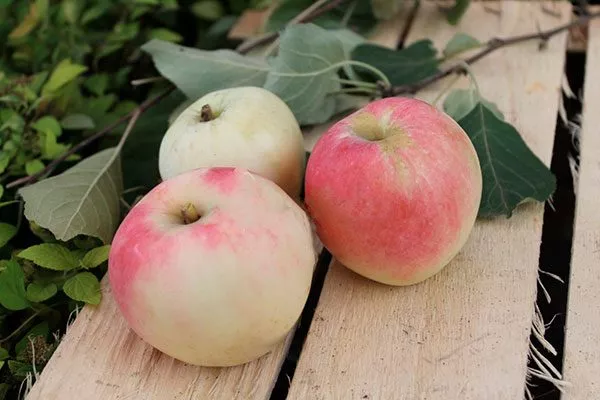
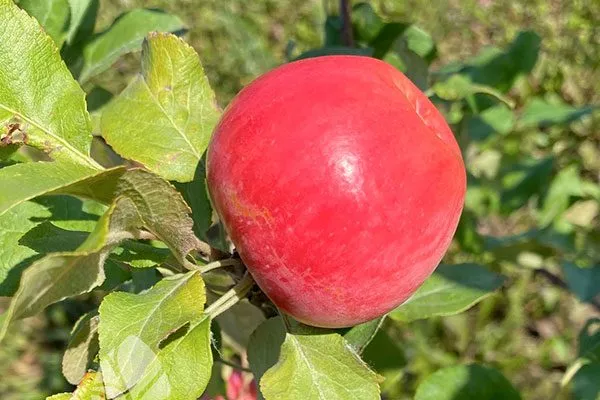
- Fruit The resistant ones have a flat-round shape and weigh from 125 to 160 g. Their skin is of medium thickness, smooth and shiny, and the subcutaneous dots are numerous, but barely noticeable.

- Pulp The apple is white with a slight greenish tint, has a medium density and a fine-grained structure.
- Taste This variety is characterized by a sweetness with a slight acidity, making it ideal for fresh consumption. The apple aroma is not overly pronounced, but it is still present, adding additional appeal.
Main characteristics
In the first 4-5 years after planting, the apple tree begins to bear fruit, but productivity is considered unstable: one year the harvest may be extremely abundant, while the next year the tree may be less fruitful or not produce fruit at all.
Other characteristic features:
- It boasts excellent resistance to diseases and pests, particularly scab, one of the most common problems among fruit crops. This property minimizes the use of chemical pesticides and ensures environmentally friendly production.
- It is characterized by an increased ability to tolerate low temperatures, which makes it ideal for growing in areas with cool climates.
- It has good drought tolerance, making it suitable for cultivation in areas with low moisture content.
Growing
Apple tree seedlings are typically accepted between mid-April and mid-October for bare-root plants. However, these days, when seedlings are often sold in plastic containers, they can be planted throughout most of the year—from early April to late October.
Features of planting operations:
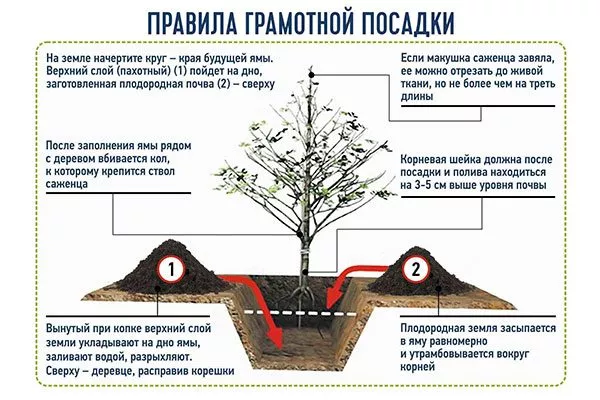
- To plant apple trees, dig holes 80-100 cm in diameter and 60 to 80 cm deep. It's best to do this a month before planting if you're planning to plant in the fall.
- If planting in the spring, preparatory work should begin in the fall. This allows the soil to undergo the necessary ripening period, promoting successful seedling establishment.
- An important condition when planting is to maintain the level of the root collar at the same level as in the container.
- The soil for this apple variety should be low to moderately acidic. Sandy, loamy, or clayey soils are ideal for this variety.
What to do next?
Apple orchard maintenance involves three key elements: fertilization, watering, and pruning/shaping. There are also other nuances to consider.
Watering and fertilizing
To provide apple trees with favorable conditions for growth, it is necessary to water them four times during the entire growing season:
- in early spring, before the buds begin to open;
- two to three weeks after flowering ends;
- 15-20 days before harvest;
- in October, after the leaves have fallen, to strengthen the tree's winter hardiness.
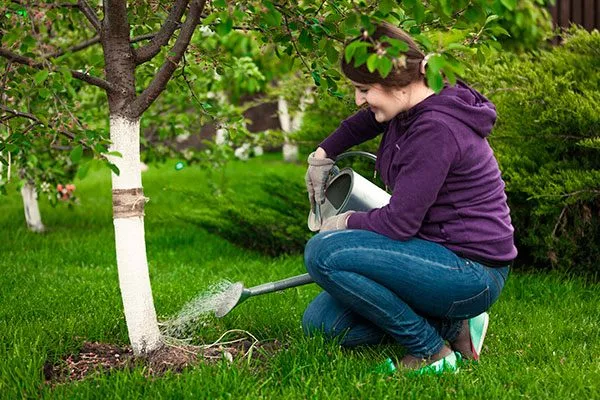
The volume of water for irrigation depends on the age of the apple tree:
- 3-5 years – 50-80 l;
- 5-10 years – 120-150 l;
- over 10 years old – 200 l.
During the entire growing season, apple trees require four fertilizing sessions:
- at the end of April: urea, evenly distributed in the tree trunk circle according to the size of the crown, then watering;
- when the buds appear: Superphosphate, potassium sulfate, mullein, water – the solution consumption rate is 45-55 liters per tree;
- at the stage of beginning of fruit ripening: complex fertilizers (nitrophoska or azofoska), dry sodium humate, water - consumption rate 25-30 liters per tree;
- after harvest: Superphosphate and potassium sulfate, which should be evenly scattered in the tree trunk circle according to the size of the crown and watered.
Additionally, apple trees need to be fertilized with well-rotted manure once every three years. The fertilizing dose depends on the tree's age (the norm per plant):
- up to two years – 10-15 kg;
- three to four years – 20-30 kg;
- five to six years – 35-40 kg;
- seven to eight years old – 45-50 kg;
- nine to ten years old – 55-60 kg;
- over eleven years old – 75-80 kg.
Protecting apple trees from diseases and pests
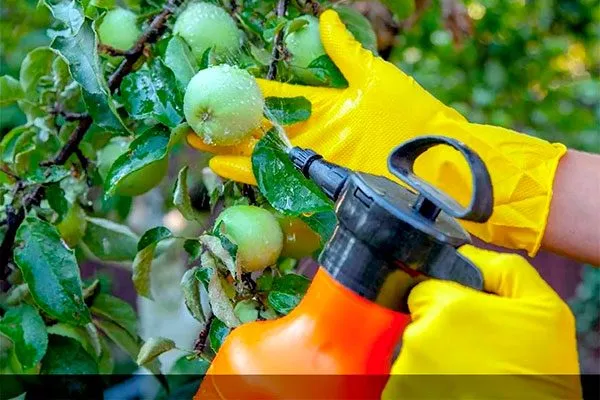
To maintain the health of apple trees, it is necessary to carry out four treatments per season, using only two preparations:
- In early spring, before the buds open, spray the trees and soil around the trunks with Bordeaux mixture, which is effective against fungal diseases.
- When buds appear, Fufanon should be used to protect trees from pests and mites.
- After the petals have fallen, it is necessary to repeat the treatment with Fufanon, and a day later, additionally treat with Bordeaux mixture.
- After harvesting the fruits, it is important to carry out another spraying with Fufanon, and a day later - with Bordeaux mixture.
Forming and pruning apple trees
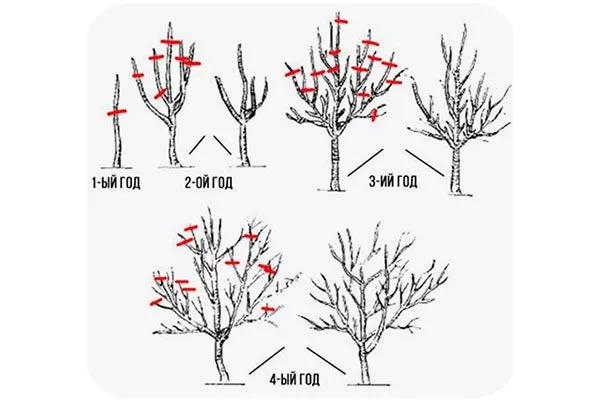
Annual pruning of apple trees is essential for maintaining their health and producing high yields. The crown should be bowl-shaped and sufficiently sparse to ensure good air circulation, which reduces the risk of disease.
Nuances:
- Pruning can be carried out at any time of the year, except for mid-April, when active sap flow occurs, but provided that the air temperature is not below -5°C.
- The pruning process begins with removing all dead and diseased branches. Then, stems growing inward are pruned. Overly long shoots should be shortened by cutting them back to an outer bud, so that new growth grows outward rather than inward.
- In summer, regularly remove suckers—thick shoots that feed on the plant—before they become large. It's best to pluck them while they're still small and green.
How to pick apples correctly?
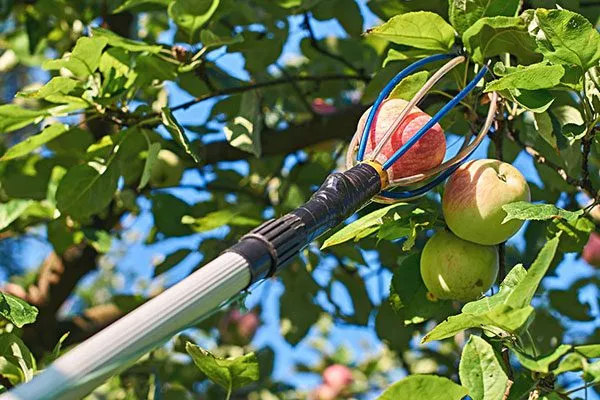
With summer-harvested apples intended for quick consumption, no caution is required—even fallen fruits can be picked. The same applies to fruits intended for making jam or juice.
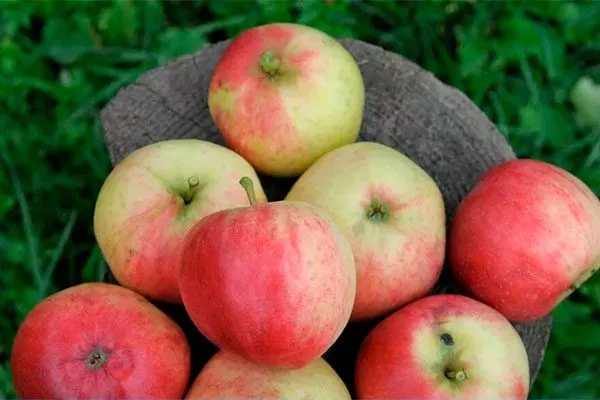
But autumn harvests that will be stored until next year require adherence to certain rules:
- collect fruits with stems so that they can be stored longer;
- cleaning should be done in the morning or evening hours, when there is no heat;
- When picking apples, wear protective gloves to avoid damaging the skin with your nails – these fruits spoil quickly;
- Do not peel or wash off the coating - this is a natural protective layer that helps apples to be stored for a long time.
Rules for storing apples
There are several methods for storing apples, but the main ones are two:
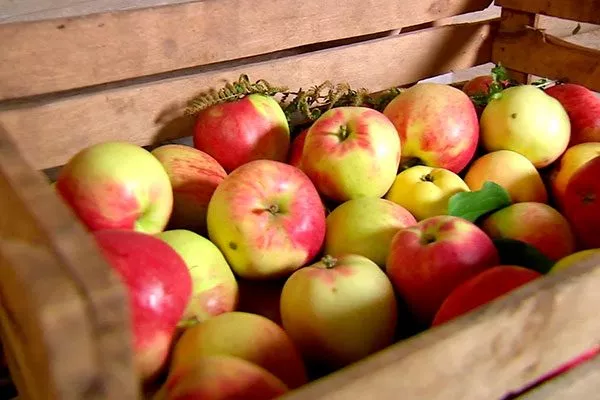
- In boxes. It's best to use wooden structures with small gaps between the boards. Before storing the apples, it's recommended to expose them to sunlight for two to three hours—ultraviolet radiation will kill pathogens. The apples are placed in two layers, stem-side down, with the stem of the top fruit between the bottom fruits.
After planting, the apples need to be filled. Various materials can be used for this, each suited to the resources available:- shavings or sawdust from deciduous trees (it is not recommended to use coniferous trees - the apples will smell of resin);
- buckwheat husk;
- dry oak leaves;
- bracken fern leaves;
- dry sphagnum moss;
- dried lemon balm;
- sand.
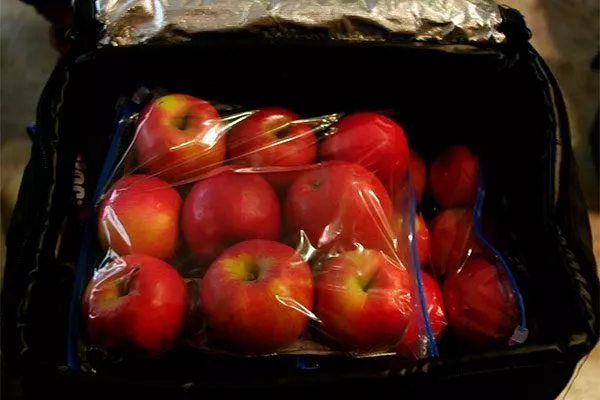
- In bags. In this case, the fruits are placed in regular plastic bags, each weighing 2-3 kg. They are left open for 2-3 days to allow the apples to evaporate excess moisture. The bags are then tightly sealed, removing any air, and tied with strong string.
Reviews
Thanks to its frost resistance and drought tolerance, the Ustoichivoe variety is ideal for a variety of climates and produces fruit even with limited rainfall. It's the perfect choice for those who want to enjoy the freshness and unique flavor of apples harvested on their own plot.