
Proper fertilization is one of the key factors ensuring the health and fertility of apple trees throughout their lifespan. From the first days after planting until maturity, the tree requires regular and appropriate feeding to help develop a strong root system, stimulate growth, improve fruit quality, and strengthen the immune system.
What nutrients do apple trees need?
For a plant to consistently bear fruit and develop smoothly, it requires adequate nutrition. Each stage of growth requires specific elements that determine the tree's health, abundance of ovaries, and fruit flavor.
Nitrogen
In spring, apple trees especially need nitrogen—an element responsible for the active growth of leaves and shoots. It participates in photosynthesis as a component of chlorophyll, so its need increases sharply during the growing season. The older the tree, the more green mass it needs to "feed."
This element also plays a role in fruit formation, so high-nitrogen fertilizers are applied until mid-summer, while fruit is actively maturing. Early-ripening apple varieties can be given nitrogen supplements earlier, but winter-ripening varieties may require additional nutrition.
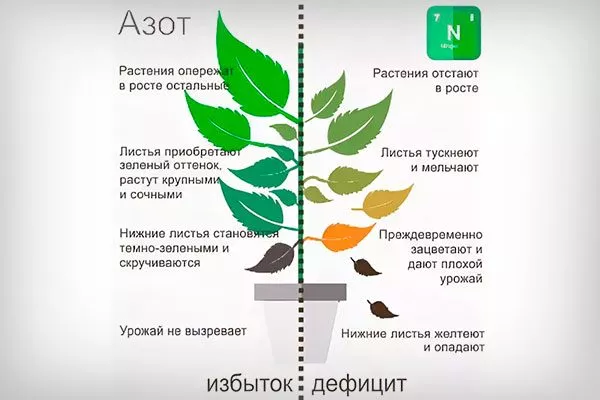
Excess nitrogen is harmful: trees become overweight—they quickly develop foliage, but flower and set fruit less efficiently. Plant immunity is also weakened: loose leaf tissue becomes vulnerable to fungal infections. Fruit from such trees contains more nitrates, and winter varieties have a poorer shelf life.
Phosphorus
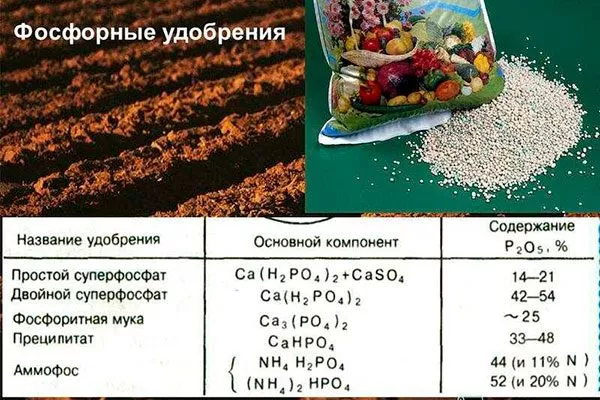
Proper supply of phosphorus and potassium directly impacts apple tree health, abundant blooms, and future harvests. These elements play a vital role in plant life, especially during periods of active growth and fruit formation.
Key Features:
- Phosphorus promotes the development of a strong root system and the growth of new shoots, participates in respiration and photosynthesis, and helps preserve the varietal qualities of fruits. However, it is virtually immobile in the soil, so it is important to apply it immediately to the zone of active root formation—at a depth of about 30-40 cm.

- Since phosphorus is absorbed slowly, it is applied in advance – in the fall or early spring.
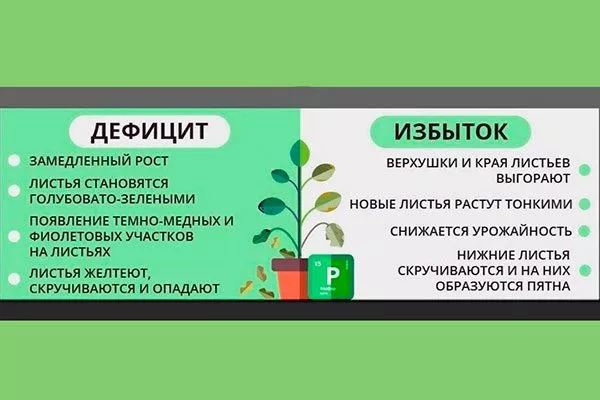
- Unlike nitrogen, an excess of phosphorus does not cause negative consequences, so fertilizers based on it can be used less frequently, but in larger quantities.
Potassium
Potassium is a key element for the health and vigor of apple trees. Key points:
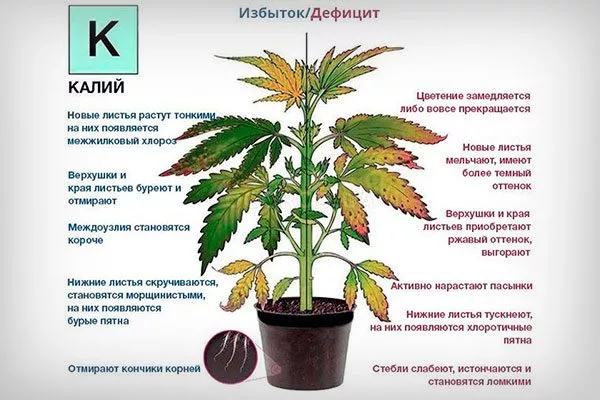
- It strengthens leaf tissue, making it less susceptible to fungal diseases, and regulates the water balance in cells, helping trees to withstand drought more easily.
- Responsible for the taste of the fruit: it is potassium that promotes the accumulation of sugars and dry substances in apples, making them sweeter and more aromatic.
- In autumn, potassium plays an important role in preparing trees for winter – it accelerates the flow of nutrients to the roots and promotes shoot maturation, reducing the risk of freezing.
Calcium
Calcium deficiency in apple trees often goes unnoticed until harvest, only to become apparent during storage. Small dents appear on the apples, under which the flesh becomes corky and develops an unpleasant, bitter taste—a symptom of bitter pit.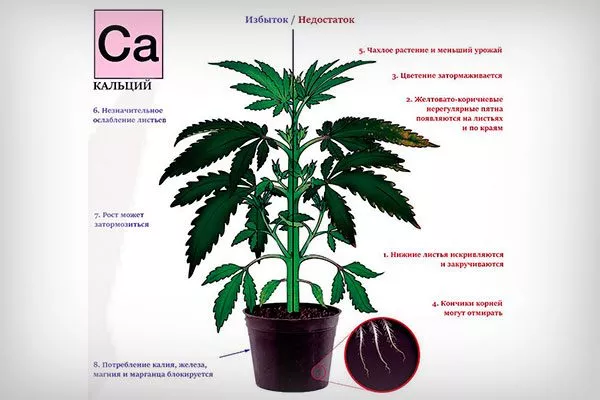
To avoid such problems, it's necessary to regularly apply calcium foliar fertilizer throughout the season. The first application should be made immediately after flowering, followed by two more applications to the buds, 3-4 weeks apart.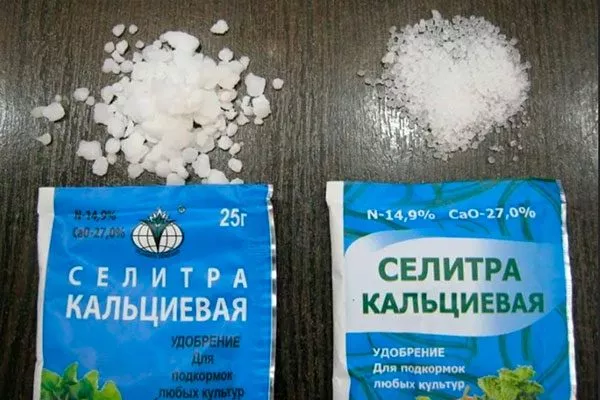
Microelements
Although micronutrients are required by plants in very small quantities, their role in apple trees is difficult to overestimate. Even a slight deficiency of these nutrients can negatively impact the growth, development, and quality of the fruit.
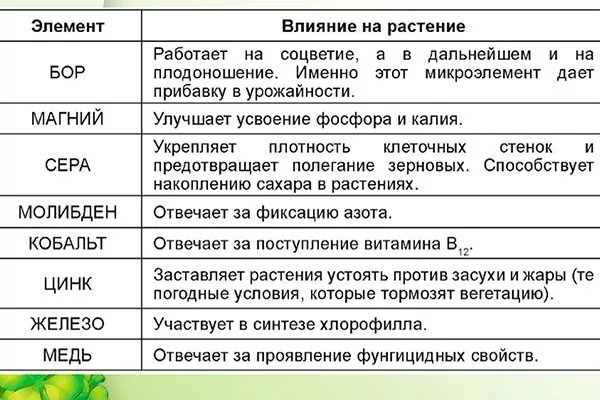
Important micronutrients:
- boron – necessary for flowering and formation of ovaries;
- iron, magnesium and manganese – participate in photosynthesis and help to assimilate nitrogen;
- zinc – stimulates growth and promotes the accumulation of vitamins.
Types of fertilizers
To provide adequate nutrition to apple trees, it's important not only to know what elements they need but also to choose the right source of these nutrients. Fertilizers vary in composition, origin, and mode of action.
Minerals
When apple trees begin to form ovaries, they especially need phosphorus and potassium nutrients. Follow these recommendations:
- Apply the substances into the furrows along the edge of the tree trunk circle, after which be sure to moisten the soil.
- If there is no rain, water the plants additionally 1-2 times a week. The recommended rates are 15-20 g of potassium and 40-50 g of phosphorus fertilizers per square meter.
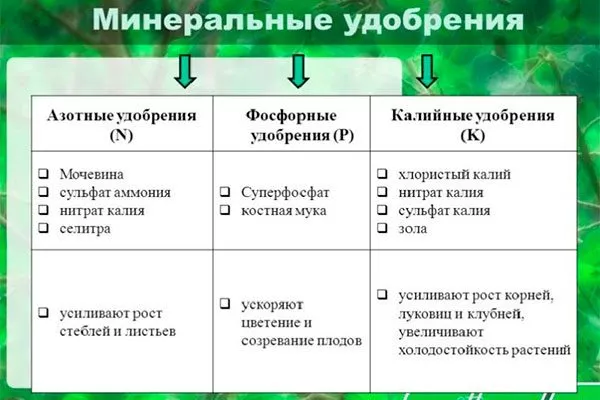
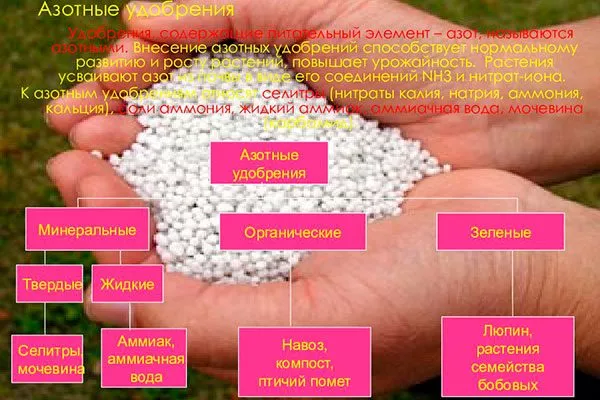
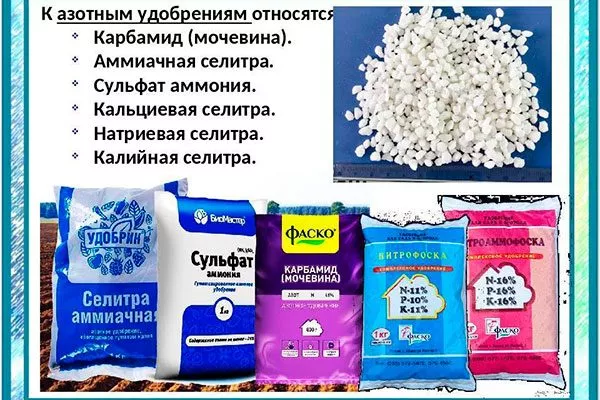
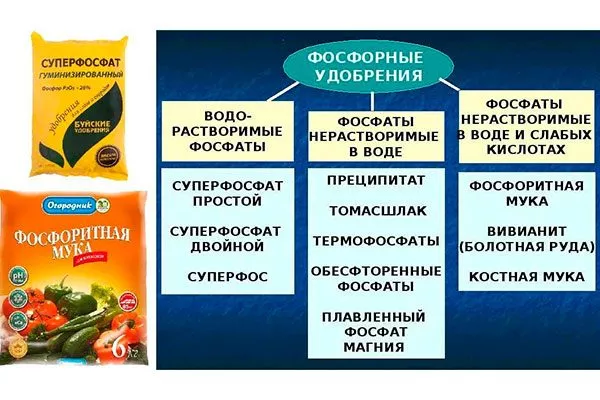
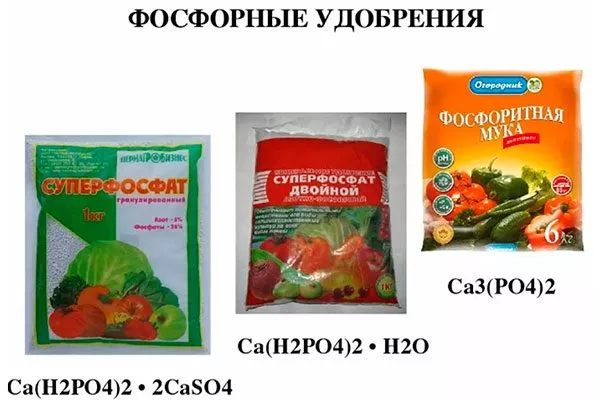
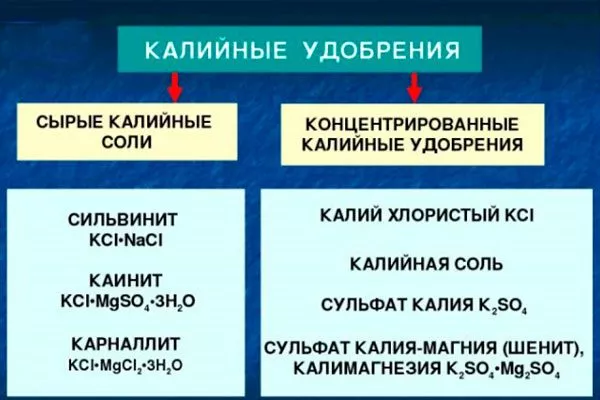
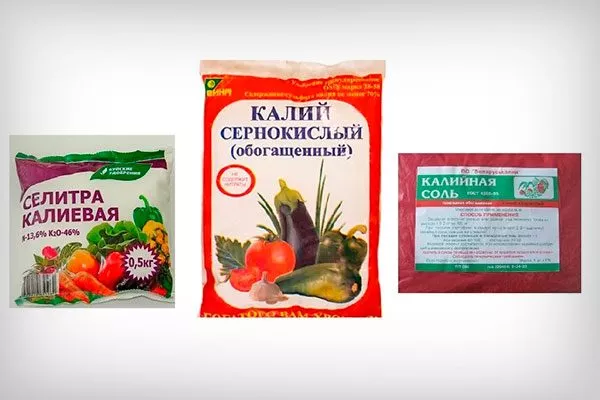
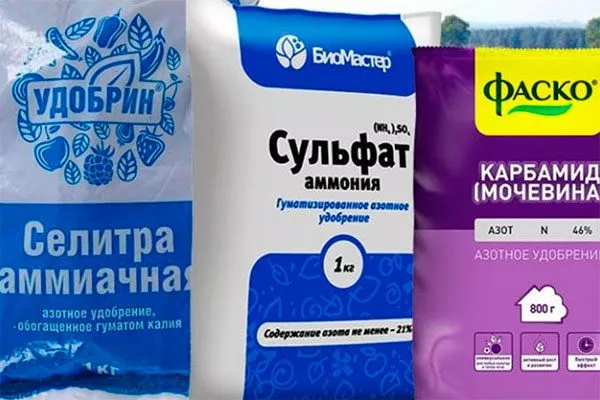
Among nitrogen fertilizers, gardeners most often use ammonium nitrate, ammonium sulfate, and urea. To replenish phosphorus, use superphosphate, and potassium sulfate and potassium chloride are popular potassium fertilizers.
Organics
Organic fertilizers play an important role in the nutrition of apple trees, especially if you're aiming for an environmentally friendly harvest. These fertilizers not only enrich the soil with nutrients, but also improve its structure, activate soil microflora, and act gently, without the risk of overfeeding the plants.
The most common types of natural fertilizers and their application features:
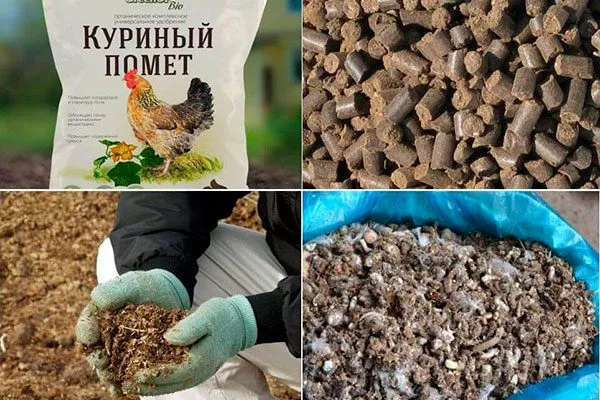
- Bird droppings - An effective yet relatively safe fertilizer. To prepare a solution, use 100 g of manure per 15 liters of water. The mixture should be left to ferment for about a week.
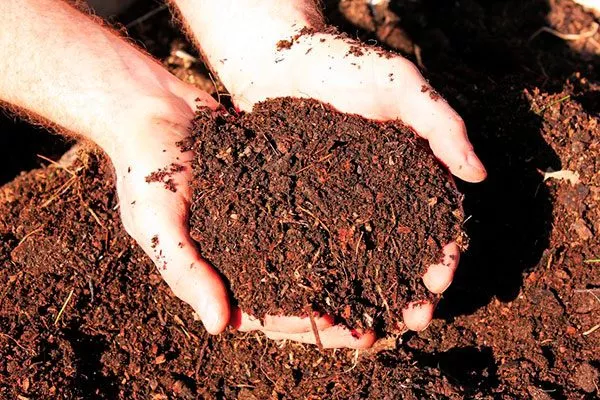
Apply fertilizer only at the beginning of the growing season, during the period of active apple tree growth. Later, especially after harvest or when preparing trees for winter, it's best to avoid it due to its high nitrogen content. - Humus - An affordable and versatile form of organic matter that can be found in almost every garden. It consists of rotted plant residues and is considered safe for use at all stages of apple tree development. Humus is not harmful to the tree, even with repeated applications.
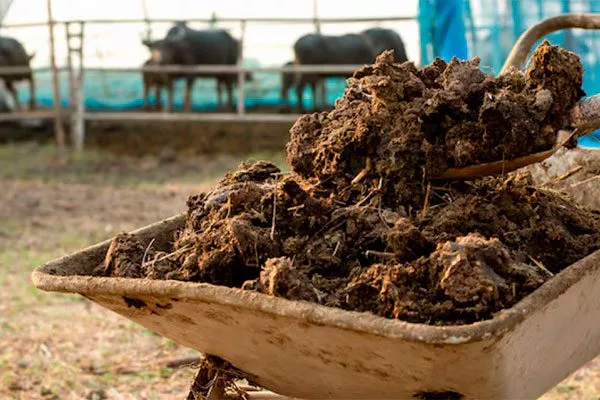
- Manure - One of the oldest fertilizers, proven by generations of gardeners. Use it only in its rotted form. Fresh manure can burn roots due to its high ammonia content. The optimal rate is about 10 kg per 1 square meter of trunk area.
Fertilizer application methods
Choosing the right fertilizer application method ensures that nutrients reach the plant in the right form and at the right time. This determines not only the fertilizer's effectiveness but also its impact on the health of the apple tree.
Root
This means that nutrients are delivered directly to the root zone—the soil. Key features:
- Fertilizer can be applied in either dry or liquid form.
- Root fertilizers are well absorbed by plants, especially with proper watering.
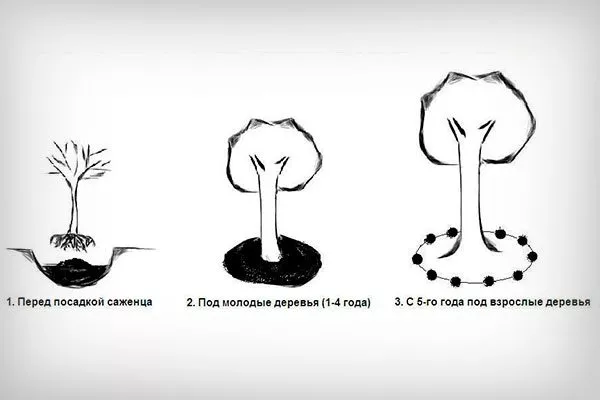
To ensure even nutrition, distribute fertilizer around the tree trunk, occasionally working it into furrows 10-15 cm deep, and then thoroughly moisten. This method is effective for adding organic matter, phosphorus, potassium, and nitrogen early in the growing season.
Foliar spraying
They are used to urgently replenish micro- and macronutrient deficiencies. For foliar feeding, spray the fertilizer solution onto the foliage using a spray bottle or mister. The substances quickly penetrate the plant cells through the stomata on the leaf surface.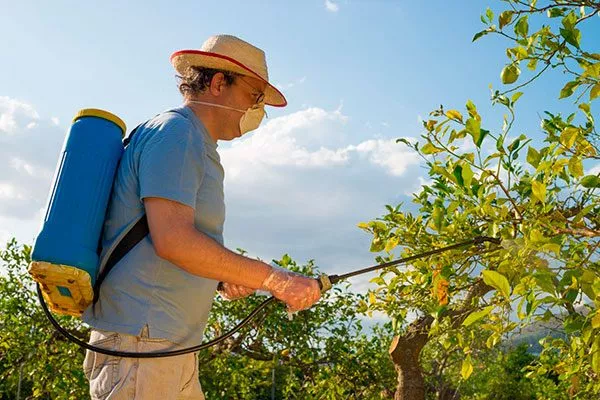
This method is especially useful for iron, magnesium, zinc, boron, and calcium deficiencies. However, foliar feeding does not replace primary fertilizers; it merely supplements the nutritional needs. It's best to apply the fertilizer in the morning or evening, on cloudy but dry days, to avoid leaf burn.
Dry
Spread dry fertilizers over the soil surface in the tree trunk area, then either work them into the top layer of soil or leave them as is, but be sure to water them.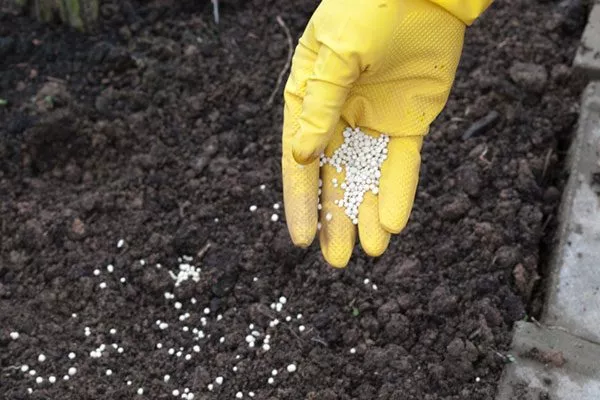
This method is applicable to granular and powdered fertilizers, including:
- Superphosphate;
- potassium preparations;
- ash;
- bone meal.
It is convenient when preparing the soil in autumn or early spring.
Wet
This involves applying fertilizer in solution form, which ensures rapid absorption of nutrients by the root system. Liquid fertilizers are especially important during periods of active growth and fruiting.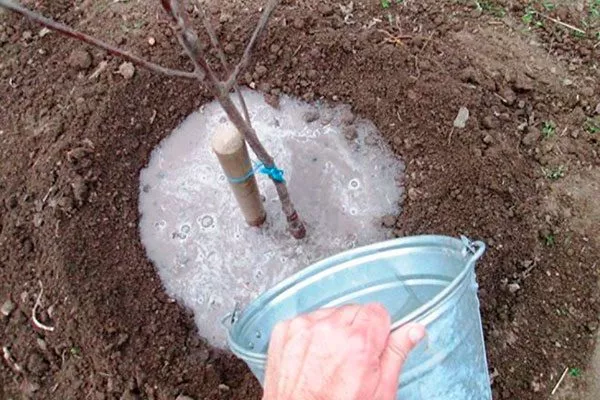
Helpful tips:
- Use both organic matter (infusion of manure, bird droppings, herbal tea) and mineral solutions (urea, calcium nitrate, monopotassium phosphate).
- Pour fertilizer into holes or furrows around the tree or pour it over the entire area around the trunk, and then moisten with clean water.
Apple tree fertilizing calendar from spring to autumn
To ensure a rich and high-quality harvest, it's important not only to choose the right fertilizers but also to apply them promptly. Certain rules must be followed.
Awakening
Bud swelling and the subsequent "green cone" phase, when the growth nodes open and the green tips of the leaves emerge, signal the apple tree's awakening from its winter dormancy. The tree emerges from its long dormancy, experiencing intense hunger.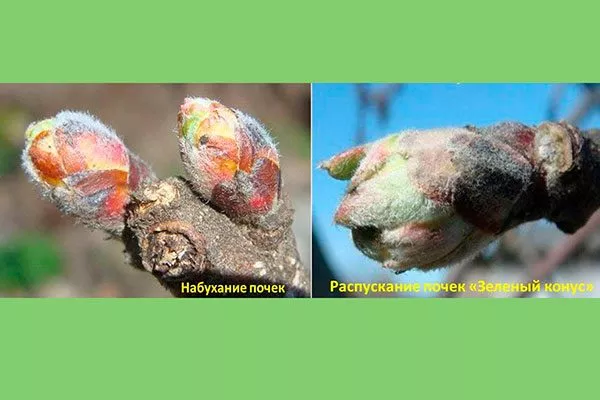
Urea
Urea is an excellent source of nitrogen for spring fertilization of apple trees. It contains a high percentage of nitrogen—46% in the amide form—which does not acidify the soil, unlike ammonium nitrate or ammonium sulfate.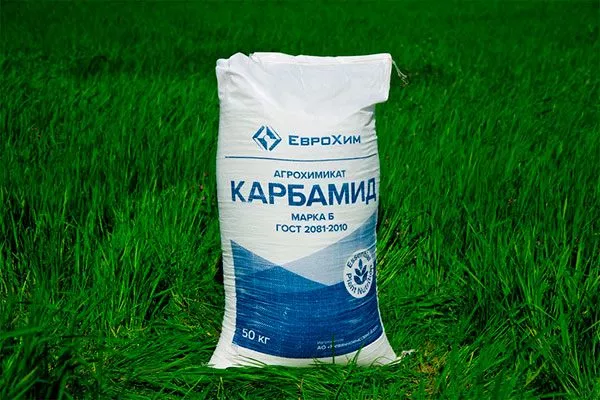
The effect of urea develops gradually: amide nitrogen is first converted by soil bacteria into the nitrate form, which the plant absorbs most effectively.
In spring, when the soil is still sufficiently moist, apply dry urea at a rate of 15-20 g per 1 square meter of the trunk circle. For tall trees with a trunk circle diameter of about 5 m, approximately 300-400 g of urea will be required.
Complex mineral fertilizers
Complex fertilizers provide plants with a balanced nutritional diet, including nitrogen, phosphorus, potassium, and micronutrients. When purchasing, pay attention to the intended use and the concentration of the substance when using. Carefully read the instructions, as overdosing can lead to adverse reactions.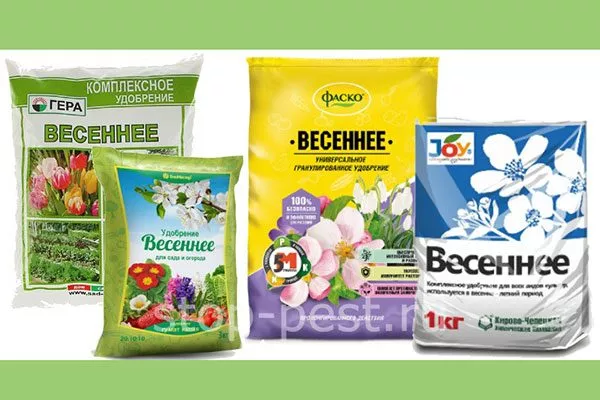
After flowering
During this period, apple trees enter a key stage: fruit set. The tree "decides" how many fruits it can produce during the season. This process largely depends on soil fertility and the availability of phosphorus and potassium.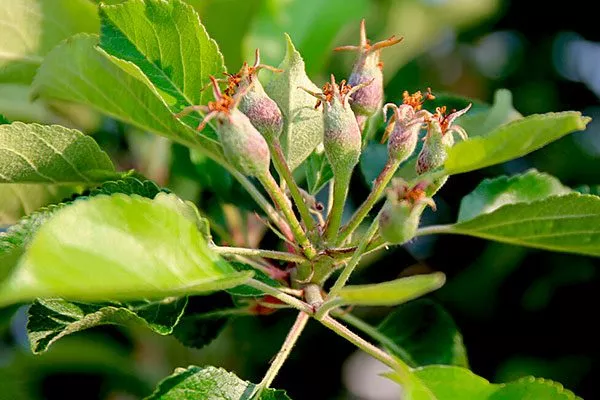
Potassium monophosphate
If you didn't apply potassium and phosphorus last fall, add them in early spring. Applying superphosphate in spring will only have a noticeable effect the following season, so it's best to use liquid monopotassium phosphate root dressing for the current year.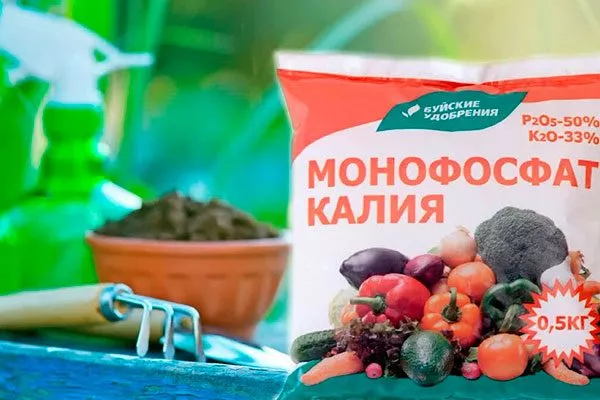
Calcium nitrate
To prevent bitter pitting of apple trees, apply foliar feeding with a calcium nitrate solution immediately after flowering.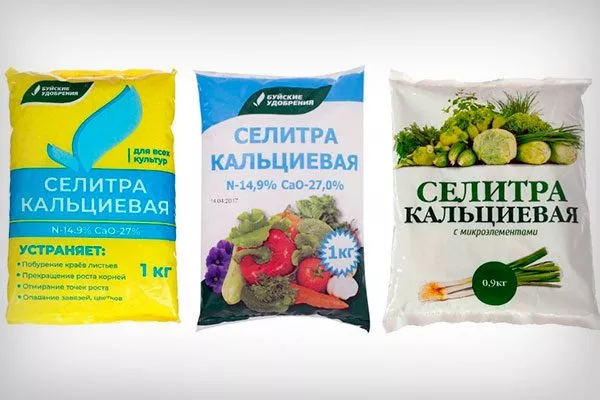
Complex fertilizers
By the time flowering ends, large leaves have formed on apple trees, opening the door to effective foliar feeding. Nutrients are absorbed much more quickly through the foliage, and only a small amount of solution is required.
Helpful tips:
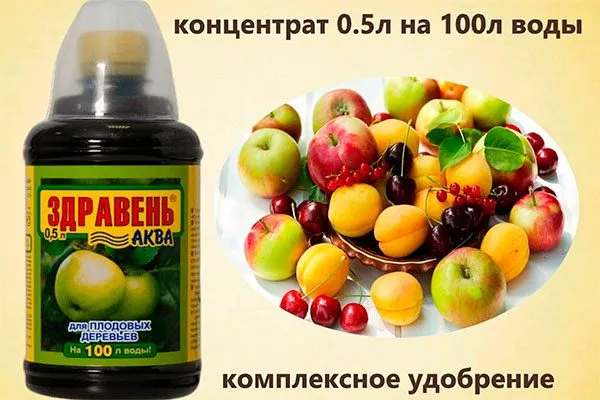
- For treatment, use complex fertilizers containing macro- and microelements, such as Zdraven Aqua for fruit trees. However, foliar feeding alone is not enough, as no more than 2-3 liters of solution are needed for the entire crown.
Therefore, additionally carry out root feeding: to do this, dissolve 50 ml of liquid fertilizer in 10 liters of water and use 3-5 liters per 1 square meter of the tree trunk circle. - For convenient and faster fertilizing of a large garden, use the Aqua-Stream system. Attach a special sprayer to a hose connected to the water supply, and connect a bottle of Zdraven Aqua-Stream Fruit Garden fertilizer to it.
The preparation is mixed with water in measured doses, which allows you to feed the entire garden in just 15-20 minutes.
Organics
Infusions of mullein, chicken manure, and fermented infusions of nettles and weeds are complex organic fertilizers. They act gently and gradually on plants, as the absorption of nutrients requires the breakdown of organic matter by soil microflora.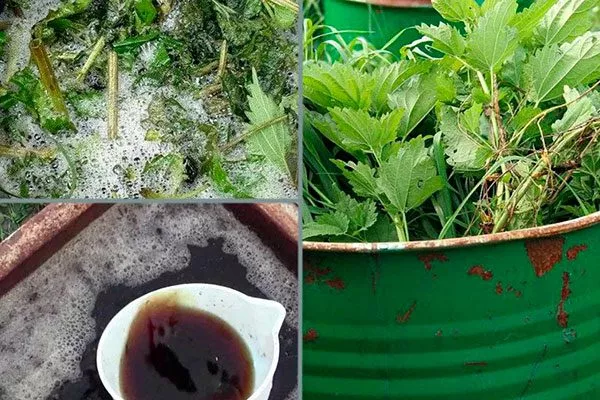
Follow the rules:
- Apply liquid organic fertilizers only after the soil has warmed up to a temperature of +16-18°C, when microbial activity reaches an optimal level.
- In early spring or fall, add organic matter to the soil.
- Add humus to the dug holes along the projection of the tree crown, approximately 50-60 kg per adult tree - 5 kg per 10-12 holes.
Growth of ovaries
After apple and pear trees begin to set fruit, maintaining optimal soil moisture is especially important. Even in fertile areas, drought can cause nutrient deficiencies, as plants can only absorb nutrients in dissolved form.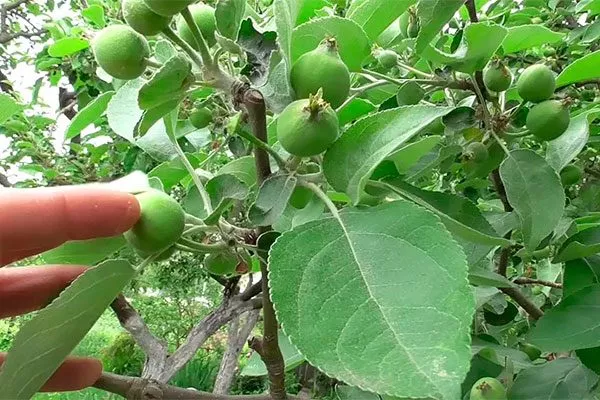
Fertilizing apple trees during fruit ripening
During fruit ripening in July and August, continue regular fertilizing, focusing on the key elements—nitrogen (N), phosphorus (P), and potassium (K). However, starting in mid-summer, reduce the nitrogen concentration for fruit-bearing trees, as excess nitrogen stimulates foliage growth.
Helpful tips:
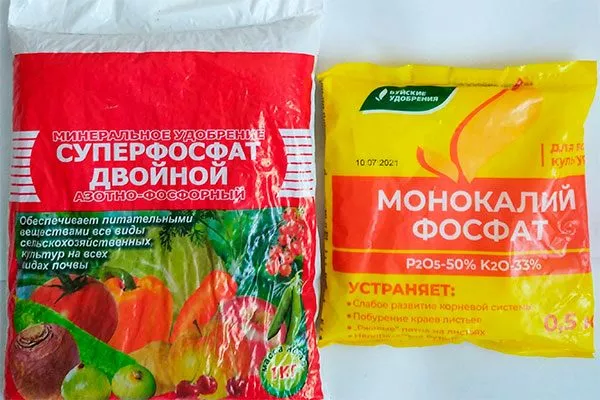
- From the end of July, limit the use of pure organic matter (except wood ash) and focus on mineral fertilizers with a high content of phosphorus and potassium - for example, use monopotassium phosphate or apply superphosphate at a rate of 30 g per 1 sq. m.
- During the summer, the crop responds well not only to root feeding, but also to foliar feeding – spraying on the foliage, which provides a rapid supply of nutrients, which is especially important for young, weakened or damaged trees.
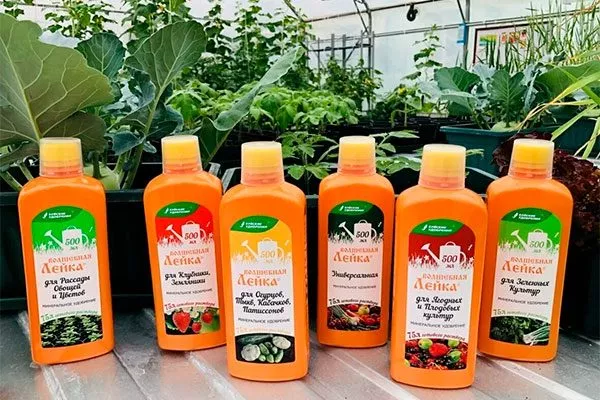
For such treatments, use easily digestible and safe fertilizers, such as the liquid complex fertilizer from the "Magic Watering Can" series for berry and fruit crops. This product contains not only macronutrients but also important micronutrients—magnesium, iron, manganese, zinc, copper, molybdenum, and boron. - Apply foliar feeding late in the evening, thoroughly spraying the entire surface of the leaves.
After harvesting
The apple harvest has been gathered, and the trees are completing their annual development cycle. If there was little rainfall in August and September, the orchard will need ample watering to restore the water balance and prepare for winter.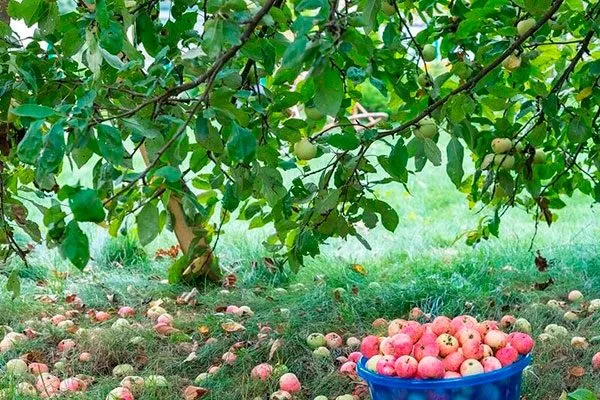
During this period, it's useful to apply foliar fertilizer with potassium monophosphate or potassium sulfate—this promotes accelerated bark maturation on young growth. Since phosphorus and potassium are absorbed by trees gradually, apply large doses of fertilizer that will last for several years.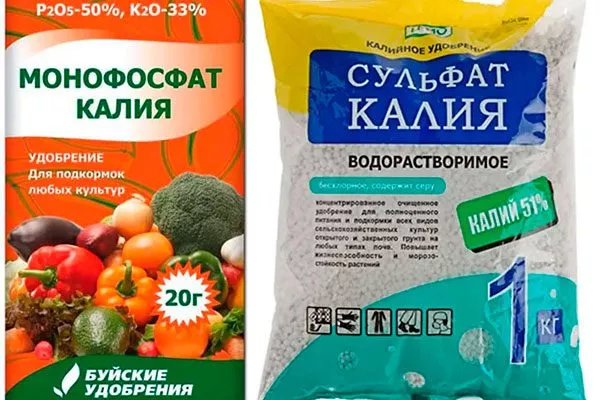
Place a mixture of mineral and organic fertilizers into deep holes around the tree trunk. Mix superphosphate and potassium sulfate with compost or, after applying, fill the holes with fallen fruit and grass.
How to fertilize an apple tree after planting?
During the first year of life, the root system is actively developing and requires special care. The main nutrients are nitrogen, phosphorus, and potassium, but their proportions vary depending on the season.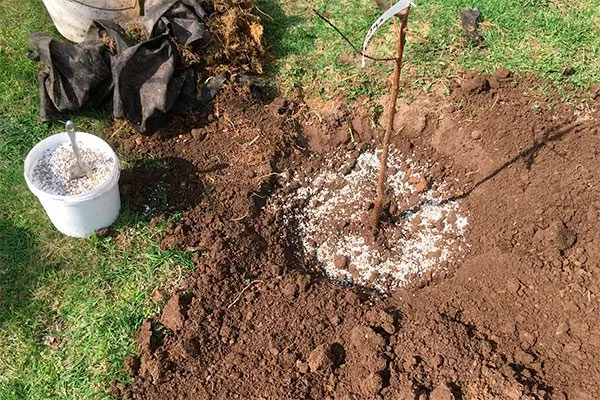
What each element is responsible for:
- nitrogen – growth of green mass;
- phosphorus – root development;
- potassium – strengthening the immune system and resistance to stress.
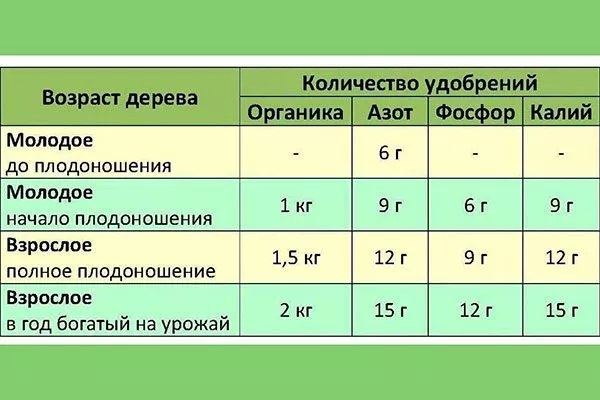
Fertilizing apple trees depending on their age
A plant's nutrient requirements change with age. Generally, the following rules apply:
- For young trees, reduce the fertilizer dose by at least half compared to adult plants;
- from the second year of life, increase the volume of mineral supplements annually by approximately 30%;
- Starting from the 10th year, apply fertilizer in a constant volume.
Application rules, recipes
To ensure maximum benefit from fertilizers, it's important not only to choose them correctly but also to follow certain requirements. There are several proven recipes for making effective apple tree fertilizers.
How to use humus and compost correctly?
First, gently loosen the soil around the tree trunk. Then follow these instructions:
- Remove weeds and plant debris.
- Water the soil thoroughly.
- Spread compost or humus evenly around the tree. Apply approximately 10 kg per square meter of soil.
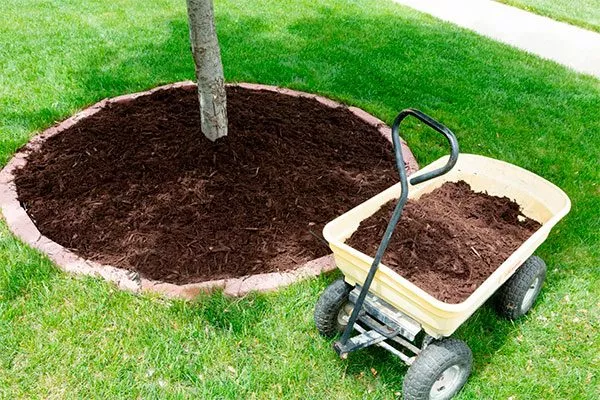
Over the course of the season, organic matter will gradually penetrate the soil, providing plants with the necessary nutrition.
How to use manure?
Apply in liquid form. First, loosen the soil around the tree trunk, moisten it, and clear it of weeds. Dilute the manure with water at a ratio of 1:10.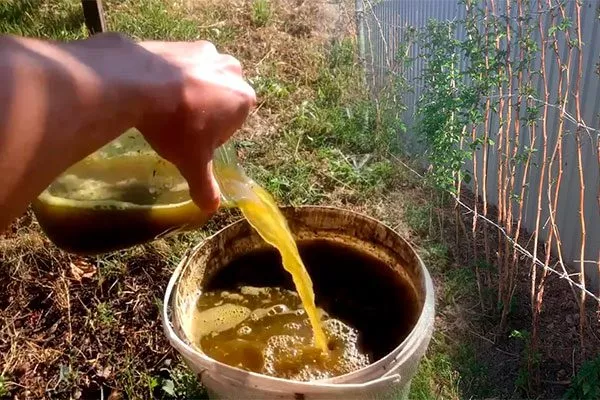
Boric acid
To prepare a solution for 10 liters of water, use the following components:
- boric acid – 10-20 g;
- potassium permanganate – 5-8 g;
- copper sulfate – 2-5 g;
- zinc sulfate – 4-5 years
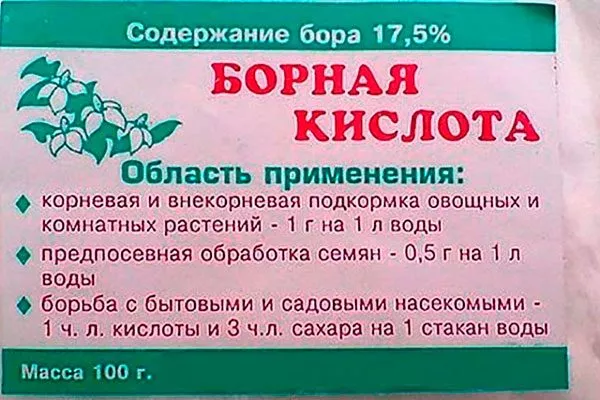
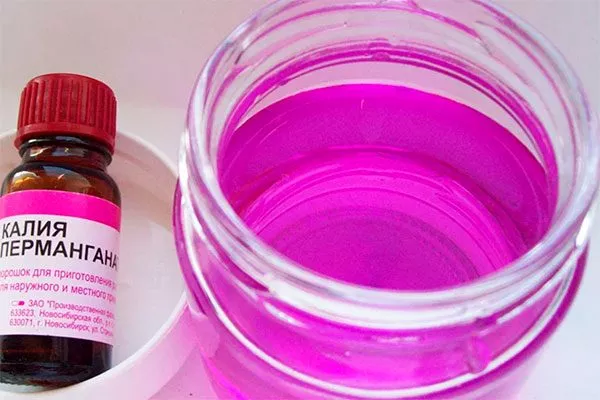

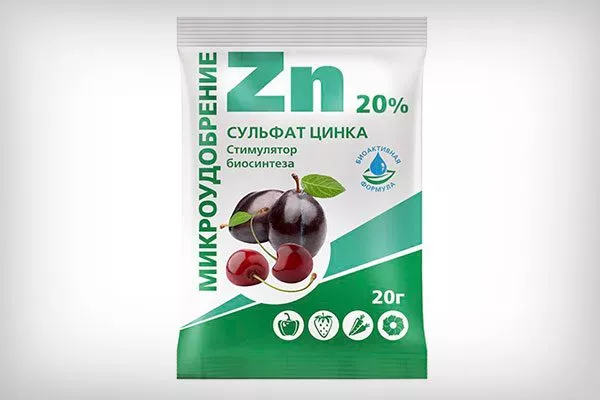
For mature trees, increase the consumption of ingredients by 2-3 times.
Ash
Fertilizer can be used in dry or liquid form. The application rate and method depend on this.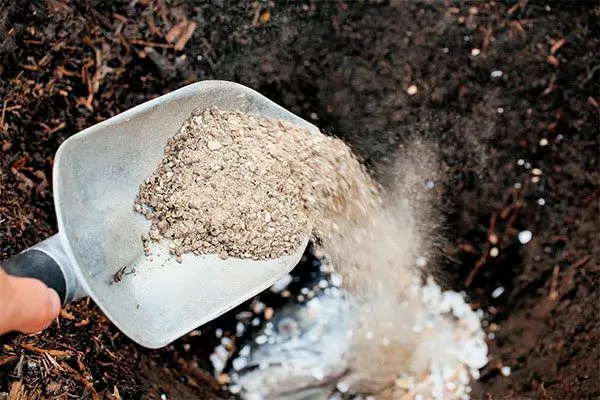
Key recommendations:
- You'll need 200g of dry fertilizer for mature plants and 100g for young trees. Spread the fertilizer around the trunk and lightly work it into the soil with a pitchfork.
- For liquid fertilizer, dissolve 400 g of sifted ash in 10 liters of water. Let the solution sit for several hours, then use for watering.
Herbal tinctures
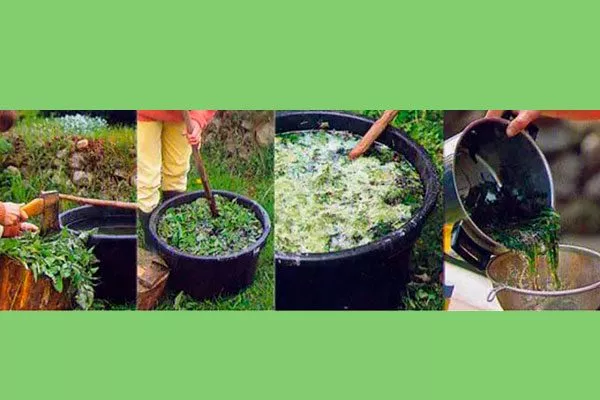
An infusion of nettles and other weeds is a versatile fertilizer. To prepare the solution, follow these instructions:
- Fill the container about halfway with chopped herbs, leaving about 10 cm of free space at the top for fermentation.
- Cover the herbs with water, cover with a vented lid, and leave in the sun for a week. Once fermentation is complete (the bubbles disappear and foam appears), the infusion is ready to use.
- Before application, dilute with water in a ratio of 1:10 and water the pre-moistened soil.
Other folk remedies
For gardeners who want to use the most natural and safe fertilizers possible, without unpleasant odors, we recommend several proven folk recipes that many gardeners have successfully used for many years.
Popular remedies:
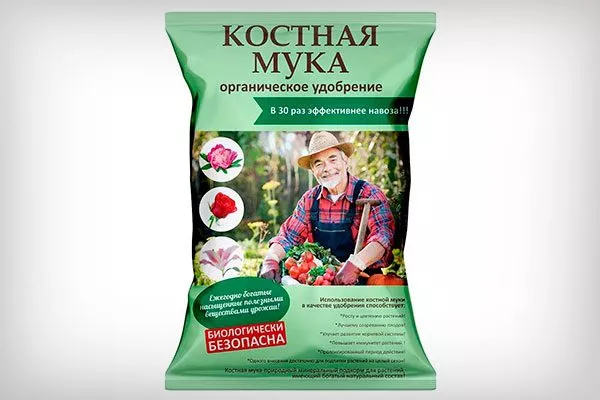
- Bone meal supplementation enriches the soil and plant roots with calcium, phosphorus and magnesium, and also helps to deoxidize the soil, making it more fertile.
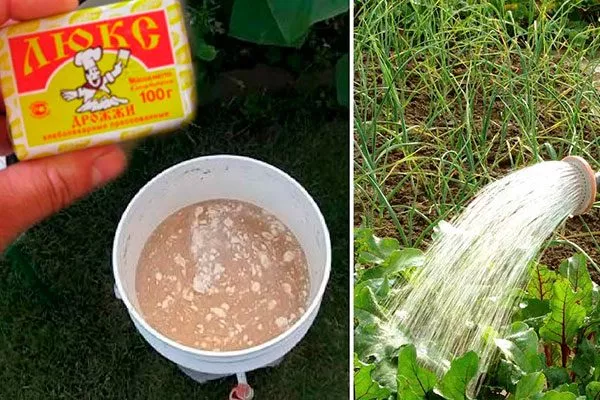
- Yeast feed It stimulates the growth and development of apple trees, providing them with essential nutrients. It is especially beneficial for young trees and is widely used by experienced gardeners.
Modern technologies in apple tree fertilization
Chelated forms of micronutrients are particularly popular, as they are better absorbed by plants. Some fruit growers prefer to use biostimulants to enhance the effectiveness of basic fertilizers. Granular, slow-release fertilizers provide long-lasting and uniform nutrition.
Signs of nutrient deficiencies
Not all apple trees require constant fertilizing—focus on the strength of their growth: feed those trees that have less than 20 cm of growth per season. If spring is missed, fertilizing can be continued until June.
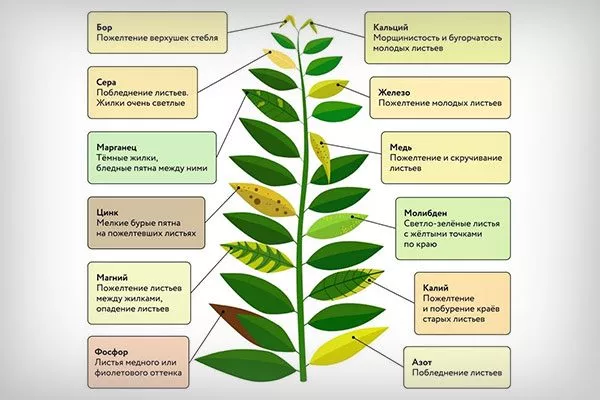
You can visually determine which elements a plant lacks. For example:
- nitrogen deficiency – pale and small leaves, short and reddish shoots;
- copper deficiency – yellow or brown spots on leaves and drying shoots;
- phosphorus deficiency – low branching and bronze tint of leaves;
- iron deficiency – leaf chlorosis;
- boron deficiency – deformed leaves with red veins;
- calcium deficiency – curling and falling leaves.
After harvest, signs of nutrient deficiency may include:
- loss of green color of foliage;
- increased leaf fall;
- the appearance of rusty spots on the leaves;
- slowing down tree growth.
Feeding errors and their consequences
Sometimes gardeners make mistakes when applying nutrient solutions, which can negatively impact plant health. For example, applying fertilizer too close to the roots can damage and kill them.
Common flaws:
- Excess fertilizer. Over-nitrogenation results in vigorous leaf and shoot growth, but reduced or no flowering. Excessive potassium and phosphorus inhibit plant development, slow growth, cause fruit drop, and weaken the plant's immune system.
- Lack of recharge. Nitrogen deficiency causes yellowing of leaves, reduced growth, and the dropping of buds and fruit buds. Potassium deficiency causes leaf tips to dry out, which can be accompanied by the dropping of fruit buds and unopened flowers.
A lack of phosphorus manifests itself in a decrease in the size of the leaves, reddening of the veins, which are located at acute angles to the shoots, and a change in the color of the leaves to a rich green.
General tips for fertilizing apple trees
Follow the advice of experienced farmers to not only preserve but also increase your apple harvest. Helpful tips:
- Regularly check the biochemical composition of the soil - this will help you determine exactly what fertilizers your trees need.
- For columnar apple trees in containers, fertilize with complex fertilizers every two weeks.
- To improve growth, green manure crops such as lupine, beans, mustard, and buckwheat are recommended. They are especially beneficial on slopes, where they help prevent soil erosion and retain snow during the winter, protecting the roots from freezing.
Questions and Answers
Proper apple tree nutrition is the key to healthy trees and a good harvest. This section contains answers to the most frequently asked questions to help you understand how and when best to feed your apple tree.
How often should you fertilize a young apple tree?
In the first year of life, three additional feedings are sufficient:
- in spring;
- at the beginning of summer;
- in the fall.
From the second year, increase the number of fertilizers to 4-5 times per season to provide the tree with all the necessary nutrients.
Is it possible to use only organic fertilizers?
Yes, but keep in mind that organic fertilizers act more slowly. For a faster and more noticeable effect, it's recommended to combine organic fertilizers with minerals.
What to do if the tree does not respond well to fertilizers?
If fertilizing isn't producing the expected results, the dosage or composition of the fertilizer may be incorrect. In this case, it's worth conducting a soil analysis and adjusting the fertilizing program based on the soil's properties.
Maintaining a proper fertilizing regimen is the key to a long and fruitful life for your apple tree, producing a bountiful harvest of delicious, healthy fruit. By combining organic and mineral fertilizers, taking into account the tree's age and development stage, and using foliar feeding, you can ensure your apple trees receive adequate nutrition at the right time.