
The Triumph apple tree is a compact, columnar tree popular for its high yield and excellent flavor. The apples are juicy and aromatic, with a honey-sweet flavor and a slight tartness. This variety is characterized by good immunity and versatility, making it ideal for intensive cultivation.
Origin and zoning
The first seedlings of the Triumph variety were bred relatively recently at the Moscow region branch of the All-Russian Selection and Technological Institute of Horticulture and Nursery.
In 2005, breeder Nadezhda Morozova created a new hybrid by open-pollinating a columnar donor, whose exact origin has not yet been disclosed. Due to its excellent characteristics, the new variety was named Triumph.
The variety passed field trials, demonstrating high productivity and resilience, after which an application for registration was submitted in 2015. It was later included in the elite group and entered into the State Register of Breeding Achievements, with a recommendation for cultivation in the Central District and the Central Black Earth Region.
Regions suitable for growing:
- North Caucasus;
- Crimea;
- European part of Russia.
The appearance of the tree
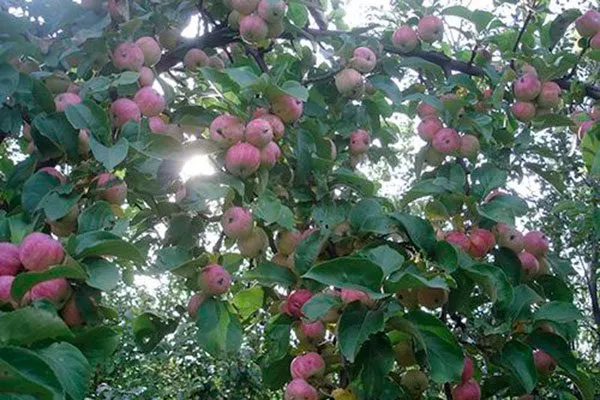
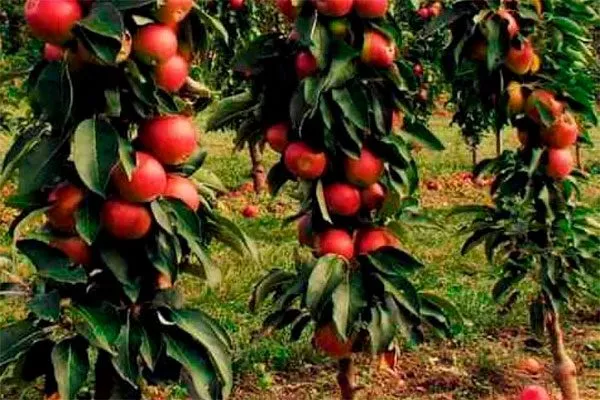
The Triumph apple tree is considered a natural semi-dwarf, although its growth pattern is more accurately considered a compact columnar plant. Without formative pruning, the trunk reaches a height of 1.7-2.1 m.
Other characteristics of the variety:
- The tree develops with one central conductor covered with grey-green or greenish-brown pubescent bark.
- Fruiting is concentrated on the rings and spears that form directly on the trunk.
- The leaves are large, oblong-oval, and pointed at the tip. They are dense, leathery, richly dark green or emerald, with a shiny, glossy surface. The leaf edges are serrate-crenate, wavy, and characteristically curve downward.
- The root system is superficial, so without proper insulation the plant is sensitive to severe frosts.
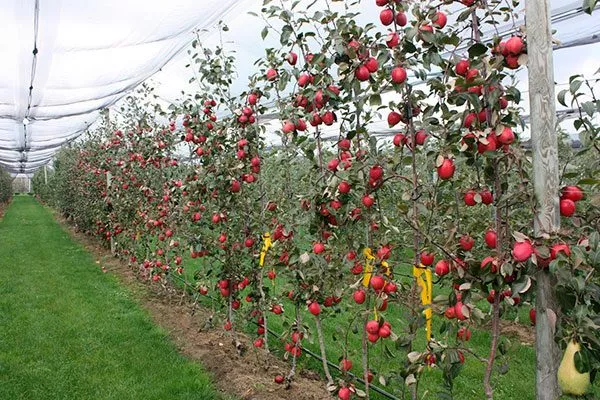
You can read more about the characteristics of columnar apple trees. Here.
Description of fruits
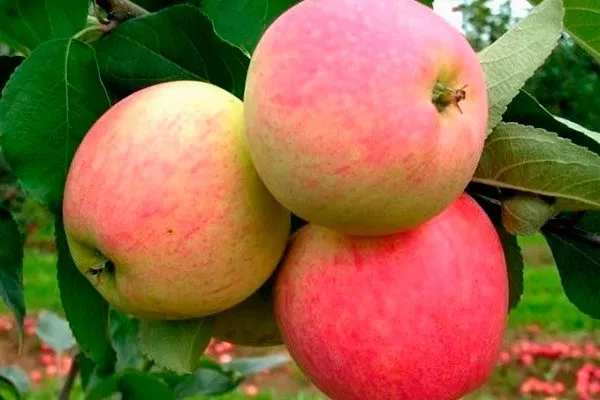
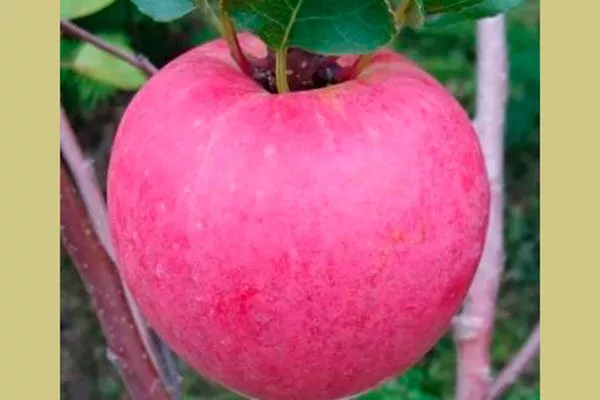
Apples vary in size from medium to large: the main weight is 130-160 g, but individual specimens reach 200-220 g.
Distinctive qualities of fruits:
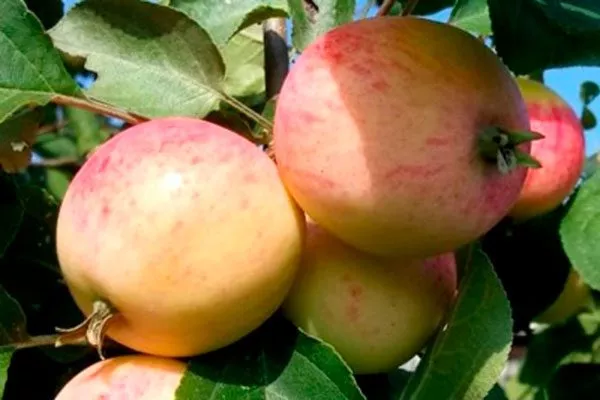
- form - generally round or spherical, sometimes noticeably flattened along the central axis;
- surface – smooth, slightly pronounced ribbing is almost imperceptible;
- skin – medium density, slightly elastic, but fragile;
- main color – green or yellowish-green with a pronounced gloss, more than 75-95% of the surface is occupied by a bright covering blush - from crimson to a rich beetroot shade;
- subcutaneous points – large, light, few in number and clearly visible.
Chemical composition:
- sugar – 16.4%;
- titratable acids – 0.37%;
- Vitamin C – 10.1 mg;
- pectins – 14.1%;
- P-active substances (catechins) – 189 mg.
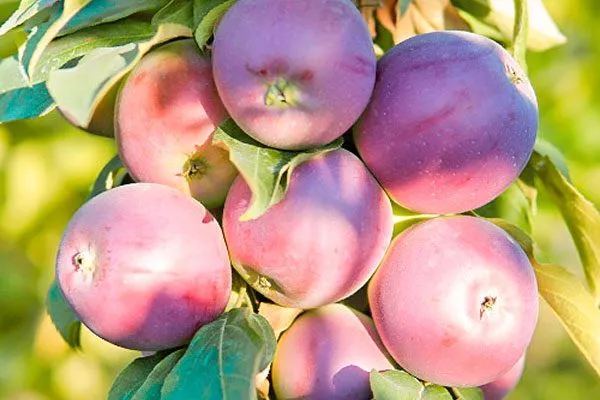
The flesh is dense, fine-grained, very juicy, and aromatic. It's crisp, has a pleasant texture, and is usually white, but can have a light creamy or lemony hue.
Characteristics of the apple tree
This variety has earned recognition from gardeners for its combination of ornamental beauty, compact size, and high yield. It is prized for its consistent fruiting, excellent flavor, and marketable appearance, making it suitable for both fresh consumption and processing.
Taste, health benefits and uses
Triumph impresses not only with its abundance of fruit but also with its excellent taste. The main flavor accent is honey-sweet, with a subtle, refreshing acidity in the aftertaste. For its taste and appearance, the variety received a high tasting score of 4.6-4.7 out of 5.
Useful qualities:
- The fruits contain carotene, iron, iodine, antioxidants, phytoncides, and pectin. Due to their low acid content, they are suitable even for those with sensitive stomachs and gastrointestinal disorders.
- Apples are rich in vitamins and microelements: their high content of vitamin C, which is important for supporting the immune system, is especially valuable.
Pollination
Triumph is a self-fertile variety, meaning the tree can produce fruit without the presence of pollinators. However, in practice, gardeners note that cross-pollination promotes a more abundant and consistent harvest.
To increase productivity, it is recommended to plant pollinator varieties nearby, for example:
- Bill West;
- Folder.
Additionally, to improve pollination, you can use mobile apiaries or attract bees by spraying tree trunks with sweet sugar syrup during flowering. These measures help increase the number of ovaries and ensure maximum yield from each plant.
Ripening time, fruiting and productivity
Triumph apples ripen in autumn, reaching harvest maturity in mid-September. The first harvest can be obtained as early as the second year after planting, indicating the variety's early fruiting. The tree produces fruit regularly, and with proper care, abundantly.
Although this variety is considered a medium-yielding variety, its early harvest is considered a significant advantage. A mature tree yields an average of 4-7 kg of aromatic and juicy fruit. With commercial planting at a density of approximately 20,000 plants per hectare, yields can reach 8-10 tons per year.
Winter hardiness and immunity to diseases
The crop is characterized by moderate winter hardiness: the apple tree barely tolerates temperatures down to -22 to -25°C, especially during prolonged frosts. If the cold persists for more than a week, the wood may freeze.
The variety is resistant to five races of scab, but is not completely immune to other fungal diseases. In unfavorable years, not only the foliage but also the ovaries can be affected, so preventative fungicide treatments remain essential. Insecticides against pests can also help avoid serious crop losses.
Subspecies and rootstocks
To date, the Triumph apple variety has no official subspecies or sub-varieties, but it is actively cultivated on various types of rootstocks, which can affect individual characteristics of the tree and fruit.
Let's take a closer look:
- Semi-cultivated rootstock. This is a transitional form between a wild apple tree and a domesticated hybrid. The trees are less resistant to frost and disease, and the fruit is slightly smaller and more tart. This variety requires more careful care.
- Dwarf rootstock (eg Mark). Allows you to grow a compact tree up to 2 m tall. This improves frost resistance and makes it easier to cope with temperature fluctuations. Dwarf trees are easy to care for and harvest.
- Standard tree (rootstock 54-118). It ensures balanced growth, stability, and good survival. With proper cultivation practices, it produces a neat, well-foliated tree with decent productivity and an attractive appearance.
Features of cultivation
Growing an apple tree doesn't require complex agricultural techniques and is within the reach of even a novice gardener. The tree is compact, doesn't take up much space, is easy to shape, and is convenient to care for. With proper agricultural practices, it bears fruit reliably and delivers a high-quality harvest.
Disembarkation dates and conditions
Triumph can be planted in either spring or fall. The optimal spring time is mid- to late April, when the buds have not yet opened but the threat of frost has passed. In fall, it is recommended to plant the tree in September or October, but allow at least 4-6 weeks before the onset of frost.
Basic requirements:
- The plant prefers open, sunny sites with good air circulation. However, avoid drafts, as they weaken the trees and increase the risk of disease. In the shade, trunks develop poorly: they grow weak and produce few fruits, which are small and sour.
- Apple trees aren't picky about soil composition—they thrive in loams, sandy loams, black soils, and even on rocky slopes. The key is to keep the soil non-acidic.
- Because the roots are located on the surface, groundwater levels are not particularly important—even at a depth of 1.5–1.7 meters, the root system does not reach them. However, planting the seedling in waterlogged or marshy areas, near rivers or lakes, is not recommended—it will not thrive there.
Preparatory work
If you didn't have time to dig the planting hole in the fall, do so 3-4 weeks before planting. Follow these recommendations:
- Place a fertile soil mixture with fertilizers on the bottom, then a drainage layer and water, leaving the hole open until planting.
- Install a stake or support bar nearby, ideally on the north side of the seedling. In larger gardens, permanent tree staking fences can be used instead of single stakes.
- Before planting, be sure to inspect the seedling's root system and remove any dry or damaged roots. Then soak the roots in clean water for at least 5-7 hours, or overnight if necessary.
Landing
Even a novice can manage planting an apple tree, as it's a simple task, but it does require some attention. Here's a step-by-step guide:
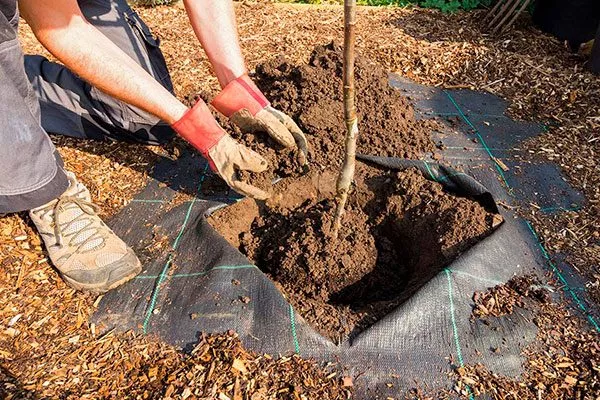
- Place the seedling on a mound in the center of the hole, carefully spreading the roots along the slopes.
- Fill the hole with fertile soil, gradually compacting the soil with your hands to avoid creating air pockets. The root collar should remain at or slightly above the soil level—don't bury it.
- Form a watering hole around the trunk.
- Water the tree generously (at least 20-30 liters of water).
- Tie the seedling to the support with soft twine, without overtightening.
- Mulch the tree trunk circle with peat, humus or dry soil.
Loosening the soil and watering
Watering should be moderate. Drip irrigation is ideal, but if it's not available, it's sufficient to water a mature tree with 10-15 liters of water every 10 days (in the absence of precipitation). Divide this amount into two waterings—one in the morning and one in the evening. Fertilizing is also convenient at this time.
Do other important techniques as well:
- Soil aeration is an important step in caring for the Triumph apple tree, as this variety prefers well-oxygenated soil. Therefore, gently loosen the soil around the tree trunk at least twice a year, and then hoe it 6-8 times during the season.
- Remove weeds, root shoots, and other plant shoots promptly, and rake up fallen leaves and fruit—all of this reduces the risk of disease.
Trimming
Columnar apple trees rarely require pruning. The exception is if a double trunk has formed, in which case remove the weak shoot. If frost damages the top bud, prune it off.
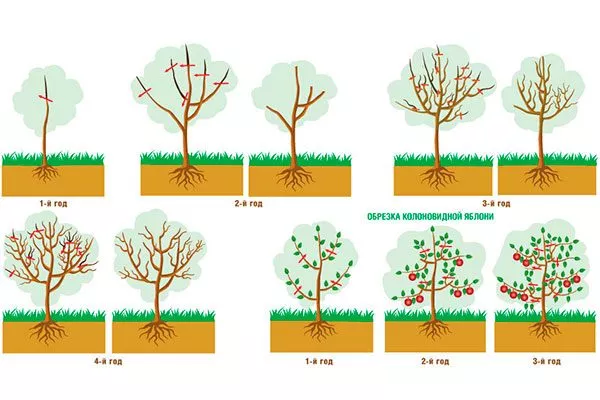
Sanitary pruning consists of cutting off lateral branches if they appear, which is rare and is considered an anomaly.
Reproduction
There are various ways to increase the number of seedlings, each with its own characteristics and suited to different purposes. To preserve the varietal qualities and produce a healthy tree, it's important to choose the right propagation method and carefully follow all steps.
The most popular options:
- Seeds. This is the simplest, but also the least accurate method, as trees grown from seed do not retain the varietal characteristics of the parent plant. Sow the seedlings in fertile soil after stratification—cold storage for several months.

Such seedlings are more often used for rootstocks or for growing rootstocks, rather than for producing fruit-bearing trees of the Triumph variety.
- By grafting a varietal cutting. This is the most common and reliable propagation method, allowing you to preserve all the varietal qualities. Graft a cutting of the chosen variety onto a suitable rootstock (for example, a dwarf or semi-cultivated one).
Graft in early spring or early summer using the cleft or bark grafting method. Secure the graft carefully and treat with garden pitch to prevent infection.
- Air layering. This method is less common, but equally effective. For air layering, select a strong, lower-tiered branch, remove a ring of bark (girdling), and then wrap the wound with damp moss and plastic wrap to create favorable conditions for root formation.
After rooting, separate the branch from the mother tree and plant it separately. This method allows you to obtain a tree that retains all the characteristics of the variety without using a rootstock.
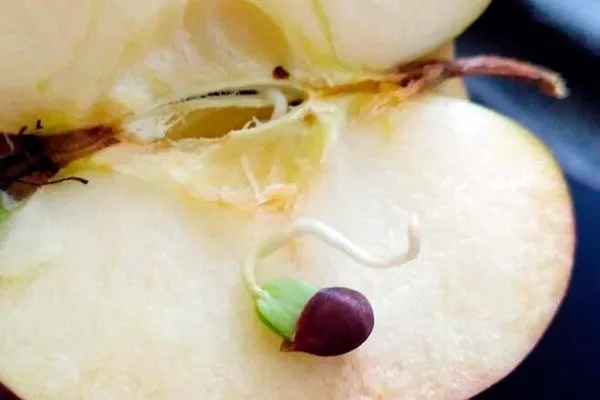
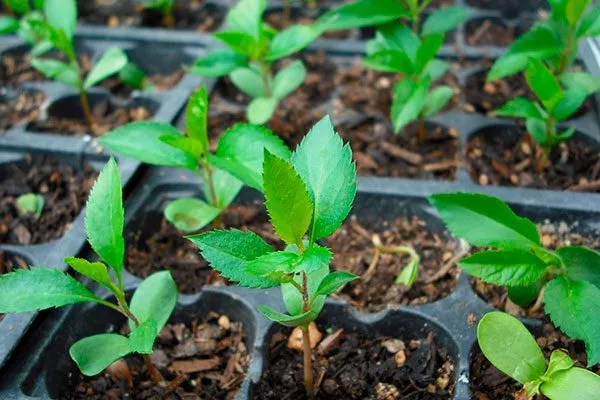
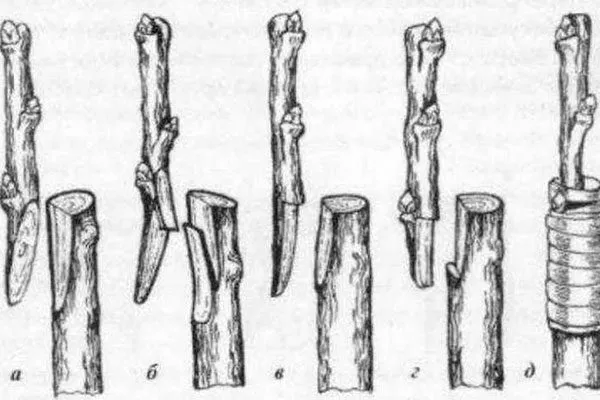
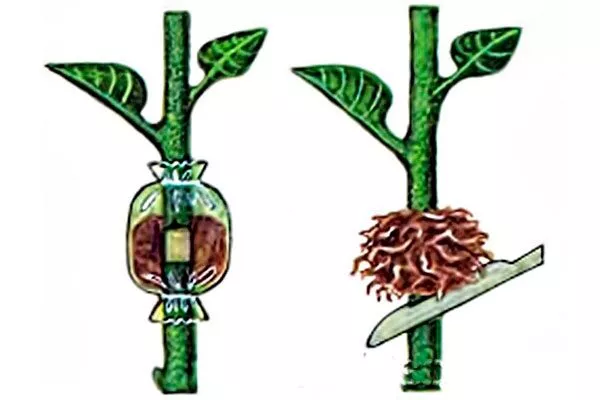
Each of these methods has its advantages and is used depending on the gardener's goals and capabilities. To preserve the varietal qualities of Triumph, grafting from a varietal cutting is considered the most preferable.
Top dressing
The apple tree produces a rich and stable harvest, actively absorbing many important micronutrients from the soil. Key recommendations:
- To ensure that the tree does not experience a nutrient deficiency, regular fertilization is required.
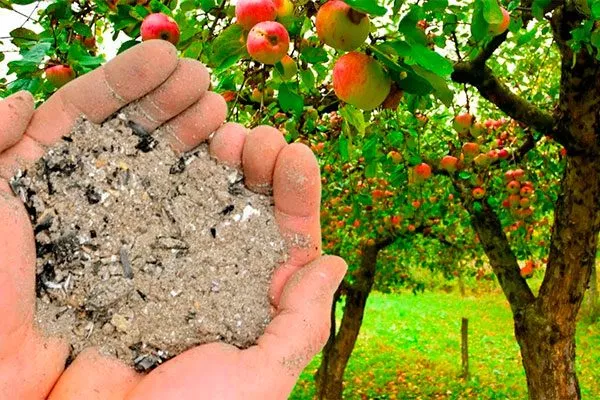
- In spring, give preference to organic fertilizers; chicken manure and poultry manure are especially effective – place them in the tree trunk circle. Additionally, in early spring, treat the garden with a 7% urea solution.
- Use mineral complex fertilizers in the first half of summer, and in autumn switch to substances rich in potassium.
Collection and storage
As autumn approaches, begin harvesting apples. Pick the fruit carefully, stems included, to avoid damage. Broken or damaged apples don't last long, so it's best to discard them immediately.
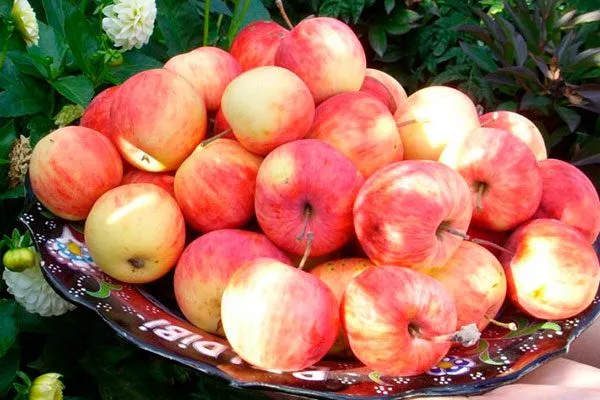
Store harvested apples in a cool place and check them regularly. They retain their appearance and flavor for 2-3 months. Furthermore, the fruit does not fare well in long-distance transport, although this variety is often grown commercially.
Pros and cons
Reviews
Triumph is a popular apple variety with regular fruiting and excellent culinary qualities. Its compact growth habit makes it easy to care for, and its delicious apples are suitable for both fresh consumption and processing. Despite its poor shelf life and average frost resistance, this variety delivers generous harvests with proper care.