
A light-colored apple tree trunk is a phenomenon that many gardeners notice with alarm. At first glance, whitish bark may seem merely cosmetic, but in reality, it often signals stress on the tree. Trunk discoloration is associated with damage, disease, insects, or improper care, and directly impacts the plant's health and yield.
Reasons for apple tree trunk lightening
Understanding the causes of lightening is important in order to take timely action and preserve the harvest. Below are the main factors that can cause trunk discoloration.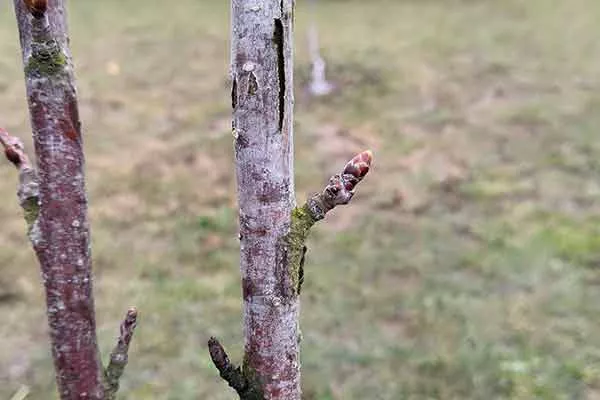
Sunburn
Apple trees are particularly vulnerable to direct sunlight in winter and early spring, when the bark has not yet warmed up and the tree's thermoregulation has not yet been restored. Under these conditions, solar radiation causes bark burn: the top layer dries out, cracks, and turns whitish.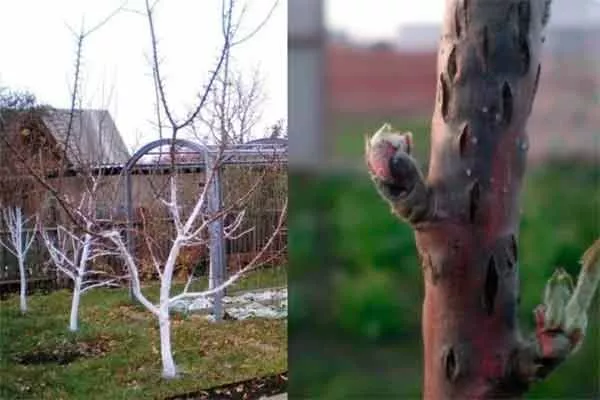
The south and southwest sides of the trunk are particularly susceptible to burns. In this case, the sunburn is accompanied by peeling and cracking, which can become entry points for diseases and insects.
Mechanical damage
Any injury to the trunk—from an accidental blow with a tool, animals, or strong wind—damages the integrity of the bark and underlying tissue. At the site of damage, the bark may become lighter in color and then gradually die or become overgrown.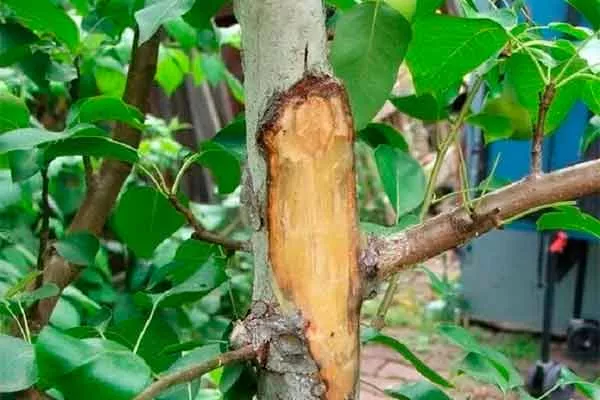
These areas become vulnerable to fungal infections, pests, and bacteria. If the mechanical damage is severe, the lightening may be accompanied by rotting or bark peeling.
Insects and parasites
Numerous pests, such as aphids, bark beetles, scale insects, and codling moths, can damage the bark and wood of apple trees. They feed on the tree's sap or tunnel under the bark, causing localized discoloration of the trunk.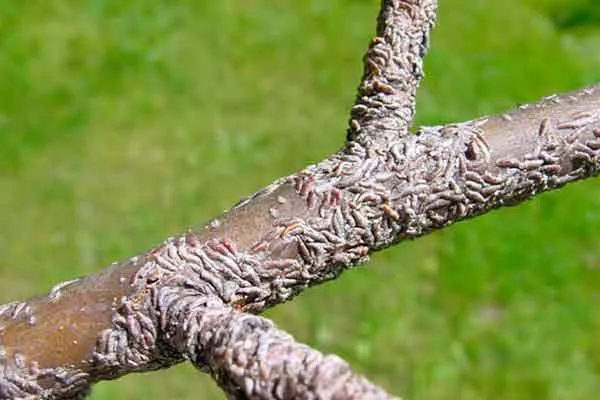
Externally, this manifests itself as white or gray spots, sometimes with small holes and traces of discharge. Ignoring these parasites can accelerate the weakening of the tree and lead to the spread of diseases.
Fungal diseases
Fungal infections are one of the most common causes of bark discoloration. Pathogenic fungi cause necrosis of wood cells, bark peeling, and the appearance of lighter patches.
The most dangerous diseases are:
- cytosporosis;

- white rot.
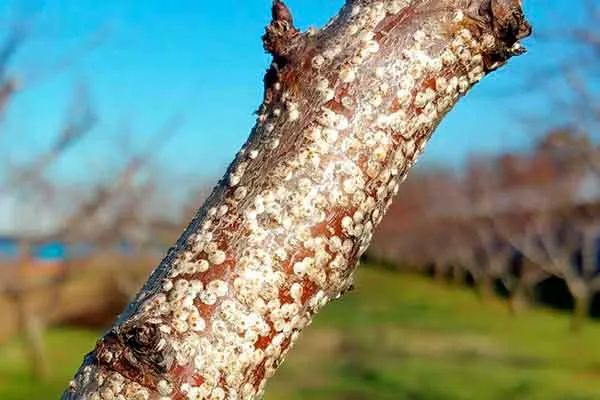
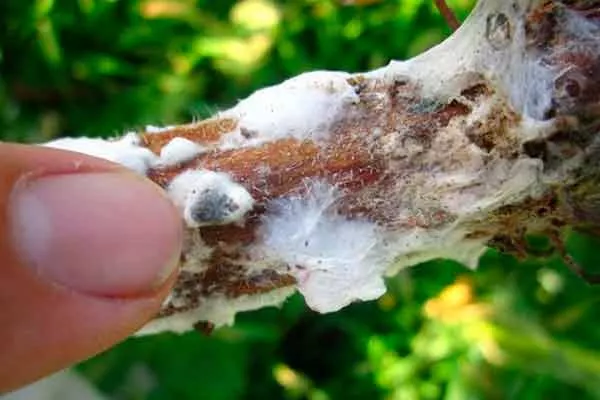
These diseases are accompanied by wilting branches, cracks, and slimy discharge on the trunk. Early detection and fungicide treatment help minimize damage.
Incorrect application of fertilizers
Excess or deficiency of certain nutrients also affects bark color. Key factors:
- Excessive application of nitrogen fertilizers can stimulate intensive growth of shoots with soft and light bark, susceptible to sunburn and mechanical damage.
- A lack of potassium, magnesium or calcium weakens the trunk tissue, making it lighter and more vulnerable to infection.
The correct balance of fertilizers ensures healthy, even bark color and the tree's resistance to stress.
Changes in climate and weather conditions
Sudden temperature fluctuations, severe frosts, prolonged rainfall, or drought stress apple trees. As a result, the bark may lighten in color in response to cell damage or a slowdown in photosynthesis.
This is especially common after winter thaws or early spring frosts, when the wood has not yet fully awakened. Adapting to climate change is a complex process, but timely mulching, whitewashing, and covering of trunks help reduce the risk of lightening.
Consequences for fruiting
Lightening of the apple tree trunk is more than just a cosmetic issue. It affects the overall health of the tree and directly impacts the yield and quality of the fruit. Ignoring these changes in bark color can have serious consequences.
Damage to conductive tissues
The bark and the underlying wood layers perform a vital function—transporting water and nutrients to the leaves and fruits. Trunk lightening is often accompanied by damage to these tissues:
- disruption of water supply leads to drying out of young shoots and ovaries;
- The fruits may become smaller, have uneven coloring, and lose juiciness.
Decreased immunity
Bark lightening indicates the tree is under stress. Resistance to diseases and pests gradually decreases:
- fruit trees become more vulnerable to fungal infections;
- the appearance of pests, such as bark beetles and scale insects, accelerates the weakening process;
- the risk of massive loss of ovaries and unripe fruits increases.
Slow wound healing
Damaged or discolored bark takes longer to recover, which negatively impacts metabolism. Infections penetrate more quickly through wounds and cracks.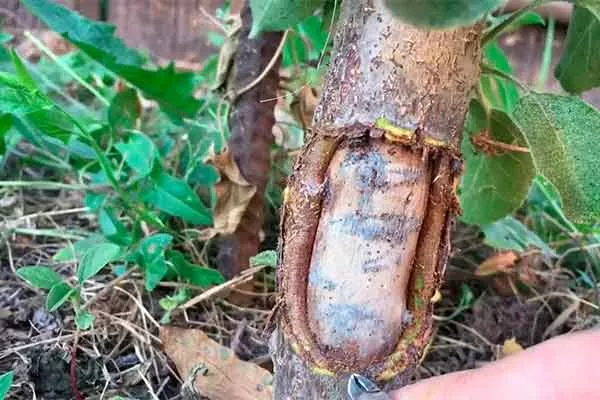
The healing process slows the growth of young shoots and delays fruit formation. As a result, the tree expends resources on tissue repair.
Nutritional deficiencies
Trunk thinning is often accompanied by a disruption in the flow of minerals and water to the crowns. This results in apples that ripen at a lower weight and are less juicy.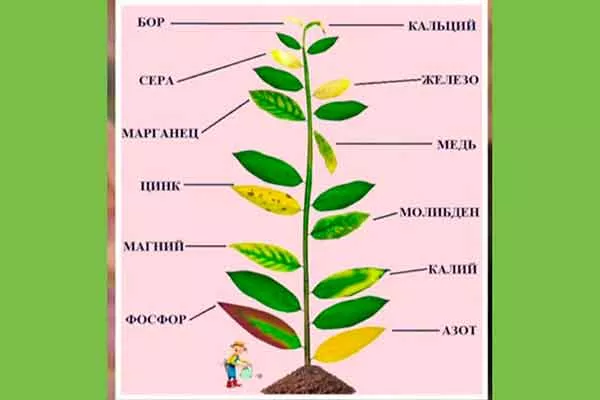
Leaves lose their rich green color, and photosynthesis rates decrease. This gradually leads to a decline in overall apple yield and quality.
Formation of necrosis and ulcers
If lightening is caused by diseases or pests, necrosis and ulcers may develop. This leads to several consequences:
- damaged areas of the trunk become chronic foci of infection;
- Ulcers limit wood growth and prevent branches from receiving adequate nutrition.
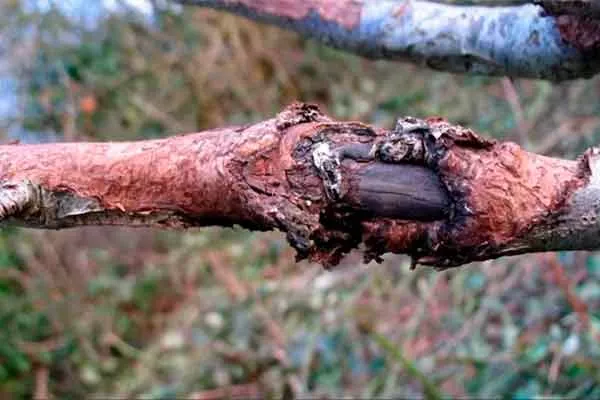
In the long term, this leads to a decrease in the number of fruits, and sometimes to the death of individual branches or the entire tree.
Methods of diagnosis and prevention
Early detection of bark changes and preventative measures significantly reduce the risk of damage. Diagnosing trunk lightening involves systematically monitoring the tree and identifying signs indicating stress, damage, or disease.
Key methods include:
- Visual inspection of the bark and trunk. Regularly inspect the tree from different sides, especially the south and southwest, where sunburn most often appears. Look for discoloration: whitish or light gray areas, peeling bark, cracks, and ulcers.
Look for areas of rot or plaque, the presence of bark beetles, scale insects and other insects. - Checking the condition of conductive tissues. Press gently on the bark with your finger or a knife – healthy tissue is elastic, light or soft areas may indicate damage to the wood.
Conduct a sap flow test: in early spring, make a careful cut in the bark and assess the sap flow – weak or absent sap flow indicates the tree is under stress. - Caring for leaves and shoots. Leaf color changes, wilting, or slow growth of shoots can be indirect signs of a disruption in the vascular system. A lack of normal growth of young shoots in the spring may indicate trunk damage from the previous season.
- Using specialized tools. You will need a wooden or metal pin to test the density of the wood, a magnifying glass or microscope to detect insects, fungal spores and microcracks.
Preventing apple tree trunk lightening involves a range of measures aimed at protecting the bark, strengthening the tree, and maintaining its immunity:
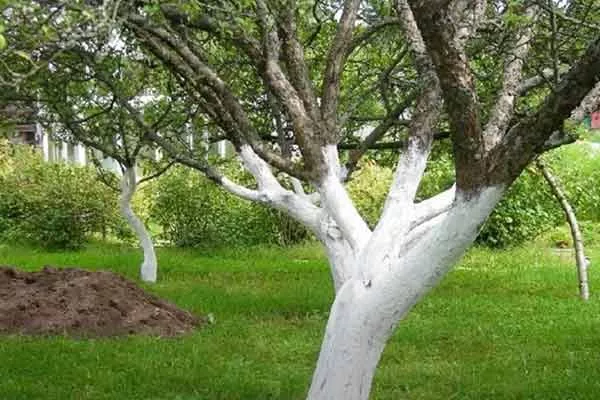
- Whitewashing of tree trunks. Use lime solution or specialized garden mixtures – the best protection against sunburn and sudden temperature changes. Whiten the plants in late autumn after the leaves have fallen and in early spring before the buds have opened.
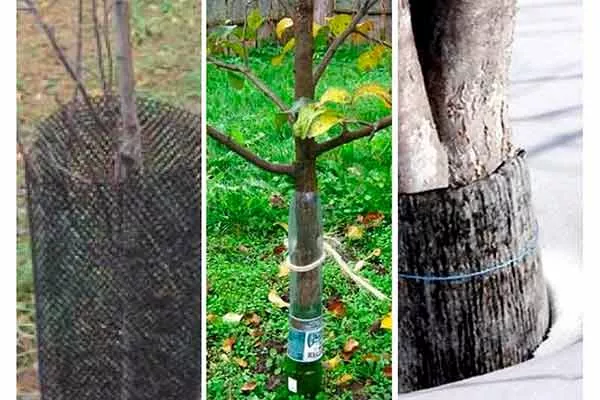
- Mechanical protection of the barrel. Install protective rings, nets, or strips of roofing felt around the trunk to protect it from animals and tool damage. Cover the young tree for the winter with breathable materials, such as agrofibre.
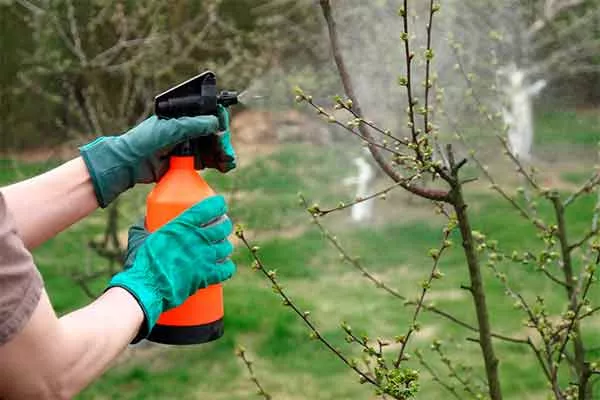
- Protection from diseases and insects. Regularly treat the crop with insecticides to prevent bark beetles, scale insects, and aphids. Use fungicides to prevent fungal diseases, especially after the rainy season.
Remove affected branches and rotten areas to prevent the spread of infection. - Correct application of fertilizers. Maintain a balance of nitrogen, potassium, and phosphorus. Apply organic fertilizers (compost, humus) to strengthen the root system and trunk tissue. Avoid applying excess nitrogen to prevent the bark from becoming excessively soft and light-colored.
- Increasing resistance to climatic stress. Mulch the tree's trunk area to retain moisture and protect roots. Ensure timely watering during dry periods and adequate ventilation during high humidity.
If necessary, cover young trees during the winter to protect them from severe frosts and sudden thaws. - Crop rotation and agricultural technology. Plant apple trees in areas with adequate sunlight but protected from direct midday sun. Thin the crown to improve ventilation and ensure uniform warming of the trunk. Prune regularly and remove weak shoots.
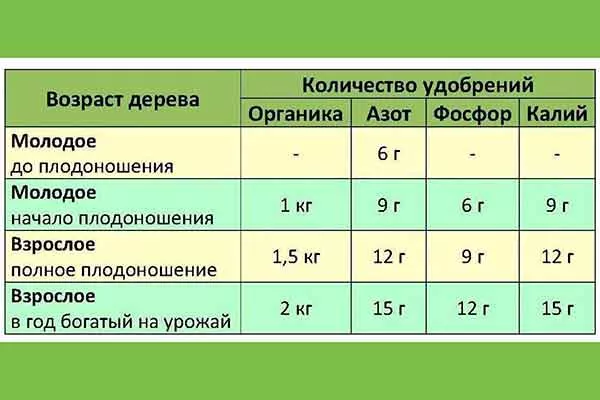
Comprehensive diagnostics and prevention of trunk lightening not only preserves the health of the apple tree but also improves fruit yield and quality. Early identification of problem areas and the application of protective measures minimizes the risk of damage, disease, and stress to the tree.
Tree treatment and restoration
If apple tree trunk lightening has already occurred, it's important to take immediate steps to restore the tree. Prompt treatment of damage prevents the spread of disease, restores the vascular system, and supports fruiting.
Helpful tips:
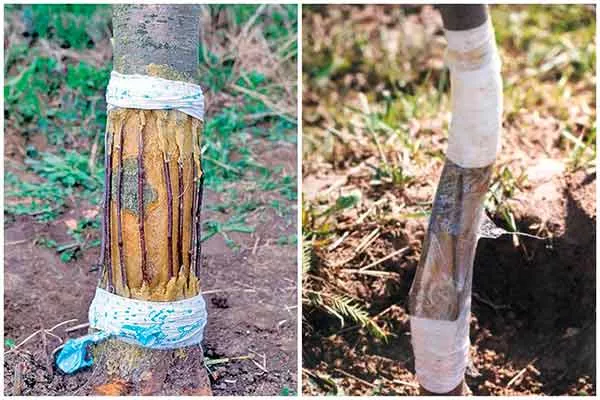
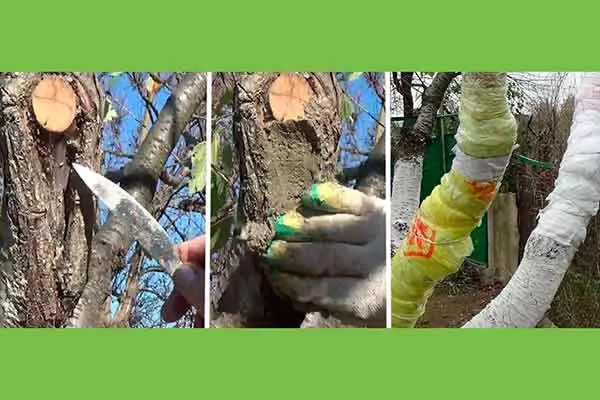
- Treatment of damaged areas. Remove the affected bark and tissue. Carefully trim away any soft, peeling, or rotten bark with a sharp pruning knife or hacksaw. Be sure to leave healthy wood around the wound to promote healing.
After removing the damaged area, treat the surface with a weak solution of potassium permanganate or copper sulfate to disinfect. After treating the wound, apply garden pitch or a specialized garden sealant. This prevents insect and fungal infections and accelerates tissue regeneration. - Restoration of bark and wood. After the wound has healed, whitewashing with lime solution or special mixtures is recommended. This procedure helps protect the plant from sunburn, cracks, and repeated exposure to sunlight.
If damage has weakened the trunk, install a support or tie the tree to a stake. This is especially important for young trees or those that have suffered severe mechanical damage. - Restoring nutrition and strengthening the immune system. Use complex organic fertilizers: humus, compost, ash, herbal infusions. Adding potassium and phosphorus helps strengthen the wood and improve root development.
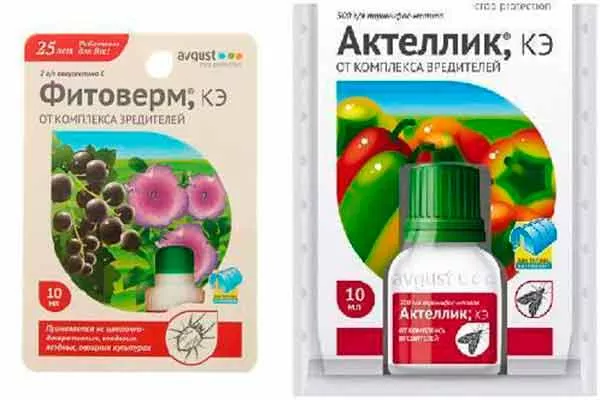
Treat the tree with fungicides to protect against fungal infections, especially after the rainy season. If pests are present, apply insecticides or biological treatments, such as Fitoverm or Actellic. - Stimulation of shoot growth and fruiting. Remove weak, dried, or damaged branches. Pruning improves ventilation, light, and promotes healthy growth.
Biopreparations such as humates, succinic acid, and Epin help accelerate tissue regeneration and restore the vascular system. Micronutrient supplements (magnesium, boron, and iron) strengthen leaves and improve photosynthesis, which increases crop yields.
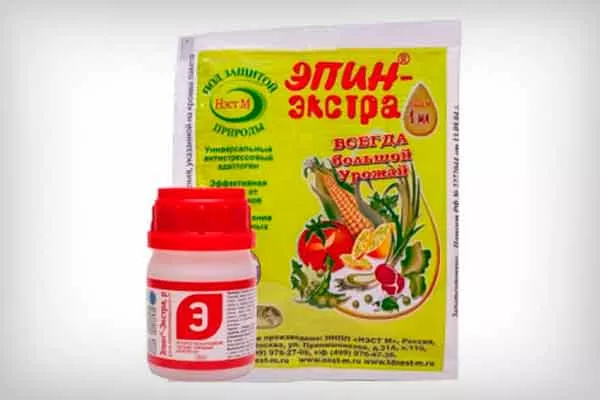
Systematic application of these techniques helps:
- restore a weakened tree;
- strengthen the conduction system;
- improve immunity;
- ensure stable fruiting in subsequent seasons.
A light-colored apple tree trunk is more than just a visual feature; it's an important indicator of the tree's health. Ignoring it can lead to weakened immunity, tissue damage, and reduced yields. Taking care of the trunk is the key to a long-lasting tree and a high-quality harvest.