
Forming the crown of an apple tree is an important step in caring for garden trees, directly impacting their health, productivity, and longevity. Proper pruning and structuring helps create a strong branch structure, improve light and ventilation, and facilitate fruit harvesting. There are many popular methods that even beginners can master.
Reasons for crown formation
Reproduction is at the core of plant life. Apple trees produce numerous new shoots annually and bear fruit vigorously. However, excessive fruit production leads to smaller fruits, deteriorating their appearance and flavor.
Crown structuring has a number of important advantages:
- provides access of sunlight to all parts of the tree, including the fruits and the central conductor;
- simplifies harvesting by eliminating the need for additional tools;
- strengthens branches, preventing them from breaking under the weight of apples and protecting the tree from damage;
- extends the life cycle of the apple tree, maintaining the health and productivity of the tree;
- prevents the death of fruit-bearing branches located inside the crown;
- creates optimal conditions for fruit ripening, improving their quality and presentation;
- minimizes the risk of bacterial diseases associated with excessive foliage moisture;
- promotes increased crop yields, ensuring more abundant fruiting;
- maintains the balance between branches and fruits, preventing them from sagging excessively and breaking off.
Basic terms and characteristics
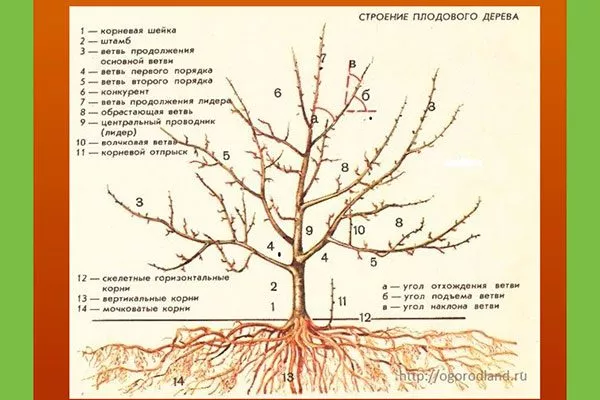
To successfully shape a tree's crown, it's essential to understand the structure of a tree and know the names of its main parts. Key elements:
- root collar – the place where the root transitions into the trunk, 5-7 cm below the graft;
- standard – trunk from the root collar to the first skeletal branch;
- skeletal branches – main branches that form the framework, extending from the trunk;
- second-order branches – depart from the skeletal;
- unwanted competitors – strong vertical shoots inside the crown that appear after pruning;
- leader continuation branch – formed from the bud left after cutting off the central conductor;
- overgrowing branches – branching of 4-5 orders, can be vegetative (growth) and generative (fruit-bearing);
- central conductor (leader) – this is the part of the trunk from the lower skeletal branch to the base of the leader's continuation branch, the main feeding branch;
- water lily branches – although they do not bear fruit, they can become second-order branches when pruned;
- root suckers – shoots growing from roots, often wild.

Key rules of formation
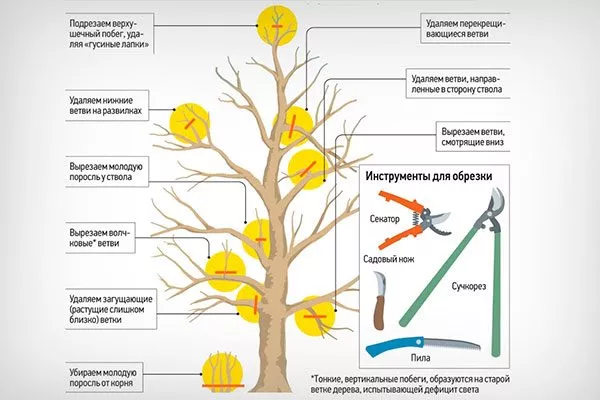
When pruning an apple tree yourself, it's important to adhere to several key principles. The basic rules for structuring are:
- Maintain a balance between the root system and the crown: for every 45 cm of roots, it is recommended to shorten the upper part of the seedling by 35 cm.
- Prevent the development of competing shoots on young trees by removing them by pinching or pruning.
- The angle between the branches and the trunk should be 50-60 degrees. If the angle is less than 40 degrees, the branches become brittle. Horizontal growth is acceptable as long as the tree grows upward (use struts and braces to adjust the angle).
- The branches extending from the main trunk should be half as thin as the part located above them.
- Treat the cuts with a thin layer of garden pitch, avoiding excessive application, which can block oxygen from reaching the bark.
- Prune from the bottom up above the top bud at a slight angle to avoid water accumulation at the cut.
What is the best time to do it?
It's recommended to prune your apple tree for the first time one year after planting. Premature pruning can weaken the tree and make it susceptible to disease.
Gardeners who are in a hurry and begin the process before this deadline should be careful, as the root system of a young tree is not yet sufficiently developed and cannot fully provide the crown with the necessary nutrients.
Follow these recommendations:
- Carry out work to remove dry, damaged branches and young growth in the spring, from March to April, or in the fall.
- Spring pruning strengthens the tree and increases its ability to bear the weight of fruit. Fall pruning prepares the apple tree for winter conditions, reducing the risk of branch damage from snow loads.
- Spring pruning should be done before the buds open and the leaves appear, and autumn pruning should be done after the leaves have completely fallen.
Preparation
For pruning to be successful and beneficial to your garden, you need good tools and equipment for treating any wounds that arise during the process. Knowledge and understanding of pruning techniques are certainly important, but without the proper equipment and cut protection, the results may be less than ideal.
Processing tools
To protect the tree from sap loss and infection, treat the cut branches with special products. Suitable products include:
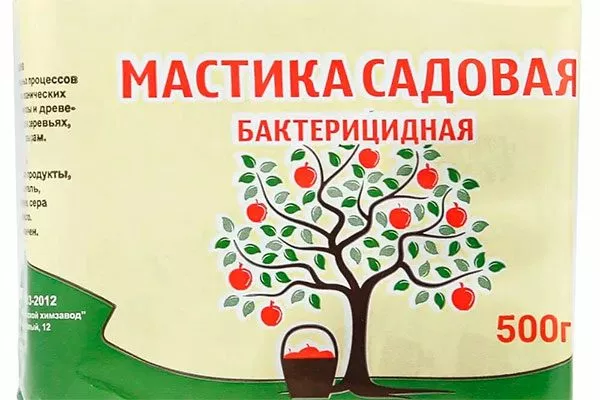
- garden varnish or mastic;
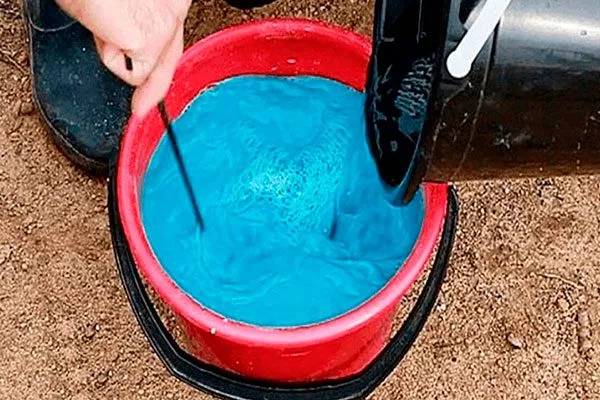
- solution of copper sulfate with lime (1:10);
- plasticine;
- oil paint.
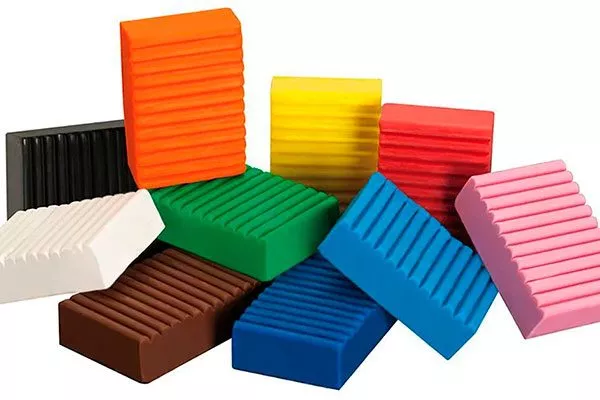
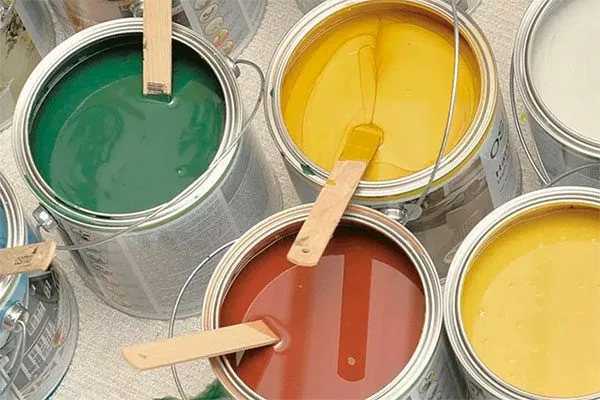
Some gardeners believe that applying cut protection is unnecessary, as it supposedly helps the tree recover faster. However, the decision to use protective products is up to you.
Tools
Successful pruning of fruit trees requires carefully prepared equipment: sharp, sterile, and free of rust, as this can cause branch rot and, as a result, the death of the entire tree.
During spring pruning you will need:
- pruning shears for thin branches;
- garden knife for cleaning cuts;
- loppers with extended handles for removing branches in hard-to-reach places;
- Garden saws of a special design, with a curved blade and a narrow end.
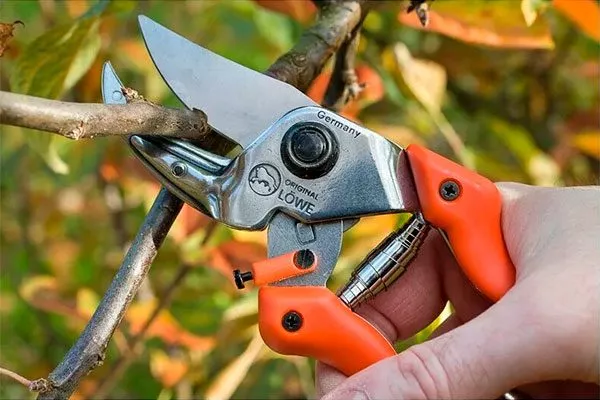
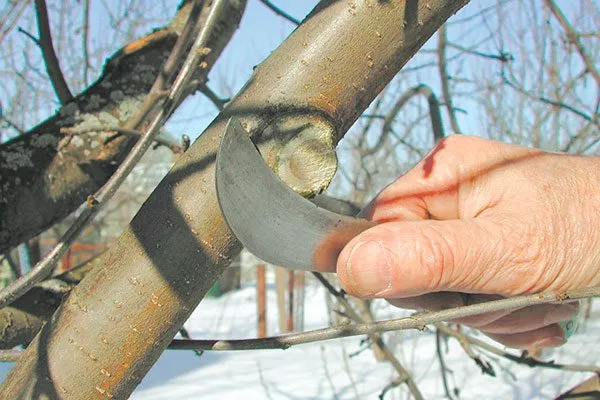
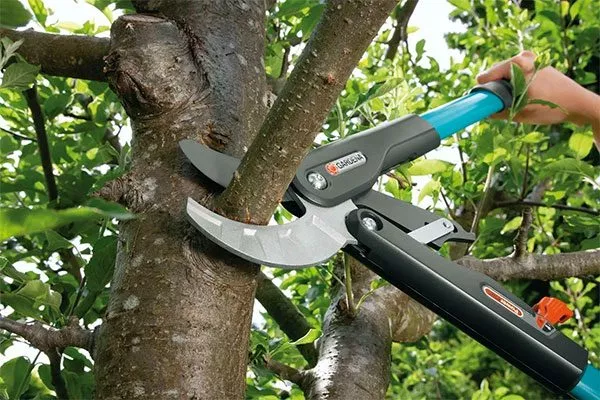
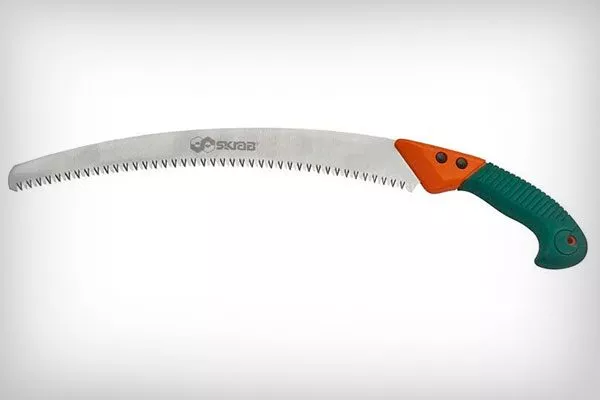
It's important to strive for perfectly straight cuts. If you're inexperienced, practice on other trees before attempting fruit pruning.
Schemes and recommendations for work
There are several methods for shaping a tree's crown. The appropriate design depends on the specific variety and may also be determined by the climate in which the tree grows.
Tiered-sparse
A crown that mimics the natural appearance of a tree with tiered branches is the most accessible and sought-after. Apple trees trained in this manner are characterized by longevity and abundant fruiting, but require sufficient space—they should be planted at least 4 meters apart.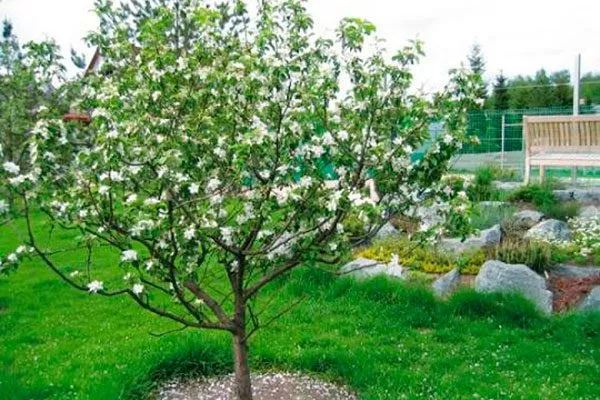
Basic rules:
- Begin forming the crown in the spring of the first year after grafting and continue for 3-5 years, resulting in 5-6 main skeletal branches being formed.
- In the spring of the first year, determine the height of the trunk of a one-year-old seedling (approximately 50 cm) and add another 30 cm or so. Remove all shoots above this height.
- For the second spring, leave one branch in the lower tier and two above, spaced 15 cm apart. These will be the main skeletal branches, which you should shorten by about a third to even out the length.
Cut the central conductor 15-20 cm above these branches, and remove the remaining shoots. The remaining branches should face in different directions. - In the third year, at a height of approximately 50 cm above the first tier, leave two more skeletal branches, cutting off all competing shoots.
- In subsequent years, form another branch above the previous tier, at a height of 40-50 cm.
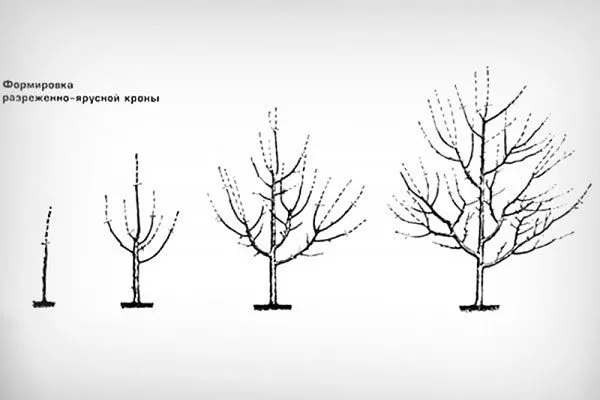
Monitor the growth of the central conductor, preventing it from growing significantly ahead of the main branches. After a few years, cut it back above the top single branch.
Cup-shaped crown
Recently, a cup-shaped crown has become popular for many small and medium-sized fruit trees. This shape limits the tree's height, ensures uniform light distribution, improves air circulation, and facilitates tree care and harvesting.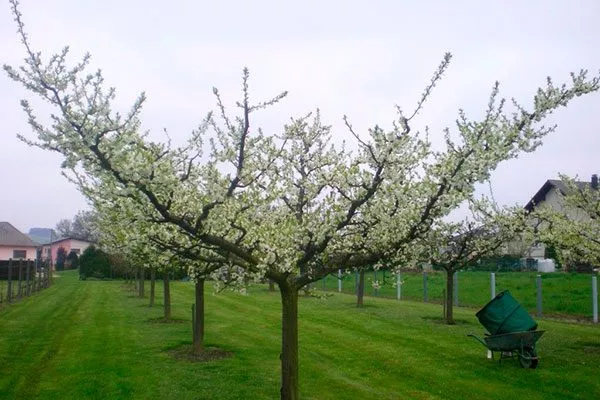
There are two main types of cup shape:
- simple – the branches are located at the same level;
- reinforced – differs in the arrangement of branches at some distance from each other.
For dwarf and medium-sized apple trees, a cup-shaped crown is especially desirable. A reinforced cup-shaped crown is preferable, as it allows the branches to withstand greater loads. Forming a cup-shaped crown begins with pruning the sapling when planting at a height of 60-80 cm.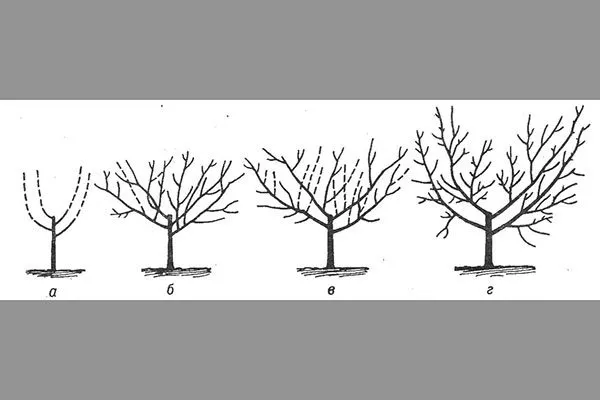
After a year or two, select three or four of the strongest shoots that emerge, spaced 10-15 cm apart (to create a stronger base) and growing in different directions. These will become the skeletal branches. Shorten them by 40-50%, and remove all remaining branches completely.
Cordon
The plant is shaped in a special way, with a compact crown and one or more vertical or sloping trunks without branches. A tree with a single trunk is called a single-arm cordon, while one with several is called a multi-arm cordon.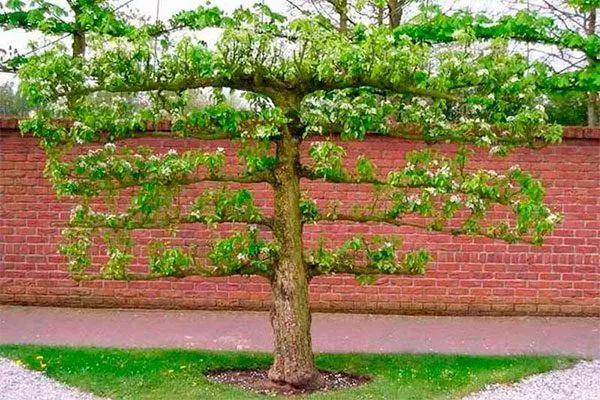
Thanks to the compact crown, cordons can be planted densely, increasing apple yield in a small area. A single-arm, sloping cordon is considered optimal for apple trees.
Before planting and shaping, prepare a special support system using stakes and wire. Attach stakes to the wire at a 45° angle to which the seedlings will be tied.
The formation of a cordon is a process that takes several years:
- In spring (March-April), plant one-year-old seedlings along the supports—the grafting point should be above soil level. Prune the lateral branches, leaving four buds on each. Shorten the secondary branches further, leaving one or two buds. Do not trim the central bud.
- In the second year, remove any emerging ovaries to avoid weakening the young plant. Tie the central stem to a support at a 45° angle. In midsummer, prune the lateral branches: first-order branches to three leaves, and second-order branches to 2-3 cm from the base.
- In the third year, leave the flower buds. If there are none, prune the secondary branches in March-April, leaving 2-3 cm. Leave the central basal shoot intact, and trim the side branches back to the flower buds. Repeat this pruning procedure annually.
Spindle apple tree formation
A popular and widespread method in modern intensive orchards, especially for trees on dwarf and semi-dwarf rootstocks. This type of training involves creating a trunk 40-50 cm high, an overall tree height of 2.5-3.5 m, and a crown diameter of 3.5-4 m.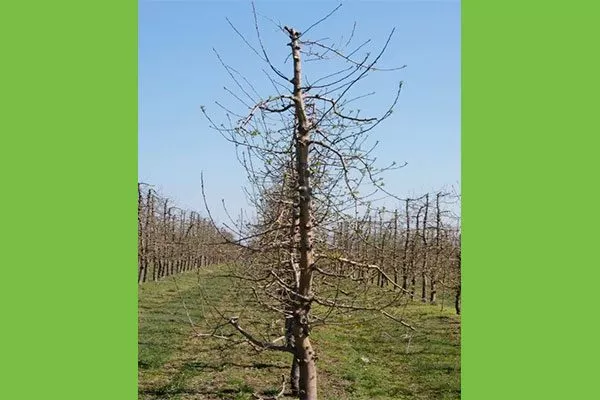
Basic rules:
- The initial stage involves removing buds and branches at the desired trunk height immediately after planting the seedling. Prune the central conductor to 80 cm for one-year-old seedlings and to 100-120 cm for two-year-olds.
- A year after planting, form the first tier of 5-7 branches. Tie them horizontally to restrain growth, and remove any excess shoots.
- Over the next 3-4 years, create new tiers of branches in a similar manner. Remove any suckers or shoots that are crowding the crown. Once the tree reaches the desired height, you can prune the central leader.
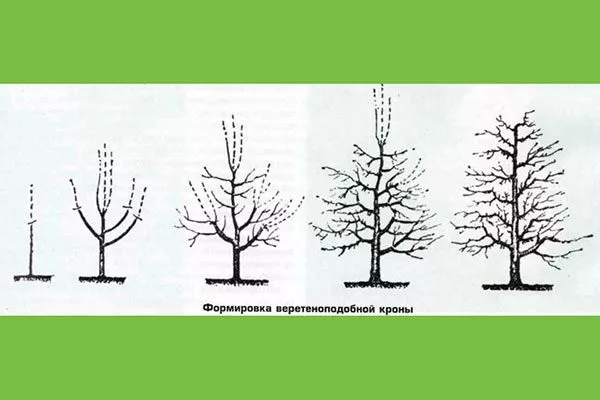
In the future, the lower tier will consist of permanent skeletal branches, and the upper tiers will consist of fruiting branches aged 3-4 years, which are periodically replaced by rejuvenating pruning.
In the form of a bowl
Forming the apple tree's crown into a bowl-shaped form requires several years of preliminary cultivation using a sparse-tiered system, after which the central conductor is removed.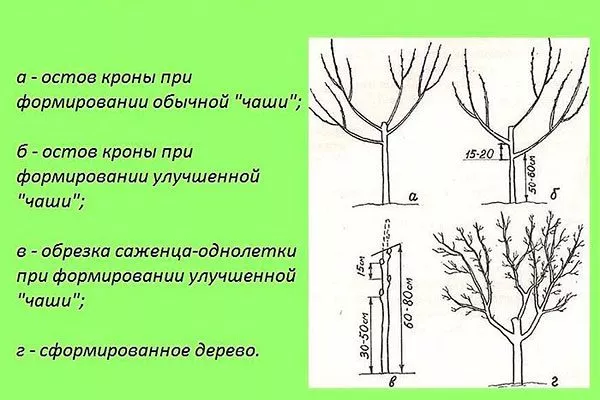
To create a bowl-shaped tree, leave three to four skeletal branches arranged around the circumference, aiming for an angle of about 130 degrees between them. This crown shaping method strengthens the apple tree and increases its stability.
Superspindle
This method of crown formation, unlike the previous one, is characterized by a smaller diameter (from 0.8 to 1.2 m), which makes it preferable for gardens with dense tree plantings.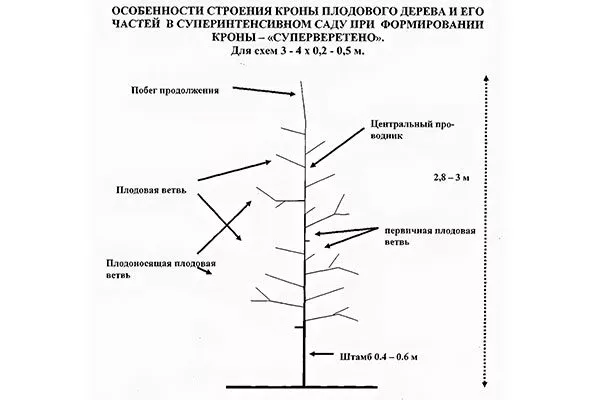
The basic pruning principles remain similar to those described previously, but the central conductor is not shortened to avoid stimulating vigorous growth of lateral shoots. Apple trees trained using this technique often require additional support, such as a stake or trellis.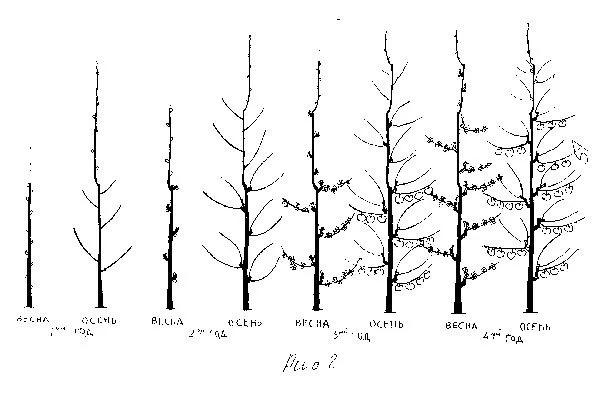
Forming an apple tree on a trellis
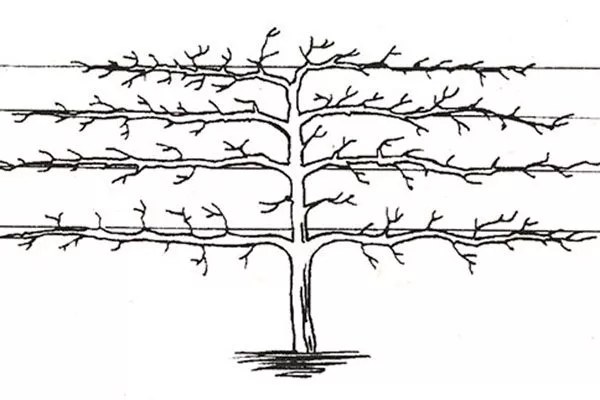
To shape tree crowns on a trellis, various methods are used: flat spindle-shaped form, superspindle, various types of palmettes, fan-shaped formation, as well as all kinds of cordons and other methods.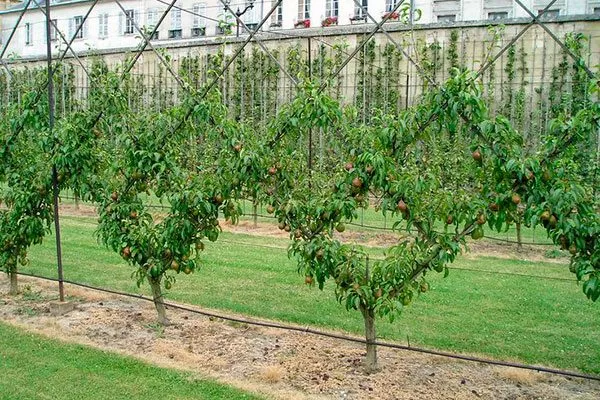
The main principle is to keep the tree's crown aligned in a single plane. This ensures the most efficient use of available space, simplifies tree maintenance, and facilitates fruit harvesting. The trellis system ensures that all branches are well ventilated and receive the optimal amount of sunlight.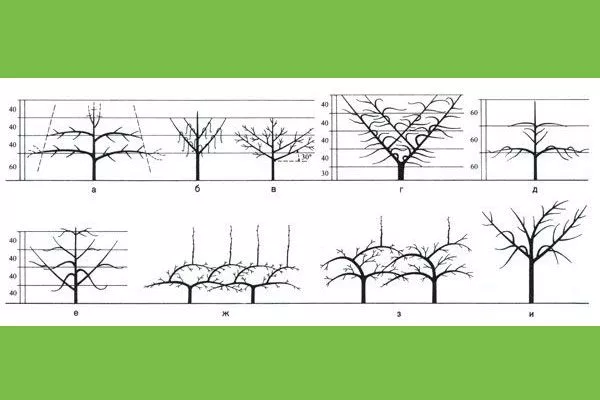
Fan palmette
It is formed by arranging the apple tree branches vertically and in a single plane, achieved by using trellises to support the shoots. The branch edges can be either straight or curved upward, giving the crown a fan-like shape.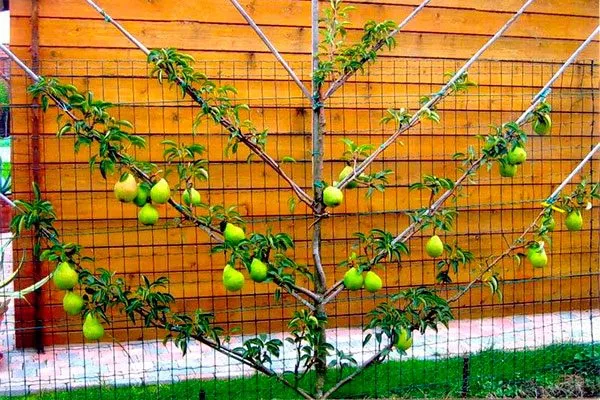
This structuring method optimizes space in the garden, creating more open space. The fan palmette allows for planting apple trees near fences or even creating hedges from the trees themselves.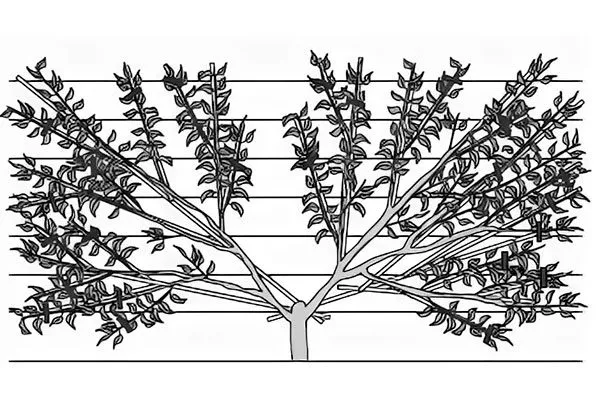
Forming an apple tree into a weeping form
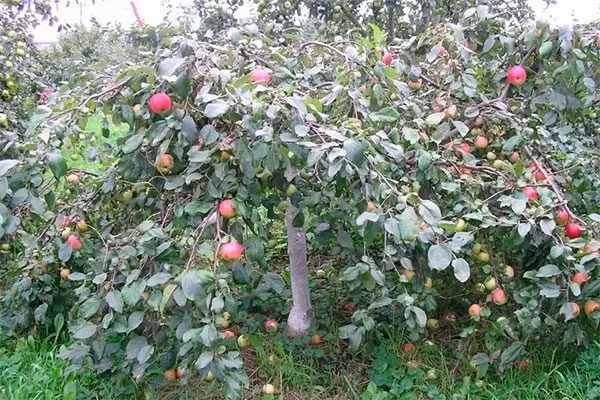
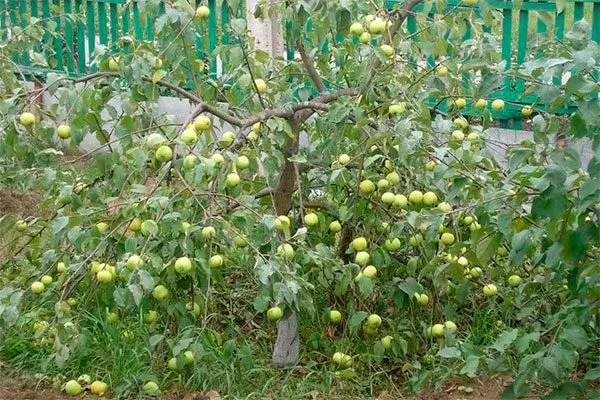
It's most often used for decorative landscaping. There are two main methods for creating it: planting a weeping variety sapling or grafting a weeping variety cutting onto a dwarf rootstock.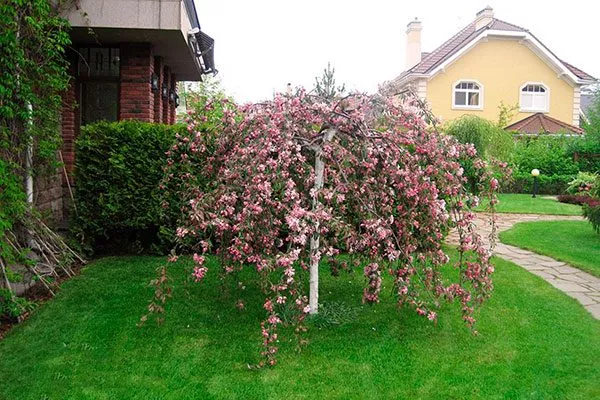
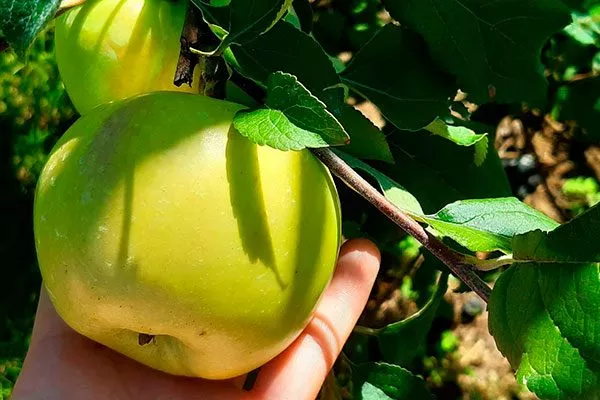
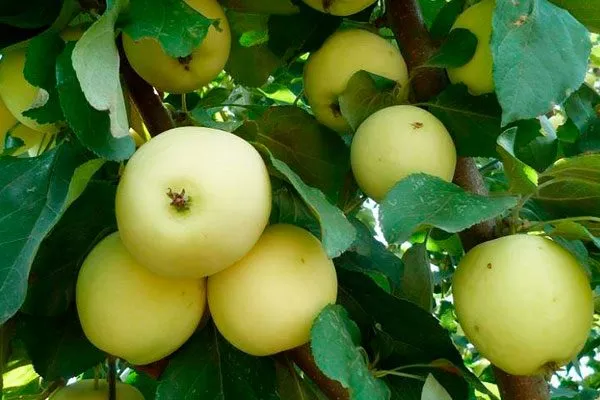
Popular weeping apple trees:
- Wonderful;
- cabin boy;
- Down to earth;
- Bratchud (Brother of the Wonderful).
If you can't find a seedling or cutting of a suitable variety, you can use an alternative method—reverse grafting. To do this, grow an apple tree with a tall trunk (approximately 2 m) and graft 3-4 cuttings onto it at the desired height using the "side cut" method, with the buds pointing downward.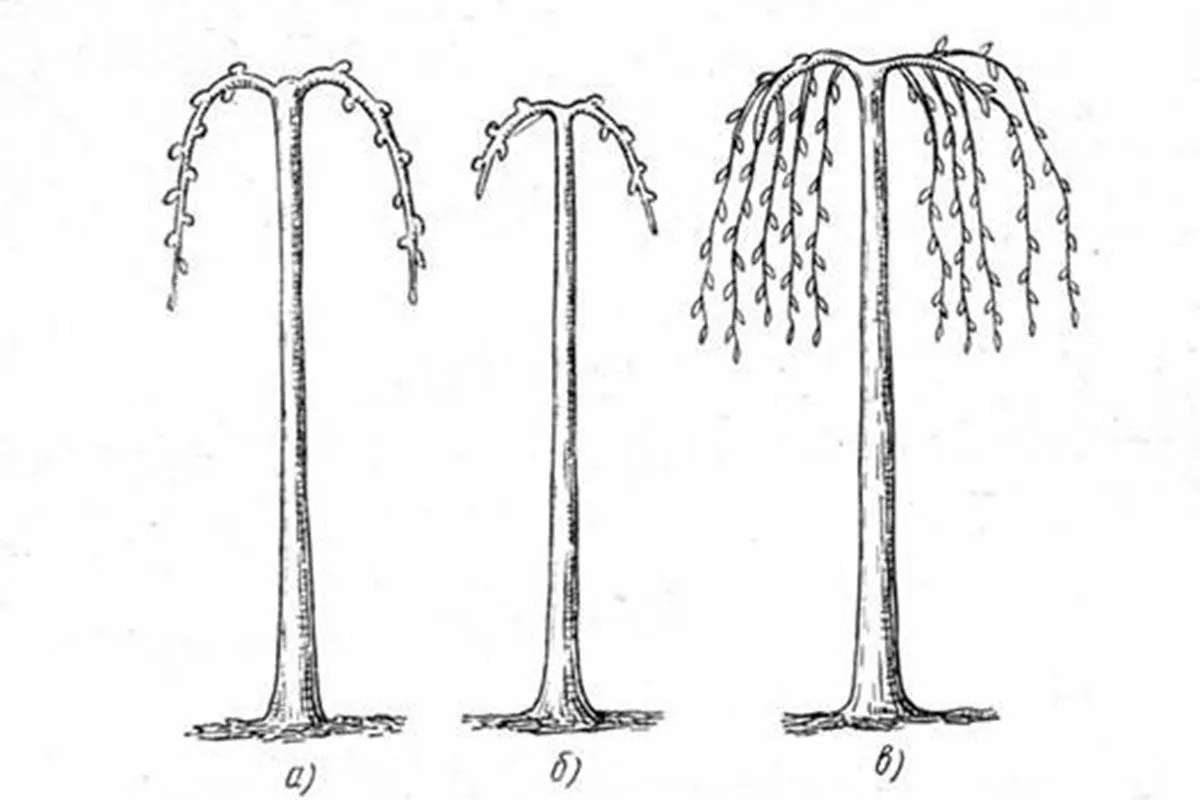
Once the shoots emerge, tie them in the desired position, and the following year, prune them back by 3-4 buds to create a dense crown. Repeat this process annually for 3-4 years until the crown is fully formed. Regular thinning and removal of suckers will be necessary thereafter.
Slate form
An ideal solution for those growing crops in harsh climates, this method allows the tree to be completely covered with snow or special materials for the winter, protecting it from severe frosts.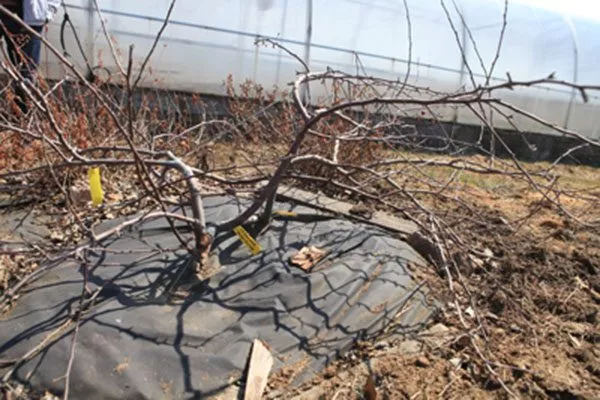
Begin shaping immediately after planting. Choose varieties with a natural tendency toward a spreading crown, such as Melba or Borovinka, although other varieties are also suitable.
Basic rules:
- Since the tree's final height shouldn't exceed 45-50 cm, limit the trunk to 15-20 cm. Form 2-4 skeletal branches above it, arranging them in a cross or ridge. From the moment they emerge, regularly pin them to the ground—the same applies to secondary shoots. Leave the rest to grow freely.
- When forming a creeping crown, fix skeletal branches and second-order shoots to the soil surface to set the desired growth direction.
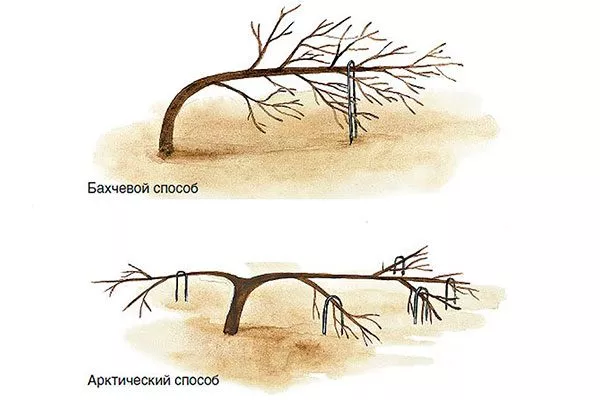
Sometimes, two-tiered shaping is practiced, placing one level of skeletal branches above the other. However, this method has two serious drawbacks:
- the lower branches are in the shade, poorly ventilated and more often affected by diseases;
- The upper tier is located too high and may suffer from freezing in a winter with little snow.
Bushy form
Along with the creeping type, bush-shaped apple tree training is often used in regions with harsh climates. It resembles a cup-shaped crown, but has a lower trunk and a larger number of scaffold branches. This structure allows the tree to better withstand adverse weather conditions.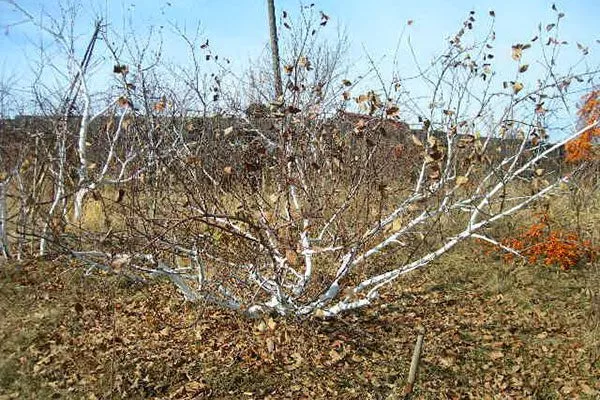
Please follow these guidelines:
- During the first two years after planting, establish a low trunk 10-15 cm high.
- Form the first-order scaffold branches directly above it. At this stage, it's acceptable to have a large number of branches—this will strengthen the tree and promote active root development. Remove only shoots with sharp (less than 45°) or excessively wide (more than 80°) branching angles.
- Give the central conductor leadership in growth by shortening the skeletal branches to achieve their subordination.
- Once the tree has taken root and strengthened, begin thinning the crown – remove shoots that are thickening the interior space.
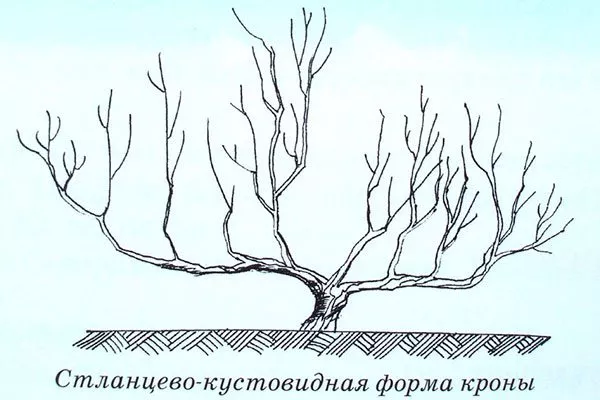
In subsequent years, carry out annual pruning, continuing to subordinate thinner branches to the main ones. To correct the growth direction, shorten drooping branches to the top bud, and upright branches to the bottom or side bud.
Standard form
Almost all types of training can be considered standard, as even the creeping apple tree has a small trunk. However, this term often refers to a specific method in which the trunk is at least 1.5-2 meters high.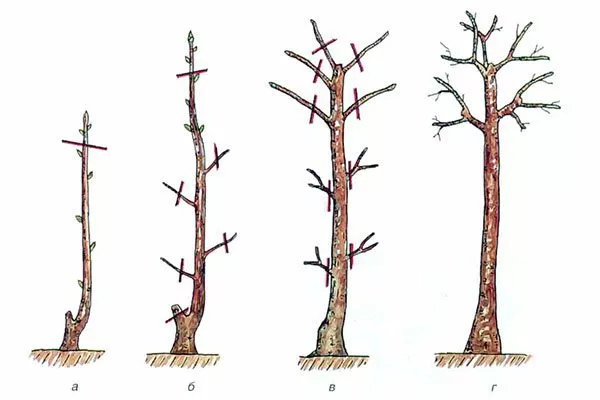
It's more accurate to call this form a tall-standard. It's typically used for decorative purposes, subsequently giving the crown a spherical, elliptical, prismatic, or other striking configuration.
To begin, create a standard tree of the desired height. Use vigorous rootstocks such as:
- Bittenfelder;
- Graama jubilee;
- A2;
- M11 and others.
Please adhere to the following rules:
- A year after planting, shorten the one-year-old shoot by 15-20%. Pinch off all buds located within 10 cm below the cut, leaving only one – the one located above the grafting zone.
- Next year, a new shoot will grow from this bud. Tie it vertically to the remaining stump using a soft material. This shoot will become the base of the future tree trunk. Once it has reached the desired position, trim the stump with a sharp knife.
- As the tree grows, remove lateral branches until the trunk reaches the desired height. The taller the trunk, the longer the process will take—on average, 3-4 years. Once the desired height is reached, shorten the top 10-15 cm above this mark and trim the lateral shoots in this area.
The specifics of the formation of young and mature apple trees
The structuring of young and mature apple trees differs. Saplings are pruned annually, while mature trees 10-15 years old do not require such frequent pruning.
One-year-old seedlings
Prune one-year-old apple trees planted in the fall after six months in the spring. If planting in the spring, prune immediately after planting. This will help form a proper crown in the first year, allowing the tree to grow without additional support in the future.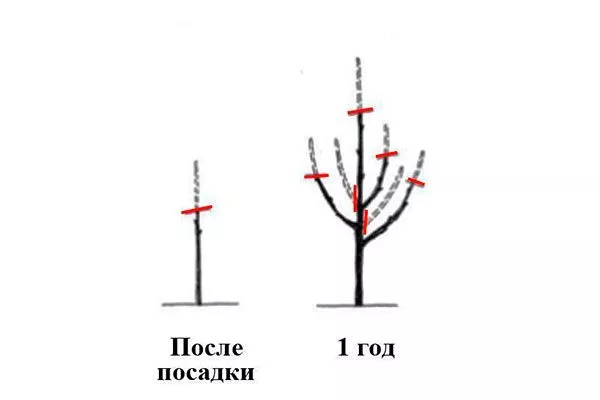
The most common method of structuring is a sparsely tiered crown.
Step-by-step instructions for pruning a one-year-old seedling:
- Cut the central conductor at a height of 80-100 cm from the ground. This shortening stimulates the growth of lateral branches, which will become scaffold branches.
- Remove all buds and shoots in the trunk area - from the ground surface to the first tier of branches.
- If the seedling already has branches, select 3-5 oriented in different directions to form the first tier. If there are no branches yet, leave 5-8 buds in reserve for future branches.
- Remove all branches that form an angle of less than 45° with the trunk, as they easily break under load or wind.
- Trim the skeletal branches, shortening them to 30-40 cm (leaving 3-5 buds).
- When removing excess branches, be sure to keep those that are located at a greater angle - they are stronger and bear fruit better.
Two-year-old seedling
When pruning a two-year-old sapling, follow the same principles as when pruning one-year-old trees. From all the available branches, select 3-5 strong ones that will form the apple tree's strong structure, and remove the rest.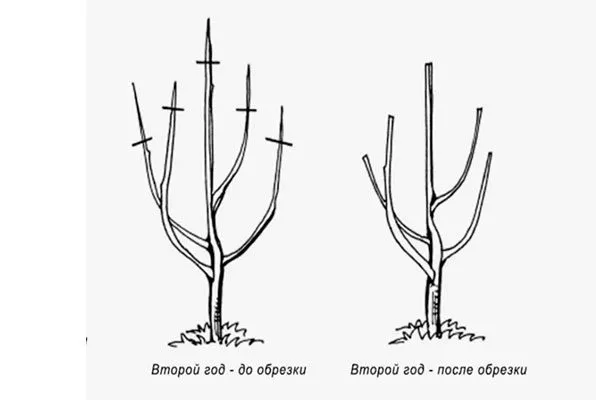
The central conductor should rise above the other branches by 4-5 buds, which is approximately 30 cm.
Instructions for pruning a two-year-old seedling:
- Create a tiered crown by pruning lower and upper branches differently. Lower branches should be approximately 25-30 cm longer than upper branches. Pruning shoots intended for scaffold branches stimulates branching.
- Shorten and bend branches growing between tiers at an obtuse angle to promote fruiting. If you ultimately choose a tiered crown shape, these branches can be removed.
- If the top of the seedling is forked, remove the weaker of the two branches. The extra branch can be converted into a scaffold branch by securing it with a guy wire on the second or third tier.
- Skeletal branches should extend from the central conductor at an angle of at least 60-90 degrees.
Pruning a fruit-bearing tree
Experts do not recommend pruning fruit-bearing apple trees too frequently or drastically. It's better to limit the pruning to removing young shoots, which can weaken the tree, as well as dead and dying branches.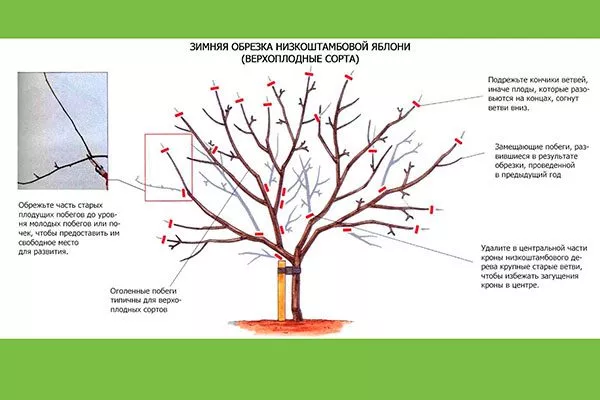
If the crown has already formed, there's no need to interfere with its structure. In the spring, it's enough to carefully trim any stray branches or direct them in the desired direction using clefts.
Rejuvenation of an old apple tree
To rejuvenate a mature plant, shorten the trunk by about a third and completely remove all branches in the upper canopy. Prune the central shoots, leaving only a quarter of their original length.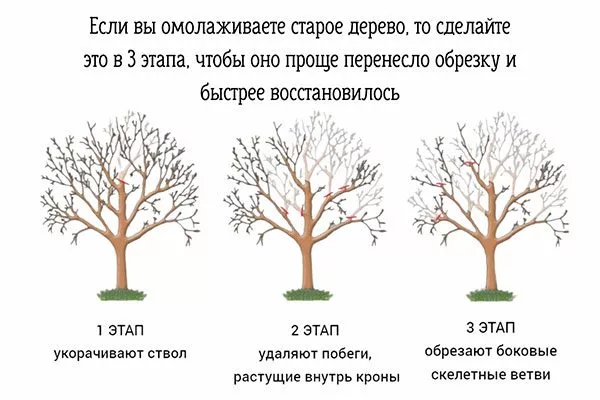
Caring for an apple tree after pruning
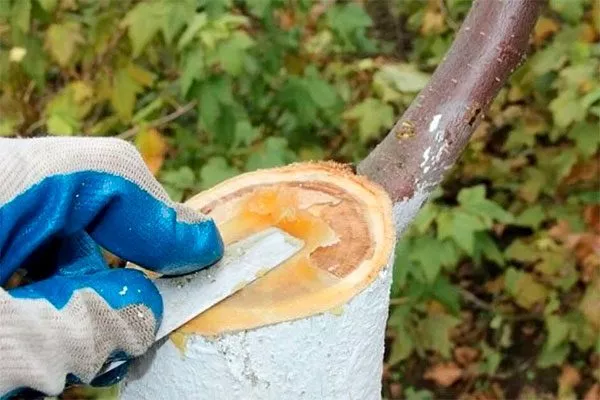
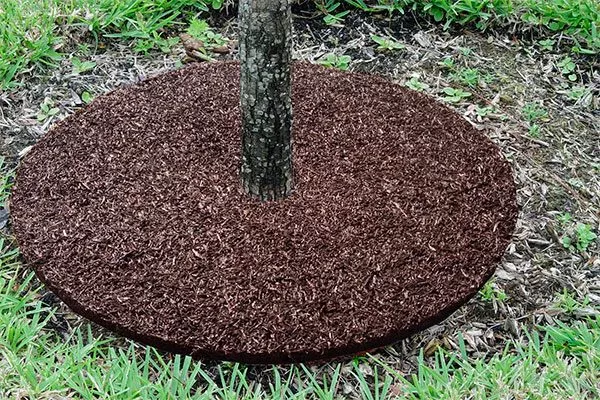
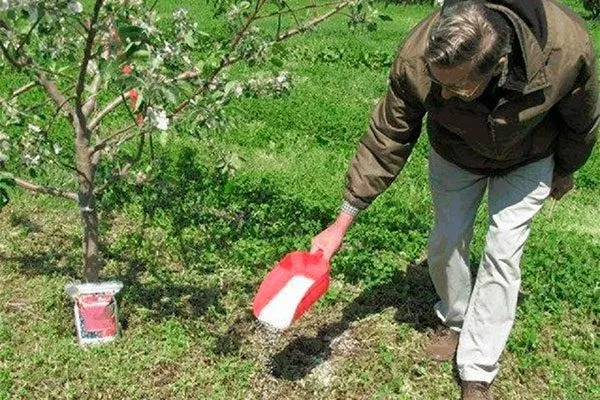
Although pruning is beneficial for apple trees, any intervention can cause stress. To help it recover, follow these simple steps:
- cover the cuts with garden pitch;
- mulch the tree trunk circle;
- add nutrients.
The most common mistakes in formation and recommendations
Incorrect crown structuring and improper pruning can cause serious damage to an apple tree and even lead to its death. The main difficulties are:
- Thickening of the crown. Without timely pruning, branches become intertwined, damaged, and vulnerable to disease. Fungal infections often develop in dense crowns.
- Using a blunt instrument. This injures the bark and slows down wound healing.
- Violation of pruning deadlines. If you miss the time before the sap starts to flow in the spring, it is better to postpone pruning until the fall, but under no circumstances should it be done during bud swelling.
- The stumps left after the procedure. Over time, they die off and become a source of fungal diseases and pests. Stumps should be cut back to the ring.
- Excessive pruning of young trees. This provokes active growth of shoots and weakens the plant.
- Incorrect wound treatment. It is not recommended to apply clay, chemicals, or nitrocellulose paints to the cuts. The best method is to cover the wounds with garden pitch after they have dried.
Choosing the right crown formation scheme is the key to successful apple tree cultivation and a high-quality harvest. Different structuring methods have their own advantages and are suitable for different tree types, depending on their growth and the gardener's goals. Regular maintenance and adherence to pruning guidelines will help create a strong tree.