
The Spartan apple tree is a variety that combines high yield, excellent flavor, and disease resistance. The apples are characterized by a sweet, slightly tart flavor, making them ideal for fresh consumption and processing. However, despite all these advantages, this variety requires careful care, especially in terms of frost protection.
History of apple tree breeding
The variety was developed by Canadian breeders in 1926 by crossing the Yellow Newtown and McIntosh varieties.
The new hybrid, named Spartan, inherited the best qualities of its “parents”, thanks to which it quickly gained popularity both in Canada and in European countries.
Where can it be grown?
The optimal regions for growing Spartan seedlings are the Central and Central Black Earth regions of Russia and the Moscow region. In Ukraine, the crop thrives in the central and southeastern regions.
It is not recommended to grow Spartan in regions with harsh winters, as it does not tolerate frost well.
Description, characteristics
This cultivar is characterized by high yields, early fruiting, and resistance to adverse conditions. Its low maintenance makes it popular not only with experienced gardeners but also with beginners.
Tree
The Spartan apple tree is a medium-sized fruit tree, typically around 4.5 m tall. Other characteristics and features include:
- crown – rounded, with slightly deviated central shoots;
- branches – stand out with a rich burgundy hue;
- leaves - dark green, leathery, rounded in shape with a textured surface and slightly curved tips;
- shoots – geniculate, dark cherry in color, with noticeable pubescence.
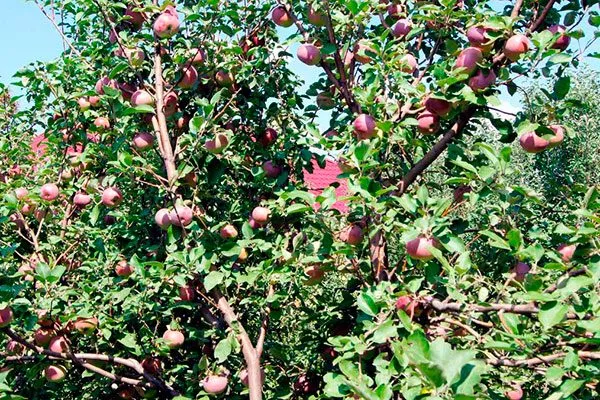
The leaves are shiny and densely textured. The tree blooms profusely.
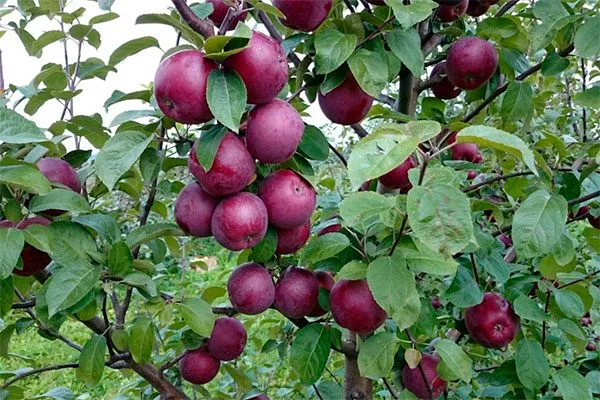
Fruit
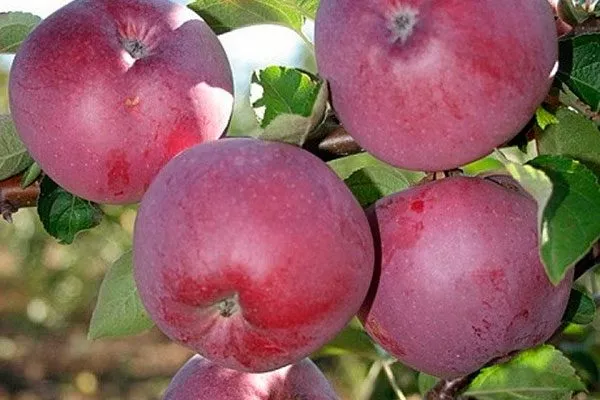
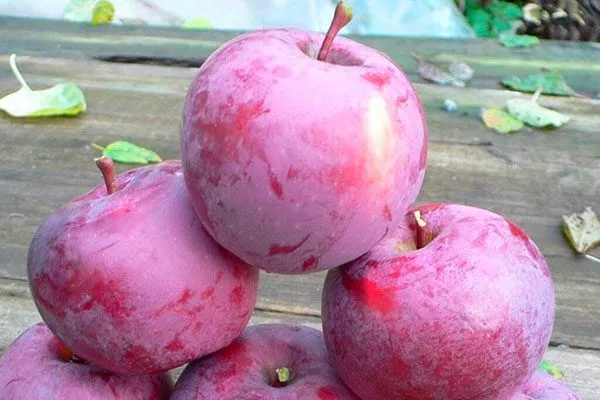
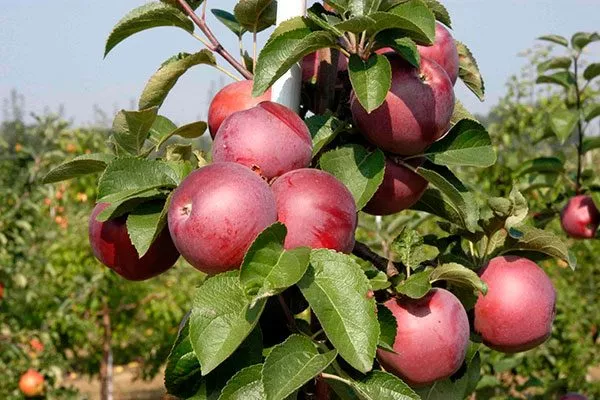
The fruits are medium-sized, usually flattened-round, sometimes taking on a rounded-conical shape. Mild ribbing may be present at the base.
Other distinctive qualities:
- the average weight of one apple is about 100 g, less common are larger specimens weighing 120-150 g;
- the taste is dominated by a pronounced sweetness, the sourness is practically not felt;
- the pulp is white, dense and juicy, but not watery, pleasant to the taste;
- fruits contain 10.6% sugars, 0.32% titratable acids and 4.6% ascorbic acid;
- the fruits do not fall from the tree even if harvested late.
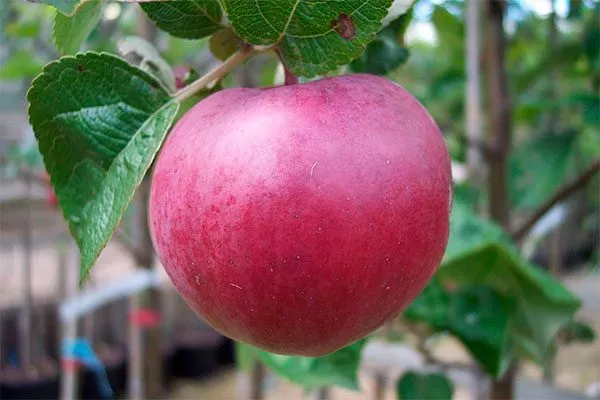
Ripe Spartan apples are versatile in use: they are eaten fresh, processed into jams, preserves, juices, and various desserts.
Resistance to low temperatures and drought
The plant is characterized by moderate tolerance to low temperatures, despite being originally conceived as a hybrid for growing in harsh climates. The tree has difficulty withstanding spring frosts and cold winters, so in such conditions it requires additional shelter.
The variety has moderate drought resistance, which requires systematic watering and irrigation to maintain normal development and fruiting.
Pollination and pollinators
Approximately 70% of the Spartan apple tree's fruit set is self-pollinated. Although the variety is self-pollinating, it is recommended to plant nearby pollinator varieties to increase yield:
- Idared;
- Golden Delicious;
- Mac;
- Jonathan.
Productivity
Spartan is characterized by good productivity—on average, one mature tree can yield approximately 150 kg of fruit per season. The apples have excellent shelf life and, if stored properly, can remain fresh for up to 200 days, until March or April.
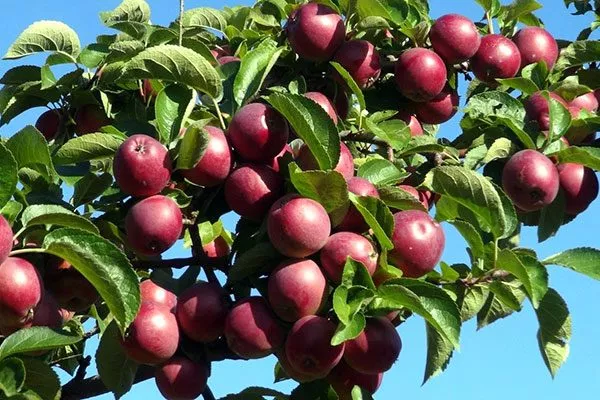
Before storing fruits for a long time, do not wash them or remove their natural waxy film, as this serves as a protective barrier against spoilage.
Ripening and fruiting of Spartan apple trees
Before growing the crop, carefully study the characteristics of ripening and fruiting:
- Beginning of fruiting. Spartan is an early-bearing variety. When grown from seed, the first fruits appear in just 4-5 years, while on vegetative rootstock, the apple tree can produce fruit as early as 2-3 years after planting.
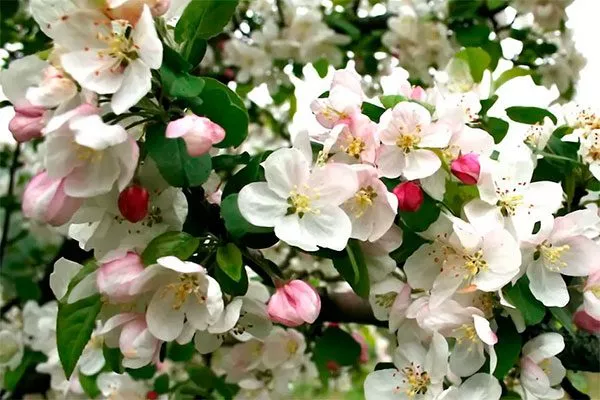
- Flowering time. Apple trees bloom in May, but the exact timing depends on the region's climate and weather conditions—it can be early, mid, or late in the month. The flowers are large, white, and have a distinct, rich aroma.
- Fruitfulness and growth. The fruits hold securely on the branches, and the variety is not prone to shedding. The main harvest period is mid-September, but if necessary, the harvest can be extended to late October without affecting shelf life—the apples still store well.
Subspecies and rootstocks
The Spartan variety is represented by various subspecies and rootstocks, which share similar characteristics but also have their own unique characteristics. To select the most suitable option, it's important to consider the differences between them.
There are two subspecies that differ in taste, ripening speed and frost resistance:
- Winter. The fruits are smaller – their weight reaches about 100 g. The apples fully ripen in October, but can be stored for another 3-4 months, and in cold conditions – until March-April.

- Late. Frost-resistant and boasting improved flavor, it received the highest tasting score of 5. This subspecies is rarely susceptible to disease and guarantees high productivity—up to 160-170 kg of fruit can be harvested annually from a single tree.
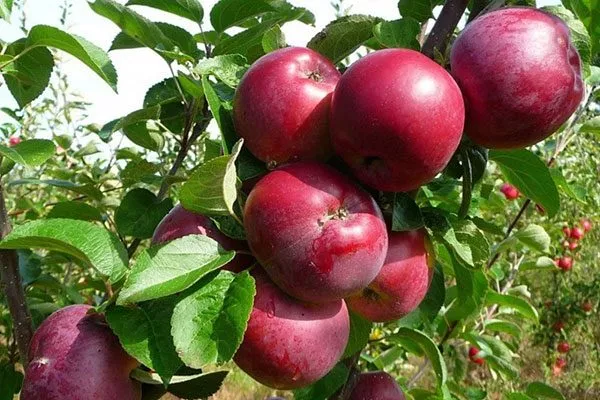
In addition to subspecies, various rootstocks are popular, also used in commercial and amateur gardening. Grafted trees demonstrate good yields. Here are some rootstocks:
- Dwarf - When grafted onto Budagovsky's Paradise, it produces small trees with well-developed, rounded crowns. These trees begin to bear fruit in the third year, with fruits weighing 150-190 g, and the tree height does not exceed 2 m. However, this rootstock is sensitive to frost and suffers from sun damage in hot weather.
- Semi-dwarf – It grows to 3-3.5 m and is more resistant to heat and drought, but less tolerant of frost. It produces abundant fruit, but the apples grown on this rootstock weigh no more than 110-150 g.
- Columnar – Rarely used because it requires a highly skilled gardener. Its main characteristics are the vertical orientation of its branches and very early fruiting.
With proper care, each of these varieties can produce fruit successfully and thrive. It's important to choose subspecies and rootstocks based on climate and local conditions.
Storage of the harvest
To ensure Spartan apples last until spring (6-7 months), it's important to follow certain conditions. The freshness of the fruit largely depends on the waxy layer on the skin, so be careful when harvesting and avoid damage.
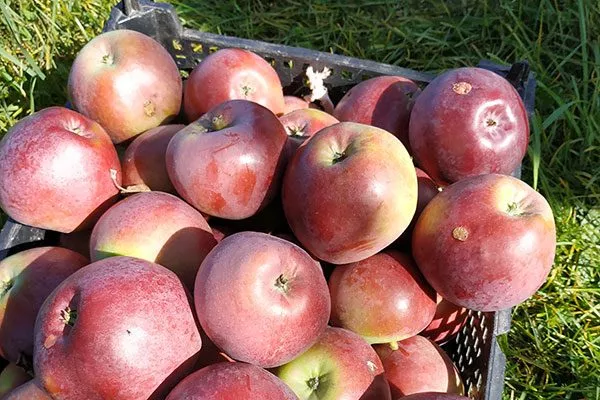
Some recommendations for extending shelf life:
- Do not remove the stems – This way the apples will remain of good quality for much longer.
- Create a stable microclimate – Store the harvest in a room with moderate humidity, cool temperatures, and no direct sunlight. A dry basement is ideal.
- Wrap the fruits in paper – This will increase the shelf life by 1-2 months.
- Use sand and ash or sawdust – Sprinkle each layer of apples in the boxes with a mixture of sand and ash or sawdust.
- Use perforated containers – Wooden boxes with holes will be ideal for fruits.
Inspect your apples regularly at the end of winter. Remove any rotten ones, and process or eat any that are near them.
Landing
The planting and care requirements for the Spartan apple tree are similar to those for other apple trees. However, there are some important nuances to consider to ensure a good harvest.
Recommended terms, requirements and conditions
Planting can be done in either spring or fall, depending on the age of the seedlings. For first-year plants, the optimal time is mid-April, after the cold temperatures have passed, to allow them time to establish roots.
More mature trees can be planted in late September or early October, allowing at least four weeks before frost sets in.
To obtain the stated yield, create certain conditions:
- Temperature and humidity. Apple trees require protection from sudden temperature fluctuations. For normal growth and root development, the ideal temperature is 10-25°C. Humidity should be maintained at 85-95%, as fruiting becomes impossible if humidity drops to 25%.
- Soil composition. Spartan grows best on light loamy, sandy loam and chernozem soils that are well-aerated and loose.
- Illumination of the area. The planting site should be sunny throughout the day to avoid shading that may be created by nearby large buildings.
- Favorable and unfavorable neighbors. It's best to plant this variety near other apple, pear, and plum varieties. However, avoid growing this variety near walnut trees, apricots, barberries, and viburnum.
Selecting seedlings and a suitable location
When purchasing planting material for the Spartan apple tree, pay attention to several important criteria. The main ones are:
- seedling age – no more than 1-2 years;
- there is no damage, rash or growth on the roots and trunk;
- the shoot under the bark has a green tint;
- The length of the roots is about 35-40 cm.
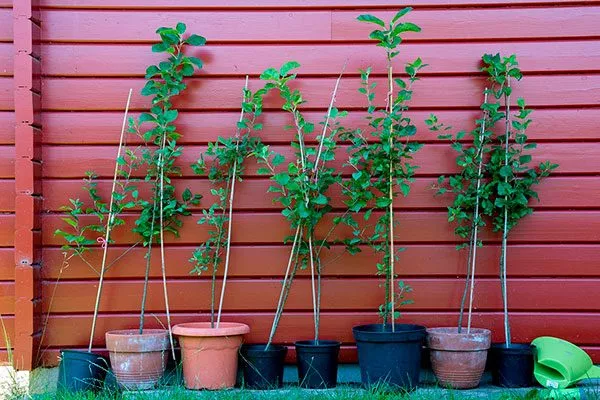
To check the root system, gently tug on the roots. If they come off easily, this indicates rot and the seedling is not suitable for planting.
The apple tree's site should be spacious, well-lit, and protected from strong winds and drafts. Spartan prefers high humidity, so choose a site with a water table of about 1 m.
Well-drained black soil and sandy loam are ideal for planting. If the soil is clayey or hard, enrich it with peat or river sand beforehand to improve drainage.
We prepare the site, seedlings and planting hole
Check the groundwater level in the chosen area beforehand. If it's too high, install drainage ditches to prevent water stagnation.
The planting hole should be dug with allowance for future root growth and branching. The optimal hole diameter for this variety is 1 m and a depth of 70-80 cm. Place drainage stones at the bottom of the hole to ensure good water drainage and prevent root rot.
Step-by-step instructions for planting apple tree seedlings
The Spartan apple tree planting algorithm includes several stages:
- Fill the hole with soil mixture, to which you have previously added rotted manure, ash, potassium and superphosphate.
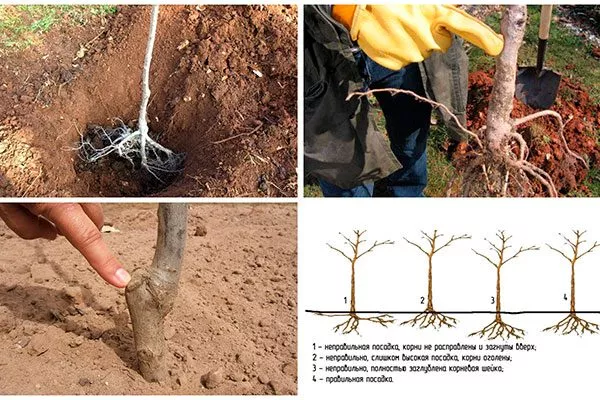
- Place the seedling in the hole, carefully spreading the roots, and fill with nutrient-rich soil, gently shaking the trunk to fill the voids between the roots. The root collar should be 5 cm above the soil level.
- Water the plant generously and mulch the soil.
Care
Caring for an apple tree plays a key role in its growth and fruitfulness. Particular attention should be paid to young plants. Standard agricultural practices are essential for the healthy development of an apple orchard.
Watering an apple tree
The intensity of watering depends on the plant's age and weather conditions. Young trees require more water, so water weekly.
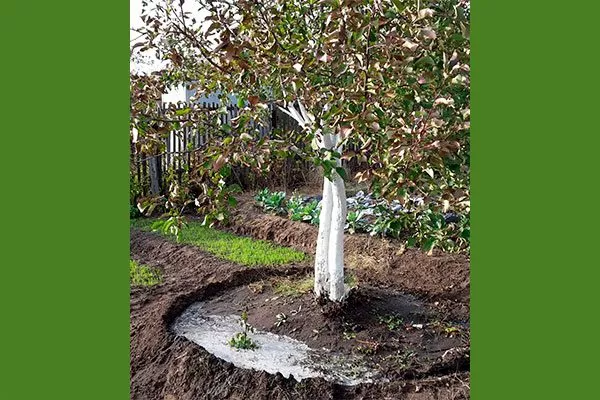
You can water the tree through furrows dug 10 cm deep around the circumference of the tree, along long lateral shoots. Sprinkler irrigation is equally effective, distributing water evenly in droplets, moistening the soil to a depth of 0.7 m.
Add water several times during the season:
- before bud break;
- when the ovary appears;
- a couple of weeks before harvest.
Young trees require 20 liters of water, two-year-old trees – 40 liters, and mature trees require up to 80 liters.
Fertilizing apple trees
Fertilize your crop to improve productivity. Follow these recommendations:
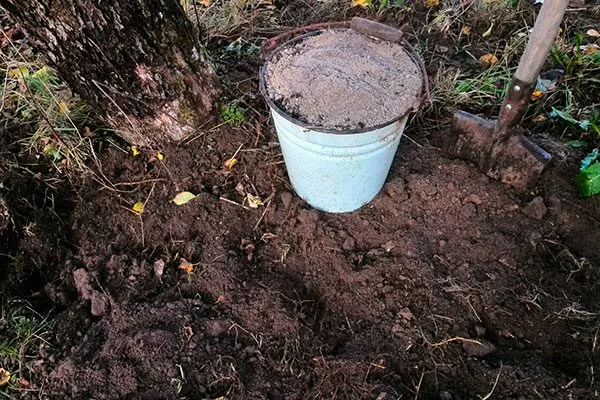
- when the buds open – loosen the soil and add 30 g of nitroammophoska and humus;
- when the buds begin to form – add an infusion based on mullein or chicken manure;
- after flowering ends – prepare a complex fertilizer: 8 liters of water, 0.25 kg of nitroammophoska, 25 g of potassium sulfide and 20 g of dry sodium humate;
- when the fruits ripen – use a solution of 8 liters of water, 35 g of nitroammophoska and 10 g of humate;
- after harvesting the fruits – Add 30 g of superphosphate and potassium sulfide to the soil.
Tree pruning
Perform your apple tree's first pruning the following year after planting. A one-year-old tree should have a trunk height of about 0.5 m. Leave six buds and trim the top by 10 cm. Shape the crown so that the branches grow laterally.
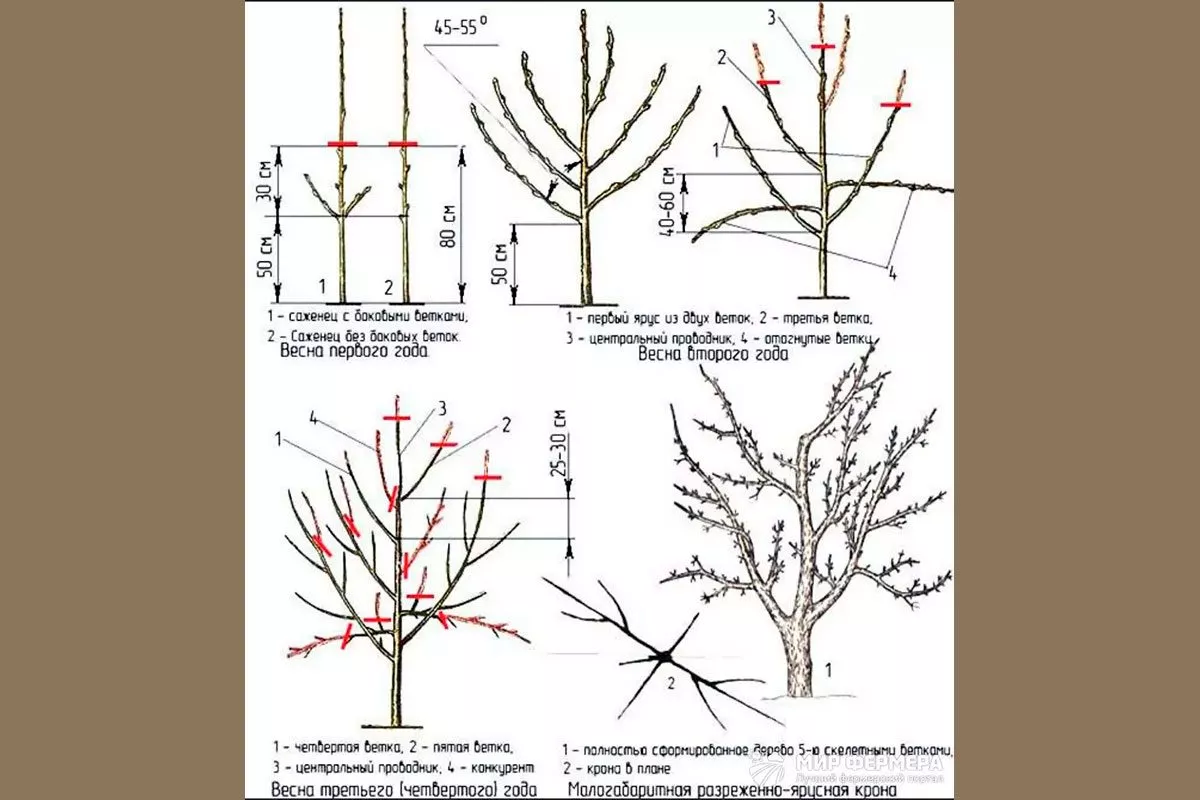
Pruning should be done in spring or fall, when the sap flow is slow. Perform sanitary pruning twice a year. Remove dead and damaged branches, and treat the cuts with garden pitch.
Protection from frost and rodents
Provide the young seedlings with adequate shelter. The following materials are suitable for this:
- straw;
- spruce branches;
- roofing felt;
- roofing felt;
- sackcloth.
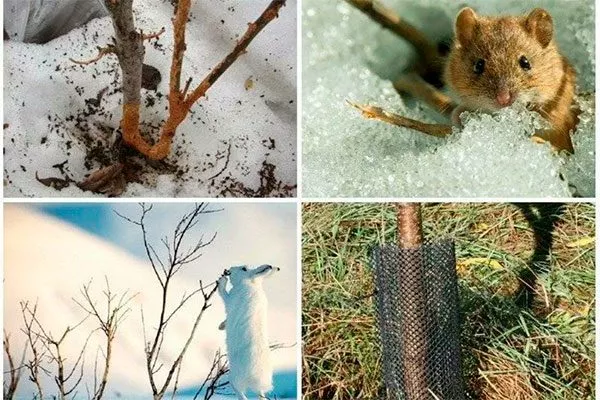
However, such measures can attract rodents and insects, which seek shelter near human dwellings during the cold season. To protect the apple tree, whitewash the trunk with lime in the fall, coat it with special compounds (such as grease or lard), and treat it with appropriate chemicals.
Diseases and pests
Unfavorable climatic conditions or failure to comply with agricultural standards can lead to the appearance of diseases such as fruit rot and cytosporosis, as well as attacks by parasites such as codling moths and flower beetles.
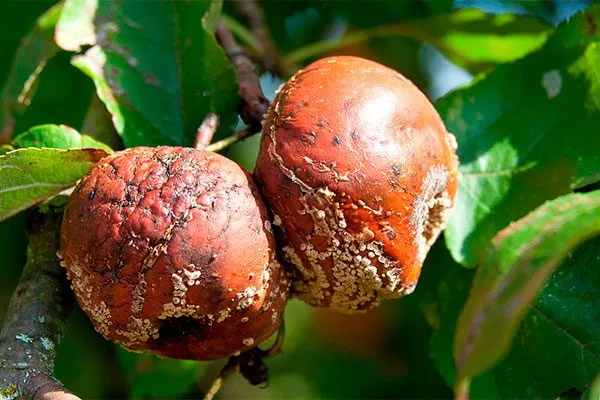
To prevent infections and the appearance of insects on the site, it is recommended to take the following measures:
- regular loosening of the soil;
- removing weeds from the area;
- treatment with Bordeaux mixture;
- destruction of vegetation remains in autumn;
- applying fertilizers and ensuring proper watering.
Reproduction - methods
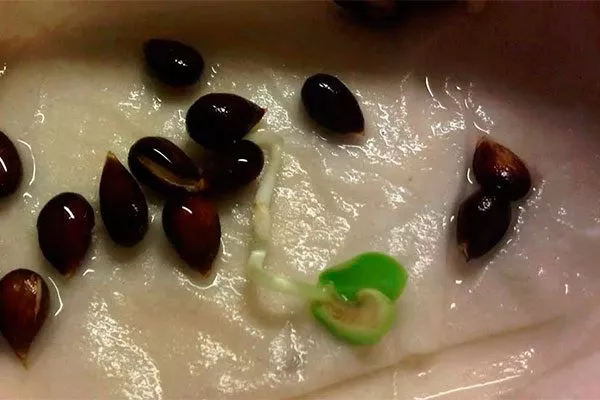
To increase the number of seedlings in your garden, you can use cuttings and seeds. To grow healthy plants from seeds, follow these steps:
- Remove large seeds from the ripe fruit – they should be dark brown and uniform in color.
- Rinse several times in warm water.
- Place in water to swell for 3 days, adding a root growth stimulator on the third day.
- Place the seeds in the refrigerator for 90 days, after mixing them with sawdust and sand for stratification.
- After this, plant the seeds in plastic pots or containers with drainage at the bottom (expanded clay or pebbles), then add black soil, which is rich in nutrients for seedlings. Space the seeds 3 cm apart, and at least 15 cm between rows.
- After planting, water thoroughly.
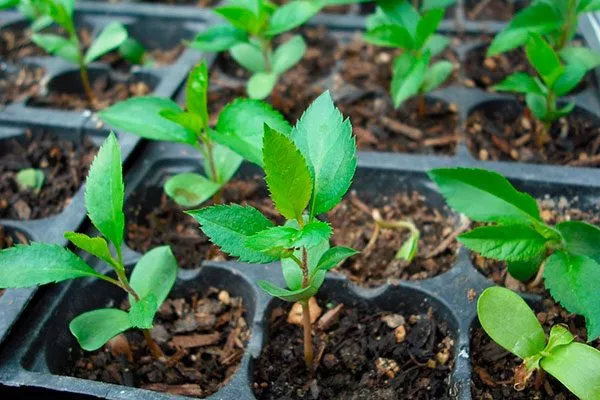
Sorting of seedlings should be carried out after they have formed the second pair of leaves.
Pros and cons
Reviews
The Spartan apple tree is an excellent choice for gardeners seeking a reliable harvest of delicious and flavorful apples. This variety not only produces abundant fruit but also boasts good disease resistance. With proper care and proper cultivation practices, it will achieve positive results.