
The Soyuz apple tree is a triploid variety with distinct commercial and flavor qualities. It is characterized by large raspberry-colored fruits, good productivity, and strong immunity. It tolerates frosts well and is suitable for cultivation in various regions. Its numerous advantages make it attractive for both home and commercial plantings.
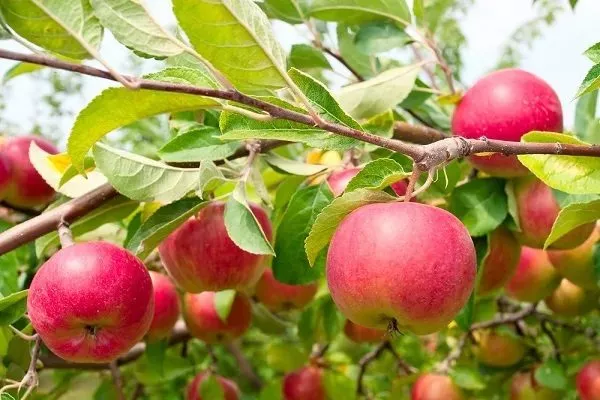
Description of the apple tree variety Soyuz
This variety boasts lush blooms and attractive, brightly rosy fruits, delighting with its delicious flavor. The trees are highly resistant to many diseases and rarely suffer from pests. It's an ideal choice for beginners growing fruit crops for the first time.
Origin and characteristics
The variety was obtained through selective breeding—the Redfree variety was crossed with the tetraploid Papirovka. In 2019, Soyuz was included in the State Register and recommended for use. It is triploid, meaning it has a triple chromosome set, contributing to the following qualities:
- high yield;
- good appearance of apples;
- rare disease.
The fruit ripens in the summer, and harvesting typically begins in the second half of July. The first fruits appear as early as the second year after planting. This is a productive variety: under favorable conditions, a single tree can yield 50 to 60 kg of apples, and up to 263 centners per hectare.
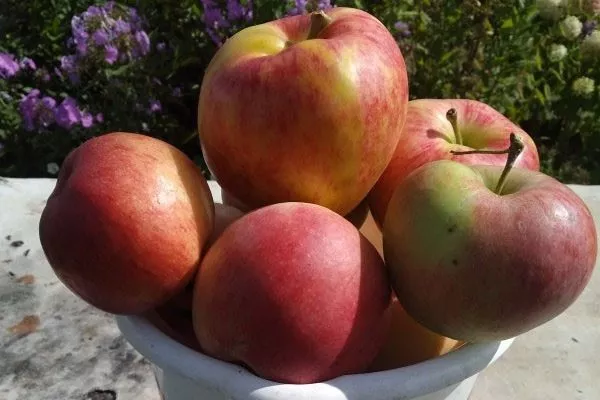
Appearance of fruits and tree
The plant is medium-sized, with a rounded, spreading crown. Fruiting is mixed. The main branches extend from the trunk at a nearly right angle, are arranged compactly, straight, and point upward.
Other distinctive features:
- bark on the trunk and skeletal branches – smooth, brown;
- shoots – thick, straight, round in cross-section, brown, with pubescence and a moderate number of small lenticels;
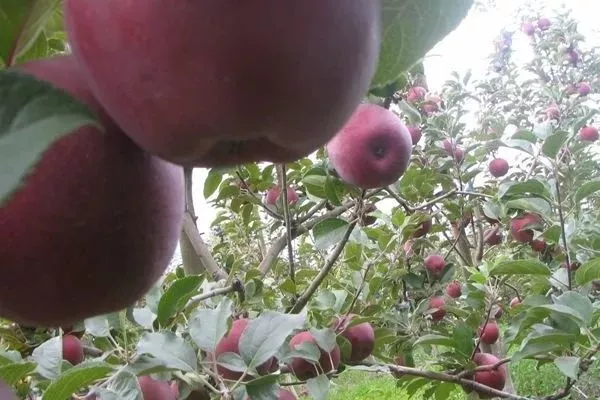
- vegetative buds – large, pressed, elongated and pubescent;
- leaves - large, wide, short-pointed, dark green, shiny, with a smooth surface and soft nerves;
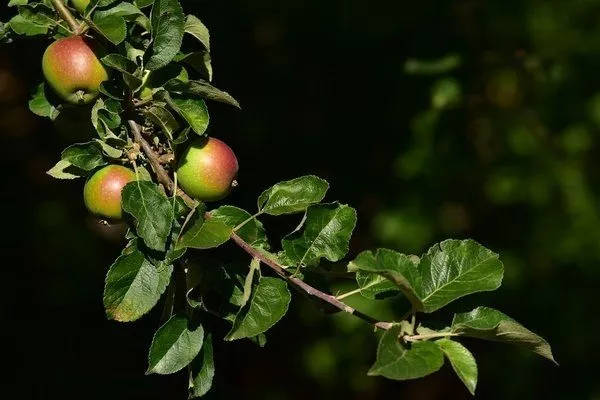
- leaf blade – concave, heavily pubescent at the edges, with a finely serrated edge;
- petiole – medium length, thick, pubescent;
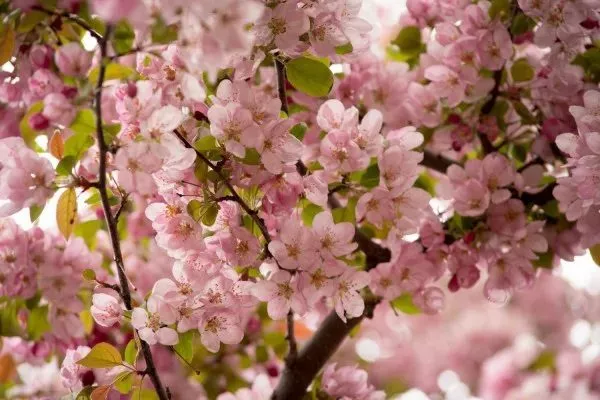
- flowers – large, cup-shaped, pinkish in color, with a distinct aroma.
Features of apples:
- peduncle – medium length and thickness, straight;
- funnel – narrow, pointed, with pronounced rusting;
- saucer – wide;
- skin – smooth and dry;
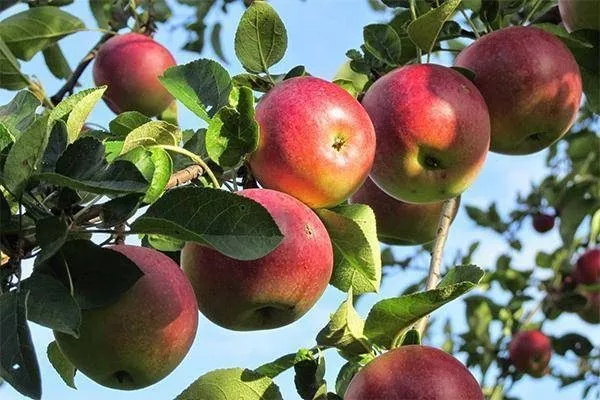
- main color – light green, when ripe, most of the fruit is covered with a rich crimson or even burgundy blush;
- subcutaneous points – large, grey in colour, clearly visible;
- seeds – not small, round, medium width, brown in color.
Landing rules
Despite its general undemanding nature regarding soil conditions, this variety requires adherence to certain agricultural practices. Only with proper care can one ensure high yields and a long tree life.
Selecting a site and preparing the soil
The groundwater level should be no higher than 2 meters above the surface. If the water table is high during prolonged rains or spring floods, the roots begin to rot, leading to the drying out of the upper part of the tree and its gradual death.
Basic requirements:
- Consider the permissible water table for different rootstocks.
- Place the seedling in a well-lit area, protected from cold northern winds and drafts. Ideally, plant it near nearby buildings.
- The soil should be loose, fertile, and well-drained. Avoid growing in waterlogged, marshy, heavy clay, or excessively sandy soils.
Correct landing
Although the variety is characterized by its ability to adapt to different conditions, it is precisely proper planting that becomes the key to successful growth and full development of the apple tree.
Follow these steps:
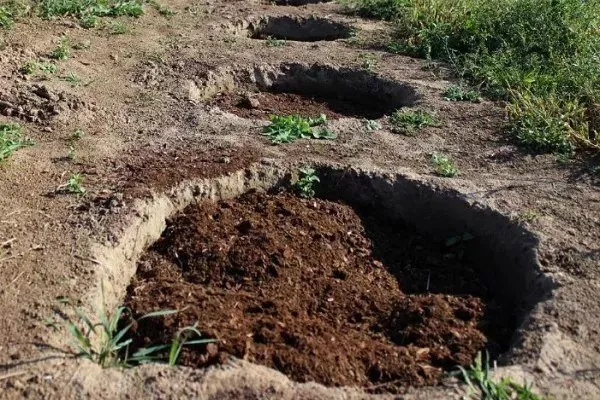
- Prepare the hole in advance. For spring planting, do this in the fall, and for fall planting, do this at least a month before planting. This is necessary to aerate the soil and kill any potential pests.
The size of the hole depends on the type of soil:
-
- fertile and light – 60x60 cm;
- heavy and clayey – 80x100 cm.
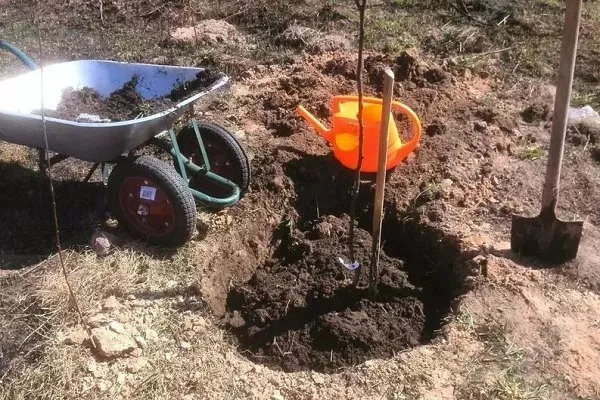
- Add 10-20 kg of humus, 500 g of superphosphate, and 50-60 g of potassium chloride or 500 g of wood ash to the bottom of the hole. Fill the hole with fertile soil, form a mound, and place the seedling on it, carefully spreading out the roots.
- Fill the space between the roots with soil, compacting it thoroughly to eliminate air pockets. The root collar should be 5-8 cm above the soil surface (allowing for possible settling). Drive a support stake into the ground nearby, on the northwest side, and tie the trunk to it.
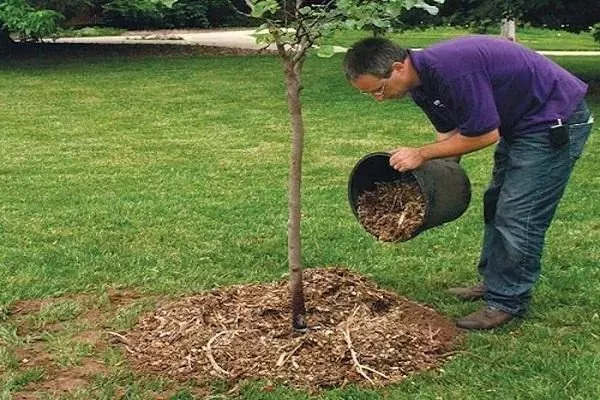
- Create a circle around the seedling's trunk and water it with 20-30 liters of water. After the soil has absorbed the moisture, mulch it with well-rotted compost or peat—this helps retain moisture and protect the roots.
Apple tree care
The crop is characterized by good adaptation to growing conditions, disease resistance, and high yields. However, even the most promising varieties require proper care, especially in the first years of life.
To ensure a tree reaches its full potential, it must be provided with the proper conditions throughout the season. Regular agricultural practices:
- Watering. Maintain moderate soil moisture, especially during dry periods. Water young trees more frequently—once a week; mature trees—two to three times per season, depending on the weather.
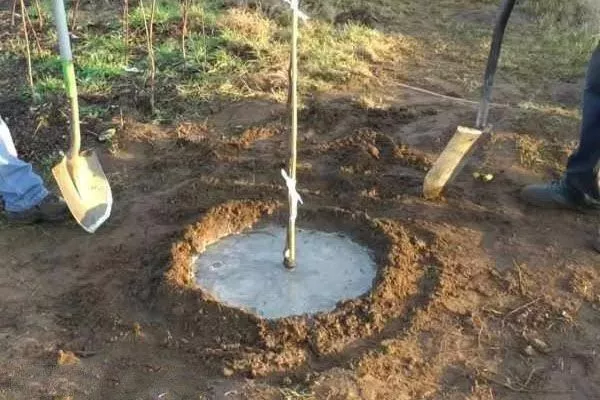
- Mulching. After watering, cover the tree trunk circle with humus, peat or mown grass to retain moisture, improve the soil structure and suppress weed growth.
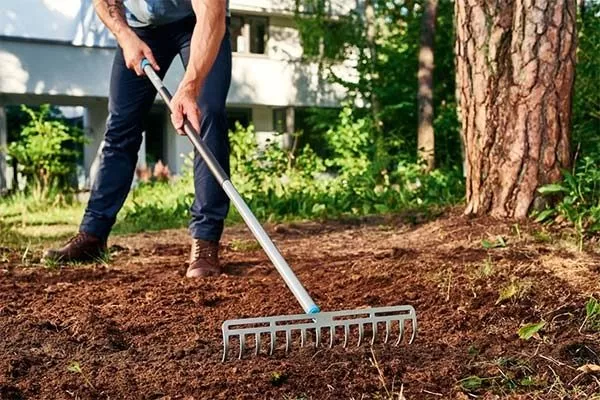
- Loosening and weeding. Loosen the soil in the trunk area after rain and watering to ensure oxygen access to the roots.
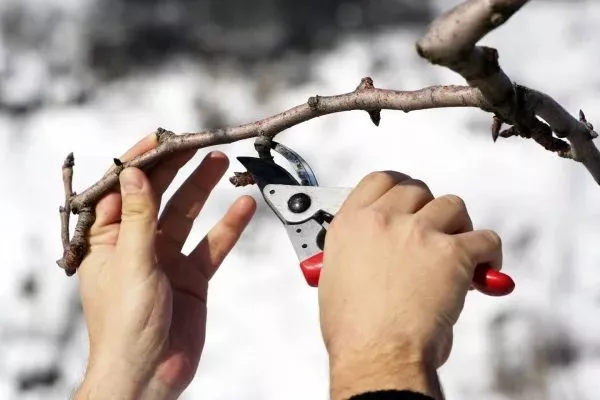
- Formative and sanitary pruning. In spring and fall, prune the tree to remove damaged, dry, and crowded shoots. This promotes air circulation and reduces the risk of disease.
- Top dressing. During the first year, the tree feeds on reserves from the planting hole. In subsequent years, apply:
- early spring – nitrogen fertilizers (saltpeter, urea);
- in June – complex mineral mixtures;
- in autumn – Phosphorus and potassium substances to prepare for winter.
- Whitewashing the tree trunk. In autumn and early spring, it is recommended to paint the trunk and skeletal branches with lime mortar – this protects against sunburn and pests.
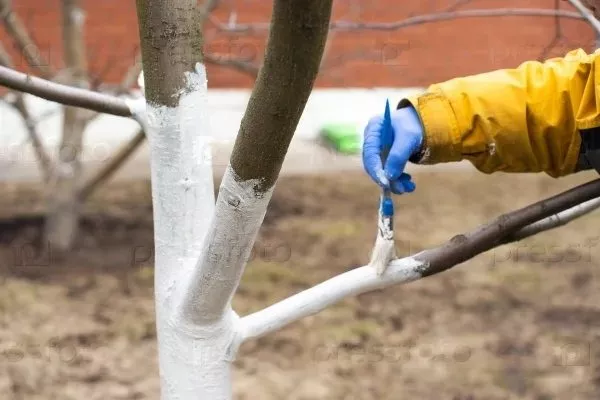
If all the above care measures are followed, the Soyuz apple tree will form a strong, long-lived tree and consistently delight with large, beautiful, and delicious fruits.
Pest and disease control
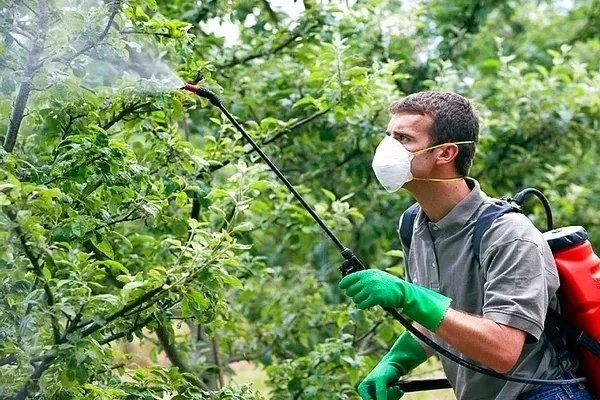
Despite its strong immunity, the crop can be negatively affected by unfavorable growing conditions or the absence of preventative measures. Young seedlings and plants are particularly vulnerable during periods of high humidity, heat, or dense plantings.
It is important to recognize signs of damage in time and take appropriate steps to maintain the health of the apple tree and crop:
| Disease/Pest | Signs | Prevention | Treatment |
| Scab | Dark spots on leaves and fruits. | Early spring spraying with 3% Bordeaux mixture. | Treatment with fungicides (Skor, Horus, Rayok) at the first signs. |
| Powdery mildew | White coating on leaves, buds and young shoots. | Regular pruning to ventilate the crown. | Use of Topaz, Bayleton or colloidal sulfur. |
| Cytosporosis | Drying of the bark, appearance of dark spots on the trunk. | Prevent mechanical damage to the bark by lubricating wounds with garden pitch. | Pruning of affected areas followed by disinfection with copper sulfate. |
| Fruit rot (moniliosis) | Rotting fruit on a tree. | Destruction of fallen fruit, thinning of the crown. | Horus and Switch are effective drugs. |
| Codling moth | Caterpillars damage apples from the inside. | Installing trapping belts on the trunk, collecting and cleaning up fallen fruits. | Spraying with insecticides (Calypso, Karate, Fufanon) during the ovary formation phase. |
| Green apple aphid | It settles on the tops of shoots and sucks out the juice. | Spring treatment before bud break (Nitrafen, DNOC). | If detected, use Actellic, Biotlin or folk remedies (infusion of ash, garlic). |
| Bark beetle and scale insect | They damage the bark, disrupting the tree's nutrition. | Regular inspection of the trunk, whitewashing with lime. | Mechanical cleaning followed by the use of insecticides. |
Pros and cons
This variety is classified as medium-sized. It performs best in the North Caucasus region, but can be successfully grown in other climates as well. Its advantages include:
Flaws:
Reviews
The Union combines hardiness, good productivity, and attractive apple appearance. It's a reliable choice for gardeners who value ease of care and quality. With proper care, the plant produces fruit for a long time, is disease-free, and produces delicious apples suitable for use in a variety of culinary dishes.