
Most apple varieties grown in central Russia cannot withstand the harsh Siberian winters. Therefore, breeders have developed special winter-hardy varieties for Siberia. Let's find out which apple varieties are grown in Eastern and Western Siberia.
Summer varieties
Summer varieties ripen earlier than others—the first fruits are picked in late July. These varieties are especially suitable in regions with short, cool summers, as they ripen before the onset of cold weather. The fruits of summer varieties are ready to eat immediately after picking.
| Name | Ripening period | Yield (kg per tree) | Fruit weight (g) |
|---|---|---|---|
| Ermakovskoye Mining | Summer | 35 | 70-80 |
| Altai crimson | Autumn | 35 | 25-30 |
| Alyonushka | Summer | 80 | 30-40 |
| Minusinsk red | Summer | 21 | 22-32 |
| Zhebrovsky | Summer | 16-17 | 25-35 |
| Gorno-Altaisk | Mid-summer | 35 | 40 |
| Ranetka Ermolaeva | Summer | 10-11 | 8-12 |
| Russian beauty | Summer | 90-100 | 90-100 |
Ermakovskoye Mining
A summer variety developed by Siberian breeders back in 1965. The plants are short, with rounded crowns. They begin bearing fruit in the fourth to fifth year. Apples are harvested in mid- to late August. Frost resistance is normal. Fruiting occurs with a subtle periodicity. A yield of 8.8 to 14 tons can be harvested per hectare. A single tree can yield up to 35 kg of apples.
The fruits are round, light yellow, with red stripes along the sides. They weigh 70-80 g. They are sweet and sour, with a pleasant apple aroma. They can be stored for up to a month. They have satisfactory scab resistance. This variety is "average" in all respects. It attracts gardeners with its early ripening and relatively large fruits. For Siberia, 80 g is quite large.
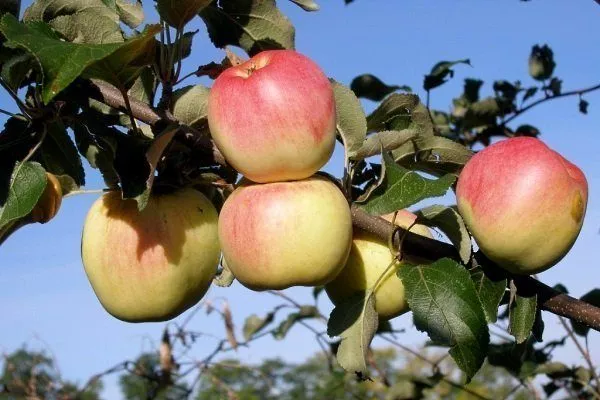
Altai crimson
A small-fruited autumn variety bred in Siberia. Introduced in 1963, the tree is medium-height with a wide, oval crown. Consistent fruiting begins at age four. The harvest ripens in late August. Yields range from 11 to 19 tons per hectare. The average harvest is 35 kg of apples.
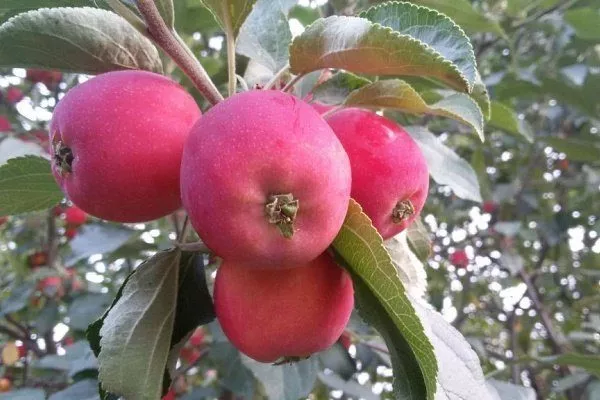
The fruits are yellowish, with a red base and a rich blue bloom. They weigh 25-30 g. They are round-conical in shape. The flesh is creamy, with red veins. The flavor is sweet and sour. The shelf life is 60 days. Advantages include winter hardiness, early maturity, and resistance to diseases, including scab. This versatile variety is valuable for both private and large agricultural producers.
Alyonushka
This summer dwarf apple tree is the best hybrid for the forest-steppe zone of Siberia. Developed by Krasnoyarsk breeders in the 1960s, it is one of the earliest-fruiting and most delicious varieties. It is extremely popular, and its seedlings are grown en masse at experimental stations. Ripens in mid-August. Fruiting begins in the third or fourth year. Maximum yield per tree is 80 kg.
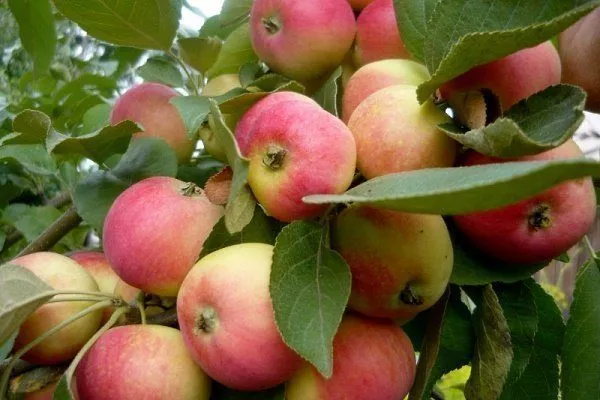
The fruits are medium-sized, weighing 30-40 g. The round or flattened apples turn light yellow when ripe. The entire surface is tanned with reddish-pink streaks and spots. The smooth skin has a waxy coating. The shelf life is up to 6 weeks. This variety is very winter-hardy and has a high regeneration potential.
Minusinsk red
A summer variety from the Minusinsk OS, developed in the 1970s. Medium-sized trees with a spreading crown grow up to 3 m in height. Ripening occurs in the second half of August. Harvest: 14-25 t/ha, 21 kg per tree.
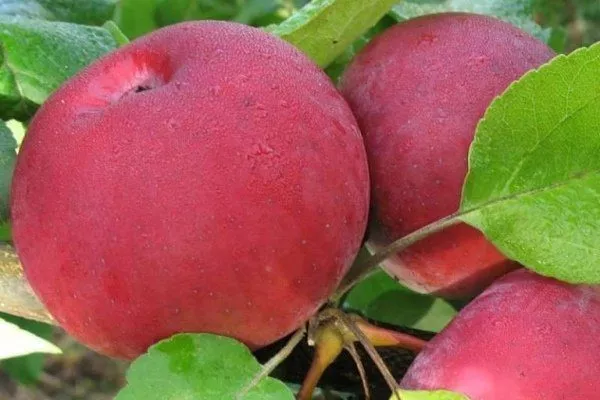
The apples are round, golden, with a washed-out brick-red surface. The skin has multiple subcutaneous spots. Weight: 22-32 g. The flavor is sweet, the aroma is medium. The variety can withstand temperatures down to -42°C. The variety is early-ripening and produces abundantly every year. A drawback is its low resistance to scab. There are seasons when the apples taste bitter. Processing is limited to juice production.
Zhebrovsky
A summer apple tree developed by Siberian breeders in 1959. It is the earliest variety in Siberia. The tree is medium-sized. Fruit appears in the fourth year. A single tree yields 16-17 kg of apples, or 9 tons per hectare.
A small-fruited variety. Fruit weight is 25-35 g. The round-conical fruits are light yellow with a dark crimson covering. The surface is waxy. The flavor is sweet and sour. The fruits remain fresh for two weeks. The variety is winter-hardy and resistant to scab and other infections.
Gorno-Altaisk
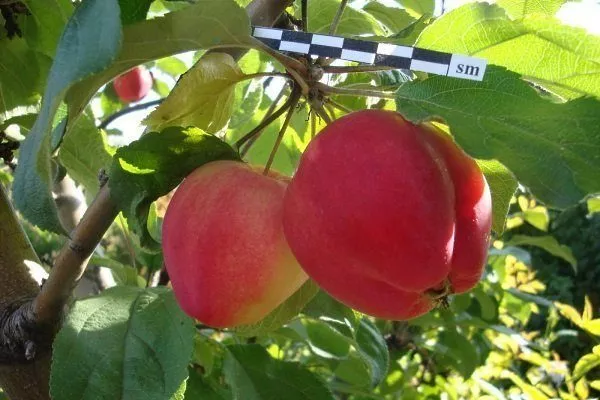
This is a mid-summer variety. It is semi-cultivated and an old variety bred in Siberia. The plant has a rounded crown, reaching a height of 3.5 m. The yield per tree is 35 kg. The maximum yield is 100 kg. It bears fruit in the fourth or fifth year. Fruiting lasts up to half a century.
The fruit weighs 40 g. The conical, ribbed apples are yellow with a bright red outer layer. The fruit has very long, thin stalks. Prolonged frosts may cause freezing. They are very resistant to scab. The apples' skins crack during the rainy season.
Ranetka Ermolaeva
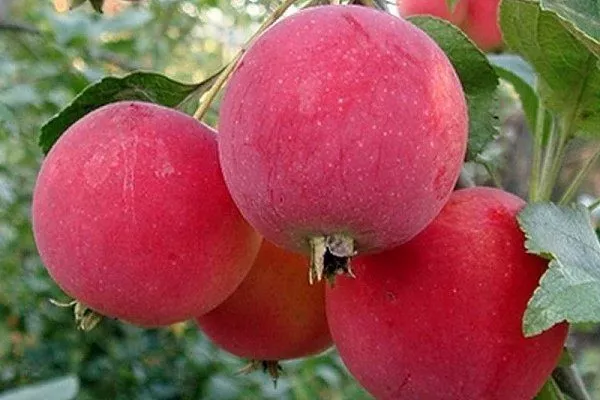
This is a cultivar of amateur selection. Named after its creator, it was developed in 1937. The plant is medium-sized with a sparse, pyramidal crown. The harvest begins in late August. The tree produces up to 10-11 kg of fruit.
The fruits are very small, weighing 8-12 g. The oval fruits are yellow in color, with a dark red skin. Ribbing is slight. The flesh is slightly loose and juicy. The surface has a bluish bloom. This apple is drought- and frost-resistant, but susceptible to scab.
Russian beauty
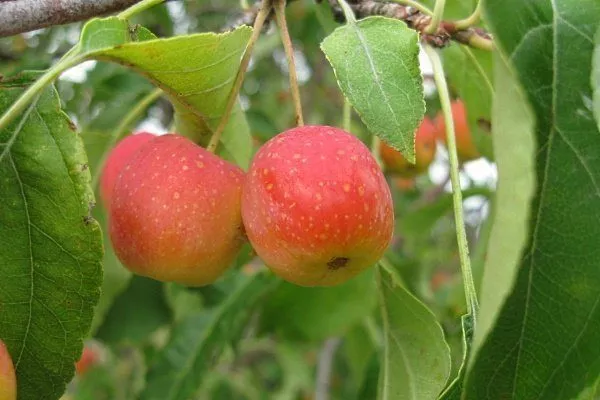
A high-yielding summer variety. The trees are medium-sized. The first fruits appear in the fifth year. Harvest is annual. Apples are ready by the end of August.
Large, bright crimson apples—90-100 grams each—are very attractive. They have juicy, white flesh, a pleasant aroma, and a tender texture. When ripe, their aroma can be detected from afar. They are resistant to scab. They can be stored for up to 60 days.
Autumn varieties
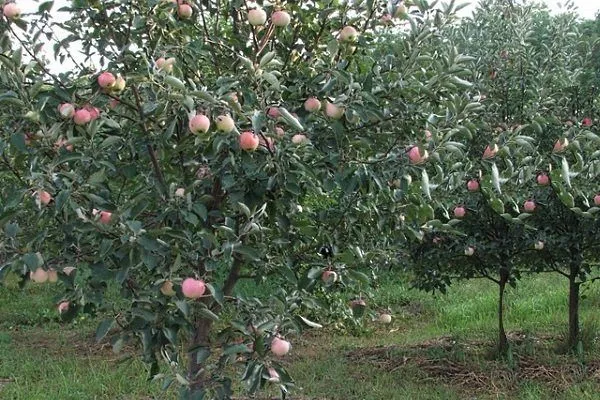
A distinctive feature of all autumn varieties is their rapid ripening. This is why apples ripening in autumn have improved flavor.
| Name | Ripening period | Yield (kg per tree) | Fruit weight (g) |
|---|---|---|---|
| Northern Sinap | Late | 150 | 120 |
| Lungwort | Summer | 180 | 100-150 |
| In memory of Zhavoronkov | Autumn | 95 | 100-110 |
| Purple anise | Late | 300 | 100-150 |
| Surkhurai | Summer | 55 | 60-100 |
| Tolunay | Summer | 29 | 90-110 |
| Mountain Sinap | Late autumn | 50-60 | 150 |
| Souvenir of Altai | Autumn | 20-40 | 80-120 |
| Bayana | Autumn | 14 | 90-120 |
| White filling | Autumn | 80 | 100-110 |
| Ural Bulk | Autumn | 250 | 50-60 |
Northern Sinap
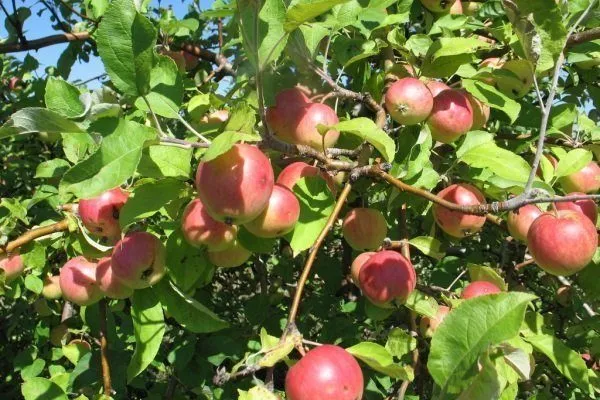
This late-ripening variety is partially self-fertile. A single tree yields up to 150 kg of fruit. The tree is tall and has a medium-dense crown. The fruit ripens in early October.
Fruit weight is 120 g. Frost and disease resistant. The fruits are juicy, sweet and sour, oblong, and round-conical. The skin is smooth and becomes oily during storage. The color is yellow-green, with a reddish-brown outer layer. There are numerous light subcutaneous spots. The flesh is white or greenish, with a spicy flavor. The apples can be stored until May-June.
Lungwort
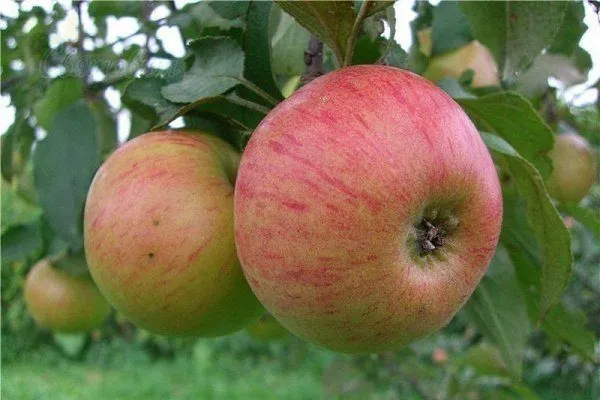
A summer variety developed in the 1950s. The first fruits appear in the 4th or 5th year. The harvest is cyclical. The fruits ripen in late summer. The harvest yields up to 180 kg of fruit.
Medunitsa apples are delicious even when unripe. They weigh 100-150 g. They are flat-round, yellow-green, and have a deep crimson skin. They are winter-hardy and resistant to scab. They have a shelf life of up to a month.
In memory of Zhavoronkov
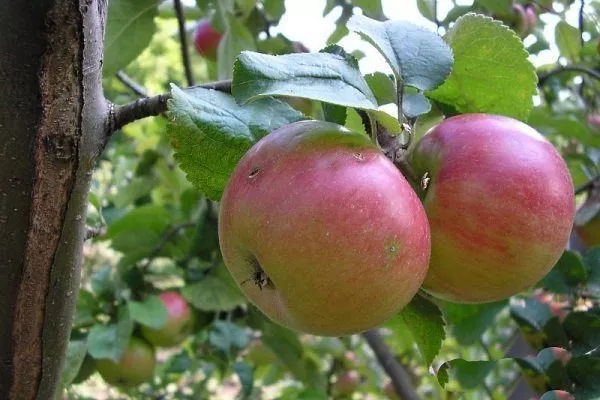
An autumn variety from Ural breeders. It's ready in late September. The plant is tall, with a pyramidal, spreading crown. The maximum yield is up to 95 kg of apples.
Apples weigh 100-110 g. Greenish-yellow, flat-round fruits with a reddish blush. They keep for 3 months. The creamy flesh has a good flavor. A drawback is that in hot weather and dry air, the apples' flavor deteriorates, and they fall to the ground. This variety is very winter-hardy.
Purple anise
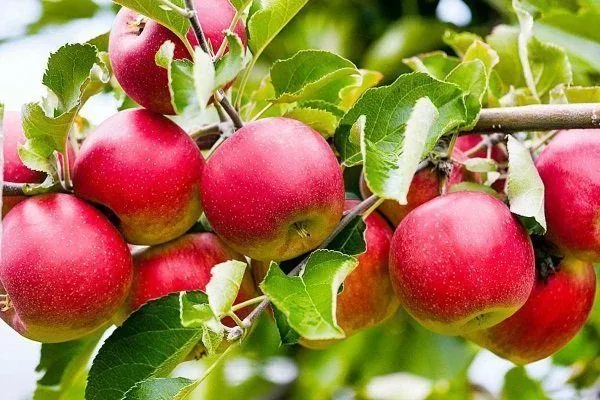
A late-ripening table variety. Developed by crossing Anis Scarlet and Ranetka Purpurova. Harvesting begins in late September. The fruit can be stored until mid-winter. A mature tree can produce up to 300 kg per season.
The fruits are round and very attractive, with a light green base color. The skin is purple. The flavor is wine-like sweetness. The aroma is strong. The skin is rough. As the fruit ages, it becomes smaller. It transports well.
Surkhurai
A medium-sized tree with a small crown, up to 3.5 m in height. Apples ripen in August and early September. The maximum yield is 55 kg per tree. Fruiting begins in the fourth year.
The round, flat fruits are golden-yellow with a raspberry blush. They weigh 60-100 g and have a sweet and sour taste with a subtle aroma. The flesh is creamy. They keep for up to two months. They tolerate cold well, are resistant to fungi, and are resistant to spotting.
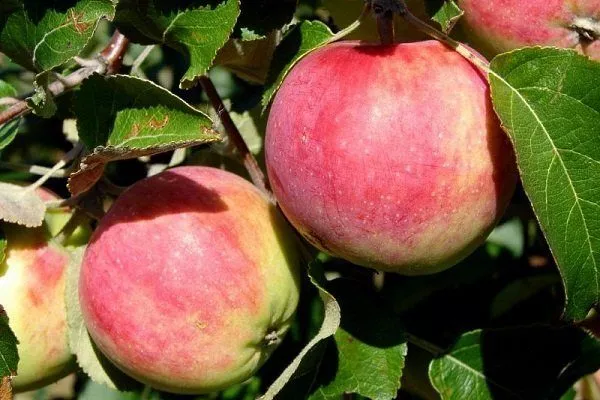
Tolunay
A summer apple tree. Compact, with a round crown. Ideal for Siberia. Fruit appears in the fourth year. Yield increases from 5 tons/ha to 29 tons/ha.
The apples are gently ribbed and truncated-conical in shape. They weigh 90-110 g. They are golden in color, with a reddish tint on top. The flesh is juicy and creamy. The fruit is kielo-sweet and strongly fragrant. They are highly frost-resistant and have a shelf life of 2-3 months. They are resistant to scab.
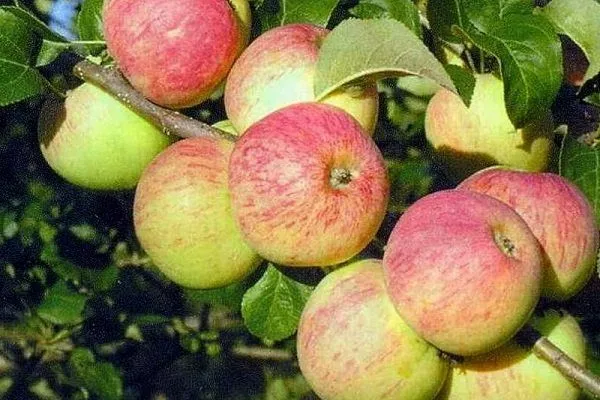
Mountain Sinap
A relatively new late-autumn variety bred in Siberia. Medium-sized trees with a wide crown. Fruiting is abundant and continuous. Yield is 15 tons/ha. In its third year, the apple tree yields up to 10 kg, and in its 10th year, 50-60 kg.
The fruits are relatively large, weighing up to 150 g. The greenish-yellow apples ripen, turning dark pink, acquiring a distinctive color. The shape is a truncated cone, with subtle ribbing. The flesh is white, juicy, and very tasty. It has a dessert-like flavor. The fruit keeps well. It retains its marketable qualities for six months. This variety is resistant to scab. A downside is susceptibility to frost.
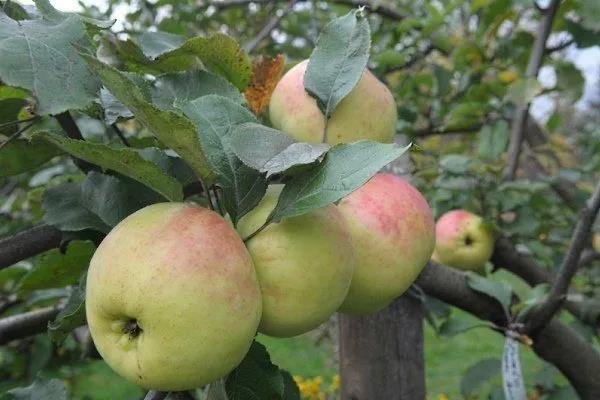
Souvenir of Altai
This autumn-bearing apple tree was bred in Siberia. The variety was developed in 1954 and is prized for the beauty and flavor of its fruit. The trees are medium-sized, with a rounded, moderately dense crown. The apples ripen in early September. The yield is regular, ranging from 20 to 40 kg per tree.
The apples are round, light yellow, and fairly large—80-120 g. The skin is marked with dark pink. The creamy flesh has a sweet and sour, pleasant flavor. The shelf life is 4 months. They are susceptible to moniliosis.
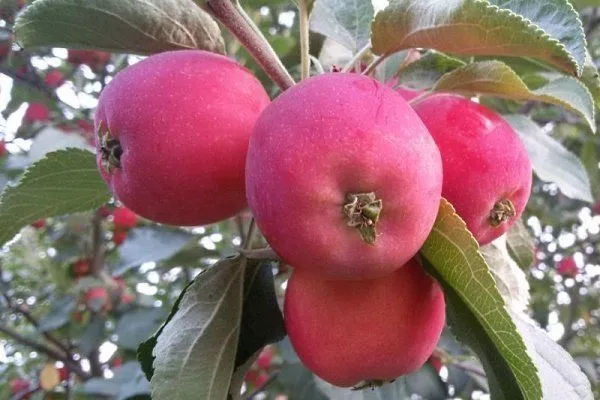
Bayana
A self-fertile autumn variety. Developed in 1984, the apples ripen in early September and begin bearing fruit in the fourth year. Tree height: up to 4 m. Yield: 14 tons per hectare.
The round, golden fruits with purple stripes weigh 90-120 g. The creamy flesh has a rich apple aroma. The flavor is excellent. The fruit can be stored for 4 months. This variety is drought-resistant and resistant to scab, but can be susceptible to cytosporosis.
White filling
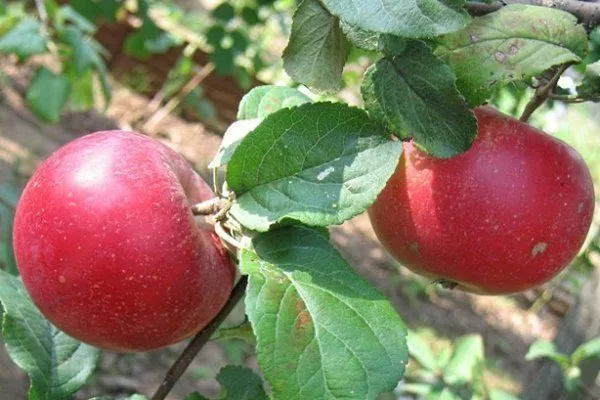
A popular variety grown in Siberia for a long time. Reliable. White filling variety, found among many Siberian gardeners. The trees are vigorous, with voluminous crowns. The fruits ripen in September. An extremely vigorous variety, it can grow in various forms, including a creeping form. The yield per tree is up to 80 kg.
The fruits are medium to large – 100-110 g. They are whitish-green, sometimes slightly tanned on the sunny side. The flesh is very juicy, sweet and sour. They have a high regenerative capacity. The downsides include uneven apples, cyclical fruiting, and susceptibility to scab, which causes apples to fall off when ripe.
Ural Bulk
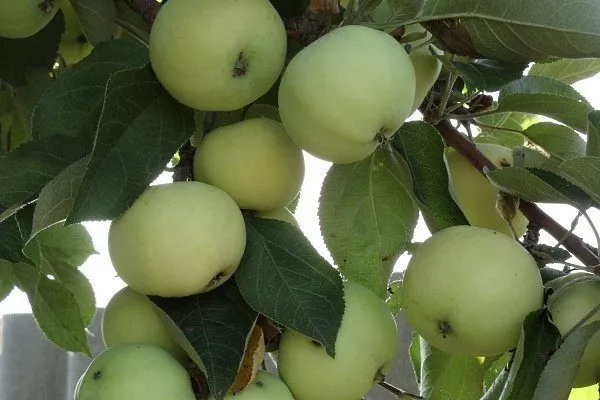
This autumn variety was developed by Chelyabinsk breeders based on the famous Papirovka. It's an old variety, developed in the 1940s. It's considered a semi-cultivated variety. The trees are medium-sized. The fruit ripens by mid-September. Ural juicy apples are harvested in three stages. The first harvest is used for compotes and juice, the second is eaten fresh, and the third is used for jams and preserves. The yield per tree can reach up to 250 kg, or 20 tons per hectare.
The fruits are medium-sized, round, greenish-yellow, with small subcutaneous spots. They weigh 50-60 g. The fruits are sweet, the yellowish flesh is very juicy and tender, with a pleasant apple aroma. The apples do not fall off, even when overripe. They have a shelf life of 1.5-2 months and are extremely winter-hardy.
Ural Bulk grapes are exceptionally winter-hardy – there was a case where, at minus 57 degrees, trees of this variety only froze slightly, but quickly recovered.
For Western Siberia
Western Siberia has a continental climate. Summers are cool and winters are cold and snowy. Average winter temperatures vary by region. The lowest recorded temperature is -62°C (-140°F). Winters in the center of the region last seven months, while in the north, they last nine. The main requirements for apple trees growing here are high winter hardiness and early maturity.
- ✓ Resistant to temperatures below -40°C.
- ✓ Ability to quickly recover after freezing.
- ✓ Early ripening time for the short Siberian summer.
Altai beauty
A summer variety. The tree is medium-sized, compact, with a rounded crown. It bears fruit in the fifth year. The harvest is intermittent, with 22-28 kg per tree.
Apples weigh 75-100 g. Round, white apples with scarlet streaks and spots. The skin is glossy. The flesh is pink, juicy, and firm. The flavor is dessert-like. Good transportability. The tree is often grown as a runner.
- ✓ Mandatory mulching of the tree trunk circle to protect the roots from frost.
- ✓ Use of snow retention for additional insulation in winter.
A bow to Shukshin
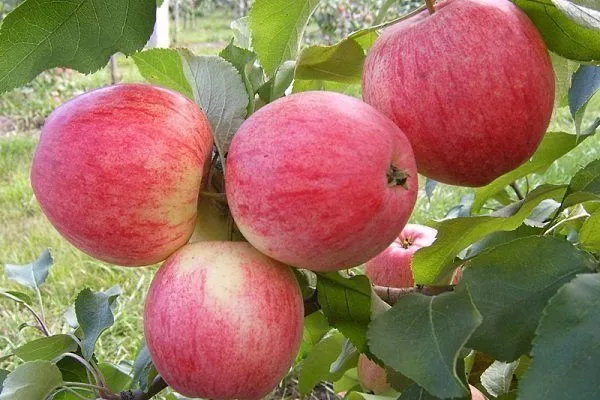
An autumn variety, ripening in late August. It bears fruit in the fourth year of planting. Fruiting is not cyclical. The tree is medium-sized, with a rounded crown. An average of 15 tons of fruit is harvested per hectare.
The apples are sweet and sour, weighing 85-90 g. They have a truncated conical shape. The base color is green. When ripe, the apples turn dark pink, covered with dark stripes. They are highly frost-resistant. They keep for a month. The fruits are versatile and resistant to scab.
Cherished
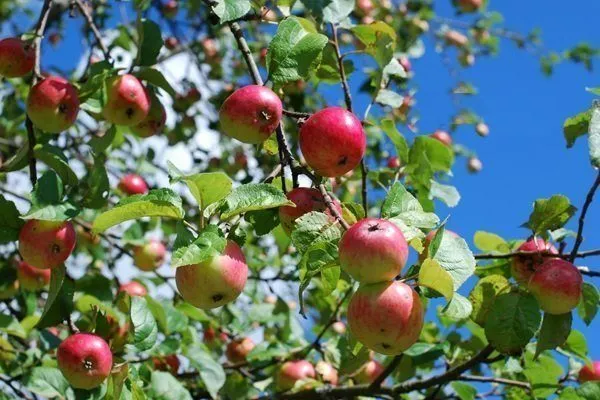
An early winter-ripening variety. The tree is widespread throughout Western Siberia. It is cold-hardy and highly resistant to cold. The tree is short, with a sparse crown. It bears fruit annually, without cyclical fruiting. The apples ripen uniformly in September.
The apples are round and medium-sized, weighing 60 g. The skin is white, with red sides. The flesh is crisp, sweet and sour, with a hint of strawberry. The aroma is subtle. General-purpose. Storage life: 5 months. Practically free from scab.
Altai amber
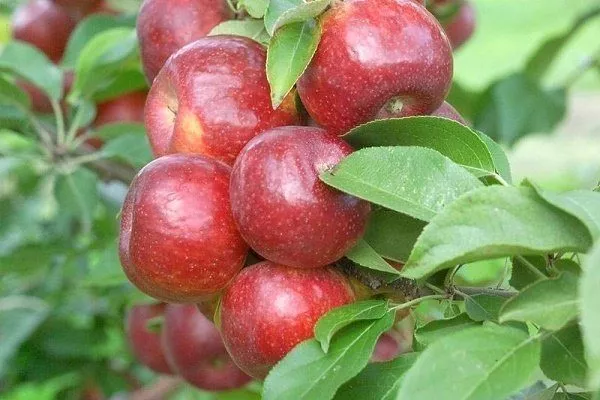
A summer self-fertile variety bred in Siberia. It is classified as a semi-cultivated variety. It is a medium-sized tree with a rounded crown. Yields 20-40 kg per tree, depending on age. The apples ripen in mid-August.
The apples are ovoid, with smooth ribbing. They weigh 50-80 g. The base color is yellow, with no outer coloring. The creamy, fine-grained flesh has a pleasant sweet flavor. They can be stored for about a month. They are resistant to scab and highly frost-resistant.
For Eastern Siberia
Eastern Siberia is a harsh region with an unpredictable climate. One thing is clear: it gets very cold here in winter. Winter temperatures can drop to incredible levels. A temperature of minus 82 degrees Celsius has even been recorded. The climate here is sharply continental, dry and harsh. To survive the winter and bear fruit in the summer, apple trees need to be extremely frost-resistant.
Lydia
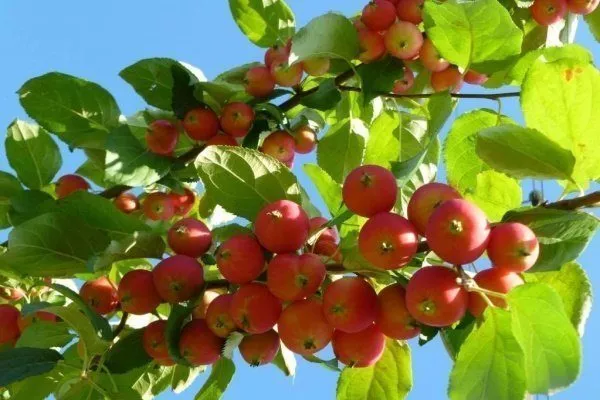
A relatively new, small-fruited, partially self-fertile variety, bred specifically for Eastern Siberia. It has been in variety testing since 2005. The trees are low-growing – 4.4 m tall – with round crowns. Harvesting begins in late August. A tree yields approximately 10-11 kg of apples, or 7-7.5 tons per hectare. It begins bearing fruit in the fourth year.
Apples weigh 10-15 g. They are bright red and attractive. They are not susceptible to scab in their growing area. They are highly winter-hardy and drought-tolerant. They bear fruit periodically, but without sudden fluctuations.
Autumn joy
This is an early autumn variety, suitable for harsh climates. Harvest is in late August or later. Trees yield up to 150 kg. Fruiting begins in the fourth year after planting.
The fruits are medium-sized, up to 150 g. They have increased resistance to scab. The flat-round, slightly conical fruits are golden-green in color. They have numerous stripes and blurred stripes. They can be stored for 1.5 months. They have a dessert-like flavor.
Young naturalist
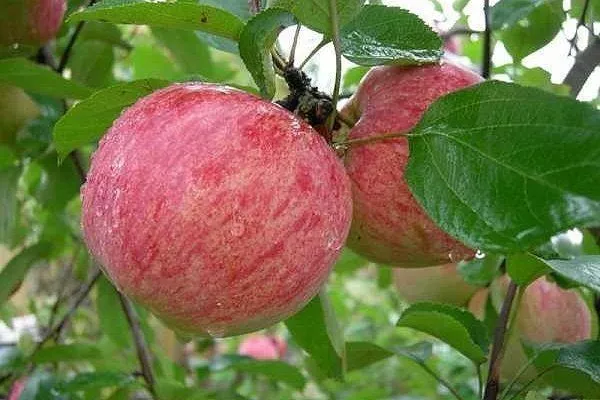
Ripens in early autumn. An old variety, developed in 1935. The tree grows up to 4 m tall. The crown is rounded, drooping under the weight of the fruit. This variety is recommended for commercial cultivation. The average yield is 175 kg, with a maximum of 200 kg per tree.
Highly resistant to scab. Even in the harshest winters, frost damage is minimal. The round, flat fruits are medium-sized, weighing up to 130 g. The apples have a decorative yellow-green background with bright red stripes. The creamy flesh has a dessert-like, sweet and sour flavor. They stay fresh until almost January. They are easy to transport and suitable for any processing.
Pupil
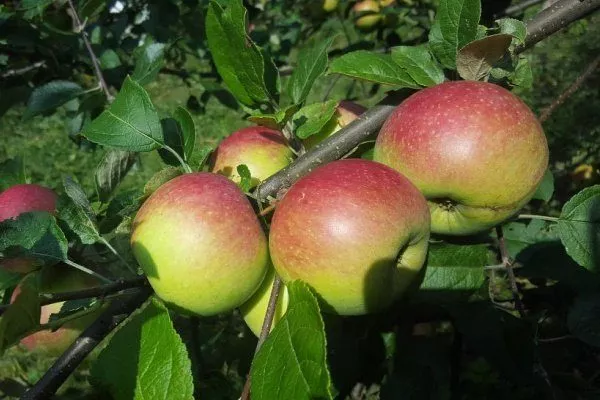
One of the most popular varieties among Siberian gardeners. Self-sterile. Early autumn ripening. Trees are vigorous, with rounded crowns. Fruiting begins in the sixth or seventh year. An average tree yields 40 kg, with yields reaching 80-90 kg. Ripening occurs in the second half of September.
These medium-sized, dark-red apples weigh up to 60g. They have large white spots underneath the skin. They are flattened in shape and have a wine-sweet flavor. These are very attractive dessert apples. They are eaten fresh and processed. They are frost-resistant and have a shelf life of two months.
Minusinsk dessert (Nadezhda)
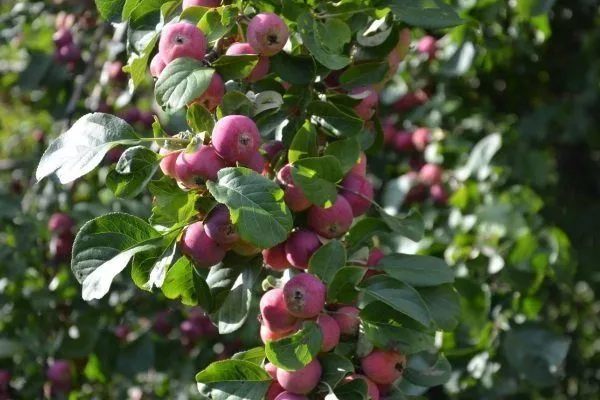
A summer variety with intermittent fruiting. Developed in 1954, the trees are medium-height, up to 3.3 m. They grow quickly. The fruits ripen in mid-August. Shedding is up to 20%. The variety is early-bearing, producing fruit in the third year. Tree yields up to 17 kg, and 11 tons per hectare.
The apples are uniform in size, smallish, weighing 20-28 g. The base color is golden, with an orange tint on top. The skin has gray spots. The creamy flesh has a sweet and sour taste and a rich aroma. The fruit is versatile and highly frost- and drought-resistant. A downside is that with large harvests, the apples become smaller.
Large-fruited
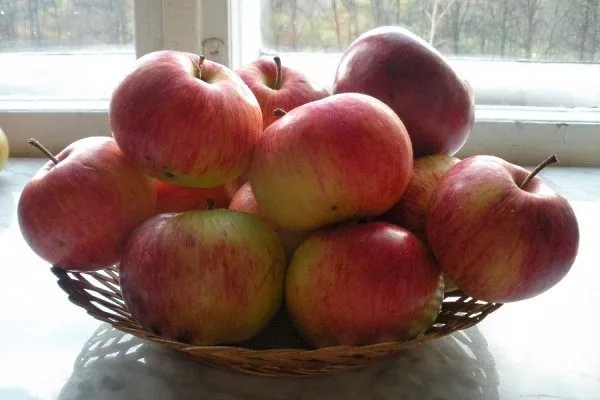
Large-fruited apple trees are sparsely represented in Siberia. Small- and medium-sized varieties thrive in harsh climates. Large-fruited apple trees typically have low frost resistance.
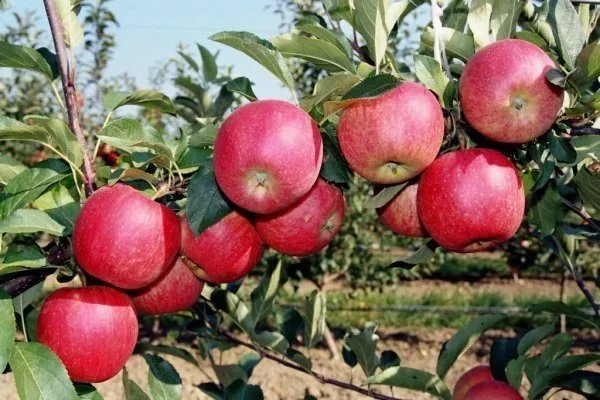
Fetch
First mentioned in 1175. This mid-season variety has a tall tree with a flattened crown. It ripens in the second ten days of September. Fruiting begins in the sixth or seventh year. Yield per tree is 140 kg.
The fruits are very beautiful and large, weighing 200-260 g. Fruits weighing 500-900 g are also found. The shape is flattened, with slight ribbing. The color is green-yellow. The surface is dark red with numerous large subcutaneous dots. The surface has a waxy coating. The flesh is tender, sweet and sour. The fruits are easily transported and can be stored for six months. A disadvantage is their vulnerability to fruit rot. Resistance to scab is average. The fruits are delicious fresh and suitable for all types of processing.
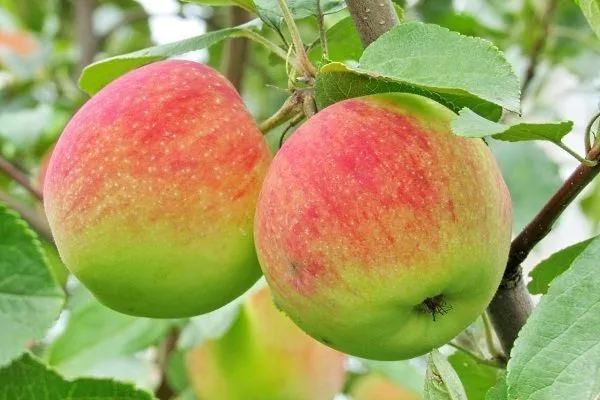
Melba (Red Melba)
A late-season apple tree bred in Canada (Ottawa). A medium-sized tree with a spreading crown. Harvesting begins in the second half of August. Fruiting begins in the third or fourth year. Yields 12-18 tons/ha.
The fruits are large—130 g—and attractive. They are flattened and round-conical. The skin is light green, with a bright red blush and a striped blush. They have white dots under the skin. The flesh is juicy and tender. The fruits keep until November and transport well. They are moderately winter-hardy—the bark is damaged by severe frosts. They can be susceptible to scab.
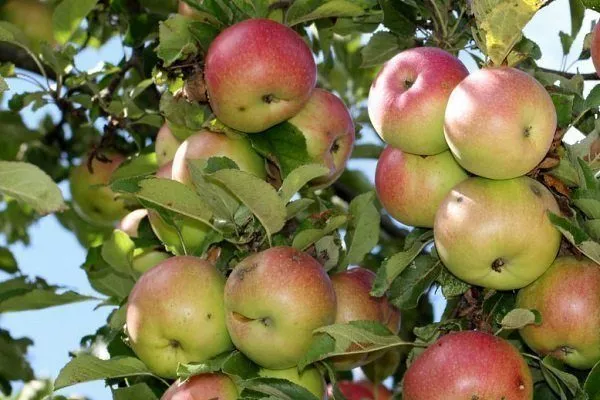
Moscow pear
An early-ripening summer variety. Harvesting occurs in the second half of August. The tree is tall, up to 8 m, with a luxurious, pyramidal crown. It lives for 50 years. Yields up to 200 kg per tree. Grushovka is a self-sterile variety.
The apples are medium-sized, weighing 60-80 g, with a maximum of 120 g. The flattened fruits are greenish-yellow in color, with a surface covered with reddish-pink stripes. The flesh is juicy and has a pleasant aroma. The fruits do not keep well – they can be stored for about a month. They are eaten fresh, used to make jam, juice, and other beverages.
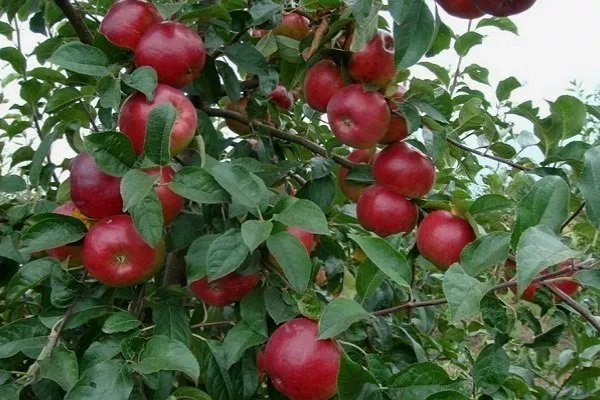
Borovinka
An old Russian variety. Self-sterile. Fruiting is intermittent. Tree height is up to 4.5 m. Yields reach 200 kg per tree. Maximum yield is reached at 25 years. Fruiting begins in the 4th or 5th year. By 10 years, the yield is 65-70 kg.
The fruits are round, with grainy flesh. They weigh 95 g and are green with pink spots. The flavor is not sweet, but slightly acidic, but they are still delicious fresh. They are suitable for all types of processing. During drought, they begin to drop their fruits.
Long shelf life
Varieties in this category ripen later than others. These are autumn apples that, under favorable conditions, can be stored until spring. Some varieties retain their excellent appearance and flavor until April.
Altynay
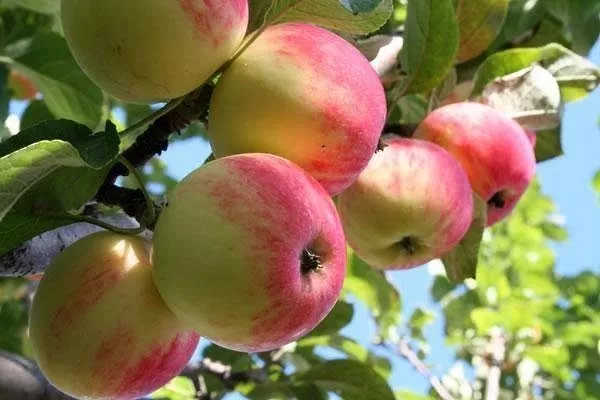
An old variety, developed in 1965. These apples retain their marketable appearance and flavor for three months. Under particularly favorable conditions, the fruit can be stored until March. Harvest is in the third week of September. The average yield is 30 kg per tree. The apples are small, weighing 65-140 g. The light yellow fruits have a pink surface, with dots and stripes across the entire surface. They freeze in severe winters. They are resistant to scab but can be affected by moniliosis.
Zarya Alatau
This variety was developed in Kazakhstan. It's a tall tree with a dense, oval-pyramidal crown. Fruits appear in the third year after planting. The harvest begins in the fifth year. Up to 150 kg of apples can be harvested per tree. The fruits ripen in September. Partially self-pollinating.
The apples are green-yellow, slightly flattened, and weigh 100-200 g. They develop an orange tan in the sun. The creamy, juicy flesh has a sweet and sour taste and a strong aroma. They can be stored until April. Winter hardiness is average. They are susceptible to scab and rot. The fruits are delicious fresh, but can be stored until May.
A gift for gardeners
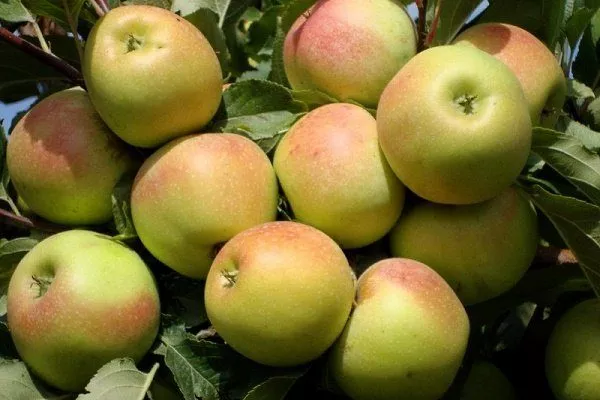
This autumn-bearing variety was developed in 1959. The first fruits appear as early as the third year of planting. The harvest ripens closer to October. A single tree can produce up to 30 kg of apples. The plants are medium-sized, with a medium-density crown.
Each apple weighs 60-100 g. The base color is green-yellow, with a red topcoat and subtle striations. The apple has a shelf life of 4 months. Suitable for commercial cultivation and processing. It has high regenerative capacity – it recovers from frost damage. It is drought-tolerant. It is often used to develop new varieties.
Columnar
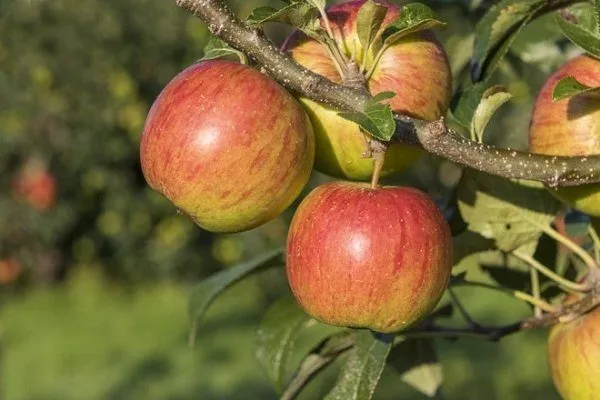
Columnar apple trees appeared in Russia in 1972. Today, there are about a hundred known varieties. Gardeners value columnar varieties for their small size, attractive appearance, rapid and abundant fruiting, and ease of care and harvesting.
President
A semi-dwarf columnar variety. Bred in 1974. Height: 2-2.5 m. A single tree produces 8-16 kg of apples. Ripens in late August to mid-September.
The apples are light yellow with a purple-red blush. They are round or turnip-shaped. They weigh 140-250 g. They have a pleasant, dessert-like flavor, with a sweet and sour balance. They can be stored for up to six weeks. They are delicious fresh and suitable for processing, including drying. This variety is frost-hardy and resistant to diseases and pests.
Currency
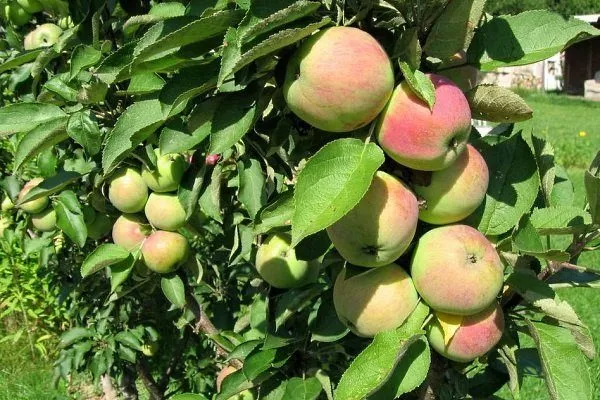
A winter columnar variety. Compact tree up to 2 m tall. Yields up to 150 t/ha and up to 10 kg per tree. Apples are harvested in early October. The fruits rarely fall off, so there's no need to rush harvesting. The harvest starts at age 4, reaching 5 kg.
The apples are large, round, yellow with red sides. They weigh 150-250 g. They are resistant to scab and other apple tree diseases. The fruit is attractive, free of rot and wormholes. The flavor is sweet and slightly acidic. The apples can be stored until February. They are suitable for drying and canning, and they travel well.
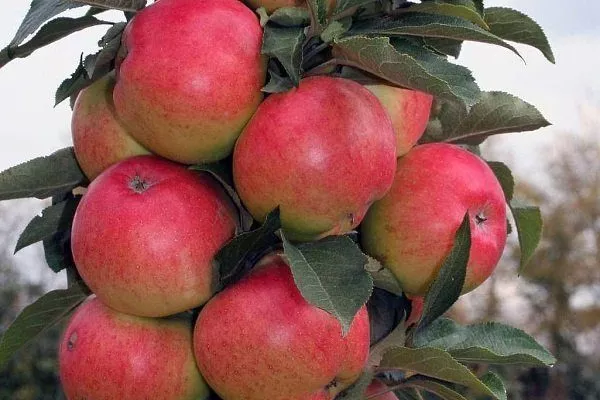
Nectar
A late-summer, early-fruiting apple tree. Columnar, self-fertile, semi-dwarf apple trees. They do not require pollinators. They grow extremely quickly, with the first fruits appearing in the second year. Even in the first year, apples may be produced. By the fifth year, the tree yields 5-15 kg. Apples ripen in late summer to early fall. The tree reaches a height of up to 2.5 m.
Round, yellow apples weigh 100-250 g. They are very sweet, with snow-white flesh and a honey-like aroma and flavor. These versatile fruits are delicious fresh and suitable for any processing. The downsides include perishability and a short fruiting period.
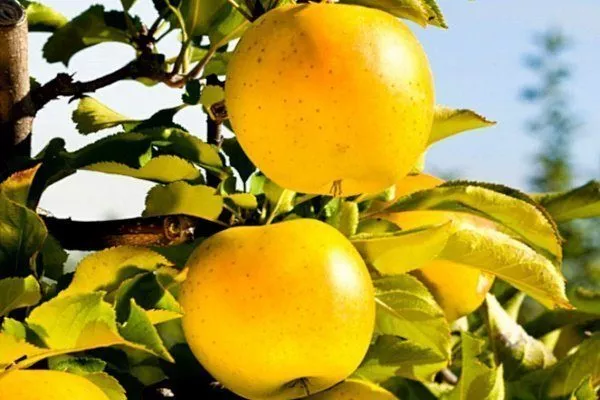
Iksha
A dwarf columnar variety. Apples reach maturity in September. Trees yield up to 6 kg of apples. The harvest begins in the first year after planting.
The apples are green, glossy, with a yellowish tint. They weigh 150-220 g and are flat-spherical in shape. The variety is resistant to scab and fungus. The fruit retains its marketable appearance and flavor for about two months. If stored properly, it can be kept until April. These juicy and aromatic apples are excellent for cider. The sweetness of the fruit allows for savings on sugar when canning.
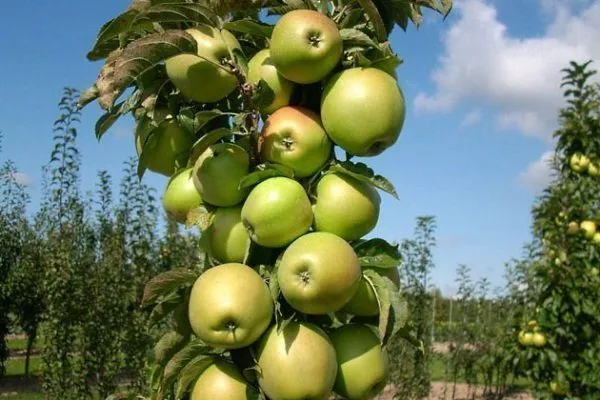
Ostankino
This variety was developed in the Moscow region in the 1970s, specifically for the central part of the country. This columnar, winter-hardy variety can also grow in Siberian conditions. A tree produces 5-16 kg of apples. The tree height is approximately 2 m. The first fruits, 4-5 in number, appear in the second year. Harvesting takes place in September.
The apples weigh 100-200 g. They are flattened and broadly ribbed. The skin is light yellow, turning purple as they ripen. The flesh is white and juicy. The flavor is sweet and sour. The variety is resistant to diseases, especially scab. It can be stored until December.
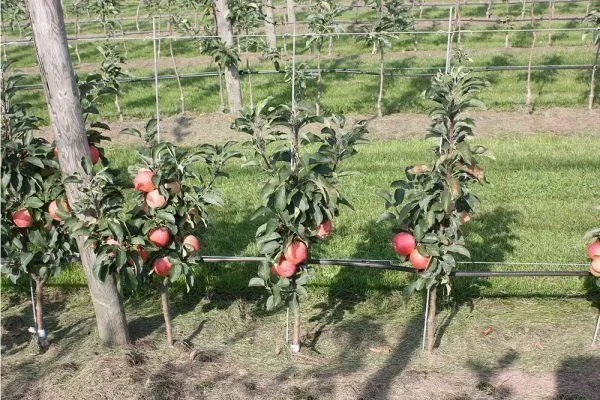
Vasyugan
A late-summer columnar variety. Due to its high winter hardiness, it is popular not only in the temperate zone but also in Siberia. Height: up to 3 m. Harvest: up to 6-7 kg per plant. Up to 100 tons per hectare. Fruiting period: approximately 15 years.
The apples are medium-sized, elongated and conical. The yellow-green fruits weigh 100-140 g. The fruits are firm, with a dense skin. They have a pinkish-red outer color. The creamy white flesh has an excellent flavor, albeit with a distinct tartness. They have a shelf life of 1 month.
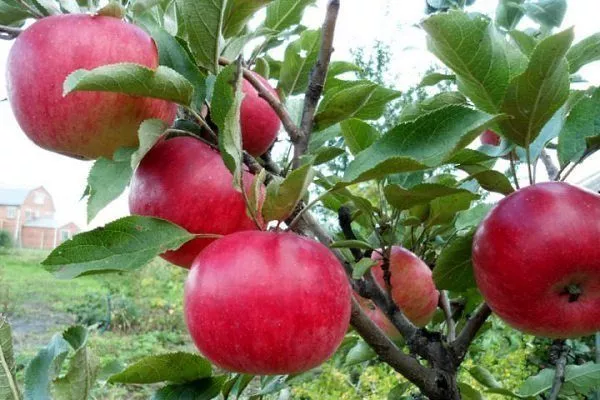
Triumph
A semi-dwarf apple tree. Height: up to 2 m. This is an autumn-bearing variety. Harvest occurs in the first to second year. Fruiting period: 18 years. Significant annual yield increase. A mature tree yields up to 10 kg. With increased care, yield can be doubled. There is no cyclicality in harvesting—with proper care, this variety bears fruit every year.
The apples are dark red, with crisp white flesh. They have a very good flavor—candy-like notes and hints of honey. The flesh has a pleasant aroma and a slight tartness. They weigh 100-150 g, with a maximum yield of 200 g. They are moderately winter-hardy. It's important to insulate the tree for the winter, which is a drawback for Siberia. The fruit can be stored for a month, no more.
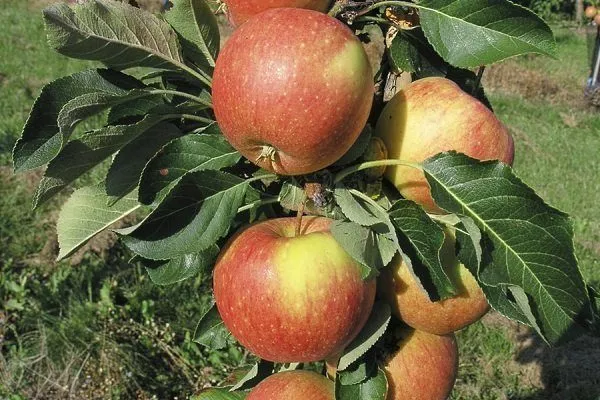
The best dwarf varieties
These varieties are highly decorative and easy to care for and harvest. Growing dwarf apple trees in Siberia is impossible, as they cannot withstand Siberian frosts. Dwarf Siberian apple rootstocks are compatible with Palmetta, Nezhenka, Altayskoye Rumyanoe, and other semi-cultivated varieties.
Altai ruddy
A late-summer variety. Created in 1959. Plants are medium-sized, with a sparse, small crown. Harvest cycles are not cyclical.
Weight: 60-90 g, round shape. The base color is cream, with crimson streaks. Shelf life: 2 months. This variety is versatile, suitable for both private and commercial cultivation. A drawback is shedding.
The Altai Rumyany variety is actively used by breeders to develop varieties that can adapt to different conditions.
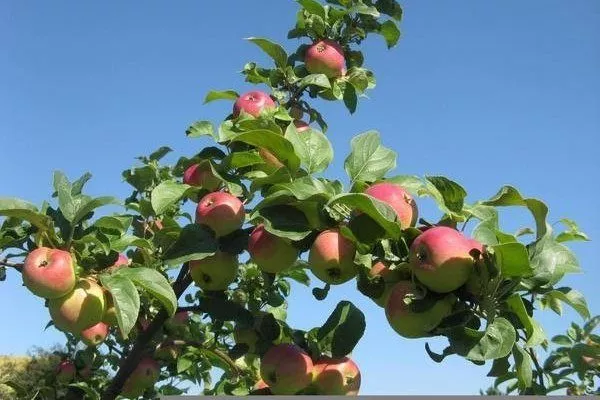
Palmette
This variety, grown on a dwarf rootstock, yields 5-6 kg. It bears fruit in 3-1 years. Harvest is in September. Fruiting is regular.
The apples are small, up to 40 g, but have a very good flavor. The turnip-shaped fruit is light yellow with a raspberry-red tint.
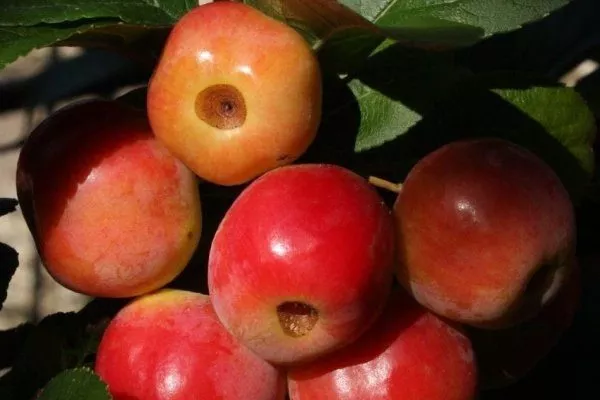
Sissy
A high-yielding summer variety. Developed in 1963, it grows up to 2.5 m tall and yields up to 11 tons per hectare. It bears fruit annually.
The fruits are round, greenish-yellow, with a washed-out pink blush. They weigh 40-70 g, up to a maximum of 100 g. The variety is resistant to scab and is very winter-hardy. A drawback is that the fruits do not store well. The apples are tasty, aromatic, and slightly tart. The flesh is soft, so the fruits are rarely used for preserves – they are best eaten fresh.
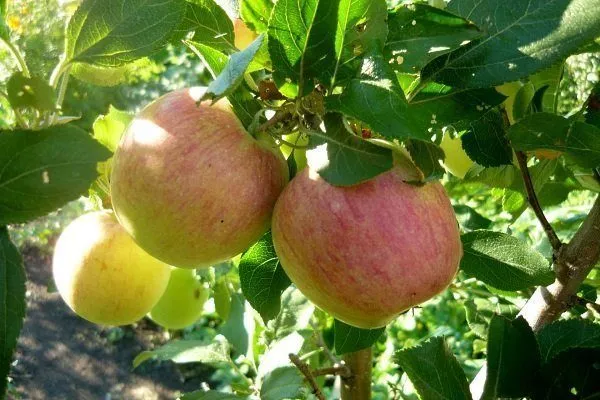
Zhigulevskoe
An autumn variety developed in the 1940s. One of the most productive varieties, yielding up to 250 kg of apples. Harvesting occurs in August. The tree is large with a tall, rounded crown that is not prone to dense growth. Fruiting occurs annually.
The fruits are round and red, weighing 120-200 g. They are not very juicy, with a sweet and sour taste. The harvest is carried out in 3-4 stages. Ripening takes 10-20 days. Bee pollination is essential for high yields.
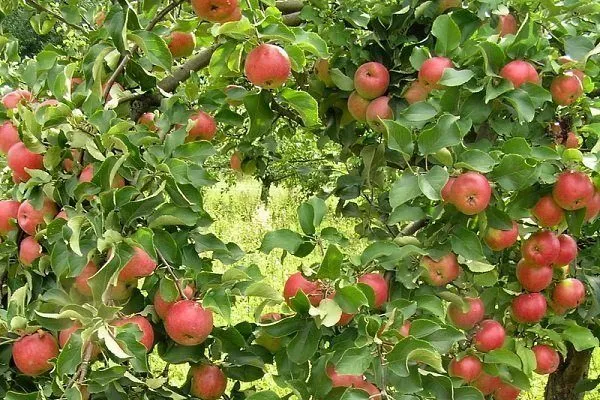
Standard
A standard tree is an artificially shaped tree. It has a straight trunk without any extra branches and a crown in the shape of a geometric figure, most often a sphere. Standard trees are short in stature, making them easy to care for.
High
A standard variety with high winter hardiness. It bears fruit in the 5th to 6th year. The yield per tree is up to 70 kg.
The fruits are round, greenish-yellow, and weigh approximately 50 g. As they ripen, the apples develop a red blush. They are highly resistant to scab and can be stored for a month.
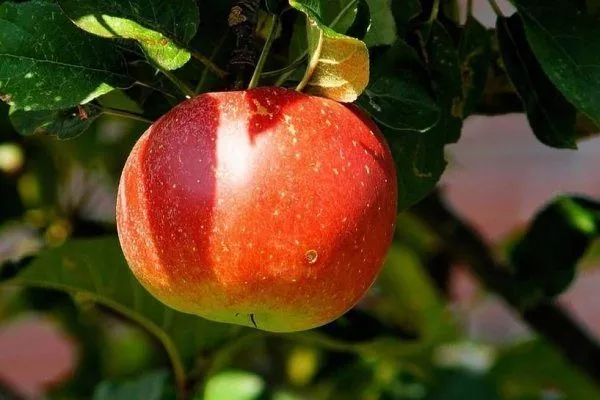
Miass
A late-summer variety. Tree yield: 30-60 kg. Crown is rounded-pyramidal. Fruiting begins 5-6 years after grafting.
The flat-round apples are yellow in color and have a rough skin. They weigh 80-100 g and are resistant to scab. The juicy flesh has an excellent sweet and sour flavor. They have a shelf life of 1.5 months. They are highly adaptable. Dry air degrades the apples' flavor. Miass is used in breeding, creating standard and dwarf varieties.
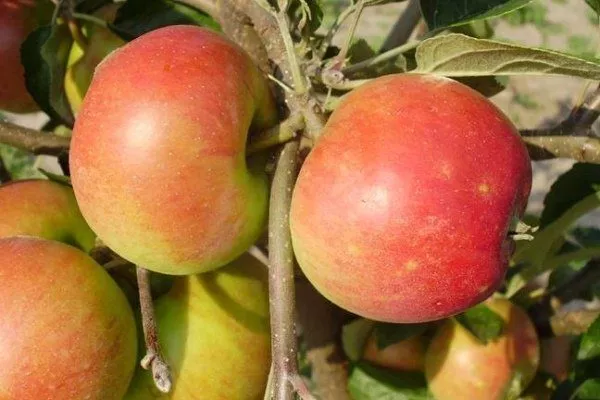
Tavatuy
A new variety bred in the Urals. This autumn variety is high-yielding and winter-hardy. The tree is taller than average.
The fruit weighs 120 g. The shape is flattened and slightly ribbed. The apples are crimson and speckled. The creamy flesh has a sweet and sour taste. The fruit can be stored until January.
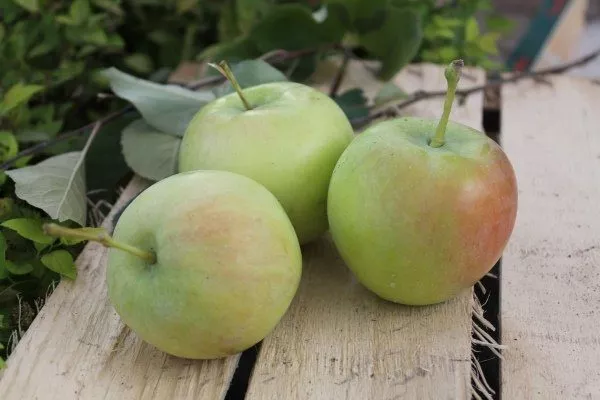
Growing even small apples in Siberian conditions is a challenging task. Choosing the right variety is a key factor in success. Thanks to the work of breeders, local gardeners can choose apples with different ripening times, color, flavor, yield, tree height, and other characteristics.