
There are many apple tree varieties that gardeners prefer to grow in their gardens. This article presents only the best apple tree varieties, characterized by different planting and ripening times. Each variety has distinct flavor and appearance.
Summer varieties
Summer apple varieties are primarily intended for fresh consumption. These varieties bear fruit throughout the summer, and gardeners eagerly await the ripening of the fruit to enjoy its delicious, juicy fruit.
| Name | Ripening period | Yield (kg per tree) | Tree height (m) |
|---|---|---|---|
| White filling | early | 200 | 4-5 |
| Folder | early | not specified | average |
| Candy | average | 50 | 3 |
| Moscow Pear | early | 100-200 | 7 |
| Mantet | early | 20-70 | 4.5 |
White filling
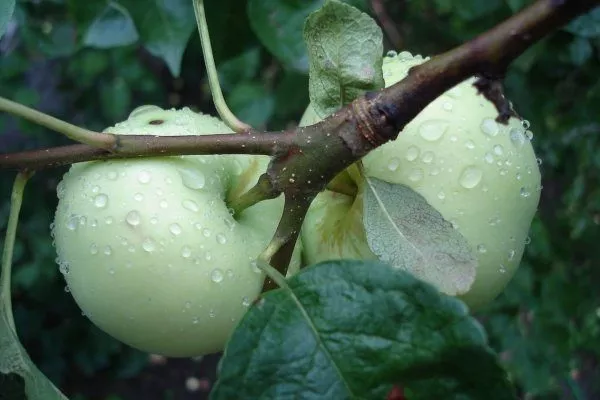
At the variety White filling It has a long history. Its origins are attributed to folk selection. It is believed that the variety originated in the Baltic countries and soon spread throughout Europe. Some adherents believe it is an ancient Russian variety.
The trees are medium-sized, rarely exceeding 4-5 m. The crown is pyramidal, becoming rounded with age. The bark is rough and light gray. The leaves are medium-sized and elliptical. The fruits of a young apple tree reach 120-150 g in weight, while mature apples weigh around 60 g. The apples are rounded, with a green skin that turns white with age. The skin is thin, and the flesh is tender.
The first fruits appear 5-6 years after planting. The average yield from a young tree is about 200 kg. Harvesting occurs in early August. After planting, it is important to provide the seedling with consistent moisture.
Folder
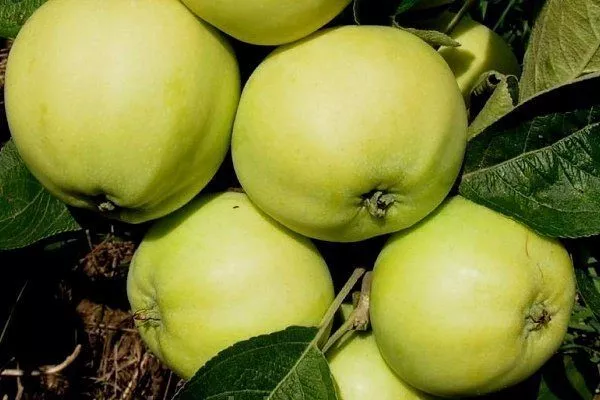
This early-season apple variety was created through natural pollination. It is believed to have originated in the Baltic region, where it appeared in the early 19th century.
Apple trees reach medium height. Young plants have a broad, pyramidal crown, which becomes rounded as the tree matures. The bark is gray. The shoots are elongated. The leaves are gray-green, slightly flattened, and flat.
The fruits are medium-sized, weighing from 80 to 100 g, sometimes up to 180 g. The apples are slightly flattened, round-conical. The surface is ribbed, the skin is pale, greenish-yellow, and lacks a blush. The skin is tender and thin, the flesh is juicy and aromatic.
The fruits ripen early: in central Russia, apples appear in early to mid-August, and in southern regions, in late July. Once picked, the fruits can be stored for no more than 2-3 weeks in a cool place.
Candy
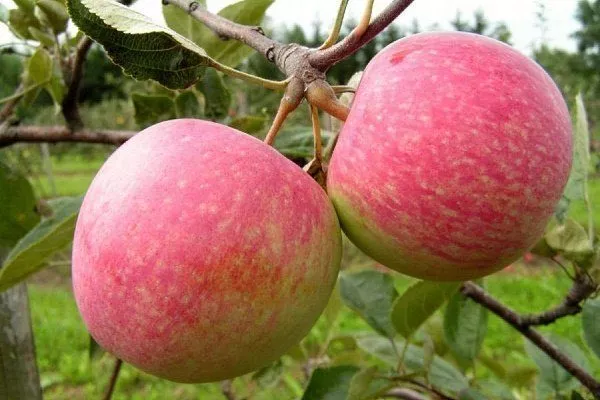
The variety was developed in the 1940s in the city of Michurinsk. Two varieties, Korobovka and Papirovka, were used in the crossbreeding. There are virtually no similar varieties anywhere else in the world.
The plant is vigorous, tall, and grows rapidly. By the age of three, the tree reaches up to 3 meters in height. When young, the crown is narrow, but with age, it becomes spreading and broadly pyramidal. The leaves are medium to large, dark green. The fruits are round and small, weighing no more than 100-150 g. The skin is dark pink with a red tint, with numerous white dots. The flesh is creamy and juicy, with a honey-like candy flavor.
After harvesting, the fruits can be stored for 3-4 weeks in a cool place. This variety produces a good annual yield. A 6-9 year-old tree produces approximately 50 kg of apples. During the first few years, care for the sapling consists of regular watering.
Moscow Pear
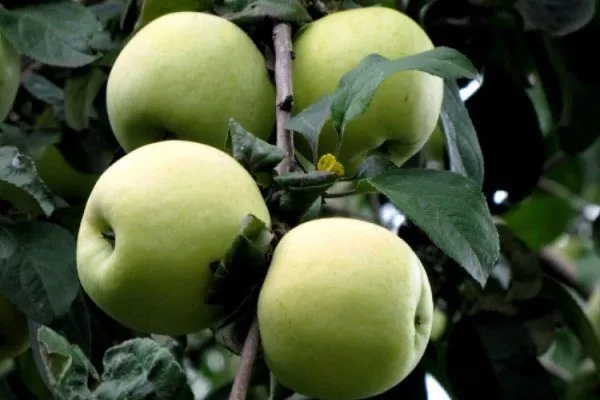
The Grushovka apple variety is a variety of apple tree developed through natural selection. This variety is over two hundred years old. In 1797, the renowned scientist A. T. Bolotov described the apple tree in detail in a scientific work.
The trees are spreading and tall, reaching up to 7 m in height. With proper care, fruiting lasts for about 60 years. A mature tree has a spherical crown, while a young tree has a conical one. The bark is yellow-orange. The fruits are small, weighing about 70 g, though heavier specimens, weighing 100-120 g, are rare. The skin is ribbed, thin, and yellow or green. The flesh is juicy and snow-white, with a sweet and sour taste and a pleasant aroma.
Fruiting begins five years after planting. Once ripe, the fruits are stored for no more than 3-4 weeks. Harvesting begins as early as early August, or less frequently, in late July. A mature tree yields between 100 and 200 kg of apples per season.
Mantet
This variety is believed to have originated in Canada. It was created through open pollination of the Moskovskaya Grushovka. However, some gardeners believe it is Russian.
The plant grows to a height of no more than 4.5 m. It has a rounded or oval crown, not densely dense. The leaves are large, leathery, glossy, and dark green. The leaf blade is elliptical. Flowering occurs in mid-May. The fruits are small, weighing from 90 to 180 g. The apples are conical, oblong-rounded. The peel is strong, thin, smooth, and yellow-green or yellow. The flesh is white with a slight pink tint and juicy. The aroma is subtle, and the taste is sweet with a slight tartness.
The first harvest is collected in the third year after planting. A young apple tree yields 20-65 kg, while a mature tree yields up to 70 kg. With proper care, the tree can produce fruit for up to 50 years. The fruits ripen in mid- or late July to early August. They can be stored for no more than two weeks.
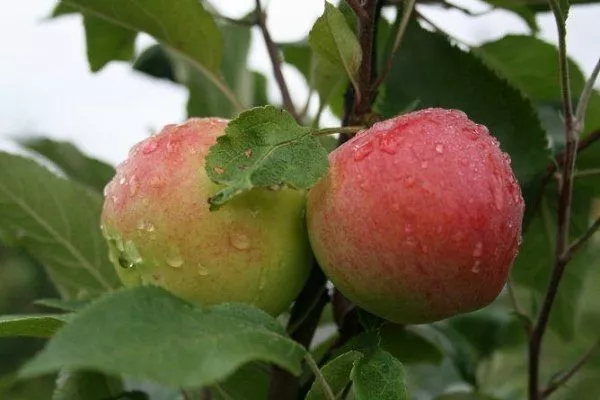
Autumn apple varieties
Autumn apple varieties are preferred by gardeners who sell their fruit after harvest. These varieties ripen in the fall and can be stored for a long time without losing their appearance.
| Name | Ripening period | Yield (kg per tree) | Tree height (m) |
|---|---|---|---|
| Northern Sinap | autumn | 150 | 7 |
| Borovinka | autumn | 60-200 | 5 |
| Idared | autumn | 30-90 | 3-5 |
| Mac | autumn | 200-300 | not specified |
| Bolotovskoye | autumn | 200 | not specified |
Northern Sinap
The variety was obtained as a result of open pollination by the breeder S. I. Isaev, who used seed material from the Kitayka Kandil variety.
A vigorous, robust tree with a broad, pyramidal, sparse crown. The bark is gray-brown. A mature tree reaches 7 m in height. The leaves are small, glossy, and wide, dark green with a slightly grayish tint. The fruits are medium-sized, round-conical, and weigh 110-130 g. The skin is green with a brownish-red blush. There are numerous light-colored subcutaneous spots. The white flesh is juicy, with a sweet, pleasantly tart flavor, and a dense, fine-grained texture.
Tall trees begin bearing fruit 5-6 years after planting. Dwarf trees begin flowering in the second year. The yield is high—a mature tree can yield up to 150 kg of apples.
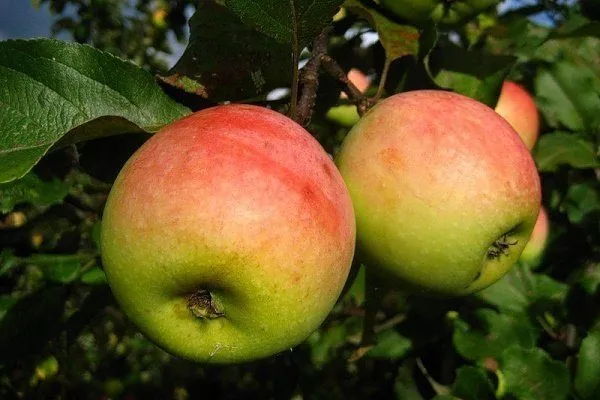
Borovinka
The variety was first described in the early 19th century by A. T. Bolotov. Scientist M. V. Rytov described the Borovinka variety over 150 years ago. The variety caught the fancy of North Americans, who began growing it in their gardens. They also named the apple tree Oldenburg.
The tree can grow up to 5 m in height. The bark has an olive tint. The leaves are oval and dark green. The fruits are round, smooth-surfaced, and medium-sized, weighing no more than 90 g. The flesh is juicy and grainy. The skin is smooth, light green with pink streaks. The flavor is more sour than sweet.
Fruiting begins in the fourth or fifth to tenth year after planting. At ten years of age, the plant produces good yields—an average of 60-75 kg of fruit per tree. At 25-30 years of age, the plant can yield up to 200 kg.
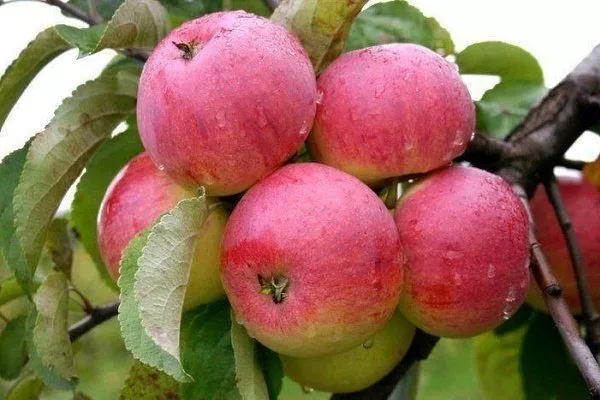
Idared
This is a foreign variety of American origin. Breeders used two apple varieties—Jonathan and Wagner—to crossbreed the apple. The Idared variety was developed in 1935. Due to its good productivity and marketable qualities, it became popular not only in the United States but also in Russia.
Idared is a vigorous, autumn-bearing variety characterized by mixed fruiting. At maturity, the apple tree reaches 3-5 m in height. The plant has a broad, oval or spherical crown. The bark is grayish-brown and smooth. The leaves are medium-sized, elongated, with pointed edges, and a dark green hue. The fruits are round, medium-sized, and weigh 140-190 g. The skin is pale green, thin, and smooth. There are a few large subcutaneous spots. The creamy flesh is firm, dense, and juicy. The aroma is faint, and the taste is sweet and sour.
Fruiting begins 5-6 years after planting. Harvesting occurs in late September, before the first frost. A young tree yields about 30 kg of fruit, while a 15-year-old tree can yield up to 90 kg of apples. The fruit has a shelf life of about 6 months.
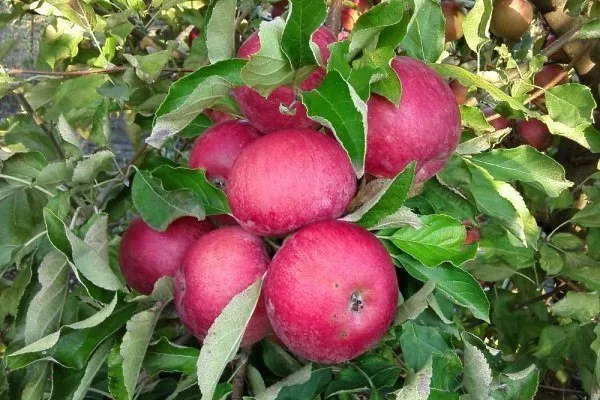
Mac
The Mackintosh variety is intriguing because of its origin story. In 1796, a man named John Mackintosh purchased a farm in Ontario. While clearing the orchard, he found several apple tree saplings. After transplanting them to a new location, the plants died, but one survived and was named after the farmer.
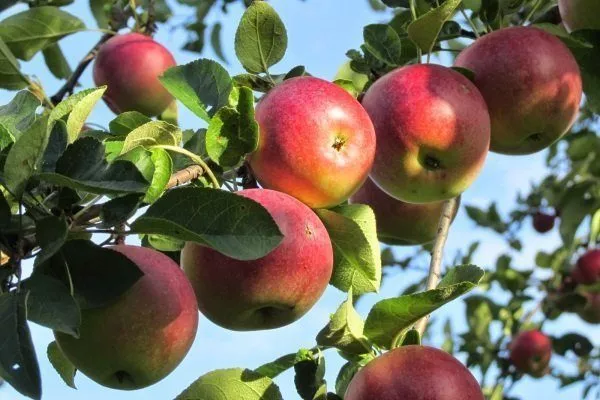
The tree is medium-sized, with a spreading, rich crown. The leaves are small, ovoid, and light green. The fruits are large, weighing up to 180 g. The skin is light yellow, with a slight blush and carmine stripes. The skin is smooth, shiny, and dense, yet thin. The flesh is white, juicy, and aromatic. The fruit has a pleasant sweet-sour flavor.
The fruit ripens unevenly. The first fruits ripen as early as August, and the plant continues to bear fruit until the end of October. A single plant can yield up to 200 kg of apples, sometimes reaching 300 kg. When stored in a cool room, the fruits last until spring without losing their flavor or appearance.
Bolotovskoye
The apple variety was developed by breeder Evgeny Nikolaevich Sedov in 1977. The goal of the breeding was to develop a variety with increased resistance to scab fungus. This was achieved by hybridizing the Skryzhapelkh 1924 variety.
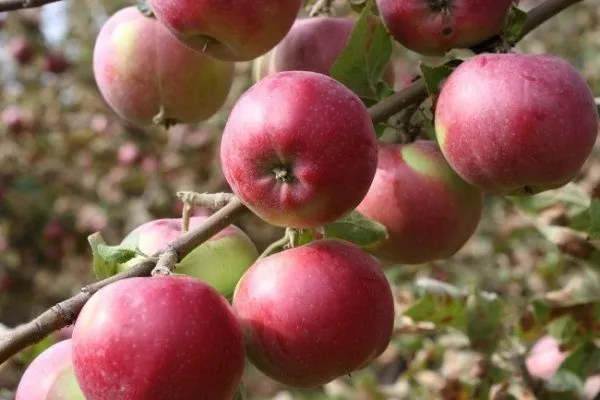
The plants have a spherical, unclumped crown. The trees are above average in height, and the seedlings grow quickly and develop well. The bark is smooth. The leaves are elongated and dark green. The fruits are large and flattened. Each apple weighs up to 160 g. At technical maturity, the skin is light yellow, developing a pinkish-red blush when fully ripe. The skin is oily, and the flesh is juicy, dense, and a soft green.
The plant begins to bear fruit actively in the seventh or eighth year after planting. The fruits are harvested in mid-September. A single mature plant can yield up to 200 kg of apples. When stored properly, the fruit retains its quality until mid-February.
Winter varieties
Winter varieties have their own distinctive characteristics. The main feature of these varieties is that the fruit is consumed several weeks after harvest.
| Name | Ripening period | Yield (kg per tree) | Tree height (m) |
|---|---|---|---|
| Bogatyr | winter | 55-80 | not specified |
| Knight | winter | 230 | not specified |
| Renet Simirenko | winter | 140-170 | not specified |
| Antonovka | winter | 200 | not specified |
| Antaeus | winter | 50 | 3 |
Bogatyr
This variety was developed by breeder Semyon Fedorovich Chernenko. This late-winter variety is considered one of the most productive. The Renet Landsberg and Antonovka varieties were used in the selection.
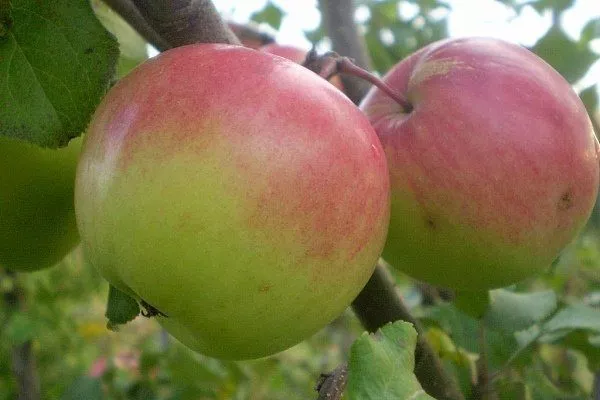
The plant is tall, with a sparse, spreading crown. The leaves are oval and dark green. The fruits are flat-round, wide-based, and smooth with distinct ribs. The peel is light green when picked, but turns yellow when fully ripe. It has a red blush. The flesh is firm, crisp, fine-grained, and medium juicy. The fruits are sweet with a hint of tartness, with a delicate aroma. The average weight of one apple is 200 g, although large specimens weighing up to 400 g are occasionally encountered.
The variety's advantages include abundant annual fruiting, beginning 6-7 years after planting. A single mature tree yields 55 to 80 kg of fruit. The fruit fully ripens by mid-December.
Knight
The variety was developed by renowned breeder Sergei Ivanovich Isaev. Two apple varieties were used in the selection process: Pepin Saffron and Anis Polosaty.
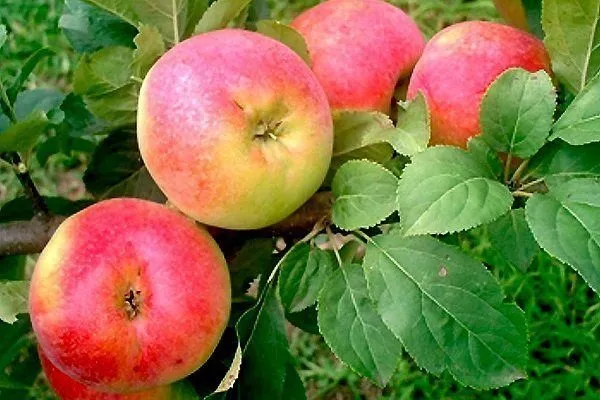
The plant is vigorous and stocky, resembling a small oak in appearance. The branches are strong and large, and the crown is dense. The leaves are large and dark green. The fruits are medium-sized, weighing approximately 200 g. The shape is round-conical, the skin is smooth, creamy, and streaked with red.
Fruiting begins in the third year after planting. With proper care, gardeners can harvest over 230 kg of fruit per plant per season. The fruit can be stored until almost May, maintaining its marketable appearance, and remains suitable for both raw consumption and industrial processing.
Renet Simirenko
The exact date of the variety's development is unknown. The apple tree was named after Lev Platonovich Simirenko's father. He believed the variety was the result of an accidental cross. The variety was added to the State Register of the Soviet Union in 1947.
The plant is tall, characterized by a wide, spreading crown. The bark is dark gray, tinged orange on the sunny side. The leaves are elongated, ovoid, light green, and glossy. The fruits are medium to large, with a regular, round shape. The skin is light green when ripe, turning yellow during storage. The average apple weight is 150-200 g. The flesh is creamy white, tender, and juicy. The fruits are sweet and slightly spicy.
This is a high-yielding variety. A single mature plant yields 140-170 kg of fruit. Fruiting begins 4-5 years after planting. The fruit ripens in the second half of September to mid-October. When stored properly, the fruit retains its quality until the following year.
Antonovka
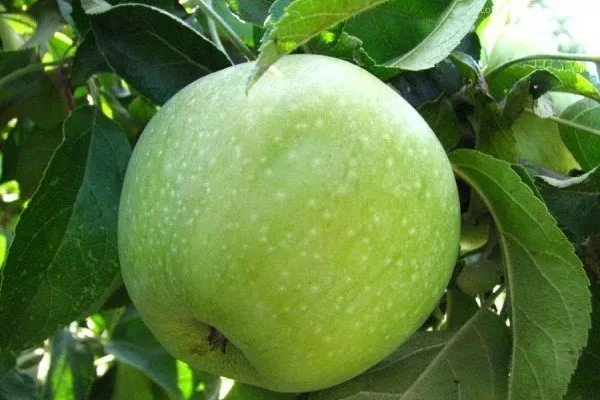
No one knows for sure how the Antonovka variety originated. Some claim it was an accidental hybrid of a cultivated variety with a wild forest apple tree. It is generally believed that the apple tree originated in the Tula or Kursk regions. The variety was first described by N.I. Krasnoglazov in 1848.
The plant is vigorous, with an oval crown that becomes spherical and spreading as it matures. The bark of young branches and shoots takes on a brown tint. The leaves are oblong and bright green. The fruits are small, weighing no more than 160 g. As they ripen, the skin turns green with a yellow tint. During storage, the fruits turn completely yellow. The flesh is light and sweet, with a pronounced acidic flavor.
Fruiting begins 7-8 months after planting. The fruits fully ripen in late September-early October. The yield increases as the tree grows. A 20-year-old tree can yield up to 200 kg of apples per year. The fruits have a long shelf life, about three months. With proper care, the shelf life can be extended to 4 months.
Antaeus
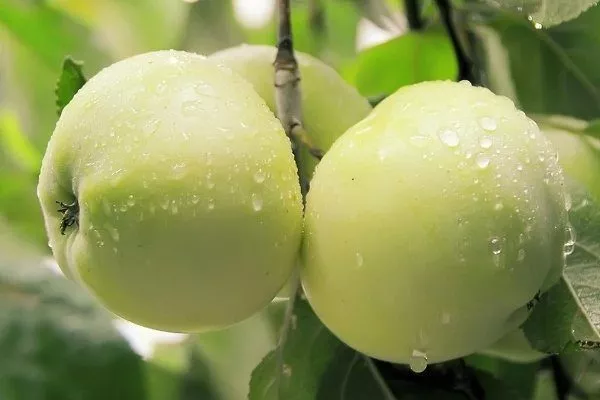
This winter apple variety was developed by breeders at the Belarusian Research Institute by crossing the Belorusskoye Malinovoye variety with a hybrid of the Newtosh and Babushkino varieties. Antey was added to the State Register of Belarus as a variety of particularly valuable productivity.
The plant is medium-sized, reaching no more than three meters. The crown is pyramidal and rounded. The branches are light brown, while young shoots have predominantly dark brown bark. The leaves are large, oval, and dark green. The fruits are large, averaging 200 grams or more. The shape is round-conical, slightly flattened. The skin is green. The flesh is greenish and juicy. The apples are sweet and sour, with a subtle aroma.
Fruiting begins in the third year after planting. Yields reach up to 50 kg per plant. This variety is characterized by increased frost resistance and moderate resistance to pests and scab. The fruits are harvested in September and October. The apples fully ripen several months after harvest. They can be stored until May of the following year.
The most delicious and sweet
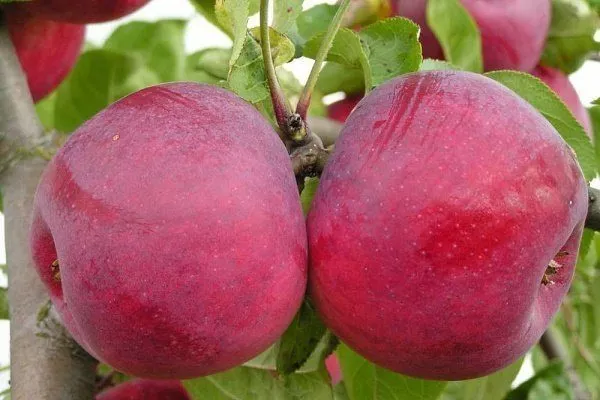
There are superior varieties, particularly prized for their sweet flavor and superior taste and marketability. These include several varieties recognized by most gardeners.
Belarusian sweets
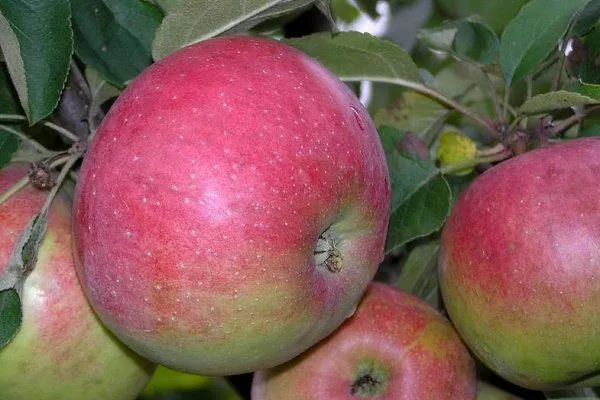
This early-ripening winter variety was developed by breeders at the Belarusian Institute of Fruit Growing about 20 years ago. It was added to the Russian State Register in 2005.
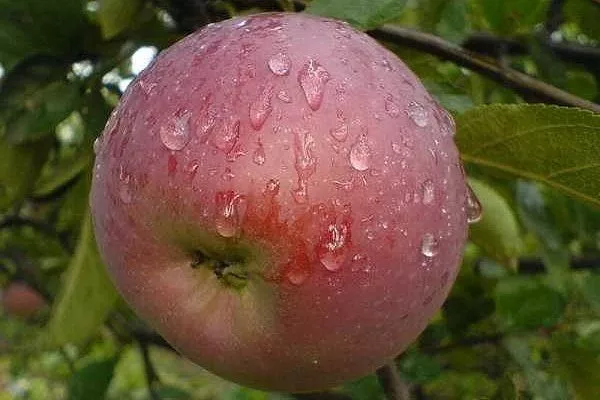
The tree is medium-sized and grows rapidly, reaching a height of three meters by 8-9 years. It has a predominantly rounded or round-conical crown. The fruits are large, weighing approximately 160-180 g. The apples are rounded, sometimes asymmetrical. The skin is smooth, dense, and green-yellow. When fully ripe, the apples turn yellow. The light-colored flesh is coarse-grained, semi-oily, tender, sweet, and juicy. The aroma is light.
The fruits are picked from the tree in September-October. Full ripening occurs two months after harvest. The fruits store well until February.
Spartacus
This apple variety was developed at the Samara Experimental Station in the mid-20th century by breeder S. P. Kedrin. At the time, he was actively crossbreeding various apple varieties. This is how he succeeded in developing this unique variety.
The plant is medium-sized, with brown bark. The shoots are smooth, straight, and brownish-red. The tree does not exceed 6 meters in height. It has a wide, dense crown of a rounded-pyramidal shape. The leaves are medium-sized, oval-oblong, and green. The fruits are medium-sized, weighing from 90 to 130 g, sometimes reaching 300 g. The shape is round. The skin is dense, shiny, yellow with a deep red blush. The flesh is fine-grained and tender. The taste is sweet and sour.
The fruits reach technical maturity in the first half of September. The tree begins bearing fruit in the third to fourth year after planting. Some plants begin flowering as early as the second year. The advantages of this variety include excellent consumer and commercial qualities.
Nectar
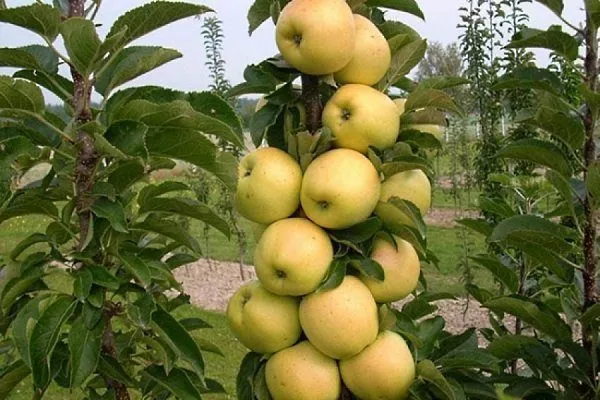
This columnar variety was developed in 1987 at the Moscow Institute of Horticulture. It was bred by N. G. Morozova and V. V. Kinchin. Seeds from the KV 103 gene donor were used in the selection process. The apple tree received its official name in 1993.
The tree grows to a height of 2-2.2 m. It has a columnar shape and a compact crown. The leaves are large, elongated, and green. The fruits are round, medium to large in size. Each fruit weighs between 100 and 250 g. The skin is dense, white-yellow. The flesh is juicy, coarse-grained, white, and sweet. It has a honey-like flavor.
A five-year-old plant can yield approximately 9 kg of fruit. Productivity declines significantly with age. The plant can bear fruit for up to 15 years, and can grow for up to 50 years. Its advantages include its compact size. Its disadvantages include a short shelf life—no more than one month.
Korobovka
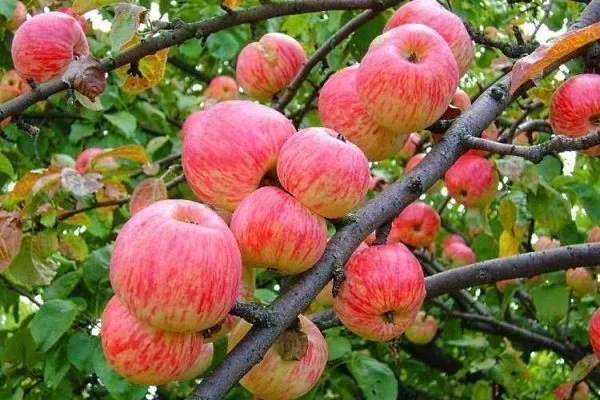
Korobovka is an old early-summer variety bred by S. I. Isaev. It was first scientifically described in 1855. It is believed that the apple tree got its name because the fruits were sold in boxes, like berries, rather than by weight or individually.
The plant is medium-sized and cold-hardy. The crown is shaped like a broom. The shoots are dark brown. The leaves are slightly curved, rounded-elliptical, and dark green. The fruits are small, weighing no more than 40 g. Their distinctive aroma is their advantage. The apples are flattened and round, with a greenish-yellow skin with cherry-red stripes. The flesh is light, juicy, and sweet.
The variety begins bearing fruit 5-7 years after planting. The harvest continues for 10, sometimes 15 years. The apples fully ripen in late July to early August. A single mature plant yields up to 70 kg of fruit.
Lungwort
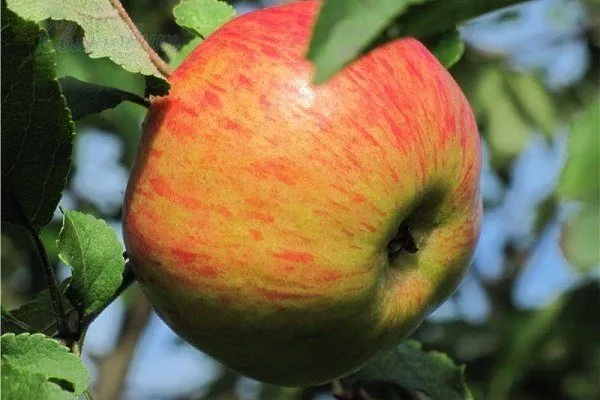
The development of this summer variety began in the 1930s. The breeding work was carried out by the renowned biologist S. I. Isaev. Medunitsa was created by crossing two varieties—Cinnamon Striped and Wesley.
The tree is tall, reaching 4-5 meters in height, with a broad, vigorous crown. The leaves are long, oval, and dark green. The fruits are medium-sized, weighing 100 to 150 grams. The skin is yellow-green with a red blush. The apples are round, slightly flattened. The flesh is light creamy, dense, juicy, and sweet.
The plant begins bearing fruit in the third year after planting. The fruits ripen in late August. The average yield per tree is approximately 180 kg. The advantages of the Medunitsa variety include increased resistance to frost and scab.
Green varieties
Green-skinned apples are especially prized not only by gardeners but also by those who appreciate the fruit's beneficial properties. Several varieties are considered the best apple tree cultivars.
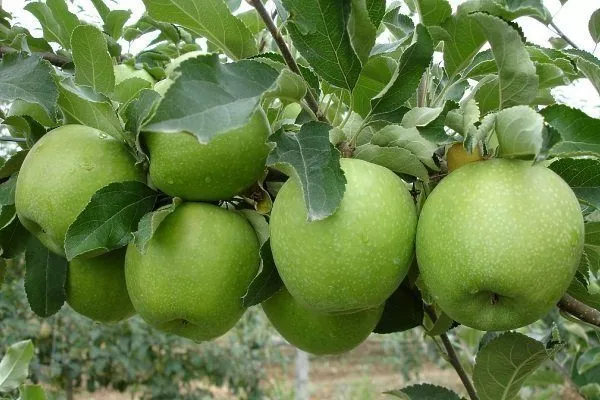
Granny Smith
The variety was developed in 1868. The first fruits were obtained in New South Wales. In 1935, the variety appeared in England, and in 1976 in the United States and Canada. The breeding work was carried out by Mary Ann Smith, a folk breeder who succeeded in obtaining the variety by pollinating an Australian apple tree with a wild French one.
The tree is medium-sized, naturally semi-dwarf, and has a spreading crown. The fruits ripen large, weighing up to 300 g. The skin is a rich green, and the apples are round or slightly oval. The flesh is light, juicy, and sweet and sour.
The fruits begin to ripen in late September. Under the right conditions, they have a long shelf life—right up until the next harvest. Maintenance involves regular pruning and fertilizing.
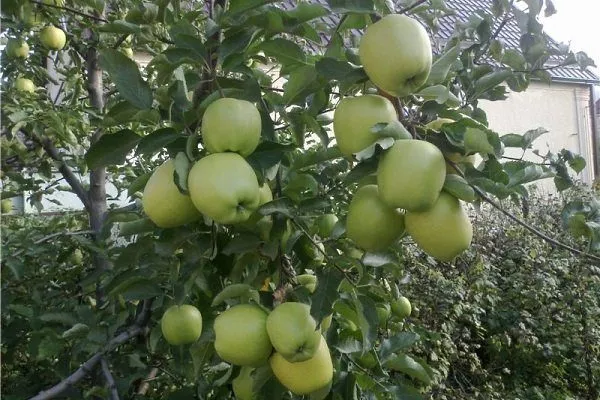
Golden Delicious
A mid-season variety of unknown origin. The seedling was accidentally discovered in Southern Virginia over a hundred years ago. Since then, it has gained recognition worldwide. Gardeners appreciate this variety for its ease and simplicity in growing and caring for it.
The plant has a cone-shaped crown, which widens and becomes rounder as it matures. The leaves are oval, wide, and bright green. The fruits are elongated and large, weighing up to 200 g. At maturity, the skin is light green, turning golden yellow when fully ripe. The apples are smooth, elongated, and almost always uniform in shape. They have small black dots underneath the skin. The flesh is juicy and sweet. The fruits have a pleasant aroma.
The plant begins bearing fruit in the second or third year after planting. Harvesting begins in mid- to late September. This variety is characterized by high yields. Seven-year-old trees can produce 250-300 centners per hectare.
Red varieties
Red apple varieties are a favorite among most gardeners. The ripening fruit looks spectacular on the trees, adding a beautiful touch to the garden. There are several excellent red apple varieties.
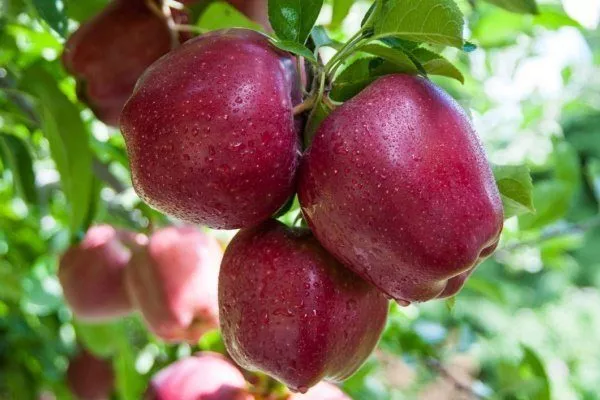
Red Delicious
This winter variety was bred in the United States and was the result of a spontaneous mutation that arose on the Delicious apple tree. A branch bearing red apples grew on the tree, making it highly visible. Russian scientists concluded that this was a valuable specimen and included it in the State Register of Breeding Achievements.
The plant is medium-sized, reaching a height of approximately 5.5 m. The crown is oval, becoming flattened and spherical with maturity. The branches are medium in thickness. The leaves are large, serrated, and dark green. The fruits, when fully ripe, turn a rich red hue, weighing from 100 to 300 g. The flesh is light green, juicy, crisp, and aromatic. The taste is sweet and sour.
The harvest is from late September to late October. A single ten-year-old plant yields approximately 150 kg of fruit. Thanks to their tough skin, the apples store for a long time and can be transported over long distances without damage.
Florina
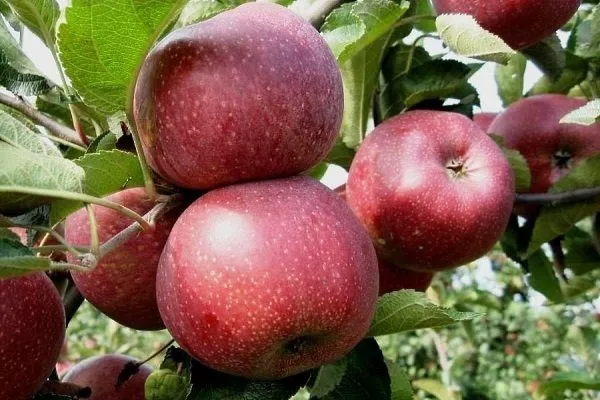
Florina is the result of the work of French breeders, who used several varieties during their development—Malus floribunda 821 seedling, Starking, Rum Beauty, as well as the renowned Golden Delicious and Jonathan. Numerous repeated crosses of hybrids resulted in the creation of this variety.
The tree is medium-sized, reaching a height of up to three meters. Plants grown on dwarf rootstocks reach up to two meters. The trees have a broadly rounded crown. The fruit is more cylindrical, sometimes rounded-conical, with a slight asymmetry. Weight ranges from 110 to 150 grams. The skin is dense, elastic, yellow with a deep red blush. The flesh is greenish-white, juicy, and tender. The aroma is pleasant. The taste is sweet and sour.
The tree begins bearing fruit 4-5 years after planting. Yields increase over the years. Gardeners harvest 5-10 kg of fruit from a five-year-old tree, while a 10-year-old tree yields around 60-70 kg of apples. The variety's advantages include high disease resistance and long-term storage.
Jonathan
This is an ancient variety developed in the early 19th century in North America. The cross involved the Aesop variety and the Spitzenburg apple. It is believed that the variety was named after Jonathan Hingley, whose wife developed the new variety from a native Connecticut variety used for cider making.
The trees are medium-sized. The plant is characterized by a broad, round crown and medium-sized leaves with a matte green surface. The fruits are medium-sized, weighing 100-150 g. The peel is glossy, thin, and green with a rich red blush. Ripe apples take on a light yellow hue. The flesh is white with a greenish tint, later turning light yellow. The flavor is delicate and sweet.
The plant begins bearing fruit in its sixth year, sometimes in its fourth or fifth year. Young plants produce approximately 20 kg of fruit. Trees 10 years or older produce twice as much. The fruit is harvested from mid-September to mid-October. Apples can be stored until March if kept in a cool place.
Lobo
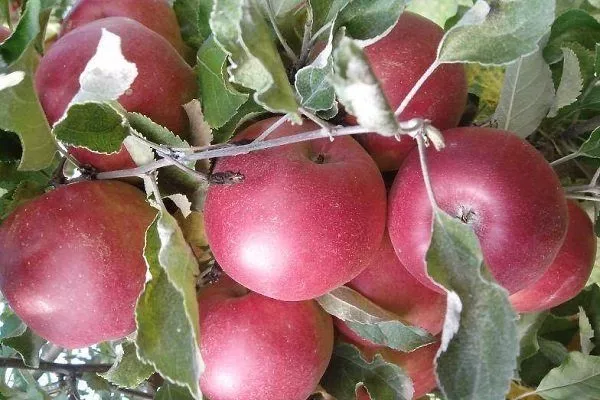
The apple tree was bred in Canada in 1906. Seeds of the McIntosh variety were used for selection, subjected to free pollination. In 1920, the variety became especially popular, and it began to be grown not only by ordinary gardeners but also by renowned breeders.
The trees are medium-sized, with an oval crown. After growth, the crown becomes rounded and thinned. Young shoots have a cherry hue. The leaves are large, bright green, and ovoid. The fruits are large, weighing up to 180 g. The shape is round or slightly conical, elongated. The skin is yellow-green when technically ripe, acquiring a red tint as it ripens. The flesh is white and fine-grained. The fruits are sweet, slightly tart, and juicy.
Plants begin bearing fruit in the third or fourth year. Harvest occurs in late November. A single mature tree yields up to 380 kg of fruit. These fruits can be stored until January at temperatures between 2 and 7 degrees Celsius.
Gloucester York
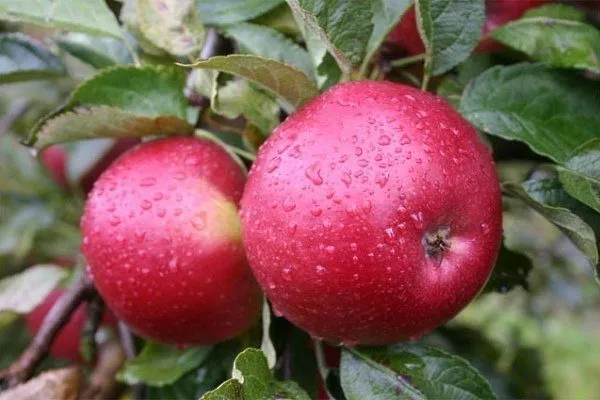
The variety was developed in 1951 in Germany. German breeders crossbred two varieties, Glockenapfrel and Richard Delicious. The apple tree not only inherited the positive qualities of its parents but also acquired increased frost resistance. In Russia, the variety became popular not only among gardeners but also in the processing industry.
The tree is fast-growing and pyramidal or highly oval in shape. The fruits are large and round, weighing between 180 and 200 g. The skin is light yellow with a raspberry-red blush. The skin is thin and smooth. The flesh is creamy, dense, and juicy. The flavor is sweet and sour, with a distinct aroma.
Fruiting begins in the fourth year after planting. The harvest is in late September. A mature apple tree yields between 40 and 75 kg. The fruit stores well in a cool place for four months. It transports well.
The best apple tree varieties for central Russia
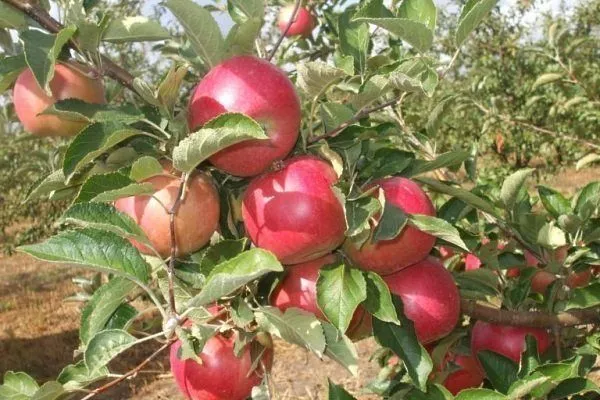
Central Russia is the European part of the country, characterized by a temperate continental climate. To grow apple trees and ensure their easy care, it's important to consider the varietal characteristics inherent to the temperate climate. Several apple varieties are best suited for central Russia.
Zhigulevskoe
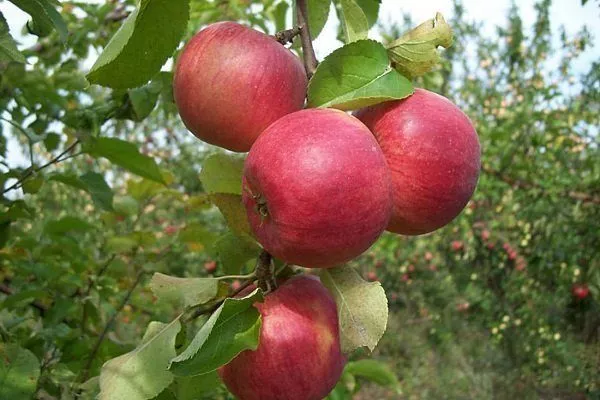
The variety was developed by breeder S. P. Kedrin, who crossed the Borovinka apple tree with the American variety Wagner. Zhigulevskoye is an autumn, high-yielding variety that has gained popularity in Russia.
The plant is medium-sized, with a broadly pyramidal or highly rounded crown, which develops during the fruiting season. The crown is not very dense. The shoots and trunk are dark brown. The leaves are large, oblong, ovoid, and dark green. The fruits are large, weighing from 120 to 200 g. The apples are round, sometimes with wide ribbed edges. The skin is thick, oily, light yellow with a bright red blush. There are numerous gray spots under the skin. The flesh is creamy and coarse-grained. The taste is sweet and sour.
This variety is characterized by early maturity and high yields. The first fruits appear in the fourth or fifth year after planting. A single tree yields up to 240 kg of fruit. Depending on the weather, the fruits ripen in early September.
Star
The variety was developed by Russian breeder S. F. Chernenko, who succeeded in creating the "Zvezdochka" by crossing the Anis apple tree and the Lithuanian Pepinka variety. The breeding process took many years until good results were achieved.
The apple tree grows large, reaching over 5 meters in height. The crown is spreading, weighty, and rounded. The leaves are small, oval, serrated, and dark green. The fruits are round, flattened, and medium-sized, weighing up to 130 g. The apple skin is smooth, light green, with a rich red blush across the entire surface of the fruit. The flesh is fine-grained and juicy. The taste is sweet and sour.
Fruiting begins 3-5 years after planting. The harvest is from September to October. Peak yield occurs between 7-10 years, when the tree produces up to 100 kg of fruit per season. To avoid a decline in yield, gardeners must follow proper care.
Delight
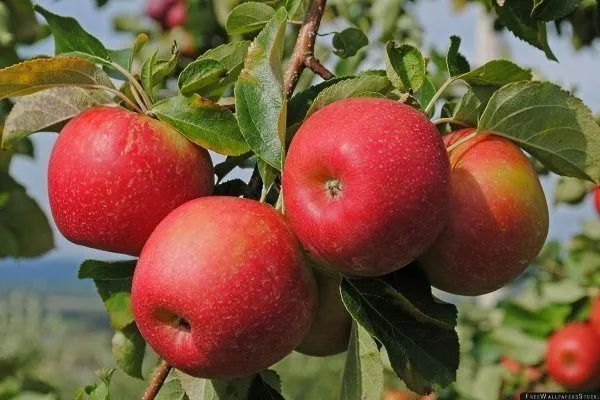
The renowned breeder Isaev developed the variety. He crossed cultivated and wild apple varieties. In 1961, he achieved a successful result, producing the Uslada variety, resistant to severe frosts and scab.
The plant is medium-sized, reaching 3-4 meters in height, making it often considered a dwarf cultivar. The young tree has a round crown, which later becomes oval. The skin is green with a bright crimson blush.
Small gray spots are visible under the skin. The flesh is white, slightly pinkish. The fruits are large, weighing up to 170 g. The taste is sweet and sour, reminiscent of raspberries. The aroma is delicate.
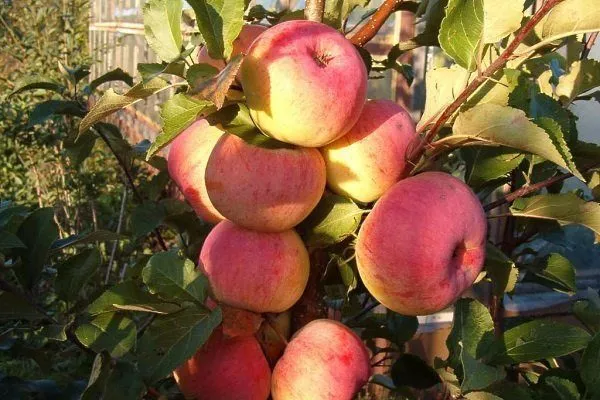
The harvest is in late August-early September. Fruiting begins 4-5 years after planting. The fruits ripen annually. On average, one apple tree produces 60-80 kg of ripe fruit.
Knowing which varieties are best for planting at certain times of the year will help you grow a beautiful, vigorous plant in your garden that will delight you with a bountiful supply of delicious apples each year. The best varieties include fall, winter, and summer varieties, as well as those with green or red skin.