
Apples have long been a familiar fruit on our tables, but the world of gardening holds many surprises. Among the familiar red and green fruits, you can find truly exotic ones: bright purple, striped, miniature, or even square. Interest in unusual varieties is growing not only among collectors and farmers, but also among gourmets.
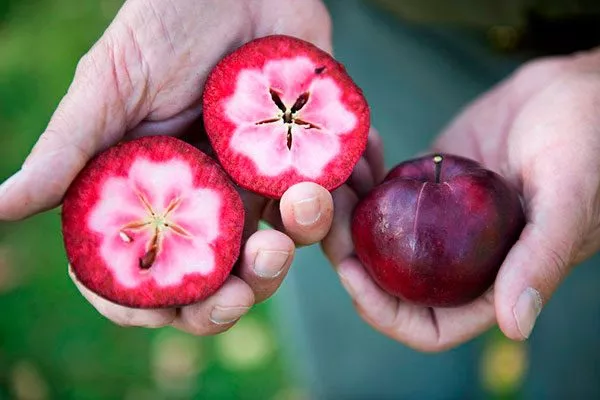
Apple-tomato or Red Love
Markus Kobelt spent more than two decades breeding apple trees, particularly the Redlove series, including Circe, Calypso, Sirena, and Era. His goal was to create a disease-resistant and climate-tolerant variety.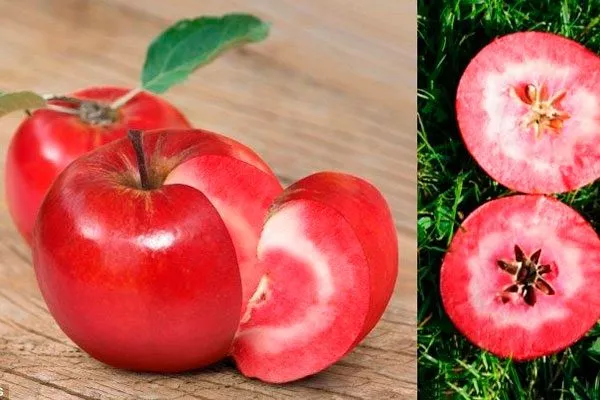
Years of crossbreeding hard and sweet varieties resulted in the creation of a scab-resistant, red-fleshed hybrid. The "parent" of this unusual variety is the wild Nedzvetsky apple.
Distinguishing features:
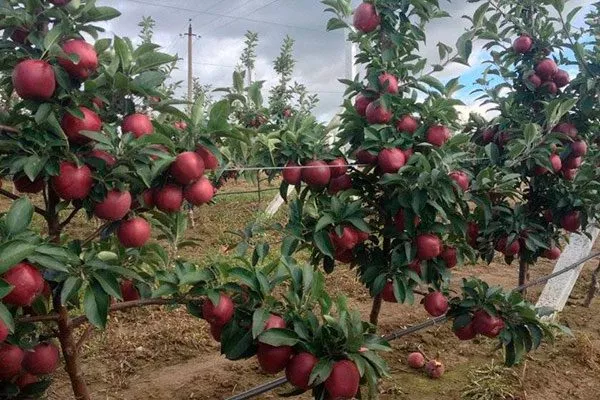
- The tree is characterized by low growth and dark cherry-colored bark. The crown is compact, and at maturity the tree reaches a height of 3-4 m and a width of up to 4 m. One-year-old shoots are burgundy-brown.

- The leaves are rich in red pigment, especially on the inside.
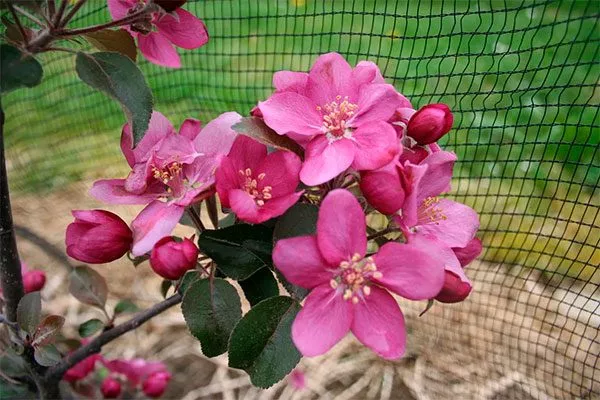
- Flowering begins in the plant's third or fourth year, in mid- to late May. The flowers open from the bottom up, gradually covering the tree with crimson, delicately fragrant blossoms.
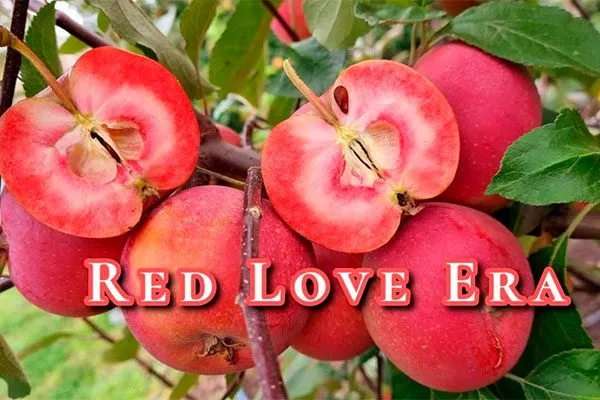
- The fruits are round, slightly flattened, and dark crimson in color. As they ripen, the apples develop a white coating. Their weight ranges from 150 to 180 g. The flesh is red with a white stripe. The flavor is sweet and sour, pleasant, with a hint of wild berries.
Malay apples
Native to Malaysia, the crop has a rich history of spreading around the world. It has been cultivated in India and Southeast Asia since ancient times, from where it spread to the Pacific islands. In the 16th century, Portuguese explorers brought it to East Africa.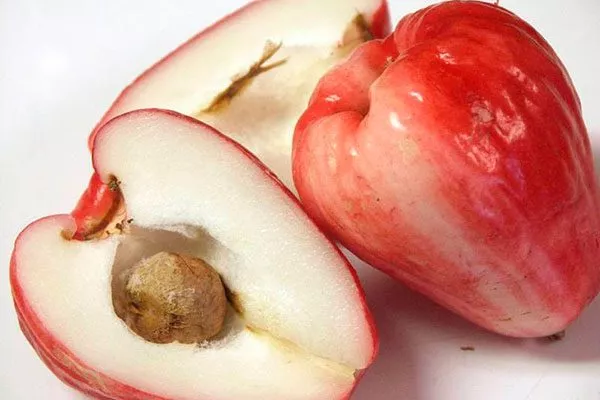
As early as 1793, the Malayan apple appeared in Jamaica and subsequently spread throughout the American continent.
Key Features:
- The evergreen tree is characterized by slow growth and reaches a height of 12 to 18 m, forming a pyramidal crown.
- The leaves are large, leathery, elliptical-lanceolate, reaching 15-45 cm in length and 9-20 cm in width. The upper side of the leaf is a rich, dark green with a glossy sheen, while the underside is a lighter, pale green. Young leaves stand out for their red hue.
- Flowers, collected in inflorescences, can be dark red, pink-purple, white or yellow, reaching 5-7.5 cm in diameter. They have a light aroma and consist of sepals and numerous stamens, reaching a length of 4 cm.
- The fruits are oblong or bell-shaped, ranging from 5 to 10 cm in length and 2.5 to 7.5 cm in width. The surface is covered with a waxy skin that is pink-red or dark red; sometimes, white specimens with red or pink stripes are found.
- Inside the fruit is a juicy, crisp white pulp with a sweet aroma and 1-2 large brownish seeds.
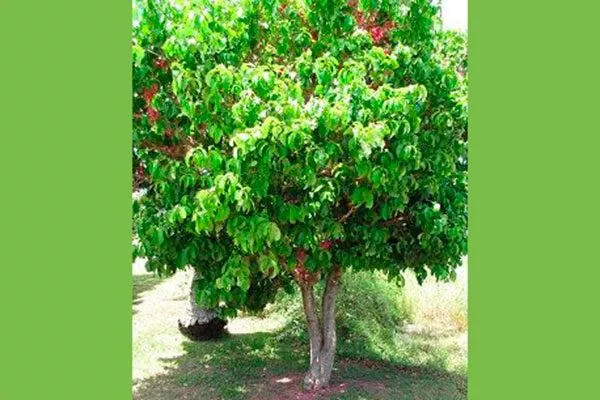
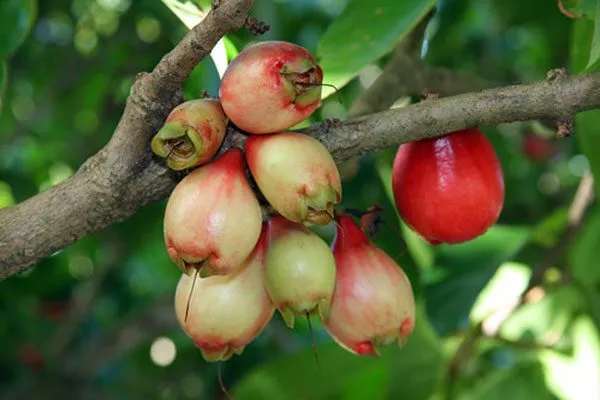
Some trees may produce apples that are completely seedless.
Wooden apple
Native to India and Sri Lanka, it is widely cultivated in these countries, decorating gardens and roadsides. It is also widely grown in Southeast Asia, particularly in Malaysia.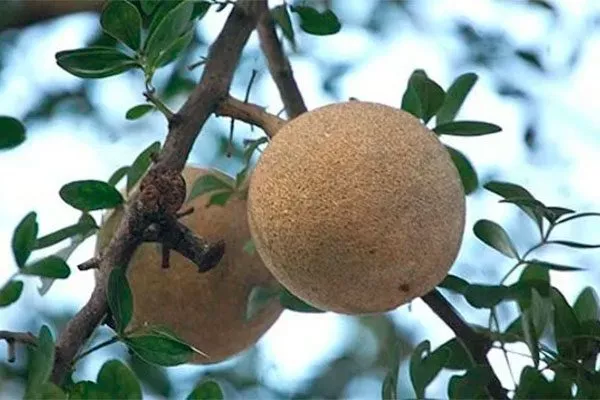
Botanical description:
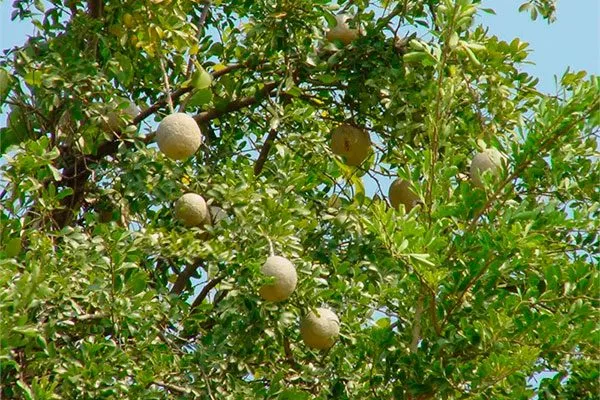
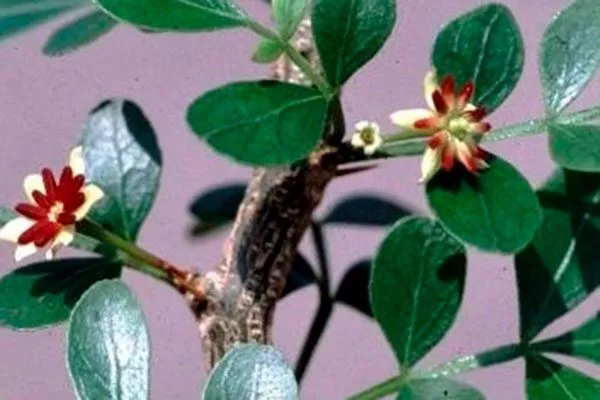
- The tree, which grows rather slowly, is distinguished by a straight trunk, wrinkled bark, and long, dark green leaves reaching 5-12.5 cm. When crushed, they emit a distinct lemon aroma.
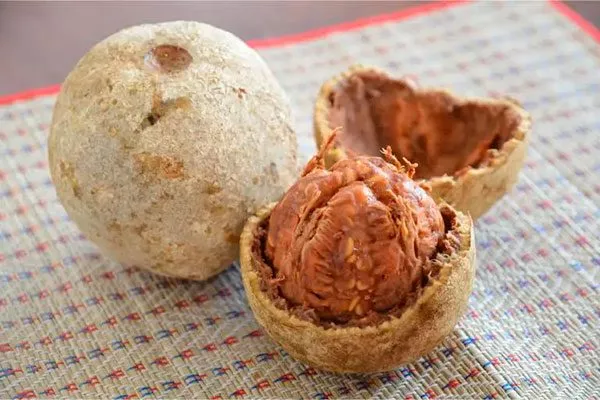
- The fruits are round in shape and have a hard, woody shell with a diameter of 5 to 12.5 cm.
- Inside the apples lies a brown, sticky, and aromatic pulp with a floury consistency and a sweet, slightly astringent taste. It contains numerous small white seeds.
Rose apple
An evergreen plant of the Myrtle family, known for its unique fruits. Originally native to Southeast Asia, this tree adapts well and is now cultivated in various warm regions of the world.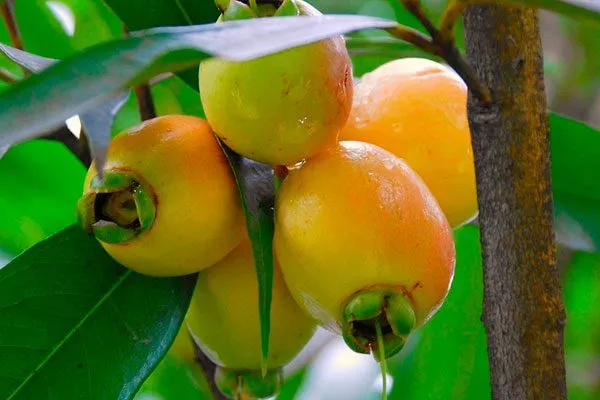
Below is a detailed description:
- The tree's crown is lush. It reaches a height of 7 to 12 meters, although in some cases it can reach up to 15 meters. Growth occurs at a moderate rate: by two years, the height is about 80 cm, and by ten years, approximately 4.5 m.
- The trunk begins to branch out quite quickly, forming a spreading, wide and dense crown.
- The branches are smooth, the bark is medium to dark brown, with a barely noticeable texture.
- The leaves are elliptical or lanceolate, tapering toward the base. Their length varies from 10 to 22 cm, and their width from 2.5 to 4 cm, sometimes reaching 6.25 cm. The petioles are almost invisible.
Young leaves have a reddish or pinkish tint, while mature leaves are dark green, leathery and shiny. - The flowers are creamy or greenish-white, fluffy, and range from 5 to 10 cm in diameter. They are collected in small inflorescences at the tops.
- The fruits are round or tapering toward the base, reminiscent of guava. They are small, up to 5 cm long. The skin is thin, waxy, light yellow or almost white with a slight pinkish tint. The flesh is loose, sweet, and aromatic.
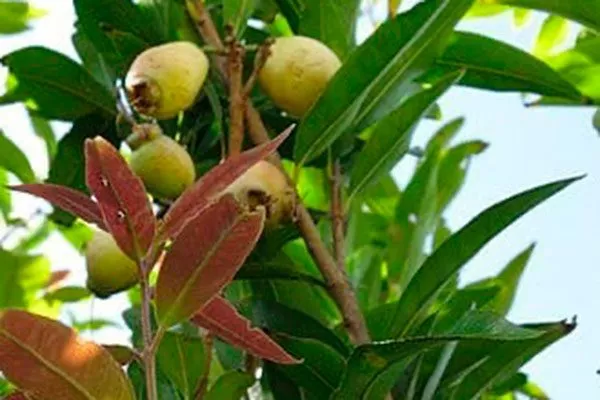
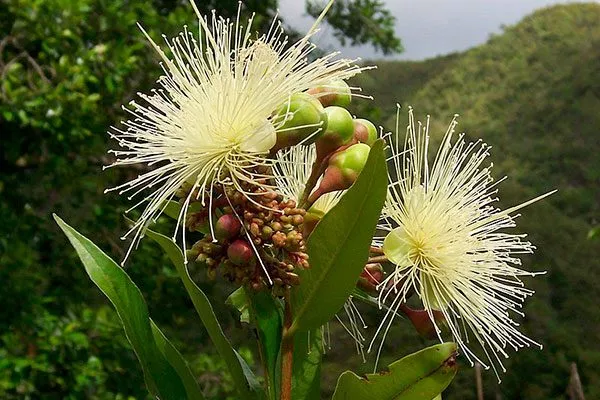
Fruiting depends on the climate and can be year-round or seasonal. A mature tree produces about 2 kg of fruit.
Sugar apple
The most unusual member of the Annonaceae family, it grows in the tropical regions of Southeast Asia, the Caribbean, and Central and South America. Its appearance resembles a curled-up armadillo or a large green pine cone, concealing sweet flesh beneath its scaly skin.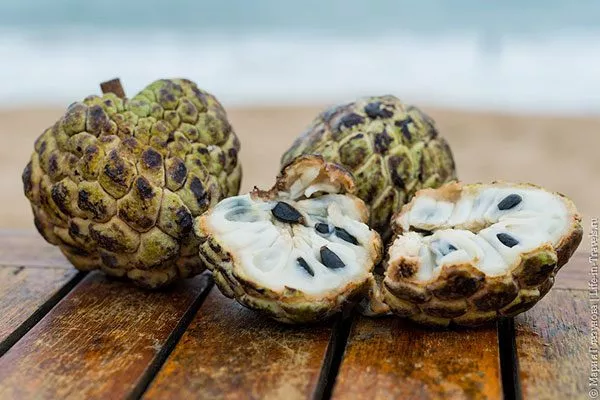
Like many tropical fruits, this scaly fruit has an unattractive appearance but an excellent flavor. The name stuck because regular apples don't grow in the tropics. The resemblance between the sugar apple and the regular fruit is only vague, limited perhaps to size.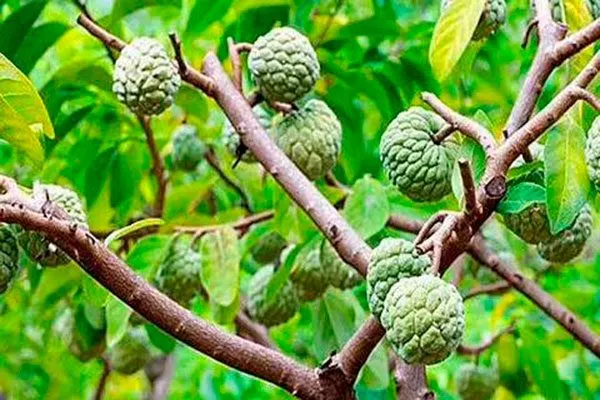
A ripe fruit can weigh up to 600 g, especially the cultivated varieties common in Thailand and the United States. In the Philippines, uncultivated varieties of Annona, which are wild forms of the sugar apple, are more common.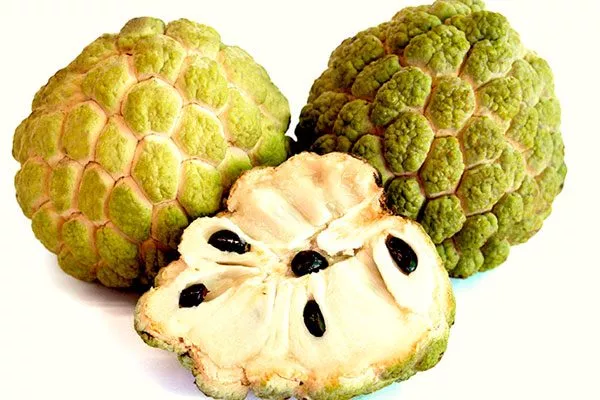
Sour cream apple
It grows both wild and cultivated, and is found from southern Mexico to Argentina, including Bermuda and the Bahamas, as well as throughout the Caribbean (at altitudes up to 1,150 m above sea level). It is also cultivated in the following areas:
- India;
- Sri Lanka;
- in the south of China;
- in Australia;
- Southeast Asia;
- on the Pacific Ocean islands.
Main characteristics:
- The tree grows to 7.5-9 m in height. Young shoots are pubescent.
- The leaves are aromatic, smooth, shiny, with a dark green hue on top and light green underneath.
- The flowers are solitary, with short peduncles, and appear on the trunk and branches. They are conical in shape and consist of six petals: three inner and three outer.
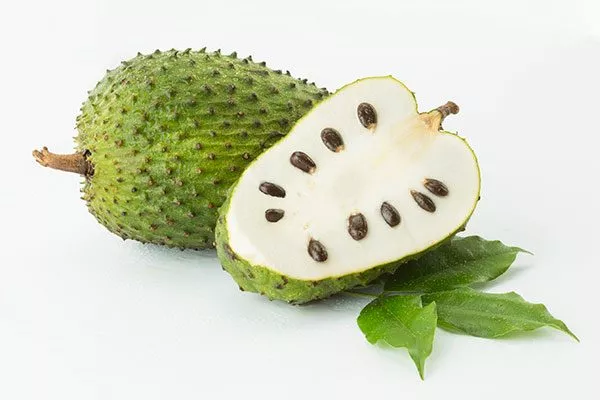
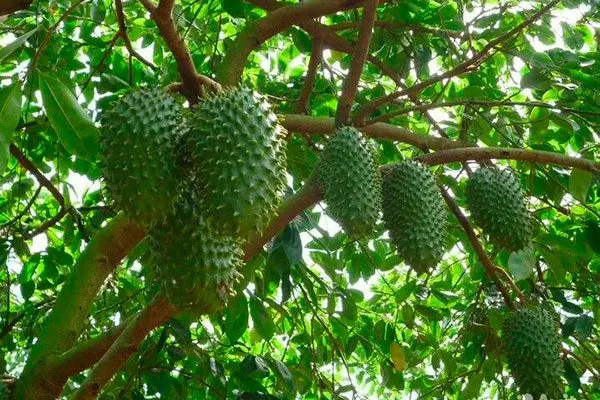
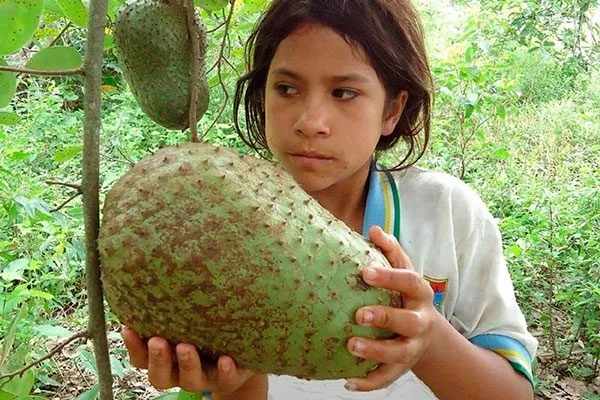
- The fruit is a juicy, multi-leaflet with a turpentine-like scent. It can weigh 4.5-7 kg, and grows 10-35 cm in length and 15 cm in width.
- The unripe skin of the apple is dark green, but as it ripens it turns yellowish and becomes covered with thick spines.
- The flesh is creamy white, dense, and cottony. It's described as melting in the mouth like jelly, with a tart lemonade flavor and a hint of strawberry. The flesh contains poisonous black seeds.
Java apple
Its native region includes the Malay Peninsula and the Andaman and Nicobar Islands. In ancient times, the plant spread throughout Vietnam, Laos, Cambodia, Thailand, India, the Philippines, and Taiwan. During the Middle Ages, it reached Zanzibar and Pemba.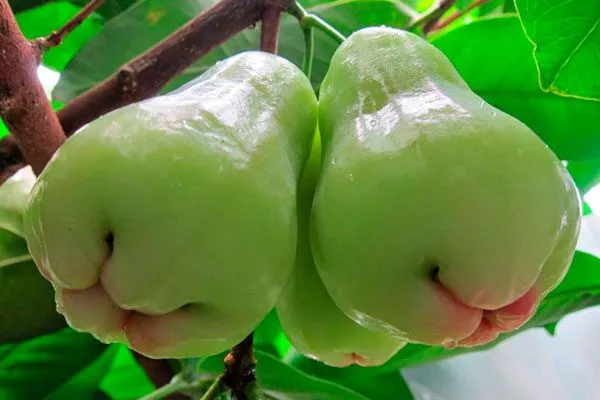
At the beginning of the 20th century, in 1903, the Java apple was introduced to Jamaica, and then to Suriname, as well as to the Netherlands Antilles (Aruba, Curaçao and Bonaire).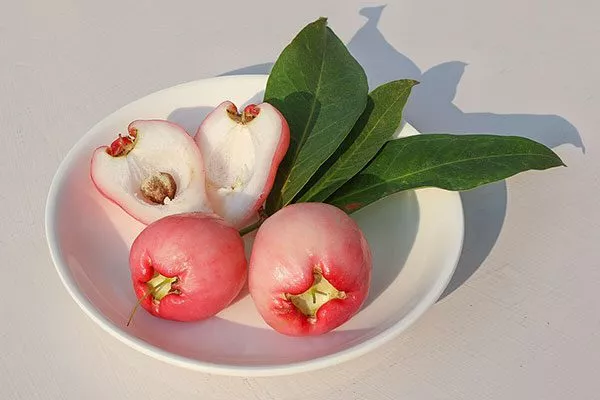
Distinguishing features:
- The tree reaches a height of 5 to 15 m. It is characterized by a short trunk, 25-30 cm in diameter, and pale pink-gray bark, prone to peeling.
- The leaves are elliptical-lanceolate, slightly cordate at the base, and dark blue-green in color. They range in size from 10 to 25 cm in length and 5 to 12 cm in width. They emit a fragrant aroma when crushed.
- The flowers are small, yellowish-white, 2-4 cm in diameter, and consist of four petals and numerous stamens 1.25-2.5 cm long. They are collected in hanging panicles.
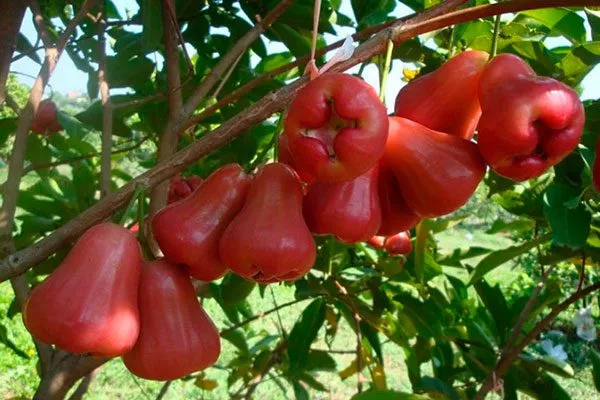
- The fruits are pear-shaped, with a shiny surface of pink or greenish hue, 3.4-5 cm long and 4.5-5.4 cm wide. The flesh is white, crisp, and has a slightly tart flavor and delicate aroma. The fruit typically contains 1-2 seeds, each 0.5-0.8 cm long.
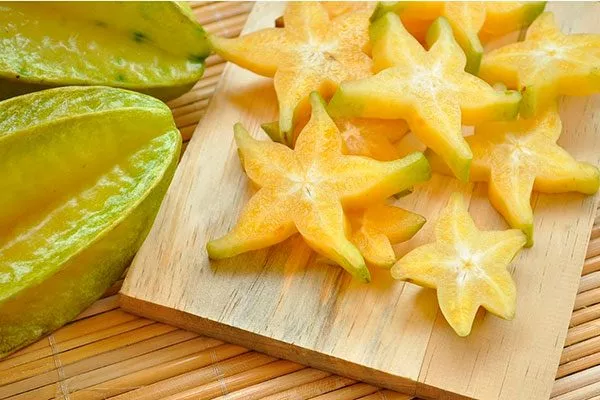
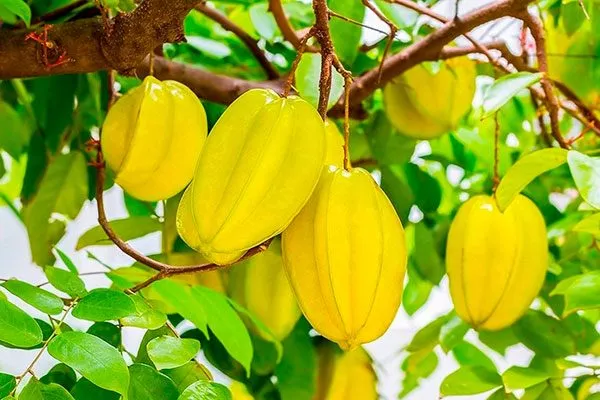
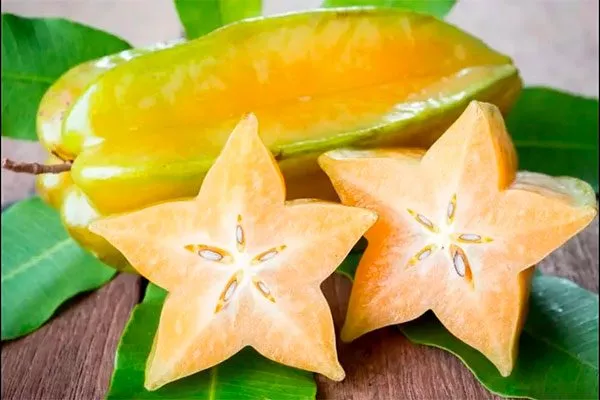
Carambola
Widely cultivated in tropical regions, including India, Malaysia, Indonesia, and the Philippines, it is also popular worldwide. This tropical fruit gets its name from the distinctive star-shaped appearance it takes when sliced.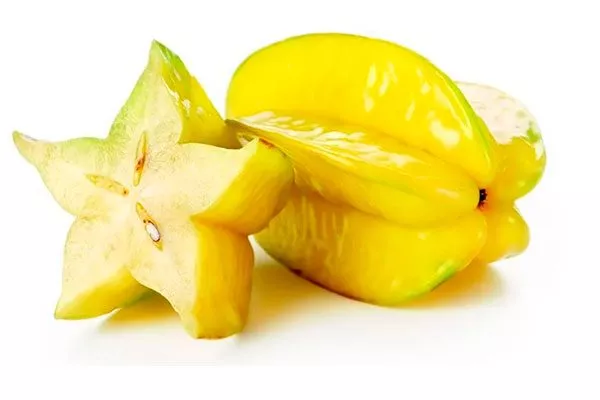
Features of the culture:
- The color of the fruit varies from yellow to greenish, and the taste can be either sweet or sour.
- Carambola is low in calories and rich in vitamins, antioxidants and other beneficial substances such as fiber, protein, vitamin C, vitamin B5 and calcium.
- The tree is small, dense, evergreen, with drooping branches, reaching a height of 6-10 m. Its short, highly branched trunk bears soft compound leaves consisting of 2-5 leaflets arranged spirally.
- The flowers are small, actinomorphic, bisexual, with 5 sepals and 5 petals of white or yellowish hue, emitting a pleasant aroma.
- The fruits are waxy, glossy, orange-yellow or yellow-green in colour, oval in shape with deep ribs, reaching a length of 7.5-12.5 cm.
Apple Pink Pearl
The crop was developed in Northern California by Albert Etter using the Surprise variety. In Russia, the variety is becoming increasingly popular.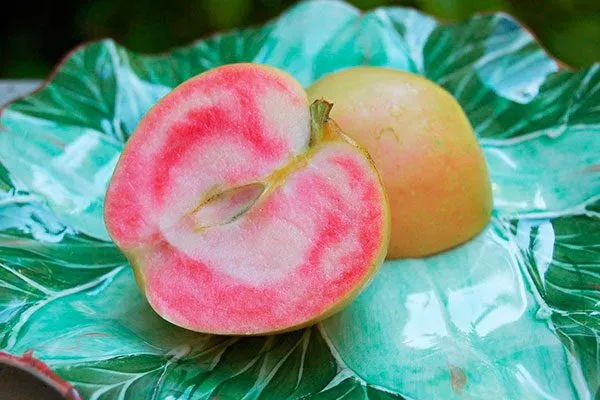
Detailed description:
- The tree is a semi-dwarf, reaching a height of 4.5 m, and is distinguished by early fruiting and attractive bright pink flowers.
- The apples weigh 150-200 g, are yellow-green or plum-colored, have translucent skin and small white dots.
- The pulp of the fruit is bright red or pink with a pearlescent sheen, juicy, crispy, with a rich aroma.
- The taste is sweet and tart, with hints of raspberry or grapefruit.
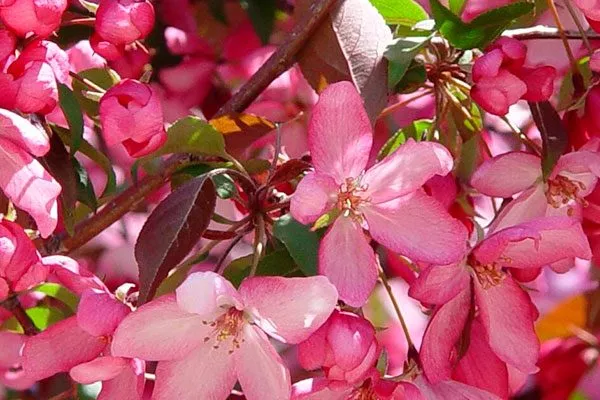
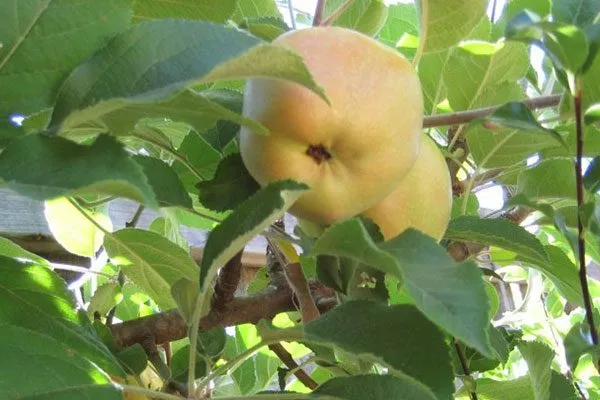
The variety ripens in late summer, and the harvest is from mid-August to mid-September. Fruiting is irregular, but the first apples appear as early as the second year after planting. A mature tree produces an average of 30-50 kg of apples.
Star Apple or Kaimito
A densely foliated tree, often reaching a height of 20 m. Its alternately arranged oval leaves can reach 16 cm in length, have a short, pointed tip, and an entire margin. The leaves are leathery, with the upper side ranging from green to dark green, and the underside ranging from golden to brown.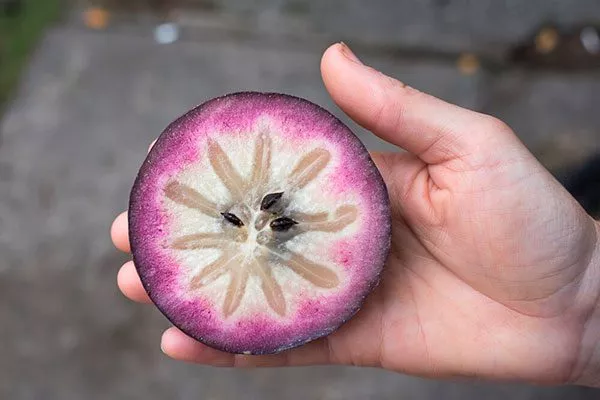
The fruits of greatest interest are:
- They can be round or ovoid, up to 10 cm in diameter.
- Unripe apples are green, then turn purple-brown.
- The flesh is white, juicy and tender.
- The fruit contains up to eight shiny brown seeds, nestled in gelatinous chambers. When cut crosswise, these seeds form a star-shaped pattern, giving the fruit its popular name.
- The fruits ripen from February to March.
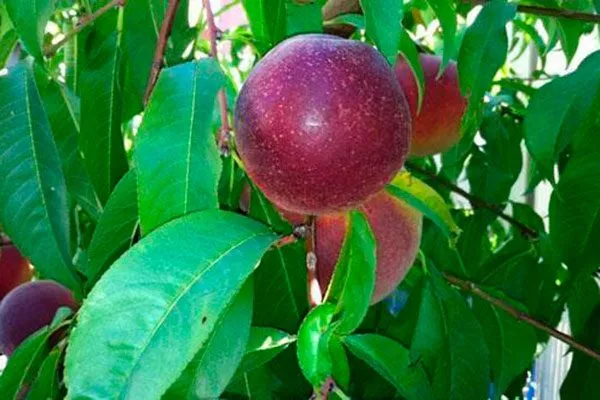
Water apple
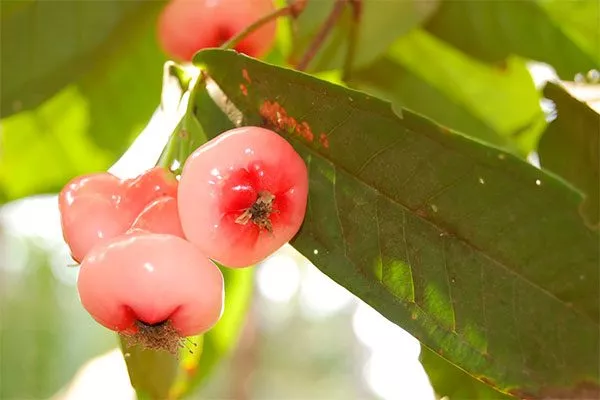
Native to southern India and Malaysia, this plant was traditionally cultivated in regions such as Malaysia, Indochina, Indonesia, Sri Lanka, and the Philippines. It is currently grown in small quantities in Hawaii and Trinidad.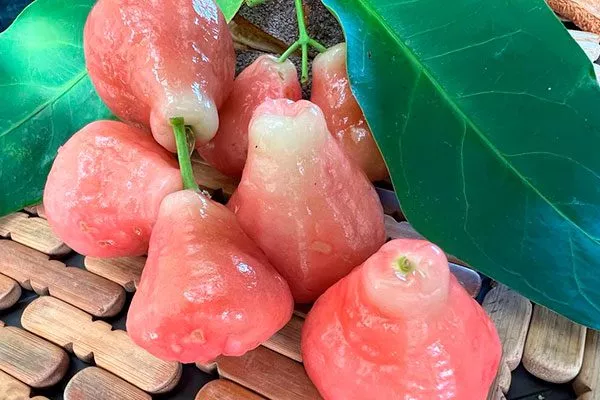
Distinguishing features:
- The tree grows slowly and reaches 3-10 m in height. It has a short, curved trunk.
- The leaves are leathery, arranged oppositely, oblong-elliptical, cordate at the base, green above and yellowish-green below. The leaves range in length from 5 to 25 cm, and in width from 2.5 to 16 cm. They emit a fragrance when crushed.
- The flowers are pale yellow, yellowish-white, or pale pink, with a four-lobed calyx, four petals, and numerous stamens up to 2 cm long. They have a light fragrance and are collected in clusters.
- The fruits are pear-shaped, 1.6-2 cm long and 2.5-3.4 cm wide. They are covered with a thin, waxy skin that can be whitish, pink, or red. Inside the fruit is white or pink, juicy, crisp flesh with a mildly sweet aroma and 1-6 small seeds.
- Some trees produce fruits that are completely seedless. The fruits ripen twice a year: in August and November.
Square apple
These are regular apples that are shaped in plastic molds directly on the tree. In Chungju, pilot projects on "square" apples (they were even called "exam apples") were conducted back in the early 2000s.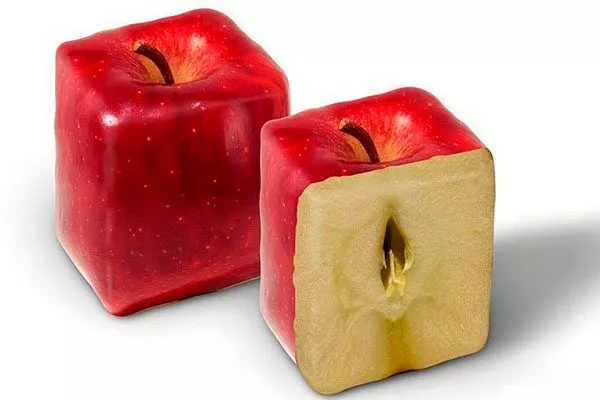
A nearby farmer became famous for his cubic fruits, which were reported by both Korean regional media and TIME. This suggests these were rare souvenirs, not "real square apples."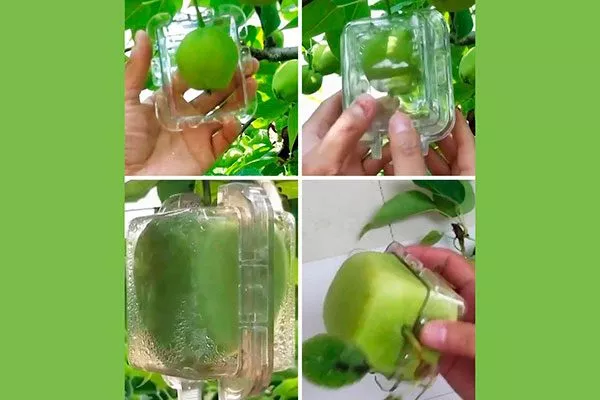
Custard apple
The fruit's characteristic feature is its smooth, shiny surface, ranging in color from pale yellow to creamy. The custard apple's flesh is typically tender and full of juice, with a sweet, slightly tart flavor.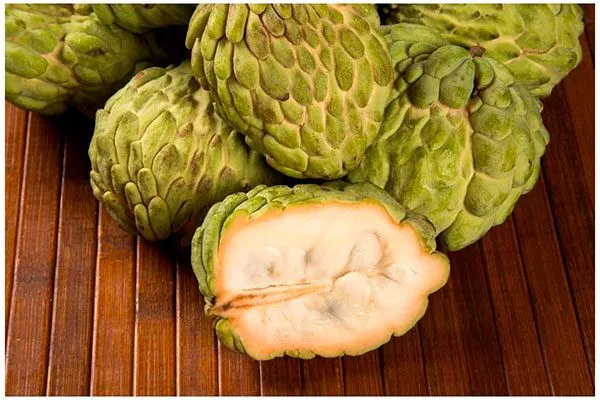
In cooking, it's used in a variety of desserts, including pies, jams, and fruit salads. Eating it fresh makes it an excellent choice for a light snack. Its sweetness and delicate texture pair well with cheeses and nuts.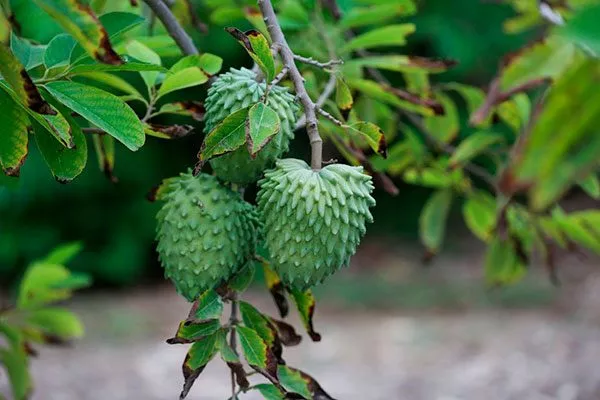
The fruit is a valuable source of vitamins and minerals, in particular vitamin C, which is essential for maintaining immunity, and fiber, which promotes healthy digestion.
Aksyon's Apple
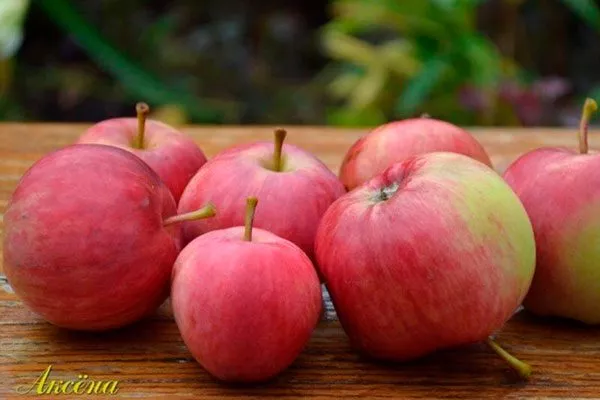
This variety was developed at the Sverdlovsk Horticultural Selection Station under the direction of V. M. Aksyonov. It is popular among gardeners in the Middle Urals, although it is not included in the State Register. The variety was obtained by crossing the Serebryanoe Kopyttse apple tree and the elite seedling 22-40-67.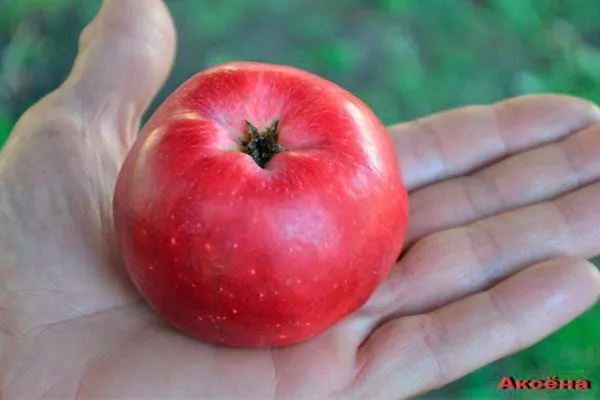
Botanical description:
- The tree reaches 3-4 m in height, is characterized by moderate growth and has a dense, rounded crown.
- The shoots are thick and brownish-gray, and the leaves are elongated-oval and light green. Active growth is observed at a young age, with annual growth of up to 30 cm.
- The blooming period is short, lasting about 7-10 days in mid-May. The tree is covered in white and pink flowers with a pleasant aroma.
- The fruits are medium-sized, weighing 90-120 g, round-flattened, with a smooth, shiny surface. The base color is yellowish, with a diffuse bright red blush in the form of stripes and streaks. The flesh is creamy, fine-grained, tender and dense, slightly juicy. The taste is sweet and sour with lingonberry notes.
The first harvest can be obtained 3-4 years after planting. The apple tree bears fruit annually, with an average yield of 15-18 kg per mature tree.
Golden Resistant Apple
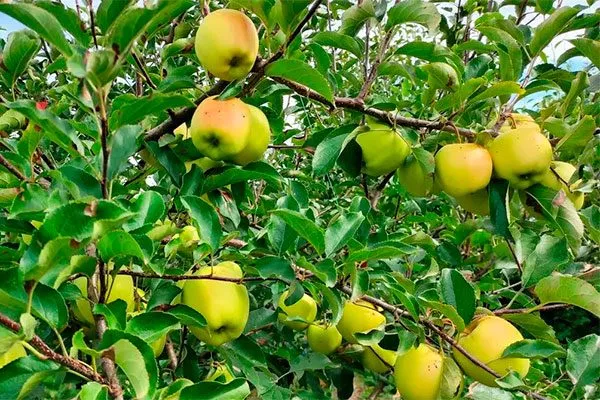
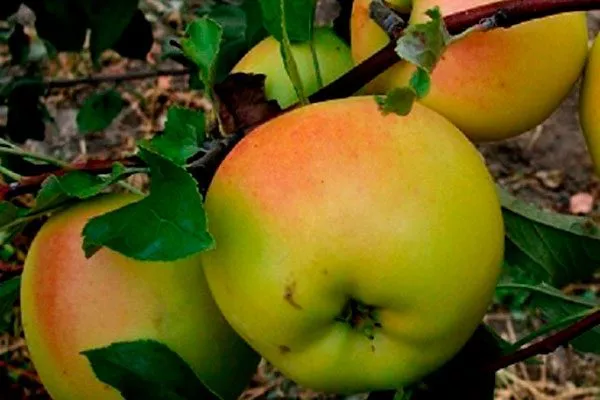
Characterized by early ripening (late September) and high yields, reaching 452 centners per hectare. Key features are described below:
- The tree is of moderate height and has a dense, spreading crown, making it suitable for growing in garden plots.
- The leaves are medium-sized, round, green in colour, with a smooth matte surface and a delicate mesh of veins.
- The branches are straight, compactly arranged, with ends directed upwards.
- The shoots are of medium thickness, straight, rounded and brown in color.
- The fruits are uniform, cylindrical in shape, weighing between 160 and 200 g. The apple skin is thin, smooth, and delicate. Numerous medium-sized gray subcutaneous dots are visible on the surface.
- The flesh is greenish, medium-firm, prickly, fine-grained, and juicy. The flavor is characterized by a medium aroma.
Victory Day Apple
This versatile winter apple variety is characterized by a medium-sized tree and a drooping, moderately dense crown. It boasts good winter hardiness and demonstrates low susceptibility to scab.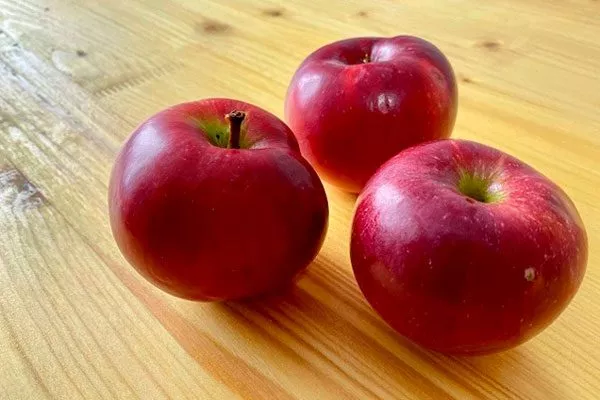
Distinguishing characteristics:
- fruits, reaching a weight of approximately 150 g, have a conical, slightly asymmetrical shape and pronounced ribbing;
- the skin is greenish-yellow in color, abundantly covered with a red blush;
- The flesh is of medium density, with a delicate texture, fine grain and juiciness.
- the taste of the fruit combines a sweet and sour balance without a pronounced aroma;
The variety is famous for its consistently high yields, with fruiting occurring every year.
Orpheus Apple
This variety, ripening in late September, is a versatile early winter apple tree. Key features:
- The tree is characterized by moderate growth and forms a rounded crown of medium density.
- The apples have an oblong-conical shape, an attractive appearance and a large size, reaching a weight of 290 g. The main color of the fruit is greenish-yellow, with most of the surface covered with a raspberry blush.
- The flesh is creamy, moderately firm, fine-grained, and juicy. The flavor is characterized by a sweet-sour balance and a delicate aroma.
- Fruiting is stable, with high yields every year. The apples store well for a long time.
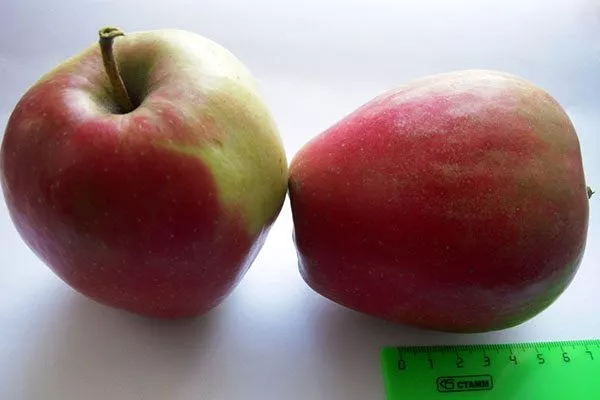
The variety is resistant to scab and powdery mildew, and exhibits good drought and frost tolerance. When using the M9 rootstock, fruiting begins as early as the second year after planting.
Pink Pearl Apple
This American variety, bearing unusual fruit, ripens in the middle of the first month of autumn. The tree, reaching approximately 3 meters in height, is considered medium-sized. During flowering, it attracts attention with its bright pink flowers, giving it a particularly decorative appearance.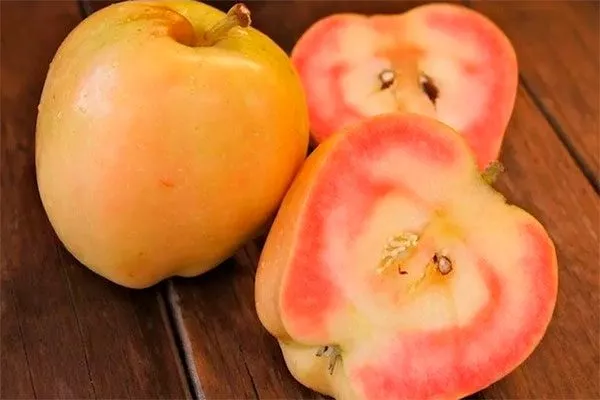
Description of fruits:
- They are distinguished by their rather large size, their weight fluctuates between 170 and 220 g;
- the skin is translucent, has a rich yellow color with a slight greenish tint and is strewn with small white dots;
- the flesh is red-pink in color, characterized by juiciness and a crispy texture;
- The taste combines tartness and sweetness, with noticeable nuances of raspberry and grapefruit.
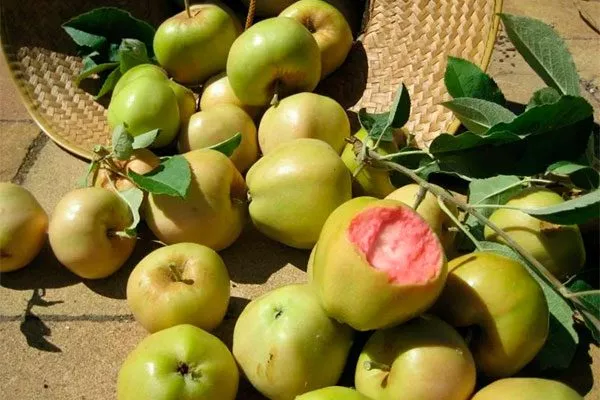
The yield can reach 120 kg per tree. This variety is self-sterile, so it requires a pollinator—another plant with a similar flowering period—to bear fruit. Fruiting begins 3-4 years after planting.
Festive Apple
This autumn apple variety reaches maturity in mid-September. The trees are characterized by moderate growth and a crown resembling an inverted pyramid.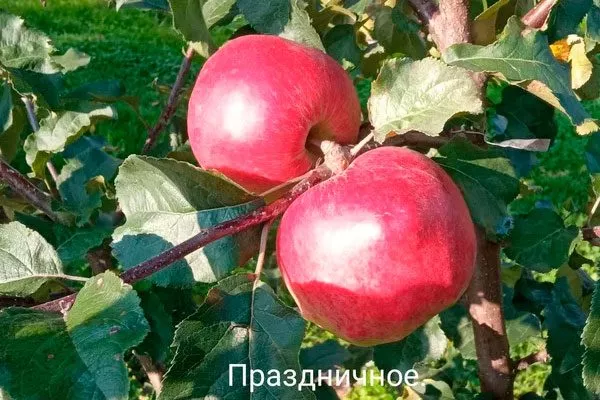
The apples are flattened and rounded, weighing approximately 240 g on average. The skin is smooth, with a greenish-yellow hue and a distinct red blush. The flesh is white, medium-firm, and has a harmonious sweet and sour flavor.
Apple Red Katty
This winter variety, originally from Canada, has only recently been cultivated in Russia. It is prized for its combination of aesthetic appeal and high yield.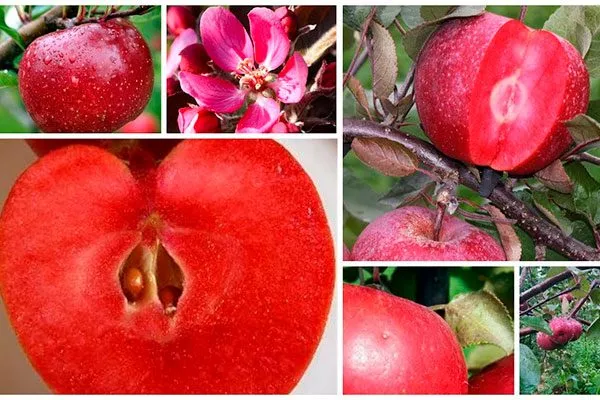
Features and specifications:
- The tree is small in stature, typically no taller than 3 meters, and has a compact crown. During flowering, the apple tree delights with its rich crimson blossoms.
- The apples have a flat-round, uniform shape, a bright red color and an impressive size – weight ranges from 150 to 200 g.
- The flesh is juicy, moderately firm, and pinkish-red in color. The apples' flavor is sweet with a subtle tartness and a hint of tartness, complemented by the aroma of wild berries.
Fruiting is abundant and regular; the first apples can be expected as early as 2-3 years after planting. The plant exhibits good frost resistance and is highly resistant to common diseases and pests.
Apple Rose
This late-season apple variety is ideal for regions with frosty winters and warm summers. It is characterized by high resistance to scab and powdery mildew, as well as excellent frost tolerance, allowing it to withstand spring frosts.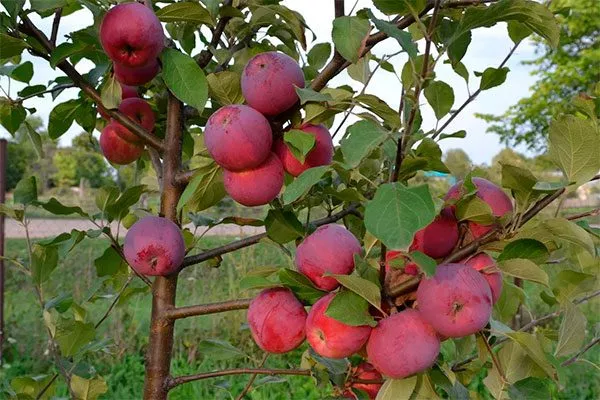
Botanical description:
- The tree reaches an average height of about 2 m, has a rounded crown of medium density.
- The fruits are attractive, round, and weigh 70-90 g. The skin is golden-yellow with a distinct scarlet blush. The flesh is creamy, fine-grained, and very juicy.
- The taste is balanced, sweet and sour, with a light aroma.
- Fruiting is stable and annual; from 70 to 110 kg of apples are harvested from one tree per season.
Harvesting begins in late August. The harvested apples retain their quality well for a month.
Turgenev's apple
This new Russian-bred apple variety is an early winter variety. Detailed description and characteristics:
- The trees reach medium sizes, forming a rounded crown of moderate height.
- The apples have a slightly conical, flattened shape with slight ribbing and slight asymmetry, and weigh about 180 g.
- The main colour of the fruit is greenish-yellow, with a pronounced blush covering half the surface and noticeable subcutaneous dots.
- The pulp is characterized by a greenish tint, dense structure and high juiciness.
- The taste of apples is sweet and sour with a light aroma.
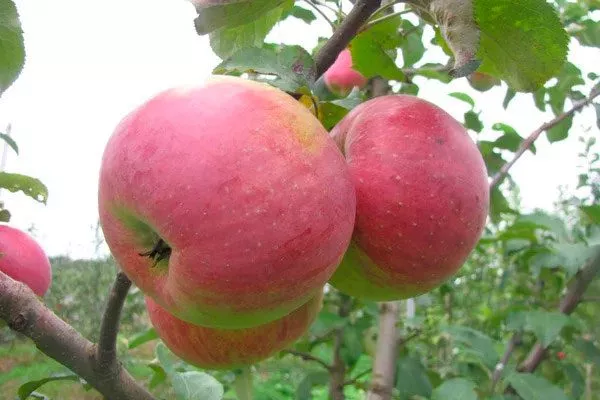
This variety is highly productive: a young tree can yield approximately 20 kg of apples. Fruiting occurs regularly. The plant is highly resistant to frost, drought, and heat, and has relatively good immunity to common diseases such as scab and powdery mildew.
Black Diamond Apple
The variety was presumably developed in New Zealand, and then its cultivation continued in the highlands of Tibet. It is currently cultivated in other regions as well, and has recently appeared in Russia.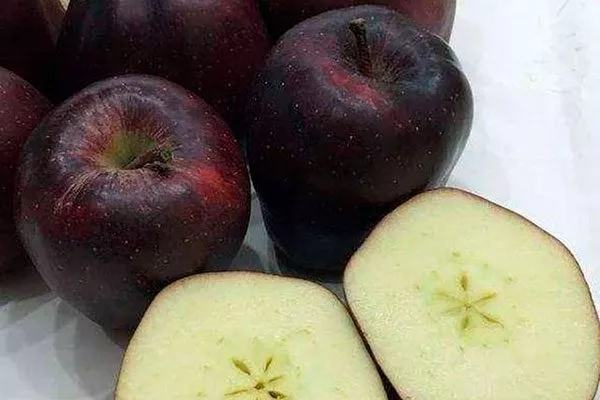
The tree is of medium height, typically reaching 2.5-3.5 m in height. The oval-shaped crown droops with age. The root system is developed and robust.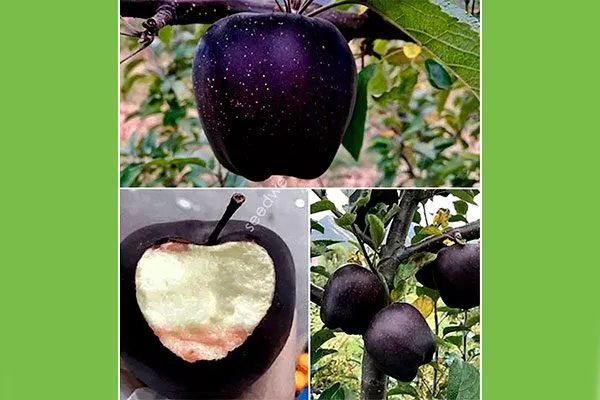
The variety's main characteristic is its dark purple, round-conical fruits, weighing approximately 250 g. The flavor is balanced, sweet and sour. The flesh is snow-white, juicy, with a fine-grained texture and a distinct aroma.
Rainbow Apple
It owes its name to its unusual coloring. This fruit is distinguished by its juicy and intense colors, which can range from orange tones to violet hues.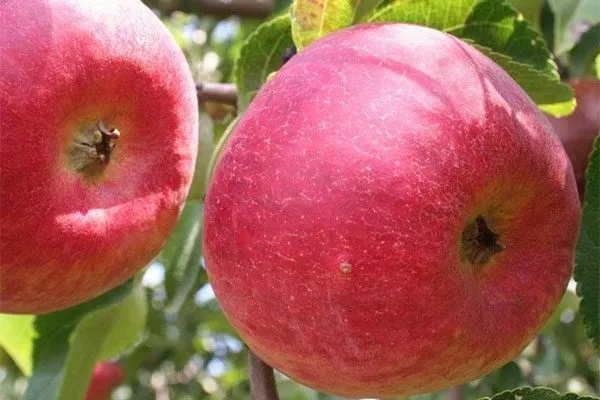
With its attractive aroma and sweet taste, it has found wide culinary uses. This fruit is very popular in many parts of the world.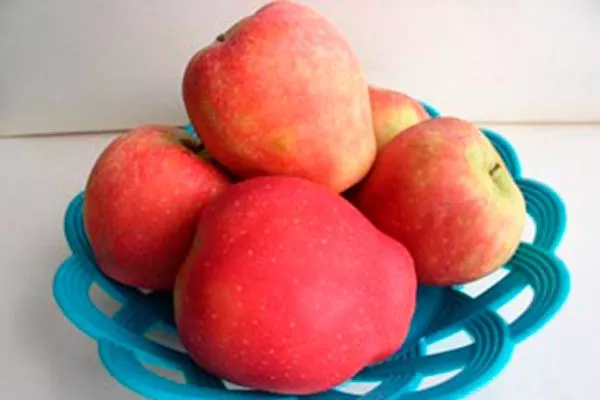
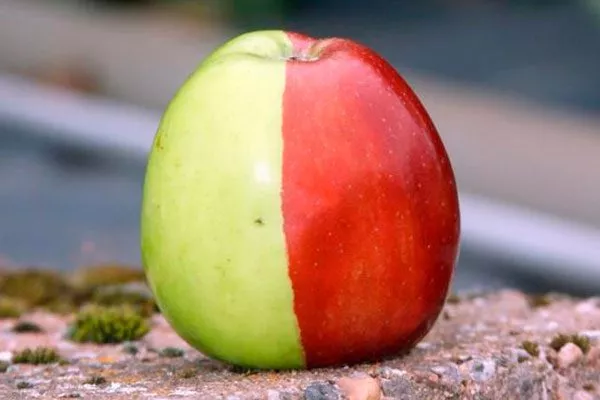
Half apple
Ken Morrish, a farmer with over sixty years of experience, witnessed a rare phenomenon in his apple orchard. Among his Golden Delicious apple trees, a unique apple with an unusual coloring—its halves were different colors.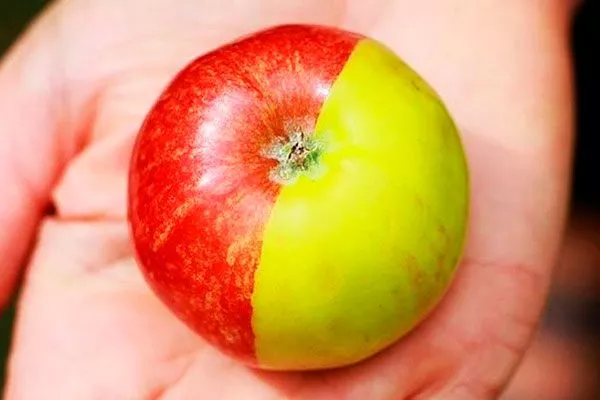
Ruby Apples
This large tree reaches 5-8 m in height, with a broad, rounded crown. The leaves are dark green, medium-sized, and elongated.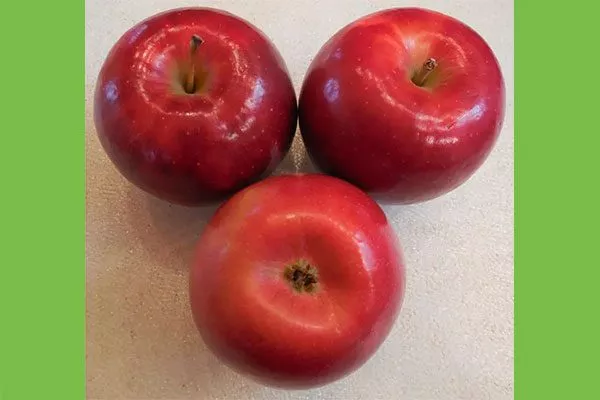
The most characteristic feature of this variety is its fruits:
- The apples acquire a yellow hue, covered with a rich, dark red blush that dominates most of the surface. The fruits are round in shape.
- The weight of one apple ranges from 200 to 400 g. The dense skin ensures good transportability and a long shelf life, distinguishing this variety from others.
- The flesh is creamy, juicy and of moderate density.
- The taste of the apples is harmonious, combining sweetness with a pleasant sourness.
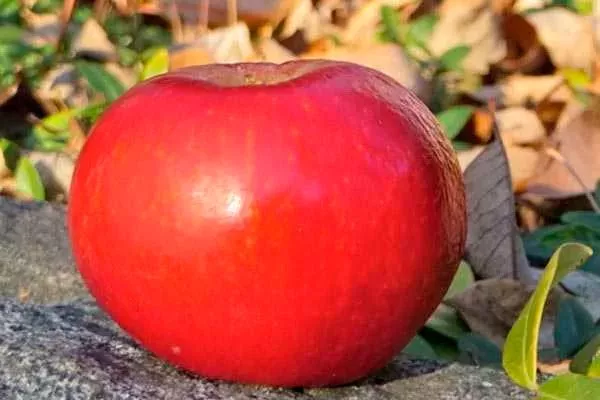
Harvest occurs at the end of September (second to third decade). The variety is characterized by high productivity.
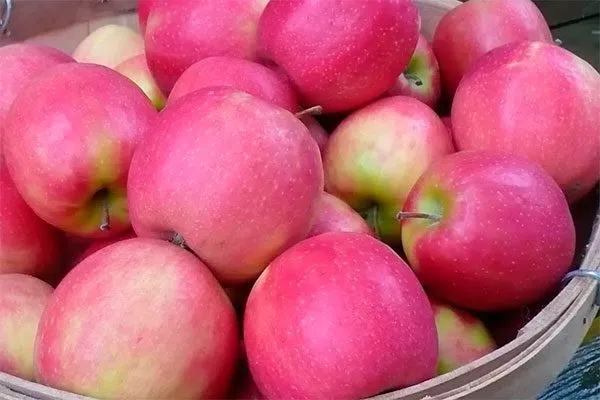
Pink Lady
A sought-after commercial apple variety native to Australia. Key features:
- Young trees have a conical crown, which with age becomes broadly rounded and densely branched, requiring regular thinning pruning to prevent overcrowding.
- The apples are predominantly large, reaching a weight of up to 220 g, with an average of about 205 g.
- The fruits have an attractive appearance: round-conical shape, sometimes with asymmetry.
- The skin is dense, shiny, and has a light waxy coating. The base color is greenish-yellow, with a blush ranging from light pink to red, covering up to 60% of the surface.
- The flesh is creamy, dense, very juicy, and darkens quickly when cut. The taste is sweet and sour, pleasant.
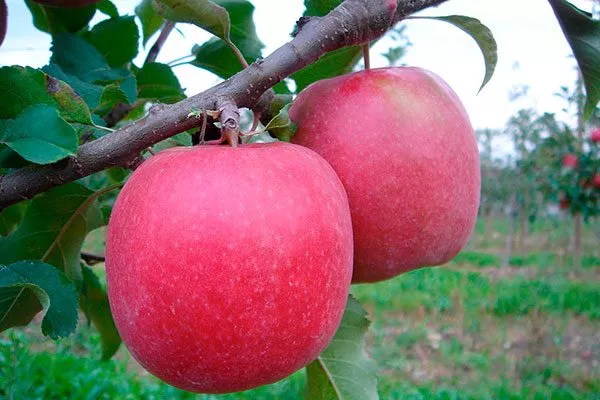
Exotic apple varieties can surprise even the most discerning fruit connoisseurs. They can be found in private gardeners, specialized nurseries, or farmers' markets, and in some cases, even ordered from abroad. They make a stunning addition to any holiday table, a unique gift, and an interesting ingredient for desserts, salads, or homemade preserves.