
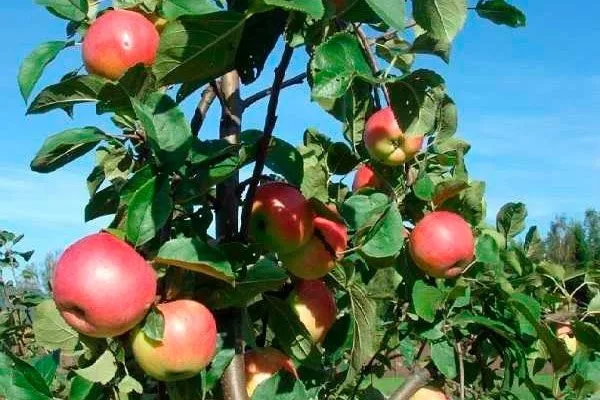
The late-harvesting Solnyshko apple tree is deservedly popular among gardening enthusiasts. This variety has become a true garden jewel, thanks to its vibrant yellow-orange fruits hanging from the branches of its compact tree. Requiring little effort to produce a bountiful harvest, it is also widely used in commercial gardening.
History of appearance
Solnyshko is an apple miracle, the result of accidental hybridization. The seedling was discovered in the early 1980s in a collection park and attracted the attention of researchers from the Research Institute for Fruit Crop Breeding.
The process of stabilizing the varietal characteristics took a long time, and in 1997 the institute applied for official registration of the variety. After four long years of testing, in 2001 the Solnyshko apple tree was registered in the State Register of Breeding Achievements of Russia.
The leaders of the group that developed this variety were breeders Sedlov, Zhdanov, Dolmatov and Serova.
Description of the Sun apple tree
For gardeners with limited space, the Solnyshko variety is an ideal choice thanks to its compact size. It's ideal even for plots as small as 600 square meters.
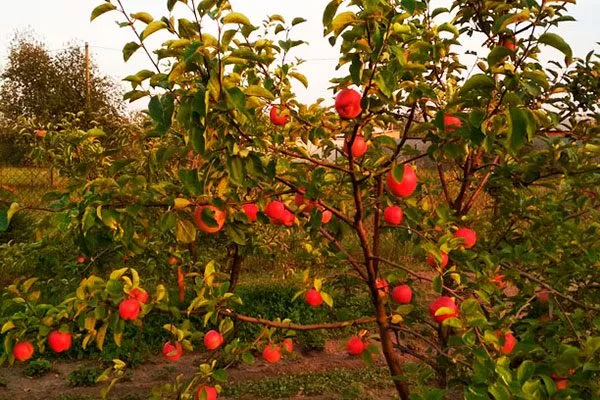
The appearance of the tree
The variety description includes the following characteristics:
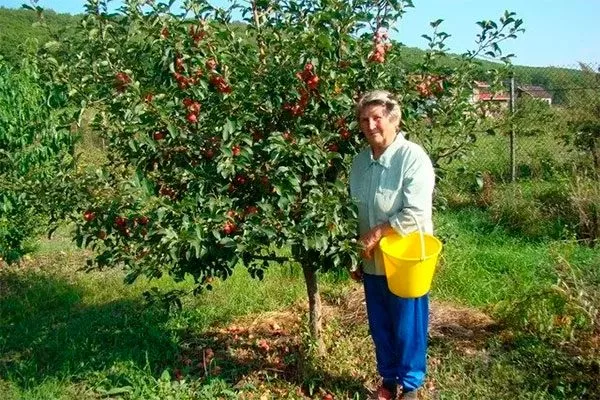
- tree height fluctuates between 250 and 300 cm, and the crown is rounded in shape with moderate compaction;
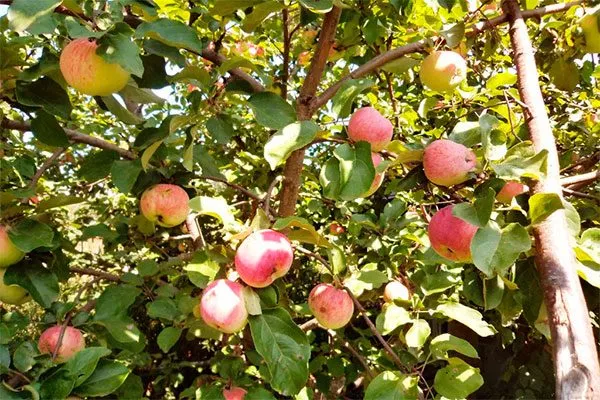
- leaves medium-sized, ovoid, have the following features:
- the tip of the leaf is shortened and pointed, with rounded edges;
- leaf blades are green in color with a glossy texture;
- surface venation is rough;
- There is serration along the edges of the plates;
- located on short, thick and fluffy petioles.
- shoots dense and geniculate, covered with pubescence, internodes are short, branches form arcuate bends, in cross-section they have a rough structure, and their color is brown;
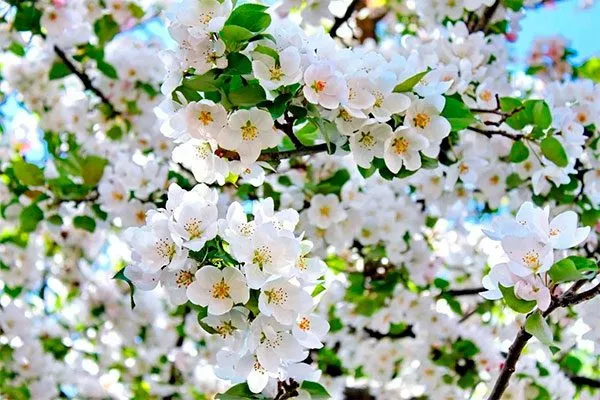
- flowers They resemble saucers, are medium in size, and the color of the inflorescences is light pink, the petals are slightly folded, they are round in shape.
Description of fruits
This apple variety has universal properties and can be used for various purposes: fresh, canned, and made into juices.
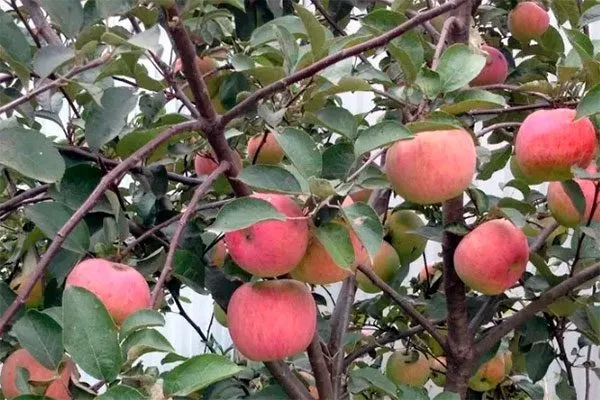
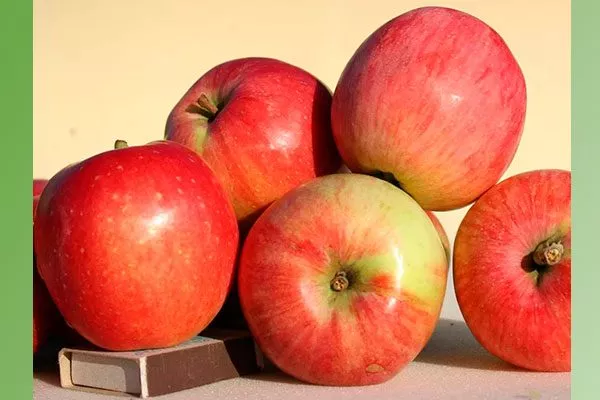
Key characteristics of the fruit include:
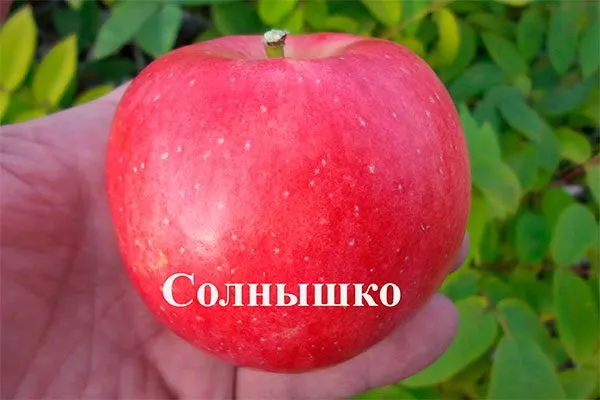
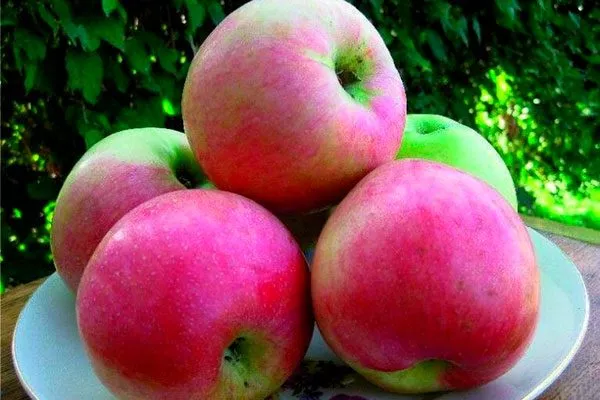
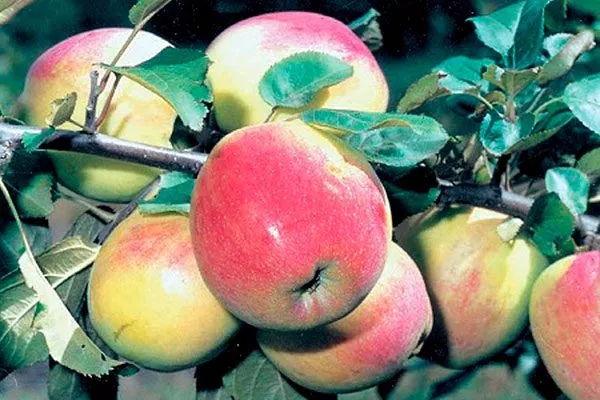
- color – light yellow, cover – rich crimson blush, spreading over the entire surface;
- the shape of the apples is oblong and slightly beveled, with noticeable ribbing;
- the fruit size is average, and the weight ranges from 140 to 200 g;
- the skin has a smooth and oily texture, and the subcutaneous dots are numerous, large and expressive;
- The flesh is white with a creamy tint, has a compact structure with a slight graininess and increased juiciness.
Characteristics of the Solnyshko apple variety
Experts prioritize the fruit's appearance over its flavor, giving it a 4.8 rating. Professional tasters awarded it a 4.3 out of 5, but many gardeners who have tried these apples believe their flavor deserves a higher rating.
Taste qualities
The aroma is typically apple-like and distinct. The taste is sweet, but not overly sugary, with a slight tartness that adds a refreshing element.
The chemical composition of 100 g of apple pulp contains:
- 7.9% sugar;
- 0.86% titratable acid;
- 7.2 mg ascorbic acid;
- 100 mg P-active compounds.
Features of ripening and fruiting
The tree begins to bloom around mid-May. The variety bears fruit relatively quickly, and the first apple harvest can be enjoyed as early as the sixth or seventh year. Peak productivity occurs between the seventh and twentieth years, while the tree can live up to thirty years.
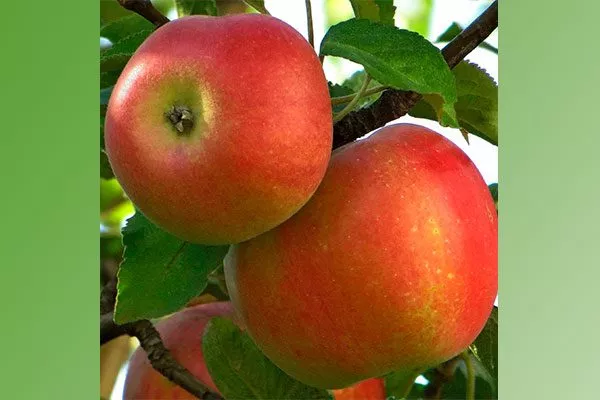
Fruit forms primarily on the rings. Fruiting peaks in late summer and lasts four to six weeks. Apples do not fall from the tree after ripening, ensuring a consistent harvest each year. Apple ripening time depends on the specific climatic conditions of the region.
Productivity
The Solnyshko apple tree's yield is quite impressive – a single mature tree can yield up to 150-200 kg of ripe apples per season. On a farm-scale, 100 to 120 centners of this fruit are harvested per hectare.
During variety testing, the apple tree demonstrated an official yield of 128 centners per hectare, making it a benchmark for comparison, as the variety chosen as the control failed to achieve this result, yielding 85 centners per hectare less.
Frost resistance
Frost resistance is on par with the Antonovka variety, well-known in Russia. This hybrid can survive winters with temperatures down to -35-40 degrees Celsius, but only with dense snow cover.
During the first year after planting in open ground, the frost resistance of a young Solnyshko sapling is significantly lower than that of a mature tree. Therefore, special attention must be paid to covering the plant for the winter.
Pollinators of the Solnyshko apple tree
The apple tree is a self-sterile variety, meaning it cannot self-pollinate. Without pollinators, the fruit yield does not exceed 20-25%. To increase yield, it is recommended to plant nearby trees that will bloom at the same time as the Solnyshko:
- Antonovka ordinary;
- Orlik;
- Memory of a warrior;
- Imrus;
- Moscow pear.
Growing regions
Officially, this variety is recommended for cultivation only in the North Caucasus. However, gardeners' reviews indicate that it adapts well to cooler and colder climates, including Russia's temperate zone.
The apple tree is popular among gardeners in the former Soviet republics. It has become established in Ukraine, Belarus, Moldova, and Kazakhstan.
Subspecies
The Solnyshko apple tree is grown on various rootstocks and has a subspecies (as many believe), so the characteristics of the variety may vary:
- Dwarf and semi-dwarf form. When using these rootstocks, the 134 and 3-17-38 varieties are used, respectively, making them suitable for intensive commercial orchards. Fruiting begins as early as the third or fourth year after planting, and the tree reaches a height of 150-220 cm.

- Orlovskoye. Apple varieties genetically resistant to scab, developed through breeding at the All-Russian Research Institute of Apple Crops, are classified as Orlov apple varieties. Therefore, when people talk about the Orlovskoye Solnyshko variety, they mean Solnyshko, as they are the same variety.
Peculiarities of cultivating the variety in different regions
The Solnyshko apple variety has successfully adapted to the conditions of the Central and Volga Federal Districts. In other regions of Russia, cultivation requires no special conditions, but there are several important factors that must be taken into account to achieve high yields:
- In the Moscow region, Where the climate is similar to that of the Central Federal District, standard recommendations for planting and caring for apple trees of this variety can be followed. Solnyshko thrives and produces fruit very well in this region.
- In the Leningrad region, Where this variety has not been officially zoned, cultivation requires special attention to drainage issues, since the climate here is more humid and the amount of precipitation is significantly higher than in the central regions.
- In the Urals, In areas where fruit crops are common, Solnyshko does not yet have official regionalized status. However, thanks to its high frost and scab resistance, growing it here also doesn't require any special conditions.
Planting the Sun apple tree
Any soil type, except for excessively clayey soil, is suitable for planting seedlings, but the site must be carefully prepared. Clear the soil of weeds, dig over it, and level the surface to improve aeration. After this, enrich the soil with fertilizer and water it.
It's important that the location be well-lit and well-distanced from water sources. Trees can tolerate wet weather, but they need protection from strong winds.
How to choose a healthy seedling?
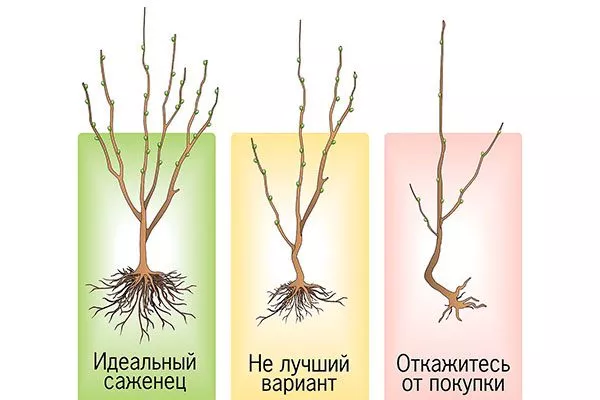
The most suitable seedling for planting is a two-year-old shoot with a well-developed fibrous “beard” on the root and no damage.
The barrel must be:
- one color;
- with smooth and shiny bark;
- no signs of disease.
Planting dates
The best time to plant an apple tree is early May, after frost has passed and the snow has completely melted. If the soil hasn't thawed yet, wait a few days.
Fall planting is also possible, but only before the onset of permanent cold weather, which usually occurs in the first months of autumn. Keep in mind that at least three weeks should remain before frost.
Technology and schemes
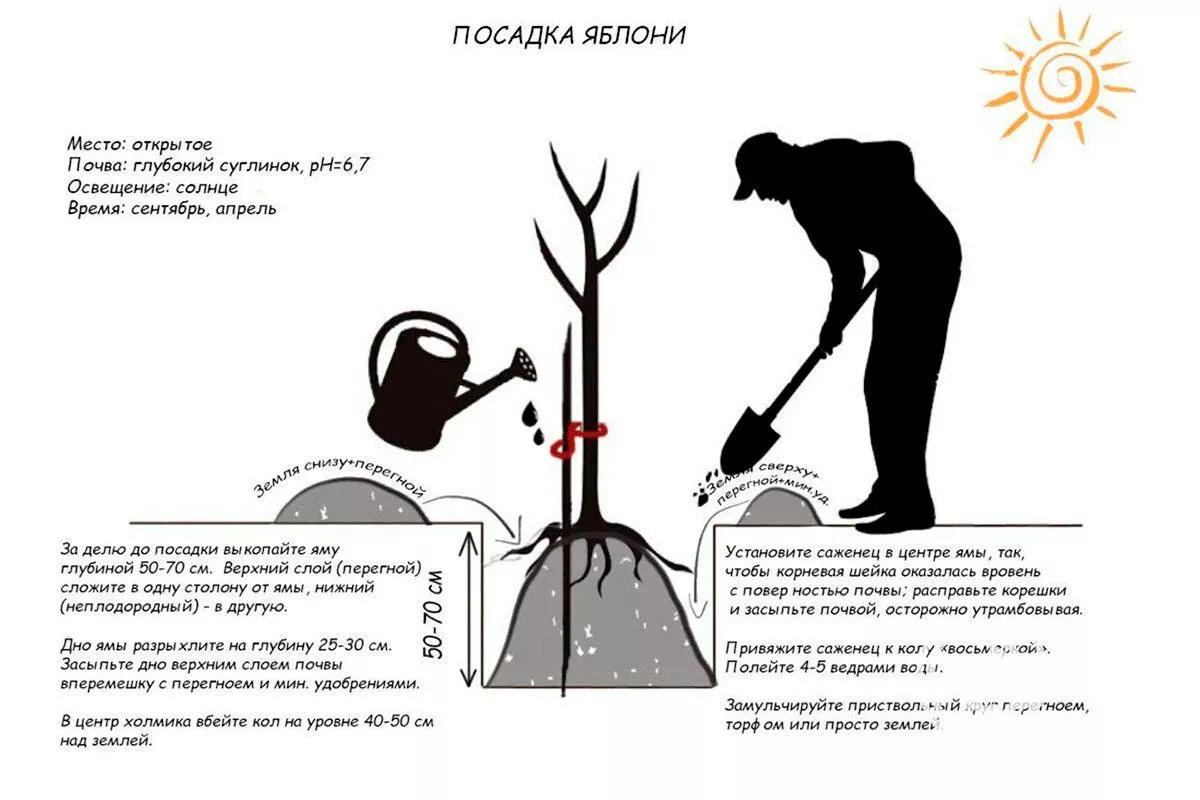
To prepare the soil for planting an apple tree, you need to dig a hole in advance. It should be 60-70 cm deep and 60 to 80 cm in diameter.
What to do next:
- the top layer of soil, 20 cm thick, is thrown to one side, and the bottom layer to the opposite side;
- Crushed bricks and wood waste are placed in the pit at the base to create a drainage system;
- the top layer of soil is mixed with rotted manure in a ratio of 3:1, ash and mineral preparations are added;
- then this mixture is poured into the hole up to the middle and left for 2-3 weeks to soak and infuse.
Before planting an apple tree seedling, soak it in water with 200 ml of manure infusion added for 3 hours to saturate the roots. Then begins the actual planting process:
- Form a mound in the hole.
- After the roots are saturated with nutrient liquid, carefully place the seedling on the mound.
- Install a supporting structure next to the young tree to tie up the trunk.
- Fill the hole with the remaining soil, compacting it gently. A root collar position 4-5 cm above the soil level is considered optimal.
- Fix the trunk to the support and fill the hole with water.
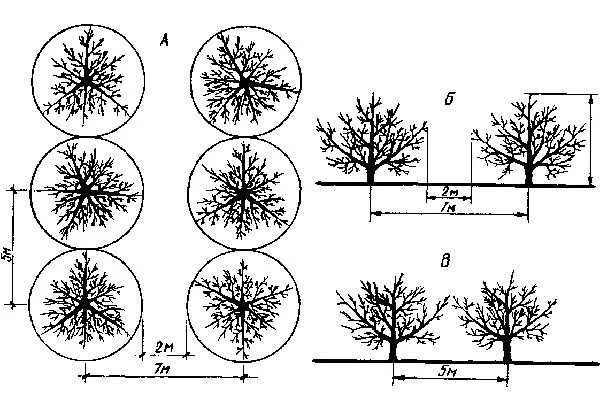
When growing this variety, it is necessary to maintain a certain distance between trees: for the usual growing method - 4-6 m, and for the dwarf rootstock - 2-3 m.
Agricultural technology
To ensure a bountiful harvest in the future, an apple tree needs to be carefully maintained: regularly moisten the soil, loosen it, apply fertilizer, prune, monitor crown density and fruiting, and protect the plant from diseases and pests.
Watering and fertilizing
First of all, it's important to provide the apple tree with the optimal amount of water. Avoid overwatering the soil, even if it's light and loose, especially in the fall. Trees cope better with drought than with excess water. When the soil becomes too wet, the tree roots cannot function properly, resulting in a reduced yield.
Some nuances:
- During periods without rain, young trees need to be watered every 10-12 days, and during particularly high temperatures – every 5-7 days;
- in adulthood, it is enough to add water once a month;
- if precipitation falls regularly, it is enough to just loosen the soil periodically;
- To prevent excess moisture, it is recommended to create a ditch to drain excess water.
Soil care will help the seedling develop healthily. Periodically loosen the soil around the trunk and remove weeds to ensure the plant's roots receive sufficient oxygen, especially after rainfall and watering.
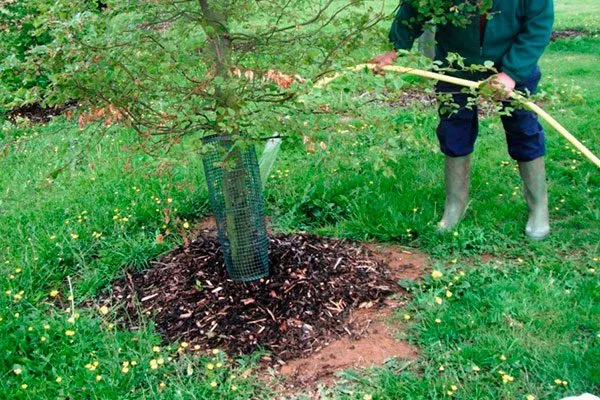
Fertilizers are applied every spring, and in the year of planting, immediately after planting. Peat, humus, and wood ash, as well as nitrogen, phosphorus, and organic mixtures, can be used.
Pruning and crown shaping
Crown shaping on trees requires special attention. Early in the life cycle of a young tree, primary pruning is recommended to stimulate the emergence of lateral shoots, which will then grow vigorously. In this case, the seedling is shortened by a third of its original height.
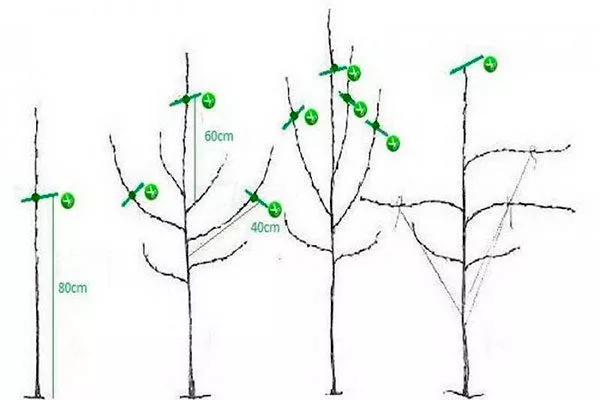
Other features:
- To ensure harmonious development of the crown, carry out regular sanitary pruning every spring season, removing old branches and twigs that hinder growth.
- Additionally, as the fruit ripens, it's important to remove any excess apples, as well as any malformed or damaged fruits, from each bunch. This will help ensure a high-quality harvest.
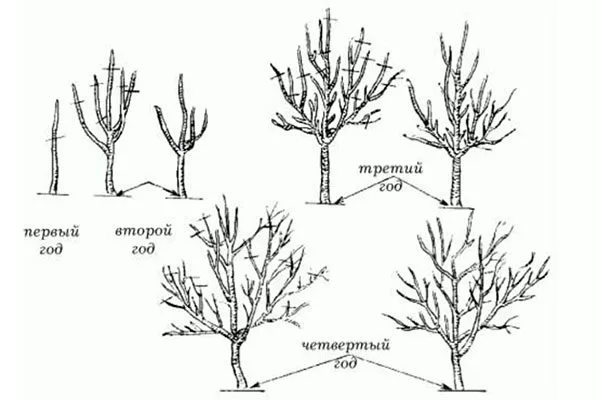
- Later, carry out crown pruning twice a year for different purposes: in the spring to ensure optimal conditions for fruit ripening and protection from pests and diseases, and in the fall to clear the crown of damaged branches that may have broken during harvesting.
Diseases and pests
The Solnyshko variety is resistant to scab, making it superior to other varieties in this regard. However, regular monitoring of the trees and preventative measures against diseases and insect pests are extremely important.
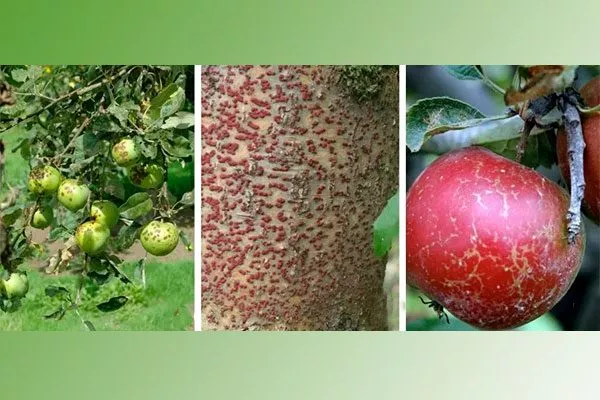
Proper seasonal tree care alone will improve tree health, but insecticides are essential, especially if infested trees are found on your property or a neighboring property. Insecticides should be applied before bud break.
The main enemies of the garden—codling moth, red spider mite, aphids, blossom beetles, psyllids, and leafhoppers—can be controlled by spraying trees with solutions of malathion, chlorophos, or ash. Fumigating apple trees and treating them with a solution of tomato leaves can also be effective methods of controlling pests, including psyllids.
Shelter for the winter
The Solnyshko tree is renowned for its resistance to low temperatures, but to protect young trees, it's recommended to create a protective layer of manure up to 15 cm high around their base. It's also advisable to treat the crowns with a superphosphate solution of 25-30 g per 1 liter of water.
Before the first winter period, prepare more thoroughly for protection, which includes the use of thermal insulation materials, such as specialized covers or huts made from covering materials.
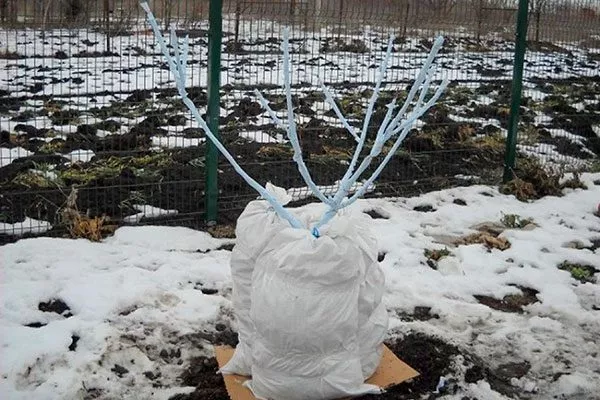
The mature Solnyshko apple tree is sufficiently frost-resistant, meaning that simply cleaning the area around the trunk of debris, renewing the mulch layer, and treating the trunk with a special whitewash is all that's needed.
Collection and storage periods
To keep apples fresh for a long time, follow these practical tips from gardening experts:
- collect fruits in good, dry and warm weather so that you don’t have to dry them;
- handle them carefully - take the apple in your palm, gently twist it on the branch so that it bounces off, but do not tear off the stem;
- For storing apples, use shallow wooden boxes;
- Before placing the fruit in, be sure to wash and dry it thoroughly;
- arrange the harvest in several layers, but no more than two or three in a box;
- To separate fruits from each other, you can use special dividers;
- each apple can be wrapped in paper;
- should be stored in a cool place, such as a well-ventilated barn or cellar.
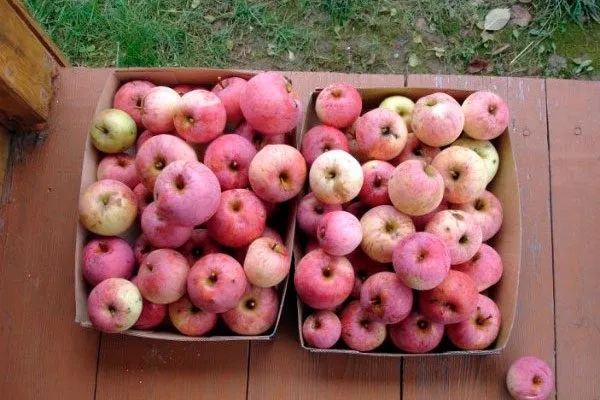
The minimum shelf life of the Solnyshko variety is 2.5-3 months. However, if stored in ideal conditions, this period can be extended until the end of winter.
The key conditions for this are:
- temperature from 5 to 8°C;
- air humidity within 75-80%;
- effective ventilation;
- no direct sunlight.
Pros and cons
The tree growth and appearance of Solnyshko apples may vary slightly depending on their category: dwarf, semi-dwarf, etc. However, they are all excellent for various types of home canning and retain their pleasant tart flavor after cooking.
Reviews
Solnyshko is a winter or late-autumn variety. Its positive characteristics, as well as the balance of flavor and attractive fruit appearance, make this variety profitable not only for gardening enthusiasts but also for professional farmers.