
Slava Vysotsin is an apple tree with high potential for cultivation in both private and commercial gardens. It combines frost resistance, stable yields, and an attractive appearance. The fruits boast excellent flavor, beautiful color, and good shelf life. Regular care ensures positive results and boosts immunity.
Breeding history and regions of approval
Created in 1928, it remains the benchmark for mid- to early-ripening trees. It is cultivated commercially throughout Russia and the former Soviet Union. The variety originates from the village of Mliev (Gorodishchensky District), located in what was then Soviet Ukraine.
The authors were P. E. Tsekhmistrenko and L. M. Ro, who crossed the winter Canadian variety Mackintosh with the early European Papirovka. State testing of the apple tree began in 1948. In 1954, Slava Pobeditelyam was included in the Ukrainian Register of Breeding Achievements, and in 1975, in the State Register of the Russian Federation.
In Ukraine, the variety is successfully cultivated in Polesia, the forest-steppe, and steppe zones, and in Russia, in the Central Black Earth and North Caucasus regions, as well as the Lower Volga region. The variety is adapted to most industrial horticultural zones of the former USSR.
Description and characteristics of the variety
The Slava Pobeditelyam apple tree has stood the test of time and remains in demand today. It is one of the best early-ripening varieties, suitable for large-scale cultivation.
What does a tree look like?
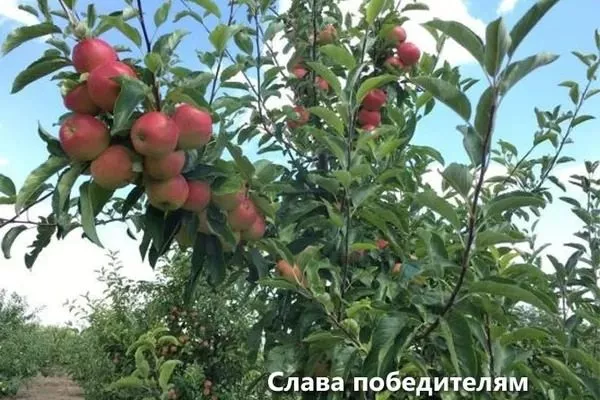
The plant is tall, reaching up to 4-5 m in height. Its distinctive characteristics include:
- crown – at first it has a broad pyramidal shape, and with age it becomes highly oval or round;
- main branches – depart from the trunk at a right angle and are directed upwards;
- lateral shoots – straight, brown, densely covered with small lenticels, covered with rings and fruit twigs;
- leaves - round, medium-sized, with short, pointed ends, light green in color with a slight yellowish tint, and their surface is almost smooth, with fine pubescence, flat and finely wrinkled.
Features of fruits, taste and application
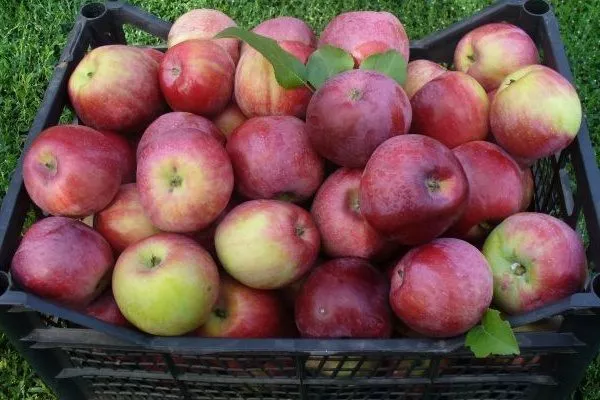
Apples of this variety are primarily used for juice processing due to their high sugar content (up to 15%) and rich aroma. When picked, the fruits are light green with a diffuse, uniform red blush covering the entire fruit.
Other characteristics of the fruit:
- form - oblong-rounded or rounded, sometimes with a slight conical narrowing at the apex, with a possible barely noticeable rib;
- weight - on average it is about 160 g;
- skin – smooth, with a light waxy coating;
- subcutaneous points – numerous, light, with corky centers;
- pulp – creamy white, very juicy, tender and aromatic, with a harmonious sweet and sour taste.
Apples store well for more than three months. However, they are prone to shedding, but only once they reach full ripeness.
Resistance to frost and diseases
The plant is characterized by good frost resistance, but winter preparation remains necessary. Mulching the tree's trunk area with humus or peat is recommended—this helps protect the roots from freezing and simultaneously improves soil nutrition.
The variety has moderate resistance to scab and, in some years, can be affected by other diseases, including fruit rot, powdery mildew, cytosporosis, and milky shine. With regular preventative measures, these diseases can be successfully avoided.
Self-fertility and pollinators
Slava Pobeditelyam is not self-fertile, like most older varieties, so pollinators are required to produce a harvest. It is recommended to plant them no further than 40 meters from the tree.
Suitable pollinator varieties:
- Melba;
- Borovinka;
- Vadimovka;
- Antonovka.
Additionally, you can attract bees to the garden, which will promote better pollination and increase productivity.
Ripening and fruiting of the Glory of the victors
This plant attracts the attention of both experienced gardeners and novice gardeners. Key characteristics:
- Beginning of fruiting. In southern regions, the variety bears fruit early—the first apples can be enjoyed as early as the 4th or 5th year after planting. In colder climates, fruiting may be delayed, but even in the north, the tree will inevitably begin bearing fruit by the 7th or 8th year.
- Bloom. Apple tree buds open in mid-May, but in northern regions the process may shift to the end of the month. The tree blooms for 10-14 days. During this time, pollination is provided by bees and wind. The large, delicate pink, fragrant, saucer-shaped flowers densely cover the branches and give the tree a decorative appearance.
- Fruiting and growth. The tree grows rapidly, reaching 35-50 cm annually, even in unfavorable weather conditions. Full fruiting occurs around the 10th to 12th year, when a single tree can yield 100 kg or more.
Productivity
The yield of the Slava Pobeditelyam variety depends largely on growing conditions. In regions with sufficient moisture, gardeners harvest up to 195 centners per hectare. In dry areas, yields are significantly lower.
When grown on dwarf or semi-dwarf rootstock, the variety is suitable for dense plantings and can yield up to 300 centners of apples per hectare. A single tree produces an average of 72 kg of fruit. A 10-year-old plant, with proper care, can yield up to 120 kg of fruit.
Landing rules
Proper tree planting lays the foundation for healthy growth and future productivity. The key is to adhere to certain requirements.
Selecting a seedling and timing
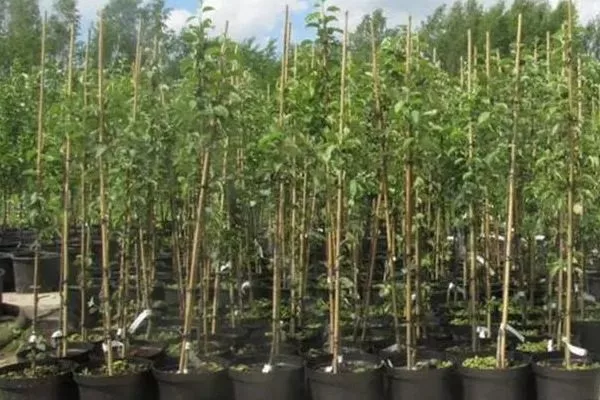
To ensure successful planting, consider a number of key factors when purchasing. The planting material must be suitable:
- ABOUToptimal age – 1 to 3 years. These trees take root well and begin to bear fruit in the coming years.
- Root system – Healthy, with no signs of rot or damage. Abundance of lateral roots is a good sign.
- Trunk and shoots – strong, even and developed, without mechanical damage.
- Leaves - green, without spots, holes or other signs of disease or pests.
It's a good idea to check with the seller about the seedling's origin and growing conditions. It's safest to purchase planting material from reputable nurseries.
Start planting the crop in the fall – 3-4 weeks before the first steady frost, in the spring – before the buds open.
Selecting and preparing a planting site
To ensure that the Slava Pobeditelyam apple tree grows healthy and bears fruit, it is important to create favorable conditions for it.
Follow the rules:
- distance between trees – not less than 6 m, which is due to the wide crown;
- landing site – sunny and protected from strong winds;
- size of the planting hole – 80×80 cm, it is advisable to prepare it a month before planting so that the soil has time to settle and structure;
- soil type – light loam or sandy loam with a high organic content.
The tree needs good moisture, but the groundwater must be deep.
If the site is sandy, dig a planting hole 50 cm wider than standard and carefully fill it with a nutrient-rich soil mixture, adding clay and peat for better water retention. If the soil is heavy clay, don't plant the tree in the hole; instead, form a mound of fertile soil and plant the apple tree in it.
Preparing the seedling
This is an important stage, determining the survival and subsequent development of the planting material. Follow these steps:
- Remove all damaged, dry or rotten roots with pruning shears.
- If the root system is overdried, soak the seedling for 8-12 hours in water or in a solution with Kornevin (1 g per 1 liter of water) to stimulate rooting.
- For bare-root plants, trim back the main roots by 2-3 cm to encourage lateral root growth.
- Soak the roots in a clay slurry (a mixture of clay, humus, and water until it reaches the consistency of sour cream). This will protect them from drying out and ensure contact with the soil.
- When transporting to the site, wrap the roots in a damp cloth or moss to retain moisture.
Landing technology
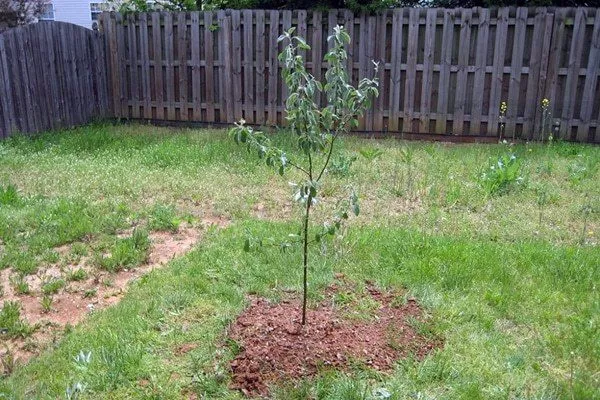
Proper apple tree planting will ensure full development and good fruit production. Follow this procedure:
- Drive a strong stake into the center of a pre-prepared and fertilized planting hole to secure the seedling.
- Form a small mound of fertile soil around it.
- Place the seedling and carefully spread out the roots. The grafting point should be 5 cm above ground level.
- Cover the roots with fertile soil mixture, lightly compacting the soil at the same time.
- After planting, water the soil generously (at least 10 liters of water) to eliminate air pockets.
- After the soil has settled, add the missing layer of soil.
- Finally, mulch the area around the tree trunk – this will retain moisture and help the seedling adapt more quickly.
Care
For the Slava Pobeditelyam variety, proper care is crucial; without it, the apples become smaller and lose their flavor and marketability. The key is to follow standard agricultural practices.
Loosening the soil, watering: proper agricultural technology
Regularly loosen the soil around the trunk—at least twice a year. This tree prefers light, well-aerated soil. During the season, it's recommended to hoe the soil after each application of water or fertilizer, while simultaneously removing weeds and excess vegetation.
Watering is equally important for this plant: the variety is not particularly drought-resistant. Mature trees should be watered 8 to 12 times per season, using 20-45 liters of water (in two doses – morning and evening). Young seedlings require weekly watering after planting, unless there is rainfall.
Pruning: simple crown shaping
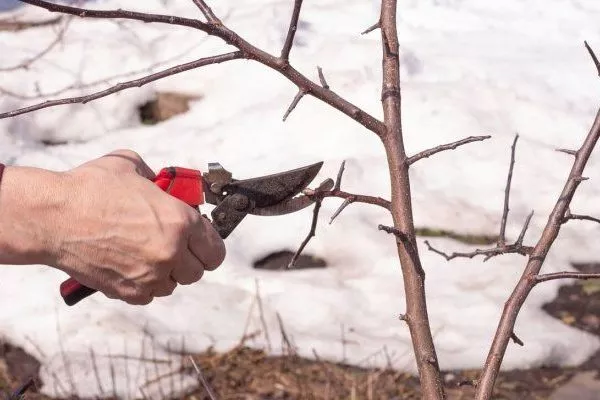
This variety's crown tends to become dense, so prune regularly—both in spring and fall. Start shaping the tree's basic structure in the first year after planting:
- shorten the central shoot by a third;
- Leave 2-3 skeletal branches located at different heights and in opposite directions.
In the future, stick to the chosen shape, removing all thickening shoots, especially those growing inward or straight up (the so-called water sprouts).
In the fall, perform sanitary pruning: remove dry, damaged, and diseased branches. Treat all cuts with garden pitch, drying oil, or a mulch to protect against infection. Rejuvenation pruning is not necessary until the tree is 18-20 years old.
Top dressing
Before fruiting, apple trees planted in properly prepared and fertilized holes require no additional nutrition. However, for stable growth and annual harvesting, nutrients become a mandatory part of care after the tree begins bearing fruit.
Feeding schedule:
- in spring (in April) - water the tree trunk circles with nitrogen fertilizers to stimulate growth - urea or nitrophoska;
- during flowering – apply potassium and phosphorus fertilizers, such as superphosphate or potassium sulfate, to support the formation of ovaries;
- during the period of fruit ripening – use green manure (herbal infusions) or ash solutions, which promote high-quality ripening of apples;
- after harvesting – Use potassium-phosphorus mixtures to help the current year's shoots mature.
For mature trees, a good solution is to add rotted manure to the tree trunk area before winter, but no more than once every 3-4 years. In the spring, you can incorporate the organic matter into the soil by shallow digging.
Shelter for the winter, protection from rodents
The further north the apple-growing region, the more thorough winter preparations should be. The main methods of protection are:
- wrapping the trunks with burlap, old tights, roofing felt, roofing felt or agrofibre;
- Insulation of the root zone with mats of grass or straw sheaves.
To prevent insects from overwintering in bark crevices, whitewash the trunks with lime to a height of 1-1.2 m. Treat the apple tree with fungicides and insecticides regularly. To protect against rodents, coat the trunks with melted animal fat or grease.
Prevention and protection from diseases and pests
The Slava Pobeditelyam apple tree variety has moderate resistance to fungal diseases. It exhibits good immunity, especially when preventative measures are taken several times per season.
But in rare cases the variety is subject to difficulties:
- Scab, powdery mildew and fruit rot. As a preventative measure, spray trees with copper-containing products, such as Bordeaux mixture, and chemicals such as Hom, Topaz, or Strobi. Apply this treatment when the buds are still unopened and when fruit sets appear.
- Cytosporosis. To prevent disease, regularly apply potassium and phosphorus fertilizers. Spray not only the green parts of the tree, but also the trunk and branches with copper sulfate or copper oxychloride.
Pest control:
- Thin the crown regularly to improve air circulation and reduce the risk of infection;
- Treat with biological preparations Baktofit or Fitoverm before and after flowering to combat leafhoppers, leaf rollers, aphids and mites;
- Dispose of plant debris, fallen leaves and collect mummified fruits.
Reproduction of the variety
There are several ways to increase the number of seedlings yourself. Gardeners recommend choosing the most convenient and optimal option.
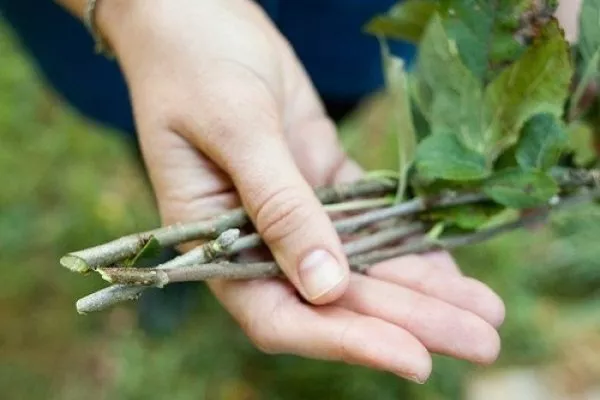
- With a cutting. Prepare the cuttings in February or March, on the day of grafting. Select shoots with 3-5 buds; the cut should be green-white, without yellowing. Remove leaves from the lower part of the cutting. The rootstock can be from either a mature or a young tree. When done correctly, the survival rate of the cuttings is approximately 80%.
- Layering. Plant a one-year-old tree in the area, bend its trunk toward the ground, and bury the new shoots. In the spring, cover them with soil, leaving about 50 cm above the soil surface. Once the layering has taken root, separate it from the main tree and provide regular care. After two years, transplant it to its permanent location.
- Sapling. Select two-year-old seedlings with a developed root system, approximately 1.5 m tall, and undamaged. Plant in both spring and fall. The distance between rows should be at least 4 m. The planting hole should be 70 cm in diameter and 1 m deep. Follow these steps:
- Mix the soil in the hole with compost (humus) and mineral fertilizers, filling it 1/3 full. Drive a wooden stake into the corner (on the north side).
- Place the seedling on the filled soil, spread the roots, and cover with the remaining soil. The grafting point should be 3-5 cm above ground level.
- Lightly compact the soil around the tree and add 10 liters of settled water. Then tie the seedling to a stake. Mulch the soil with peat or sawdust.
Harvesting and storage
Harvesting of the Slava Pobeditelyam apple variety begins in late summer in the southern regions and continues until mid-September in the northern regions. The shelf life of the fruit depends on climatic conditions:
- in the south – 15-30 days;
- in the northern regions – 1.5-2 months.
Pros and cons
Reviews
Slava Pobeditelyam remains one of the most popular varieties due to its low maintenance and excellent fruit quality. This apple tree is ideal for a variety of climates and requires little care. With proper disease protection and timely fertilization, you can count on a stable and delicious harvest.