
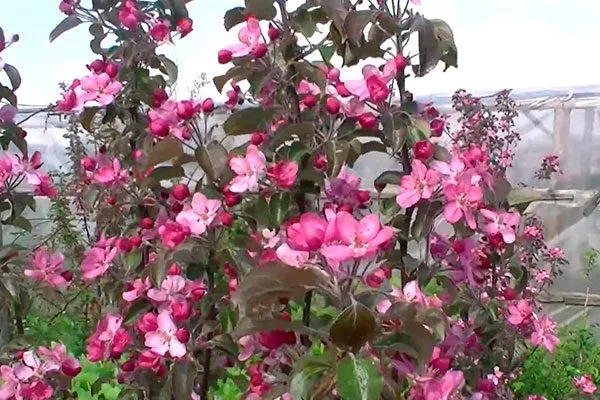
The Sirena apple tree attracts attention with its compact size and striking decorative appearance, thanks to the rich pink flowers adorning the tree. This summer variety is characterized by high yields, delicious, juicy fruits with a berry hue, and excellent frost resistance, making it suitable for growing in a wide range of climates.
Description of the variety and characteristics
This variety was developed by Swedish breeder Marcus Kobelt. This compact tree with a distinctive appearance fits well in any garden. Its vibrant flowers, which bloom each spring and make it a true garden ornament, add a special charm.
Distinguishing features:
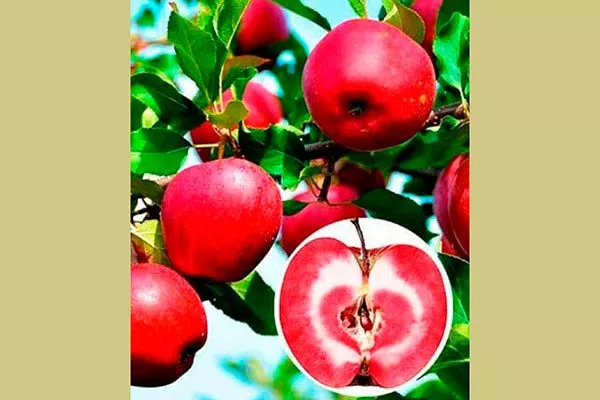
- The apples' skin is medium-thick, and the flesh is a scarlet-pink hue with white veins.
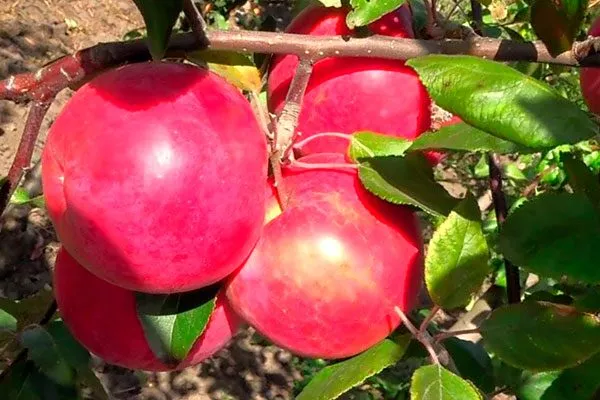
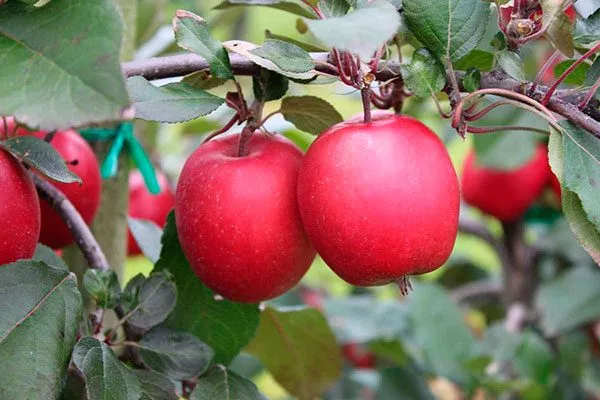
- The fruit weight varies from 120 to 150 g. They are juicy, sweet with a slight sourness, a crisp texture and a distinct berry aroma.

- The fruits ripen by the end of August - beginning of September.
- This variety is renowned for its good winter hardiness and can thrive in regions with harsh winters. The tree can withstand severe frosts and temperature fluctuations.
Pros and cons
Planting and growing conditions
Sirena prefers sunny, well-lit locations. It's important that the tree receives at least 6-8 hours of light per day, as this directly affects the flavor and color of the fruit. The site should be protected from strong winds, especially in regions with cold winters.
Basic requirements:
- Sandy loam or light loamy soil with good air and moisture permeability is best.
- Acidity is neutral or slightly acidic (pH 6-7). If the pH is too high, lime should be added.
- Groundwater should not come closer than 1.5 m to the surface - the roots do not tolerate stagnant moisture.
Prepare the area for planting:
- 2-3 weeks before planting, dig the area to a depth of 30-40 cm.
- Remove weeds and add organic matter – humus or compost (10-12 kg per 1 sq. m).
- If the soil is heavy, add sand and wood ash.
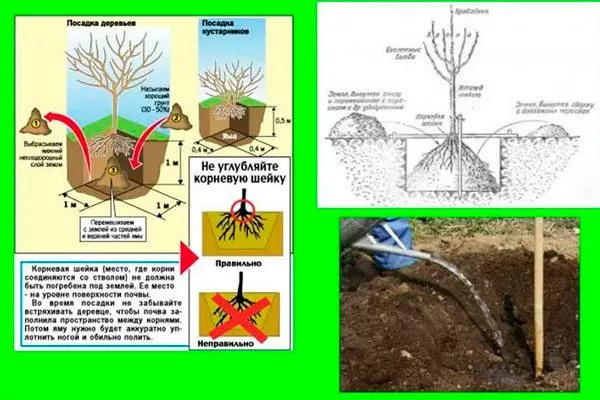
- Dig a planting hole measuring 60×60×60 cm.
Plant the plant at the most suitable time:
- spring - before bud break (April);
- autumn - 3-4 weeks before frost (late September-early October).
Step-by-step instructions:
- Place a drainage layer (crushed stone or broken brick) at the bottom of the hole. Form a mound of fertile soil mixed with 20 kg of humus or compost, 300 g of superphosphate, and 100 g of potassium sulfate. Add a little lime if necessary.
- Place the seedling on the mound, carefully spreading the roots. The root collar should be 3-5 cm above the soil level.
- Fill the hole with fertile soil and compact it lightly.
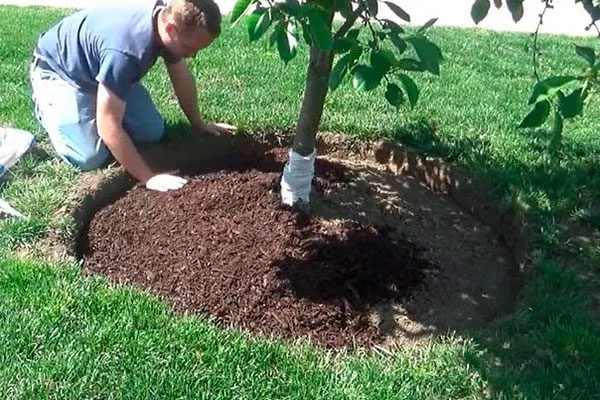
- Pour 20-30 liters of water under the roots. Mulch the area around the trunk with peat, dry grass, or humus.
- Place a stake nearby and secure the tree with a soft cloth to prevent wind damage.
The Siren variety is undemanding, but to obtain a stable harvest and maintain the tree's decorative appeal, it is important to follow basic agricultural practices.
Agricultural technology
Care includes a number of simple measures:
- Watering. Water young seedlings every 7-10 days, using 20-30 liters of water. Water mature trees 4-5 times per season: at bud break, before flowering, after flowering, during fruit ripening, and during autumn moisture recharge. Pour the water into the tree trunk circle, preferably along the furrows.
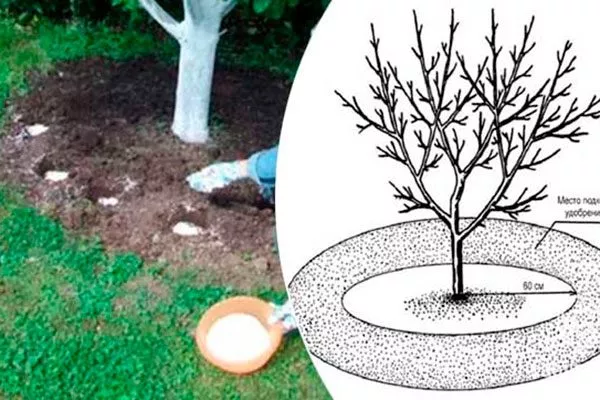
- Top dressing. In the second year, use nitrogen fertilizers (urea or mullein infusion) in the spring. Before flowering, apply complex fertilizers (nitroammophoska). After flowering, the tree requires a phosphorus-potassium supplement (superphosphate, potassium sulfate).
In the fall, apply ash or phosphorus-potassium fertilizer to the tree to prepare it for winter. Every 2-3 years, add organic matter (compost, humus) in the fall. - Trimming. In the spring, perform sanitary and formative pruning, removing damaged, dry, and crowded shoots. In the fall, prune weak, underdeveloped shoots and trim back new growth if necessary. Seal the cuts with garden pitch to prevent disease.
Despite its strong immunity, under unfavorable conditions or with improper care, Sirena can be susceptible to infections and insect attacks.
Possible problems:
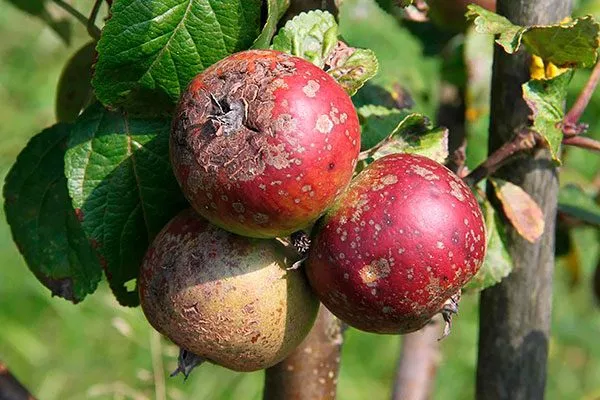
- Scab - Dark velvety spots on leaves and fruits. Treat the plant before and after flowering with Bordeaux mixture or Skor.
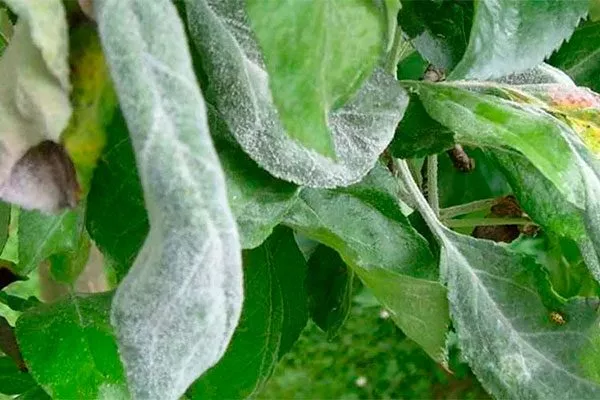
- Powdery mildew - White coating on leaves and shoots. Topaz or Thiovit Jet are effective.
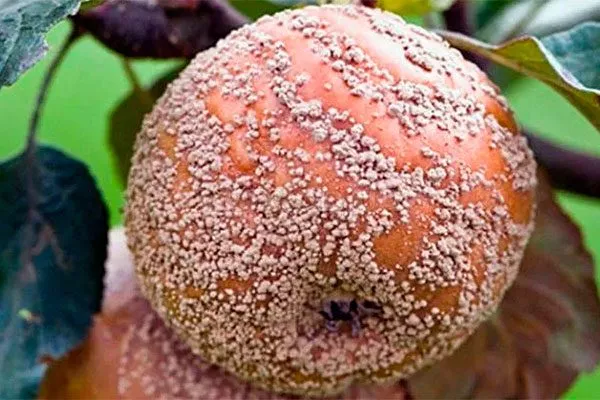
- Fruit rot (moniliosis) - Apple rot, spore spread. Spray with Horus, remove infected fruit.
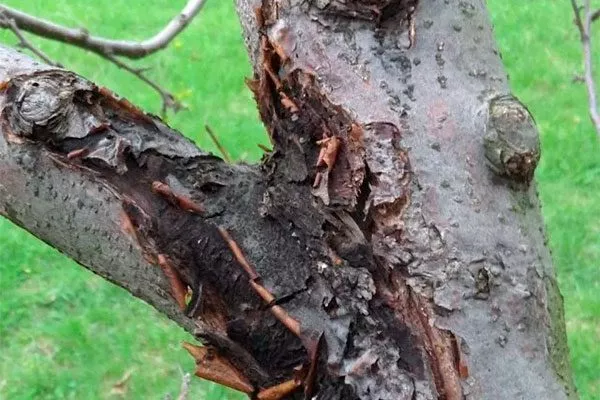
- Black cancer - Cracks in the bark, dark spots on branches. Cut off affected areas to healthy wood, apply copper sulfate, and seal with pitch.
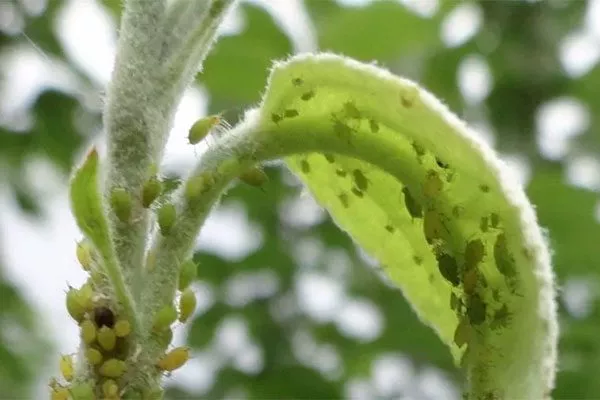
- Apple aphid - Curling of young leaves, sticky coating. Ash infusion with soap or Iskra and Fufanon will help.
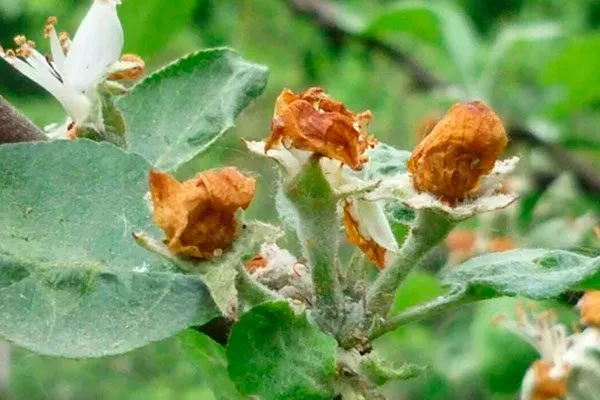
- Flower beetle – Damaged buds, lack of flowering. The best treatment is Karbofos (Carbophos) – before bud break.
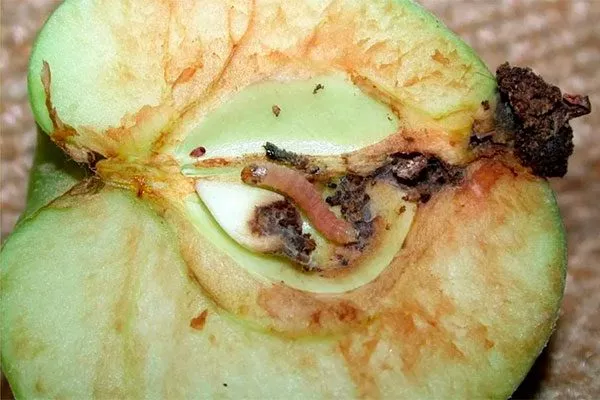
- Codling moth – Wormy fruit. Set up pheromone traps and treat the tree with the biological product Lepidocide.
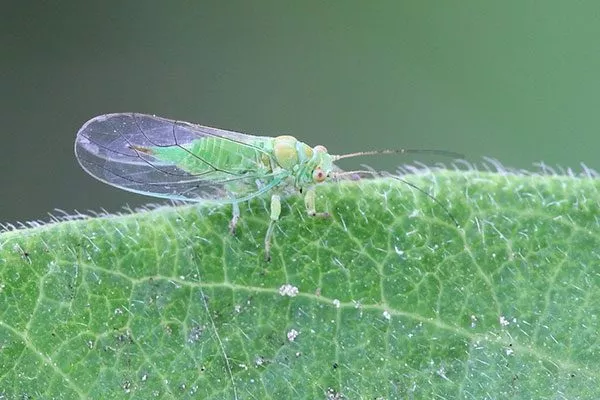
- Apple psyllid Larvae and sticky mucus on the leaves. Spray with insecticides Aktara and Confidor.
Reviews
The Sirena apple tree combines ornamental beauty with practicality: disease and pest resistance makes it easy to care for, and its consistent fruiting ensures a bountiful harvest each year. This compact tree is ideal for small spaces, and its delicious and aromatic apples are a favorite among lovers of fresh fruit and homemade preserves.