
Sinap Severny is an apple tree with high frost and drought resistance, suitable for cold regions. This variety is characterized by rapid ripening, large yields, and excellent flavor, which last a long time and withstand transportation well. Its reliability and low maintenance make it a popular choice among both novice and experienced gardeners.
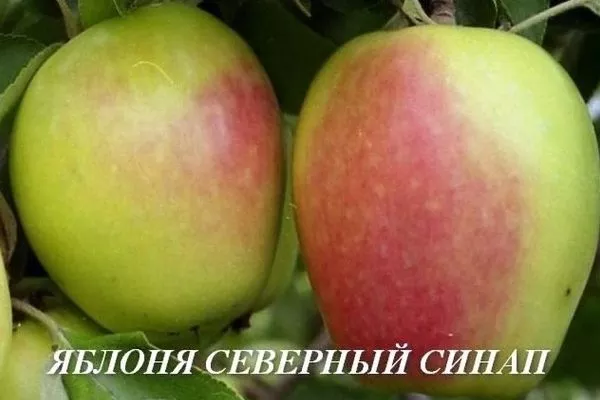
How did the variety appear and where is it grown?
This variety descended from the formerly popular Kandil Sinap (Crimean Sinap), which was characterized by its sweet flavor and attractive fruit. However, due to its heat-loving nature, it was unsuited to harsher climates.
Some facts and history:
- I. V. Michurin crossed Sinap with Kitayka, resulting in the Kandil Kitayka hybrid, which combines excellent taste with greater cold resistance.
- In 1927, Kandil Kitayka was planted in the Moscow region by a group of researchers led by I.S. Isaev. Only one tree survived the cold winters, becoming the progenitor of the Sinap Severny variety.
The new species proved to be adapted to moderately cold regions and quickly gained popularity in the following zones:
- Central Black Earth Region;
- Middle and Lower Volga region.
In Eastern Siberia (Krasnoyarsk Krai, Khakassia) the variety is also grown, but mainly in the creeping form.
Features and specifications
Sinap Severny is an excellent choice for gardeners who value high yields and long shelf life. These apples, with excellent shelf life, retain their juiciness and flavor for several months after harvest, remaining delicious and aromatic even in winter.
The appearance of the tree
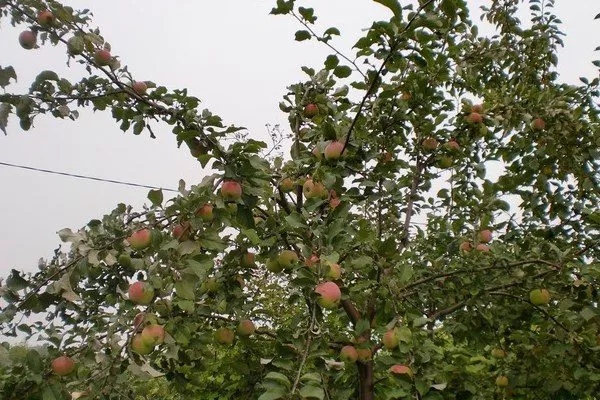
A vigorous apple tree, the height of which, depending on the rootstock, varies from 5 to 8 m. Distinguishing characteristics of the plant:
- crown – broadly pyramidal, of medium density, with powerful skeletal branches and many lateral branches;
- standard – covered with grey bark;
- young shoots – They are cherry-gray in color and have a slight pubescence, becoming brownish over time;
- leaves - obovate, medium-sized, dark green with a greyish bloom and a short thickened petiole.
Description of fruits
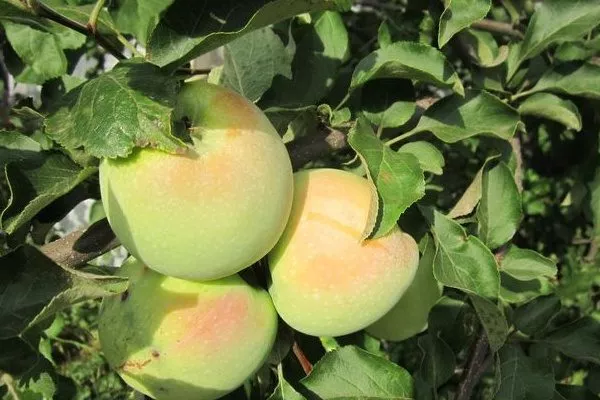
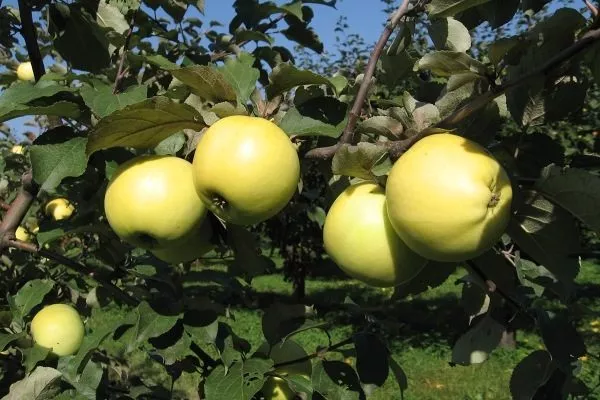
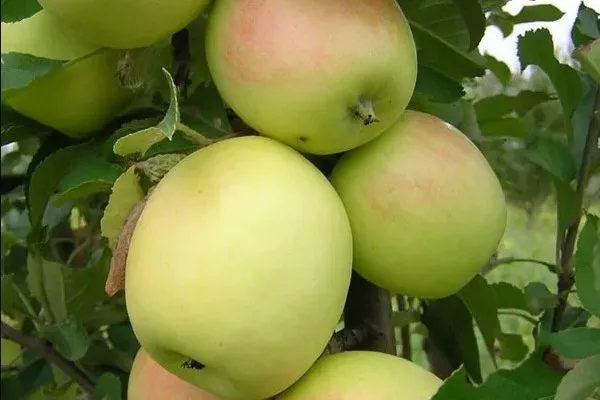
Severny Sinap apples come in a variety of shapes, from round to conical. Key features:
- weight - On average, the weight of one apple is about 120 g, but it can vary from 90 to 150 g;
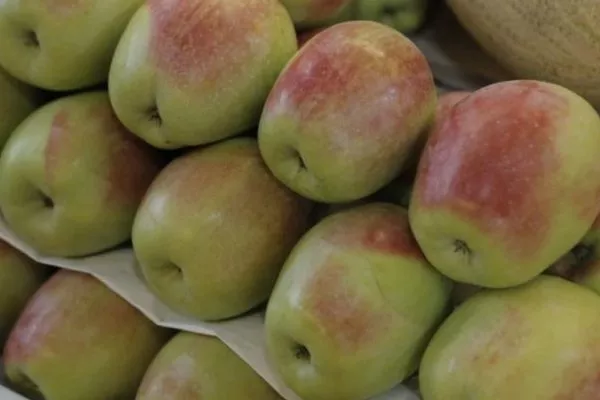
- skin – green, decorated with a reddish-brown blush and densely strewn with light subcutaneous dots;
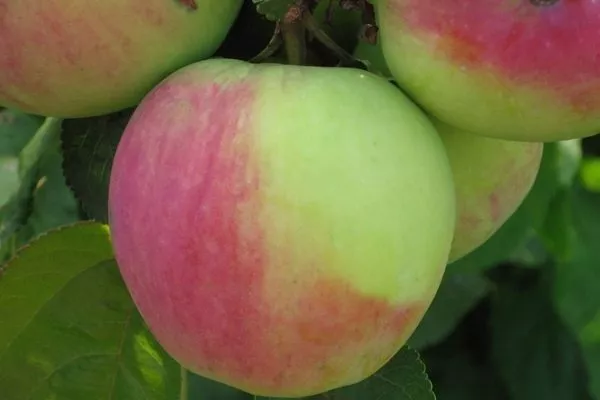
- pulp – white with a light mint tint, fine-grained, juicy, medium density;
- taste - bright, sweet with a noticeable sourness, and on the tasting scale it is rated highly – 4.6 points.
The fruits can be used for processing, producing delicious jams, preserves, and marmalades.
Apple tree pollinators and yield
Northern Sinap is a partially self-fertile variety, so for a bountiful harvest, the presence of suitable pollinators is essential. The following varieties are considered good partners:
- Antonovka ordinary;
- Mekanis;
- Orlik;
- Orlovskoye winter;
- Memory of the warrior;
- Saffron pepin;
- Slav.
The yield of an adult tree (approximately 15 years old) with proper care can reach 170 kg.
Ripening and fruiting
It's a late-winter variety: its apples reach technical maturity in early October. It has a moderate early maturity: the first harvest is usually collected 5-8 years after planting.
With semi-dwarf rootstocks, fruiting begins in 3-4 years, while with dwarf rootstocks, it begins in the second year. After 20 years, fruiting becomes intermittent, especially if not regularly pruned.
Resistance to frost, diseases and insects
This variety is characterized by good winter hardiness, only slightly inferior to the Antonovka apple tree. Mature trees can withstand temperatures down to -35°C. However, in regions with harsher winters, trunk and branch frost damage is possible, especially in young apple trees.
The variety has no significant disease immunity. Resistance to scab and powdery mildew is rated as average, so preventative treatments with specific disease and insect repellents are necessary to maintain healthy trees.
Storage of crops, harvesting
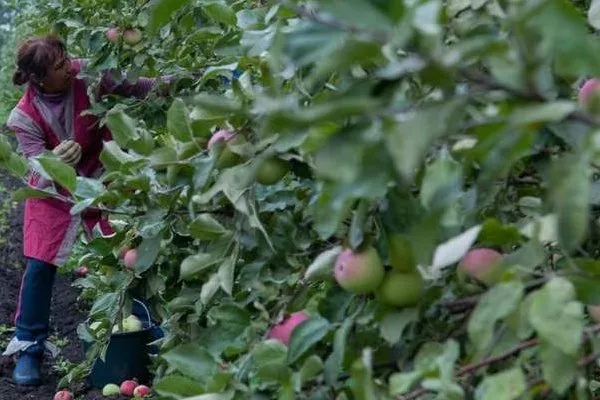
Thanks to their excellent shelf life, the fruit retains its flavor and juiciness until May. Under ideal conditions, it can even last until early summer. To achieve this, it's important not only to harvest the crop on time and carefully, but also to store it properly.
Rootstocks and subspecies
There are dozens of varieties of Sinapa, each with its own characteristics and deserving of a separate description due to their diversity. Columnar forms are not found among them, but the tree is easily trained into a dwarf creeping tree, suitable for smaller spaces.
Below is a brief overview of the most popular varieties recognized by fruit growers:
- Kandil. A heat-loving variety, not suitable for the temperate climate. It is grown primarily in the south—in Crimea and the North Caucasus. It produces large fruits weighing 160-180 g and is characterized by high yields.
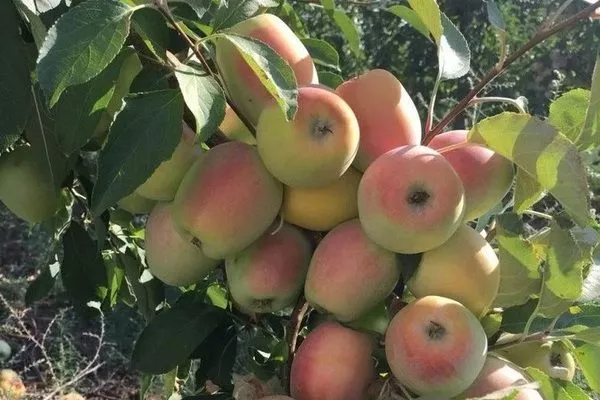
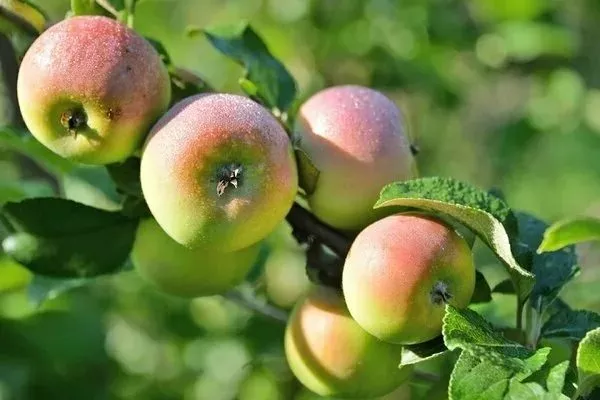
- Orlovsky. The harvest ripens 2-3 weeks earlier than that of the Northern Sinap. The apples are large—up to 180 g—with a tart and spicy flavor. Fruiting is regular, without any pronounced periodicity.
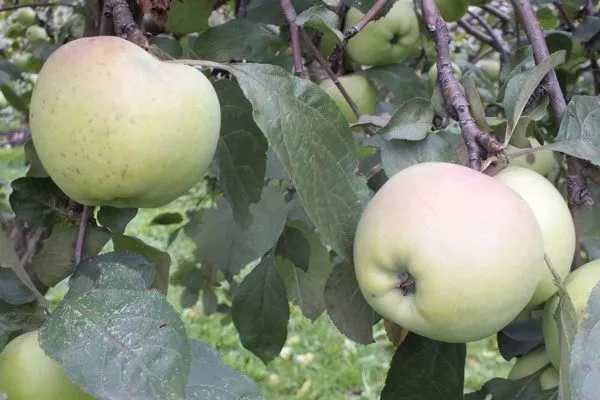
- Mountain. A relatively new subspecies successfully cultivated in the Northwestern region. It is characterized by good winter hardiness and responds well to care, but grows easily in poor soils.
The fruits are large—190-220 g—juicy and sweet, with an elongated shape and a raspberry blush. A distinctive feature is the large dark spots beneath the skin.
Landing
The plant requires an open, sunny location; in the shade, the tree grows poorly, does not flower for a long time, and does not produce fruit. Good air circulation is equally important: a wide crown allows the plant to be easily ventilated, reducing the risk of fungal diseases.
Preparation
Northern sinap does not tolerate drafts, as these increase the risk of disease. It is highly undesirable to plant apple trees near groundwater, wells, rivers, or lakes: overwatering will cause the roots to rot, which can lead to the death of the plant.
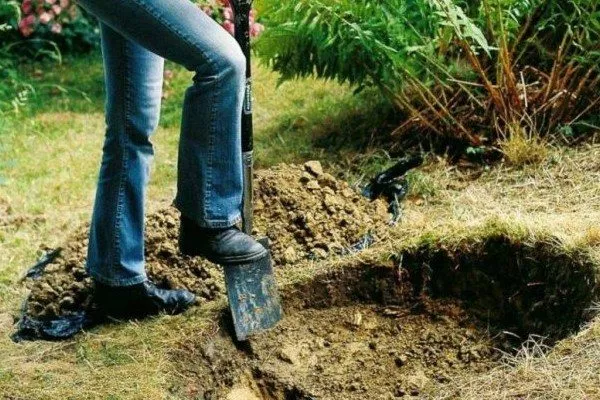
Experienced gardeners recommend preparing planting holes in advance—the season before planting. Dig holes 70-90 cm deep and up to 1 m in diameter. Place fertilizer at the bottom, then add drainage and water. Leave the hole open to allow for natural settling.
Selecting a seedling
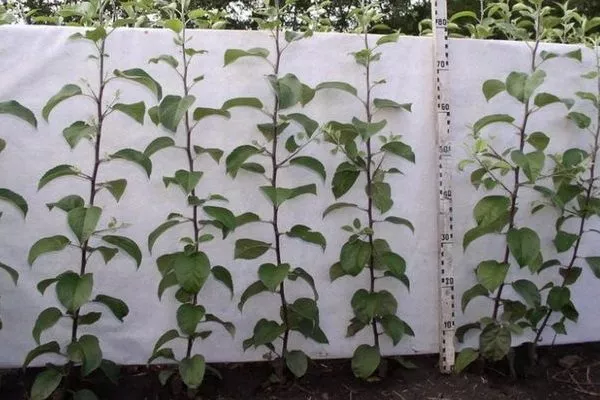
Purchase planting material from nurseries, specialized gardening stores, or order online. When choosing a tree, pay attention to the following important characteristics:
- Age. It's best to buy one-year-old or two-year-old seedlings. One-year-olds have a single main shoot, while two-year-olds already have branches. Both varieties thrive, but one-year-olds adapt to the soil more easily.
- Root system. Bare-rooted plants should have light-colored, vibrant roots, free of rot and growths. Roots should be at least 30 cm long. Container-grown plants should not have roots protruding from the drainage holes, as this is a sign of an overgrown tree.
- Trunk and shoots. A healthy tree has a straight trunk, free of cracks, spots, damage, or cuts, and the bark is smooth and elastic. The buds are vibrant and not overdried.
- Graft. The grafting site is visible at the base of the trunk—a slight, thickened bend. It should be healed and free of cracks.
Dates and plan of disembarkation
Apple trees can be planted in either fall or spring. In the south, fall planting is preferable—the tree takes root and develops better this way. In northern regions, gardeners often choose early spring to prevent young seedlings from being damaged by the first frosts.
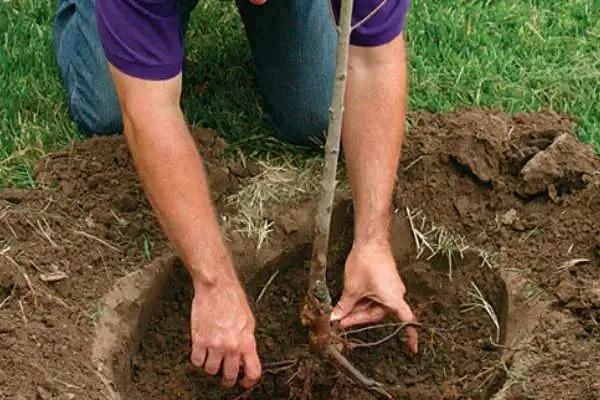
The planting process involves several important steps:
- Drive a strong stake into the center of the planting hole to provide support for the tree and protect it from being blown over by the wind.
- A few hours before planting, soak the roots in water so that they adapt faster and begin to feed.
- Place a small mound of soil at the bottom of the hole and position the seedling so that the root collar is not buried deep after planting.
- Place the plant vertically, carefully spread the roots and gradually fill the hole with soil, compacting it periodically to ensure there are no voids.
- After filling the hole, form a small earthen ridge around the trunk at a distance of approximately 50 cm - this will help retain water when watering.
- Water the tree generously, mulch the root area with peat and tie it to a support.
Care Features
Northern sinap requires careful care to achieve a bountiful harvest. Standard agricultural practices must be followed promptly.
Watering
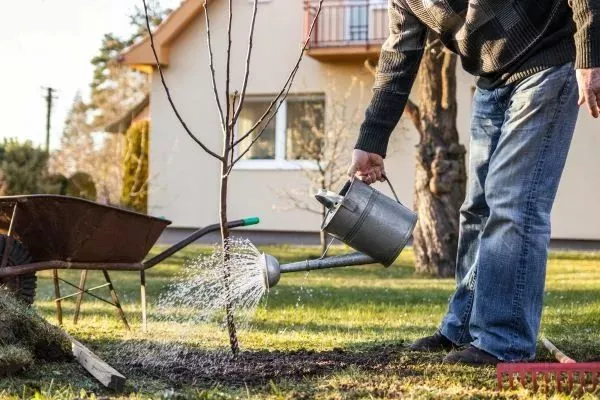
Apple trees don't require frequent watering, as they are quite drought-resistant and obtain moisture from precipitation. However, during particularly dry periods and during fruit formation, supplemental irrigation is beneficial—50-100 liters of water per mature tree.
Formation of a tree crown
The plant grows rapidly, so proper pruning is essential to control its growth. This promotes regular fruiting and larger fruit sizes.
Basic requirements:
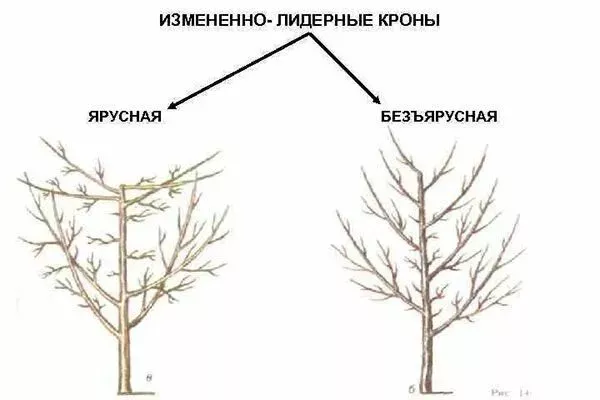
- When planting, prune the branches by about a third. Next year, shorten the shoots to form three tiers.
- When structuring the crown of a mature tree, leave one main stem. Shorten shoots by 40 cm in the first year, and by 20 cm in subsequent years. Prune broken, weak, and dry branches. Perform all work in the spring.
- Carry out sanitary pruning regularly – remove branches that thicken the crown or are affected by disease and damage.
Pruning stimulates active branch growth and helps the plant form a proper crown. Without it, the plant will not develop fully.
Top dressing
In spring, fertilize the northern Sinap with humus or manure. To promote full development and improved fruiting, add fertilizers containing saltpeter, nitrogen, boron, and phosphorus to the soil.
Two weeks after flowering, feed the tree with a 0.5% urea solution, and seven days later, with a mixture of urea and calcium chloride. Apply calcium-containing fertilizer to the plant every two weeks.
Wintering
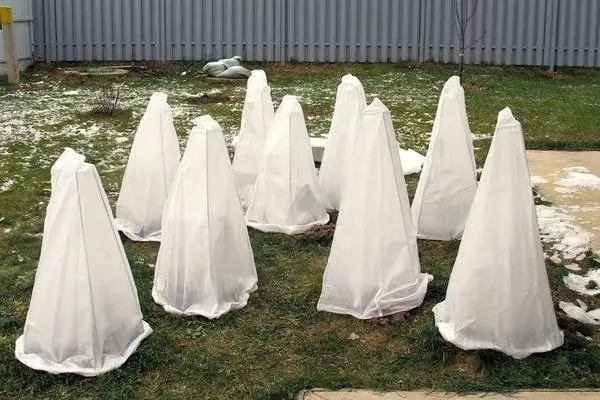
The variety's main advantage is its high winter hardiness. To reliably protect the apple tree, mulch the soil under the crown with a thick layer of peat or humus.
Diseases and possible pests
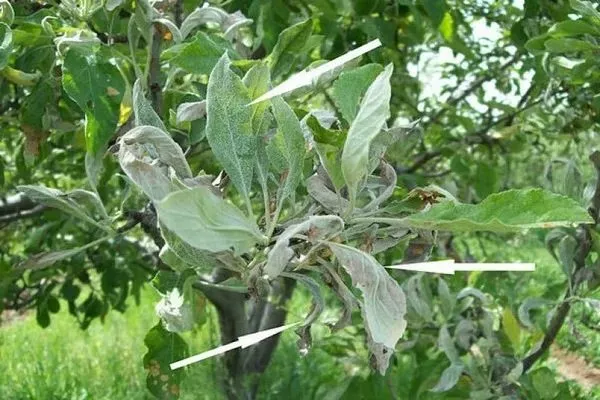
Sinap Severny is a variety with good disease resistance, but under unfavorable weather conditions, infection is possible. The main threats to the tree are:
- Powdery mildew. For prevention and treatment, use Topaz before the leaves emerge. After flowering and harvest, use copper-based products, such as Bordeaux mixture.
- Scab. If the disease appears, treat the tree with Skor before the leaf period begins and with Hom after flowering.
Trees can also suffer from pests such as flower beetles, fruit stalk beetles, and moths. Regular spraying with specialized products will help reliably protect your garden from insects.
Prevention recommendations:
- regularly clear the area of fallen leaves, diseased fruits and dry shoots;
- apply whitewash to the tree trunks;
- In spring, remove damaged and dry branches and treat the cuts with garden pitch;
- Spray the soil under the tree with insect repellents.
Pros and cons
Gardeners, with extensive experience growing apples, are well aware of both the strengths and weaknesses of the Sinap Severny variety. These factors are important to consider when choosing an apple tree for planting.
Advantages:
Flaws:
Taking these characteristics into account, you can make an informed decision about planting a variety in your garden.
Reviews
Northern Sinap is prized for its consistent fruiting, robust health, and long-lasting storage. Despite the need for regular care and pruning, this variety repays the effort with positive results and delicious fruit flavor. It adapts well to a variety of conditions and is rarely susceptible to common diseases.