
The Orlovsky Sinap apple tree is one of the most popular late varieties. varieties, which is of interest to gardening enthusiasts. It is characterized by its tolerance to low temperatures and regular and abundant fruit production. With a sweet and sour flavor and large size, these apples have a long shelf life – they remain fresh and appetizing for 7-9 months.
Characteristics of the variety
This apple tree variety has gained popularity among agricultural producers and gardening enthusiasts, especially in the central part of Russia.
| Parameter | Indicator |
|---|---|
| Tree height | 3-5 m (up to 8 m for clonal form) |
| First fruiting period | 4-5 years |
| Average fruit weight | 150-170 g |
| Tasting evaluation | 4.8-5 points |
| Frost resistance | up to -29°C |
| Shelf life | 7-9 months |
Historical background
In 1955, more than half a century ago, breeders from the All-Russian Research Institute for Fruit Crops Breeding and the I.V. Michurin All-Union Research Institute of Horticulture created a unique apple variety – Sinap Orlovsky.
Its developers, E. N. Sedov, V. K. Zayets, T. A. Trofimova, and N. G. Krasova, achieved success by combining the qualities of the Sinap Severny and Pamyat Michurin apple trees in a single plant. Since 1979, this variety has undergone official state testing.
Ten years later, it was approved for cultivation in the Central, Central Black Earth, Middle Volga, and Northwestern regions of Russia. Sinap Orlovsky has also received approval for cultivation in six regions of Belarus.
Description of the tree and fruits
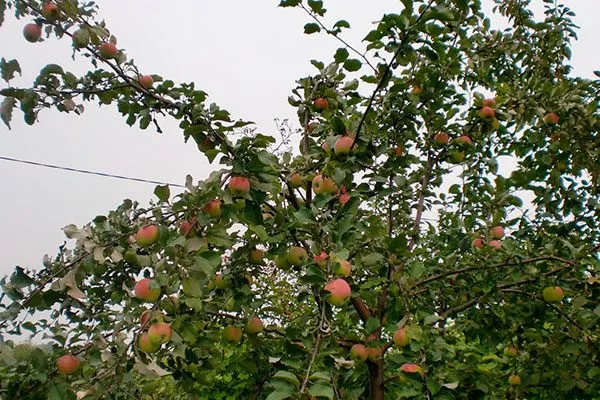
The Orlovsky Sinap is a tall tree. At maturity, it can reach a height of 300 to 500 cm, depending on its growing conditions. Other varietal characteristics:
- Bark, together with skeletal branches and young shoots, it is painted in a deep brown tone.
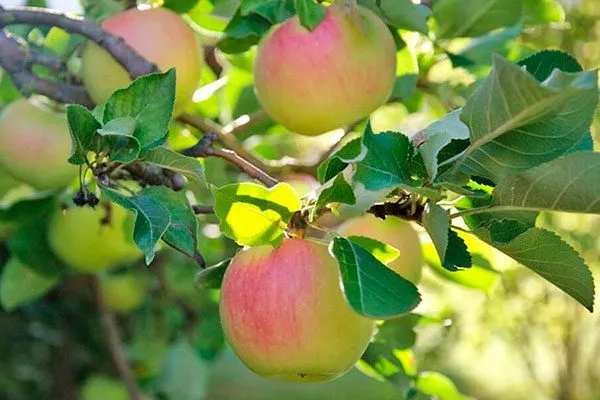
- Leaves They have a wide base and pointed edges that curl slightly upward. Their color varies from light green to a deeper green depending on the amount of sunlight they are exposed to.

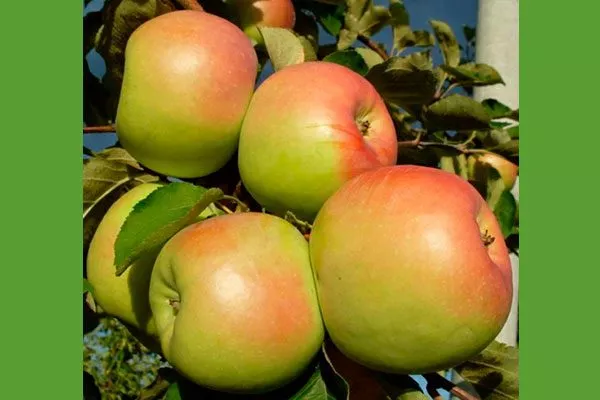
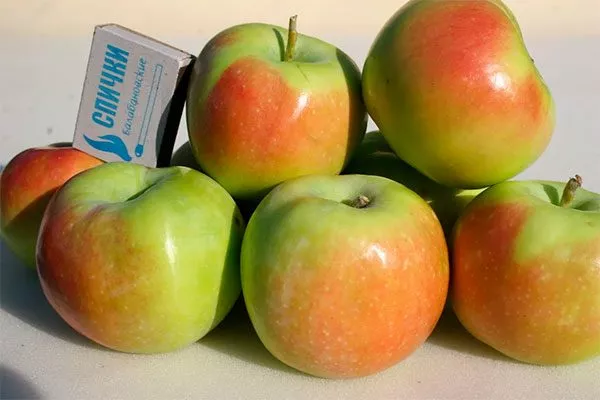
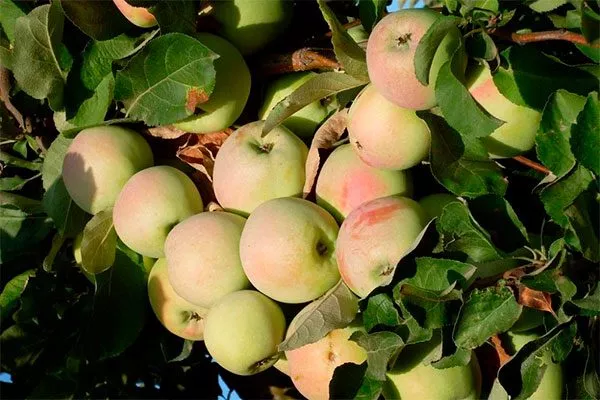
- Fruit Orlovsky Sinap apples have a round-conical or oblong shape with a slightly depressed tip. The average weight of such an apple is approximately 150-170 g.
- Skin Characterized by firmness, smoothness, and shine, the apples are yellow-green at the beginning of ripeness, and some time after harvest, they acquire a yellow-golden hue. The sun-facing side is adorned with a light red blush.
- Pulp sweet, juicy and crumbly, with a delicate green color.
Taste, benefits and harms
Sinap Orlovsky apples have a tart, sugary flavor with a subtle honey note. The flavor rating is 4.8-5, but it's recommended not to eat them immediately after picking. The acidity level is 1.2-1.5% higher than in other late-ripening apple varieties.
The pulp contains a significant amount of ascorbic acid—13.7 mg per 100 g. This vitamin can help protect you from colds, acute respiratory infections, chronic fatigue syndrome, and nervous disorders. During periods when the choice of vitamin C-rich foods is limited, apples stored from autumn will help you compensate for a deficiency of this important nutrient.
These fruits have many beneficial properties:
- The fruits contain about 2.6 mg of iron, which can help increase hemoglobin levels and improve the overall condition of the blood;
- 100 g of pulp contains 8.9 mg of pectin substances, which help regulate digestion and remove cholesterol from the body (if you have stomach problems, it is recommended to eat cheese in raw and baked form);
- The pulp contains phosphorus, calcium and potassium, which have a beneficial effect on the functioning of the heart muscle;
- apple sweetness is moderate, so regular consumption does not harm tooth enamel;
- the calorie content of the fresh product ranges from 70 to 100 kcal, which makes it suitable for dietary nutrition, especially for patients with diabetes;
- These fruits have a lower dye content compared to other early ripening varieties and are suitable for making hypoallergenic baby puree.
Some people may experience discomfort:
- If you have high stomach acidity, you should avoid consuming fresh apples too often to avoid possible problems with gastritis;
- It is not recommended to give unripe apples to babies, as this can lead to diarrhea.
The fruits of this variety are excellent for eating raw and can also be used as a base for making pastilles, jams, preserves, fruit drinks, and juices.
Productivity and pollinators
| Pollinator | Planting distance | Increasing yield |
|---|---|---|
| Antonovka | up to 50 m | +35-40% |
| Pepin the Saffron | 30-40 m | +25-30% |
| Welsey | 20-30 m | +20-25% |
In the fourth year after planting, the tree begins to bear its first fruit. A young apple tree can produce a surprising yield of 60-80 kg. As the tree ages, the fruit yield only increases: some specimens can yield up to 200 kg or more apples per season. However, if yields exceed 300 kg per tree and continue for more than three years, this can lead to the plant becoming depleted.
Regarding pollination, hybrids have a low self-pollination capacity. To ensure a bountiful harvest, it's important to have donor trees on the plot. Ideal varieties for this purpose include:
- Antonovka ordinary;
- Pepin Saffron;
- Welsey.
Features of ripening and fruiting
The Sinap Orlovsky apple tree is one of the autumn varieties, the harvest of which reaches maturity between the end of September and the beginning of October, and the apples retain their taste and freshness until May. In the southern regions of Russia, the fruits ripen a little earlier.
Winter hardiness, disease resistance
The hybrid is characterized by increased frost resistance, allowing it to easily withstand temperatures down to -29 degrees Celsius. The hardiest varieties are those grown on dwarf rootstocks.
To ensure that young trees survive the winter cold without damage, it is necessary to carefully cover the trunk circle with a thick layer of peat or use humus as an insulating material.
One of the key advantages is resistance to pests and diseases. However, during wet summers, apple trees may be at risk of scab. Fungal diseases are most common in poorly maintained trees.
Places of cultivation
Orlovsky Sinap is suitable for cultivation in the Northwestern, Central Black Earth, Central, and Middle Volga regions. This variety has successfully acclimatized to various regions of Belarus.
Planting apple trees in northern latitudes is not recommended. For winter apple varieties to produce a delicious harvest, they require sufficient sunlight in late summer and early fall. This requirement is difficult to achieve in the north.
Tree characteristics depending on the rootstock
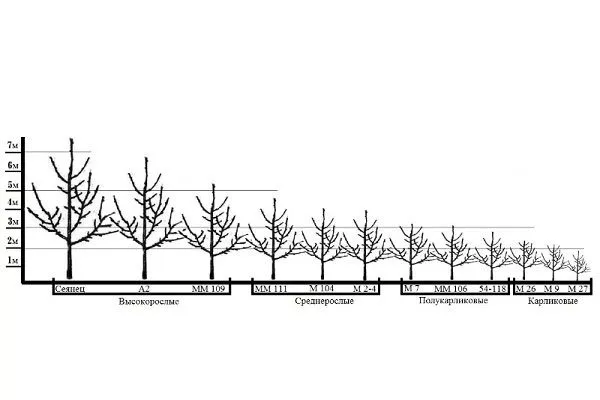
Renowned Russian breeding experts have developed several varieties of the Sinap Orlovsky apple tree, adapted to various growing conditions:
- Dwarf form. This variety reaches a height of only 250-300 cm, with a root system no deeper than 150-200 cm. The apple tree is ideal for gardening in areas with high groundwater levels.
- Semi-dwarf rootstock. This type of apple tree begins to bear fruit in the fourth or fifth year after planting. The main root system reaches 250 cm, and the tree reaches a height of approximately 450 cm.
- View on a vigorous rootstock. This apple tree variety reaches a height of 500-600 cm, but only begins to bear fruit after many years. It is able to absorb moisture from deep soil layers thanks to its powerful root system.
- Clonal form. This apple variety is distinguished by its tall stature (up to 700-800 cm) and broad crown. It is highly resistant to pests and diseases, but it's important to keep in mind that the first harvest is possible at least 10 years after planting.
Landing
To ensure the Sinap Orlovsky variety doesn't disappoint, pay attention to choosing a suitable planting location. The trees will grow healthy and bear fruit abundantly.
Planting calendar
- In 30 days: preparing the pit
- 10-12 hours before: soaking the seedling
- Planting Day: Forming a Mound
- +3 days: soil shrinkage control
- +14 days: first feeding
Timing and preparation
The best time to plant the hybrid is mid-April. Fall planting is also possible – if you plan to do so, wait until October 16-20 at the earliest to avoid the risk of early frost damage to the seedling.
Low calcium levels in the soil can slow seedling development and impair the flavor of the harvest, imparting a bitter taste to apples. Maintaining a groundwater level of 2-2.5 meters is recommended, so it's best to locate the orchard at a slightly elevated location.
Winter apple trees are large. Adequate spacing of at least 5 m between fruit trees is essential.
Prepare the hole a month before planting:
- its depth should be 80-100 cm, width – 90 cm;
- remove the turf and the fertile soil layer, but throw away the non-fertile part of the soil;
- loosen the bottom of the hole, then add a small amount of coarse river sand;
- then lay the turf soil on the drainage;
- Before planting, mix the soil with 15-20 kg of humus, 400-500 g of ash, 40-50 g of potassium sulfate and 80-100 g of superphosphate;
- place it in the hole and form a mound from this mixture;
- Insert a wooden peg into the center of the hole.
Prepare the young tree 10-12 hours before planting. Inspect it for damage, remove any damaged roots, and then soak the tree in warm water for 8-10 hours. Once the apple tree roots are saturated, proceed with planting.
Technology
The planting process is quite simple and standard:
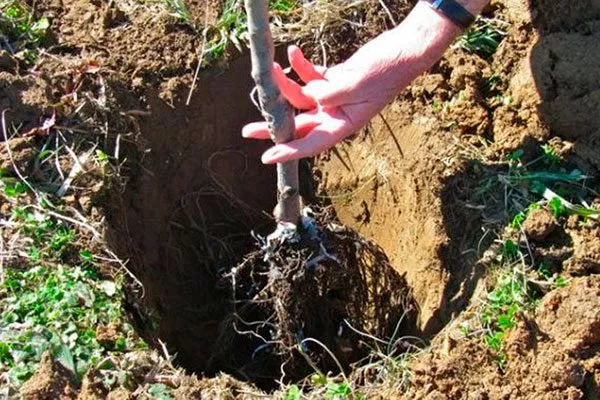
- Carefully straighten out the tangled roots of a young apple tree seedling.
- Place it in a pre-dug hole on a mound so that the root collar is slightly above the soil level.
- Cover the roots with nutritious soil, carefully filling all the gaps. Lightly compact each layer of soil with your hands.
- To prevent wind damage to a young tree, use strips of soft cloth and secure it to a stake.
- Create an earthen rampart around the trunk.
- After this, water the seedling with 30-40 liters of water.
- Cover the soil around the seedling with peat.
Care
Essential steps in apple tree care include regular watering, soil nutrition, crown shaping through pruning, as well as disease prevention and pest control. It's important to promptly remove excess fruit that has fallen at the base of the trees.
Watering
During the first year after planting, young apple trees require watering every 10-12 days, using 15-20 liters of water per tree. Mature trees require watering approximately once a month.
Important:
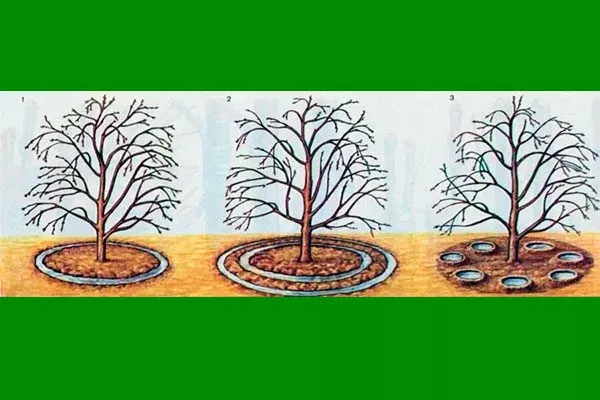
- mature trees require watering in furrows formed around the trunk;
- After the “water treatments,” the soil should be loosened, weeds removed, and covered with a layer of peat or straw.
Top dressing
The optimal time for applying fertilizer to trees is determined by their needs:
- when buds begin to form;
- after the trees have finished flowering;
- after harvesting.
During years with abundant harvests, mature trees utilize significant amounts of nutrients. During such periods, it's especially important to pay attention to feeding. Both organic and mineral fertilizers are used.
- ✓ April: 30 g of ammonium nitrate per 1 m²
- ✓ May: 20 g superphosphate + 15 g potassium salt
- ✓ June: 2-3 buckets of humus per tree
- ✓ August: 40 g of phosphorus-potassium mixture
- ✓ October: 5 kg of compost + 200 g of ash
Crown shaping and pruning
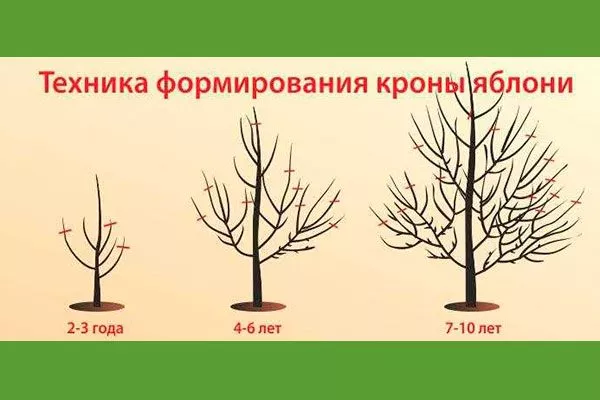
Regularly prune young trees to ensure their crowns develop in the correct direction. One year after planting Orlovsky Sinap apple trees, you can begin creating the first crown layer, which should include three strong shoots. Over the next two years, continue forming the second and third layers.
Other features:
- the gaps between tiers must be at least 0.5 m;
- Bent and weak branches are cut off, as well as shoots that grow too close to the ground surface;
- When the central trunk reaches 2.5 m, it is cut back to the first lateral branches.
For mature apple trees, it is necessary to carry out sanitary pruning in the spring, during which weak and dried out branches are removed.
Protection from diseases and pests
Like any other apple variety, Sinap Orlovsky is susceptible to various diseases and pests if not grown in suitable conditions. In central Russia, the following problems are most common when growing this variety:
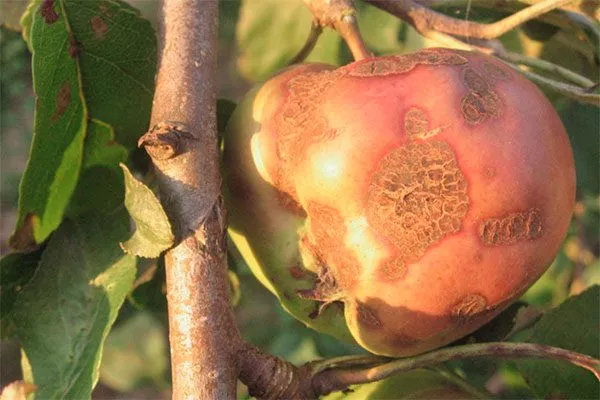
- Apple scab. This fungal disease attacks leaves and berries, causing olive-brown spots. Orlovsky Sinap exhibits moderate resistance to it, so fungicide treatments are necessary to prevent it.
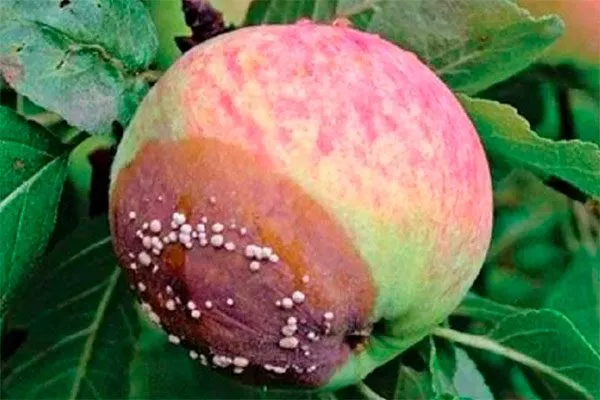
- Fruit rot. Another fungal infection that spoils fruit during storage, manifesting as blisters and water-soaked spots. To avoid this problem, harvest on time and store it properly.
- Moniliosis. It's a dangerous fungal disease that attacks flowers, fruits, and branches, potentially destroying the entire crop. Fungicide sprays are also required to prevent moniliosis.
- Pests. These include aphids, leaf rollers, and codling moths, which can damage young plants, leaves, and ovaries. Insecticides are required to control them.
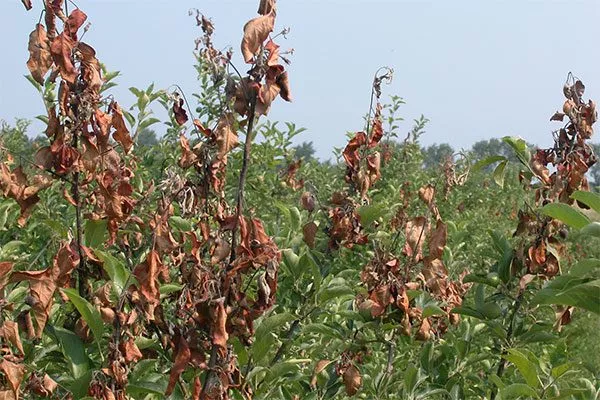
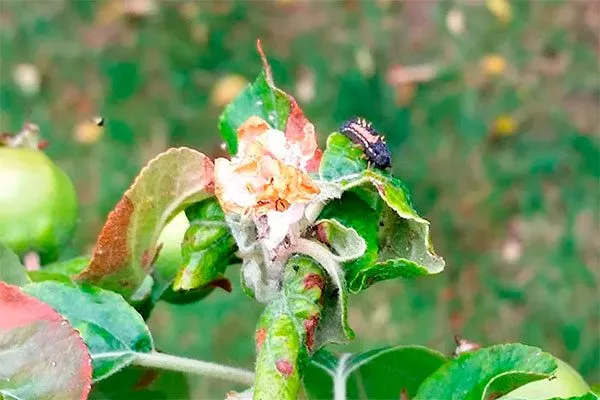
If serious diseases are detected, in particular moniliosis, it is necessary to begin treatment immediately using specialized means.
To minimize the use of chemicals and protect the environment, it is worth preferring biological products for prevention.
Harvesting and storage
To harvest, choose a dry, sunny day. Pick the fruits carefully, holding them by the base to avoid damaging the branches. Avoid picking the apples with the stems attached.
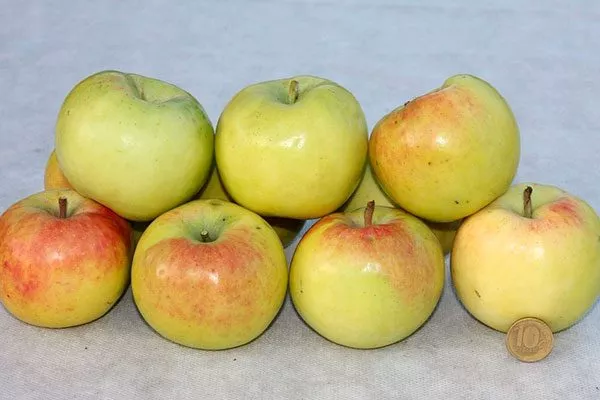
Orlovsky Sinap fruits can be stored in a cool, well-ventilated place for up to two months, wrapping each fruit in paper.
| Condition | Optimal indicator | Critical level |
|---|---|---|
| Temperature | 0…+2°C | Above +5°C |
| Humidity | 85-90% | Below 70% |
| Gas composition | 2-3% CO₂ | Above 5% CO₂ |
| Lighting | Complete darkness | Any light |
For longer storage (3-9 months), it is recommended to use refrigeration chambers with a temperature of 0..+2 degrees Celsius and air humidity of 90%.
Pros and cons
Reviews from experienced gardeners attest to the numerous advantages of the Sinap Orlovskaya variety:
Reviews
Sinap Orlovsky is one of the best apple varieties. It boasts a stable and abundant harvest, resistance to low temperatures, exquisite flavor, and long shelf life, making it widely popular among gardeners.