
The Streifling apple tree is one of the oldest and most popular varieties in Russia, attracting gardeners with its delicious fruit and abundant harvests. Despite its long history of cultivation, this apple tree with Baltic roots has a relatively strong resistance to common diseases and can provide apples for a large family all winter long.
The history of the Streifling variety
The Streifling apple tree is the result of random pollination. This folk-bred variety appeared in reference books about a hundred years ago. It is believed to have originated in the Baltic region, but European experts believe it is of Dutch origin.
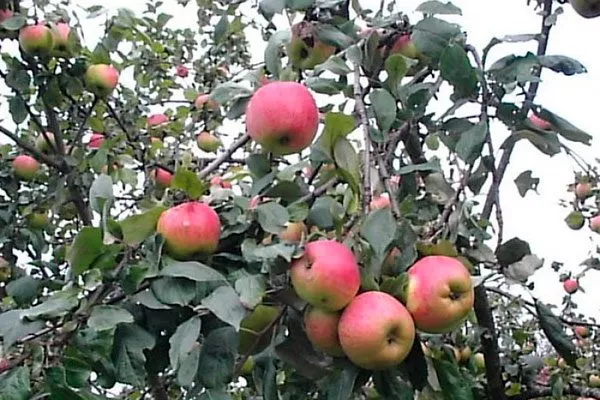
The variety was imported to Russia from the Baltics in the late 18th century. During the Soviet era, the Streifling apple tree was entered into the State Register under the name "Autumn Streifel." Today, this variety is also known as "Autumn Striped."
It is recommended for cultivation in the Northern, Northwestern, Central, Volga-Vyatka, Central Black Earth and Middle Volga regions.
Description of the tree
The Shtrifel apple tree is a vigorous, densely foliated tree. It can reach a height of 7-8 meters, but gardeners often limit its growth to 4-5 meters to make it easier to spray the crown and harvest.
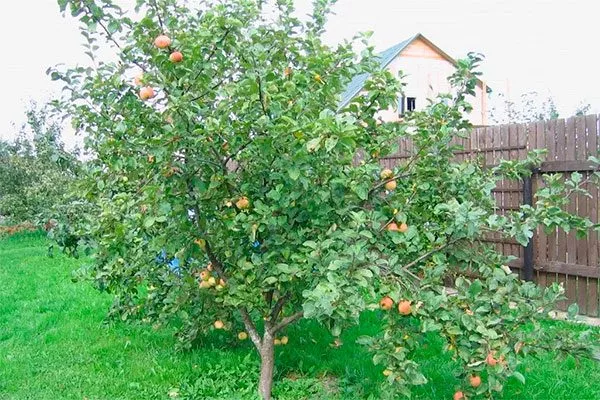
Wood characteristics:
- Crown - wide, spreading, cauldron-shaped.
- Branches - powerful, with drooping ends.
- Escapes - thick, brown, pubescent.
- Leaves - round or wide, with uneven, large-ridged edges, with a wrinkled, leathery surface.
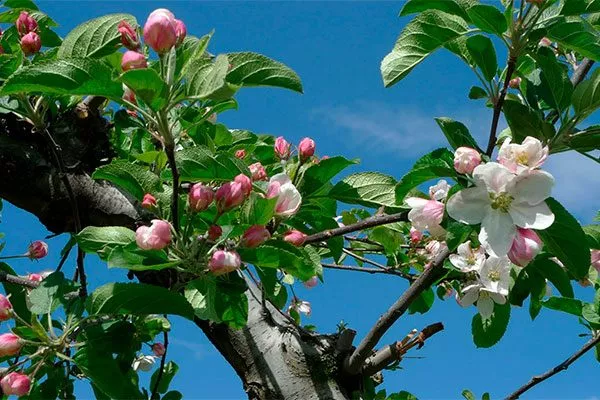
- Flowers — large, saucer- or cup-shaped.
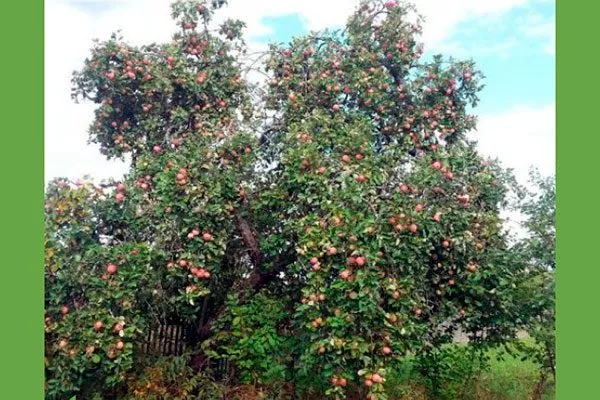
The width of individual trees reaches 8 m.
Fruit
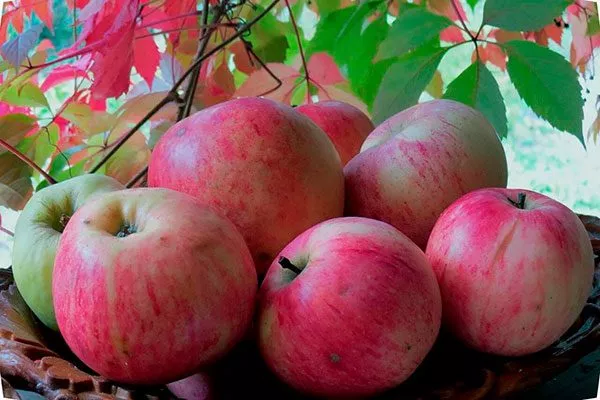
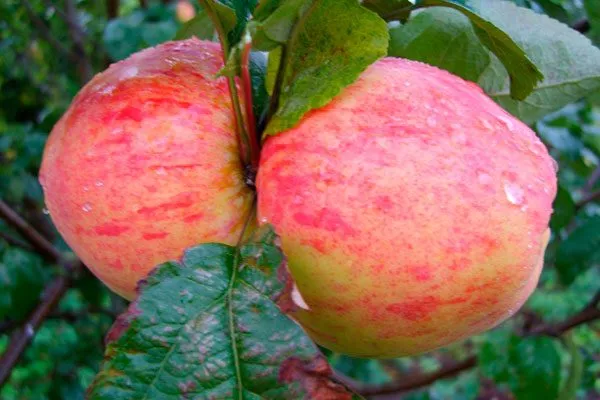
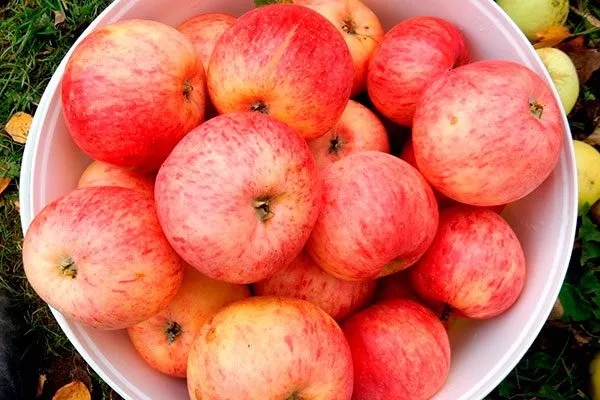
Streifling apples are large and stand out from their peers with their unusual coloring. Bright reddish-brown streaks and stripes gradually appear on the yellow-green surface.
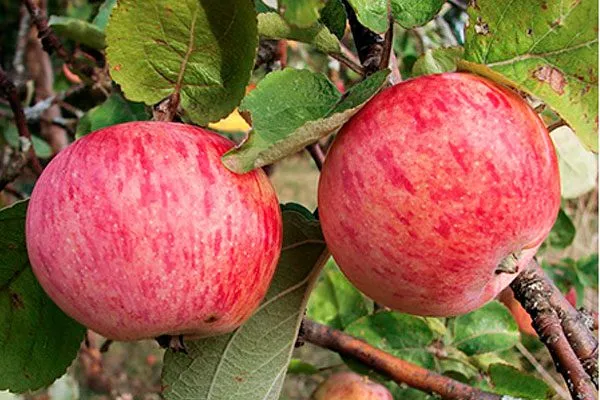
Fruit characteristics:
- Color: light green or greenish-yellow with orange-red stripes on a mottled background.
- Form: truncated or rounded-conical, with well-defined ribs at the base.
- Skin: thin, glossy, with a waxy coating and subcutaneous dots, small and light.
- Pulp: light lemon, sometimes pinkish, loose.
- Weight: 100-175 g.
- Seeds: large, elongated, brown.
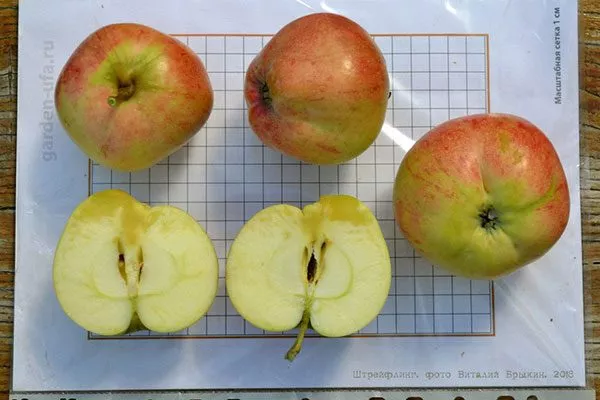
Characteristics of the Streifling variety
It's no wonder the Streifling variety has been popular for hundreds of years. This apple tree is distinguished not only by its excellent taste, but also by its excellent agronomic characteristics.
Ripening time
The Streifling apple tree is a late-ripening variety. The harvest ripens in late August to early September.
Fruiting type
The tree has a mixed fruiting pattern. Fruit forms on 3-4-year-old shoots and at the ends of 2-year-old shoots.
Lifespan
Shtrifel apple trees live for several decades. They begin to bear fruit fully at 15-30 years, after which they continue to produce fruit for a long time, producing good harvests.
Productivity
The Streifling apple tree is a high-yielding variety. Its yield in large-scale cultivation ranges from 150 to 180 centners per hectare. As the tree matures, the yield increases. A ten-year-old apple tree produces an average of 12 kg of apples, a 20-year-old tree produces 180 kg, and a 30-year-old tree produces 350 kg.
Taste and purpose
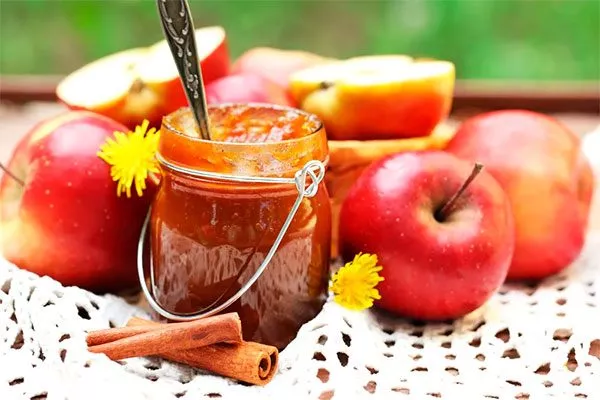
Streifling apples have a balanced, sweet and sour flavor, juicy flesh, and a light clove finish. The fruit is eaten fresh, used to make juices and compotes, jams and preserves, and a variety of dishes and desserts.
Chemical composition of fruits:
- Sugars - 10.1%.
- Titratable acids - 0.57%.
- Ascorbic acid - 8.3 mg/100 g.
- P-active substances - 280 mg/100 g.
- Pectin substances - 12%.
Frost resistance
The Streifling apple tree is a frost-hardy variety. It has a hardiness zone of 4, making it suitable for growing in regions with harsh winters. The tree can withstand temperatures as low as -35°C.
Disease resistance
The Streifling apple tree has moderate disease resistance, including scab. Like many old varieties, this apple tree is susceptible to scab during rainy and damp weather, so it requires regular preventative treatments.
Pollinator varieties
The Streifling apple tree is not self-fertile, so to achieve a good harvest, pollinator varieties must be planted—2-3 trees per tree. Suitable pollinator varieties include Antonovka, Papirovka, and Slavyanka.
Landing
To ensure a healthy, well-developed, and abundantly fruiting tree, it's important not only to provide it with proper care but also to plant it correctly. It's crucial to pay attention to every detail—the selection of seedlings, the planting location, the technique for creating the planting hole, and so on.
Selecting a seedling
The Shtrifel apple tree can be purchased with bare or container roots. The former are planted in spring or fall, while the latter (containerized) can also be planted in summer.
What to look for when choosing a seedling:
- Age. 1-2 year old seedlings take root best.
- RootstockIt can be dwarf or semi-dwarf. This should be clarified with the seller. The tree's height varies depending on the rootstock.
- Root system. In a healthy, viable seedling, it is powerful, well-developed, and about 30 cm long.
- Escapes. Thick, brown in colour, with smooth bark that shows no signs of damage.
It's recommended to purchase seedlings from specialized nurseries rather than from random sellers. You can tell if a seedling is healthy by its appearance, but it's difficult to determine its cultivar.
Planting dates
In regions with mild winters, it's recommended to plant apple trees in the fall. The best time is the first half of October. Fall planting is primarily practiced in southern regions. The key is to plant the tree at least a month before the onset of severe cold weather.
In temperate climates, where winters can be very harsh, apple trees are planted in the spring—from mid-April to May, before the sap begins to flow. Fall planting is absolutely not suitable in northern regions; even a seedling planted in late August or September may not have time to establish roots before the cold weather sets in and will die.
Selecting a site
For planting the Shtrifel apple tree, select well-lit areas free from drafts and cold, gusty north winds, well away from buildings and fences. The minimum distance is 4-5 meters. It should be at least 3-4 meters from other trees.
An apple tree should receive at least 6-8 hours of sunlight per day. It's best to plant it on the south or southwest side of the plot. However, keep in mind that young trees require some shade during midday.
The maximum groundwater level is 2 meters. It is advisable not to plant apple trees where fruit trees previously grew. The best soils for the Streifling variety are loamy or sandy loam with a neutral pH.
Site preparation
Before digging a hole and planting an apple tree, you need to prepare the soil on the site - fertilize it, dig it up, adjust the acidity if necessary, and improve the structure.
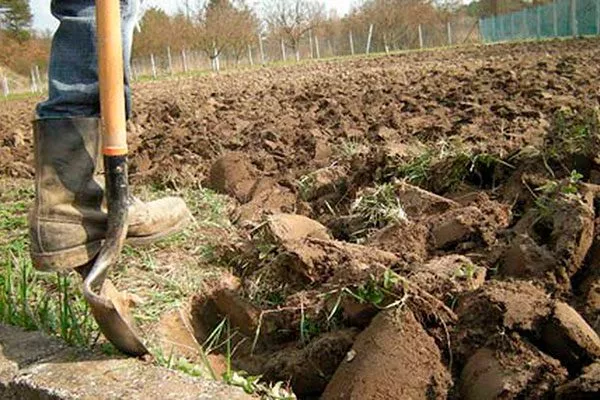
It is important to know that the apple tree needs loose and fertile soil, and it does not grow on soil that is too alkaline, acidic, swampy, wet or rocky.
How to prepare the site:
- The area is first cleared of weeds and plant debris.
- The soil is dug to the depth of a shovel blade, removing the rhizomes of perennial weeds, couch grass, sow thistle, etc.
- Add 10 liters of organic fertilizer—rotted manure or well-rotted compost—during digging. A complex fertilizer, such as nitroammophoska (40-50 g per square meter), is also recommended.
- Wood ash is recommended for acidic soils—500 g per square meter. It not only deacidifies the soil but also enriches it with calcium, potassium, phosphorus, and magnesium and sodium compounds. Ash also improves soil structure and repels slugs and snails. It has antiseptic properties and protects plants from fungal diseases and rot.
- If the soil is heavy and clayey, add approximately 10 liters of coarse river sand per square meter. For sandy soils, add the same amount of clay—it helps retain moisture and nutrients.
- In highly acidic soils (pH less than 5.5), if wood ash has not already been added, add slaked lime or dolomite flour.
You can also improve the soil with green manure, which is sown in the area where fruit trees will later be planted. A soil analysis is also recommended to determine its chemical composition in order to properly adjust the soil quality.
Preparing the planting hole
The planting hole is prepared 2-3 months before planting. This allows the soil to settle. If you dig a hole and plant the tree immediately, the soil will settle over time and the root collar will become deeper, which can lead to root rot. Furthermore, while the hole is settling, the fertilizer will dissolve in it, making it easier for the young apple tree to absorb.
Features of preparing a planting hole for the Streifling apple tree:
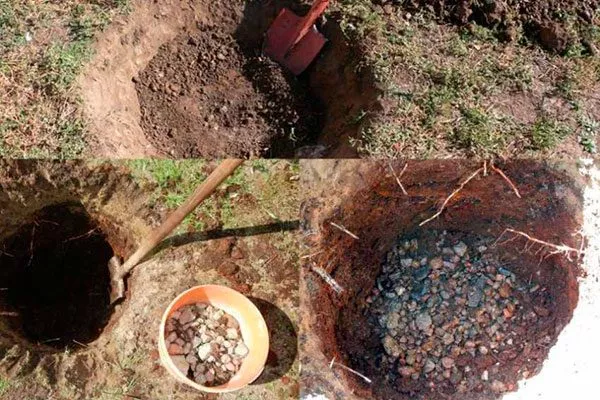
- The hole should be large enough to accommodate the seedling's root system, including the root ball when planting in a container. The average hole depth is 60-70 cm, with a diameter of 80-90 cm. If planting multiple trees, the holes are dug 4-5 m apart.
- Add 15-20 cm of drainage material—expanded clay, broken brick, or crushed stone—to the bottom of the hole. Drainage is especially necessary in clay soils to channel water away from the roots. Sandy soils don't require such drainage.
- To fill the hole, prepare a nutritious soil mixture. This can be made from a mixture of humus, topsoil, 60 g of superphosphate, and 500 ml of wood ash. Fill the planting hole to 2/3 of its capacity.
- The hole filled with soil mixture is watered so that it settles and becomes saturated with water.
- At a distance of 10-15 cm from the center of the hole, drive a support into the ground about 1.5 m high. Wooden supports are preferable. Place them on the south side to protect the young bark from sunburn.
Preparing a seedling for planting
Before planting, the seedling must be prepared: soak and trim the roots, and prune the above-ground part.
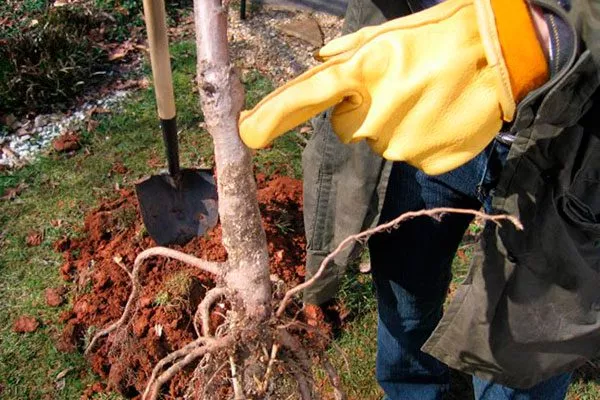
Features of preparing the Streifling apple tree seedling:
- The roots are inspected; if any are rotted, broken, or damaged, they are trimmed using a sharp, disinfected tool. Root shoots are trimmed back to healthy tissue. Excessively long roots are also shortened to prevent them from bending in the hole.
- The central conductor is pruned to a height of 0.8-1 m above ground level. Three to five skeletal branches are left on the seedling, shortened by a third of their length. The optimal angle for skeletal branches to branch from the trunk is 45-60°.
- The roots are soaked in clean water. The water temperature should match the air temperature, but not fall below 5°C. Soaking time is 5-6 hours. This time is sufficient for the water to penetrate the roots and restore the water balance.
- You can soak the roots not only in water, but also in a growth stimulant, such as "Epin" or "Kornevin" - the dosage and soaking time follow the instructions for the product.
Planting a seedling
For planting an apple tree, it's recommended to choose a cloudy, calm, and windless day. If the sun is shining, shade the tree for the first few days to protect it from direct sunlight.
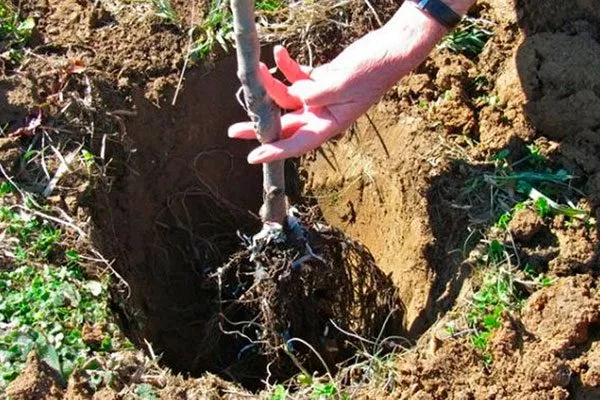
Clean, fertile soil should be added around the planting hole to cover the roots. A mixture of soil and organic matter can also be used for backfill.
Features of planting the Streifling apple tree seedling:
- Place the seedling in the center of the hole, carefully spreading out its roots. The soil mixture previously added to the hole is raked to form a mound of earth. The root shoots should lie freely on the slopes, without bending upward or to the sides.
- The seedling is kept at such a level that the root collar after planting is 5 cm above the ground surface.
- The roots of the seedling are covered with pre-prepared fertile soil, it is periodically compacted, and the seedling is shaken to remove all air pockets between the roots.
- A trunk circle is formed around the trunk to prevent water from spreading during watering.
- The planted apple tree is watered with settled water. About 20 liters of water are required for irrigation. Once the moisture has been absorbed, the area around the tree trunk is fertilized with loose organic material, such as wood chips or bark.
- The seedling must be tied to the support with soft twine, cloth tape, etc. It is important to use a material that will not damage the young bark.
Care
The Streifling apple tree doesn't require complex or excessive care, but a number of measures are essential. To ensure the tree is strong, healthy, and capable of abundant fruiting, it needs proper care—watering, fertilizing, and preventative spraying.
Watering
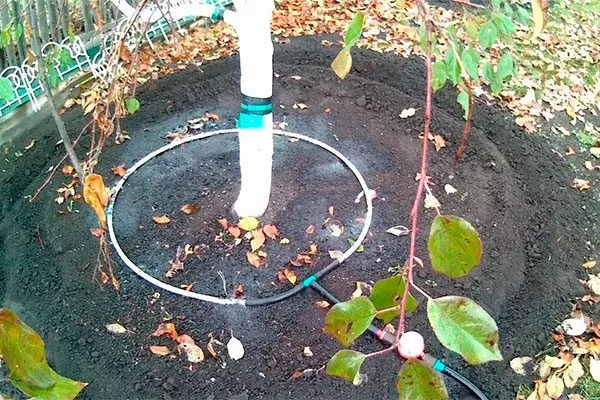
The Streifling apple tree is watered generously. The frequency of watering depends on weather conditions and the tree's age. Young apple trees require more frequent watering than mature trees.
Features of watering the Shtrifel variety:
- A mature apple tree needs to be watered several times per season. It's especially important to meet its water needs during flowering, fruit formation, and after harvest.
- The recommended watering for a young apple tree is 40-50 liters, while for a mature tree, it's 80-100 liters. Surface watering is ineffective because the tree's roots are deep underground. Excess water is also harmful to the tree; waterlogging should be avoided.
- The variety does not tolerate dry periods well; water deficiency negatively affects not only the yield, but also the taste and size of the fruit.
Fertilizers
To produce a bountiful harvest, the Streifling apple tree requires several fertilizing treatments throughout the season. These treatments affect not only the yield but also the taste and size of the apples.
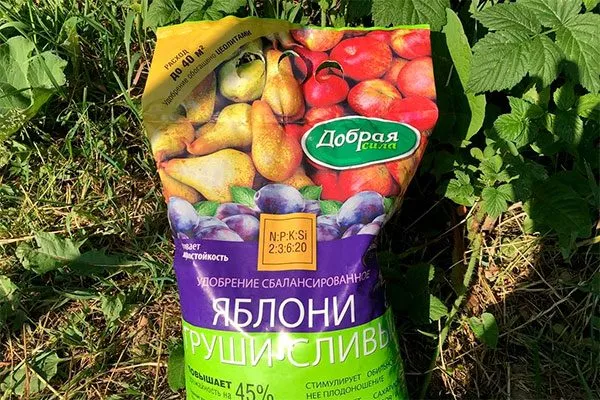
Approximate feeding regime:
- Before flowering, nitrogen fertilizers are applied. For example, for mature trees, you can apply a urea solution (30-40 g per square meter) or ammonium nitrate (25-35 g per square meter). For young apple trees, the dosage is 50%.
- About a month after the first feeding, apply complex fertilizers. For example, you can prepare a nutrient solution of superphosphate (100 g), potassium nitrate (50 g), and urea (30 g), diluted in 10 liters of water. A mature tree requires 40-50 liters of this solution, while a young tree requires 20-30 liters.
- During the fruit set stage, apply a complex fertilizer with increased phosphorus and potassium levels. For example, you can apply nitrophoska (50-60 g per square meter) or a mix of potassium sulfate, superphosphate, and urea (20 g each per square meter).
- At the stage of fruit ripening, approximately in July-August, root feeding is applied; it is prepared from double superphosphate (30 g), potassium sulfate (20 g) and wood ash (250 ml per 1 sq. m).
To make fertilizers take effect faster, gardeners apply them foliarly—by spraying the crown with nutrient solutions. They do this in the evening to prevent leaf burn.
Trimming
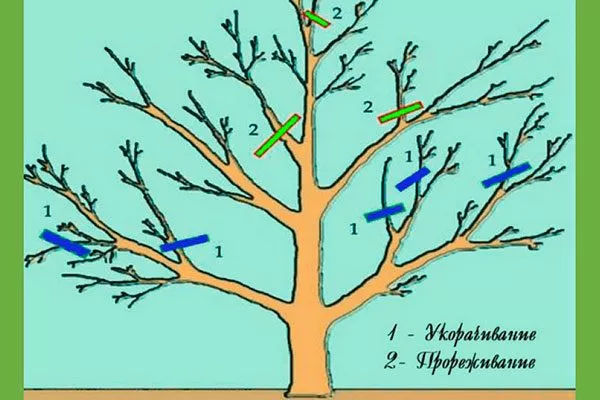
The Streifling apple tree is pruned annually, sanitary measures are carried out and the crown is shaped.
Features of pruning the Streifling variety:
- Sanitary pruning is performed before the sap begins to flow. During this pruning, all frozen, broken, dry, old, and diseased branches are removed.
- Crown formation involves pruning branches in the trunk area, removing all vertically growing branches, and shortening last year's growth by a third.
- To stimulate the formation of ovaries, it is recommended to shorten fruiting branches to 4-6 buds.
- Branches are pruned to the ring. All cuts are sealed with garden pitch to prevent infection from entering the open wounds.
- After the leaves fall, repeat the sanitation process. Remove all dry, diseased, and damaged branches, and prune any crossing or excessively close branches.
Shelter for the winter
In the south, the Streifling apple tree generally doesn't require insulation, although young trees should be protected from possible severe frosts during the first 5-6 years after planting. Frosts as low as -28°C to -30°C can cause shoot freezing.
Features of insulation of the Streifling variety:
- You can insulate an apple tree with natural and artificial materials that protect the trunk from the cold but allow air to pass through. For example, you can use:
- Agrotextile. By allowing water and air to pass through, the material maintains a stable temperature inside.
- spruce branches (coniferous tree branches). It creates a layer of air that retains snow well.
- Sackcloth. You can also use any dense, breathable fabric. Burlap is used to wrap the tree trunk; in young apple trees, it's also used to wrap the skeletal branches.
- The tree trunk area is covered with a thick layer of compost or humus to insulate the roots. Sawdust is not recommended, as it attracts rodents.
In regions with consistent snowfall, it's recommended to pile snowdrifts around tree trunks. In winter, snow is regularly added to the pile, especially during periods of light precipitation.
Fighting diseases
The Streifling apple tree has good immunity, but under unfavorable growing conditions and violations of agricultural technology, as well as in the event of a widespread spread of infections, it can be affected by various diseases.
What diseases can the Streifling apple tree get and how to deal with them:
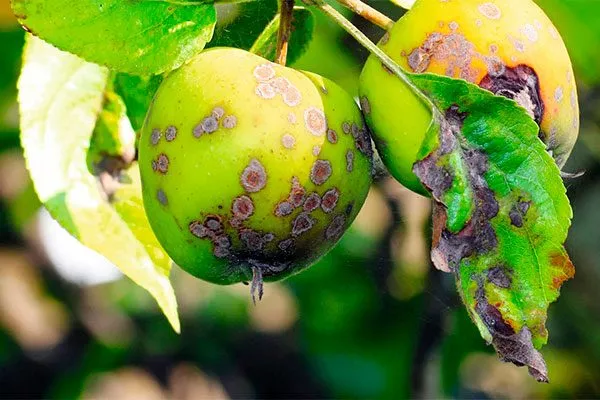
- Scab. This is a fungal disease that causes brown spots to appear on the leaves. The foliage curls and falls off, and dark spots and cracks appear on the apples. To prevent scab, spray the tree with a 1% Bordeaux mixture solution before bud break and after flowering. To treat scab, use specialized preparations such as Fitosporin-M or Horus.

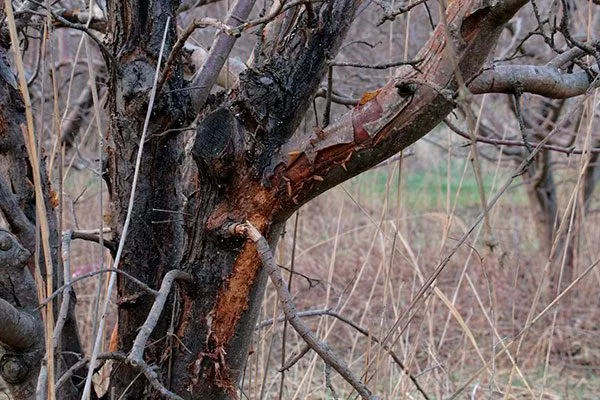
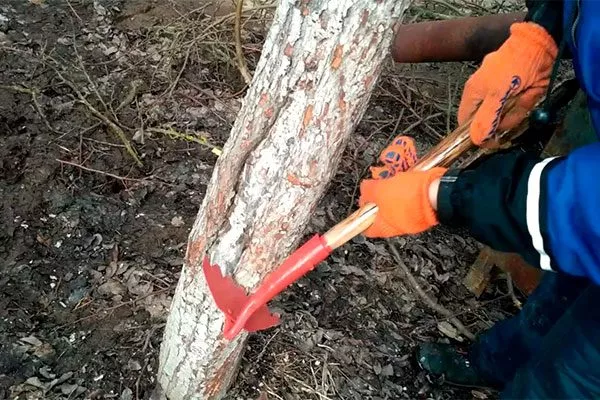
- Cytosporosis. This disease attacks the tree's bark. Affected areas die, and eventually the branches die completely. They must be removed, and the cuts treated with a 3% copper sulfate solution or a fungicide, followed by sealing with garden pitch.
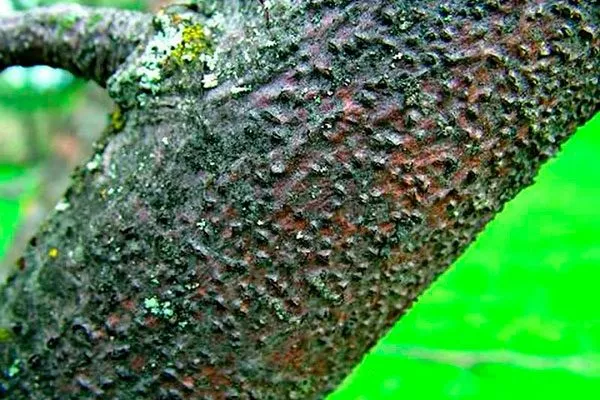
- Black crayfish. It is accompanied by the appearance of dark brown or red spots on the bark and leaves. Treatment is most effective if started in the early stages of the disease. Damaged parts of the tree should be removed and burned, and the soil and leaves should be treated with antiseptics and copper-containing fungicides.
Pest control
The most dangerous pests for the Streifling apple tree include apple blossom weevil, scale insects, aphids, and codling moth. These are controlled using a combination of agronomic methods, chemicals, and biological agents.
Methods of controlling the Streifling apple tree pest:
- Deep autumn plowing, clearing trunks of dense tree bark, removing fallen leaves and windfalls and then disposing of them are recommended.
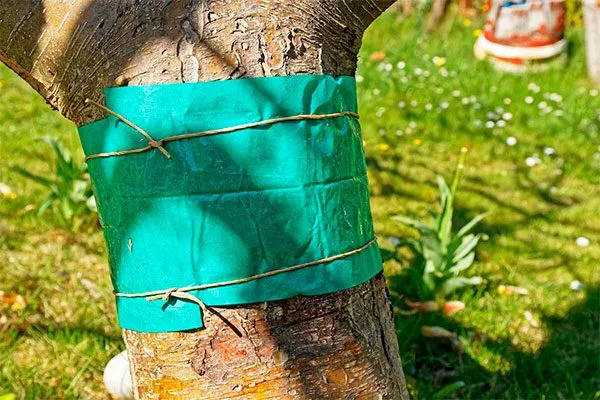
- Trapping belts are attached to the trunks, and folk remedies are also used - a decoction of red pepper, an infusion of garlic and chamomile.
- Installation of bird feeders to attract birds.
- Chemical insecticides can be used, but no later than two weeks before harvest. Suitable products include Iskra-M, Fufanon, and others. Various biological products can also be used to combat diseases, such as Fitoverm, Lipidotsid, or their equivalents; they are completely safe for both nature and humans.
Harvesting and storage
Harvesting begins when the apples reach technical ripeness. The fruits are carefully removed from the tree, stems included. Since the tree is large, fruit pickers are used. Ripeness is indicated by the glossy skin and dark brown color of the seeds.
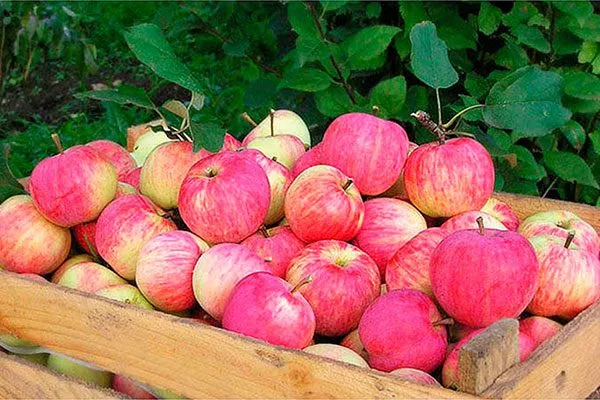
For storage, the fruits are placed in wooden or cardboard boxes, sprinkled with sawdust. The storage room should maintain a temperature of between 1 and 3°C, with humidity at 80-85%. The fruits are regularly inspected during storage to remove any spoiled specimens. Shtrifel apples have a shelf life of no more than 3 months.
Reviews
The Streifling apple tree is a reliable and time-tested variety that will provide you with 10-20 buckets of apples or even more annually for many years. This vigorous and prolific tree will become a true highlight of your garden and an excellent supplier of late-ripening apples.