
Proper planting of an apple tree seedling is the key to strong immunity, good survival, and a future harvest. Mistakes made at the initial stage can lead to poor growth, disease, or even death. To avoid this, it's important to select a suitable site in advance, determine the optimal planting time, and strictly follow the instructions.
How to choose an apple tree for planting?
Beyond personal taste preferences, local climate conditions play a key role in determining the best fruit. Taking climate into account is essential to ensure the health and longevity of the tree, as well as to ensure a high-quality harvest.
Apple tree variety
Depending on ripening time, all fruit varieties are classified into three main categories. Early varieties include those whose fruiting period occurs in July and the first half of August. Mid-season varieties are characterized by apples ripening from late August to early September. Late varieties are distinguished by their harvest during September and October.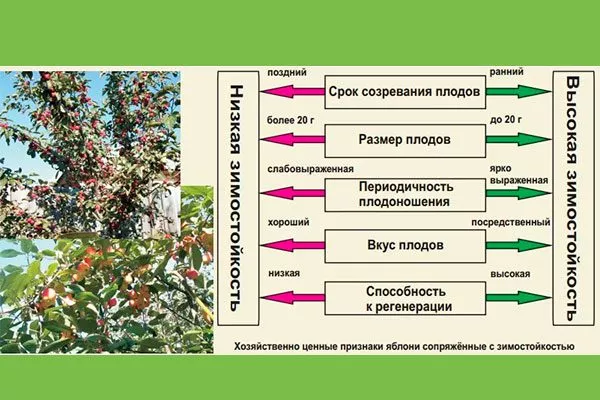
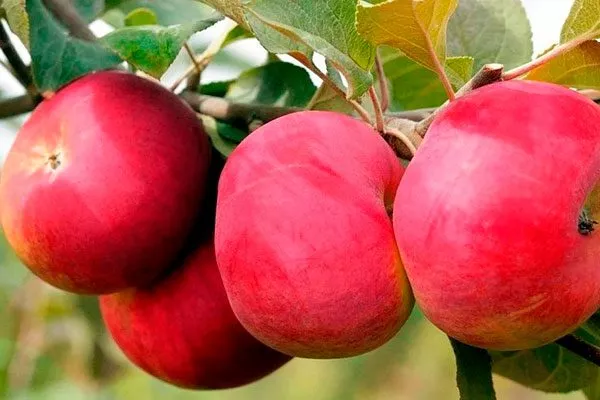
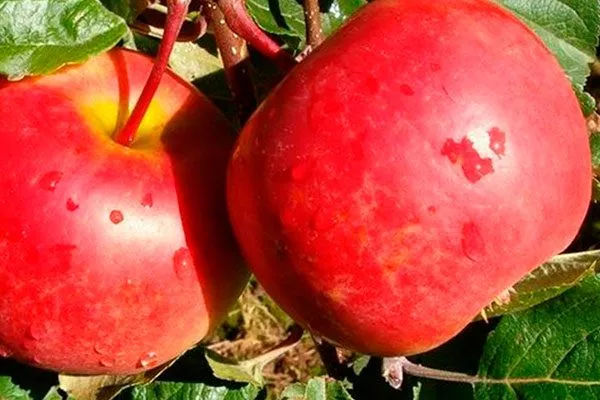
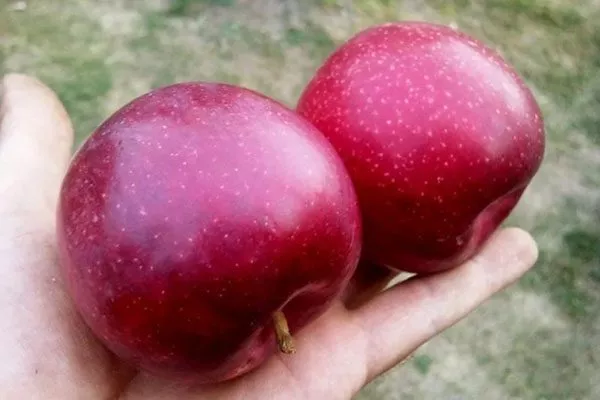
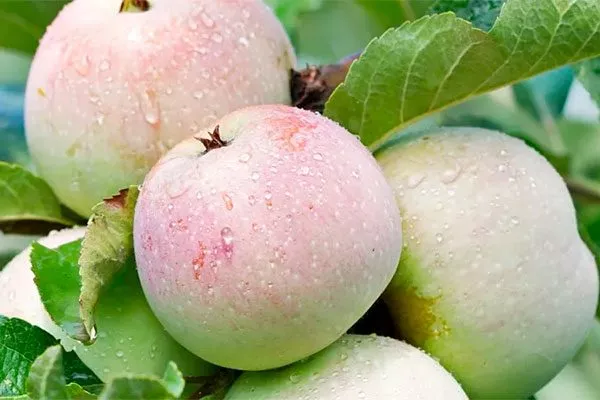
Apple tree varieties for central Russia
Thanks to its moderate climate and fertile soil, Central Russia is ideal for successful apple cultivation, guaranteeing consistent, abundant harvests. Numerous varieties are grown here, classified by ripening time.
Autumn varieties include:
- Persian;

- Golden Delicious;
- Pupil;
- Raika;
- Era;
- Snowdrop;
- Kuibyshevskoe;
- Liberty;
- March;
- Sverdlovsk blush;
- Scarlet sweetness;
- Belarusian sinap;
- Belarusian raspberry;
- Bellefleur Bashkir.
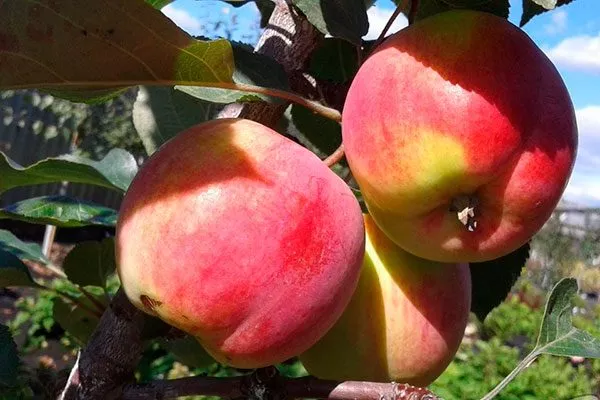
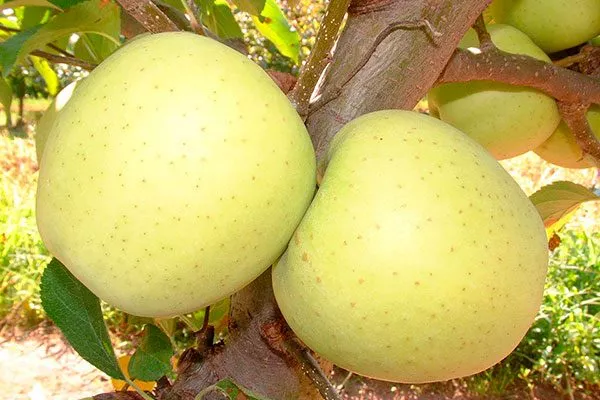
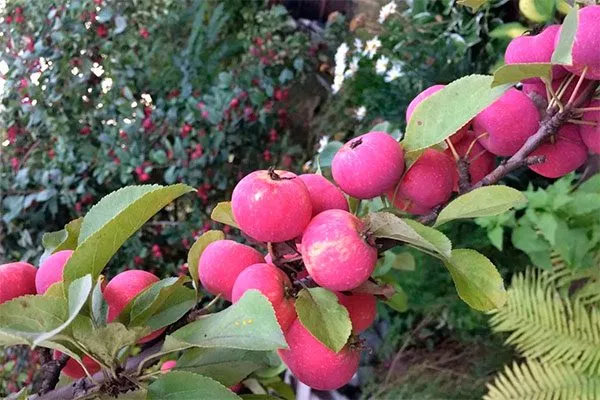
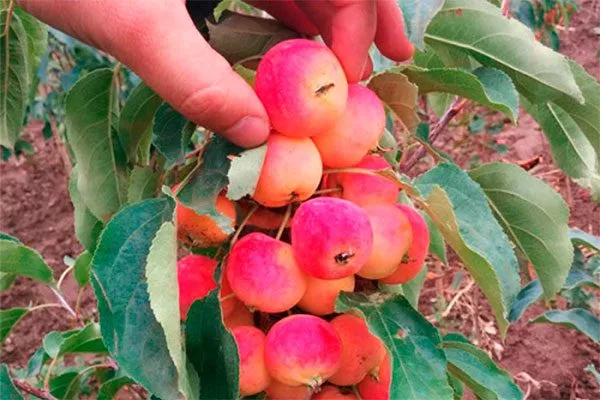
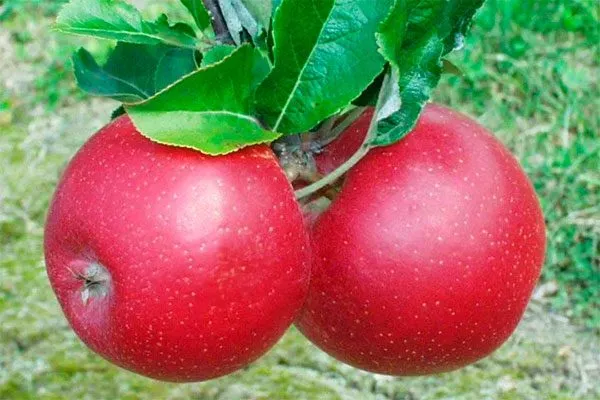
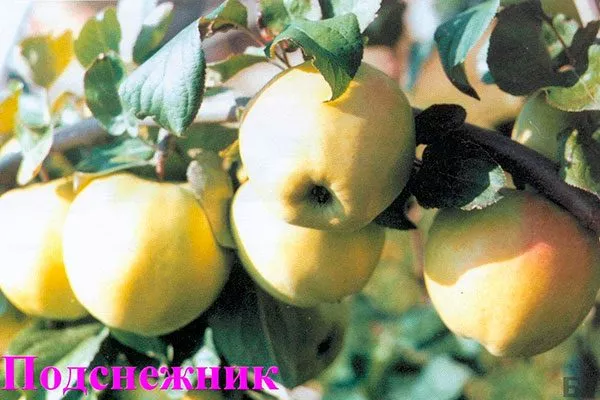
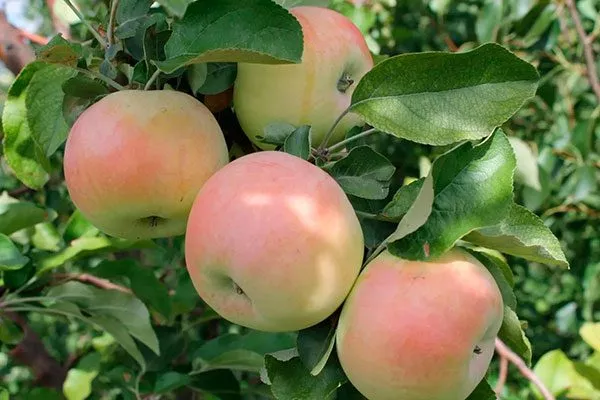
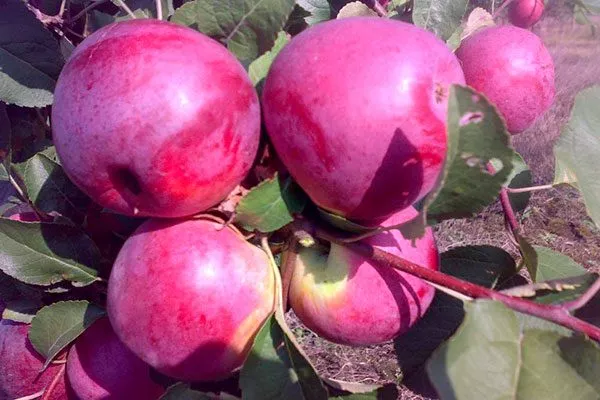
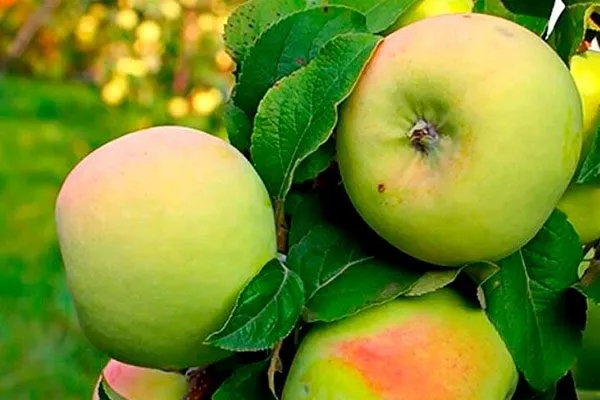
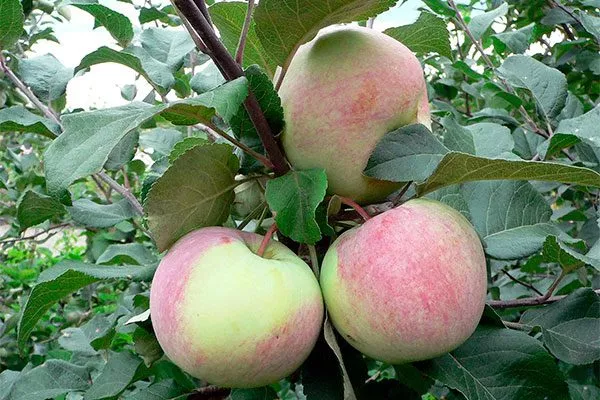
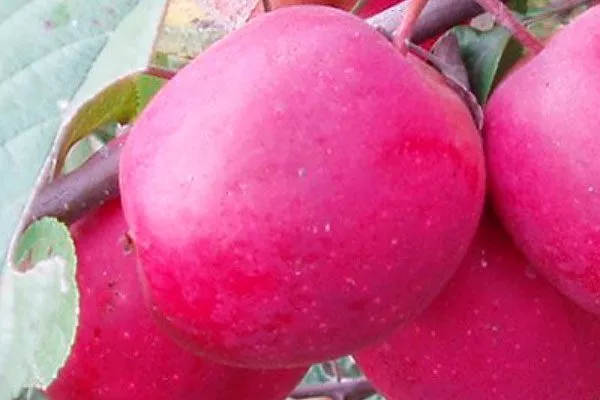
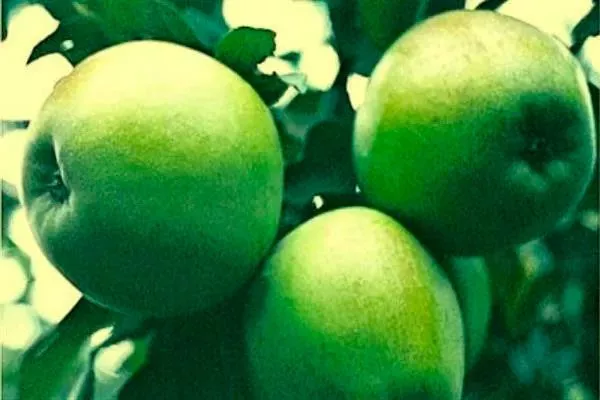
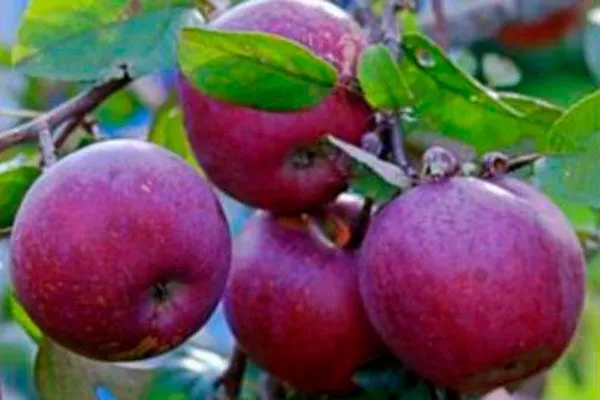
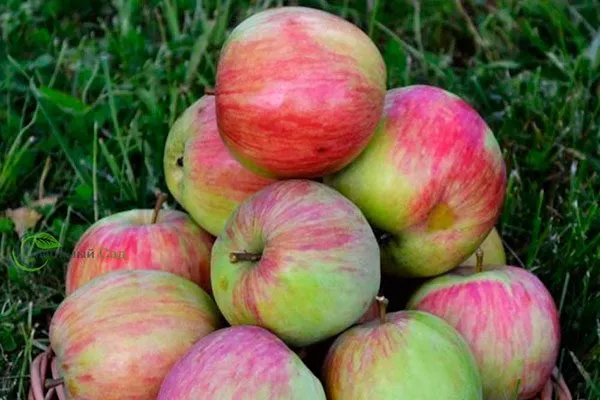
Summer varieties:
- Miass;
- Rose;
- Red Free;
- Williams Pride;
- Riga dove;
- Sunrise.
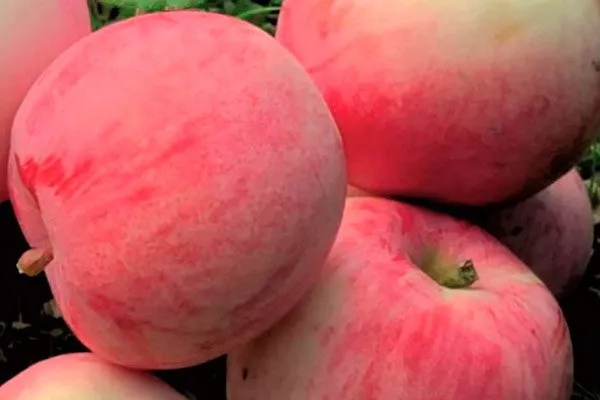
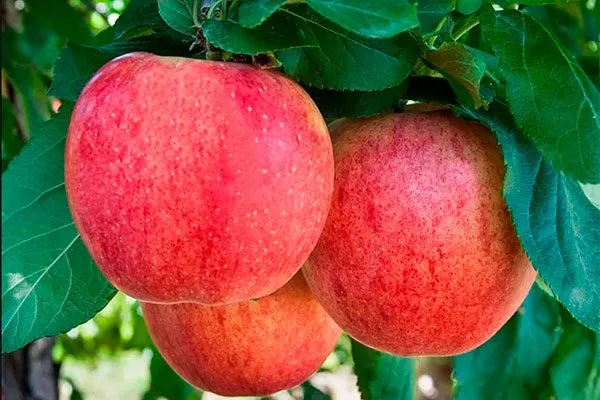
Apple tree varieties for southern Russia
In this area, favorable climatic conditions contribute to the cultivation of a wide variety of apple trees, including those that tolerate cold well and those that love heat.
Popular summer options:
- Beauty of the garden;
- Miass;
- Geneva;
- Helena;
- Cheburashka;
- Gift of Autumn;
- Quinti;
- Berry;
- Daria;
- Firebird.
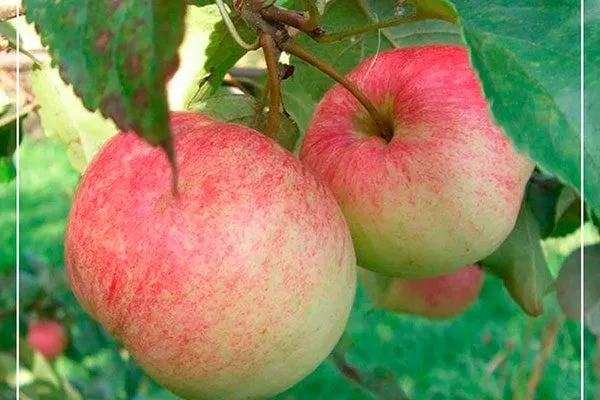
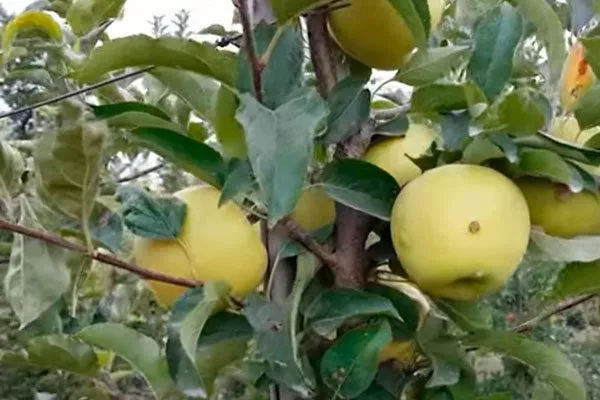
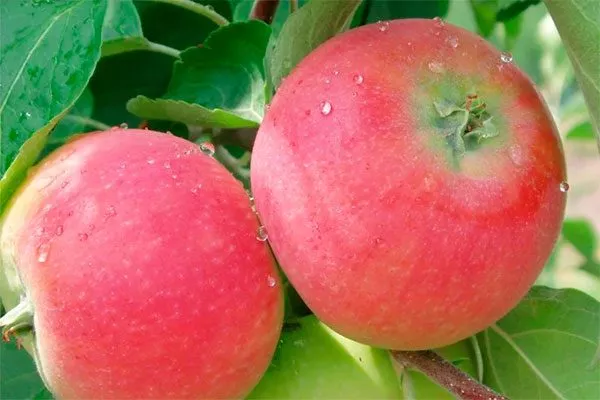
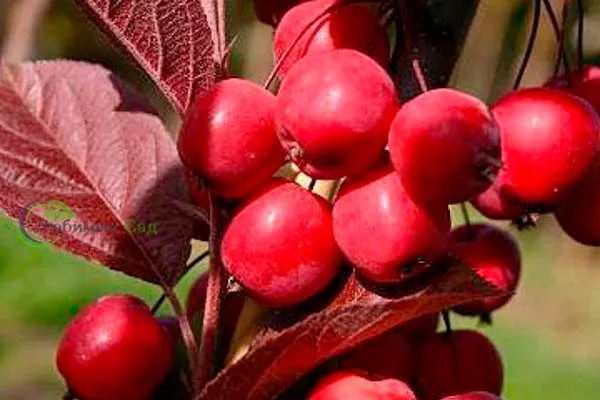
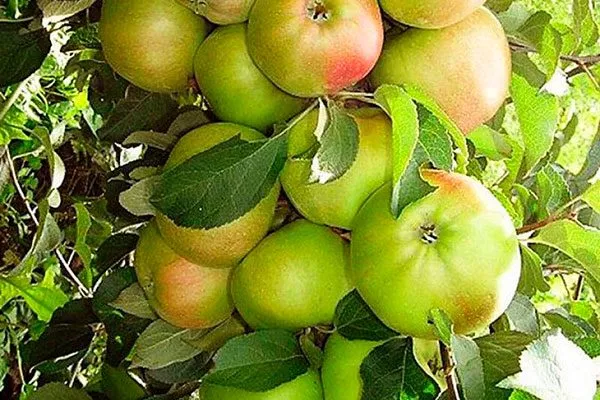
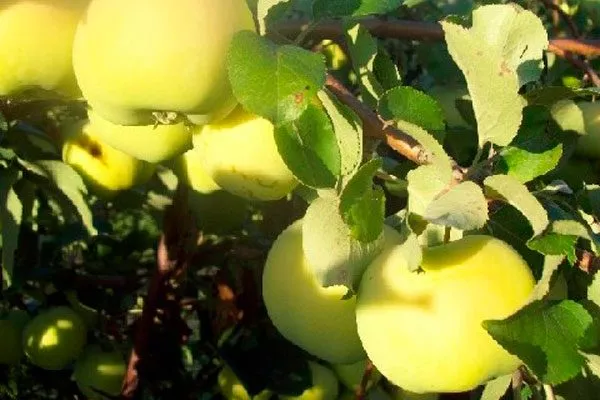
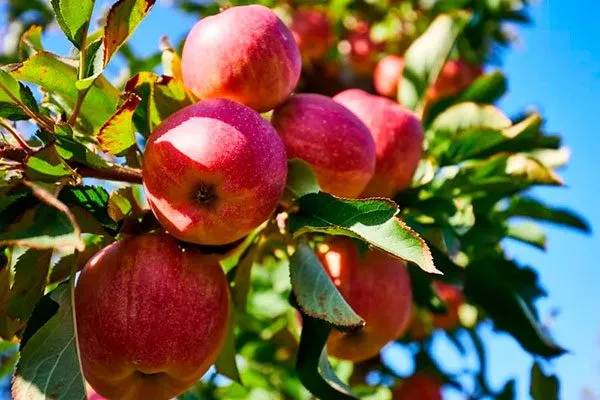
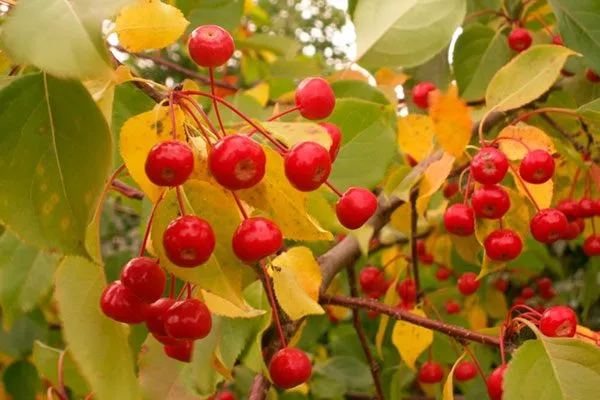
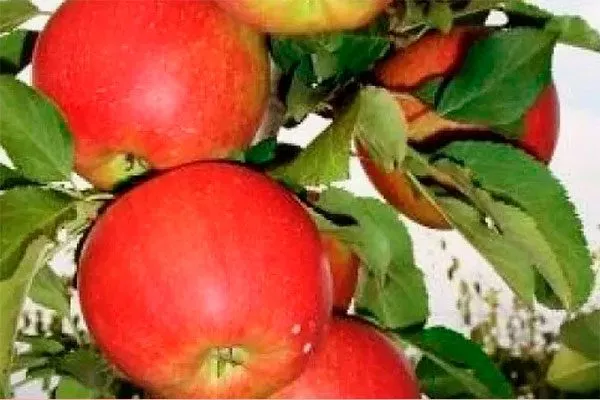
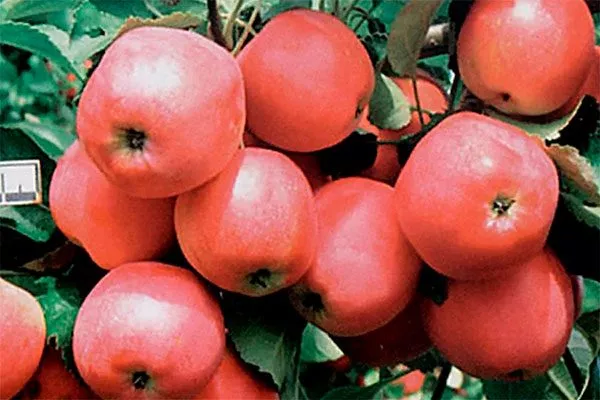
Autumn varieties are represented by the following names:
- Persian;
- Manchu;
- Black Prince;
- Braeburn;
- Carmelita;
- The green stuff is juicy;
- Sakhalin Pendula;
- Glory to the victors.
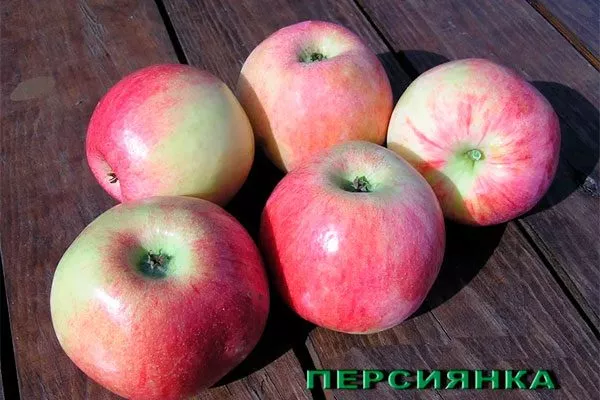
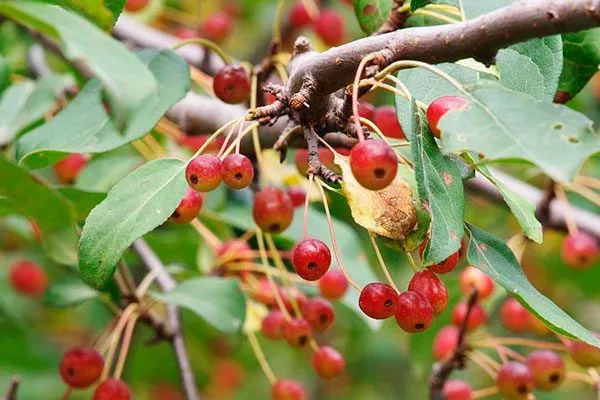
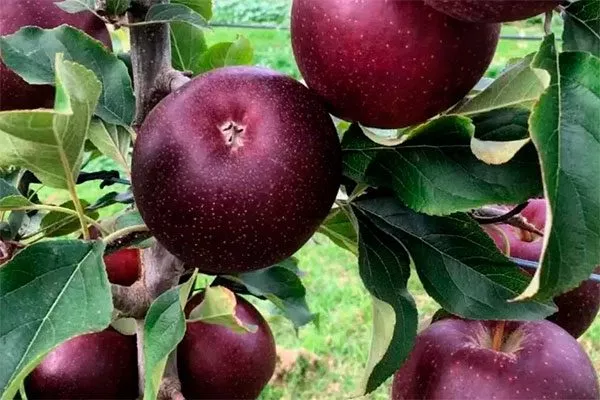
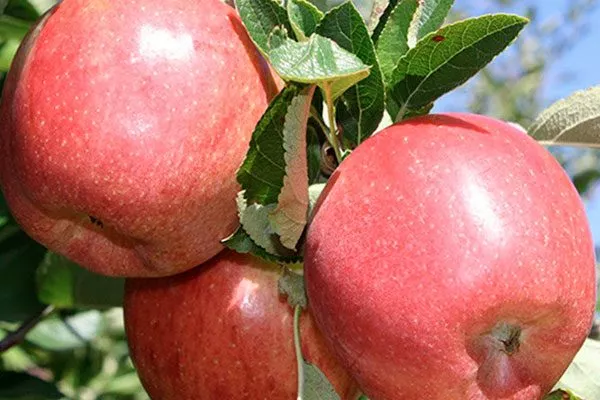
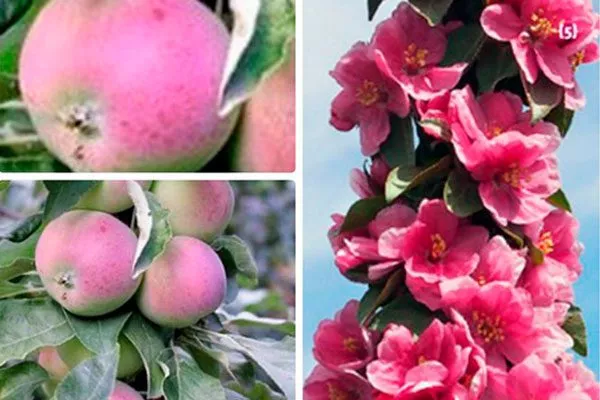
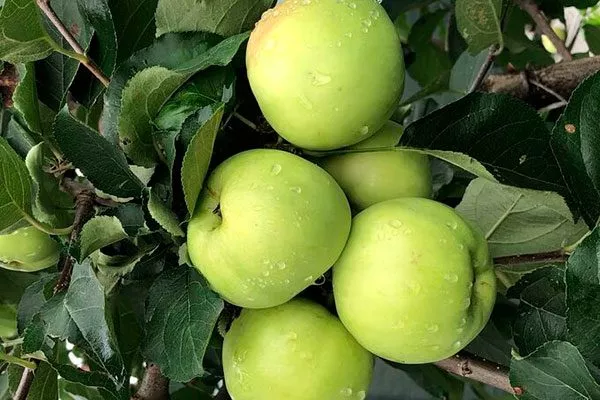
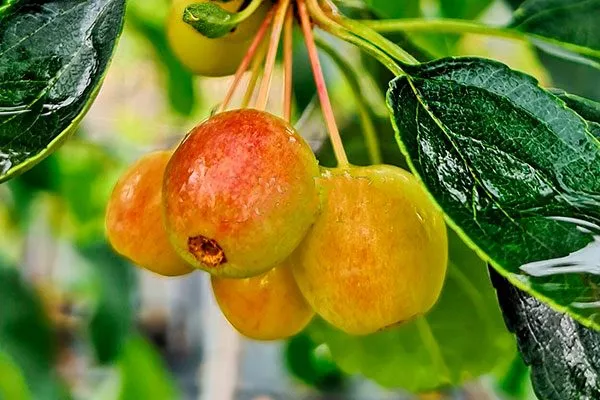
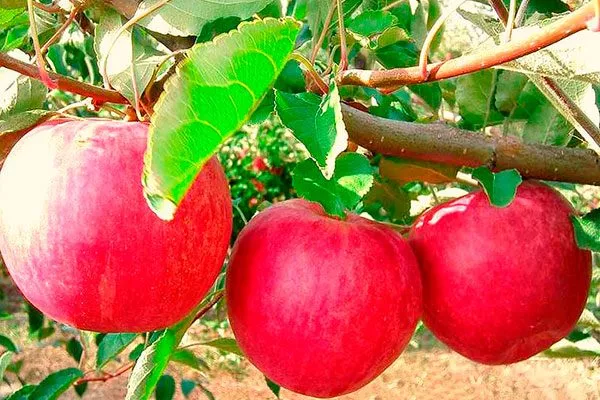
Winter varieties include: Stark, Northern Sinap and Nastenka.
Apple tree varieties for northern Russia
The local climate is quite harsh, so only frost-resistant apple trees that can withstand temperatures down to -40°C are suitable for cultivation.
Among the summer varieties are:
- Miass;
- Helena;
- Gift of Autumn;
- Arkad;
- Berry;
- Cheburashka;
- Russian beauty;
- Wine.
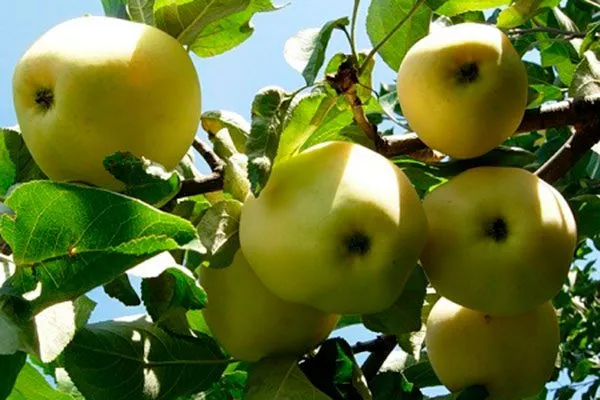
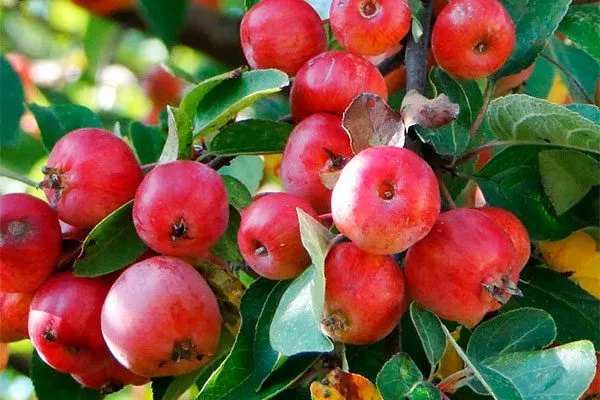
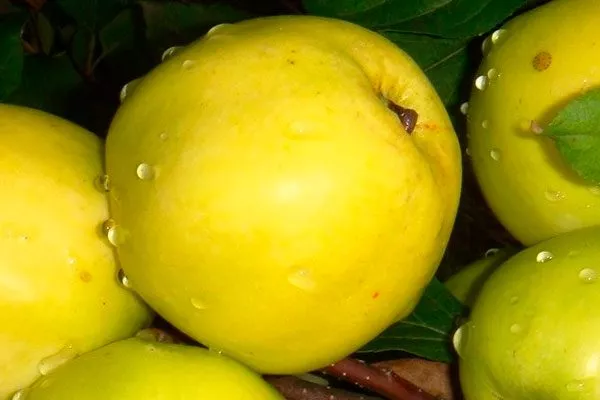
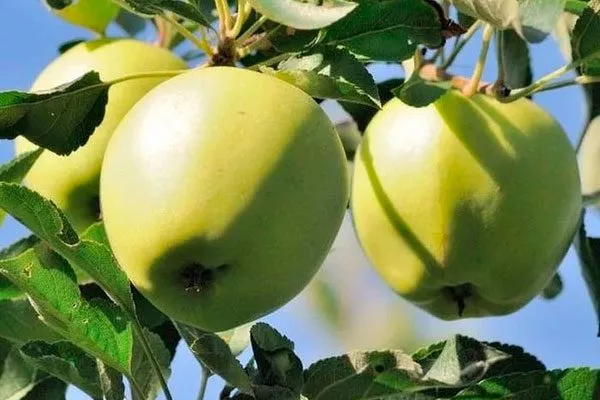
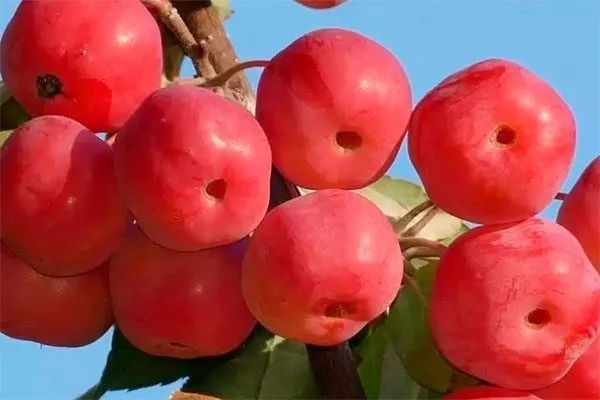
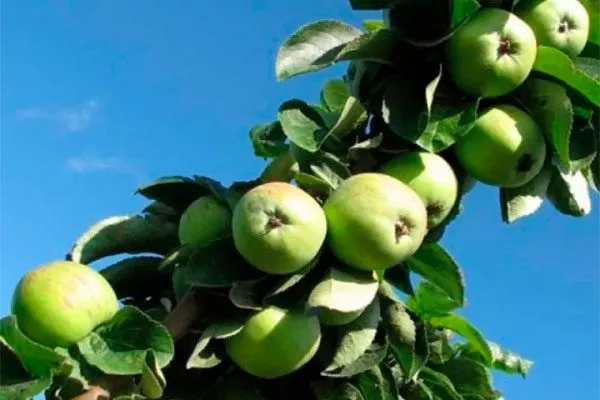
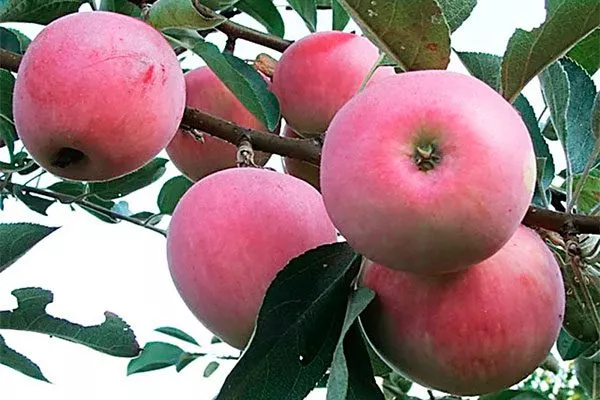
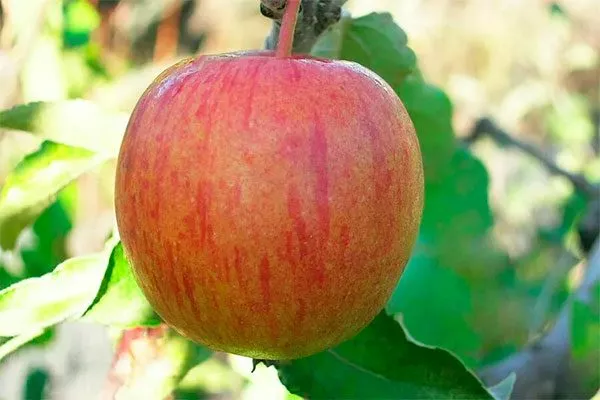
Autumn varieties include:
- Persian;
- Pupil;
- Snowdrop;
- Spartacus;
- Renet Chernenko;
- Autumn striped;
- Pervouralskaya;
- Purple anise;
- Apple Savior;
- Alesya;
- Beauty of Sverdlovsk.
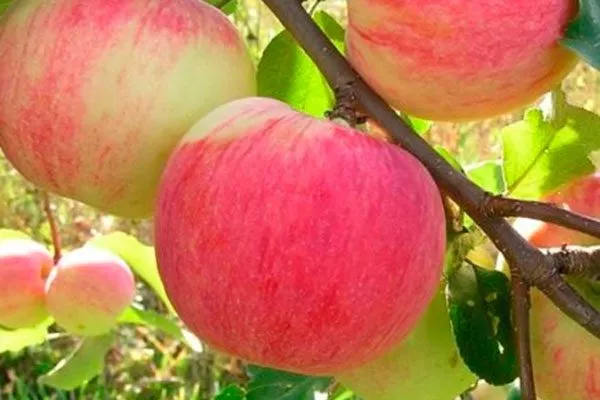
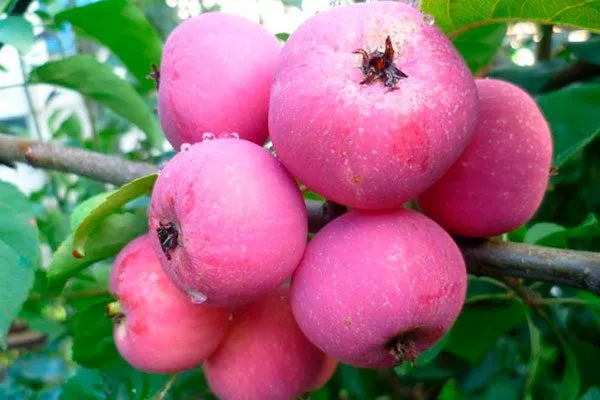
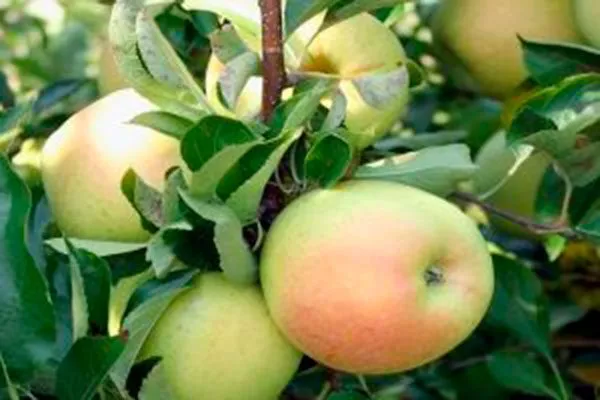
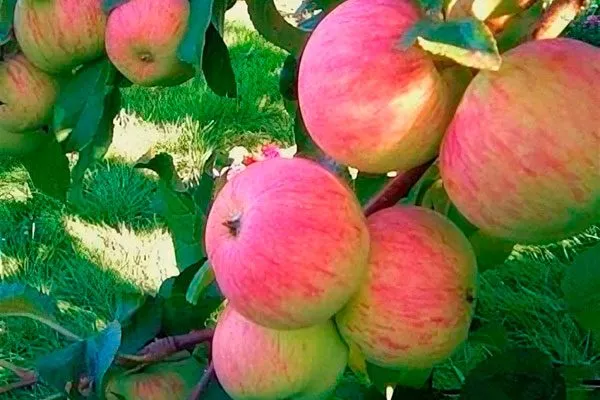
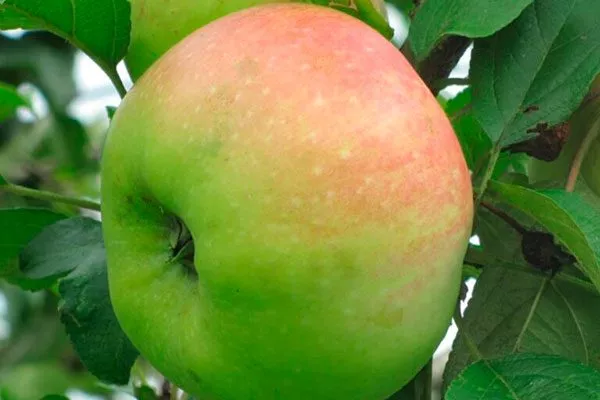
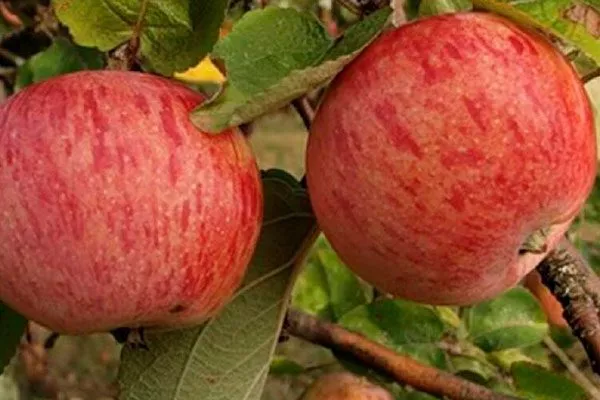
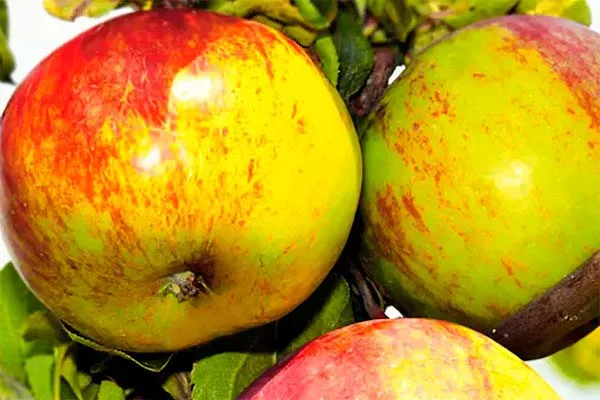
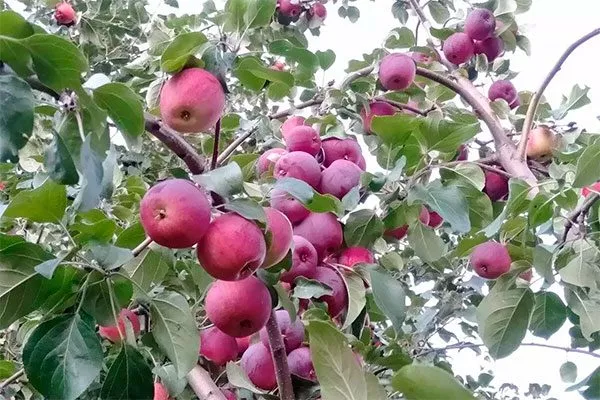
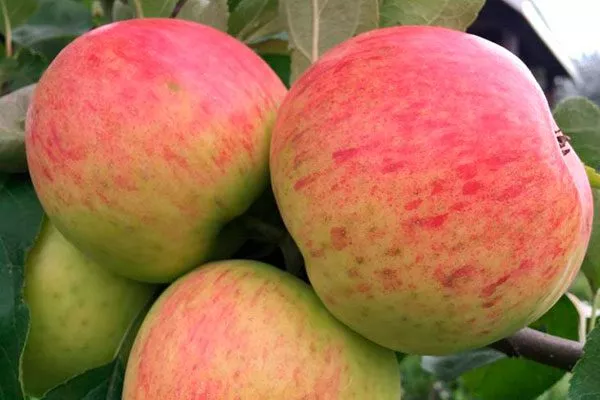
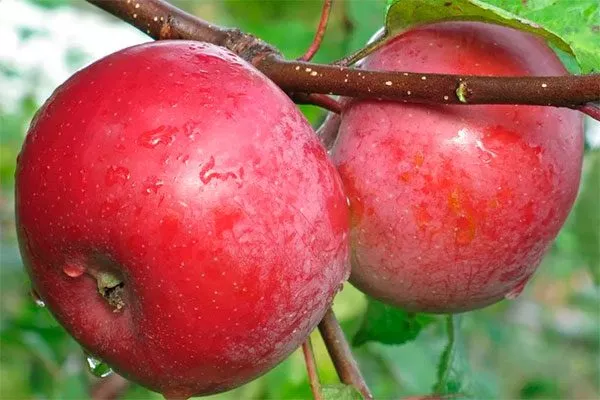
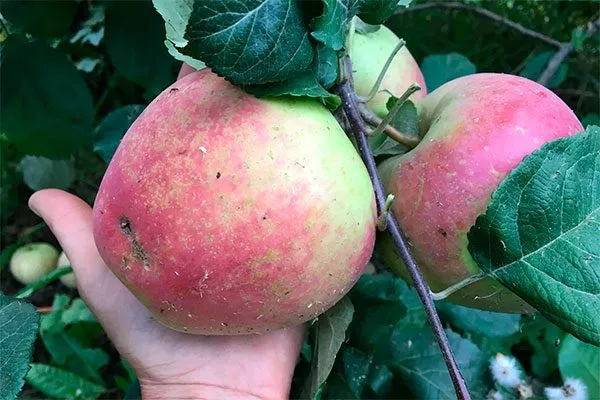
The winter assortment is represented by the varieties Severny Sinap and Nastenka.
Type of apple trees
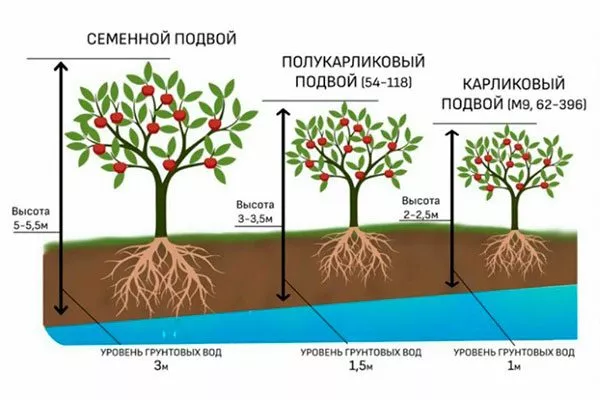
There are three main types of apple trees, classified by crown height and root depth. Let's take a closer look:
- Tall Apple trees reach 7-8 meters in height, characterized by a developed root system that penetrates deep into the soil. They are ideal for areas with groundwater levels of 3 meters or deeper.
- Semi-dwarf These varieties are characterized by moderate growth, typically reaching 4-5 m, and shallower root penetration compared to vigorous varieties. They are recommended for planting at a groundwater level of 2-2.5 m.
- Dwarf Varieties – the most compact type, not exceeding 2.5 m in height. Ideal for areas with a high groundwater level close to the surface.
How to choose apple tree seedlings for planting?
It's recommended to purchase planting material from specialized nurseries that offer apple trees and other plant species adapted to local conditions. This increases the likelihood of acquiring a suitable specimen free of infection and damage.
Seedling size
When planting, it is not recommended to use large plants, since the common opinion that “bigger is better” is wrong here.
Age of the apple tree
When planting in spring, it's recommended to choose apple tree seedlings 1-2 years old. In the fall, more mature specimens can be planted.
This is due to the fact that under conditions of almost complete cessation of vegetative processes, the risk of plant death during transplantation is significantly reduced.
Root system type
Plants with closed root systems, offered in containers or with root bags, are best suited for fall planting. They are more cold-hardy and root faster, and can be planted even after the leaves have emerged, provided they are watered thoroughly.
In contrast, bare-root seedlings, supplied without soil or containers, are convenient for transportation. However, their unprotected roots are more sensitive and take longer to establish, being at risk of freezing even at above-zero temperatures.
Bare-root trees are best for spring planting. It's important to transplant them into the ground before the buds begin to open.
Availability of vaccinations
It's important to ensure the grafting site is clearly visible on the trunk, approximately 3 cm above the root collar. This confirms the seedling belongs to the cultivar.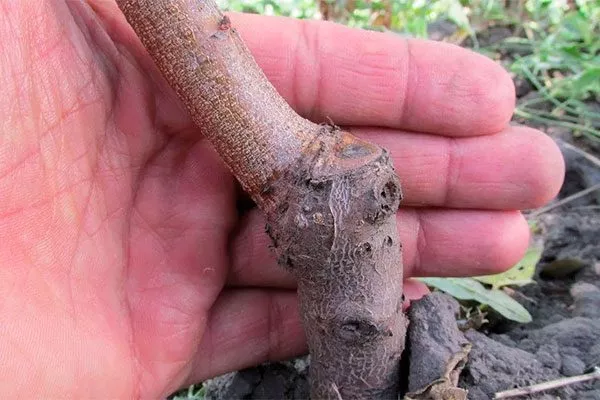
Appearance
When selecting seedlings, it's important to ensure they are healthy: the absence of signs of wilting, mechanical damage, and traces of pests or diseases are key indicators.
When to plant an apple tree in open ground?
Young trees are typically planted either in the spring, before the sap begins to actively flow, or in the fall, when the plant is dormant. Both seasons have their advantages and disadvantages.
In the spring
To successfully prepare for winter cold, especially in regions with harsh climates, it is recommended to plant apple trees in the spring. During the warmer months, the seedlings will strengthen and adapt.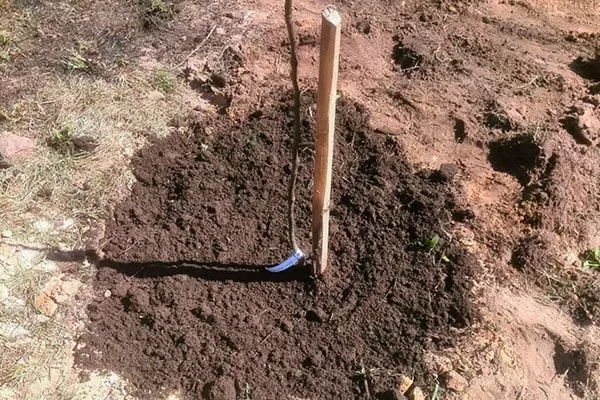
Basic rules:
- It is best to plant bare-root plants in the ground before the buds open, when a stable positive temperature is established and the soil warms up to +9°C.
- In the middle zone, the optimal time for planting is from the beginning of April to the first days of May, but it is necessary to take into account the current weather conditions.
- It is recommended to choose cloudy days, morning or evening hours for planting.
In the fall
In areas with a mild climate, it is preferable to plant seedlings in the autumn, approximately 20 days before the expected first frost.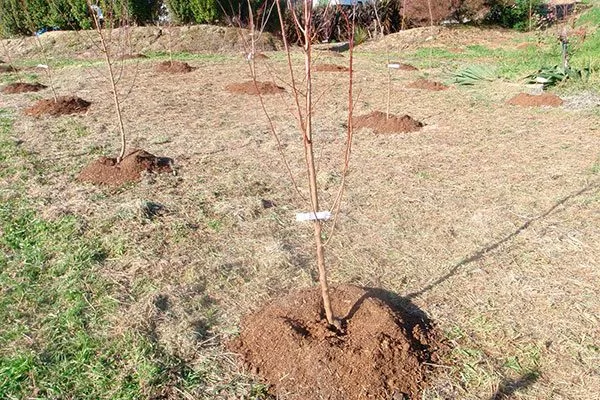
This period is characterized by warm and moist soil, moderate daytime temperatures of up to 15°C and nighttime temperatures not falling below 5°C, which facilitates the successful establishment of young plants. The approximate planting period spans from early September to late October.
As with spring planting, it's recommended to choose cloudy days for fall planting and protect the plant from intense sunlight during the first few days after planting. In dry weather, regularly moisten the soil around the young apple tree.
Is it possible to plant an apple tree in open ground in summer?
Summer planting of apple trees is generally undesirable due to the increased risk of seedling failure. Dry summer months negatively impact growth, active root development can lead to damage, and a deficiency of essential elements in the soil exacerbates the situation.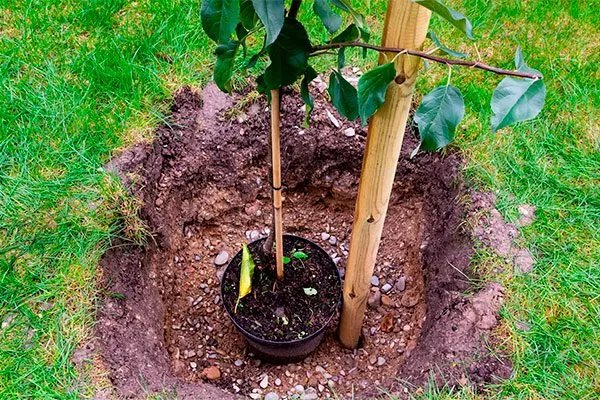
Planting in July risks tree death due to high temperatures, and in August, the risk of disease increases. Unfavorable summer conditions reduce the chances of successful apple tree establishment.
Dependence on the planting region
Timing varies significantly depending on the location of the crop. Optimal periods for various regions of Russia are listed below:
- North-West, including the Leningrad region. The best time for planting is October or the end of April - first ten days of May.
- Moscow region, Central and Volga regions. It is recommended to plant in late September-mid October or late April-early May.
- South of Russia. The optimal period is mid-October to the first ten days of November, or April.
- Siberia. It is better to plan planting for the first half of October or the first half of May.
- Ural. The most suitable time is the second half of September or the first half of May.
How to choose a location and prepare the soil for planting an apple tree?
It's crucial to carefully select a site for planting an apple tree, as this directly impacts its health and future yield. The following factors should be considered:
- The groundwater level should not exceed 2.5 m. If the water table is higher, it is recommended to choose low-growing apple varieties (no taller than 2.5 m) or plant the seedling on an artificial mound.
- The planting site should be well lit throughout the day, as apple trees do not tolerate shade.
- Choose a site protected from northerly winds. The distance from buildings or other trees should be at least 3-4 meters to ensure sufficient light and space for the seedling to grow properly.
- The crop grows best in fertile, well-drained soils with a neutral pH. Black soil with some sand is ideal.
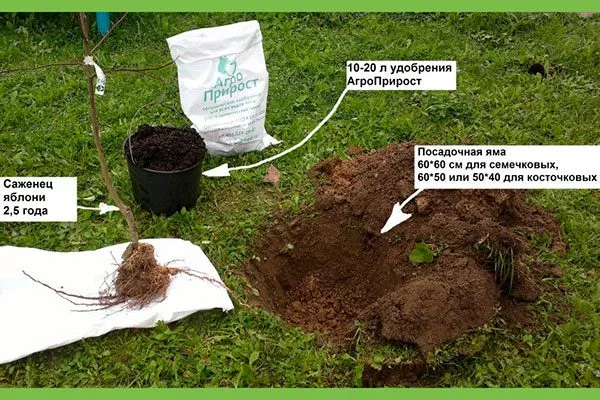
Once you have chosen a suitable location, begin preparing the soil:
- Thoroughly dig the area to the depth of a spade, removing weed roots. For every square meter of soil, add 10 kg of well-rotted compost or humus, 20 g of complex mineral fertilizer (such as nitroammophoska), and 500 g of wood ash to provide the seedling with the necessary nutrients.
- If your garden soil is heavy and clayey, add 10 kg of river sand per square meter. If your soil is sandy, add clay in a similar proportion to improve moisture and nutrient retention.
- After adding all the necessary components, let the soil sit for 2-3 days to allow the soil to settle and the fertilizers to begin to work with the soil. Only then can you begin digging the planting hole.
What can be planted next to an apple tree?
In gardening, it's extremely rare to encounter solitary young apple trees. Typically, landowners strive to maximize the use of their land by planting trees in every available space.
However, when choosing "neighbors" for an apple tree, care must be taken to avoid competition for resources such as light and water. Below is a list of crops that are suitable for planting together:
- The plant thrives alongside pears, quince, grapes, raspberries, and gooseberries. However, a mature, overgrown apple tree trunk can create shade, which can adversely affect gooseberry growth.
- Various vegetables and herbs thrive near young plants. For example, tomatoes, cucumbers, radishes, dill, and basil won't rob the tree of its nutrients. Onions and garlic are also good companions, as their strong aroma repels some pests.
- Among the flower crops, it's worth paying attention to marigolds and calendula. A young tree will provide them with sufficient light. Furthermore, these flowers, thanks to the phytoncides they release, will protect the apple tree from harmful insects.
Step-by-step planting instructions
After purchasing the planting material, choosing the optimal location, and preparing the soil, the key step remains properly planting the tree in the garden. It's important to follow certain guidelines to achieve maximum results.
Pre-landing preparation
Before planting a bare-root seedling, it's recommended to prepare its roots. Helpful tips:
- To stimulate growth, place the lower part of the roots in warm water for 2-3 hours, adding a growth stimulator, such as Kornevin, according to the instructions.
- Alternatively, you can use a clay mash: mix 50 g of superphosphate and 20 g of potassium in 10 liters of water, and then dip the roots of the seedling into the resulting solution.
- Before planting, be sure to remove all damaged or dried parts of the root system by carefully trimming them.
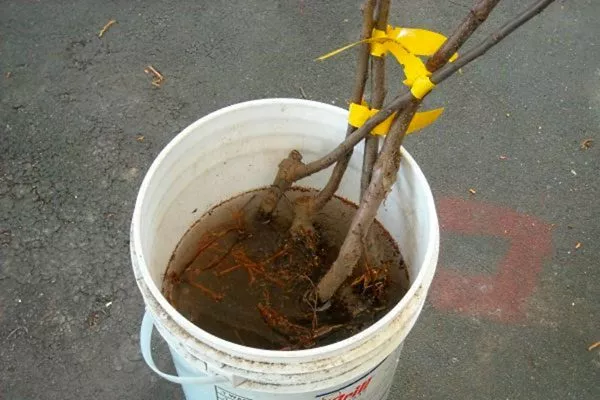
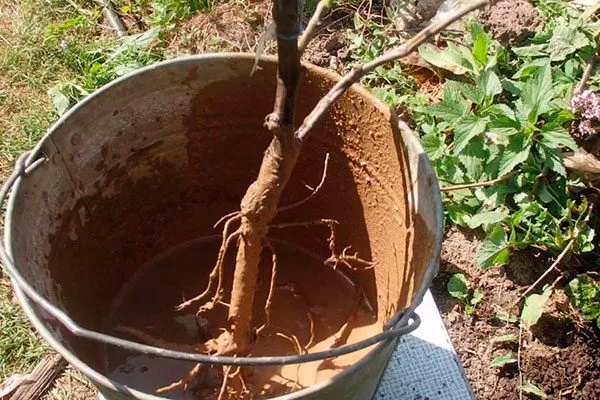
Planting hole and planting depth
Before planting an apple tree, properly prepare the hole, following a number of mandatory requirements. Begin this process a month, or better yet, a year, before planting.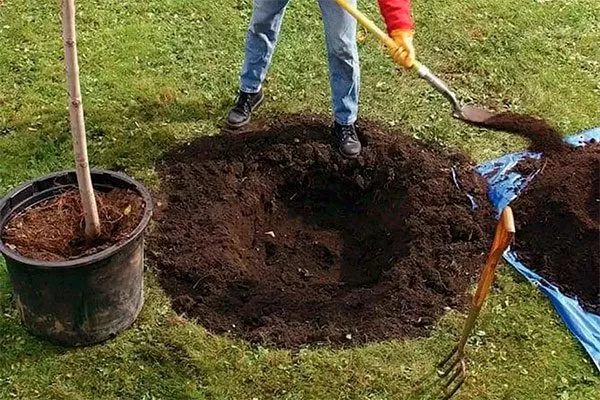
Basic rules:
- If the soil is fertile, dig a hole measuring 70x70 cm; for tall trees, 1x1 m. Set aside the top layer of soil, mix it with humus, peat, ash, and superphosphate, and set it aside for preparation.
- If the soil in your area is sandy, poor in nutrients, and retains moisture poorly, make a hole 120 cm in diameter and 120-150 cm deep. Place a layer of clay at the bottom to retain moisture, then add fertile black soil and a mixture of humus and peat.
- If the soil is clayey, which isn't ideal for apple trees, dig a deeper hole and lay a drainage layer of crushed stone or brick fragments. To improve the soil's looseness, add up to 25% river sand.
- In rocky soils with a thin fertile soil layer (10-15 cm), a hole about 70 cm deep and wide will need to be dug if there is rocky ground or rubble nearby. After filling with fertile soil, install vertical stakes to improve the seedlings' nutrition and moisture.
- In peat soils with a high groundwater level, moisture and acidity must be monitored. If the soil is too acidic, reduce its acidity with lime or dolomite flour, and add compost, ash, and superphosphate to the planting hole.
The depth of the planting hole is determined not only by the characteristics of the variety, but also by the method of grafting the seedling:
- Do not plant seedlings grafted at the root collar onto seedling rootstocks too deeply. Plant them strictly at level, ensuring the root collar remains exposed, especially in heavy, poorly drained soils. Otherwise, the bark may rot, weakening the seedling and slowing fruiting.
- Plant low-grafted trees on dwarf clonal rootstocks so that the graft point is at ground level. Planting the tree too deep will cause the scion to develop its own roots, negating the benefits of the dwarf rootstock. As a result, instead of a compact tree, you'll end up with a large plant.
Placement of seedlings
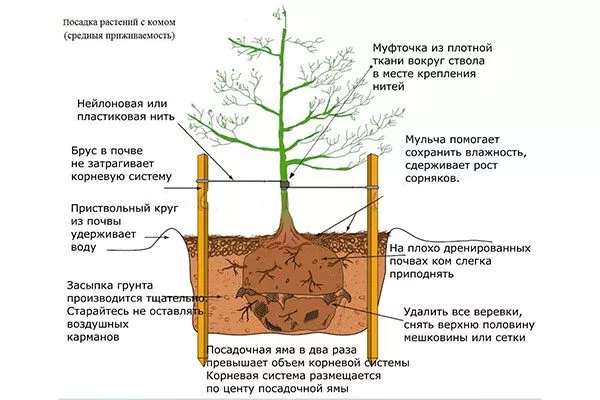
Place the plant in the planting hole so that the root collar (the boundary between the roots and the trunk) is not buried. If it is below ground level, add a little fertile soil to the bottom of the hole.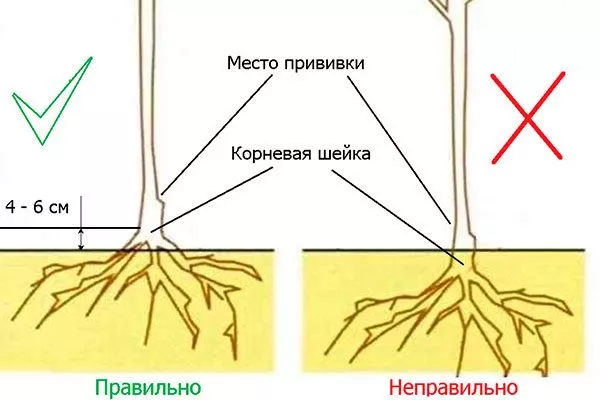
Then follow the instructions:
- Place the seedling in the hole, carefully spreading the roots. For best rooting, follow the tree's growth pattern in the nursery, paying attention to the color of the bark: the darker side should face south, and the lighter side should face north.
- Carefully fill the roots with soil, compacting it as the hole fills to avoid the formation of voids.
- After filling the hole, lightly compact the soil with your feet. Keep in mind that the soil may settle, requiring additional soil.
- Tie the seedling to the support with soft material, forming a figure-eight loop to protect it from wind and root damage.
- Form a rim around the hole to retain moisture during watering. Moisten the apple tree with warm, settled water in several stages (about 30 liters).
- Mulch the tree trunk circle with dry grass, compost or peat in a layer of at least 5 cm, without touching the trunk.
- Shade the seedling using spunbond or netting to protect it from the sun for a week.
Planting apple trees with high groundwater levels
If a site has clay soil and a high groundwater table, there's a risk of tree diseases due to a lack of oxygen for the roots. However, there's a planting method that allows trees to grow successfully even in such unfavorable conditions.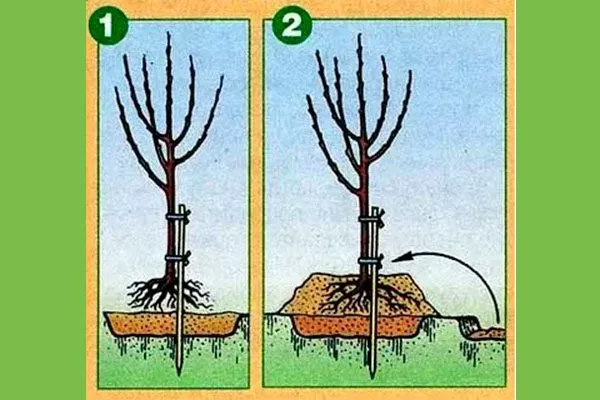
Helpful tips:
- Choose the highest spot on the site, marking a circle with a diameter of about 2 m. Carefully dig the soil to the depth of a shovel blade.
- Build a box from boards approximately 1 x 1 m in size and 70 cm in height. It is permissible to use old boards to speed up their decomposition in the soil.
- Fill the bottom of the prepared box with a nutrient-rich potting mix enriched with fertile soil. Plant the seedling using standard planting procedures.
- Surround the box with soil on all sides, compacting it thoroughly to create a mound. In subsequent years, add soil, gradually widening the mound.
With this placement, the apple tree will require more frequent watering, since the soil in the box dries out faster.
How to increase the survival rate of a seedling after planting?
To ensure successful establishment and vigorous growth, several important rules must be followed. Fruit trees should be planted in sunny areas, at least 3 meters from neighboring fences.
Pruning the roots of an apple tree seedling
If a seedling's roots appear tangled and damaged, resembling a washcloth, this often indicates poor survival. In such situations, it is recommended to carefully trim them perpendicular to their length.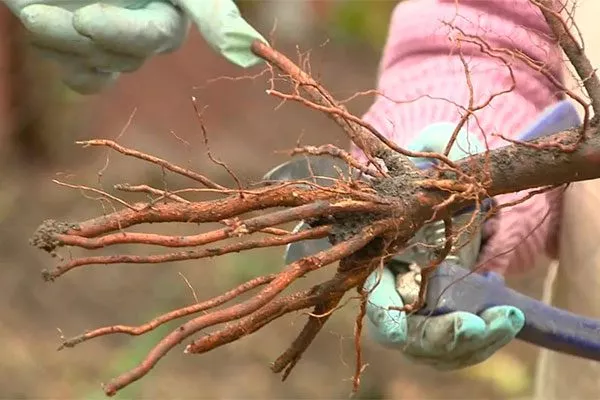
Poor root system health, manifested by bruised and unsightly roots, can seriously impede root establishment. Trimming damaged roots at a right angle is an effective way to increase the chances of successful establishment.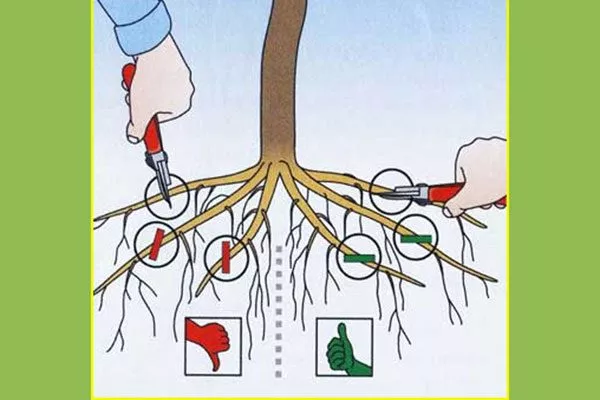
Trimming the above-ground part
When an imbalance is observed between a weak root system and a developed above-ground part of a seedling, it is recommended to restore the balance. The optimal solution is to pre-prun the tree before planting.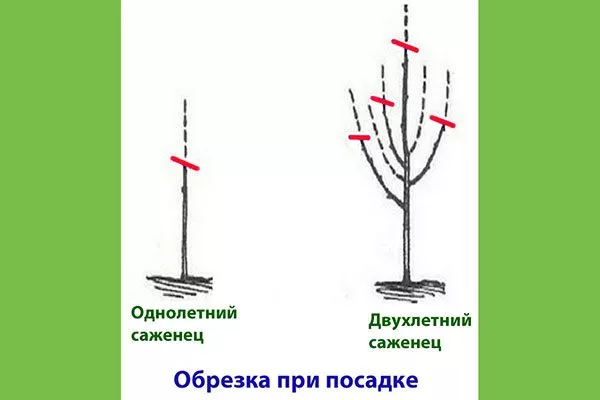
Soaking the roots of a seedling before planting
To successfully plant an apple tree, prepare the plant's roots in advance by soaking them in a nutrient solution. This promotes better rooting and survival.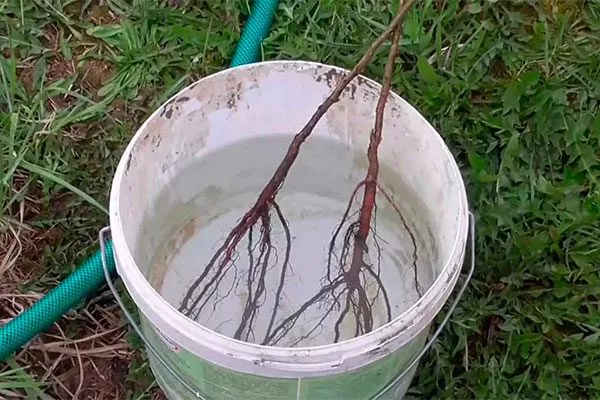
The solution is prepared from a mixture of mullein, soil, and a root growth stimulator called Kornevin. It can be prepared in two ways:
- directly in the planting hole, adding water, manure and the preparation;
- in a separate container, for example, in a bucket.
The optimal consistency for the solution is thick sour cream. A mixture that is too thin is undesirable, as the nutrients will be less concentrated.
Soak the seedling in the prepared solution for at least half an hour to an hour. For maximum effect, increase the soaking time to several hours or leave it overnight.
Abundant watering of an apple tree seedling after planting
To increase the chances of successful rooting, water the tree generously, even in high-humidity conditions. Each plant requires 30 to 40 liters of water.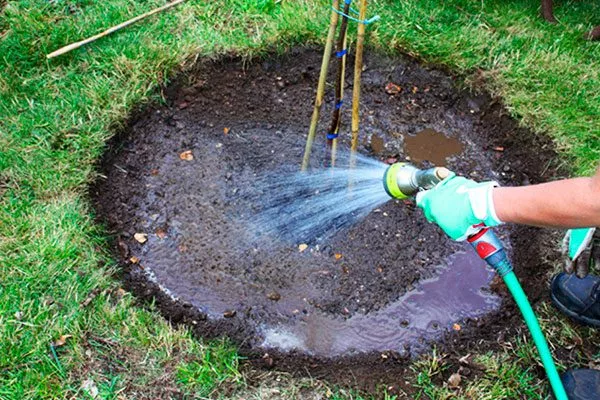
Mulching the tree trunk circle
To prevent bark rot, ensure that the mulch does not come into direct contact with the tree's trunk. To conserve soil moisture, apply mulch around the trunk of a young tree.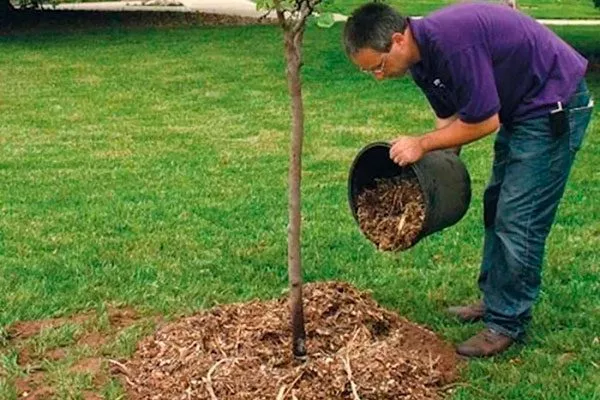
Use organic materials:
- sawdust;
- fallen needles;
- foliage;
- straw.
Tips for caring for an apple tree after planting
Caring for a young apple tree is an investment in a future bountiful harvest. By paying attention to the tree in its first years, you'll be enjoying delicious fruit within just four seasons.
The main stages of care immediately after planting:
- For the first two weeks after planting, do not water the tree. The moisture it received when planting is sufficient. Thereafter, moisten the soil weekly, adding about 20 liters of water to each plant. This watering schedule will help the seedling establish itself without the risk of overwatering.
- Regularly loosen the soil around the trunk, removing weeds at the same time. This will improve air circulation at the roots. The exception is fall planting: stop loosening the soil once cold weather sets in. Be sure to mulch the area around the trunk using peat, humus, or sawdust (at least 5 cm thick).
- A week after planting, prune the tree: shorten the central trunk to 90 cm and the side branches to 20 cm. This pruning promotes the formation of strong main branches and the proper development of the tree's crown.
- If the planting hole was prepared with fertilizer and compost, no additional fertilizing is necessary during the first year. Before winter, increase the mulch layer to 30 cm. This is especially important in regions with harsh climates.
- When planting in the fall, wrap the tree trunk with agrofibre or burlap. This will protect the bark from sudden temperature changes. Additionally, install wire mesh around the sapling to prevent rodent attacks. The covering material should not compress the trunk.
Planting recommendations
Immediately after planting, the young tree needs support. Carefully tie the seedling to a stake. Follow these other tips from experienced gardeners:
- Use mulch to retain soil moisture around the apple tree. It's important that it doesn't touch the trunk to prevent rot.
- To stimulate rooting, slow the seedling's growth by shortening the main trunk to 7 buds and cutting back side branches by about a third. Be sure to prune all dead branches in the fall.
- Remove the first flowers that appear in the second year, as they will not bear fruit and will drain the tree's energy.
- Protect apple trees from diseases and pests by treating them with special preparations, following the instructions for use.
- If the groundwater level is high, consider installing a drainage system with the help of professionals.
- Darkening of leaves may indicate root burn, especially in young seedlings fed with fresh manure or a urea solution. Use these fertilizers with caution.
- In spring and autumn, whitewash the trunks of apple trees to protect them from diseases and pests.
Planting an apple tree requires attention to detail, but if all steps are followed, the seedling will easily establish itself and lay the foundation for a long and productive life. A well-chosen site, properly prepared soil, and careful care during the first few weeks all directly impact the tree's future health.