
The President apple tree is one of the most popular columnar varieties, attracting gardeners with its compact size and good productivity. It's ideal for small plots, requires little maintenance, and is characterized by strong immunity. The apples are medium-sized, round, and pale in color; they are juicy and crisp, with a sweet flavor.
History of selection
The cultivar was developed in 1974 by Russian breeder Viktor Kichina, a professor and one of the first enthusiasts of columnar apple trees in Russia. While working at the Scientific Selection and Technological Center for Horticulture, he crossed two varieties—Vazhak and Obilnoye. The result was a winter-hardy and productive variety.
Description and characteristics of the apple tree President
Columnar varieties are popular due to their compactness: more trees can be planted in a limited space than standard apple trees. The President apple tree is a prime example of this group. This apple tree boasts numerous positive qualities and characteristics.
The appearance of the tree
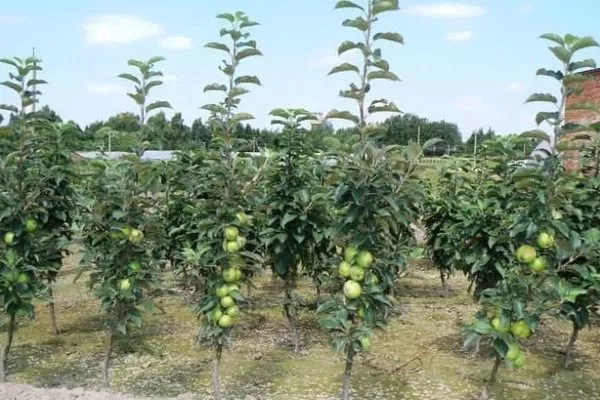
It is a medium-sized plant and reaches a height of about 2 m. Distinguishing features of the President:
- crown – almost absent in the usual sense - instead of it there is a compact, vertical structure (20-25 cm in diameter), formed by short (7-10 cm) spears and rings, densely located along the trunk;
- bark – in young plants it is brownish-green, in adults it acquires a brown tint;
- branches – covered with large, dense, dark green, oval-shaped leaves with a matte surface, a distinct network of veins and slightly serrated edges;
- root system – superficial, without a pronounced taproot, but well branched.
Description of fruits
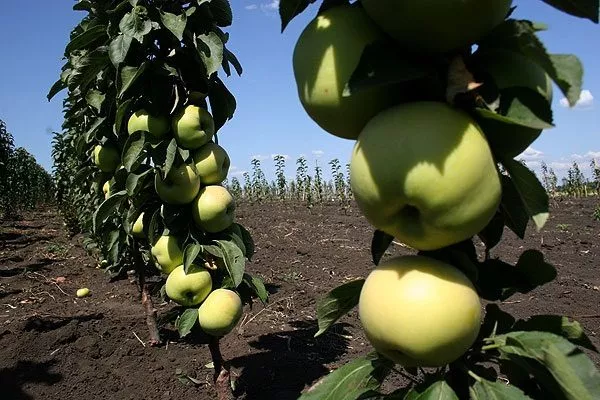
Apples form at a height of 20-35 cm from the ground and evenly cover the entire trunk to the very top. Key fruit qualities:
- weight - varies from 140 to 250 g;
- form - flattened-rounded;
- coloring – pale yellow with a light purple-red blush and a general cover in red-yellow tones;
- skin – thin, but dense and elastic, with a bright shine that is noticeable even through a layer of spring;
- pulp – white, slightly yellowish, fine-grained, very juicy and aromatic;
- taste - distinct dessert flavour with a harmonious combination of sweetness and sourness.
100 g of fruit contains: 235 mg of P-active substances, 11.2 mg of vitamin C, 10.5% sugars and 0.39% titratable acids.
Climate requirements, regions
The President apple tree is officially included in the State Register and is zoned for cultivation in Moscow, Perm, Samara, and several other regions. However, in practice, this variety is successfully cultivated throughout almost all of central Russia due to its good winter hardiness and frost resistance.
Its climatic requirements are not too demanding: the plant tolerates moderate winter temperatures well and can withstand short-term frosts. This variety is suitable for regions with a temperate continental climate and is characterized by good adaptability to weather conditions.
Flowering, fruiting, ripening time
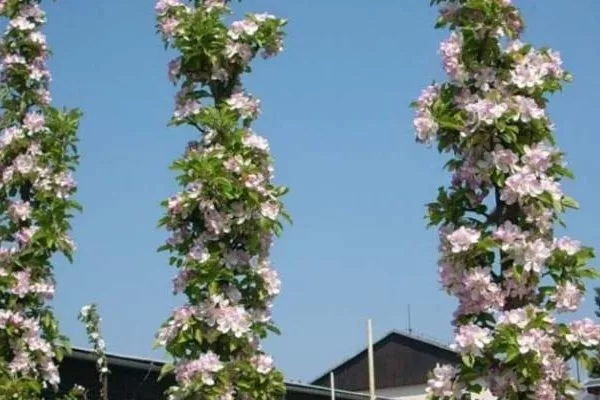
The plant blooms in mid-May. The flowers are large, white with a slight pinkish tint, gathered in clusters, and have a pleasant aroma that attracts pollinators.
Apples ripen in the last ten days of August and reach full consumer maturity by mid-September. President is an autumn-fruiting variety. Fruiting begins as early as the second year after planting, and the tree is characterized by consistent yields and is not prone to irregularity.
Self-fertility, pollinators
It is a self-fertile variety, which allows it to produce numerous fruit even when pollinators are scarce, such as when bee activity is low. However, to increase productivity, it is recommended to plant suitable pollinator varieties nearby.
The following apple trees are considered good "neighbors" for the President:
- Triumph;
- Nectar;
- Currency;
- Moscow necklace;
- Vazhak.
Productivity, winter hardiness
The average yield of the President apple tree is approximately 10 kg per tree. However, with intensive farming practices and good care, yields can reach up to 16 kg of high-quality fruit.
The crop is characterized by relatively low tolerance to low temperatures. Severe frosts can damage shoots, including the tips. If the soil freezes to a depth of more than 20 cm, the root system can be damaged and die.
Frost cracks pose a particular threat to trees. Damaged bark can become an entry point for fungal diseases, requiring immediate intervention. Cracks should be thoroughly treated, adding a systemic fungicide to the mixture to prevent infection.
Where and when to plant?
Growing this crop doesn't require any special skills or experience. The President variety is ideal even for beginners, as it requires minimal care. However, it's important to follow basic guidelines.
Site and soil requirements
The President apple tree prefers sunny, well-ventilated sites. It's important to avoid groundwater near the trees, and ensure the water table is no higher than 1.5 meters above the surface. Plant seedlings 60 cm apart and 90-100 cm between rows.
The soil should be fertile, well-drained, and neutral or slightly acidic (pH 6-7). Ideally, loamy or sandy loam soils rich in organic matter and capable of retaining moisture, but not stagnant water.
In the fall
Begin autumn planting of President apple trees around the start of leaf fall. Key points:
- light frosts will not prevent the tree from taking root;
- dry autumn can be a problem;
- If there is no rain, the apple tree needs abundant watering every 3 days to provide sufficient moisture for rooting.
In the spring
In spring, begin cultivating after the soil has completely thawed. To speed up the process, cover the hole with a black material, such as agrofibre. This will help the soil warm up more quickly and prepare the planting site.
What is the best material to grow from?
It's best to use one-year-old seedlings for planting, as they tolerate transplanting better. Mature trees may become diseased after transplanting.
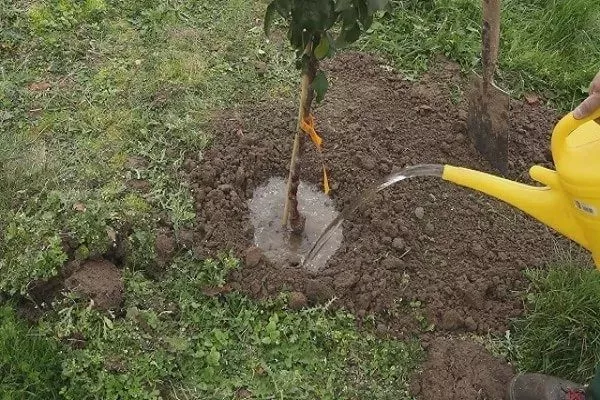
When transporting the planting material, ensure that the roots do not dry out and that the soil in the planting hole does not dry out completely. Immediately after planting, thoroughly water the plant.
Purchasing a seedling
To acquire high-quality planting material, it's important to adhere to certain standards. Follow these rules:
- Buy seedlings from trusted suppliers or specialized nurseries.
- Choose one-year-old plants, as they tolerate transplanting better and adapt more quickly to their new location. Two- or three-year-old trees may have a more developed root system, but they are more difficult to establish.
- Make sure the seedling is healthy, with no damage to the trunk or roots. It should have a straight trunk and strong roots. Look for signs of disease or pests.
- A suitable plant will have firm and moist roots. If they're dry, it may be due to improper storage or transportation. In this case, soak the plant in water for a few hours.
The best time to purchase planting material is autumn or early spring, when you can properly prepare the planting site and begin planting immediately.
Preparing the soil and seedlings
Dig a hole 60 cm in diameter and about 50 cm deep. Before planting, trim off any damaged or overly long roots. This will help stimulate new root growth and speed up establishment.
Add organic fertilizer—rotted manure or compost (approximately 5-8 kg per 1 sq. m). If the soil is heavy (clay), add sand to improve drainage. If necessary, use superphosphate (10-15 g per 1 sq. m) and potassium salt (4 g per 1 sq. m).
Step-by-step planting instructions
Apple tree cultivation involves several steps. Here's a step-by-step guide:
- Place a peg in the center of the prepared hole.
- Fill the hole with fertile soil mixture.
- Place the seedling so that the graft remains 4-5 cm above ground level.
- Carefully straighten the roots and tie the tree to a stake.
- Cover the roots with nutritious soil and compact it thoroughly.
- Water the plant generously.
- Mulch the tree trunk circle with peat, hay or mown grass.
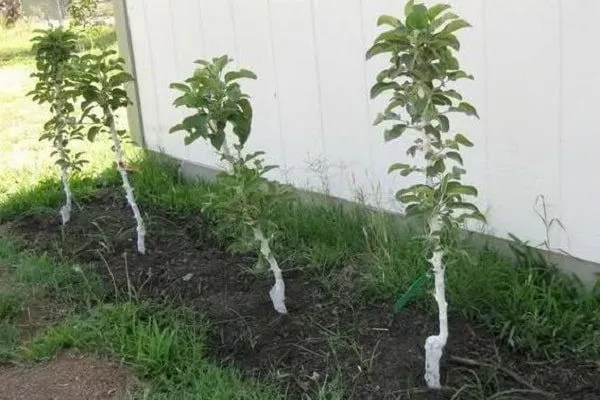
If planting is done correctly, the tree will quickly take root and begin to form the first ovaries the following year.
Plant care
Proper agricultural practices play a key role in the health of the tree and the future harvest. Failure to comply with these requirements can result in the loss of a valuable garden crop.
Nuances of crown formation
Columnar apple trees require regular pruning. Typically, the tree grows with a single central branch, although sometimes two may develop. To create a proper crown, prune the side shoots, leaving two to three buds on each.
Begin shaping the tree in the second year after planting. Additionally, perform sanitary pruning: remove frozen and dried branches and shoots.
Features of watering
The President apple tree requires regular watering, especially in spring and autumn, when water should be added at least once a week.
Follow the rules:
- During the flowering and ovary formation period, increase the frequency of irrigation to twice a week.
- Summer watering depends on precipitation: if there has been heavy rainfall, additional watering will be required no sooner than after 5 days. Overwatering is not recommended, as excess moisture can lead to oxygen deficiency in the root system.
- Excellent results are achieved using drip irrigation in combination with soil mulching. Maintaining stable moisture promotes vigorous plant growth and high yields.
Fertilizer application rules
Feed the crop three times a year, using both root and foliar methods to ensure complete nutrition.
Fertilizer application procedure:
- When the leaves bloom and 2 weeks after that. Apply root fertilizer: 50 g of urea per 10 liters of water. Consumption: 2 liters per plant.
- After the leaves have blossomed until mid-July. During this period, take care of the foliar application of urea solution of 0.1-0.2% concentration.
This feeding regime helps ensure healthy growth and the formation of a good harvest.
Pruning and rejuvenation
Rejuvenating pruning helps extend the lifespan and fruiting of older trees. However, it's important not to remove too many branches at once, as this can deprive the roots of nutrients, which can ultimately lead to the death of the plant.
Basic requirements:
- Start pruning from the central trunk, then remove skeletal and semi-skeletal branches, following this sequence. Treat the cuts with drying oil or homemade varnish.
- In August, bend large shoots towards the side branches, leaving the strongest one.
- Young trees don't require heavy pruning. In the first year, this should be done for sanitation rather than for formative purposes. Prune lateral shoots back to a couple of buds to maintain the plant's decorative appearance. These shoots absorb a lot of nutrients, which are more important for future harvests.
Harvesting, storage
President apples begin to ripen in the last ten days of August, and fruiting continues until mid-September. The optimal storage temperature for apples is 0-2°C. Store crates of fruit in a cellar or basement.
The fruits have excellent shelf life and retain their appearance and flavor until the end of December. They are ideal for fresh consumption, canning, dried fruit, jam, and more.
Preparing the apple tree for winter
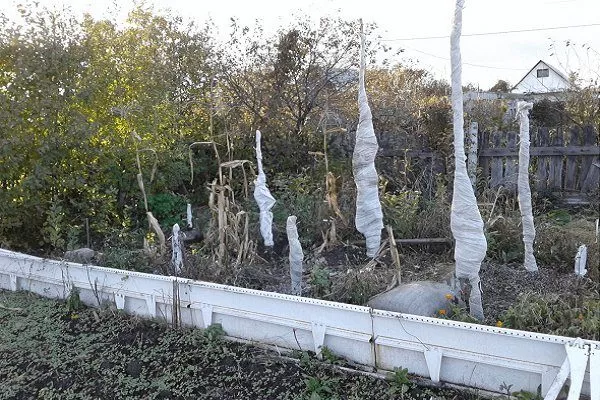
The plant is characterized by good winter hardiness, but to protect it from cold, it is recommended to cover the trees for the winter, especially young seedlings. Since their root system is located close to the soil surface, cover the area around the trunk with a thick layer of peat or sawdust.
Diseases and pests
With regular preventative spraying, diseases and pests rarely bother the columnar apple tree "President." However, with improper care or unfavorable conditions, the variety may encounter various problems:
- Scab. A fungal disease that attacks young shoots. Characterized by the appearance of green spots that later darken. For prevention and treatment, use fungicides such as Horus or Topsin-M. Apply in the spring, before bud break, and repeat after 14 days.
- Powdery mildew. The fungus appears as whitish spots on leaves and bark. Spray with sulfur-containing products such as Kuprocit or Topaz at the first sign of disease.
- Bacterial burn. This bacterial disease develops during warm, humid weather. Tree branches darken and turn black. Remove affected branches and treat the cuts with copper sulfate. Use Fitosporin for prevention.
- Aphid. A small insect that sucks sap and nutrients from young tree parts. Insecticides such as Actellic and Fitoverm are effective against them. Folk remedies such as garlic infusions or soap solutions can also help.
- Mite. This small parasite damages apple tree leaves and fruits, leaving raised areas. Affected areas eventually turn black. Acaricides such as Fufanon or Neoron will help. Treat the crop early in the growing season, before the first symptoms appear.
What to do if it doesn’t bloom or bear fruit?
If your apple tree has stopped blooming and is no longer producing fruit, take several steps immediately. Follow these steps:
- Apply necessary fertilizers to support the growth and development of the tree.
- Replant the plant in a sunnier, wind-protected location.
- Check the tree for pests or diseases that may be inhibiting its fruiting.
- Provide regular and sufficient watering to ensure the plant receives all the resources it needs to grow.
Pros and cons
Reviews
The President apple tree is an excellent choice for both novice and experienced gardeners. This variety begins bearing fruit quickly, producing large apples with excellent flavor. With timely and proper cultivation practices, it can significantly strengthen the plant's immunity and increase productivity.