
Semi-ornamental apple varieties occupy a special place among fruit trees, combining aesthetic appeal with practical utility. They adorn the garden with decorative foliage, spectacular blooms, and vibrant fruit. These trees are ideal for small plots, parks, and gardens where it's important to combine landscape beauty with functionality.
What are semi-ornamental apple tree varieties?
These are varieties of apple trees that combine two main functions: decorative and fruit-bearing.
Unlike purely ornamental crops, which are valued primarily for their appearance (flowering, crown shape, foliage color, small fruits), semi-ornamental varieties produce edible fruits, but most often not as large and sweet as those of traditional commercial species.
Main features:
- Impressive appearance: lush flowering, attractive crown shape, bright autumn foliage color.
- Edible apples: usually small, sometimes a bit tart, but quite suitable for processing (jam, compotes, cider).
- High stability: Such varieties are often more frost-hardy and less susceptible to diseases than purely commercial ones.
- Versatility of use: They decorate the area and at the same time provide a healthy, if not the most abundant, harvest.
Cultivation goals:
- aesthetic – decorating a garden, park, or summer cottage, creating hedges or accent plantings;
- practical – obtaining fruits for home consumption or processing;
- agrotechnical – use as rootstocks for other varieties due to their hardiness;
- ecological – attracting bees and other pollinators, increasing biodiversity.
Differences from traditional commercial varieties:
| Indicator | Commercial varieties | Semi-decorative varieties |
| Fruit | Large, sweet, meet product standards. | Small or medium, often less sweet, with a bright aroma. |
| Value | They are grown for harvest and sale. | They are grown for the combination of decorativeness and moderate productivity. |
| Sustainability | They require less care, but are less demanding. | More unpretentious, suitable for amateur gardens. |
Semi-ornamental apple varieties occupy a middle ground between purely ornamental and commercially produced varieties. They are suitable for those who want to combine landscape aesthetics with practical utility.
Features of semi-cultivated plants
Semi-cultivated apple trees are an intermediate group of apple trees, resulting from crossing cultivated varieties with wild species. They are prized for their ease of care, resilience, and decorative qualities, while maintaining a certain yield.
Characteristic features of semi-cultivated plants:
- Tree shape. The crown is generally more compact and dense than that of the wild apple tree, but not as even and regular as that of classic varieties. Bushy or semi-spreading forms are common.
- Color of flowers. They can be white or have a pinkish tint, and they bloom profusely, adding decorative value to the tree during the flowering period. The buds are slightly larger than those of wild apple trees, but smaller than those of cultivated ones.
- Decorativeness of fruits. The apples are small to medium-sized, but are distinguished by their vibrant colors: red, burgundy, yellow with a blush, sometimes with a bloom. When fresh, the flavor is often sweet and sour or slightly tart, but they are excellent for jam, compotes, and cider.
- Durability and stability. Semi-cultivated varieties are more winter-hardy and resilient than most garden varieties. The trees are long-lived, capable of bearing fruit for 40-50 years, and even longer with proper care. They are often less susceptible to diseases and pests.
Semi-cultivated apple trees combine the characteristics of wild and cultivated apple trees: ornamental beauty, resilience, and productivity. They are suitable for both landscaping and for harvesting.
Popular varieties of semi-ornamental apple trees
Popular semi-ornamental apple varieties are prized for their harmonious combination of beautiful blossoms, vibrant fruit, and high hardiness. Below are some of the varieties often chosen for garden cultivation.
Niedzwetzky's apple tree (Malus niedzwetzkyana)
The tree does not grow taller than 8 m. The crown of this species can be spherical or pyramidal. Other distinguishing features:
- The apple tree's unique appearance is due to its leaves: dark green on top and purple underneath, with a light fuzz. The elliptical leaves with serrated edges are located on dark purple, thornless stems.
- The flowers bloom on thin, white-fluffy stalks and have a rich pink or purple hue.
- The trunk is covered with bark of a similar color, prone to cracking.
- The fruits are small, about 20 mm in diameter, spherical, and a charming violet-purple color. Their smooth skin is covered with a waxy coating. The flesh is also unusual—it has a pinkish-purple hue.
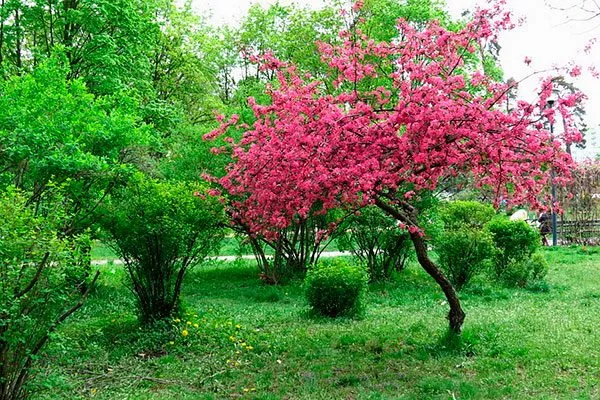
Flowering begins in late spring to early summer and lasts about two weeks. The first flowers can be seen five years after planting, and the first fruits after ten. Nedzvetsky's apple tree Ripens in the fall. Apples reach full maturity in September or October.
Weeping apple tree (Malus pendula)
A compact yet highly ornamental tree. A mature plant typically reaches 1.5-2.5 m in height, with a graceful, drooping crown.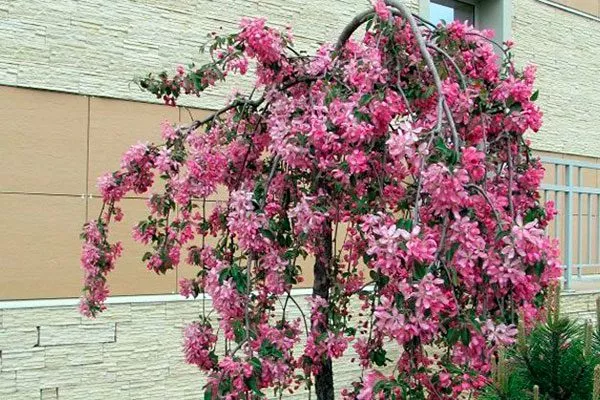
Botanical description:
- Young leaves are a rich red, darkening to a deep green over time. The leaf blades are glossy and ovate.
- The shoots are thin, curved, and brownish-brown. In spring, the tree is covered with large, bright red flowers up to 4 cm in diameter.
- The apples are round, burgundy in color, 3-5 cm in size and weighing about 50 g. They taste sweet with a slight sourness and a distinct aroma.
The harvest begins in late August, reaching harvest maturity by mid- to late September. Productivity depends directly on growing conditions and care. With favorable agricultural practices, a single tree can yield up to 20-30 kg of apples.
Japanese apple tree (Malus floribunda)
Floribunda, native to Japan, is prized for its decorative, dense crown. It has many unique qualities:
- The tree grows up to 4 m in height, with spreading branches, sometimes with thorns.
- The foliage is dark green, juicy and medium-sized.
- Bright red buds open into stunning white and pink flowers 3-4 cm in diameter.
- The apples are small, spherical, reaching 10-20 mm in size. Their coloring combines reddish-yellow tones.
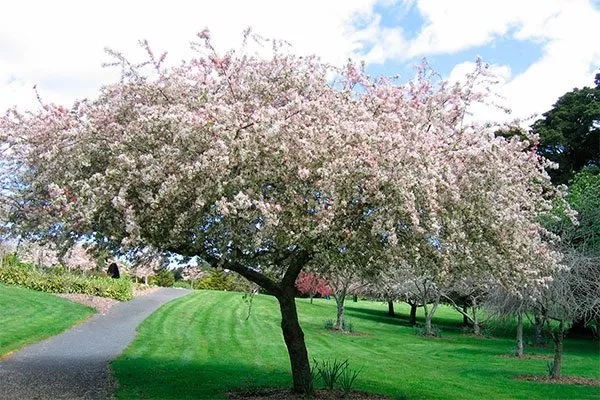
The variety is characterized by intensive growth, high resistance to winter cold, as well as excellent immunity to common apple tree diseases and drought resistance.
Purple Apple (Malus purpurea)
This is one of the hybrids obtained by crossing the Nedzvetsky apple with the Blood-red apple. Key features:
- The tree grows up to 4-5 m, has a light, not too dense crown and thin, graceful branches.
- The foliage is mostly purple, although some forms may turn green over time.
- Flowering occurs in June: petals vary from soft pink to deep burgundy, and both single and double flowers are found.
- The apples are small, dark red, with a pleasant taste.
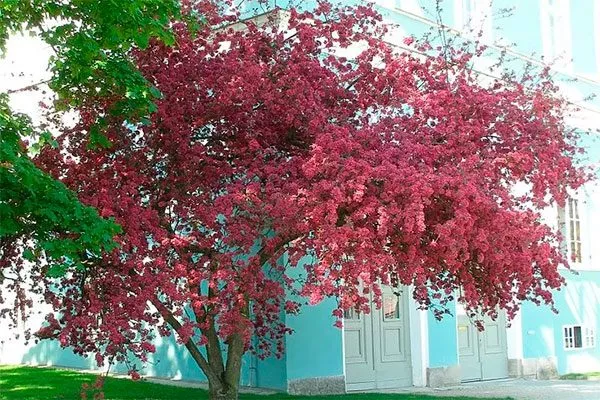
Fruiting begins around the plant's sixth year. The harvest ripens in late September.
Paradise apple (Malus paradisiaca)
Mature, healthy apple trees can vary significantly in height and crown shape, largely determined by the type of rootstock used. Fruit trees of this variety are rarely tall; their crowns are usually medium or wide spreading.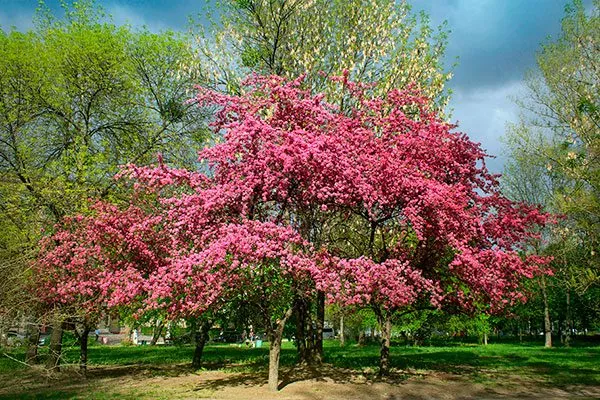
Description of fruits:
- the size varies from 20 to 30 mm;
- weight – from 15 to 20 g;
- They have a round shape with slight ribbing and a red color with a slight bluish tint.

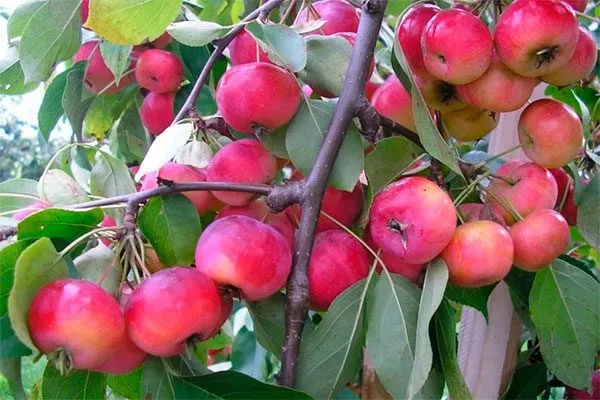
Mature apple trees demonstrate impressive productivity, yielding an average of 32-35 kg of fruit per tree with proper care and annual fruiting. Harvesting occurs between late August and early September, making this a fall-bearing variety.
Rosemary apple (Malus rosemarinus)
A vigorous tree with a large pyramidal or rounded crown. Botanical description:
- The branches are light brown, thick and slightly drooping, making the crown appear voluminous and dense.
- The leaves are large, oval-pointed, bright green, and form dense foliage, giving the tree a decorative appearance.
- The apples are distinguished by their impressive size: the weight of one fruit reaches 180-200 g. The shape is regular, usually round or round-conical.
- The skin is thin and elastic, the surface smooth and shiny, with an oily sheen. The base color is light green, tinged with a beautiful reddish blush. Small whitish dots are visible under the skin.
- The flesh is white-cream, juicy and moderately dense, with a fine-grained structure and a slight crunch.
- The taste is distinguished by the harmony of sweetness and sourness, complemented by a bright, refreshing aroma.
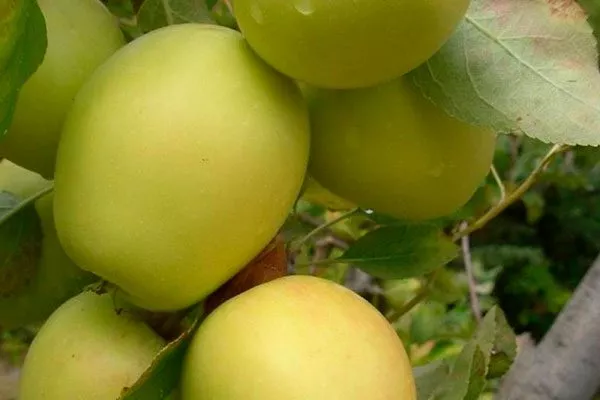
This is an autumn-bearing variety: the first harvest appears 4-5 years after planting. A mature tree produces an average of 170 kg of apples per season. Ripe fruits hold firmly to the branches, so shedding is minimal.
Alyonushka
A semi-dwarf tree growing to 2-2.5 m tall, it features upright, brown-olive shoots, drooping branches, and a neat, moderately dense crown. The leaves are light green, ovate-elongated, with a glaucous tint. The tree has a compact and neat appearance.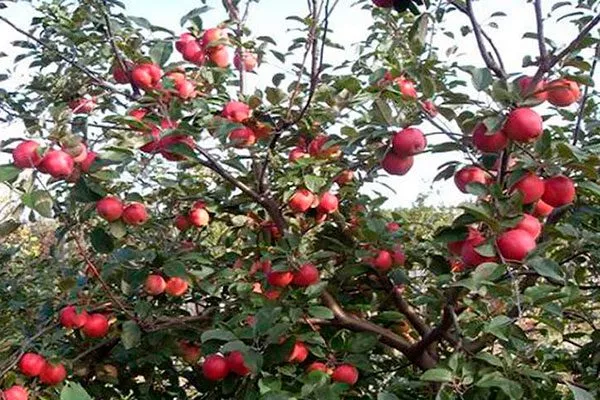
Distinctive qualities of the fruits:
- small, weighing 55-90 g;
- round in shape, with smooth and thin glossy skin;
- the main color of the fruit is yellow, with a blurred pink-red blush;
- the pulp is white, coarse-grained, juicy and moderately dense;
- The taste is sweet and sour, with spicy undertones and a distinct aroma.
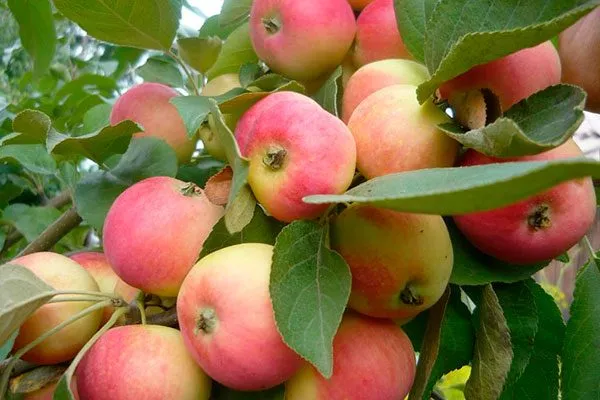
Characterized by rapid growth and a lifespan of up to 40 years, it begins bearing fruit in the third year. The variety boasts stable yields, although they can become intermittent after 10 years, averaging 79 centners per hectare.
Flashlight
A compact tree with a rounded-oval or narrowly pyramidal crown of medium density. A detailed description is provided below:
- The leaves are ovate, shortly pointed, slightly wrinkled, dark green in colour and have a serrated edge.
- The shoots are straight, of medium thickness, brownish-brown with a bluish tint and light pubescence.
- The fruits are small, weighing 15-25 g, oval-spherical in shape, sometimes with a wide rib.
- The main color is greenish-yellow, almost completely covered with a blurred purple-crimson stroke.
- The flesh is bright yellow, very juicy, coarse-grained and rough in texture.
- The taste is satisfactory, with aroma.
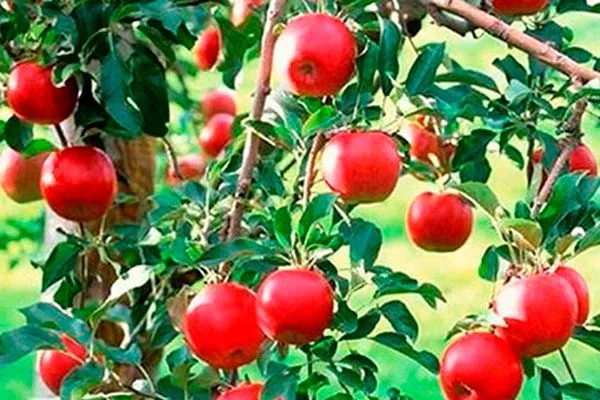
Fruiting begins in the 3rd or 4th year after planting. The tree bears fruit annually, with slight irregularities. This variety is autumn-bearing: the fruit is harvested in early September, and the consumption period is approximately 2-2.5 months.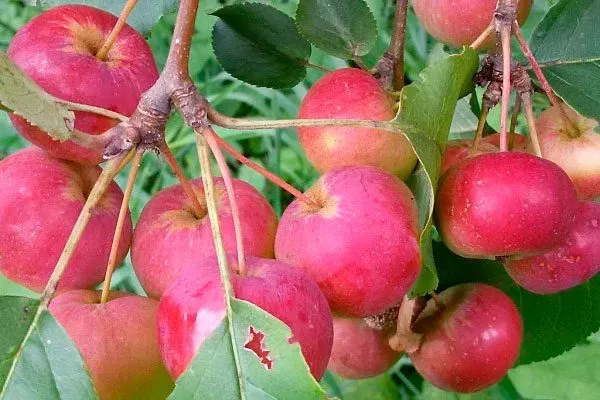
Lada
A mature tree does not exceed 3.5 m in height. The cultivar has the following distinctive qualities:
- The crown is rounded and of medium density.
- The leaves are green with a glaucous tint, large, oblong, with pointed tips and a concave blade. The leaf edges are wavy, with serrate-crenate teeth.
- Over time, the branches become drooping, the shoots are medium-sized and slightly curved. The branches are mostly round in cross-section, with a brownish-red surface and slight pubescence.
- The buds are large and when open resemble a deep bowl.
- The fruits are small, with an average weight of about 40 g. The apples are flat-round in shape with smooth skin covered with a light coating.
- The fruit is whitish in colour with a blurred raspberry blush in the form of stripes.
- The apple pulp is white, juicy and dense, with a pleasant sweet and sour taste.
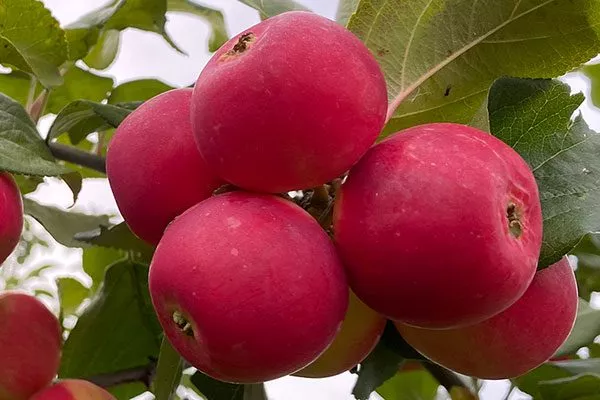
Characterized by early fruiting and stable yields over many years, productivity varies significantly depending on the tree's age: starting at 2 kg at 4 years, reaching a peak of 45 kg by 12 years, and remaining at this level for up to 25 years.
Pupil
It forms a vigorous tree with a compact, rounded crown. Without regular pruning, it can reach a height of 4 m.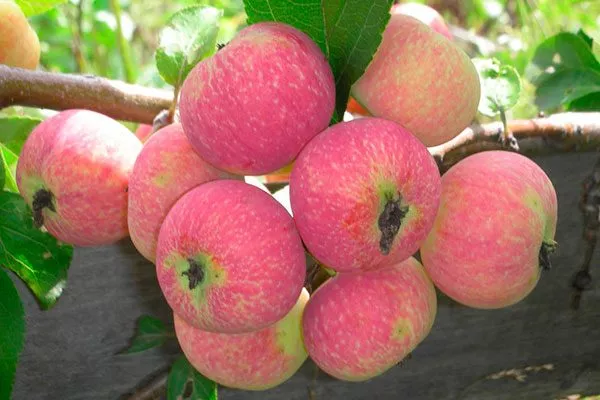
Botanical description:
- The shoots are covered with lenticels, colored red on the light side and brown on the shadow side.
- The leaves are medium-sized, dark green, ovoid, with a smooth, glossy surface and no pubescence.
- The apples are dark red in color and have a unique flavor—sweet with hints of wine. They are slightly flattened, typically weighing no more than 60 g, although some specimens can reach 100 g. The average diameter is about 4.5 cm.
- The skin has a light coating and conceals moderately firm, veined flesh, with large white subcutaneous dots visible on the surface.
The yield is 40-60 kg per tree per season. This variety is early autumn-bearing: the fruit is harvested in the first half of September. Fruiting begins in the fourth or fifth year.
Krasnoyarsk Bullfinch
The tree grows up to 5 meters in height, with a distinctive rounded, slightly drooping crown. Its elongated, green leaves have a smooth surface and serrated edges. The leaf blade is flat, slightly curved downward, and densely pubescent.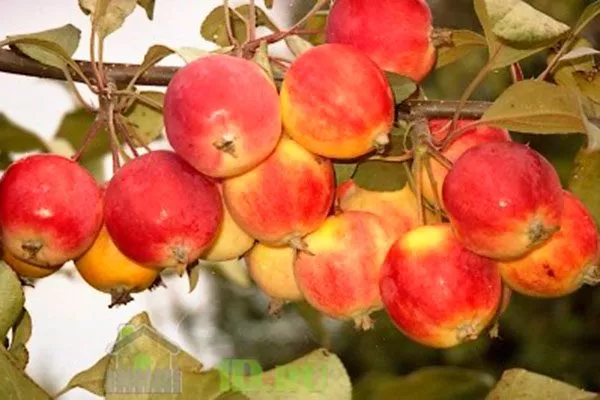
Distinctive qualities of apples:
- have a round-conical shape, their weight ranges from 22 to 35 g;
- the skin is smooth, with an oily texture and covered with a bloom;
- the base color is greenish, complemented by a bright, washed-out red blush with stripes;
- the pulp is dense, greenish in color, with a fine-grained structure and high juiciness;
- the aroma is pleasant.
Mana
It grows rapidly but remains medium-sized. Even without pruning, its height rarely exceeds 4-5 m.
Features and description: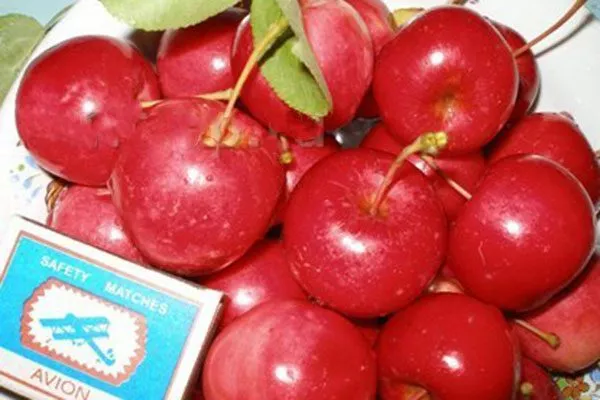
- The fruits are considered large for their group, but in fact their weight is only 70-90 g, which is less than average.
- The shape varies: they can be round, slightly elongated, cup-shaped, barrel-shaped, or even spherical. Ribbing is clearly visible, and the lateral seam is noticeable.
- The skin is thick, but not very elastic, so it cracks easily and does not protect the flesh well from damage.
- The surface is smooth, glossy, and highly shiny. As they ripen, the apples develop a thick, waxy, oily coating, making them feel slightly greasy to the touch.
- The base color is light green or yellow, almost completely concealed by a blush. This blush can be blurred, spotted, or striped and speckled, and can range in brownish-purple, bright red, raspberry, or even cherry tones.
- There are a lot of subcutaneous dots, they are small, light and stand out clearly on the surface.
Loiko
The tree is medium-sized, reaching a height of 2-4 m. The crown is rounded, moderately dense, providing an attractive appearance.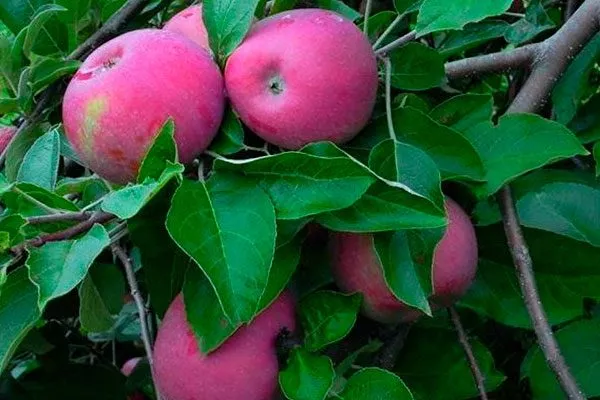
Other distinctive features:
- The leaves are large, oblong, dark green, with a shiny surface and finely serrated edges.
- The shoots are of medium thickness, rounded, slightly curved, dark red in color with slight pubescence.
- Large and fragrant flowers with oval, wavy petals give the apple tree a decorative effect during the flowering period.
- The skin of the fruit is smooth, oily and covered with a waxy layer.
- The fruits, weighing up to 70 g, are round in shape, light yellow in color with a purple, blurred-striped blush.
- The pulp is sweet and sour, pinkish, juicy, with a mild aroma, sometimes with astringent notes.
The apple tree, cultivated at the Krasnoyarsk Experimental Station, is characterized by stable annual fruiting, yielding up to 40 kg of apples per tree with optimal care, starting from the seventh year after planting.
Pepinchik Krasnoyarsk
This variety was created by crossing the Siberian berry apple with the Korobovka variety. Its main characteristics are listed below:
- tree - semi-dwarf, grows up to 3 m, with a rounded crown of medium density;
- leaves - medium-sized, rounded, with a short point and finely serrated edges, colored green;
- shoots – thin, slightly curved, brownish-brown, round in cross-section;
- flowers – medium sized, cup-shaped, creamy;
- apples - small, weighing about 40 g, round, with narrow ribs and a noticeable seam;
- skin – smooth, brick-red color;
- pulp – creamy, with reddish veins, dense, fine-grained and juicy;
- taste - sweet and sour, with a light spicy aroma of medium intensity.
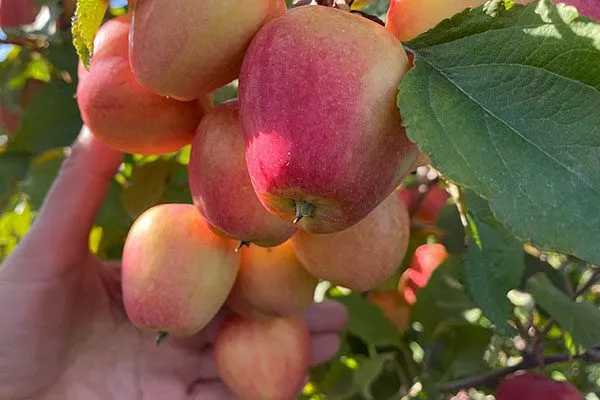
The harvest ripens in early September. Fruiting begins in the third or fourth year and is characterized by regularity. At eight years of age, a tree produces approximately 36 kg of fruit.
Ural Bulk
The tree reaches a height of about 7 m and is characterized by a dense, rounded, drooping crown with a diameter of approximately 4 m. Distinguishing features:
- Young shoots, growing 40-65 cm per year, have a brownish-green tint.
- The root system is powerful and provides the plant with the necessary nutrients.
- The leaves are elliptical, light green, with a smooth surface and serrated edges.
- The flowers are small, pinkish, with five petals.
- The apples are small (40-60 g), yellow with a greenish tint, uniform in size.
- The skin is smooth and almost imperceptible when consumed.
- The pulp is white, juicy, tender and aromatic, with a sweet and sour taste.
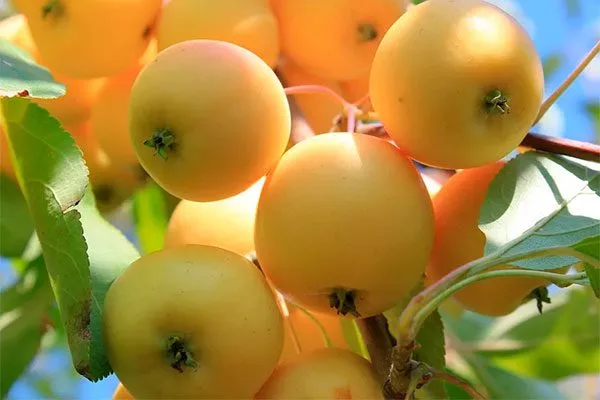
This hybrid variety is prized for its high yield (up to 200 centners per hectare) and early fruiting (2-3 years after planting), making it popular in commercial orchards. The apples ripen in early September, making it an autumn variety. The tree's lifespan is 30-35 years.
Altai Rumyanoe
A 4.5-5 m tall tree with a rounded, sparse crown through which all the fruits are clearly visible. Botanical description:
- The trunk and branches are strong and brown. The shoots are also brown, curved, with short internodes.
- The leaves are oval to ovate, with serrated edges and a slightly curved midrib. The leaves are green, matte, and slightly pubescent on the underside.
- The versatile fruits are creamy-orange with large red stripes and a bright ribbed blush. They are round, small, and weigh 55-90 g.
- The pulp is juicy, dense, moderately grainy, the taste is sweet and sour with a light apple aroma.
- The skin is thin, semi-matte and dense enough to allow the fruit to be stored for a long time.
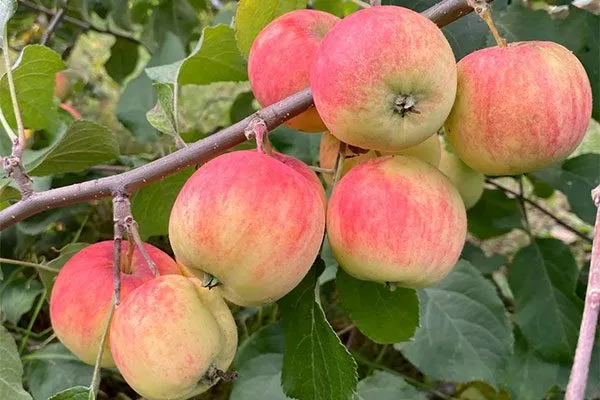
Fruiting begins in the 4th or 5th year after planting, and there's no periodicity—the yield is consistent and annual. On average, a single tree yields about 20 kg of fruit.
Scarlet Sails
The tree is characterized by moderate growth, its maximum height does not exceed 2.5 m. The crown is compact, columnar, and the branches are not spreading.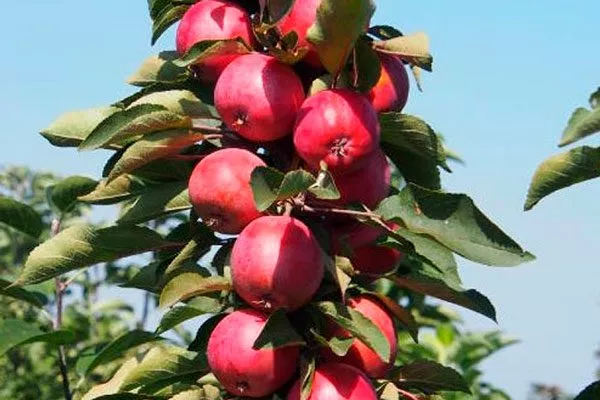
Distinctive features:
- The leaves are large, light green, and cover the plant in large numbers.
- The fruits are large, reaching a weight of up to 250 g, with juicy pulp and a spherical shape.
- The skin of the fruit is dense and has a bright scarlet hue.
- The pulp is white, with a granular structure, and there are practically no seeds.
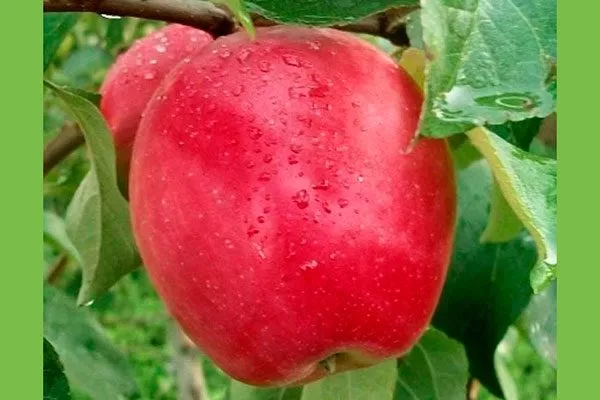
This variety is characterized by high frost resistance (down to -45 degrees Celsius) and disease resistance. Yields are up to 3 kg per bush, reaching 8 kg by the age of 5-6 years.
Site and soil requirements
Semi-ornamental apple trees require a well-chosen site and suitable soil to thrive and maintain their ornamental qualities. Provide the following conditions:
- Sunny location. Trees thrive in open areas with ample sunlight. Insufficient sun can reduce the decorative appearance of the crown, flowering, and the intensity of fruit color.
- Soil. Loose, fertile, and neutral to slightly acidic soils are ideal. Loamy and sandy loam soils with sufficient organic matter are considered best. Heavy clay or overly acidic soils require amendment before planting, such as the addition of humus, sand, and lime.
- Drainage. Good drainage is essential. Semi-ornamental apple trees do not tolerate stagnant water well, which leads to root rot and a reduction in the ornamental value of the crown. In areas with high groundwater levels, it is recommended to create raised beds or mounds.
The process of planting and propagation
It's best to use two- or three-year-old grafted seedlings with a well-developed root system. The roots should be healthy, with no signs of rot or drying out.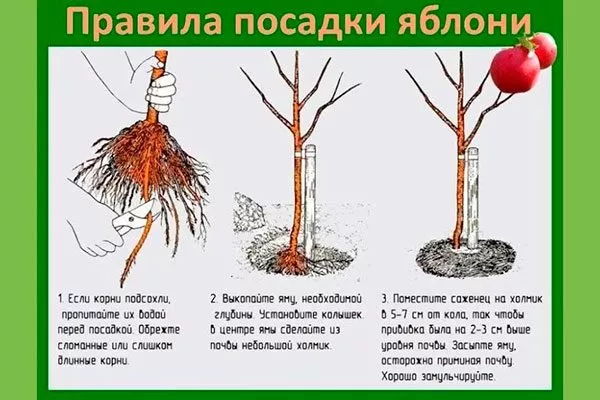
Step-by-step algorithm:
- Dig a hole 60-70 cm deep and wide. Place a layer of gravel or expanded clay at the bottom to drain excess water.
- Mix the top layer of soil with humus and complex fertilizer.
- Place the seedling so that the root collar is at soil level.
- Carefully straighten the roots, cover with the prepared mixture and compact lightly.
- After planting, water the plant with 20-30 liters of water.
- Tie the seedling to a support for stability.
- Place a layer of mulch (straw, humus, bark) around the trunk to retain moisture and suppress weed growth.
Semi-ornamental apple trees are propagated by several methods:
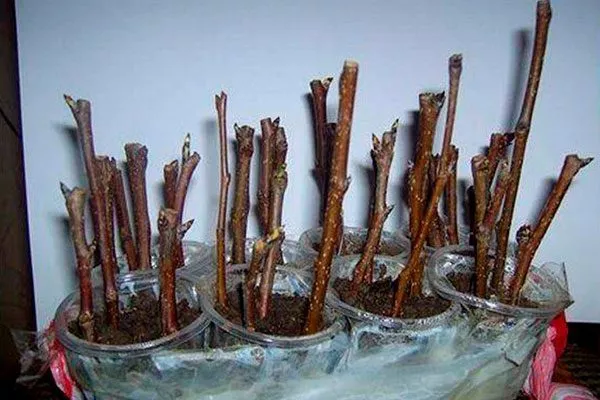
- By cuttings. In spring, cut one-year-old shoots 20-25 cm long. Root in a loose soil mixture, maintaining high humidity and a temperature of about 20-25°C.
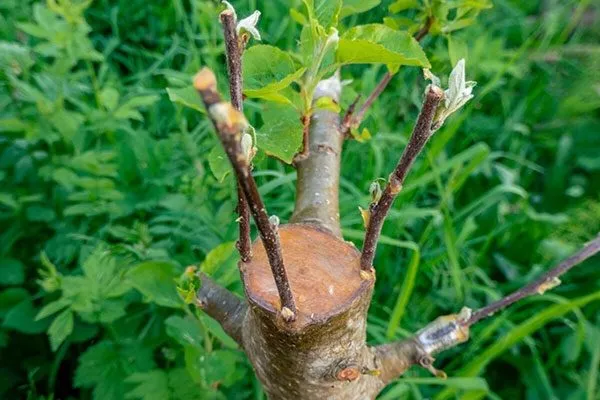
- By vaccination. Graft cuttings of the chosen variety onto dwarf or semi-dwarf rootstocks. Spring and summer grafting (copulation, bark grafting, or cleft grafting) are most effective.
- Seeds. Rarely used, as propagation by seed can result in loss of ornamental and flavor qualities. Stratify seeds for 2-3 months in a cool, moist substrate and plant in the spring.
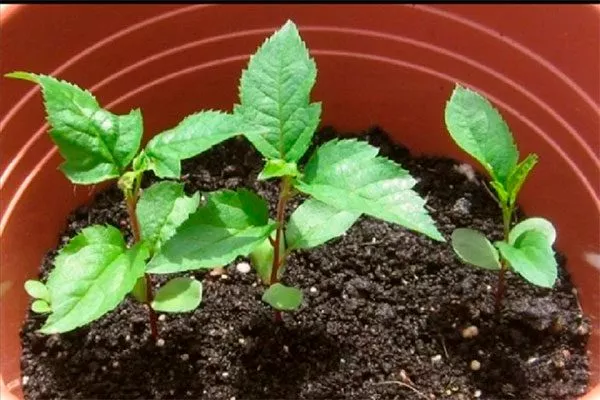
Proper planting and adherence to propagation methods help preserve the tree's decorative qualities, ensure consistent flowering, and the formation of high-quality fruits.
Caring for semi-ornamental apple trees
Regular and proper care ensures decorative trees, a healthy crown, and consistent fruiting. Follow these basic agronomic practices:
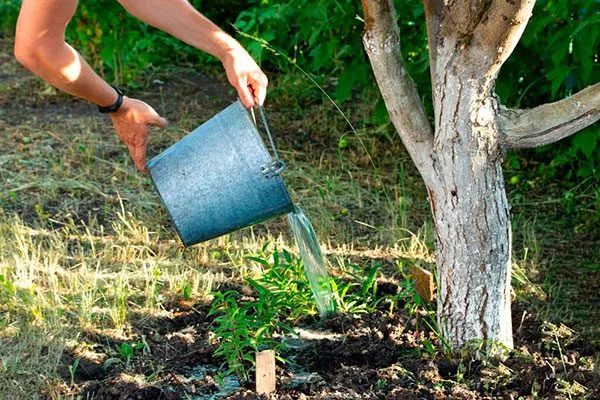
- Watering. Water regularly, especially during periods of active growth and fruiting. On average, use 20-30 liters of water per tree at a time. It's best to water at the roots, avoiding drips on the foliage and flowers. Mulching the area around the tree's trunk is recommended to conserve moisture.
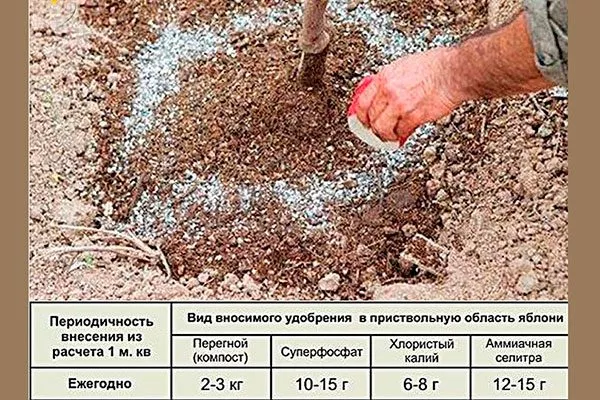
- Top dressing. In spring, use nitrogen fertilizers (ammonium nitrate, compost) to promote active shoot growth. In summer, apply complex mineral fertilizers containing phosphorus and potassium to promote fruit formation and strengthen wood.
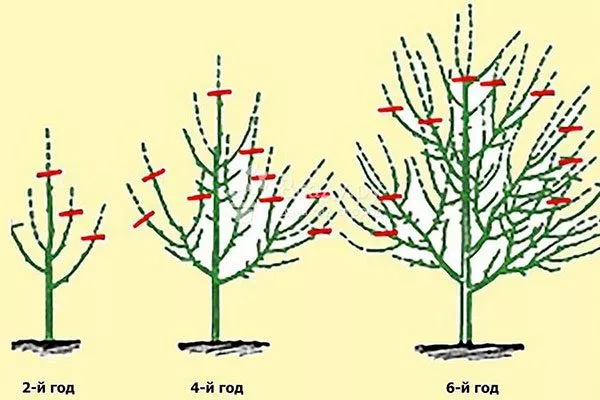
In the fall, apply organic fertilizers (humus, compost) to help the tree prepare for winter. Apply 3-4 times per season. Alternate organic and mineral solutions. - Trimming. Perform formative pruning in spring or early fall to create a decorative crown. Sanitary pruning involves removing dead, damaged, or diseased branches. Regular crown thinning improves light and ventilation, reducing the risk of disease.
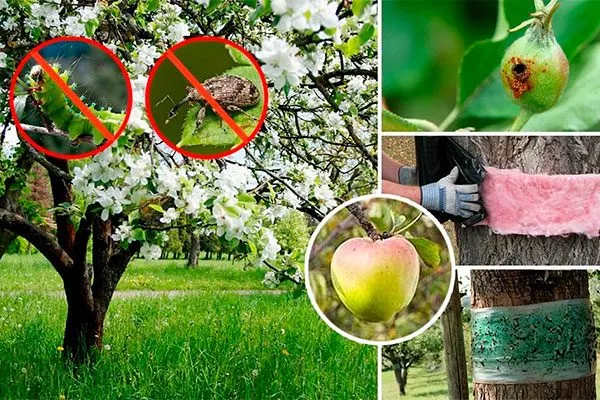
- Protection from insects and diseases. Regular removal of fallen leaves, loosening of the soil, and treatment of trunks and branches in spring and autumn are recommended for prevention.
If caterpillars, aphids or mites appear, spray the tree with insecticides, and at the first signs of fungal infections (powdery mildew, scab), use fungicides.
It is also useful to plant repellent plants (garlic, mint, calendula) nearby to repel insects.
Problems and solutions when growing
Growing semi-ornamental apple trees can present a number of challenges. Let's look at the main issues and how to overcome them:
Semi-ornamental apple trees offer a successful combination of ornamental beauty and fruit production. They allow you to create picturesque corners in the garden while simultaneously providing a small but valuable harvest. Proper planting location, proper agricultural practices, and timely care guarantee a healthy tree and an attractive crown.