
Failure to bloom on an apple tree is a fairly common problem faced by gardeners. If this occurs several years in a row, it's crucial to immediately identify the cause and try to eliminate it. Knowing why a seemingly healthy tree isn't producing buds can help you re-establish them and get your tree to bear fruit.
The main reasons for the lack of flowering of apple trees
If your tree doesn't bloom in the spring, don't despair. In some cases, this isn't abnormal. A lack of bloom is common among young fruit trees that haven't yet reached productive age:
- 2-4 years - for dwarf and semi-dwarf species;
- 4-5 years - for most full-sized apple trees;
- 6-8 years - for some varieties that are characterized by late entry into the fruiting age (for example, Golden Delicious, Idared, Folk, Lungwort).
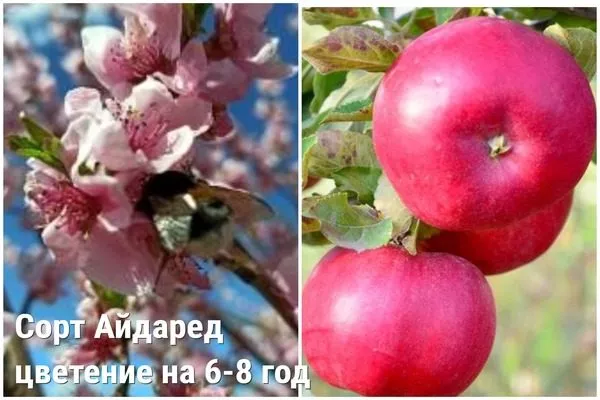
If a mature tree hasn't produced flowers on time, you may have planted a crop with cyclical fruiting. Some species produce fruit every other year rather than every year. These include Antonovka, Grushovka.
This characteristic is typical of highly productive apple trees, whose internal resources are depleted so much during the harvest season that they no longer have the energy to bloom and form fruit the following season. Experienced gardeners solve this problem by removing some of the ovaries and stimulating bud formation with potassium and phosphorus fertilizers.
If you're certain your apple tree isn't producing cyclically, there could be a variety of reasons for its lack of bloom. Experienced gardeners divide them into two broad groups:
- natural factors (sharp temperature changes, heat, frost, excessive or scanty precipitation);
- human impact, in particular, mistakes in tree care.
Weather has a strong influence on the budding process. If the temperature drops below -2°C during spring bud formation, the generative buds will die. Flowering often fails due to temperatures above 30°C and a lack of rain (irrigation). Prolonged heavy rainfall, which prevents pollination, also poses a problem.
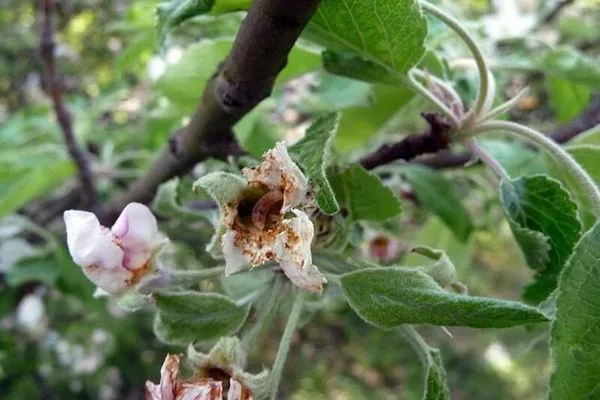
Don't expect flowers to appear on an apple tree that is affected. diseases (scab, moniliosis) and pests such as codling moth, aphids, spider mites, and blossom beetles. A weakened plant has a reduced ability to form flower buds. The ovaries dry up and fall off. In this case, the following products can help:
- Fast;
- Horus;
- Fitoverm.
You can find out what else you can use to treat your apple tree from pests to avoid problems with flowering. Here.
A similar problem can also occur with damage to the bark (frost cracks, sunburn, wounds) and roots. These damages reduce the apple tree's immunity, weakening it and depriving it of the energy needed for flowering. Whitewashing the trunk and branches, insulating the tree for the winter, and installing rodent protection can help prevent complications.
Fruit crops often fail to delight us with an abundance of blooms due to improper cultivation practices. Let's take a closer look at the planting and care errors that deprive gardeners of the opportunity to admire a blossoming garden in spring and reap a bountiful harvest.
Incorrect landing
Problems with budding can be caused by mistakes made at the very beginning of apple tree cultivation. This applies to choosing the right location for the tree in the garden and the planting procedure.
Growing fruit crops in areas with the following characteristics will result in scanty or no flowering at all:
- shaded (apple trees need a lot of sunlight, they need uniform illumination of the crown);
- blown by wind and drafts;
- located in lowlands where it is cold and damp;
- flooded by groundwater;
- with dense and heavy soil (clay), which does not “breathe” and does not allow moisture to pass through well, saline, acidic.
Under such conditions, the apple tree will develop poorly and become prone to disease. Stagnant water in the root zone will cause root rot. The plant may die. Its weakened state will prevent flower buds from forming.
Select a sunny, elevated area for the plant, protected from wind and drafts. Ensure the soil meets the following requirements:
- loose;
- fertile;
- well drained;
- neutral or slightly acidic.
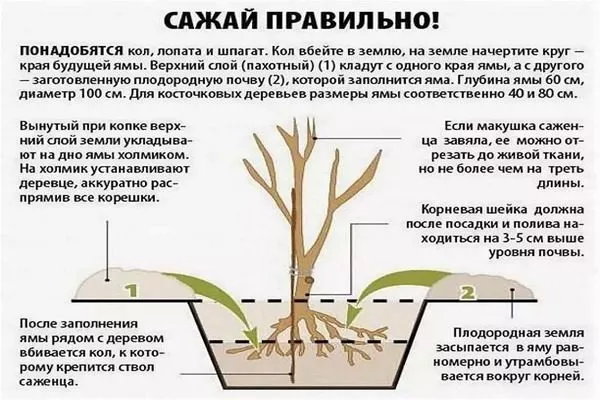
Plant the tree properly. When planting, ensure the root collar remains a few centimeters above the ground. If it extends into the soil, the bark in this area will be susceptible to rot and death. This will negatively impact the seedling's development.
Incorrect cropping
The condition of a tree's crown affects its ability to form flower buds. Proper pruning can determine whether you'll see numerous blossoming buds on the branches in the spring.
- If you overdo it when pruning your apple treeInstead of blooming, it will spend a long time overcoming stress, recuperating, and growing new shoots. When caring for the plant, don't exceed the recommended amount—cut no more than 30% of the total number of branches at a time.
- If you prune too few shoots or neglect annual pruning, you'll contribute to the crown becoming denser. In this case, the branches will suffer from a lack of nutrition and light, and will be poorly supplied with oxygen. They will begin to dry out and die. The plant will weaken.
An apple tree that is not pruned will bloom and bear fruit less and less each year until these processes stop completely.
You will find a complete guide on how to properly carry out this important care procedure, on which the flowering and fruiting of the tree depends. Here.
Excessive or unbalanced nutrition
To ensure abundant blooming of apple trees in the spring, they require balanced nutrition through timely and regular fertilization. The composition of the fertilizer is crucial. Particular caution is required when using nitrogen-containing mixtures. Overuse of them can lead to complications:
- fattening of plants, expressed in the growth of abundant green mass by the tree;
- suppression of the processes of laying down generative buds;
- the formation of weak flowers that are not capable of pollination, or their absence;
- acceleration of shoot growth and their freezing after the onset of cold weather, if nitrogen fertilizer (for example, fresh manure) is applied in the fall before the crop is about to overwinter.
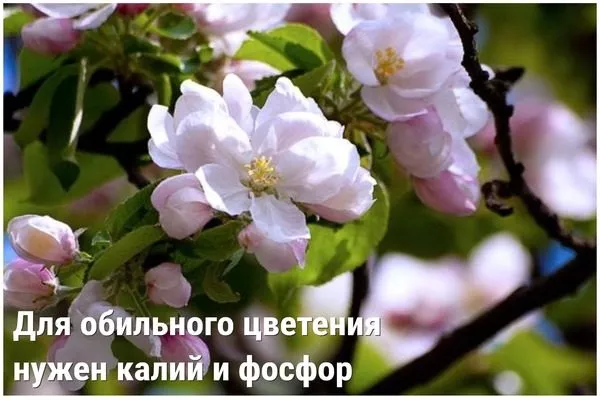
A deficiency of nutrients such as phosphorus and potassium in the apple tree's diet also threatens poor flowering or even no flowering at all. The tree experiences an increased need for these nutrients in the second half of summer, when it begins to set flower buds for the coming season.
To transform your garden into a fragrant white cloud in spring, feed it with potassium-phosphorus fertilizers during the budding stage, during fruit formation and ripening, and in the fall after harvest. Apply them under the roots and on the foliage.
Deficiency or excess of moisture
Incorrect watering of apple trees can also lead to complications such as a lack of flowers in the spring:
- Overwatering of the soil Planting under trees can lead to root waterlogging and fungal infections. Avoid overwatering the planting to prevent it from becoming diseased.
Growing crops in low-lying areas with a shallow water table produces the same results as overwatering. Roots in waterlogged soils suffer from a lack of air and suffocate. The plant lacks nutrients, which are washed out of the soil by the water. - Lack of moisture It also interferes with the normal process of flower bud formation. A tree suffering from thirst will not only fail to bloom, but will also survive the winter poorly.
To enjoy the magnificent apple blossoms in May, follow the watering guidelines. Use 20-30 liters of lukewarm, settled water for young plants, 50-70 liters for 3-5 year-old trees, and 80-100 liters per trunk for mature trees. You can read more about proper apple orchard irrigation here. Here.
Freezing
If your garden hasn't bloomed on time, it may have suffered frost damage during the winter. Trees are particularly susceptible to this problem:
- seedlings during the first 2-3 years after planting;
- old apple trees;
- weakened due to diseases, pests, lack of nutrition, etc.;
- grown in cold climates without winter insulation.
Frost cracks in the bark and freezing of the roots are the reasons why the plant loses its ability to flower and bear fruit. Damaged tissue prevents it from receiving adequate nutrition, and it lacks the internal resources to produce buds.
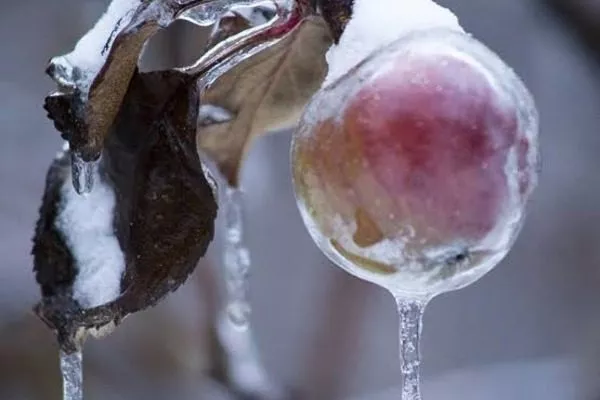
Freezing rain is a very dangerous meteorological phenomenon for apple trees. It causes damage to young shoots and thin branches, and the death of established flower buds.
Make sure your trees can survive the cold season safely:
- in autumn, carry out moisture-charging watering if the weather is dry;
- Feed the crop with potassium-phosphorus compounds, ash, and compost;
- mulch the tree trunk circle with a thick layer of organic matter: non-acidic peat, sawdust, straw;
- whitewash the trunk and branches;
- wrap them in spunbond.
After the snow falls, scatter it around the tree trunk. This will provide additional frost protection for the roots.
Inadequacy for the region
To avoid flowering problems, plant apple trees of regional varieties that are best suited to your region's climate. Otherwise, problems are inevitable:
- in the cold season the tree may freeze;
- in summer - to suffer from heat and drought.
There is no pollinator
To form fruit buds, most apple trees require pollen donors during flowering. If there are no pollen donors within a 30-meter radius, there will be no harvest, even with numerous open buds on the branches. This is due to the self-sterility of many apple tree species.
Cross-pollination solves this problem. To ensure the tree in your garden not only blooms but also delights you with an abundance of large, delicious fruits, ensure it meets these two conditions:
- plant several compatible varieties at a distance of 3-4 m from it (their flowering periods should be the same);
- Attract bees to your property by growing honey plants.
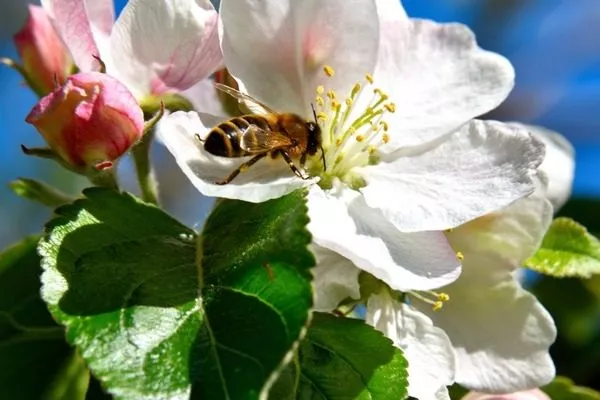
The best pollinator for Gala is considered to be Golden Delicious, for Antonovka – White filling.
Avoid using insecticides during flowering to prevent bees from being harmed by the poisons and to allow them to do their work unimpeded. If rainfall or cold weather prevents this, you'll have to resort to artificial pollination (transferring pollen from one flower to another with a brush).
Lack of flowering in different species and varieties
From the list of general reasons for the absence of buds on apple trees for each variety of fruit crop, we can identify those that have the greatest impact on it.
Columnar apple tree
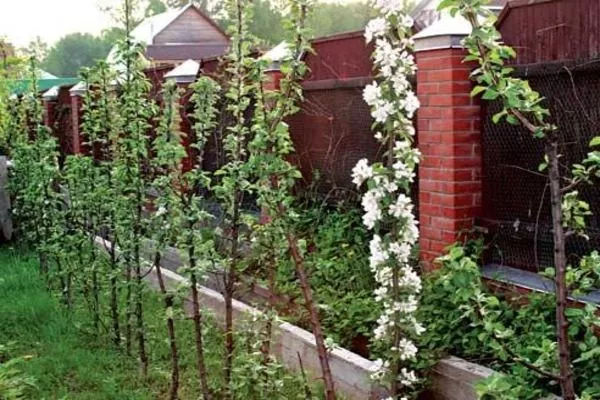
The main factors that provoke problems with flowering in low-growing plants are: columnar trees, are:
- young age (up to 2-3 years they are not likely to open buds and bear fruit);
- cyclical yield;
- making mistakes in care, including when harvesting fruits;
- incidence of scab and powdery mildew;
- aphid infestation;
- lack of quality preparation for wintering.
Columnar apple trees grown from seed tend to bloom and produce fruit later than those grown on rootstock. You'll see the first blossoms when the plant reaches three or four years of age.
Apple trees on dwarf rootstock
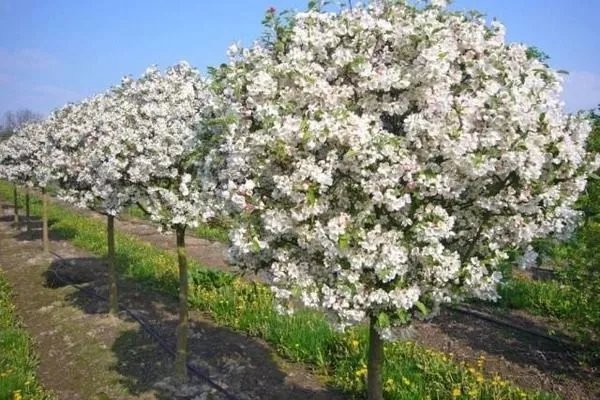
Gardeners attribute the following to the most common reasons for the lack of flowering in low-growing fruit trees:
- deepening the root collar of the seedling (in this case, the scion often begins to form its own roots, and the apple tree loses not only its dwarfism, but also its early fruiting);
- insufficient compatibility of the rootstock with the scion, due to which the tree develops poorly;
- infections and attacks of insect pests;
- Incorrect application of fertilizers (due to a deficiency or excess of nutrients, the plant loses the ability to bloom normally).
A lack of phosphorus and micronutrients such as iron and boron negatively impacts the budding process of low-growing trees. Without these nutrients, normal flower formation is impossible.
Lack of flowering in pyramidal apple tree
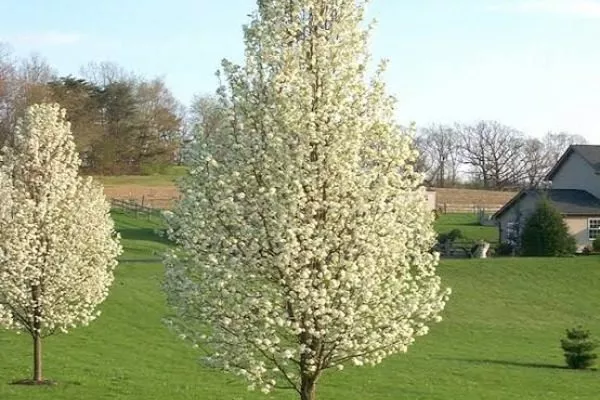
This variety of the plant has difficulty setting flower buds, caused by improper crown pruning. To give the crown a decorative and compact, pyramidal shape, gardeners remove the side branches where fruiting occurs:
- rings;
- spear;
- twigs.
To ensure your apple tree turns into a fragrant cloud of pinkish-white bloom next spring, carefully study all the rules and subtleties of pruning, taking into account the varietal characteristics. Learn how to properly perform formative pruning.
Crescent apple tree
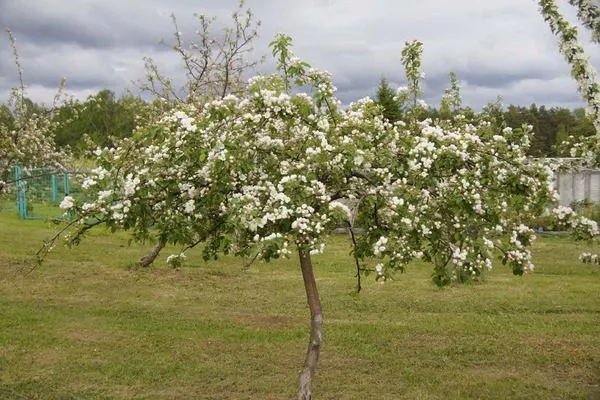
Low trees with spreading branches typically begin bearing fruit in their fourth year. The following factors can cause their lack of flowering:
- Violation of landing technologyThis could be due to the root collar being too deep, poor drainage, or the plant being planted in the shade. All of these factors can hinder the apple tree's development.
- Incorrectly formed crownIf the shoots are not properly secured or are pruned excessively, they will not produce fruit.
- Insufficient or poor quality careMistakes in watering, fertilizing, and disease and pest prevention can weaken a tree. In a weakened state, it cannot fully bloom or produce a harvest.
- Freezing of apple treesThe creeping plant's branches grow close to the soil surface, making it more susceptible to frost damage than other varieties. This is especially true for young shoots where flower buds form.
Features of some varieties
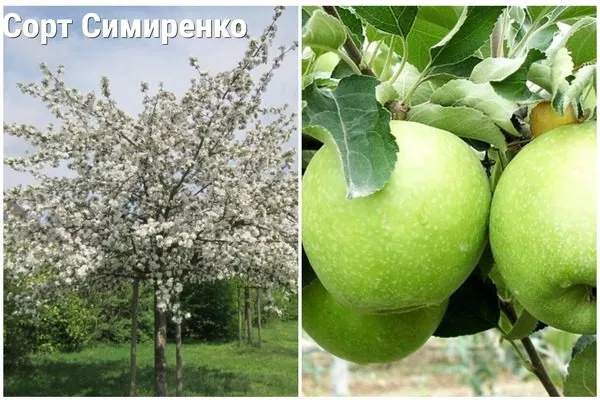
To avoid worrying about a lack of blooms, choose early-bearing apple tree varieties for your plot. Many varieties of this crop don't reach productive maturity quickly. This is worth considering when purchasing a seedling from a nursery.
The list of the most popular varieties of the crop, which typically bloom for the first time at the age of over 5 years, includes:
- Simirenko (or Semerenko).The tree produces its first buds 5-6 years after planting. It requires neighboring pollinators to produce fruit. The following varieties are considered the best pollen donors: Idared and Hungry Delicious.
- GrushovkaIt reaches productive maturity five years after planting. Flowering in this species is highly dependent on fertilizing. The lack of generative buds is often caused by a deficiency of beneficial micronutrients. The variety also has a tendency to fruit cyclically, bearing fruit every other year.
- MelbuIt begins to bloom and produce fruit at five or six years of age. It has difficulty forming buds, caused by improper crown pruning. The tree is very demanding in terms of fertilizer and requires proper care. It requires cross-pollination for consistent productivity.
- AntonovkaIt produces its first flowers in the sixth or seventh year of life, especially when grown on a vigorous rootstock. It is characterized by cyclical fruiting (every other year).
- Red DeliciousThis variety is late-blooming. This occurs no earlier than six years after transplanting the seedling to the site. In some cases, if growing conditions are less than favorable, bud formation may be delayed for several more years.
Wild apple trees
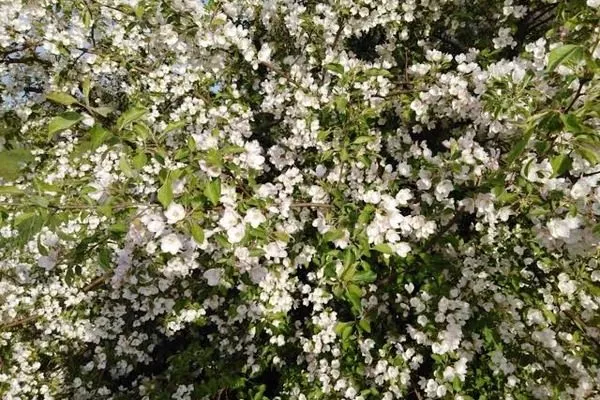
The flowering of this tree species is completely unpredictable. They may not produce buds or fruit for decades, especially if ungrafted.
Calculating when a wild apple tree will reach productive age is very difficult, especially if there is no information about when it was born. It could have been "born" from a seed or from a root sucker.
If you want such a wild plant to begin to bloom and bear fruit, start these processes by carrying out the following procedures:
- kebrovka;
- ringing;
- bending of potential fruit-bearing branches;
- grafting material taken from a varietal apple tree;
- application of Superphosphate.
Lack of flowering at different ages
Sometimes, to understand why your apple orchard hasn't bloomed on time, it's enough to accurately determine the age of the trees. The appearance of buds on the branches directly depends on when the trees were planted, not just the variety and adherence to agricultural practices.
At 3 years old
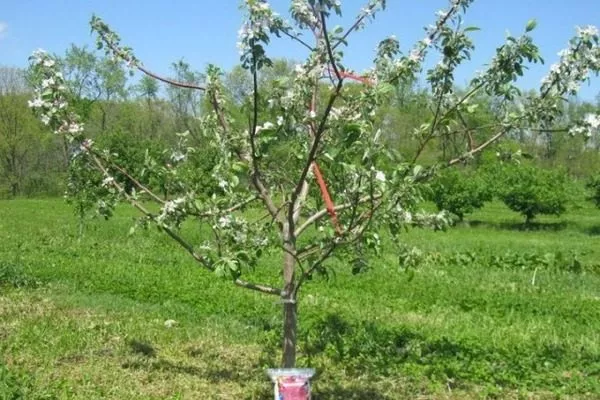
A three-year-old apple tree is considered a very young plant. At such a young age, it has not yet bloomed or borne fruit. The exceptions are:
- early maturing varieties of the crop;
- columnar trees;
- grafted onto a dwarf rootstock.
At the age of 7
Apple trees that survive seven winters are considered mature. This age is considered the beginning of their productive life. Most species and varieties, having reached this age, have been blooming and producing fruit for several years.
If buds still haven't appeared on a seven-year-old tree in the spring, the cause is most likely mistakes you made in your care. Pay special attention to watering, pruning, fertilizing, disease prevention, and pest control. Make sure you're doing everything correctly.
At the age of 10
Some apple tree varieties reach productive maturity very late. For them, failure to bloom until 8-10 years after planting is normal. If you're unwilling to wait such a long time for your first harvest, carefully examine the characteristics of the seedlings you purchase from the nursery. Choose early-maturing varieties.
If the ten-year-old apple tree growing in your garden does not belong to the category of late-bearing varieties, the reasons why it does not bloom will be the following:
- growing on depleted soil;
- placing the tree in the shade or in a flooded area;
- fruiting cycle;
- excess of organic matter in the soil or lack of nutrients such as phosphorus, potassium, iron;

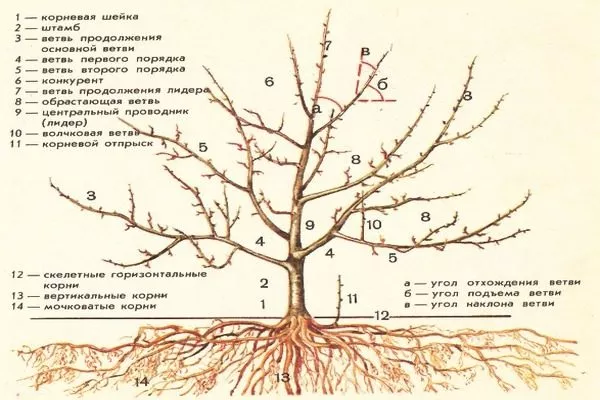
- incorrect crown formation (the picture shows how to form it correctly);
- deepening the root collar when planting;
- crop damage by scab, cancer, powdery mildew;
- pest infestation;
- tree damage during wintering.
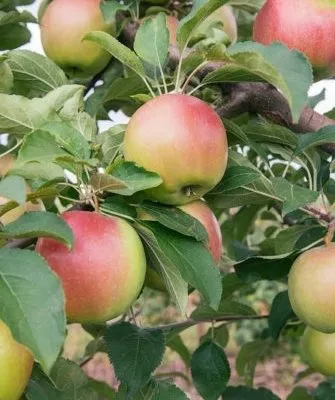
Why does flowering not occur every year?
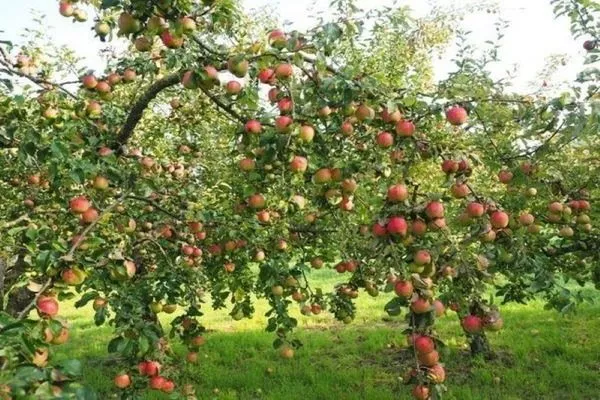
Sometimes, when growing high-yielding apple varieties, gardeners encounter a characteristic called cyclical fruiting. In this case, the appearance and blooming of buds occurs not every spring, but once every two years. This is not an aberration, but a characteristic inherent to certain varieties.
A tree that produces a large amount of fruit expends a great deal of energy on its formation and ripening. The following season, it needs a rest period to replenish its vital resources. For such plants, every fruitful year is followed by a lean one.
Sometimes flowering cycles are observed when apple trees produce excessive amounts of phytohormones. These substances are produced during active shoot growth and suppress the formation of flower buds.
Reasons for poor flower bud formation
Poor flowering isn't always a sign of irregular fruiting in an apple tree. This complication is typically observed in cases such as:
- damage to the crop by mold fungi;
- its infection with viruses;
- weevil invasion (its larvae feed on the contents of flower buds);
- imbalance of microelements, incorrect use of fertilizers;
- errors during crown pruning;
- removal of the ring, spear and fruit twigs on which buds are formed;
- excessive rejuvenating “haircut”, which provokes the tree to become fat at the expense of flowering and fruiting;
- Root rot due to close groundwater levels.
What to do if the apple trees do not bloom?
If there are no obvious reasons for the lack of flowering, and you are sure that this is not a characteristic feature of the variety, take measures that will help stimulate the process of bud formation:
- soil analysis and application of fertilizers (apple trees need phosphorus, potassium, and iron);
- revising the pruning scheme (your task is to leave the fruit wood intact while trimming the crown);
- wood treatment against pests and diseases;
- checking the root collar (it should not be buried deep) and the degree of illumination of the area;
- transplanting an apple tree that is not yet 3 years old;
- shaking the branches for better pollination of flowers.
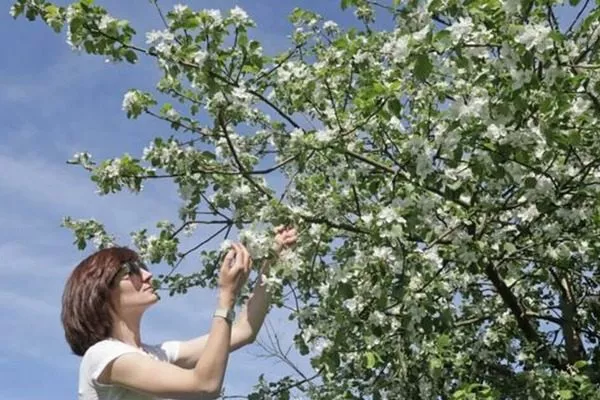
Experienced gardeners, after a fruitful year, practice thinning out formed buds to prevent depletion of the fruit crop.
Modern methods of stimulating fruiting
In recent years, many new technologies have emerged to help gardeners solve the problem of apple trees not blooming. To stimulate budding, use the following methods:
- use of modern growth stimulants;
- drip irrigation;
- automatic soil condition monitoring systems.
Helpful tips
Experienced gardeners' recommendations will help you improve the process of apple tree bud formation:
- Observe the frequency of application of fertilizers and their dosage;
- Grow varieties that are best adapted to the climate of your region;
- keep the tree trunk area clean;
- carry out disease and pest prevention, promptly treat infected plantings;
- create the most favorable conditions for the growth and development of fruit crops on your site;
- Prepare your apple tree for winter thoroughly so that it is not damaged by frost;
- Plant pollinator trees with similar flowering periods nearby.
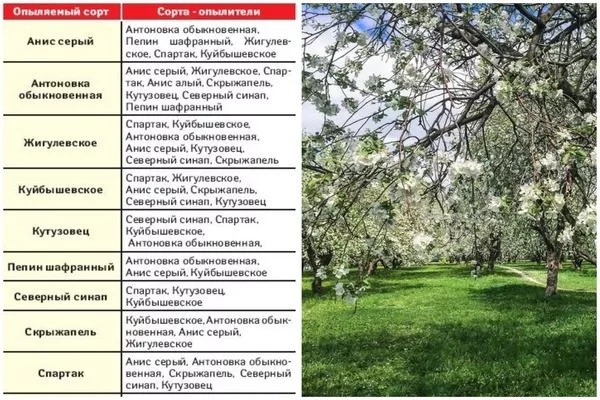
Another tip: use effective agricultural practices that will help your apple tree bloom abundantly in the spring:
- Formative pruningShortening branches by 1/3 of their length will stimulate the formation of fruit buds. This procedure is especially important in the first few years after planting.
- Bending branchesHorizontally positioned shoots produce more fruit buds than upward-facing shoots. They should extend from the trunk at an angle of 45-60 degrees.
- Ringing and constriction of shootsBy disrupting nutrient flow, you stimulate the formation of flower buds. Use this technique on trees older than 3 years.
There are many reasons why apple trees fail to bloom. Try to identify them to find an effective solution. Following proper agricultural practices will help prevent this problem. A tree growing in good conditions and receiving proper care will have no difficulty setting flower buds.