
The Pobeditel apple tree is characterized by excellent winter hardiness, consistent fruiting, and strong immunity. Its large, aromatic fruits with excellent flavor are ideal for both fresh eating and preserves. This cultivar attracts gardeners with its low maintenance and high productivity.
History of origin and regions of growth
The variety was developed by hereditary breeder Alexander Sergeevich Isaev at the I.V. Michurin All-Russian Scientific Research Institute of Horticulture. It was created by hybridizing the Antonovka obyknovennaya and Jonathan apples and is a relatively new variety.
Although the Pobeditel variety is not yet listed in the State Register of Breeding Achievements and lacks official zoning, it is successfully cultivated in central Russia. It has gained particular popularity in the Lipetsk and Bryansk regions.
Description of the Pobeditel variety
Early-fruiting winter variety It has inherited many valuable qualities from its original forms. The trees are highly ecologically resilient, tolerate low temperatures and sudden temperature fluctuations well, and are undemanding in terms of soil, care, and watering.
What do the fruits look like?
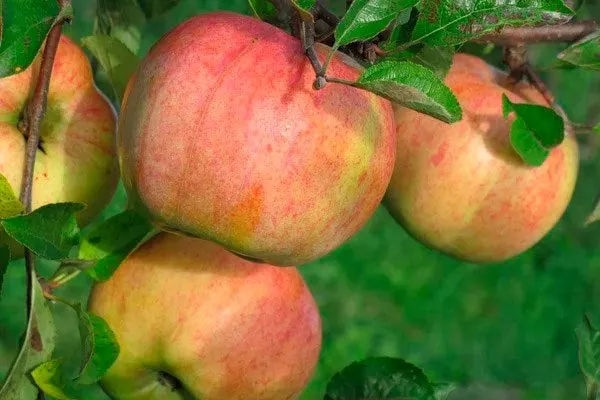
The apples are medium to large in size, with individual specimens weighing 170-230 g. Other distinctive characteristics:
- form - round, slightly flattened, symmetrical and aligned;
- ribbing – poorly expressed, lateral suture is absent, most fruits are one-dimensional;
- skin – dense, shiny, smooth and glossy, medium or thick, elastic and durable – protects against damage during transportation;
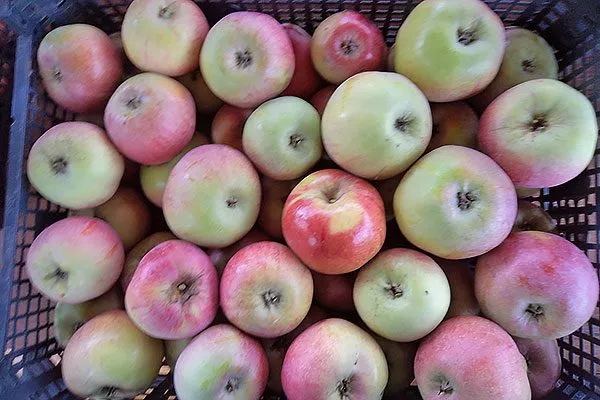
- main color – bright yellow, may have a slight greenish tint, and at the ripening stage, a striped-speckled blush of carmine-red or deep red color appears on the peel;
- subcutaneous points – inconspicuous, grey-green or greyish, sometimes slightly rusty;
- pulp – white or with a light cream tint, dense, fine-grained, crispy, juicy and aromatic, breaks off easily;
- taste - dessert type: sweet and sour, harmonious and balanced.
Crown and root system
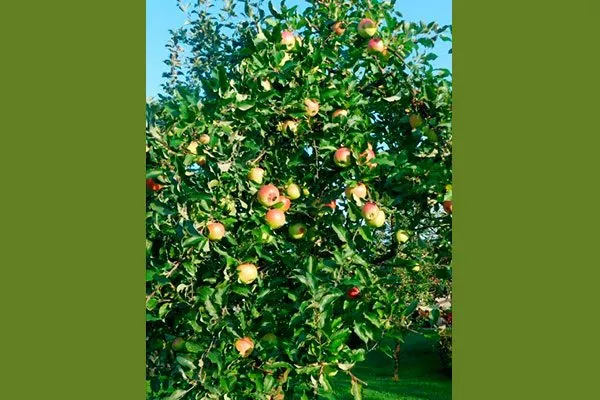
The apple tree's main feature is its compact size: by 12-15 years old, the tree reaches a height of only 2.5-3 m. Key qualities:
- Crown – A neat, densely foliated tree with a round, spherical, or broadly oval shape, even without pruning. It can grow up to 3 m in diameter.
- Escapes – Medium-thick, rounded in cross-section, branching from the trunk at an obtuse angle, covered with brown-brown or green-brown bark. Fruits form on shoots and rings.
- Leaves - Medium or large, elongated oval-ovoid with a pointed tip. The edges of the blades are serrated, doubly serrated. The surface is wrinkled, with a matte sheen, and the underside is sometimes slightly tomentose. The color is green or dark green.
- Root system – fibrous, highly branched, goes deep, ensuring effective extraction of moisture from the soil even in dry conditions.
Productivity and pollination
The variety is characterized by good productivity: one mature tree can produce from 150 to 190 kg of large, attractive fruits, provided it receives proper care and regular fertilizing.
The Pobeditel apple tree is conditionally self-fertile—it can bear fruit even when planted alone. However, with other pollinator varieties within a 100-150-meter radius, yield can increase by 50-75%.
Winter hardiness and disease resistance
The crop tolerates cold temperatures reliably, allowing it to be successfully grown not only in the southern regions but also in the harsher climates of the central zone, as well as further north and east. Trees can withstand temperatures as low as -25 to -27°C without significant damage, even during prolonged periods of low temperatures.
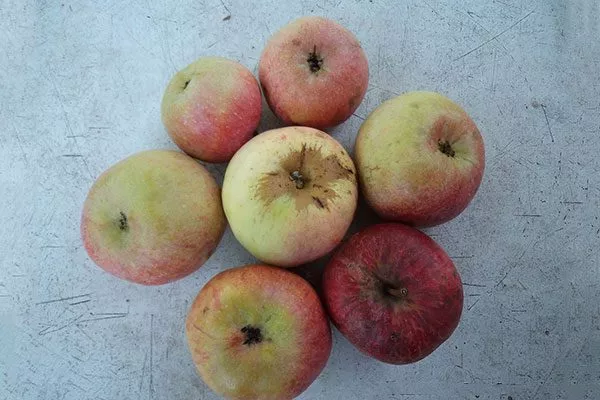
Apple trees are resistant to scab and other common infections. Diseases appear extremely rarely, primarily during periods of widespread outbreaks or when grown in excessively humid and poorly ventilated conditions.
Ripening and fruiting of the Winner
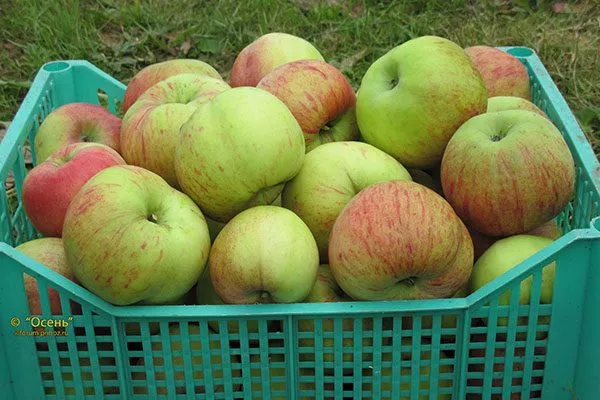
Apples ripen in October or November, depending on the region and weather conditions. Harvesting often begins as early as late September. This variety is distinguished by its ability to reach consumer maturity only 4-6 weeks after picking.
Specifications:
- Beginning of fruiting. Although the variety is considered early-bearing, the first full harvest appears only 5-6 years after planting. Flowering begins as early as 3-4 years, but fruit buds typically fail to form.
During this period, remove flowers to allow the tree to focus its energy on developing its crown and strengthening its root system. The first harvests can be 8-12 kg per tree. - Flowering time. Buds form in mid- to late April, but bloom towards the end of May or even early June. Blooming is profuse and decorative: large, fragrant flowers with white or pale pink petals cover the branches. The blooming period lasts 10-14 days.
- Fruiting and growth. Annual growth is approximately 25-40 cm, placing the plant among the medium-sized varieties. Its compact form allows the tree to quickly develop and increase its yield.
Rootstocks and subspecies
The winner has only recently appeared on the market, so it's premature to talk about the existence of established subspecies. However, it is already being successfully grown on various rootstocks.
Using dwarf standard trees allows for even more compact trees, which is convenient for smaller plots and simplifies maintenance. However, it's important to keep in mind that this significantly reduces the plants' winter hardiness.
Landing
Proper apple tree cultivation is a key step in determining the tree's health and future fruit yield. It's important to follow certain recommendations.
Basic conditions
Almost any site is suitable for planting, including areas with light partial shade, but the tree thrives best in good light for most of the day. In full shade, growth and fruiting are significantly reduced – the apple tree weakens and may fail to bloom or produce a harvest.
If the groundwater level is above 2 meters, this isn't critical, but planting the seedling in waterlogged or marshy areas is not recommended. However, near a stream or the Pobeditel River, the sapling will grow quite successfully.
Disembarkation timing and algorithm
In temperate and warm climates, apple trees can be planted in both spring and fall—they thrive equally well. In the North Caucasus and Crimea, gardeners sometimes plant apple trees as late as late October or November. In colder climates, plant the trees in the spring, when the soil has warmed up.
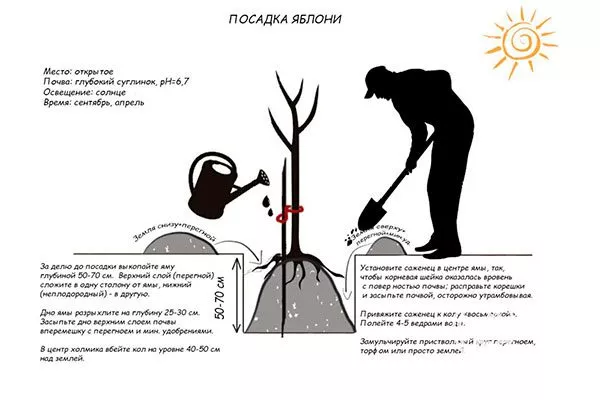
Step-by-step instructions:
- Prepare the holes 3-4 weeks before planting. They should be approximately 80 x 90 x 70 cm in size. Place a mixture of soil and fertilizer at the bottom, then add a drainage layer (such as gravel or sand) and water.
- Position the seedling so that the root collar is 5-9 cm above ground level, allowing for possible soil settlement. Spread the roots and carefully fill the hole with soil, compacting it lightly with your hands.
- Water the plant with 15-25 liters of water and mulch the soil surface. If necessary, install a support, such as a stake or trellis, on the north side of the trunk to protect it from cold winds during the winter.
Tree care
Caring for your apple tree is key to its healthy growth and abundant fruit production. Follow standard agricultural practices.
Protection from frost and pests
Trees are quite winter-hardy, but it's best to cover them during the winter, especially when young. Saplings can be easily protected using a tent-like method: place hay, straw, or loose soil around the base of the trunk. In warmer regions, wrapping the trunk with materials such as roofing felt, tar paper, or burlap is sufficient.
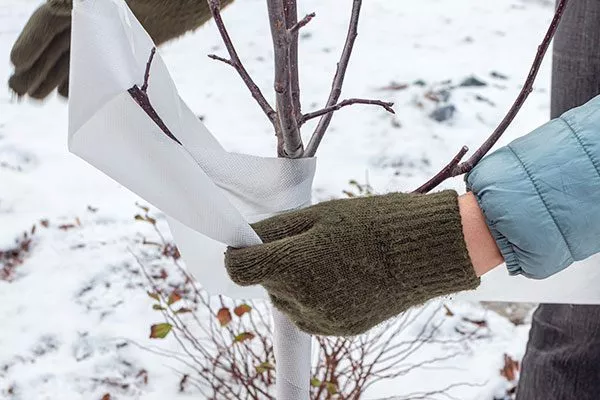
In winter, insects often hide in cracks and chipped bark, so take preventative measures and remove them. Apply a thick lime solution to a height of about 80-90 cm. To protect the apple tree from rodents, coat the trunk with fuel oil, grease, or other strong-smelling substances.
Loosening the soil, watering: proper agricultural technology
Regular loosening of the soil around the base of apple trees is necessary to ensure good air permeability and moisture exchange. Loosen the soil no more than twice a year.
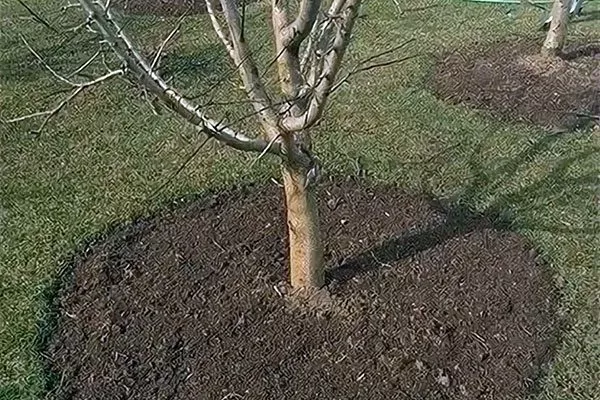
The winner requires moderate moisture. Water the plant 2-3 times a month, depending on natural precipitation and the time since the last rain. Apply water according to the crown projection, where the main roots are located. This allows the plants to better absorb moisture and nutrients.
Top dressing
Fertilize the crop several times per season, combining organic and mineral nutrients. Follow these recommendations:
- in the spring, before the buds open – nitrogen-containing compounds, such as ammonium nitrate or urea, to stimulate the growth of shoots and leaves;
- during the flowering period – a solution of mullein or an infusion of chicken manure diluted in water.
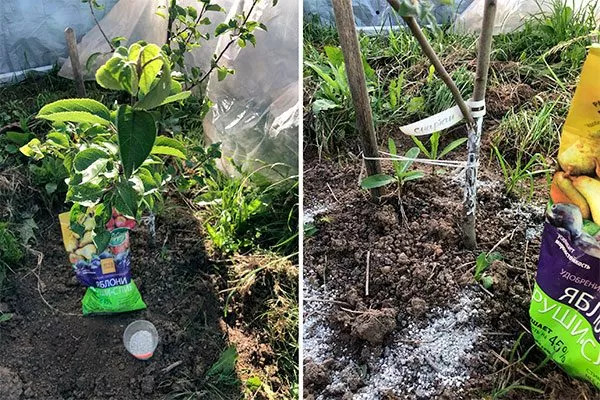
Apply fertilizer to moist soil. Once a month, use an herbal infusion—nettle or weed.
Pruning: simple crown shaping
For the Pobeditel variety, the optimal option is a sparse or sparse-tiered crown shape, which is usually formed in the nursery.
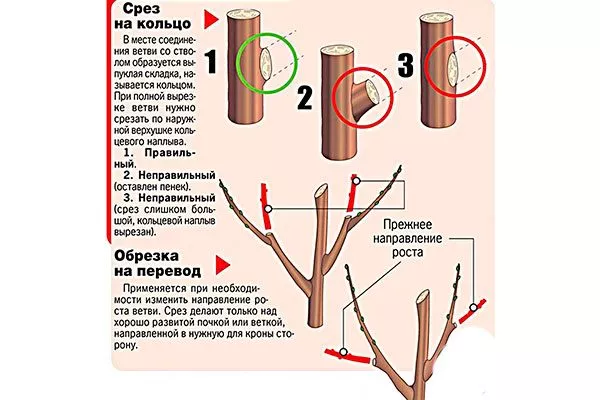
Main characteristics:
- During the first year of growth, shorten the central conductor by a third and prune all shoots, leaving those at various levels that will become scaffold branches. These will determine the tree's shape.
- In the future, remove unnecessary branches: those growing upwards, into the crown, as well as those crossing and parallel.
- Every fall, perform sanitary pruning, removing broken, diseased, or dead branches, as they drain the tree's resources. Treat all pruning wounds with garden varnish or paint with a special paint to protect against infection.
Reproduction
There are several ways to increase the number of seedlings, each with its own characteristics. The main propagation methods are:
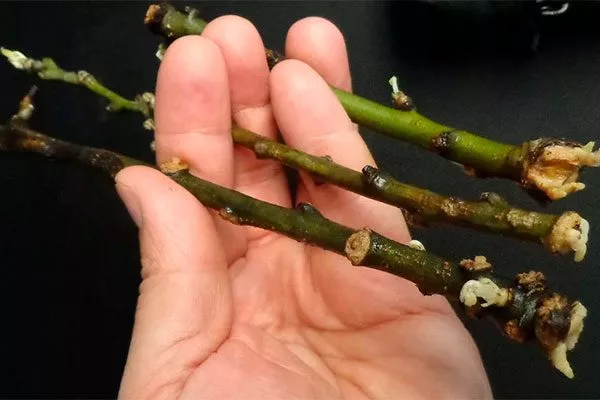
- Cuttings. Select semi-woody cuttings taken from one-year-old shoots, approximately 20 cm long. Root them in hotbeds or greenhouses at temperatures around 20-25°C. Plant them in well-drained soil and maintain the required moisture.

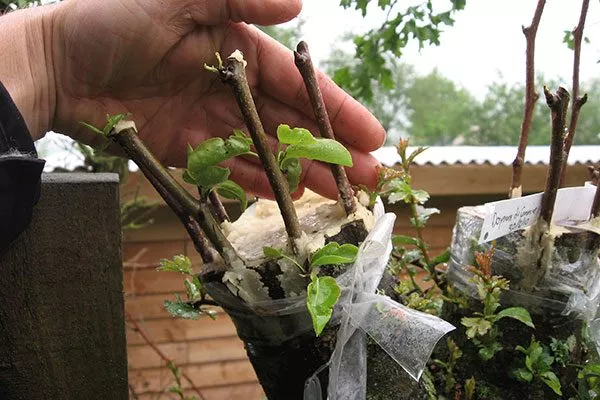
- Graft. The winner is often grafted onto dwarf or semi-dwarf apple rootstocks, which allows the tree to achieve a compact size.
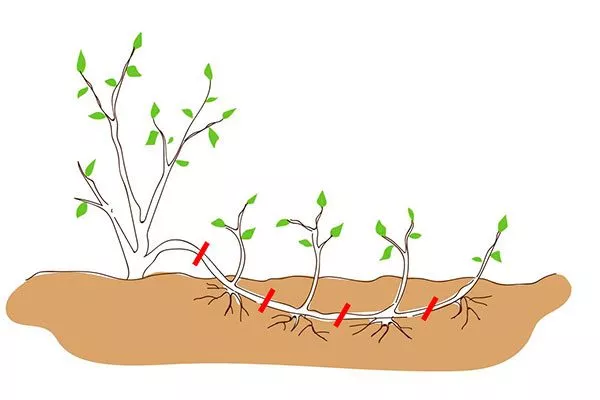
- Layers. In summer, make a small cut in one of the shoots and then place it in a prepared trench filled with moist soil. After a while, the shoot will root, and you can separate it from the main tree and replant it.
Diseases and pests
The crop has good resistance to diseases and pests, but like all fruit trees, it can be attacked by various pathogens and insects under unfavorable conditions. For prevention, use fungicides and follow proper agricultural practices.
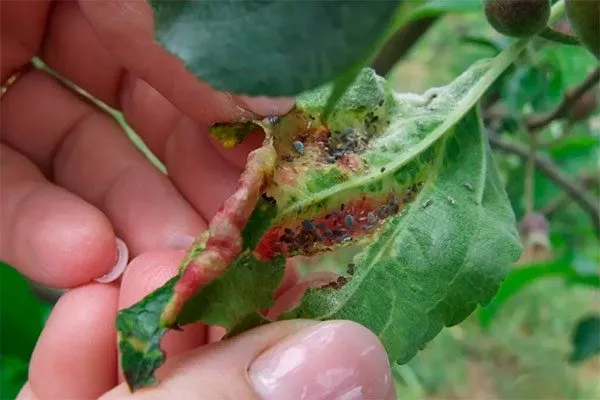
Apple trees can be attacked by bark beetles, leaf beetles, and aphids. To combat these pests, use insecticides. Experienced gardeners recommend Aktara and Karbofos.
What to do if it doesn’t bloom or bear fruit?
If your Pobeditel apple tree isn't blooming or bearing fruit, consider several important factors:
- the tree does not receive the required amount of water or, on the contrary, suffers from overwatering;
- the plant was weakened by pests;
- fungal and bacterial diseases suppress the development of apple trees;
- Lack of nutrients affects flowering and crop yield.
Why do apples fall?
If fruit remains on the tree for too long, it can become overripe, causing it to fall naturally. Strong winds, rain, hail, or snow can damage the fruit, causing it to fall prematurely.
Pros and cons
Reviews
The Pobeditel apple tree is a reliable and highly productive variety that will meet the expectations of even the most demanding gardeners. Its consistent yield, low maintenance, and disease resistance make it an excellent choice. With proper care and attention, it will produce generous amounts of apples year after year.