
The Pepin Saffron apple tree is renowned for its high yield and excellent flavor, as well as its attractive appearance. This variety is characterized by its versatility—the apples are suitable for fresh consumption, long-term storage, and transportation. The variety adapts well to a variety of climates, provided proper agricultural practices are followed.
History of apple tree breeding and regions for cultivation
The cultivar was developed in 1907 by I.V. Michurin in the city of Michurinsk by crossing the Reinette d'Orleans with hybrids of the Lithuanian Pepinka and the Golden Kitayka. Of all the varieties he developed, this one is considered one of the most successful.
In 1947, it was included in the State Register and recommended for cultivation in most regions of Russia. Over time, it spread beyond its borders and is successfully cultivated in the CIS countries.
More than 20 new species have been created on its basis, including the following:
- Gorno-Altai;
- Autumn joy;
- Cherry.
This variety is particularly popular in Ukraine, Belarus, Georgia, Armenia, and the Baltic states. Its wide adaptability makes it a constant favorite among amateur gardeners.
Features and specifications
The Saffron Pepin apple tree is a time-tested domestic variety with distinctive advantages and certain disadvantages. Before growing it, it's important to familiarize yourself with its characteristics to determine its suitability for specific garden conditions.
The appearance of the tree
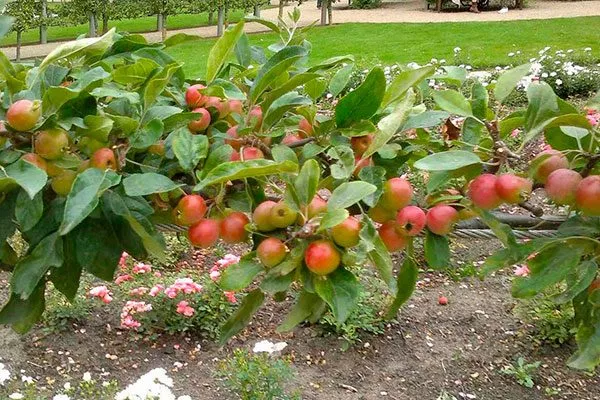
The plant is medium-sized – the height without formative pruning is 2.5-3.5 m. Distinguishing features:
- Crown – Dense, wide-spreading, with rounded outlines. Over time, it can take on a weeping form and requires regular trimming.
- Escapes – Long, thin, with a grayish bloom and dense pubescence, they extend from the trunk at a right angle. Fruiting is concentrated on the rings and fruiting twigs.
- Leaves - The leaves are small, oval-shaped, pointed at the tip, and leathery. The upper surface is matte green, while the underside is grayish due to pubescence. The edges are wavy, with a serrated border, and the leaves themselves can fold into a boat-like shape.
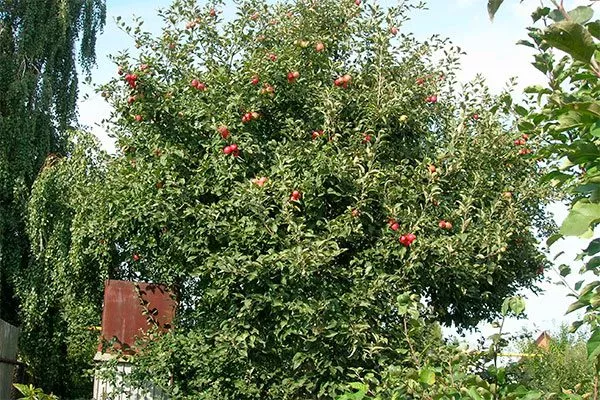
In June, the apple tree is abundantly covered with small snow-white flowers.
Description of fruits
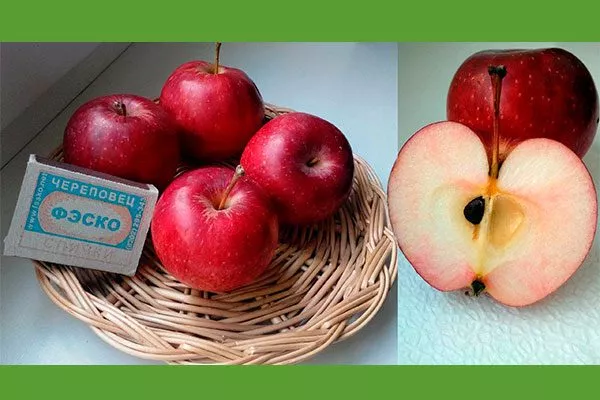
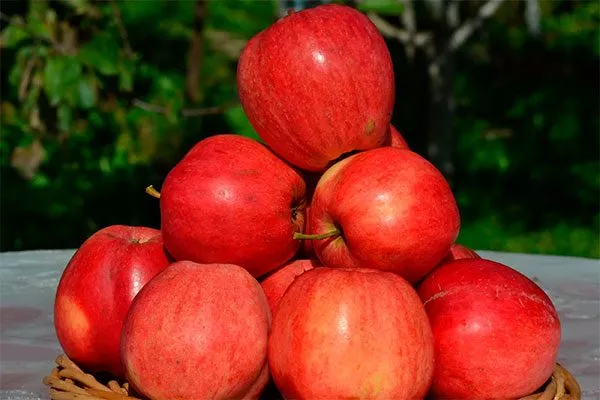
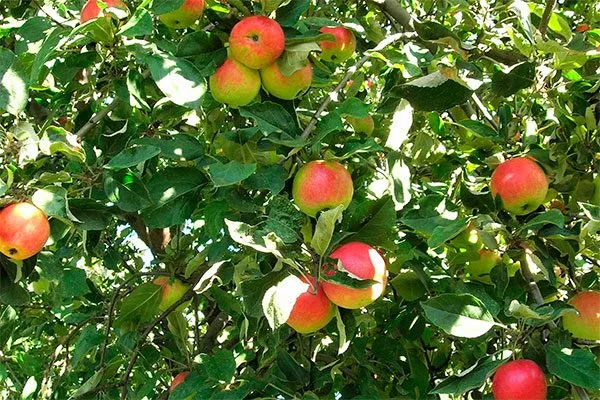
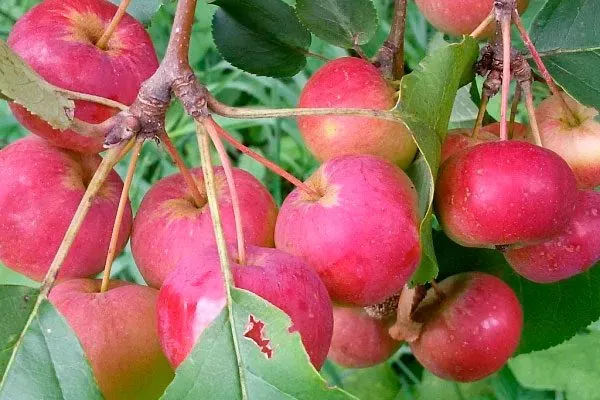
The apples are distinguished by their rich red color with vibrant stripes and a perfectly rounded shape. Their main characteristics:
- weight - on average about 85 g, in young trees they can reach up to 130 g, but over time they become smaller;
- skin – smooth and dense, with a pronounced blush;
- peduncle – long, and the funnel is narrow and deep;
- pulp – light, juicy.
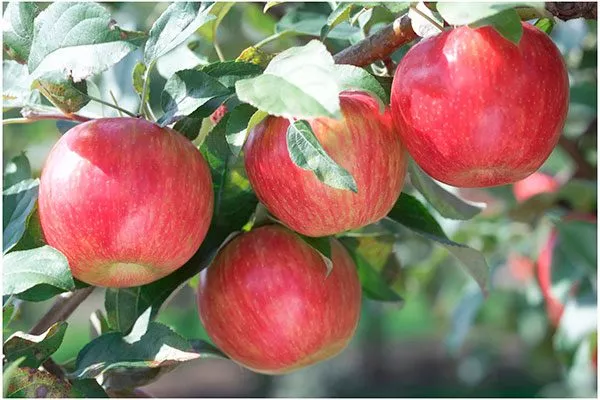
The flavor is distinctly sweet and sour, with a slight spiciness. Tasters rate it at 4-4.5 points. The fruit's chemical composition includes:
- catechins (167 mg);
- vitamin C (14 mg);
- sugars (11 mg);
- acids (0.5 mg).
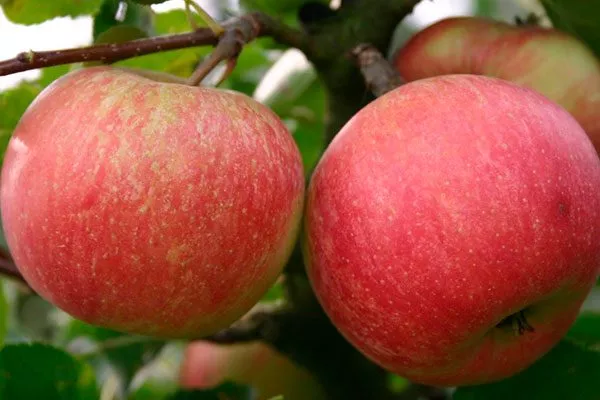
Apples are versatile in use – suitable for fresh consumption and processing: they are used to make jam, preserves, marmalade, juices and compotes.
Pollinators, ripening, fruiting and yield
Saffron pepin is capable of self-pollination, but productivity increases significantly when paired with other varieties such as Melba, Antonovka Obyknovennaya, Welsey, or Slavyanka. Cross-pollination promotes more consistent and abundant fruit production.
The Saffron Pepin apple tree begins blooming in early June. On seedling rootstocks, the tree begins bearing fruit in the third to fifth year, while on dwarf rootstocks, it begins bearing fruit in the second to third year after planting. It is a winter variety: its apples reach harvestable maturity between August 15 and September 10.
With proper care, a single tree can yield up to 280 kg of apples. Harvesting begins in mid-September, but the fruits reach full maturity after a month of storage. The fruit has an above-average shelf life; under the right conditions, they retain their flavor and appearance for a long time.
Resistance to frost, diseases and insects
The Saffron Pepin apple tree is highly frost-resistant and, with proper care, can withstand temperatures as low as -38°C. However, to maintain this resistance, it's important to properly prepare the tree for winter: this not only helps it survive the cold but also protects it from disease.
Cover young seedlings with paper or a special material, tying the branches first. For mature plants, insulate the trunk up to the base of the skeletal branches, and mulch the area around the trunk with peat or humus.
Despite its cold tolerance, the crop is susceptible to diseases. It is susceptible to scab, powdery mildew, cytosporosis, and pests, especially codling moth. These are controlled using standard agricultural and chemical methods, including sanitary pruning and treatment with fungicides and insecticides.
Storage of crops, harvesting
The key is to choose the right container and prepare the fruit. Wooden boxes, plastic containers, or wicker baskets are best.
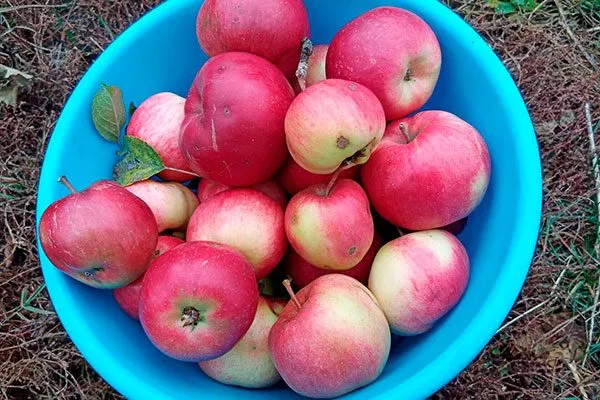
The following are suitable as an interlayer:
- dry sawdust;
- clean sand;
- wax paper.
Basic requirements:
- The storage area should be cool, with a temperature no higher than +2°C. This could be a basement, pantry, shed, or insulated balcony.
- Before storing, carefully sort the fruit: it should be clean and free of damage, bruises, or signs of disease. Choose only those picked straight from the tree, not fallen ones.
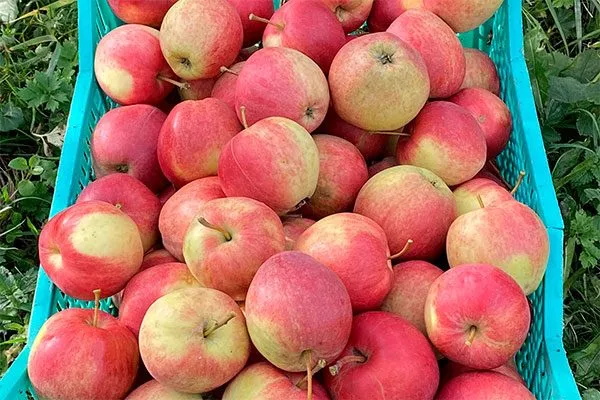
It is recommended to sort the harvest by size, as larger specimens do not store well and spoil faster.
Rootstocks and subspecies
The Saffron Pepin apple tree comes in a variety of forms, each with its own growing and care requirements. Depending on climate conditions and rootstock type, gardeners can choose the most suitable subspecies of this variety.
Below is a description of the two most common options:
- Creeping (stunted). This subspecies is grown on dwarf or semi-dwarf rootstocks. Care is primarily focused on formative pruning: the central basal shoot is removed, and the lateral branches are bent toward the ground.
This shape allows you to effectively cover the tree for the winter, even just by sprinkling it with snow, which is especially important in regions with harsh climates.

- Cultural winter. This variety is suitable for cultivation in central Russia and in more northern regions, such as the Moscow and Leningrad regions. However, please note that trees of this subspecies are sensitive to soil acidity and do not tolerate it even to a mild degree.
If the indicators are elevated, regular liming of the soil will be required.
Landing rules
Planting seedlings is a simple process, but it does require following some basic rules. It's essential to purchase high-quality planting material, which will determine the tree's future yield.
How to choose the right seedlings when buying?
If you've decided to plant the Saffron Pepin apple tree on your property and are planning to purchase quality planting material, it's important to follow a few recommendations for a successful purchase.
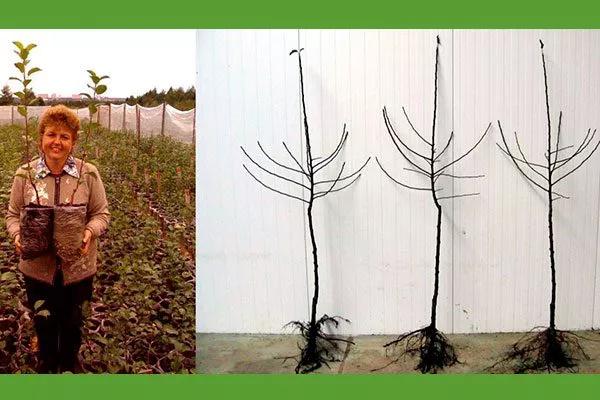
First and foremost, purchase plants from specialized gardening stores, which can provide a quality certificate if needed. Please note the following:
- height - no higher than 1.6 m;
- optimal age – 1-2 years;
- vaccination site – clearly visible on the trunk, at a distance of up to 12 cm from the root;
The seedling should look healthy and fresh: without mechanical damage, with bright green, elastic and attractive-looking wood under the bark, and elastic and moist roots.
Optimal landing time and location selection
Apple trees can be planted in either spring or fall. In the former case, rooting is easier, and the tree is better prepared for winter. In the fall, however, special preparation for the cold weather is required. The key is to plant trees in well-prepared soil.
When choosing a landing site, consider several important points:
- plot – must be permanent, since the apple tree culture does not tolerate transplantation well;
- soil – solid, not marshy, ideally loam, sandy loam and floodplain soils, as well as leached chernozem.
- lighting – Excellent, as a lack of light can result in smaller, less sweet fruits.
Preparing the site and seedlings
If you plan to plant your apple tree in the fall, begin cultivating the soil in August. For every square meter of soil, apply:
- 40 g potassium salt;
- 50 g Superphosphate;
- 5 kg of manure or compost.
Mix all these components thoroughly and distribute them evenly over the area, then dig up the soil so that the fertilizer penetrates deep enough.
When planting in spring, prepare the area in advance:
- In the fall, dig a planting pit up to 1 m deep and about 1.5 m in diameter.
- Mix the soil from the hole with cow manure or compost, 450 g of wood ash, and 250 g of azophoska. Fill the hole with this mixture and leave it until spring.
Before planting, soak the roots of the seedlings in an insecticide solution, such as Aktara, to protect them from pests. You can also simply submerge them in plain water—this will help them root better and revive.
Planting diagram and process
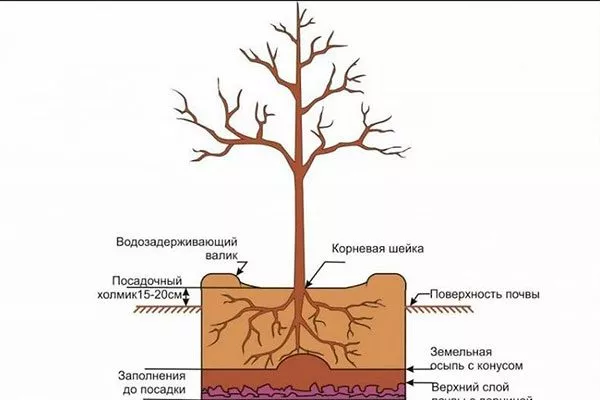
When planting an apple tree, it's crucial not to plant the seedling too deeply—the crown should be 5-8 cm above the ground. Here's a step-by-step guide:
- Dig a hole about 80 cm deep and about 1 m in diameter, making a small mound at the bottom.
- Carefully place the seedling with straightened, soaked and healthy roots on this hill and cover it with soil.
- Carefully compact the soil around the tree.
- Drive two stakes into the sides of the hole and tie the plant to them for stability.
- Water the apple tree generously with 10 liters of water.
Further care of the Saffron Pepin apple tree
Although saffron pepin is an easy-to-grow crop, it's important to follow basic farming practices. This will ensure increased productivity and generous harvests.
Irrigation regime
This is an important agricultural procedure that determines the health of the tree and the quality of the harvest. Moisture is especially necessary during dry periods: during active shoot growth, flowering, fruit ripening, and after apple harvest.
Basic rules for watering an apple tree:
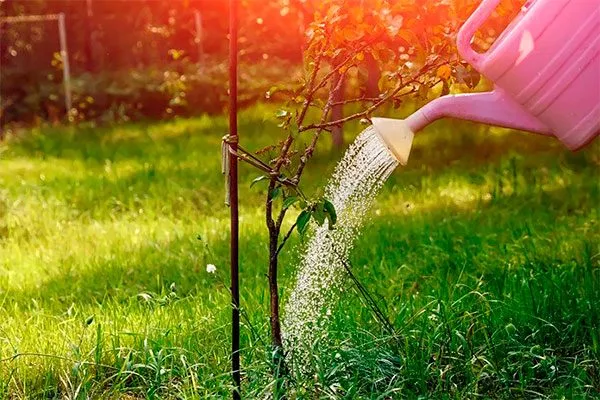
- Young trees (up to -5 years) They require regular watering—approximately once every 7-10 days if there's no rain. Consumption is 20-30 liters of water per tree.
- Fruit-bearing adult apple trees Water less frequently but more abundantly: 4-5 times per season, with 40-60 liters of water, depending on age and weather.
The watering depth should reach 40-60 cm to ensure moisture reaches the roots. The best time to apply water is morning or evening. For ease of use, make furrows or root circles around the trunk. Gardeners recommend drip irrigation.
Tree fertilizing
Apply the first fertilizer in the second year after planting. During the first year, the roots are nourished by humus or compost added to the planting hole.
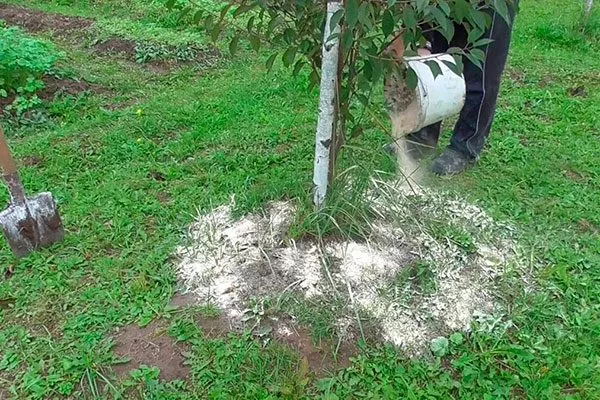
Follow these recommendations:
- From the 2nd to the 3rd year, regularly feed the crop – apply 4-5 fertilizers per season.
- Apply basic fertilizers during flowering and fruiting. In summer, fertilize the plant twice as needed, using diluted organic matter.
- Do not apply bird droppings in concentrated form.
- Minerals such as nitrogen, potassium and phosphorus are beneficial for apple trees.
- If you use combined fertilizers, leave a 1-2 week break between them.
Pruning the Saffron Pepin apple tree
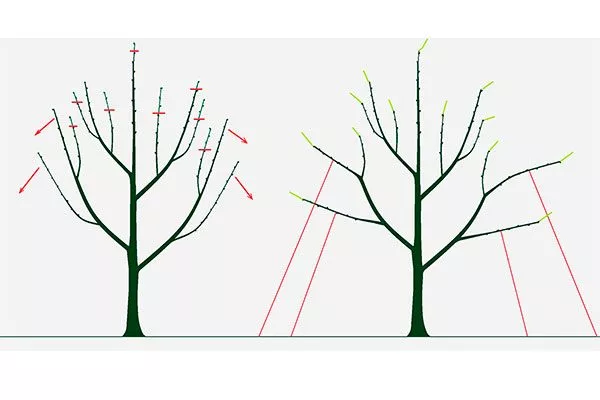
Trim your hair twice a year. Follow these guidelines:
- In spring, in March-April, Perform formative pruning to create a round or elongated crown. Use pruning shears pre-treated with a disinfectant solution. Remove old and crooked branches.
- In the fall Sanitary pruning is required – remove old and diseased shoots. After cutting, be sure to treat the wounds with garden pitch.
Pest and disease control
Apple trees are susceptible to a number of diseases, often caused by care errors. Common problems include:
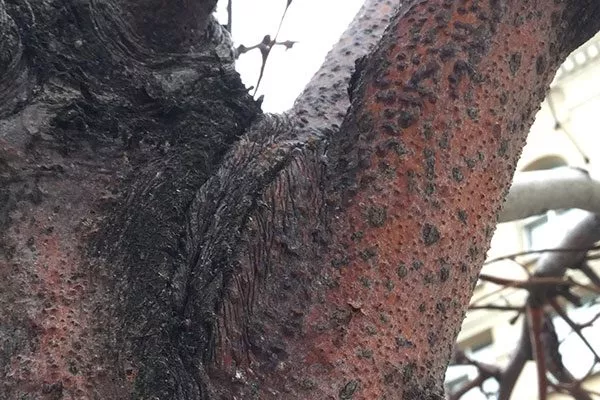
- Cytosporosis - A fungal infection that manifests itself as the death of individual sections of the trunk and branches. For mild infections, folk remedies will help, but for severe cases, specialized medications are needed, such as Hom, Ordan, or Topsin-M.
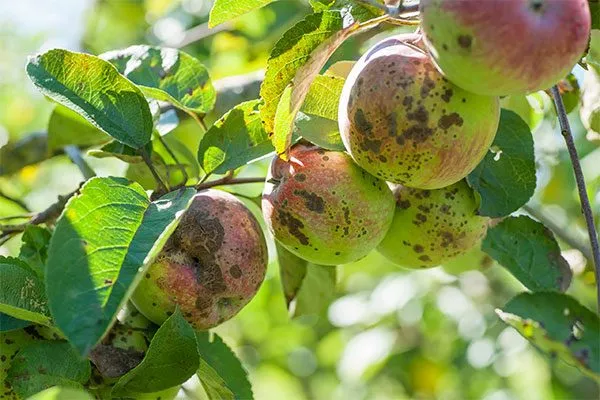
- Scab - It manifests itself as black spots on leaves, shoots, and fruit. Apples develop cracks, which darken over time and become deformed. Treatment involves using Bordeaux mixture and colloidal sulfur.
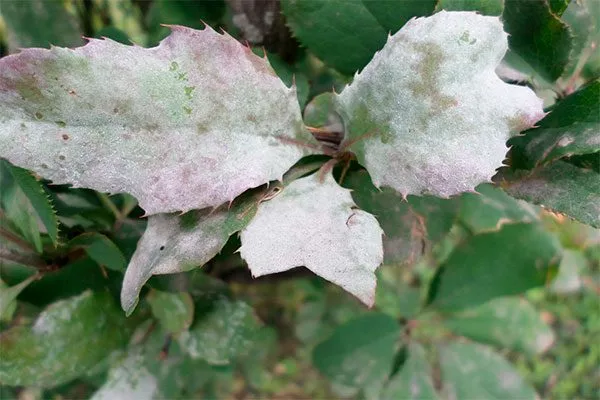
- Powdery mildew - Characterized by a white, flour-like coating. It appears on the inflorescences, causing them to rot and preventing fruit set. Treatment can be done with fungicides only during the growing season—Topaz and Skor.
Furthermore, apple trees are often attacked by pests such as scale insects and codling moths. Any diseases and pests are easier to prevent with preventative treatments.
Pros and cons
Similar varieties
There are several similar varieties of Pepin saffron. The following are noted analogs:
| Name | Description |
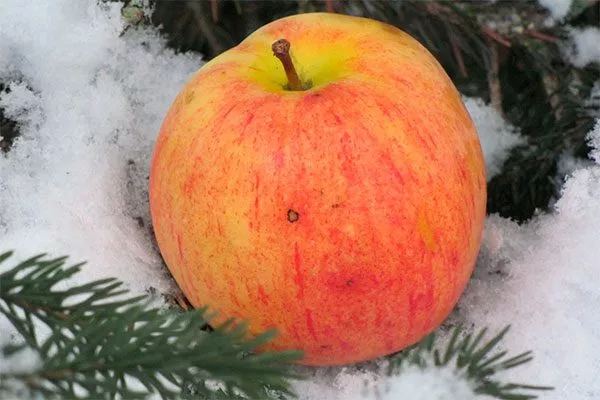
| Saratov saffron | It is a tall tree, 1.5 to 2 m in height, with a wide pyramidal crown and dense foliage.
Key Features:
The fruits are firmly held on the branches and do not fall off. |
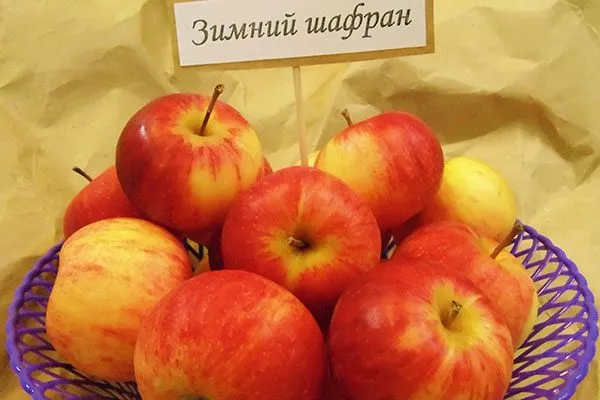
| Winter saffron | This variety was developed in the 1990s specifically for the harsh conditions of Siberia. Distinguishing characteristics:
|
| Sayan saffron | The trees have gained recognition among private property owners due to their compact size.
Positive qualities of culture:
Apples are versatile and store well. |
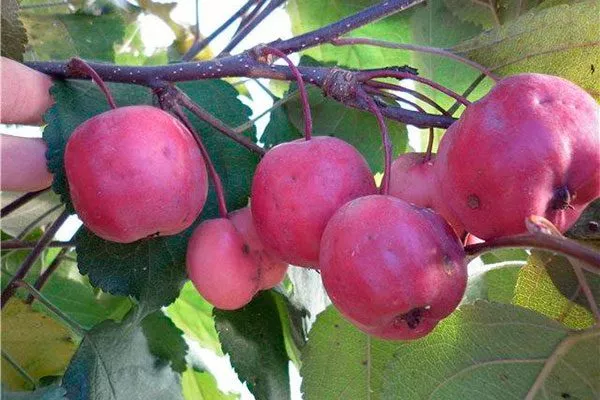
| Flashlight | The plant has a compact, oval-narrow-pyramidal crown of medium density. Characteristic features:
|
Reviews
The Saffron Pepin combines high productivity, tolerance to adverse conditions, and excellent fruit flavor. Considered one of the best winter apple varieties, it requires little attention and care, yet delivers abundant harvests of high-quality apples. Ideal for novice gardeners.